2027 Is Demand for Christian Counseling Degree Graduates Growing or Declining?

Co-Founder and Chief Data Scientist
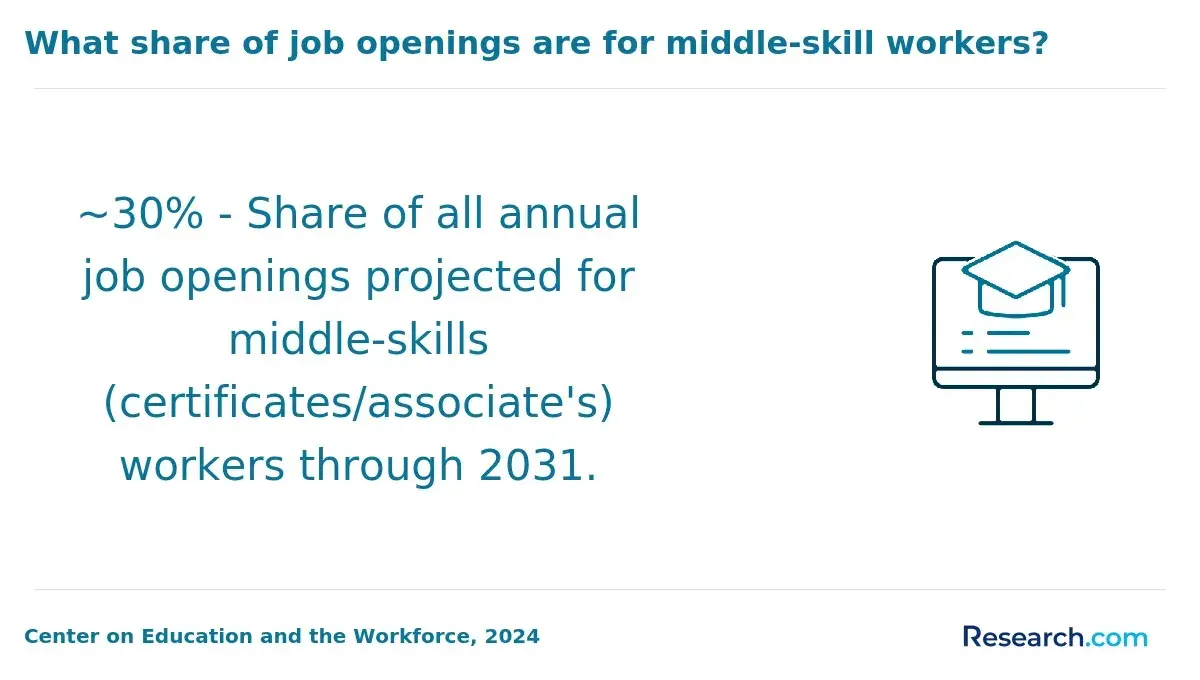
Many graduates with a Christian Counseling degree struggle to find stable employment in a competitive mental health field increasingly dominated by secular counseling options. The Bureau of Labor Statistics projects a 25% growth in counseling-related jobs from 2021 to 2031, yet fewer positions specifically require a Christian Counseling background. This disconnect raises concerns about the practical value of the degree in today's job market. This article examines whether demand for Christian Counseling degree graduates is growing or declining, analyzing employment trends, industry needs, and career opportunities to help readers make informed educational and career decisions.
Key Things to Know About the Demand for Christian Counseling Degree Graduates
- Employment for Christian counseling degree graduates has remained stable, with steady demand in faith-based organizations and community mental health settings.
- Projected job growth of approximately 10% through 2030 reflects rising awareness of mental health within religious communities.
- Specializing in areas like family or addiction counseling enhances long-term opportunities amid evolving healthcare and pastoral care integration.
What Factors Are Driving Demand for Christian Counseling Degree Professionals?
Recognizing the forces shaping demand for Christian Counseling professionals helps prospective students evaluate the long-term value and stability of earning this degree. Several key drivers influence hiring trends and job market opportunities in this field.
- Industry Growth: The mental health sector continues to expand due to heightened awareness of mental wellness and a growing interest in faith-based support services. Accredited Christian Counseling degree benefits include stronger job prospects as faith communities and private practices increasingly seek counselors with specialized training.
- Demographic Shifts: Aging populations combined with rising stress levels among younger generations increase the demand for counselors skilled in addressing both spiritual and psychological needs. This demographic trend sustains long-term employment opportunities for graduates who integrate faith with therapy.
- Regulatory and Policy Changes: Evolving state licensing requirements and insurance reimbursement policies emphasize formal education and credentials. The importance of accreditation for Christian Counseling programs is heightened as degree holders with verified credentials become more competitive in the workforce.
- Evolving Employer Skill Requirements: Employers seek candidates who blend traditional therapeutic methods with an understanding of religious beliefs. Graduates possessing this dual expertise have greater advantage in securing relevant roles.
- Technological Advancements: The rise of telehealth and virtual counseling platforms expands client reach and opens up new employment avenues beyond local settings. This also supports flexible service delivery models that many employers value.
For those considering advanced studies, exploring online doctorate of education programs may provide further credentials to enhance career prospects within Christian counseling and related fields.
Which Christian Counseling Occupations Are Seeing the Highest Growth Rates?
Growth rates are an essential indicator for students evaluating Christian Counseling career paths because they highlight future opportunities and job market vitality. The Bureau of Labor Statistics projects a 23% growth rate for mental health counselor roles overall from 2022 to 2032, signaling strong demand within the counseling field. This trend helps contextualize specific Christian Counseling occupations with high potential.
- Licensed Professional Counselors: These specialists focusing on faith-based mental health are expected to experience growth near 20% over the next decade. Increasing awareness of mental health issues within religious communities and wider acceptance of counseling services drive this demand, typically requiring a master's degree in counseling or a related field.
- Pastoral Counselors: Combining spiritual guidance with therapeutic techniques, pastoral counselors are projected to grow around 15%. Their unique integration of faith and mental health support appeals to religious populations seeking holistic care, often necessitating advanced theological and counseling education.
- Marriage and Family Therapists: Therapists trained in Christian Counseling enjoy growth rates close to 18%, spurred by a growing focus on family dynamics and relational health. These roles usually require a master's degree and relevant licensure.
- School Counselors: Those incorporating Christian Counseling principles report steady demand growth of about 12% as schools increasingly adopt holistic support models. Education requirements typically include a master's degree in counseling or education counseling.
Students considering these fields may also explore the cheapest online counseling degree options to balance educational investment with career potential. Understanding Christian counseling job growth in the United States can better prepare graduates for the highest demand occupations available to them.
Which Industries Hire the Most Christian Counseling Degree Graduates?
Recognizing which sectors most frequently employ christian counseling graduates helps prospective students evaluate career options and job security. Key industries offering promising opportunities include the following:
- Healthcare: Many graduates find roles in mental health clinics, hospitals, and rehabilitation centers, where they integrate faith-based insights with clinical care. This industry increasingly values christian counseling's holistic approach to patient well-being, blending spiritual and psychological support.
- Religious Organizations and Faith-Based Nonprofits: Positions in this sector often involve pastoral counseling, youth outreach, and community ministry. Graduates serve faith communities by addressing both emotional and spiritual challenges, strengthening the impact of these organizations.
- Educational Institutions: Schools and colleges employ christian counseling graduates as school counselors and campus ministry staff. Their faith-informed perspective supports students' mental health, responding to rising demand for comprehensive, value-centered counseling services.
- Correctional Facilities and Social Services: This sector hires graduates to provide rehabilitation and support focused on ethical guidance and spiritual care. Christian counseling education equips professionals to address the complex needs of offenders and other vulnerable groups effectively.
Growing awareness of mental health issues, greater attention to holistic care models, and expanded faith-based program offerings drive demand across these areas. Christian counseling training prepares graduates to meet these needs through a combination of clinical and spiritual competencies.
Job prospects for graduates with a Christian counseling degree differ widely depending on geographic location, influenced by regional population density, cultural demand, and local service infrastructures. Several regional factors shape the availability and nature of employment opportunities for these professionals.
- High-Demand States: States with large metropolitan centers such as California, Texas, and Florida tend to offer more positions due to higher population levels and diverse community needs. These areas often feature numerous faith-based organizations actively seeking Christian counseling practitioners.
- Regional Industry Concentration: Certain areas, especially in the Southeast and Midwest, have a higher presence of religious nonprofits and community service agencies that rely heavily on professionals with Christian counseling expertise. This concentration creates localized job growth.
- Urban vs. Rural Differences: Urban regions generally provide a larger number of openings but come with increased competition. Conversely, rural locations may have fewer jobs overall but often experience less applicant saturation, potentially benefiting graduates open to serving in less populated communities.
- Cost-of-Living Impact: Variations in living expenses influence salary levels and job-seeking decisions. Professionals in states with lower costs of living might find more manageable financial conditions, while those in expensive urban hubs may face higher salary expectations to offset living costs.
- Remote and Hybrid Work Trends: Emerging opportunities through telehealth and hybrid counseling models are expanding job access beyond traditional geographic limits, allowing Christian counseling graduates to serve clients from diverse locations without relocation.
Educational attainment, such as a bachelor's, master's, or doctorate degree, significantly influences job prospects, career advancement, and professional standing within Christian counseling careers. The varying degree levels shape the scope of roles and competitive potential candidates experience. Below is a comparison of how these degrees affect employment opportunities in Christian counseling fields.
- Associate Degree: This credential often qualifies individuals for entry-level positions like behavioral health technicians or paraprofessionals. However, it usually limits candidates to support roles with minimal independent practice, impacting overall employability.
- Bachelor's Degree: Holding a bachelor's allows access to roles such as case managers or pastoral care assistants. Still, licensure in counseling typically requires graduate education, which affects career progression. Christian counseling degree levels and job prospects in the US show this degree serves as a foundational step.
- Master's Degree: Regarded as the standard for licensed counselors, this degree opens opportunities for licensed professional counselor positions and private practice. The master's level enhances employability and competitiveness in the job market.
- Doctorate Degree: Doctoral credentials prepare professionals for advanced roles in clinical supervision, research, and teaching while boosting earning potential and job security. This level often leads to leadership positions within counseling organizations.
Advancing degree levels also expand access to stronger professional networks and improved clinical training. Those considering further education might explore a variety of programs, including executive MBA programs online, to complement their counseling qualifications and broaden career paths.
Recognizing the skills that employers prioritize in christian counseling graduates is vital for standing out in a competitive job market. These abilities enable graduates to meet the demands of counseling roles that integrate professional and spiritual care. The key competencies sought include:
- Effective Communication: Proficiency in active listening and clear expression helps counselors establish trust and rapport with clients, facilitating meaningful dialogue and support during counseling sessions.
- Faith Integration: Competence in blending biblical teachings with established therapeutic practices allows counselors to offer comprehensive care that respects both mental health and spiritual well-being.
- Empathy and Cultural Awareness: Sensitivity to clients' diverse experiences encourages an environment of acceptance and understanding, essential for promoting healing across varied backgrounds.
- Ethical Judgment: The ability to navigate confidentiality, maintain professional boundaries, and uphold both legal and moral standards is crucial to preserving integrity in counseling practices.
- Conflict Management: Skill in helping clients address interpersonal issues with patience and constructive solutions supports their emotional and relational growth.
When asked about what skills employers are looking for, a graduate from a christian counseling degree program shared a personal perspective. He reflected on the intense moments during his practicum where applying ethical standards felt challenging amid complex client situations. He described, "There were times when balancing confidentiality and client safety required quick, thoughtful decisions." He also highlighted how integrating faith principles with psychological methods was not always straightforward, explaining that "it involved continuous learning and adapting to each client's unique story." This experience underscored for him the importance of not only mastering theoretical knowledge but also developing practical skills that resonate deeply with the counseling context.
Breakdown of Public Fully Online Title IV Institutions

Fluctuations in job demand directly influence starting salaries, wage growth, and long-term earnings for Christian counseling graduates, as employers adjust compensation to attract and retain qualified professionals. For example, the U.S. Bureau of Labor Statistics forecasts a 22% employment growth for counselors through 2030, signaling strong salary potential in this field. These trends shape how labor market dynamics impact earning opportunities.
- Increased Competition: When job openings are limited, employers compete for scarce candidates by offering higher starting wages, benefiting new Christian counseling graduates entering the workforce.
- Experienced Professional Advantage: Workforce shortages give seasoned counselors greater bargaining power, often resulting in premium pay and accelerated salary advancement over time.
- Specialized Roles: Expansion of faith-based and community services creates niche positions with unique skill demands, enabling professionals to command higher pay for specialized expertise.
- Regional Variations: Location affects salary scales significantly, as some areas experience higher demand for Christian counseling, leading to stronger wages compared to regions with more abundant labor supply.
These factors reflect basic supply and demand principles whereby a limited pool of qualified Christian counseling graduates relative to employer needs drives salary increases, while oversupply can constrain wage growth. Recognizing these market conditions helps prospective students and professionals set realistic earning expectations based on current and projected job trends.
Advances in artificial intelligence (AI) are transforming workforce demands within Christian Counseling, with nearly 40% of mental health organizations adopting AI tools to improve services. This shift impacts hiring trends and required professional competencies. The main effects of AI on this field include:
- Automation of Routine Tasks: AI streamlines administrative duties such as scheduling and client intake, freeing counselors to focus more on direct care. This can enhance job satisfaction and allow professionals to spend time on meaningful therapeutic work.
- Emergence of Specialized Roles: Demand is growing for counselors skilled in integrating AI technologies into practice and interpreting AI-generated data, creating new career niches that blend faith-based counseling with technological expertise.
- Shifting Skill Requirements: Graduates must develop strong digital literacy alongside ethical awareness when using AI tools, prompting changes in both education programs and continuing skill development to maintain relevance in the job market.
- Evolving Hiring Patterns: While some entry-level administrative positions may decrease, the need for counselors offering empathetic, spiritually grounded guidance remains strong, supporting long-term career stability for those combining traditional counseling abilities with AI knowledge.
When asked about how AI is changing demand in her field, a graduate of a Christian Counseling degree program shared that adapting to new technology was initially overwhelming but ultimately empowering. She explained, "Learning to work alongside AI tools meant rethinking how I approach client sessions and data analysis." The experience involved a steep learning curve but opened doors to roles that value both compassionate care and technological competence. She reflected that embracing AI allowed her to feel more confident in meeting evolving client needs, making her career path feel both secure and forward-looking.
Long-term career stability is an important consideration for students and professionals evaluating christian counseling as a career path because it influences education investments, job security, and future employability. Several key factors shape the job outlook and growth projections for christian counseling graduates.
- Long-Term Employment Trends: There is steady demand for counselors who incorporate faith-based approaches, as many churches, nonprofit organizations, and private practices seek christian counseling professionals to address community mental health needs.
- Industry Reliance: Christian counseling roles fill a unique niche where clients prioritize spiritual guidance alongside mental health support. This specialization often makes these roles less vulnerable to market fluctuations compared to secular counseling positions.
- Technological and Economic Adaptability: The growing acceptance of telehealth and online counseling platforms has broadened access and increased job opportunities, enhancing career resilience amid economic changes or public health challenges.
- Career Advancement and Reskilling: Continuing education, certification programs, and specialization options enable counselors to diversify services and remain competitive within evolving healthcare landscapes.
Given these factors, a career in christian counseling offers reasonable stability and professional growth opportunities. For those exploring different fields, it's worth noting that some of the easiest college majors with high pay may serve as alternatives depending on individual preferences and career goals.
The job outlook for graduates holding a Christian Counseling degree remains cautiously positive amid broader growth in mental health professions. Employment in counseling and therapy-related roles is projected to grow by about 22% in the next decade, a pace faster than average. However, Christian Counseling occupies a specialized niche blending psychological support with spiritual guidance, which shapes its job demand. Career growth for Christian counseling graduates in the US tends to be more regionally dependent and rooted in faith-based organizations, churches, and private practices.
Whether a Christian Counseling degree is worth pursuing largely depends on factors such as the degree level, skill alignment, and specific industry needs. Advanced degrees often yield better job prospects and eligibility for licensure, while employers generally seek professionals who integrate clinical expertise with theological knowledge. Networking within religious communities can also play a significant role in enhancing career opportunities. Prospective students might consider comparing this path with other mental health or religious studies options, including some easier alternatives like associates degrees, to determine which best fits their long-term goals and the labor market realities.
What Graduates Say About the Demand for Their Christian Counseling Degree
- Alfonso: "Pursuing a Christian counseling degree was a transformative decision that has enriched both my personal and professional life. The practical skills and spiritual insights I gained have greatly enhanced my ability to support clients effectively, making the investment truly worthwhile. This degree has opened doors I never expected, and I'm grateful every day for the impact it's had on my career."
- Eduardo: "Reflecting on my journey, earning a Christian counseling degree was more than a career move; it was a calling fulfilled. The return on investment became evident as I started applying faith-based principles that resonated deeply with the individuals I serve. This education has equipped me to approach counseling with a holistic, compassionate perspective that continues to shape my professional path. "
- Vilma: "The discipline and knowledge acquired through my Christian counseling degree have been instrumental in advancing my career in mental health services. I approached this degree with a clear goal to integrate my faith into therapeutic practices, and the outcome has surpassed my expectations. This qualification has not only been a sound financial investment but has also significantly enhanced my credibility as a professional counselor. "
Other Things You Should Know About Christian Counseling Degrees
The demand is influenced by governing bodies like the American Association of Christian Counselors (AACC) and the National Christian Counselors Association (NCCA), which establish standards and credentials that shape employment opportunities for degree graduates in 2027.
Job prospects for Christian Counseling degree graduates in 2027 vary by region. Southern and Midwestern states, with larger Christian populations, often offer more opportunities compared to other regions. Employment settings can range from churches to mental health clinics, depending on regional needs.
Key skills for Christian Counseling degree graduates in 2027 include empathy, active listening, and a deep understanding of theological principles. Proficiency in crisis intervention and familiarity with telehealth platforms are also vital, reflecting the evolving landscape of counseling services.
- 5 Traits of a Successful Christian Counselor | CCU Online https://www.ccu.edu/blogs/cags/2014/06/The-5-Most-Effective-Traits-of-a-Successful-Christian-Counselor/
- Top 5 Reasons to Pursue a Career in Faith-Based Therapy | HopeWay Mental Health https://hopewaymentalhealth.com/top-5-reasons-to-pursue-a-career-in-faith-based-therapy/
- Biblical Counseling Coalition | Vocational Pathways for Biblical Counselors https://www.biblicalcounselingcoalition.org/2023/05/17/vocational-pathways-for-biblical-counselors/
- Ten Things To Know If You Want To Be a Counselor https://lifeovercoffee.com/10-things-to-consider-if-you-want-to-be-a-counselor/
- Common Issues Addressed in Christian Counseling - CCFAM https://ccfam.com/common-issues-addressed-in-christian-counseling/
- The End of Therapy as We Know It? AI, Automation, and the Future of Mental Health Care https://www.christiankhughes.com/post/the-end-of-therapy-as-we-know-it-ai-automation-and-the-future-of-mental-health-care
- How to Become a Christian Counselor https://www.counselingschools.com/careers/christian-counseling
- Christian Counseling Degree Online - FAQs https://trinitysem.edu/christian-counseling-degree-online-faqs/
- 9 Career Paths with an Online Christian Counseling Degree https://blog.tfc.edu/articles/9-career-paths-with-an-online-christian-counseling-degree
- Faulkner University News – What Can Christian Counseling Graduates Do? https://www.faulkner.edu/news/adult-students/what-can-christian-counseling-graduates-do/