2027 Most Popular Concentrations in Christian Counseling Degrees

Co-Founder and Chief Data Scientist
Choosing the right concentration in christian counseling is increasingly important as the field diversifies to meet complex client needs. Reports show that over 40% of christian counseling programs now offer specialized tracks, responding to rising demand for counselors skilled in areas like addiction, marriage therapy, or trauma recovery. This trend reflects growing recognition that tailored expertise improves client outcomes.
This article explores the most popular concentrations in christian counseling degrees, helping prospective students understand which path best suits their career goals. By outlining key specializations and their relevance, readers can make informed decisions aligned with current professional opportunities and personal interests.
Key Benefits of Popular Concentrations in Christian Counseling Degrees
- Specializing in marital and family counseling enhances job placement, with a 15% higher employment rate than general counseling graduates.
- Training in faith-integrated trauma care sharpens critical assessment and intervention skills tailored to spiritual contexts.
- Demand for counselors skilled in addiction recovery within Christian settings grows by 10% annually, reflecting increased community needs.
What are the most popular Christian counseling concentrations in 2027?
Interest in specialized Christian counseling study paths is rising as students seek to meet the evolving needs of faith communities and mental health fields. Shifting workforce demands are influencing student choices by emphasizing targeted skills that integrate clinical expertise with spiritual support.
- Pastoral Counseling and Chaplaincy: These foundational concentrations remain popular for preparing graduates to deliver spiritual guidance in diverse settings such as churches, hospitals, and the military. Programs like Liberty University and Charlotte Christian College focus on blending theological education with counseling techniques.
- Clinical Mental Health Counseling with Christian Integration: Growing enrollment at CACREP-accredited institutions like Regent University, Wheaton College, and Denver Seminary reflects increasing interest in this area. This concentration appeals to those pursuing professional licensing while maintaining faith-based counseling principles, representing a prime example of Christian counseling concentrations for clinical mental health.
- Marriage and Family Counseling: Rising family and relationship challenges within congregations have driven demand for this specialization. Liberty University prominently offers tracks designed to equip counselors for addressing these complex dynamics in faith-based contexts.
- Trauma and Addiction Counseling: With escalating recognition of crisis and addiction issues in church communities, concentrations addressing trauma and recovery are expanding. Dallas Baptist University highlights crisis counseling and abuse recovery training as critical components of this focus.
- Leadership and Spiritual Formation: Reflecting emerging organizational needs, this concentration prepares counselors to foster both spiritual growth and leadership development. Institutions like Grace College and Theological Seminary meet the demand for specialists bridging mental health and faith leadership roles.
Students exploring available programs often weigh these focused paths when considering their career trajectories. For those interested in combining academic acceleration with targeted ministry or clinical skills, researching an accelerated bachelors degree could be a practical step toward entering these faith-based counseling specializations and career paths.
What skills are required for the top Christian counseling concentrations?
Skill development is essential for success in specialized christian counseling study paths due to evolving industry expectations that emphasize both clinical competence and spiritual insight. As faith-based counseling sectors expand, students must build a broad set of abilities that ensure effective client care and integration of biblical counseling principles and practices.
- Counseling theories and techniques: Mastery of diverse counseling methods enables practitioners to adapt interventions to varied client needs, enhancing therapeutic outcomes across marriage, family, and multicultural counseling specializations.
- Ethical interviewing and assessment: Proficiency in ethical interviewing combined with accurate assessment methodologies ensures responsible practice and tailored treatment planning, key for maintaining professional standards.
- Human development and psychopathology knowledge: A deep understanding of developmental stages and mental health conditions is critical for applying trauma-informed approaches and addressing complex behavioral issues within counseling sessions.
- Interpersonal and cross-cultural communication skills: Active listening and cultural competency foster trusting therapeutic relationships, enabling counselors to serve diverse populations effectively in church-based and community mental health settings.
- Theological integration: Articulating how biblical worldviews inform counseling models and spiritual guidance is a distinctive skill area that aligns clinical rigor with faith-based healing practices, meeting the growing workforce demand for genuine christian counseling skills and techniques.
Prospective students exploring what is the easiest bachelor degree to get might consider christian counseling, where specialized competencies balance psychology with theology to prepare for meaningful careers.
Do different Christian counseling concentrations have different admission requirements?
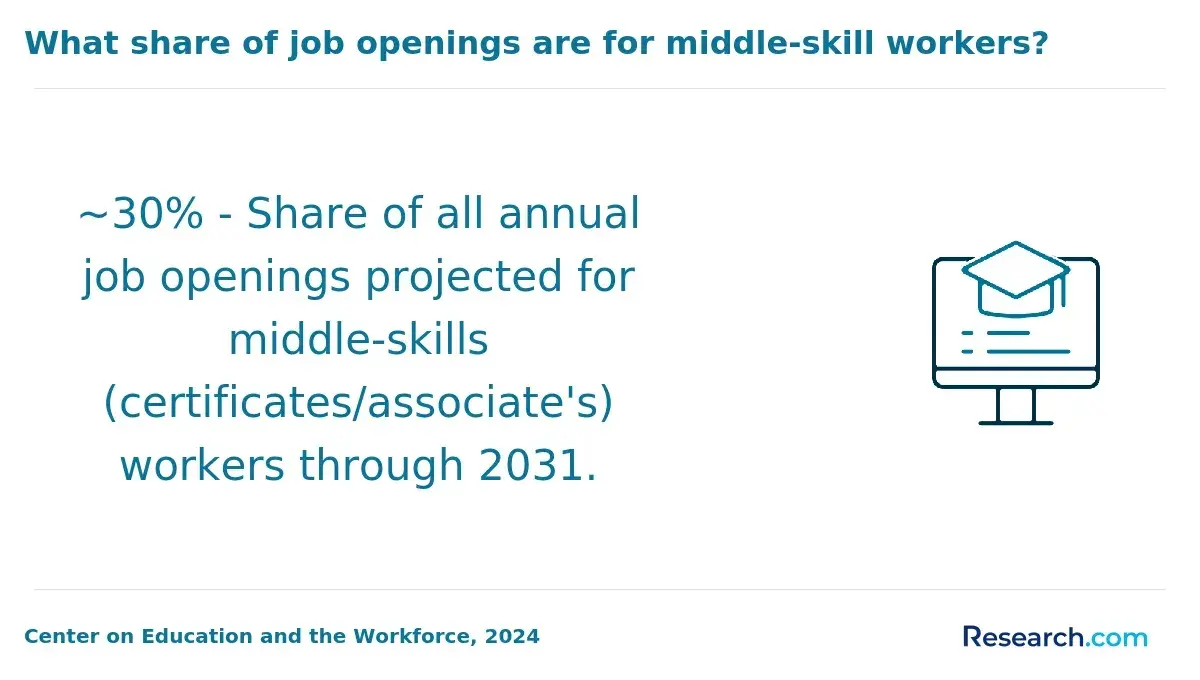
Admission requirements for Christian counseling master's degree programs generally maintain a baseline standard but vary depending on the concentration's complexity and focus. While most programs require a bachelor's degree from an accredited institution, a minimum GPA around 2.5, and a statement of faith, specialized areas such as marriage and family therapy, addiction and recovery, or mental health counseling may emphasize specific prerequisites or experience.
Programs structure their criteria to align with professional licensing standards and the unique demands of each concentration, ensuring students possess the foundational skills needed for success in their chosen field. This approach reflects the nuanced evaluation in Christian counseling master's degree admission requirements across various specializations.
For example, concentrations like marriage and family therapy often expect prior coursework in psychology or related fields, while addiction and recovery programs may value professional or lived experience. Most programs require between 9 and 12 semester hours of prerequisite psychology classes, especially for clinically intensive tracks. GPA expectations can range from 2.0 to 3.0 depending on the school and focus area, reflecting program rigor and quality standards.
Additionally, programs usually request professional references from pastoral or academic sources. Taken together, these standards-including supervised clinical hours-ensure students meet state licensure requirements and are prepared for practical challenges. Prospective students interested in expedited options can explore the fastest masters degree programs to balance education timelines with career goals, integrating key prerequisites and GPA standards effectively.
Accreditation plays a vital role in specialized christian counseling programs, impacting a graduate's qualification for state licensure and professional certification. Choosing an accredited program helps ensure eligibility for various careers and meets standards valued by employers and certifying bodies.
- State Licensure Preparation: Programs accredited by recognized bodies like CACREP or regional agencies align with state requirements, enabling graduates to sit for licensure exams.
- Professional Certification Eligibility: Board certifications, such as from the International Board of Christian Care, require degrees from accredited institutions to qualify for advanced credentials.
- Curriculum and Clinical Standards: Accredited programs must integrate practical experience through internships or practicum, combining clinical competence with biblical principles.
- Faith-Based Licensure Options: Some organizations offer licensure pathways specific to christian counseling that may accept different accreditation standards separate from state mandates.
- Employer Credential Expectations: Many employers prioritize candidates with degrees from accredited programs to ensure adherence to established quality and ethical guidelines.
As more students evaluate online versus on-campus Christian counseling programs, the focus increasingly turns to the quality of education rather than delivery method. Ensuring programs meet high standards has become essential for learners seeking meaningful and effective training.
- Curriculum Consistency: Both formats must deliver a unified curriculum aligned with national academic benchmarks to guarantee comprehensive knowledge and skills.
- Accreditation: Programs accredited by bodies like CACREP maintain equal rigor whether online or in person, assuring credibility and alignment with professional standards.
- Faculty Expertise: Experienced instructors well-versed in Christian counseling principles are crucial across formats to provide relevant instruction and mentorship.
- Learning Outcomes: Successful programs emphasize measurable outcomes, preparing students equally for ministry or licensure roles regardless of study modality.
- Technology Integration: Effective use of digital platforms enhances engagement and accessibility in online courses without compromising content quality.
- Student Support: Comprehensive academic and personal support services contribute to student success and satisfaction in both environments.
- Hands-On Training: Licensure-track programs require in-person practicum and internships, which remain a distinctive challenge for fully online degree paths.
A graduate from a popular Christian counseling concentration shared her reflections on completing a hybrid program. She valued the flexibility of asynchronous online lectures, noting how recorded sessions allowed her to revisit complex theological concepts at her own pace. However, she emphasized the significance of in-person cohort discussions and practicum experiences that deepened her relational skills and spiritual growth.
"The blend pushed me to adapt," she said, "balancing self-motivation online with meaningful face-to-face connections." She described moments of doubt during challenging online assignments but highlighted responsive faculty who bridged gaps between virtual and on-site learning. This dual experience, she believes, ultimately enriched her preparation for both counseling roles and faith-based community involvement, confirming that quality training can be achieved through thoughtfully designed hybrid programs.
Some concentrations within Christian counseling demand greater academic rigor and specialized skills, making them more challenging than others. Variations in course intensity, practical training, and the complexity of client issues contribute to these differences.
- Advanced Diagnostic Expertise: Requires deep knowledge of DSM-5 classifications and the ability to distinguish between complex, overlapping mental health disorders through extensive psychopathology study.
- High-Risk Client Management: Involves working with clients in crisis or suffering from substance dependency, necessitating trauma-informed approaches and precise intervention techniques.
- Relational Systems Proficiency: Demands mastery of conflict resolution and systemic theories to address complicated family dynamics while developing strong emotional intelligence.
- Cultural and Contextual Competence: Entails tailoring counseling strategies to diverse populations by integrating cultural sensitivity with biblical principles, increasing conceptual and practical complexity.
Christian counseling concentrations shape graduates for varied career opportunities by blending psychological skills with theological insight, tailored to particular client needs. Recognizing these connections helps students choose specializations that align with their vocational aims.
- Marriage and Family Therapy: Graduates typically serve as licensed therapists in settings like private practices, churches, and nonprofit groups, focusing on improving relationships and family dynamics through faith-integrated counseling.
- Addiction and Recovery Counseling: This path prepares professionals for roles in treatment centers and hospitals, where they combine spiritual resources with clinical methods to support substance abuse recovery.
- Crisis and Trauma Counseling: Specialists in this area work with individuals facing trauma, suicide risk, and emotional crises in various environments such as hospitals, schools, and relief organizations, providing both psychological and spiritual care.
- Pastoral Counseling: Graduates often become spiritual advisors or leaders of counseling ministries within churches, coordinating volunteer counselors and offering faith-based emotional support.
A professional I consulted shared how choosing marriage and family therapy opened doors beyond initial expectations. He recalled feeling uncertain about which specialization fit his passion but found that his training allowed him to address complex family issues comprehensively.
"It wasn't just about therapy techniques; it was integrating biblical values that made my work meaningful," he reflected. Navigating settings from clinics to church programs, he emphasized the emotional demands and rewards of supporting families in crisis while staying grounded in faith. His journey highlighted the importance of selecting a specialization that resonates personally, balancing clinical rigor with spiritual depth.
Staying informed about evolving industry trends helps students pick christian counseling concentrations that match job market demands and required skill sets. The field adapts continually to address societal issues and client complexities, making it vital to align studies with current employer priorities.
- Trauma-Informed and Crisis Counseling: There is a rising focus on trauma-sensitive methods and crisis intervention training. These skills are sought after due to the prevalence of trauma among clients in various environments, including churches and private practices.
- Marriage, Couple, and Family Therapy: Licensure tracks in relational and family counseling remain in demand, reflecting employer needs for specialists skilled in faith-based family dynamics and counseling.
- Addiction and Behavioral Health: Addiction counseling training is increasingly integrated into programs, driven by ongoing substance abuse crises and mental health challenges within faith communities.
- Multicultural Competence: Developing cultural humility and ability to serve diverse populations is now a fundamental component. This trend highlights the necessity of global perspectives and inclusivity in counseling practice.
Salary prospects in christian counseling differ widely depending on the chosen concentration, reflecting variations in demand, necessary credentials, and work environments. Being aware of these differences helps students choose a specialization aligned with their career goals and earning potential.
- Couples Counseling: Professionals focusing on couples therapy earn an average of $72,724 annually. This concentration benefits from steady demand and opportunities to build private practices, which can increase income beyond typical salaries.
- Pastoral Counseling: Pastoral counselors working in churches generally earn between $35,000 and $55,000 annually, with compensation influenced by congregation size and location. Larger urban congregations tend to offer higher salaries and additional benefits like housing allowances.
- Spiritual Direction and Coaching: Independent spiritual directors and coaches charge between $40 and $80 per session, generating annual incomes from $20,000 to $40,000 depending on client volume. Many in this concentration work part-time or combine roles, making it a flexible income source.
- Licensed Mental Health Counseling with Spiritual Focus: Licensed counselors specializing in spiritual care have a median salary of $53,490, with ranges from $44,000 to $84,000 based on experience. This offers the most stable employment and earning potential as licensure and credentials advance.
Geographic differences profoundly affect christian counseling salary by state median pay, with certain regions offering more competitive wages based on local demand and cost of living. Additionally, mental health counselor earnings in religious organizations typically surpass national medians, reflecting the specialized nature and faith-based support found in these settings.
Students seeking these careers should consider options among accredited colleges that don't charge an application fee, which can help lower initial education costs while preparing for licensure and practice.
Selecting the right concentration in a christian counseling program is vital for aligning your education with career objectives and personal strengths. The concentration you choose will shape your coursework, practical training, and future counseling roles.
- Career Aspirations and Work Settings: Consider whether you prefer to serve in churches, para-church ministries, clinical mental health centers, or community agencies. Concentrations like Church and Community Care typically prepare students for non-licensure roles, while Professional Counseling pathways focus on credentials needed for clinical practice and state licensure.
- Licensure Requirements: Confirm that the concentration meets your state's licensing criteria if you aim to become a Licensed Professional Counselor (LPC) or Licensed Associate Counselor (LAC). Accredited Christian counseling programs by state licensure requirements often include supervised practicum hours essential for licensure, distinguishing them from non-licensure tracks.
- Skill Development and Specialization: Evaluate available specializations such as Marriage and Family, Addiction and Recovery, Leadership and Church Ministry, or Community Chaplaincy. Choosing a focus that matches your passion will deepen your expertise and enhance your effectiveness within that population or setting.
- Personal Interests and Calling: Reflect on the populations and contexts that resonate with your spiritual and professional calling. The right concentration harmonizes your personal mission with targeted training, helping you serve families, individuals in crisis, or communities as a chaplain.
Exploring christian counseling concentration specializations for career goals also helps ensure your education aligns with labor market demands.
For students comparing options, resources like the best accredited online trade schools offer valuable information on program quality and accreditation to support informed decisions.
What Graduates Say About Their Popular Concentrations in Christian Counseling Degrees
- Alfonso: "Pursuing the marriage and family concentration in my christian counseling degree was truly eye-opening. The courses deepened my understanding of relational dynamics and equipped me with practical tools for healing. Considering the average cost of attendance hovered around $20,000, I found the investment well worth the profound personal and professional growth."
- Eduardo: "Reflecting on my experience with the addiction counseling concentration, I appreciate how the program balanced spiritual principles with clinical techniques. This blend has profoundly shaped my counseling approach and career trajectory. Although the cost was a significant factor, approximately $18,500, the skills I gained have proven invaluable in helping those struggling with recovery."
- Thiago: "The youth and adolescent counseling concentration challenged me in ways I hadn't imagined, combining rigorous academics with faith-based insights. The cost, which was about $22,000 on average, initially felt daunting, but the career opportunities and personal fulfillment I gained more than justified it. This program prepared me to make a meaningful impact on young lives through counseling."
Other Things You Should Know About Christian Counseling Degrees
Most Christian counseling concentrations require a supervised practicum or internship of 100 to 300 hours, often completed in a church, ministry, campus, or counseling setting. Programs usually ask for faculty approval, regular case notes, and direct supervision by a licensed counselor or ministry supervisor.
In 2027, popular concentrations in Christian Counseling Degrees include Marriage and Family Therapy, Child and Adolescent Counseling, Addiction Counseling, and Pastoral Care. Each concentration focuses on integrating Christian principles with counseling techniques tailored to specific populations or issues.
- B.A. Bible, Biblical Counseling Concentration · Pensacola Christian College https://www.pcci.edu/academics/bible/biblical-counseling.aspx
- Exploring Online Christian Counseling Degree Programs | Bible College Online https://biblecollegeonline.com/resources/exploring-online-christian-counseling-degree-programs/
- Top 6 Christian Counseling Programs for 2025: Faith-Based Mental Health Education https://www.counselingpsychology.org/top-6-christian-counseling-degree-programs/
- Five Advantages of Church-Based Counseling - 9Marks https://www.9marks.org/article/five-advantages-church-based-counseling/
- The Benefits Of Christian Counseling https://www.tblfaithnews.com/faith-religion/the-benefits-of-christian-counseling
- Master's Degree In Counseling at a Christian College | Geneva College https://www.geneva.edu/graduate/counseling/
- Employment Opportunities https://www.christiancounselingwpa.com/about/employment-opportunities
- Does A Christian Counseling Degree Make A Difference? https://www.grace.edu/does-a-christian-counseling-degree-make-a-difference/
- Step-by-Step Guide to Becoming a Successful Christian Counselor: Education, Certification, and Career Paths - Smart.DHgate – Trusted Buying Guides for Global Shoppers https://smart.dhgate.com/step-by-step-guide-to-becoming-a-successful-christian-counselor-education-certification-and-career-paths/