2027 Christian Counseling Degree vs. Certificate: Which Should You Choose?

Co-Founder and Chief Data Scientist
Today's students and professionals face important decisions when choosing between earning a degree or a certificate in Christian counseling. Both paths can advance a career by providing foundational knowledge and practical skills. However, they differ in depth, duration, and potential career outcomes, influencing which option best fits individual goals and lifestyles.
Degree programs often require more time and investment but may open doors to licensure and higher-level roles, while certificate programs focus on targeted training for quicker entry.
Statistics show certificate holders make up a growing portion of practitioners seeking flexibility without lengthy schooling. This article compares key differences to guide readers toward the right choice.
Key Points About Christian Counseling Degree vs. Certificate Programs
- Degree programs typically offer deeper theoretical knowledge and clinical training than certificates, supporting broader career opportunities and higher salary potential, often 20% above certificate holders.
- Certificate programs provide focused skill development and quicker completion, ideal for professionals seeking specialized counseling roles or continuing education without long-term commitment.
- Accreditation and licensing requirements vary; degrees usually meet state licensure eligibility, whereas certificates may require additional coursework for independent practice.
What Are the Differences Between Christian Counseling Degree and Certificate Programs?
Both a Christian counseling degree and a certificate can open doors to meaningful career opportunities, but they differ in several important aspects. Understanding these differences can help students select the right educational path based on their professional goals and the time they want to invest.
Below is a comparison of key distinctions between pursuing a degree versus a certificate in Christian counseling.
- Career Advancement: A degree generally provides a more comprehensive education, which can better prepare students for advanced roles or licensure. Certificates tend to focus on foundational skills and may suit those seeking entry-level positions or supplemental knowledge.
- Depth of Learning: Degree programs cover a broader range of topics in greater detail, including theory, ethics, and practical application. Certificates often emphasize specific skills or areas, ideal for professionals wanting targeted training.
- Time Commitment: Degrees require a longer time to complete, appealing to learners ready for an extensive educational journey. Certificates are shorter and may attract individuals needing quicker credentialing.
- Flexibility: Certificate programs often offer more flexible schedules and formats, making them accessible for working adults. Degree programs might involve more structured timelines and coursework.
- Recognition: Degrees are generally more widely recognized by employers and regulatory bodies, which can influence future opportunities. Certificates may have limited recognition but can still enhance credentials in specific contexts.
How Long Does It Take to Complete a Christian Counseling Degree vs. a Certificate Program?
Completion time is one of the most important factors for students choosing between a Christian Counseling degree vs. certificate. Understanding the differences in program length can help align education choices with career goals and time availability.
- Typical Duration: A Christian counseling degree program length usually spans about four years for a bachelor's degree when attended full-time. In contrast, the Christian counseling certificate completion time is much shorter, often completed within several weeks to one year.
- Flexibility: Degree programs typically offer full-time and part-time scheduling, including some online options, but require comprehensive coursework, practicums, and internships. Certificate programs tend to be more flexible with pacing and can sometimes be self-paced or completed via distance learning.
- Factors Affecting Timeline: The structure of degree programs demands in-depth study of counseling theory, theology, and practice, while certificates focus on targeted training. Certificates generally have fewer such requirements, making their completion more predictable.
Students often consider best accelerated adult degree programs online to manage their education timeline effectively while balancing work or other commitments.
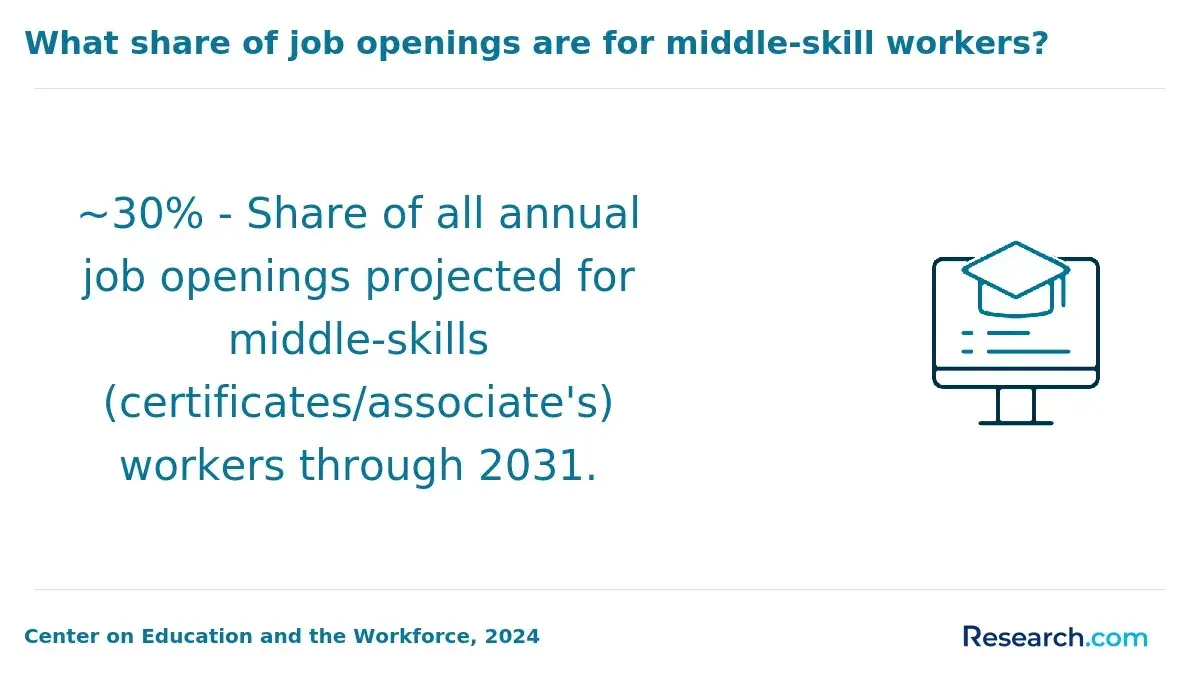
Can You Complete a Christian Counseling Degree or Certificate Entirely Online?
The significant growth of online education has made both Christian counseling degrees and certificates more accessible than ever.
Many accredited colleges and universities now offer Christian counseling degree online programs-such as the Bachelor of Science in Christian Counseling at Queens College and Liberty University-entirely online, allowing students to complete coursework remotely without on-campus attendance.
Similarly, online Christian counseling certificate courses, including those from the National Association of Christian Counselors and Light University, are widely available in fully online formats with flexible, self-paced schedules designed for busy adults.
However, certain online Christian counseling degree programs, particularly those aimed at professional licensure, often require in-person components like supervised internships or clinical field experiences.
For example, Grand Canyon University's online master's in clinical mental health counseling mandates supervised, on-site fieldwork essential for state licensure.
When selecting an online program, prospective students should consider whether their career goals include licensure or require hands-on training and confirm if the program provides or facilitates these experiences.
Those interested in church counseling or non-licensure paths may find fully online options sufficient. For more insight on choosing a program, visit what's the easiest degree.
Admission requirements are a crucial consideration when choosing between a Christian counseling degree or a certificate program, as they shape your eligibility, preparation, and professional path. Understanding these differences ensures you select a program that fits your academic background and career goals.
Below is a side-by-side comparison of the typical admission requirements for both types of programs.
Admission Requirements for Christian Counseling Degree Programs
- Educational Background: Applicants typically need a high school diploma or GED for undergraduate degrees, but graduate degrees require a bachelor's degree from an accredited institution.
- Transcripts: Submission of official transcripts from all previous academic institutions is mandatory to verify educational history and performance.
- Minimum GPA: Many graduate programs require a minimum GPA, often between 2.75 and 3.0 on a 4.0 scale.
- Application and Fee: A formal application along with a nonrefundable application fee is standard.
- Personal Statement/Testimony: Applicants may need to submit a personal testimony or statement of faith detailing their Christian beliefs and motivation for counseling.
- Recommendation Letters: Degree programs often require at least one reference, frequently from a pastor or ministry leader, to assess character and counseling suitability.
- Interview: Some schools mandate an interview to evaluate fit and discuss career objectives.
- Prerequisite Coursework: Graduate programs may demand completion of specific undergraduate courses relevant to counseling.
- Entrance Exams/Assessments: Certain graduate programs include entrance exams or baseline assessments in the application process.
Admission Requirements for Christian Counseling Certificate Programs
- Educational Background: Certificate programs usually have more flexible prerequisites-often only requiring a high school diploma or equivalent; some require no prior college education.
- Registration or Application Form: Applicants complete a basic, straightforward registration or application process.
- Fee Payment: Payment of a registration or program fee is common; for example, the National Association of Christian Counselors (NACC) charges a $50 fee for board certification.
- Affiliation or Ministry Connection: Some programs require connection to a local church or ministry or proof of support from a recognized religious organization.
- No GPA Requirement: Certificate programs rarely enforce GPA minimums, broadening accessibility.
- No Entrance Exams: Formal interviews or standardized entrance exams are generally not required.
These distinctions in Christian counseling degree admission requirements versus certificate program prerequisites highlight the more intensive and multi-step process of degree admissions compared to the accessible, streamlined entry of certificates.
Those interested in affordable pathways may explore cheap master's programs online as an option to advance their education beyond certificate-level training.
Understanding the number of credits needed to complete Christian counseling education helps students effectively plan their academic paths and manage their time and resources. Knowing the difference between degree and certificate credit requirements is essential for making informed decisions.
Here's a comparison of typical credit expectations for Christian counseling degrees versus certificate programs:
- Christian Counseling Degree: Generally requires between 120 and 126 semester credit hours, spread across general education, Bible and theology, and counseling-specific courses, representing a multi-year academic commitment.
- Christian counseling certificate: Typically demands 12 to 15 credit hours, focusing on a shorter, intensive course load that can usually be completed within months.
A student who opted for a christian counseling certificate shared that while the course load was lighter than a full degree, the program still required dedication and careful time management.
"I appreciated how focused the classes were," he said, "which allowed me to balance work and study without feeling overwhelmed." He also reflected on the rewarding experience of applying counseling concepts quickly in real-world situations, something the shorter program enabled.
Though he acknowledged that a degree offers broader knowledge, he valued the certificate's ability to provide practical skills in a manageable timeframe, making it a fitting choice for those seeking targeted education without a lengthy commitment.
Tuition costs play a crucial role in deciding between a Christian counseling degree and a certificate, as they affect your immediate financial investment and long-term career prospects. Comparing the typical tuition ranges and program structures helps clarify which option fits your budget and educational goals.
Below is a comparison of average tuition costs for Christian counseling degrees versus certificate programs, highlighting key factors influencing price differences.
Average Tuition for Christian Counseling Degree Programs
- Bachelor's Degree Range: Tuition for bachelor's programs in Christian counseling at private institutions averages about $49,320 per year, though public or in-state options typically cost less but are less common for this specialization.
- Master's Degree Range: Online master's degrees generally range from $5,500 to $23,710 per year, with more affordable programs near $5,500 and private institutions approaching $24,000 annually.
- Cost Influencers: Factors impacting tuition include institution type (public vs. private), delivery format (online vs. on-campus), and location; online programs often offer lower tuition and greater flexibility.
- Total Program Costs: Master's degree total tuition can vary widely, typically between $10,000 and $47,000+ depending on program length and credit fees.
- Additional Fees: Administrative, technology, and practicum fees may add several hundred to thousands of dollars, increasing overall expenses.
Average Tuition for Christian Counseling Certificate Programs
- Certificate Program Range: Tuition is generally much lower, ranging from $1,000 to $7,000 total for most online or church-based certificates; some university certificates may approach $10,000.
- Program Length: Certificates require fewer credits, often 12-24, which helps keep tuition costs down.
- Cost Influencers: Pricing varies by program length, institutional reputation, and delivery format; online and community programs tend to be the most affordable.
- Financial Aid Availability: Unlike degrees, certificate programs often have limited institutional aid and federal loan options, making out-of-pocket costs comparatively higher in the short term.
- Target Audience: Certificates are ideal for working professionals seeking practical skills without the financial and time commitment of a full degree program.
When exploring options, consider the financial commitment and career impact of Christian counseling degree average tuition versus certificate program cost.
For those seeking affordable education pathways, exploring inexpensive online colleges that accept fafsa may provide additional opportunities to fund or reduce tuition expenses.
You can transfer certificate credits toward a Christian counseling degree in many cases, but it depends heavily on factors like the institution's policies, accreditation status, and how closely the coursework aligns with the degree requirements.
Typically, only credits earned at accredited schools have a strong chance of transferring. Some colleges allow a specific number of certificate credits-ranging from 15 to 35-to apply toward a degree, but these limits vary.
Transfer approval is usually contingent on the relevance of courses and their fit within the counseling curriculum, meaning not all certificate classes will qualify.
Additional considerations include grade minimums, often a B or C, and strict caps on how many credits can be accepted. Institutions may require detailed documentation such as syllabi and transcripts to evaluate course content.
It is crucial to contact the admissions or registrar's office before enrolling in a certificate program to confirm transfer policies, as these rules can evolve. Verifying transfer options beforehand helps ensure your prior study effectively supports your degree goals.
When I spoke with a student who transitioned from a Christian counseling certificate to a degree program, she described her experience as both challenging and rewarding. She recalled, "At first, I wasn't sure how many credits would count because the process was detailed and required submitting course outlines."
After careful review, she was pleasantly surprised to have nearly half her certificate credits accepted, which saved time and tuition. She emphasized that reaching out to advisors early made all the difference in planning her academic path.
Reflecting on the journey, she said, "Understanding the transfer rules gave me confidence and motivation to pursue the full degree."
Christian counseling certificate programs are generally not accredited in the same manner as degree programs. Degree options, such as bachelor's or master's programs, often carry accreditation from established bodies like the Council for Accreditation of Counseling and Related Educational Programs (CACREP) or regional accreditors.
This accreditation guarantees that the curriculum aligns with national academic standards and professional requirements necessary for state licensure. Meanwhile, certificate programs tend to be shorter and more specialized, often offered by religious organizations rather than accredited universities.
While some certificates may be endorsed by groups like the Association of Certified Biblical Counselors (ACBC) or National Christian Counselors Association (NCCA), these endorsements do not represent formal academic accreditation or qualify graduates for licensed counseling roles.
Accreditation is crucial because it confirms a program's academic quality, supports eligibility for licensure, and facilitates credit transfer between institutions. Employers and licensing boards typically recognize only degrees from accredited programs when considering applicants for professional roles.
Students should prioritize programs with regional or national accreditation, especially CACREP accreditation for counseling degrees if licensure is a goal. When exploring certificate options, it is important to assess the issuing organization's reputation while understanding such programs may not lead to professional licensure.
Prospective students should always verify accreditation status with recognized agencies before committing to any Christian counseling education program.
Both a christian counseling degree and a certificate can open doors to career opportunities, though they typically qualify graduates for different types of roles and levels of responsibility. Understanding these distinctions can help guide your decision based on your professional goals.
Below is a comparison of common job paths associated with each credential.
Jobs You Can Get with a Christian Counseling Degree
- Licensed Professional Counselor: Provides clinical counseling services with a master's degree and state licensure, often working in private or healthcare settings.
- Christian Counselor in Private Practice: Offers faith-integrated counseling independently or in faith-based clinics, addressing a range of mental health needs.
- Pastoral Counselor: Supports congregants' emotional and spiritual wellbeing within churches or religious organizations.
- Program Director: Oversees faith-based community initiatives, managing counseling or outreach programs.
- School or Hospital Chaplain: Provides spiritual care in educational or medical environments, often requiring additional certification.
Jobs You Can Get with a Christian Counseling Certificate
- Church Lay Counselor: Assists church members with general support and guidance, working under pastoral oversight.
- Ministry Leader: Facilitates small groups or ministry activities, fostering spiritual growth and community engagement.
- Spiritual Mentor: Offers personal guidance and encouragement to individuals within a faith context.
- Grief or Crisis Support Volunteer: Provides empathetic listening and support during difficult life events in volunteer roles.
- Assistant in Counseling Ministries: Supports licensed counselors by handling administrative or auxiliary tasks in ministry settings.
Salary potential often differs significantly between Christian counseling certificate holders and those who graduate with a degree in the field. Understanding these variations can help prospective students or professionals make informed decisions about their educational paths.
Below is a side-by-side comparison of the average starting salaries and important considerations for each program type.
- Typical Salary Range: Graduates with a Christian counseling degree generally start between $42,000 and $78,000 annually, with the median salary for licensed professional counselors around $57,220 per year. Certificate holders usually earn $28-$30 per hour, which roughly translates to $35,000 to $65,000 annually.
- Influencing Factors: Level of education strongly affects pay, as degrees qualify graduates for licensed clinical roles, while certificates often limit individuals to ministry or supportive counseling positions. Experience, licensure status, and industry setting also impact salaries.
- Career Outlook: Degree holders typically have better job prospects and higher salary ceilings due to access to clinical and licensed roles. Certificate holders tend to work in nonprofit or ministry settings with more modest pay and fewer advancement opportunities.
- Location Impact: Salaries vary widely by state, with some areas offering up to 29% higher wages than the national average. Choosing a degree program may improve mobility toward higher-paying roles in diverse regions.
For those exploring educational options, it is helpful to review what universities offer dual degree programs, which can provide additional credentials and increase earning potential.
In conclusion, Christian counseling degree graduates average salary tends to be higher and more stable than that of certified Christian counselor certificate holders starting pay, reflecting differences in qualifications and career pathways.
Here's What Graduates of Christian Counseling Programs Say About Their Degree or Certificate
- Alfonso: "Choosing the christian counseling certificate program was perfect for me because it offered a faster pace and a focused curriculum, which matched my busy schedule. The cost was more manageable compared to degree programs, allowing me to gain essential skills without a heavy financial burden. The learning experience was practical and immediately impactful in my volunteer work at the church, proving that certificates can be a great stepping stone."
- Geneva: "Pursuing a christian counseling degree expanded my understanding profoundly as it involved a deeper, more comprehensive study over several years. Although the time commitment and tuition were higher than a certificate, the degree opened doors to professional career opportunities that require advanced credentials. Reflecting back, the investment was worthwhile for the solid foundation and confidence it gave me in my counseling career."
- Solange: "Completing both the christian counseling certificate and degree programs gave me a balanced perspective on the differences between them. The certificate allowed me to quickly acquire practical skills and start working immediately, while the degree offered an in-depth exploration and credentials necessary for higher-level positions. Balancing cost and time was challenging but ultimately rewarding, especially as both played complementary roles in my personal growth and professional development."
Other Things You Should Know About Christian Counseling Degrees
A certificate in Christian Counseling is generally not adequate for state licensure in 2027. Licensure usually requires a master's degree in counseling or a related field, along with supervised clinical experience. It's important to check specific state requirements for exact details.
To enroll in a 2027 Christian Counseling degree program, you typically need a high school diploma or equivalent, letters of recommendation, and possibly prerequisite coursework in areas like psychology or theology. Some programs may require an application fee and a personal statement.
A 2027 Christian Counseling degree program typically requires 300-600 hours of supervised clinical practice. This hands-on training is essential for developing counseling skills and is usually completed in a faith-based organization, ensuring students gain practical experience in real-world counseling settings.
- Biblical Counseling Degree versus Biblical Counseling Certificate - Carolina College of Biblical Studies https://ccbs.edu/biblical-counseling-degree-versus-biblical-counseling-certificate/
- Christian Counseling vs Secular Counseling Credentials http://institute.soulcareministries.org/christian-counseling-vs-secular-counseling/
- How to Become a Counselor - Trinity College of the Bible and Theological Seminary https://trinitysem.edu/how-to-become-a-counselor/
- Top 5 Online Christian Counseling Courses, Degrees, and Certification Programs https://hourlyherro.com/blogs/counseling/top-5-online-christian-counseling-courses-degrees-and-certification-programs
- Biblical Counselors https://christiancounseling.com/certification-overview/
- Certificate in Christian Counseling | Christian-based | Missio Seminary https://missio.edu/certificate-in-christian-counseling/
- Christian Counseling — Education and Career Guide https://onlinecounselingguide.com/careers-in-counseling/christian-counseling/
- Bachelor's and Master's degrees in Christian Counseling https://www.freechristiancounselingtraining.com/degrees/
- Obtaining A Christian Counseling Certificate | BetterHelp https://www.betterhelp.com/advice/therapy/obtaining-a-christian-counseling-certificate-how-to-integrate-faith-into-counseling/