2027 Highest Level of Christian Counseling Degree You Can Achieve: Academic Progression Explained

Co-Founder and Chief Data Scientist
Professionals seeking to advance in Christian counseling often face uncertainty about the highest academic credentials available and their impact on career growth. According to the Bureau of Labor Statistics, employment for counselors is expected to grow 23% from 2020 to 2030, highlighting increasing demand for qualified experts. However, not all educational pathways offer the same opportunities for specialization or licensure. This article clarifies the academic progression in Christian counseling, detailing degrees from bachelor's through doctoral levels. It guides readers in selecting the appropriate programs to meet professional goals and attain the most advanced qualifications in the field.
Key Benefits of the Highest Level of Christian Counseling Degree
- Attaining the highest degree in christian counseling equips professionals with advanced clinical skills, enhancing their ability to address complex mental health and spiritual issues effectively.
- Doctoral-level credentials enable leadership roles in academic institutions or counseling organizations, influencing curriculum development and best practices in the field.
- Graduates gain greater access to research funding and innovation opportunities, contributing to evidence-based methods that improve counseling outcomes and increase earning potential.
What is the Highest Level of Christian Counseling Degree You Can Earn?
The highest level of Christian counseling degree you can earn is usually a Doctor of Philosophy (PhD) or a Doctor of Psychology (PsyD) with a focus on Christian counseling or pastoral counseling. These doctoral credentials represent the pinnacle of academic and clinical training in the discipline, demonstrating advanced mastery of therapeutic techniques and theological integration. Earning such a degree involves rigorous coursework, original research, and the completion of a dissertation that adds new insights to the field.
This advanced Christian counseling degree programs are best suited for individuals aiming for leadership roles, academic careers, or specialized clinical practice within faith-based settings. The typical academic progression starts with an undergraduate degree in psychology or counseling, followed by a master's program in Christian counseling or pastoral care, and culminates in the doctoral level that focuses on ethical issues and interdisciplinary spirituality-psychology integration. Professionals holding these doctoral degrees often become university professors, clinical supervisors, or licensed psychologists who incorporate faith perspectives. According to the American Psychological Association, those with doctoral qualifications tend to have a significantly higher earning potential and greater access to specialized and leadership positions compared to those with just a master's degree. For students planning to balance work and education, exploring online mba degrees can provide additional options for flexible learning paths.
What Are the Admission Requirements to the Highest Level of Christian Counseling Degree?
Admission standards for the highest level of Christian counseling degrees, including doctoral programs like the PhD or PsyD, tend to be more selective due to the rigorous academic and professional demands involved. With only about 67% of doctoral applicants in psychology-related fields admitted, prospective students aiming for these advanced qualifications should carefully review eligibility criteria for the highest Christian counseling degree to strengthen their applications. Below is an overview of typical admission requirements to guide applicants through this competitive process.
- Prior Degree: Applicants usually must hold a master's degree in counseling, psychology, theology, or a closely related field. A solid academic foundation is critical as doctoral programs build on advanced knowledge and skills.
- Academic Performance: A cumulative GPA of 3.0 or higher is commonly required, demonstrating consistent academic achievement relevant to doctoral study expectations.
- Professional or Research Experience: Relevant counseling experience or participation in research projects enhances an application by proving practical skills and scholarly engagement.
- Standardized Tests: Some programs may require GRE scores, although their importance varies. Prospective students should verify the testing expectations for their programs of interest.
- Research Proposal: A clear, well-developed proposal describing the intended research study helps illustrate the applicant's focus and capacity for scholarly contribution.
- Letters of Recommendation: Strong endorsements from academic mentors or professional supervisors provide insight into an applicant's abilities and potential fit for the program.
- Interviews: Personal interviews assess motivation, interpersonal skills, and alignment with program values, playing an essential role in many admissions decisions.
For those exploring flexible learning options, cacrep accredited online counseling programs may offer a pathway to fulfill prerequisite degrees or supplement experience while preparing to meet doctoral admission requirements for Christian counseling.
What Core Subjects Are Studied in the Highest Level of Christian Counseling Degree?
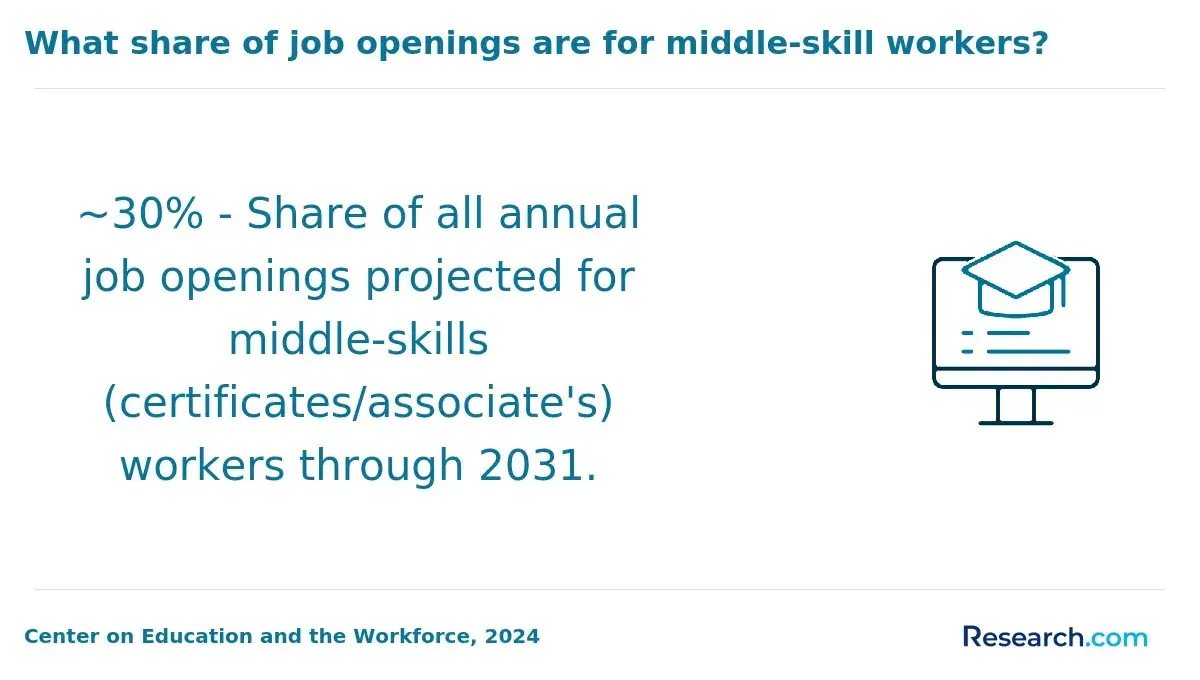
The highest level of Christian counseling degree, usually a doctoral or terminal degree, demands a more rigorous and research-focused curriculum than undergraduate or master's programs. While earlier stages emphasize foundational counseling theories and biblical integration, advanced study is centered on critically evaluating literature, engaging in theological reflection, and contributing original research. Familiarity with these core subjects in doctoral Christian counseling is essential for students aiming to take on leadership roles or scholarly careers in the field.
This advanced Christian counseling curriculum equips students to address complex clinical and ethical challenges, often preparing them for specialized roles such as clinical supervisors, educators, or professional researchers. The coursework builds skills needed to integrate faith with evidence-based practice at the highest level. Students interested in broadening their expertise might also explore options such as masters in psychology online programs before pursuing doctoral study.
- Theological foundations and integration: This subject involves in-depth examination of biblical texts and doctrines with a focus on applying theological insights to counseling ethics and decision-making in varied clinical contexts.
- Advanced psychopathology: Students study severe mental health disorders through a lens that incorporates current scientific research alongside a Christian worldview to inform diagnosis and treatment.
- Research methods and dissertation preparation: Emphasizes the development of qualitative and quantitative research skills necessary for producing original and scholarly contributions to Christian counseling knowledge.
- Clinical supervision and leadership: Prepares students to manage counseling practitioners and programs, navigate ethical complexities, and lead ministry or healthcare-related counseling initiatives.
- Cultural competency and diversity: Explores nuanced cultural factors affecting counseling interventions, promoting culturally sensitive practices within faith-based communities and beyond.
Considering the length and time commitment required for the highest academic credential in Christian counseling is crucial for effective planning and managing expectations. These factors significantly influence personal, professional, and financial aspects of pursuing a doctoral degree. Understanding typical timelines helps students prepare for the journey ahead.
Doctoral programs in Christian counseling, such as PhD or PsyD degrees, generally require 4 to 7 years of study beyond a master's degree. Full-time students often complete their studies closer to the four-year mark, while part-time learners-who may be balancing careers or family-might extend their education to seven years or more. The demanding nature of original research and dissertation projects frequently lengthens completion times, as students must design, conduct, and defend their work.
Previous academic experience also affects duration. Those with strong research backgrounds or relevant clinical hours may progress more swiftly through program requirements. Conversely, students who need additional practicum or foundational coursework could face extended timelines. Obligations such as internships and supervised clinical practice-often required for licensure-impose specific hour counts that vary by program and state, further impacting the overall length of study.
Data from educational research organizations indicate that the median timeframe for completing counseling-related doctoral degrees typically falls between five and six years, reflecting the combined demands of coursework, clinical training, and dissertation development essential for the highest credential in Christian counseling.
At this advanced stage of study, students cultivate highly specialized skills that surpass those acquired during undergraduate and master's programs. Emphasis is placed on autonomous critical thinking, leadership development, and the ability to navigate complex issues both academically and professionally.
Advanced analytical thinking: Learners critically examine intricate theological and psychological concepts, synthesizing diverse perspectives to tackle challenging counseling dilemmas. This skill is sharpened through in-depth scholarly research and reflective practice.
Research and problem-solving: Scholars independently design and implement studies, enhancing their capacity to identify, analyze, and resolve multifaceted issues within counseling contexts.
Strategic decision-making and ethical judgment: Students develop the aptitude to make informed, principled choices in high-pressure environments, often influencing program development and policy formulation.
Leadership and team management: Graduates acquire skills needed to guide counseling teams effectively, fostering collaboration and sustaining professional standards.
Effective communication: Communicating complex ideas clearly to diverse audiences-including clients, colleagues, and stakeholders-is refined and prioritized.
- Advanced analytical thinking: Integrating psychological and theological insights for complex problem solving
- Research and problem-solving: Conducting original studies to develop innovative counseling solutions
- Strategic decision-making and ethical judgment: Navigating ethical challenges and influencing policy in practice
- Leadership and team management: Leading multidisciplinary teams and managing counseling programs
- Effective communication: Articulating nuanced concepts to varied audiences with clarity
When discussing his experiences, a professional who completed the highest degree shared how managing a community counseling program during his studies forced him to balance diverse ethical considerations while leading a team under tight deadlines. "It was daunting at first," he recalled, "trying to align everyone's values while making prompt decisions that affected real lives. I often questioned whether I was walking the right path ethically." Through mentoring and reflective supervision, he strengthened his confidence and leadership abilities, affirming that the degree equipped him not only with knowledge but with the resilience needed to handle complex real-world challenges with integrity.
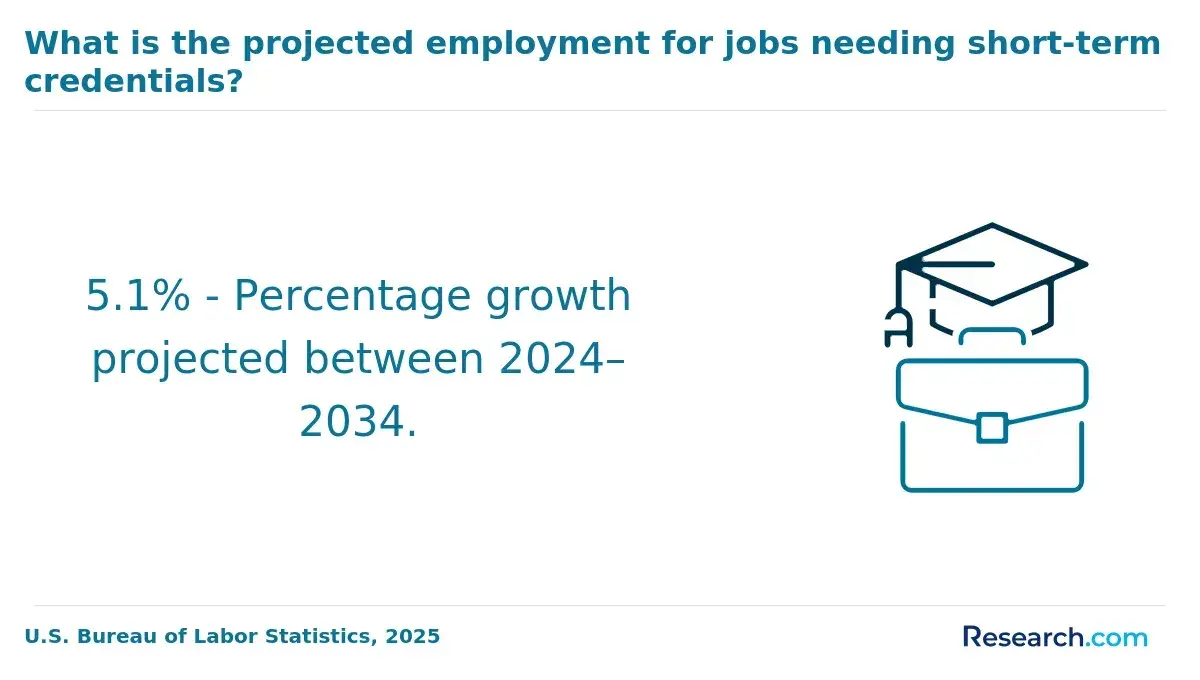
Professional certifications significantly enhance career prospects for graduates with the highest level christian counseling degrees. These credentials validate specialized expertise and strengthen credibility in both faith-based and clinical environments, making advanced Christian counseling credentials highly valuable.
Key certifications that often follow attainment of a doctoral degree in christian counseling include the following:
- Licensed Professional Counselor (LPC): This certification requires graduate education, supervised clinical experience, and passing a licensing exam. It affirms a counselor's competency in mental health services while allowing integration of spiritual perspectives, expanding opportunities in diverse clinical settings.
- National Certified Counselor (NCC): Recognized nationally, the NCC credential confirms professional skill and ethical standards. It complements advanced clinical and leadership training gained through doctoral programs by acknowledging comprehensive counseling expertise.
- Board Certified Christian Counselor (BCCC): Specifically targeted at christian counseling professionals, the BCCC emphasizes biblically integrated and ethical practice in ministry contexts. Offered by organizations like the American Association of Christian Counselors (AACC), it formally recognizes the counselor's ability to blend psychological and religious principles.
Holding such certifications helps graduates stand out in competitive job markets, qualify for leadership roles, and comply with state regulations. According to the U.S. Bureau of Labor Statistics, counselors with advanced credentials have better employment prospects and earning potential. Combining the highest level christian counseling certifications with a doctoral degree is a strategic way to promote long-term professional recognition and career growth.
Students exploring advanced degrees should also consider program affordability as part of their planning. For those interested, there are affordable edd programs available that prepare professionals for advanced credentials in counseling and education sectors.
Students pursuing the highest level of a christian counseling degree need to consider the diverse career opportunities that align with their advanced training and professional goals. This is especially relevant as the need for licensed counselors with strong theological and clinical expertise grows by approximately 6% annually, reflecting greater demand for faith-informed mental health services. Exploring these roles offers insight into how the degree supports leadership, research, and specialized practice within various sectors.
- Leadership roles: Graduates often assume executive or supervisory positions in counseling centers, nonprofit faith-based organizations, and academic institutions, steering program development and organizational strategy.
- Research positions: Many doctorate holders engage in scholarly research, contributing to innovations that blend spirituality and mental health, advancing counseling methodologies and evidence-based practices.
- Policy influence: Professionals may work in advisory or administrative capacities shaping policy to integrate christian counseling principles into community health frameworks or governmental programs.
- Specialized clinical practice: Advanced training prepares counselors for complex clinical cases requiring nuanced expertise, often serving as supervisors or clinical consultants within healthcare settings.
- Academic careers: University faculty members with terminal degrees teach, mentor, and develop curriculum that cultivates future christian counseling practitioners and leaders.
When asked about her journey, a professional who completed the highest level of christian counseling degree reflected on the demanding yet rewarding path it entailed. She described balancing rigorous coursework with research and practical experience as challenging but deeply fulfilling. "The process required immense dedication and resilience," she shared, "but it allowed me to grow both intellectually and spiritually." She emphasized how this advanced study expanded her perspective and equipped her to handle leadership roles confidently. "Completing the program opened doors to opportunities I hadn't imagined, especially in guiding others and influencing policy within my community." Her experience illustrates how attaining the highest credential not only enhances career prospects but also enriches personal and professional development.
Salary outcomes are a crucial factor for students pursuing terminal or doctoral-level christian counseling programs due to the significant time and financial investment required. Industry data shows that counseling professionals with doctoral degrees earn a median wage approximately 20% higher than those holding only master's degrees. Understanding these earnings can help students better evaluate advanced credentials and plan their careers. Below is a detailed breakdown of average earnings for advanced christian counseling graduates, highlighting key salary considerations.
- Early-career earnings: Graduates holding the highest level christian counseling degree often start with salaries ranging from $50,000 to $70,000 annually. Entry-level roles may include assistant professorships or counseling positions in community organizations.
- Long-term earning potential: With experience, professionals can see substantial income growth, frequently earning between $90,000 and $120,000 or more. Opportunities in private practice, administration, or leadership roles contribute to this increase.
- Industry variation: Salaries vary depending on the work setting. Hospital and educational environments tend to offer higher compensation compared to community service agencies, reflecting differing budget sizes and funding sources.
- Leadership and specialization: Doctoral degrees enable graduates to qualify for supervisory, academic, or clinical director positions. Specializing in areas like marriage counseling or trauma therapy also boosts compensation by addressing specific client needs.
For students interested in supplementing their credentials, certain online certificates can enhance skills and marketability, further supporting career advancement. Evaluating the highest level christian counseling degree salary alongside potential certifications can provide a clearer financial outlook for those committed to this field.
Pursuing a terminal or doctoral-level christian counseling degree requires a considerable investment of time and resources, often spanning 3 to 7 years. Recent figures show that only around 20% of counseling graduates choose to advance to doctoral studies, underscoring the selective nature of this path. Evaluating several key factors can help determine if this rigorous program fits your goals.
Consider the following:
- Career goals: Identify whether you aim for leadership positions, specialized clinical roles, or academic appointments, as this degree supports these advanced career paths.
- Research interests: Reflect on your motivation to engage in original research and contribute novel insights to the christian counseling field.
- Financial and time investment: Assess your readiness to commit to the substantial costs and multi-year duration typical of doctoral programs.
- Prior academic preparation: Ensure you have the foundational knowledge and skills necessary to thrive in a demanding and scholarly environment.
- Long-term professional benefits: Consider how the degree might unlock new opportunities aligned with your vision for impact within counseling or academia.
Achieving the highest degree in christian counseling, such as a PhD or PsyD, can significantly enhance career prospects, offering expanded leadership roles and specialized knowledge that set graduates apart in the field. Data from the U.S. Bureau of Labor Statistics indicates that professionals with doctoral degrees earn around 20-30% more annually than those holding only a master's degree. This advanced training also enables opportunities to teach at the university level, conduct research, and influence policies, contributing to the growth and credibility of the profession.
Despite these advantages, pursuing a doctoral degree demands a substantial commitment. Programs typically require 4 to 7 years of intensive study beyond a master's degree, accompanied by considerable financial costs and potential interruptions to full-time employment. The rigorous academic workload and time involved necessitate strong personal motivation and support systems. Prospective students should carefully assess their professional ambitions and lifestyle readiness to ensure the investment aligns with long-term goals, particularly if seeking roles in leadership, education, or specialized clinical practice.
What Graduates Say About Their Highest Level of Christian Counseling Degree
- Alfonso : "The cost of the highest level of christian counseling degree was a significant investment, but absolutely worth it. This program sharpened my skills in ethics, crisis intervention, and spiritual guidance, preparing me thoroughly for real-world challenges. Since graduating, I have seen a profound impact on my career, enabling me to serve my community with greater empathy and professionalism."
- Eduardo : "Reflecting on the cost, which averages around six figures, I initially hesitated, but the advanced competencies I gained in therapeutic techniques and pastoral care were invaluable. The degree transformed how I approach counseling, allowing me to integrate faith and psychology seamlessly, which has deeply enriched my practice and client outcomes. "
- Thiago: " Investing in the highest level of christian counseling education was a strategic career decision. Beyond the financial cost, the program enhanced my analytical skills, research abilities, and leadership in counseling settings. This degree has elevated my professional standing and opened doors for me to influence mental health discussions in faith-based communities. "
Other Things You Should Know About Christian Counseling Degrees
Prerequisites for enrolling in a doctoral program in Christian counseling in 2027 typically include a master's degree in counseling or a related field, completion of relevant coursework, and practical experience. Some programs may require licensure or certification in counseling practice. Specific requirements may vary by institution.
Graduates with the highest level of christian counseling degrees are often qualified to teach at colleges and universities, especially in programs related to counseling, psychology, or theology. Their advanced research skills and expertise in christian counseling allow them to contribute to both academic instruction and scholarly research in higher education settings.
- Christian Counseling Certificate | Reformed Theological Seminary https://rts.edu/campuses/charlotte/programs/counseling-certificate/
- Graduate Programs: Counseling https://www.messiah.edu/counseling-ma/nick-test
- Bachelor of Arts in Christian Counseling - CrossPointe Theological Seminary https://crosspointe.education/bachelor-of-arts-in-christian-counseling/
- Board Certified Christian Counseling Program https://nacconline.org/board-certified-christian-counseling-program/
- Top 6 Christian Counseling Programs for 2025: Faith-Based Mental Health Education https://www.counselingpsychology.org/top-6-christian-counseling-degree-programs/
- Luther Rice College and Seminary | MA in Biblical Counseling - Luther Rice College & Seminary https://www.lutherrice.edu/degree-programs/ma-in-biblical-counseling
- Becoming a Biblical Counselor: A Skeptic’s Journey https://www.ccef.org/becoming-biblical-counselor-skeptics-journey/
- Requirements https://ibccglobal.com/bcppc/requirements/
- Doctor of Christian Counseling and Psychology - THE DOOR OF FAVOR THEOLOGICAL SEMINARY https://dooroffavorseminary.com/doctor-of-christian-counseling-and-psychology/
- Becoming a Christian Counselor: Salary Info & Job Description https://learningpath.org/articles/Becoming_a_Christian_Counselor_Salary_Info_Job_Description.html