2027 Best Online Master's in Supply Chain Management With Procurement Tracks

Co-Founder and Chief Data Scientist
Mid-career professionals in supply chain management often face the dilemma of advancing their expertise specifically in procurement without pausing their careers or relocating. Balancing work demands with degree completion is further complicated by the scarcity of programs offering both focused procurement tracks and genuine flexibility.
Recent data from the National Center for Education Statistics shows a 15% surge in enrollment among adult learners in online graduate programs since 2022, signaling a shift toward education that accommodates nontraditional schedules and career timelines. This article evaluates the best online master's programs with procurement tracks, guiding readers to make informed choices that align with their professional and scheduling constraints.
Key Things You Should Know
- 82% of supply chain management graduates with procurement tracks secure roles within 6 months, aligning with ongoing 10% annual job growth in procurement-focused supply roles based on the U.S. Bureau of Labor Statistics data.
- Online procurement specialization often limits hands-on negotiation and supplier relationship-building skills, forcing students to supplement with internships or vendor interactions to meet employer expectations for strategic sourcing roles.
- Median tuition for online master's programs with procurement tracks rose 8% from 2023 to 2024 according to NCES data, pressuring candidates to weigh immediate costs against potential 15% salary premiums in procurement management positions reported by industry wage surveys.
What is an online master's in supply chain management with a procurement specialization?
Professionals pursuing an online master's in supply chain management with procurement specialization develop critical skills to manage supplier relationships and source strategically under complex constraints. For instance, a pharmaceutical distributor operating within narrow regulatory timelines must effectively secure raw materials while controlling costs.
This specialization bridges procurement decisions with inventory control, logistics, and supplier risk, emphasizing real-world applications rather than theoretical knowledge.
The master's degree in supply chain management procurement track teaches students to analyze supplier data, navigate contract law, and implement ethical sourcing that aligns with sustainability targets. Curriculum elements include cases on supplier ecosystems exposed to geopolitical risks or tariff fluctuations, training graduates to manage spend efficiency, continuity, and audit processes that directly impact operational reliability.
Employers increasingly seek graduates who combine supply chain expertise with procurement skills, as shown in a Graduate Management Admission Council survey where 89% of recruiters plan to hire business master's graduates with these capabilities within three years. This demand emphasizes the practical advantage of this degree but also points to a need for supplementary experience when targeting senior leadership roles focused on broader supply chain transformation or digital innovation.
Students should note that online delivery requires advanced self-motivation and collaboration skills. For those evaluating alternatives, programs like an online MBA healthcare can offer different professional pathways beyond supply chain management.
How do online supply chain master's programs with procurement tracks work compared to campus programs?
Online supply chain master's programs with procurement specialization offer academic rigor comparable to campus-based tracks but present distinct operational tradeoffs in skill development and networking. The difference between online and campus supply chain master's programs with procurement tracks becomes most apparent in experiential learning.
Campus students typically gain easier access to internships, supplier site visits, and live negotiations-critical for mastering interpersonal procurement dynamics and supplier relationship building.
Working professionals balancing career demands benefit from online programs' flexibility, which breaks geographic and scheduling barriers. However, online learners face a steeper challenge accessing hands-on procurement experiences and must proactively pursue virtual internships or employer projects to demonstrate practical competence-an increasingly vital factor as the U.S. Bureau of Labor Statistics forecasts 28% employment growth for logisticians through 2031 driven by e-commerce and supply chain complexity.
Moreover, the differences affect career trajectories: a supply chain manager in consumer electronics may find online formats limiting for roles requiring negotiation and supplier collaboration, whereas those targeting analytical procurement positions in data-centric industries can fully leverage online curricula emphasizing cost analysis and contract management.
Employers generally favor candidates who combine theoretical knowledge with documented real-world procurement skills, highlighting the need to evaluate these programs against individual career contexts.
For those comparing varied advanced degrees, reviewing the easiest MBA online pathways might offer additional insights into flexible, career-aligned education options.
Which accredited schools offer top online master's in supply chain management with procurement tracks?
Strategically entering procurement through an accredited online master's in supply chain management with procurement tracks demands scrutiny beyond institution branding. Top U.S. schools for online master's in supply chain management and procurement such as Arizona State University, Penn State World Campus, and the University of Tennessee illustrate distinct program emphases aligned with different industry demands.
For example, Arizona State focuses on digital procurement tools and supplier relationship management useful for tech-driven sectors, while Penn State integrates contract negotiation and risk mitigation crucial for pharmaceuticals. The University of Tennessee zeroes in on global sourcing and ethical procurement, which is essential for multinational supply chains.
Mid-career logistics managers pivoting into procurement often value flexible online programs that minimize career disruption and deliver immediately applicable skills. However, not all programs include procurement specialization; verifying course directories and elective availability is essential since employers expect proficiency in e-procurement platforms and supplier diversity initiatives.
Career outcomes reflect this specificity, with professionals earning roughly 17% more than those holding only a bachelor's in supply chain, based on PayScale's 2024 data. Selecting programs accredited by AACSB or ACBSP ensures academic rigor, but regional accreditation and industry partnerships notably impact relevance and job placement support.
For those balancing work and education, exploring accelerated MBA programs online can offer a compressed path incorporating procurement within broader leadership training, potentially enhancing strategic mobility.
What admission requirements and prerequisites do these online supply chain master's programs typically have?
Admission criteria for online master's in supply chain management admission criteria that include procurement specialization often require a bachelor's degree in business, engineering, or related fields with a minimum GPA around 3.0. Exceptions arise when candidates demonstrate substantial professional experience, which can offset lower academic metrics. Applicants must submit academic transcripts, recommendation letters, and a statement of purpose articulating focused career objectives in procurement.
Prerequisites for supply chain management master's programs in the US typically cover statistics, operations management, and basic accounting. Programs offering bridge courses help students without this background but expect additional coursework to master analytics and supply chain foundations.
For example, professionals transitioning from unrelated fields confront a steep learning curve, especially since 72% of chief procurement officers in the 2024 Deloitte Global CPO Survey highlight gaps in advanced analytics and digital procurement skills.
Many programs waive GRE or GMAT scores for those with over five years of relevant experience, though selective or executive programs may still require testing to assess quantitative aptitude, particularly for candidates lacking business credentials. International applicants often need TOEFL or IELTS scores, and working professionals must confirm flexible, asynchronous schedules to balance study with employment.
Evaluating program alignment with procurement technology platforms is crucial, as practical simulations directly influence early academic success and industry ROI. For prospective students comparing alternative investment in credentials, exploring related fields such as construction management degrees online can offer distinct career trajectories and timelines.
What courses and procurement-focused curriculum can you expect in these online master's programs?
Master's programs in supply chain management with procurement tracks confront complex operational demands often overlooked in conventional curricula. For instance, professionals must balance cost reductions against sustainability mandates amid volatile raw material markets or geopolitical disruptions-tradeoffs that shape sourcing decisions daily. Programs that emphasize practical procurement law, contract negotiation, and supplier diversity equip students to manage these intricacies.
Curricula grounded in data analytics and procurement software-such as SAP Ariba or Coupa-reflect employer expectations for technical proficiency. Yet, graduates frequently encounter organizational friction when integrating new frameworks into legacy systems or dealing with resistant suppliers.
Those programs embedding experiential case studies and cross-functional team projects better prepare candidates for real-world challenges, such as aligning just-in-time procurement strategies in manufacturing versus multi-channel supplier coordination in retail.
Graduates pursuing procurement leadership roles must develop negotiation expertise alongside risk mitigation strategies tailored to regulated industries like pharmaceuticals or automotive manufacturing.
According to Educations.com's 2025 database, over 500 global master's programs specialize in procurement, allowing students to select pathways aligned with their career focus, whether operationally driven or strategically oriented.
Tradeoffs in these programs include balancing deep theoretical knowledge with applicable skills that meet workforce realities, particularly managing contract lifecycle complexities and supplier relationship management under diverse industry pressures.
How long do online supply chain master's programs take and what do they cost?
Choosing an online master's program in supply chain management with a procurement focus means balancing time, cost, and professional outcomes. Full- or part-time study typically spans two to three years, with accelerated options requiring intense course loads that may clash with full-time work. Programs usually demand 30 to 36 credit hours, with pacing flexibility to accommodate working professionals.
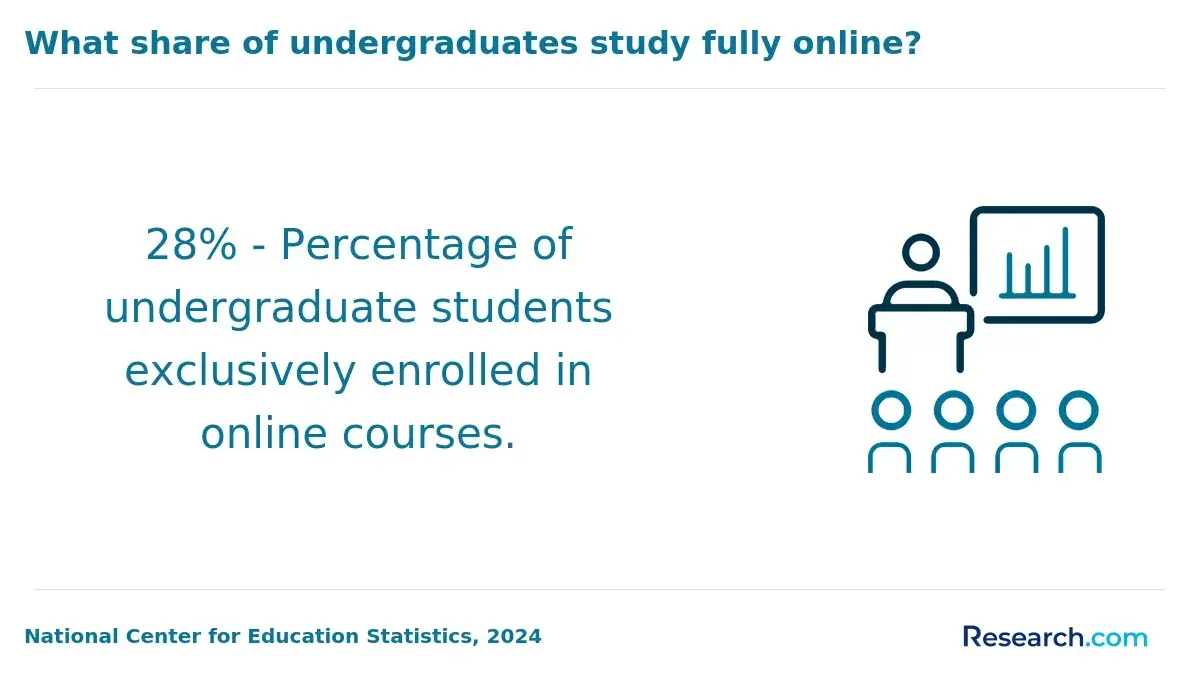
Tuition costs present a substantial decision factor: top-tier on-campus options can exceed $80,000, while public universities offer online programs often under $40,000, cutting expenses by more than half without compromising academic quality or employer recognition. Beyond tuition, students must anticipate additional fees for technology, textbooks, and occasional travel for hybrid formats.
Employers prioritize candidates who combine technical expertise with relevant procurement experience, underscoring the value of time-efficient, cost-effective online programs for those aiming to advance without sacrificing current income.
For instance, a manufacturing procurement manager targeting a strategic sourcing role can leverage a two-year online degree costing about $35,000 to fast-track eligibility for senior positions.
Key considerations include:
- Balancing coursework demands with job responsibilities to avoid income disruption
- Evaluating hidden costs beyond tuition
- Ensuring the program's delivery format aligns with professional and personal constraints
How can you verify accreditation and avoid low-quality or unaccredited online supply chain programs?
Choosing an unaccredited or poorly structured online supply chain management program can hinder career progression, especially in sectors like manufacturing or retail logistics where verified credentials are a baseline screening criterion. Accreditation is not just a formality; regional accreditation confirmed by recognized bodies ensures that a program adheres to fundamental academic and operational standards.
Specialized accreditation from organizations like AACSB or ACBSP further signals rigorous business education valued by employers. According to GMAC's 2024 Corporate Recruiters Survey, 69% of global employers favor candidates with specialized business master's degrees for operational roles, underscoring the premium placed on quality credentials.
Prospective students must scrutinize program curricula for transparency and practical relevance. This includes availability of procurement-specific tracks, faculty expertise, and engagement with applied learning techniques such as supplier simulations or negotiation case studies.
Programs that lack these components or present only theoretical content risk leaving graduates unprepared for the analytical and logistical challenges of procurement roles.
Beyond credentials and curriculum, verifying graduation and job placement metrics through independent sources helps identify programs with proven outcomes. Professionals should also weigh the opportunity cost of enrolling in programs that do not demonstrate clear return on investment or industry connections, as these affect salary growth and promotion prospects.
Consulting alumni or recruiters within your target field can provide real-world validation of a program's reputation and relevance.
Accreditation verification, curriculum analysis, and outcome validation form a practical framework to navigate the complex landscape of online supply chain management education and secure meaningful workforce advancement.
What careers and job titles can a supply chain master's with a procurement track lead to?
Master's degrees focused on supply chain management with a procurement specialization position graduates for roles requiring strategic sourcing, supplier negotiation, and risk mitigation. Titles such as Procurement Manager or Supplier Relationship Manager often demand managing vendor contracts and optimizing purchasing to maintain supply continuity during disruptions-an increasingly critical skill given McKinsey Global Institute's finding that interruptions lasting a month or more occur every 3.7 years on average.
Advanced procurement education enables progression into roles like Supply Chain Risk Manager or Director of Procurement, where comprehensive risk oversight across supplier tiers is essential. Practical experience balancing cost, compliance, and innovation constraints is particularly relevant in complex sectors such as healthcare and technology.
Graduates face a key tradeoff: operational roles emphasize hands-on supplier interaction and transaction execution, while strategic positions require analytical capability to anticipate market movements, evaluate supplier vulnerabilities, and implement digital procurement tools. Employers typically expect proficiency in procurement software, contract law, and advanced negotiation tactics.
Long-term career advancement hinges on demonstrated expertise in maintaining supply chain resilience amid disruptions, which is why firms prioritize candidates with risk management acumen. This focus shapes hiring decisions within manufacturing, logistics, retail, and specialized services industries, where downtime reduction can translate to substantial cost savings.
What salary ranges and advancement opportunities exist for procurement and supply chain master's graduates?
Graduates holding a master's in supply chain management and procurement face wide salary variations shaped by industry focus and location, typically starting between $85,000 and $110,000 annually, with mid-career roles reaching $120,000 to $160,000. Higher compensation often aligns with technology-driven sectors where proficiency in digital procurement tools and data analytics is essential.
For example, manufacturers integrating predictive analytics and AI for supplier risk reduction tend to advance faster toward leadership roles, while retail professionals must compete intensely and often require niche expertise like sustainability or global compliance to stand out.
Career progression depends heavily on mastering cross-functional digital technologies, such as ERP systems, data visualization, and blockchain. Employers demand evidence of tangible cost savings and efficiency improvements; lacking advanced technical skills typically relegates professionals to tactical, lower-growth positions.
A recent report by the Association for Supply Chain Management reveals a 64% rise in digital tool investments in supply chain organizations, reinforcing the urgency of continuous skill development.
Geographical and sectoral disparities are significant: public sector roles frequently pay 20-30% less than private counterparts, and digital tool adoption often increases daily workload complexity. Strategic early certification-such as CPSM or SCPro-combined with a master's degree can shorten advancement timelines to 3-5 years post-graduation.
Are there industry certifications that complement an online master's in supply chain with procurement?
Industry certifications remain indispensable complements to an online master's in supply chain with procurement tracks, especially when evaluated against hiring criteria in manufacturing, retail, and logistics sectors.
The Certified Professional in Supply Management (CPSM) is favored for procurement roles requiring contract negotiation and supplier risk mitigation, skills often underrepresented in master's curricula. Conversely, the Certified Supply Chain Professional (CSCP) equips candidates for roles emphasizing integrated supply chain processes, making it more relevant for logistics-centric industries.
Employers increasingly prioritize candidates who combine academic credentials with certifications, as this pairing balances theoretical understanding with proven, up-to-date industry capabilities. This dual commitment, however, demands careful planning due to overlapping costs and intensive workloads during graduate study.
Financial support is available but varies: according to the QS Business Master's Rankings 2026, over 40% of supply chain master's programs provide targeted scholarships for logistics students, which can ease this burden.
Without these certifications, career progression in procurement-heavy industries such as automotive or pharmaceuticals can stagnate because hiring managers require verifiable, current expertise in supplier relationships and risk management. Strategically pursuing certification concurrent with or immediately after the master's program offers the most efficient pathway to bridging academic knowledge with real-world application.
Other Things You Should Know About Supply Chain Management
Yes, a procurement track is specifically designed to develop skills in supplier relationship management, contract negotiation, and cost analysis, which are essential for strategic sourcing roles. However, if your goal leans more toward logistics or operations management, a general supply chain program might offer broader exposure. Prioritize a procurement track only if you want a targeted career path focused on supplier and spend management.
Core courses for a 2027 online master's with a procurement track often include Strategic Procurement, Supply Chain Analytics, and Risk Management. These courses focus on essential procurement and supply chain management techniques, providing the necessary skills to integrate procurement strategies effectively within organizations.
Many programs require a capstone in the final term, usually worth 3 to 6 credits. Students complete a procurement or supply chain project using real company data, often with faculty approval and a written report. Some programs let students substitute a thesis or internship for the capstone.
Integrating procurement certifications, such as those from recognized professional bodies, can reduce time and cost compared to pursuing them separately after graduation. Such programs align academic learning with professional standards, making candidates more attractive to employers. Prioritize programs offering certification pathways if your goal includes rapid credentialing to improve employability and salary potential.
References
- Supplier Certification https://www.ethicalsupplychain.org/services/certification/supplier-certification
- Top Supply Chain Management Certifications to Boost Your Career - HUBBIG https://hubbig.com/en/top-supply-chain-management-certifications-to-boost-your-career/
- Is a Master of Science in Supply Chain Management Worth It? https://tbseducation.in/master-of-science-in-supply-chain-management/
- Qs - Business Masters Rankings 2026 https://www.qs.com/business-masters-rankings-2026
- Ethical Supply Chain Program Audits https://www.tuv.com/world/en/ethical-supply-chain-program-audits.html
- Careers in Supply Chain & Procurement | Distinct https://www.distinctrecruitment.com/uk/resources/blog/careers-in-supply-chain-procurement/
- Is a Master's in Supply Chain Management Worth It? | edX https://www.edx.org/resources/is-a-masters-in-supply-chain-management-worth-it
- Top 4 Supply Chain Certifications to Boost Your Career - MANCOSA https://www.mancosa.co.za/blog/top-4-supply-chain-certifications-to-boost-your-career/
- Online Master in Procurement & Contracts Management-12 Months – Eaton Business School https://ebsedu.org/masters/master-in-procurement-and-contracts-management/
- Master Certificate in Advanced Procurement Mgmt. - Global Supply Chain https://www.michiganstateuniversityonline.com/programs/certificates/supply-chain-management/master-certificate-in-advanced-procurement-management-global-supply-chain/