2027 Best Online Master's in Supply Chain Management With Demand Planning Tracks

Co-Founder and Chief Data Scientist
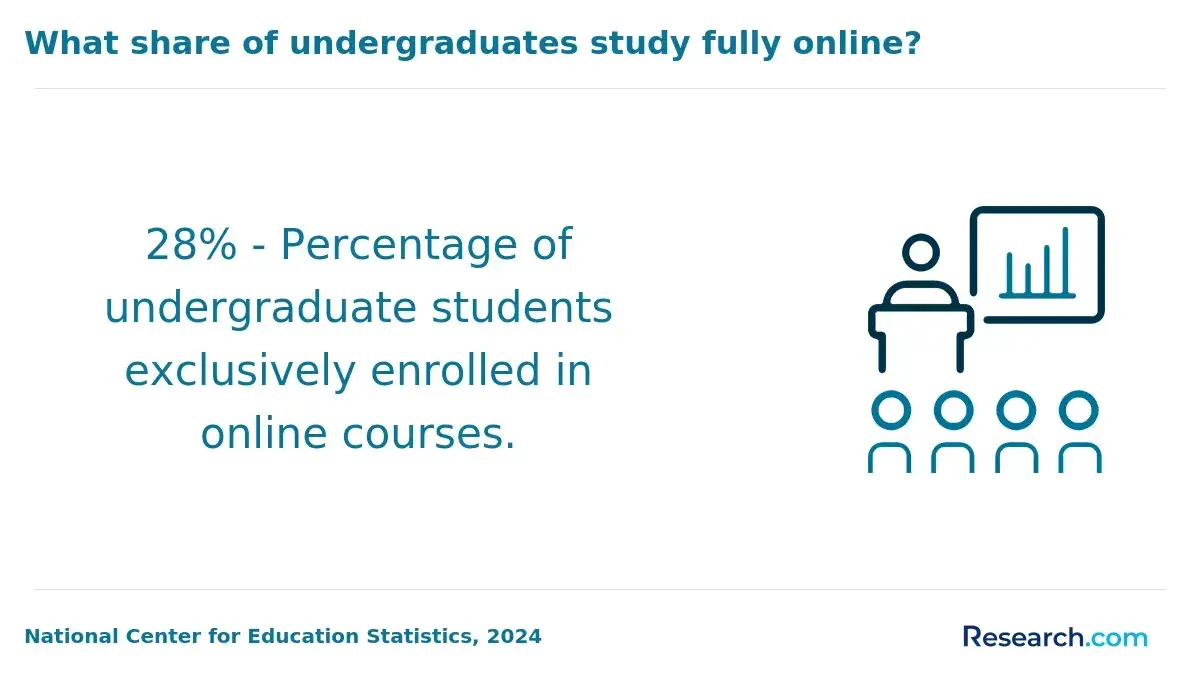
Facing persistent supply chain disruptions, professionals must quickly master demand planning to minimize costly stockouts or overstock scenarios. Recent data from the National Center for Education Statistics shows that over 60% of graduate enrollments now come from working adults seeking flexible, online programs, reflecting a crucial shift toward education that fits complex schedules without sacrificing rigor.
This trend underscores a practical challenge: balancing immediate career demands with advancing analytical and strategic skills in an evolving supply chain landscape. This article evaluates online master's programs with demand planning tracks, focusing on accessibility, curriculum relevance, and workforce alignment to guide prospective students through informed, tactical program choices.
Key Things You Should Know
- Employers prioritize candidates with demand planning expertise embedded in master's programs, as 67% of supply chain roles in 2024 require advanced forecasting skills per the Institute for Supply Management, pressuring curricula to balance depth against broader supply chain competencies.
- Programs emphasizing just-in-time learning risk underpreparing graduates for supply chain disruptions; data from the Bureau of Labor Statistics shows that supply chain occupations with demand planning skills saw a 12% wage premium in 2023, but require longer, more costly study to master.
- Online master's access expands geographic reach yet suffers a 25% lower completion rate compared to hybrid models, according to the National Center for Education Statistics, impacting workforce entry timing and ROI when aligning career pivot speed against program rigor.
What is an online master's in supply chain management with a demand planning specialization?
Graduates with an online master's in supply chain management with demand planning specialization face multifaceted challenges beyond classroom theory, including integrating AI-driven tools and managing legacy ERP systems. For instance, a retail demand planner applies forecasting techniques to anticipate seasonal variability, directly influencing inventory decisions crucial to avoiding costly stockouts or overstocks. These professionals must also navigate cross-functional collaboration with IT, sales, and finance to implement scalable demand planning solutions that respond to fluctuating market signals.
This specialized degree sharpens skills in quantitative analytics, demand sensing, and statistical modeling while emphasizing supply network coordination. The curriculum typically balances core supply chain management topics with advanced courses on forecasting algorithms and supply chain strategy, preparing graduates for operational roles that prioritize efficiency.
Employers' expectations align with GMAC's 2024 Corporate Recruiters Survey, which finds that 86% of global firms anticipate steady or growing demand for candidates trained in supply chain analytics and demand planning. However, students should weigh program offerings for technical rigor, practical case studies, and tool proficiency to ensure readiness for volatile industry environments. A relevant option within this landscape is an MBA in healthcare, which can complement supply chain expertise in specialized sectors.
Completing an online supply chain management degree focusing on demand planning supports career pivots into roles such as demand planner, supply chain analyst, or operations manager, but success hinges on adapting classroom models to real-world data quality and integration constraints.
How do online supply chain master's programs with demand planning tracks work compared with campus programs?
Choosing between online master's in supply chain management with demand planning tracks and traditional campus programs requires weighing flexibility against hands-on experiential depth. Online formats primarily rely on asynchronous coursework paired with virtual sessions, allowing working professionals-especially in manufacturing or retail-to integrate studies with real-time workplace problem-solving.
This flexibility can accelerate skill application but may limit direct access to physical labs or immediate faculty collaboration, which are more central to campus programs.
Demand planning tracks within online programs emphasize proficiency in data analytics, forecasting models, and inventory optimization through cloud-based simulations and software platforms aligned with current industry standards. However, students must often seek external internships to gain practical exposure, while campus programs typically embed such experiential learning, including on-site projects and networking, more seamlessly. This distinction matters when career pivoting or advancing into roles demanding on-the-ground familiarity and social capital.
Employers expect graduates to be adept in data-driven planning tools, aligning with the projected 28% employment growth for logisticians from 2022 to 2032 per the U.S. Bureau of Labor Statistics. Those prioritizing curriculum differences in supply chain management master's programs with demand planning should note that online routes demand greater student initiative to supplement practical experience, whereas campus offerings generally integrate it more thoroughly.
For prospective students evaluating strategic pathways, understanding this balance is key. Additionally, exploring options like the best MBA programs without gmat can provide alternative credentials complementary to supply chain expertise.
Which accreditations should an online supply chain management master's have to be respected by employers?
Regional accreditation from established U.S. Department of Education-recognized agencies such as the Higher Learning Commission or Middle States Commission on Higher Education remains a baseline for employer-trusted online master's in supply chain management accreditation recognized by employers. Programs accredited by bodies like the AACSB or ACBSP further enhance credibility by aligning curricula with rigorous business education standards, a distinction often weighted heavily in recruitment for advanced demand planning roles.
In practice, candidates emerging from an AACSB-accredited supply chain management master's program frequently find preference in complex sectors such as automotive manufacturing, where analytical rigor integrates with practical technology usage, including tools like SAP IBP or Kinaxis. Licensing or certifications connected to professional organizations such as APICS refine candidate profiles by reinforcing mastery in demand planning methodologies, making these credentials influential in wage negotiations.
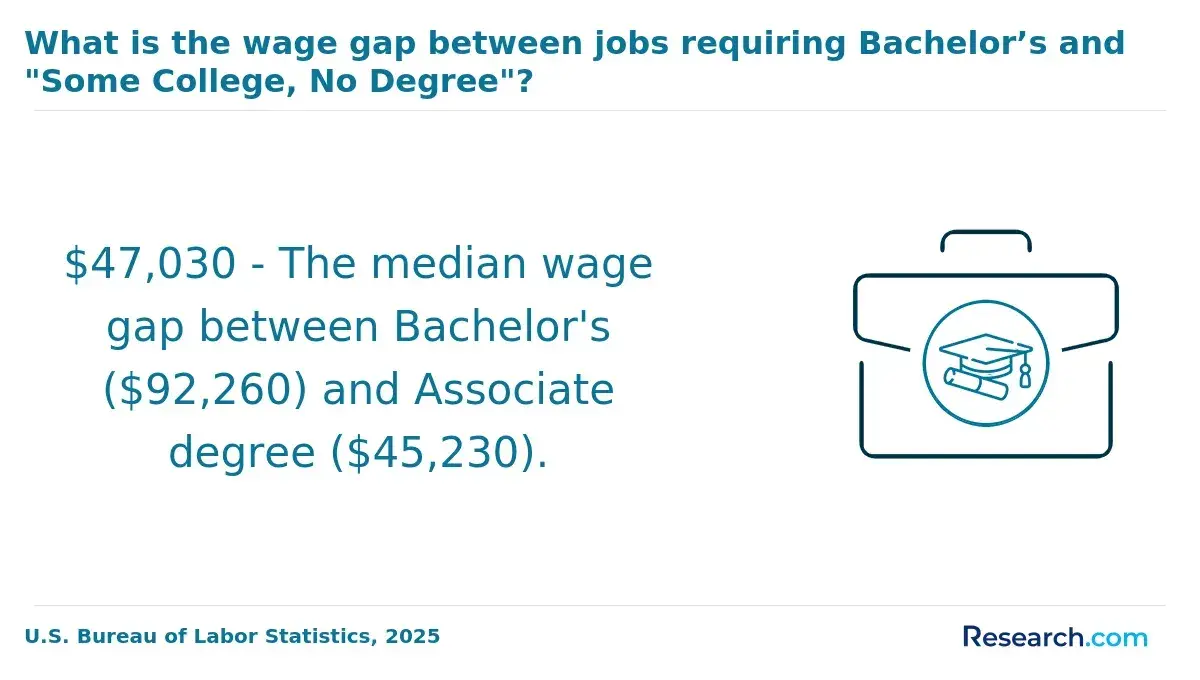
According to the Association for Supply Chain Management's 2024 Supply Chain Salary and Career Report, professionals with master's degrees in this field command a median base salary of $105,000-13% higher than those holding bachelor's degrees.
Employers also scrutinize program transparency and industry collaboration. Programs without demonstrated engagement with demand planning technologies or industry networks often yield graduates with weaker job prospects, especially in competitive metropolitan job markets. Prospective students should weigh these factors carefully when selecting employer-respected supply chain management master's program credentials to ensure alignment with real-world workforce expectations.
For a practical comparison of program quality and affordability, resources such as the AACSB online MBA listings provide insightful benchmarks for evaluating options incorporating these accreditations.
What admission requirements and prior experience are typically needed for these online master's programs?
Admission to online master's in supply chain management admission criteria often weighs prior industry experience as heavily as academic credentials. Programs generally require a bachelor's degree from accredited institutions, with coursework in business, engineering, economics, or related fields preferred. A minimum undergraduate GPA, typically around 3.0, serves as a baseline for academic readiness. Applicants must submit transcripts, letters of recommendation, and a statement of purpose that clearly links their professional objectives to supply chain specialization.
Beyond academics, prior experience requirements for supply chain management master's programs usually include two to three years in relevant roles such as logistics, inventory control, or operations. This practical background enhances cohort diversity and ensures candidates grasp key industry challenges. For example, a professional with three years of demand planning in consumer goods stands out compared to one from an unrelated function, due to demonstrated role-specific expertise.
Standardized tests like the GRE or GMAT are sometimes requested but are increasingly waived, especially for applicants with strong work histories or advanced certifications like APICS CPIM. Some programs offer conditional admission or prerequisite courses for those with limited supply chain exposure, accommodating working professionals balancing full-time employment.
Students evaluating pathways may also consider related fields, such as online bachelor's in construction management, which can complement supply chain knowledge in specialized sectors.
Employers value applicants who document demand planning, data analysis, or process optimization skills effectively. Those with master's degrees in this field gain a median 21% higher compensation and a 40% greater chance of securing managerial roles, according to the Association for Supply Chain Management. This data underscores the pragmatic tradeoff: solid prior experience substantially influences program admission and future employability.
What demand planning, forecasting, and analytics courses can you expect in the curriculum?
Advanced demand planning and forecasting in online master's programs prioritize quantitative and AI-enhanced methods tailored to complex supply chain environments. Mastery in statistical modeling and software like SAP IBP and Oracle Demantra supports real-time adjustments to market fluctuations and supplier reliability. For instance, a manufacturing supply chain manager applying machine learning can reduce excess inventory by aligning forecasts more closely with shifting consumer patterns and operational disruptions.
Graduates must balance forecast accuracy improvements-typically 10-20% better-against computational demands and the risk of overfitting models. Employers emphasize candidates' ability to interpret large datasets into actionable insights, especially for reducing inventory costs by up to 15% without compromising service levels. Programs stress practical skills including forecast bias correction, error metrics, and prescriptive analytics to prioritize interventions, signaling that proficiency in these areas drives supply chain resilience and financial performance.
Real-world projects simulate tradeoffs between forecast granularity and resource use across industries such as retail and pharmaceuticals. Students learn to integrate cross-functional data while managing cost-service level tensions, a critical operational challenge. Overall, these courses prepare professionals to lead analytics-driven transformations by applying advanced demand sensing and integrated business planning techniques.
How long do online supply chain master's programs take, and what do they cost?
Completing an online master's in supply chain management with a demand planning focus demands a nuanced evaluation of time investment versus career outcomes. Full-time paths generally span two to three years, while part-time routes may take four-plus years, adapting to professional schedules. Accelerated tracks condense study into 12 to 18 months but require 15 to 20 weekly hours, reflecting employer expectations for candidates to master strategic forecasting and inventory control before leadership roles.
Tuition variance between public and private universities is significant, with public programs averaging around $24,000 and private ones near $42,000. This 75% premium for private institutions can be justified for some by exclusive specializations or enhanced networking opportunities, often relevant to senior logistics positions. However, professionals targeting operational roles might find public programs more cost-effective, enabling reallocation toward practical certifications such as demand planning software proficiency.
Prospective students must also account for additional costs like software licenses embedded in coursework and prerequisite quantitative skill development. These investments extend beyond tuition but are critical for real-world readiness in this data-driven field.
- Program duration influences ability to balance study and work commitments.
- Tuition cost disparities impact long-term financial planning and career trajectory.
- Supplemental fees and skill prerequisites affect total educational investment.
What careers, job titles, and industries can this degree with a demand planning track lead to?
Graduates of a master's degree in supply chain management focused on demand planning enter roles grounded in analytical rigor and operational complexity. Positions such as Demand Planner, Supply Chain Analyst, Inventory Manager, and Operations Manager demand proficiency in predictive analytics, ERP systems, and dynamic supply-demand alignment across sectors including manufacturing, retail, healthcare, and logistics.
For instance, in consumer electronics manufacturing, demand planners must optimize production against volatile market fluctuations, balancing risks of shortages and excess inventory. Retail companies rely on these professionals to enhance SKU-level inventory turnover, adapting rapidly to consumer behavior shifts. In logistics, expertise in navigating multifaceted supplier networks and ERP forecasting tools is critical to streamline operations.
Healthcare sectors layer on regulatory compliance challenges when managing pharmaceuticals and critical supplies.
The practical demands of this track require candidates to master advanced software such as SAP IBP or Oracle Demantra and apply statistical forecasting methods while handling disruptions from geopolitical or environmental factors. These tradeoffs highlight the necessity of robust technical and situational skills beyond theoretical knowledge.
Data from the Graduate Management Admission Council indicates 61% enrollment growth in specialized business master's programs delivered online or hybrid, signifying the appeal to working professionals seeking flexible, impactful upskilling pathways aligned with workforce needs.
What salary ranges and earning potential can graduates in demand planning and supply chain expect?
Salary outcomes for demand planning and supply chain professionals vary significantly depending on industry specialization, employer size, and geography. Entry-level graduates typically start between $70,000 and $90,000, while mid-career salaries range from $95,000 to $130,000.
Premium industries like pharmaceuticals command higher pay due to regulatory complexities, whereas consumer goods roles may involve more earnings volatility tied to seasonal patterns and supply disruptions.
Working in large multinational firms usually means higher starting salaries and structured raises but slower promotion timelines. Smaller companies can offer faster advancement yet often with lower initial compensation. Urban supply chain hubs such as Chicago, Atlanta, and Los Angeles pay 10%-20% above the national median to reflect demand concentration.
Experience with advanced forecasting software and cross-departmental collaboration skills frequently drive salary increases beyond general supply chain expertise. One notable workforce trend confirmed by the Society for Human Resource Management's survey of 1,200 U.S. employers is that 73% value accredited online master's degrees equally to traditional degrees for analytics and supply-chain roles, emphasizing viable flexible learning pathways without wage penalties.
Graduates must weigh these factors pragmatically, assessing how education type, sector choice, and geographic location influence total compensation and career progression opportunities.
How strong is employer demand and long-term job outlook for demand planning and supply chain roles?
The intensifying demand for specialists in demand planning and supply chain roles through 2026 reflects a strategic shift toward managing network complexity and disruption risk. Deloitte's 2024 global supply chain survey reports that 76% of chief supply chain officers intend to expand investments in advanced planning and forecasting, signaling a pivot toward candidates proficient in predictive analytics and integrated digital tools.
In practice, this trend demands supply chain professionals to fuse technical skills with cross-functional leadership. For instance, consumer electronics planners face volatile component supplies and rapid shifts in consumer behavior, requiring agile forecast adjustment and deep technical familiarity. Meanwhile, pharmaceutical supply chains add a regulatory layer that heightens the need for specialized domain knowledge.
Job seekers must weigh the tradeoff between quantitative forecasting expertise and the capacity to lead initiatives enhancing end-to-end supply reliability. Graduates from online master's programs in demand planning should prioritize curricula focusing on scenario modeling, advanced analytics, and supply chain finance to align with employer expectations.
As automation and AI reshape supply chain roles, demand planners without current digital competencies risk obsolescence. Continuous learning, especially in AI-enabled forecasting and integrated business planning (IBP), is essential for maintaining relevance. This trajectory demands a pragmatic commitment to mastering both emerging tools and strategic influence to remain competitive.
How can you compare and choose the best online master's in supply chain management with demand planning?
Programs emphasizing forecasting, analytics, and demand planning offer measurable advantages, as over 40% of leading supply chain master's now highlight these specializations (QS Business Master's Rankings 2026). Choosing a program means weighing how well it integrates real-time data analytics and predictive modeling tuned to specific industries.
For example, consumer electronics professionals rely on aggressive demand sensing techniques, unlike healthcare supply chain managers who must navigate critical inventory constraints. Such sector-specific needs influence immediate applicability and long-term career viability.
Curriculum content alone won't secure employability; employer networks and direct ties to demand planning roles vary significantly by geography and institution. Practical experience with enterprise-grade software like SAP IBP or Oracle Demantra is another differentiator worth prioritizing because it enhances readiness for complex, data-driven environments.
Students must also balance program length and delivery format with current work commitments, since some programs frontload fundamental supply chain topics before specialization, while others immerse learners in demand forecasting from the outset. These structural differences affect the ability to apply new skills promptly.
Accreditation and rankings provide signals of quality but are insufficient without analyzing alumni outcomes in demand planning within your target sector. Employers increasingly value candidates with proven quantitative forecasting and inventory optimization capabilities rather than generic supply chain credentials.
Ultimately, evaluating concentrations through practical forecasting tools, employment outcomes, and realistic industry challenges guides selection toward programs delivering tangible returns on investment.
Other Things You Should Know About Supply Chain Management
Prerequisites typically include a bachelor's degree in a relevant field and a minimum GPA, often around 3.0. Some programs may also require GMAT or GRE scores for the 2027 academic year, though this can vary by institution.
A 2027 online master's program in supply chain management with a demand planning track typically includes courses like Advanced Logistics, Strategic Sourcing, Forecasting Methods, Inventory Management, and Data Analytics. These courses prepare students for specialized roles in demand planning and distribution strategy.
Most programs require 30 to 36 credit hours, and full-time students often finish in 12 to 24 months. Some universities also require a capstone or applied project, which adds one term and may count for 3 to 6 credits.
References
- Demand vs. Supply Planning: What's the Difference? https://blueridgeglobal.com/blog/demand-vs-supply-planning/
- Accredited Online MBA in Supply Chain Management | AIMS https://aims.education/mba-supply-chain-management-degree/
- Advanced Demand Planning & Forecasting for Supply Chain... https://oxford-management.com/course/advanced-demand-planning-forecasting-for-supply-chain-optimization
- Demand Planning Professional https://jobs.siemens.com/en_US/externaljobs/JobDetail/497894
- 21 Best Online Master's in Supply Chain and Logistics for 2025 https://www.supplychainguide.org/degrees/online-masters-in-supply-chain-management/
- Main Responsibilities and Required Skills for a Demand Planner https://spotterful.com/en/blog/job-description-template/demand-planner-responsibilities-and-required-skills
- Online vs. On-Campus: Choosing the Right Format for Your Supply Chain Degree https://www.ucumberlands.edu/blog/online-vs-on-campus-choose-your-supply-chain-degree-format
- How to become a Demand Planner ? https://dauphine.psl.eu/en/training/career-opportunities/demand-planner
- Mastering Supply Chain – Supply Chain Graduate https://www.huntercampbell.co.nz/supply-chain-salary-employment-forecast-series-supply-chain-graduate/
- Supply Chain Management Certification https://supplychainmanagementedu.org/certification/