2027 Supply Chain Management Specializations That Build the Most Transferable Operations Skills

Co-Founder and Chief Data Scientist
Facing an urgent need to master agile logistics tactics amid increasing global supply disruptions, many professionals struggle to pinpoint which supply chain management specializations deliver skills that translate effectively across diverse operational roles. According to the National Center for Education Statistics, enrollment in flexible, online business graduate programs surged by over 15% in 2024, signaling a clear demand for adaptable learning models that accommodate working adults navigating career shifts.
This shift reflects how accessibility and immediate workforce relevance shape educational choices, pressing candidates to prioritize programs that balance depth with broad applicability. This article identifies supply chain management specializations that cultivate the most transferable operational skills, empowering informed decisions to optimize career flexibility and advancement.
Key Things You Should Know
- Specializations in supply chain analytics yield 23% higher mid-career salary growth but require advanced quantitative skills, making access challenging for those without a STEM background, as shown by the US Labor Department in 2024.
- Expertise in global logistics increasingly values geopolitical risk management, with 67% of employers prioritizing crisis adaptability over traditional operational knowledge per a 2024 Gartner survey, reshaping hiring criteria.
- Lean and Six Sigma certifications reduce operational costs by up to 15% but extend time-to-employment by 6 months on average, forcing candidates to weigh immediate workforce entry against long-term value, according to APICS data.
What are the most transferable supply chain management specializations?
Specializing in data analytics, logistics optimization, and procurement strategy offers the most transferable supply chain management skill sets for 2026. Data analytics commands a premium in compensation, with professionals earning 16% more on median pay, according to ASCM's 2024 Salary and Career Report.
This reflects employers' prioritization of agile, data-driven decisions that improve operational efficiency across diverse sectors. For instance, manufacturing plants fine-tune inventory in real time while retail chains optimize distribution routes using predictive models.
Logistics and transportation management skills remain critical across industries facing complex delivery requirements. Professionals skilled in carrier negotiation, route planning, and regulatory compliance help redesign supply networks to reduce costs without sacrificing service levels.
Pharmaceutical companies' need for cold chain logistics and e-commerce platforms managing high-volume parcels exemplify this broad applicability.
Procurement strategy complements these skills by enabling strategic sourcing and risk management, crucial in industries like automotive manufacturing with intricate tiered supplier networks. Mastering contract management and supplier relations can directly mitigate supply disruption risks.
These top supply chain management specializations for career flexibility demonstrate the necessity of integrating technical expertise with cross-functional knowledge. Balancing depth and adaptability is central amid advancing supply chain technologies and evolving global trade landscapes.
Candidates exploring educational pathways can consider programs such as a bachelor of business administration online to build foundational business acumen alongside specialized skills.
Which supply chain specializations lead to operations roles?
Procurement, sourcing management, and supplier relationship management dominate the supply chain specializations leading to operations roles, as these tracks cultivate expertise in cost analysis, contract negotiation, and supplier performance evaluation.
Manufacturing firms, for instance, require sourcing specialists capable of optimizing raw material costs while adhering to just-in-time inventory, directly shaping production schedules and operational workflows. Such focused skills clearly distinguish candidates poised for operational effectiveness.
By contrast, logistics and distribution management tend to funnel professionals into tactical roles, emphasizing warehouse and transportation coordination.
Without accompanying sourcing knowledge, candidates may encounter barriers progressing into strategic operations leadership, since understanding supplier cost structures is critical for higher-level management. This illustrates the tradeoff between gaining versatile operational skills versus deep financial and negotiation competencies.
Digital Defynd's research shows procurement and sourcing roles with advanced cost analysis typically command U.S. salaries ranging from $95,000 to $150,000, reflecting premium market demand for measurable savings and process optimization. U.S. employers prioritize experience blending digital procurement technologies with rigorous supplier management, highlighting the practical edge required for meaningful operational impact.
Students evaluating supply chain management specializations for operations careers must weigh curriculum depth across cost control, supplier risk, and contract compliance alongside logistics fundamentals. Practical decision-making hinges on developing quantifiable savings achievements and cross-functional collaboration skills that translate into measurable operational improvements.
For a strategic career pivot, prospective students should examine how programs align with real-world employer expectations. Exploring the top online MBA programs can provide insight into comprehensive development pathways supporting these goals.
What accreditation should a supply chain program have?
Employers in logistics and operations consistently prioritize graduates from accredited supply chain management certification programs because these credentials demonstrate current, practical competencies aligned with industry demands.
Certification by the Association for Supply Chain Management (ASCM) or the Accreditation Council for Business Schools and Programs (ACBSP) signals that a curriculum covers essentials like logistics, procurement, and operational analytics with real-world applicability.
Without such accreditations, programs risk offering outdated or overly theoretical content that weakens graduates' adaptability to emerging technologies like AI-driven inventory and blockchain traceability.
Graduates entering sectors such as pharmaceuticals or automotive supply chains confront strict regulatory standards that require hands-on experience and familiarity with professional certifications like the Certified Supply Chain Professional (CSCP). This credential enhances negotiation leverage for salary and promotions within large enterprises.
Arkansas State University's 2024 supply chain career outlook highlights a 17% employment growth projection through 2034 and a median annual wage of $80,880 for U.S. logisticians, emphasizing the competitive advantage that accredited programs provide.
Students must verify that programs integrate data analytics and technology applications, not just traditional supply chain theory, to remain transferable across growing industries like retail and healthcare. Those considering degree paths should also explore cost-effective options, as exemplified by cheapest AACSB online MBA programs that blend affordability with recognized accreditation.
The reality of shifting employer scrutiny means practical internship opportunities and case studies are critical components distinguishing accredited supply chain management program accreditations from less rigorous alternatives.
Is an online supply chain degree as respected as campus?
An online supply chain degree holds equal credibility to a campus degree when its curriculum demonstrates up-to-date industry alignment and accreditation. Employers prioritize tangible skills and relevant certifications rather than campus presence alone, reflecting the broader labor market shift toward remote, tech-savvy roles such as demand planning or last-mile logistics.
This practical emphasis particularly affects those weighing campus versus online supply chain education value, where the inclusion of hands-on components can be decisive.
For example, hiring managers in manufacturing or e-commerce sectors expect applicants to apply workforce analytics and navigate supply chain software platforms effectively. Online programs offering virtual internships, integrated case studies, and access to technology tools can provide superior flexibility and repeated practice opportunities compared to traditional formats.
Candidates from purely on-campus programs lacking these dynamic, simulation-based experiences risk falling behind on critical digital proficiencies.
Students pursuing online degrees should ensure experiential learning bridges theoretical concepts with operational realities. This approach is essential amid the expanding demand for supply chain workers, which the Bureau of Labor Statistics projects at 17% growth through 2034.
Geographic flexibility supports working professionals balancing employment while upskilling, though networking gaps online require proactive engagement through professional associations or virtual mentorships.
Ultimately, supply chain roles reward demonstrated workforce readiness. Whether earned online or on campus, degrees that adapt to evolving trends-such as reshoring strategies and last-mile innovations-carry the most weight in advancing practical career outcomes. Those exploring pathways might also compare options through a bachelor's in project management for complementary skills acquisition.
What courses are included in supply chain specializations?
Supply chain specializations hinge on a balance between technical precision and strategic oversight, which directly influences career trajectories. Operational roles demand solid grounding in procurement strategies, inventory turnover metrics, and vendor negotiation-skills essential for manufacturing professionals shifting to supply chain functions.
In contrast, sectors heavily reliant on logistics require expertise in transportation modes and route optimization, highlighting the importance of tailored coursework for specific industry focuses.
Beyond foundational topics such as demand forecasting and supplier relationship management, effective programs incorporate process optimization tools like Lean principles and Six Sigma methodologies.
These competencies translate into positions managing quality and continuous improvement, with average salaries in the U.S. ranging from $90,000 to $130,000 according to Digital Defynd's 2024 alternative operations careers report.
Key tradeoffs surface when selecting courses that either emphasize quantitative analytics-geared toward data-driven process improvements-or focus on management and negotiation skills suited for broader operational leadership.
Additionally, integrating ERP systems and supply chain analytics addresses employer expectations for handling real-time data, while emerging modules on risk management and sustainability respond to increasing demands for resilience and environmental compliance.
Effective program choices require weighing the practical utility of these elements against individual career goals, recognizing that supply chain specializations shape not only technical capability but also market adaptability and role versatility.
What admission requirements do supply chain programs usually require?
Graduate supply chain programs balance academic rigor with workforce relevance by requiring quantitative proficiency and varying professional experience based on specialization. Candidates focusing on digital transformation must demonstrate familiarity with ERP systems and IT tools, reflecting a growing industry premium on technical capabilities.
For instance, a procurement professional pivoting toward supply chain analytics should prioritize programs emphasizing IT management, given average salary ranges for technology-driven roles often exceed $110,000 to $170,000 annually.
Entry expectations vary: some programs waive standardized tests like the GRE for applicants with sufficient professional background, while others require 1-3 years of relevant supply chain or operations experience to ensure pragmatism in learning.
New graduates can access less technical tracks but face slower salary progression and limited access to digital supply chain innovation.
Applicants typically submit Letters of Recommendation from supervisors or academic mentors, a Statement of Purpose aligning with career objectives, and sometimes coding or data proficiency assessments-particularly in technically intensive curricula.
This complexity means candidates must weigh tradeoffs between accelerated entry and depth of skills acquired. Programs demanding IT expertise and work experience tend to yield graduates with stronger, more transferable competencies but may extend time to degree and require career interruptions.
- Undergraduate transcripts emphasizing statistics, economics, or business analytics
- Professional experience in logistics or operations roles where applicable
- Standardized test waivers depending on candidate profile
- Documentation such as recommendation letters and statements of purpose
How long does a supply chain degree or certificate take?
Supply chain education varies significantly in duration and depth, directly impacting employability and career trajectories. Associate degrees generally require two years, while bachelor's degrees take about four, with accelerated options shortening this to three years.
Certificates and professional diplomas, ranging from three months to a year, emphasize practical skills like procurement, logistics, and compliance but may limit long-term advancement without additional credentials or experience.
For roles involving regulatory affairs and trade compliance-where detailed knowledge of legal frameworks governs operations-employers often seek formal degrees supplemented by specialized certificates. According to Digital Defynd's 2024 career data, these positions in the U.S. command salaries from $95,000 to $160,000, reflecting the premium on regulatory expertise.
Program timing also matters: working professionals balancing income and study may prefer part-time or executive formats to maintain career momentum and reduce underemployment risk. In manufacturing or retail sectors, aligning education with hiring cycles can prevent career gaps.
Employers also expect candidate experience in projects related to supply chain risk management or global trade, making hands-on involvement critical alongside academic credentials. Strategically pairing credentials with practical application remains key to navigating the complexity and specialization that increasingly define supply chain roles.
What do supply chain management programs cost in the U.S.?
Cost considerations for supply chain management programs vary significantly by credential level and institution type, influencing return on investment calculations. For example, associate degrees and certificates at community colleges-priced between $5,000 and $15,000 for in-state students-offer accessible pathways for working professionals seeking to build foundational skills without significant financial risk.
Bachelor's degrees at public universities generally range from $25,000 to $40,000 total for residents, while private institutions can surpass $60,000, necessitating a clear assessment of expected career outcomes versus upfront expense.
Graduate-level options, including MBAs with supply chain concentrations or specialized master's degrees, typically cost between $30,000 and $75,000, where time commitments and opportunity costs must also be factored.
In practice, mid-career professionals aiming to pivot often find targeted certificate programs focusing on ESG sourcing and analytics attractive due to manageable costs and skills directly valued by employers. Conversely, roles demanding strategic and financial acumen often favor MBA-level credentials despite their higher price tag.
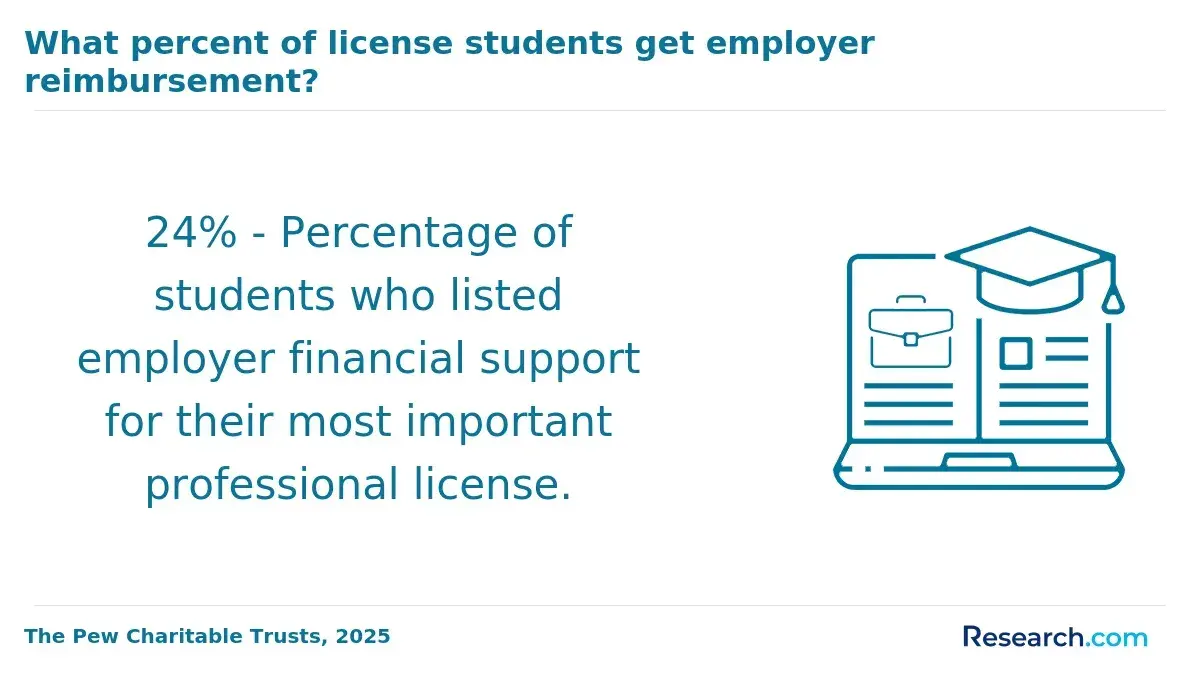
Employer tuition reimbursement and financial aid are critical variables that can materially affect net affordability and should be explored early.
- Tuition ranges must be weighed against workforce demand across subfields like manufacturing, healthcare, retail, and sustainability.
- Practical competencies linked to salaries between $80,000 and $130,000 require balancing program length, costs, and specific career goals.
- Shorter certificates support agile upskilling, while graduate degrees target leadership in complex global operations.
What jobs can you get with supply chain specializations?
Specializing in supply chain opens practical pathways beyond traditional logistics roles, extending into sectors that demand regulatory proficiency and adaptive operational skills. For example, healthcare supply chain specialists leverage compliance and process optimization expertise, with salaries ranging from $90,000 to $140,000, depending on their ability to improve efficiency under strict regulatory environments.
This highlights a tangible tradeoff: transitioning into healthcare operations involves mastering sector-specific compliance, not just general supply chain fluency.
Government and public-sector roles offer another distinct trajectory, typically paying between $70,000 and $115,000 annually. These positions prioritize transparency, vendor management, and adherence to public policies over profit motives, demanding nuanced understanding of budget constraints and regulatory frameworks.
Professionals with expertise in risk mitigation or demand forecasting can secure these roles without additional certification, showcasing the cross-industry value of specialized supply chain knowledge.
Beyond these sectors, core supply chain competencies translate into manufacturing scheduling, distribution network optimization, and sustainable sourcing. However, candidates must navigate unique performance metrics and regulatory demands in each, balancing software proficiency and sector-specific standards to increase employability and salary potential.
Essential considerations when choosing a supply chain specialization include the willingness to adapt skill sets across diverse operational contexts and the readiness to engage with complex compliance environments. This pragmatic approach to supply chain education enhances long-term versatility more than generic curricular promises.
Which certifications strengthen supply chain career prospects?
Choosing certifications in supply chain management involves strategic tradeoffs between specialization, industry demands, and career stage. Employers weigh CSCP highly for comprehensive supply network oversight, a skill set critical in complex industries like manufacturing or retail logistics. Conversely, CPIM suits those focused on mastering inventory management and production planning to trim costs and improve operational balance.
Project Management Professional (PMP) certification is often essential for roles requiring coordination across departments and risk management during technology rollouts or large-scale logistical shifts. Lean Six Sigma credentials validate expertise in process optimization, a key driver of efficiency in automotive and healthcare supply chains.
Data analytics certifications tailored to supply chain insights extend opportunities into strategy and consulting roles, where compensation reflects the premium on data literacy. For example, operational managers targeting senior positions might combine CSCP with Lean Six Sigma to blend strategic vision with execution skills.
Entry-level professionals often begin with CPIM to build foundational knowledge, adding PMP or analytics certifications as experience grows. Certification cost, employer recognition, and time commitment require careful assessment. Standards set by APICS and PMI remain benchmarks, but niche analytics qualifications need scrutiny against evolving market needs and personal goals.
Other Things You Should Know About Supply Chain Management
Specializations focused on analytics or technology typically require a heavier quantitative workload, including statistics and data modeling, which may extend study time or increase course difficulty. Conversely, logistics or procurement tracks might demand more complex vendor management projects or cross-functional coordination skills. Balancing your current work schedule with the specialization's intensity is essential to avoid burnout and incomplete skill acquisition.
While traditional supply chain roles still dominate hiring, expertise in emerging areas such as sustainability or digital transformation increasingly influences hiring for forward-looking companies. However, employer receptivity varies by industry and region, with larger enterprises more actively seeking these skills. Candidates should assess local market demands and consider blending traditional operations competencies with emerging specialties for wider employment options.
Certifications aligned specializations provide clearer pathways to specific roles and often match employer requirements tightly, improving immediate job prospects. Specializations offering broader managerial skills foster long-term career flexibility but may dilute focus needed for early advancement. For career pivoters targeting specific roles, certification-aligned tracks are advisable; for those aiming to rise into cross-functional leadership, broader scopes deliver better strategic preparation.
References
- 21 Best Online Logistics Bachelor's Degrees of 2025 https://www.supplychainguide.org/degrees/online-bachelors-in-logistics/
- Top supply chain certifications to boost your career in 2025 – BRASI Blog and Updates https://blog.brasi.org/top-supply-chain-certifications-for-your-career/
- Specialization in Logistics and Supply Chain Management https://www.rhsupplies.org/activities-resources/laptop/course-finder/specialization-in-logistics-and-supply-chain-management-421/
- Best Supply Chain Courses & Certifications In 2025 https://abcsupplychain.com/supply-chain-course-certification/
- Supply Chain Certifications: Unlocking the ROI and Real Outcomes https://cpscp.org/supply-chain-certifications-unlocking-the-roi-and-real-outcomes/
- What skills and qualifications do I need to become a Supply Chain Professional? - TMRG https://www.tmrgroup.co.uk/candidates/blogs/what-skills-and-qualifications-do-i-need-to-become-a-supply-chain-professional/
- Supply Chain Management Degree: Top Careers https://www.straighterline.com/blog/top-degrees-todays-top-careers-supply-chain-management
- Admission requirements https://www.buas.nl/en/programmes/master-supply-chain-management/admission-requirements
- Top 4 Supply Chain Certifications to Boost Your Career - MANCOSA https://www.mancosa.co.za/blog/top-4-supply-chain-certifications-to-boost-your-career/
- A Detailed Guide For A Career In OPERATIONS & SUPPLY CHAIN MANAGEMENT - Vignana Jyothi Institute Of Management (VJIM) :: Top PGDM Institute in Hyderabad https://vjim.edu.in/a-detailed-guide-for-a-career-in-operations-supply-chain-management/