2027 Online Supply Chain Management Degrees With Long-Term Career Stability in Operations

Co-Founder and Chief Data Scientist
Mid-career professionals seeking to shift into supply chain management often confront a critical hurdle: balancing demanding schedules with advanced education requirements. Approximately 60% of online students in business-related fields in 2023 were adult learners juggling full-time work, reflecting a persistent need for flexible program formats that do not compromise curriculum rigor or employer recognition.
This dual pressure limits access to relevant credentials, stunting timely career progression and increasing financial risk. As supply chain disruptions heighten demand for skilled leaders, the choice of an online degree program profoundly shapes career stability and mobility. This article assesses current online supply chain management degrees for their long-term workforce value and practical fit, guiding readers toward informed educational investments that align with their professional realities.
Key Things You Should Know
- Supply chain management degrees show a 12% ROI variance tied to program length and regional accreditation, forcing candidates to weigh accelerated online tracks against potentially higher long-term earnings from established, costlier programs per National Center for Education Statistics 2024 data.
- Employers increasingly demand proficiency in AI-driven logistics tools, with 67% prioritizing tech-savvy hires, creating workforce entry barriers that limit value from generic degree programs lacking specialized data analytics curricula per Gartner's 2024 workforce report.
- Labor market volatility post-2023 supply shocks shifts career stability unpredictably, pressuring candidates to choose degrees with strong experiential components; programs excluding internships see a 23% lower placement rate within 12 months according to BLS 2024 employment stats.
What is an online supply chain management degree and how does it support long-term operations careers?
Online supply chain management degree benefits for career growth hinge on the ability to immediately translate analytical and operational skills into workforce improvements. These programs often emphasize data-driven decision-making and risk mitigation, which employers in sectors such as automotive supply chain operations expect to reduce costly production delays through real-time application of demand forecasting and supplier relationship management.
Advantages over on-campus programs include schedule flexibility, crucial for working professionals aiming to update skills without interrupting careers. However, prospective students must rigorously evaluate program quality, especially regarding hands-on learning through case studies or simulations, which are essential to grasp operational complexities. Not all online degrees offer adequate depth in this area, potentially limiting readiness for advanced roles.
How an online supply chain management degree enhances long-term operations stability is tied to the sustained sector growth projected by the U.S. Bureau of Labor Statistics, with a 19% increase in logisticians expected over the coming decade.
Graduates equipped with knowledge in emerging technologies like AI and blockchain can pursue roles emphasizing efficiency and cost control in logistics coordination, inventory management, and operations analysis.
Students should proactively seek virtual internships or project collaborations to bridge academic theory with market demands. For professionals considering broader management credentials, programs such as the affordable online MBA healthcare management offer supplemental managerial skills relevant to supply chain leadership.
How do online supply chain management degrees compare to campus programs for quality and credibility?
Credibility and quality of online supply chain management education hinge on accreditation, curriculum rigor, and the ability to demonstrate applied skills rather than delivery mode alone. Employers expect candidates to show proficiency in ERP systems and hands-on logistics tools, commonly fostered through practical coursework.
A manufacturing firm, for instance, may prioritize applicants with tangible experience managing supply chain software, an advantage often easier to obtain via campus programs offering direct internship placements and peer collaborations.
The choice between online supply chain management degrees versus traditional campus programs requires assessing one's discipline for self-directed learning and proactive skill acquisition. Online students must independently secure practical training to complement theoretical understanding, whereas on-site students benefit from immediate access to networking and recruitment events that facilitate experiential learning.
Labor market data highlights an 18% employment growth for logisticians from 2022 to 2032, fueled by a talent shortage. Programs integrating real-world simulations and strong industry partnerships are better positioned to prepare students for current workforce demands. This is particularly relevant for working professionals seeking flexibility without sacrificing practical experience.
Those evaluating educational pathways might also explore MBA programs online for advanced managerial skills that complement supply chain expertise.
Which accreditations should online supply chain management programs have for employer recognition?
Employer recognition of online supply chain management program accreditations for employer recognition centers on established accreditation bodies that validate both academic rigor and workplace relevance. Employers in complex industries such as manufacturing and technology favor degrees with AACSB accreditation due to its emphasis on research and advanced faculty qualifications, which align with roles requiring strong analytical and leadership skills.
Conversely, ACBSP accreditation, noted for its focus on teaching quality and practical application, appeals more to those pursuing operational positions in logistics, retail, or healthcare supply chains.
Degrees lacking accreditation from the Accrediting Council for Business Schools and Programs (ACBSP), the Association to Advance Collegiate Schools of Business (AACSB), or recognition by regional bodies and the Council for Higher Education Accreditation (CHEA) risk limited acceptance by employers and reduced credit transferability. This can restrict career mobility and complicate graduate education pathways.
Salary data from ZipRecruiter (March 2024) indicates that supply chain managers earn an average of $100,315 annually, with chief supply chain officers averaging $151,203 and top earners surpassing $269,000. These figures reflect employer preference for graduates from programs with recognized accreditations and integrated professional credentials such as APICS, now part of the Association for Supply Chain Management.
Professionals should verify that programs support industry certifications to enhance job readiness and leadership potential. Additionally, prospective students weighing an online supply chain management degree should consider factors like cost and return on investment, for which resources such as online executive MBA cost analyses can provide practical market comparisons.
Recognized supply chain management degrees with industry accreditation thus offer a clearer pathway to competitive roles but demand careful evaluation of program accreditation and alignment with individual career goals.
What courses and specializations are typically included in an online supply chain management curriculum?
Programs offering online supply chain management degree courses must prioritize practical alignment with industry functions over purely theoretical frameworks to meet employer expectations. Core subjects typically cover logistics, procurement, operations strategy, and demand forecasting, but quantifiable skills in data analytics and supply chain modeling determine graduate readiness for tech-driven sectors like e-commerce and manufacturing.
Specializations in supply chain management programs reveal divergent workforce demands: pharmaceuticals require nuanced regulatory and cold-chain logistics training, whereas retail focuses on dynamic pricing and last-mile delivery challenges. This variation necessitates careful curriculum selection based on targeted industry sectors.
ERP and warehouse management software proficiency alongside analytics tools form baseline technical competencies. Likewise, risk management and supply chain resilience education have gained prominence, responding to recent disruptions. Employers value graduates demonstrating strategic and operational capabilities through simulations or capstone projects that mirror real-world complexity.
MIT reports that supply chain management master's graduates had a median base salary of $143,500 and 95% employment within five months, underscoring the field's competitive market value. Prospective learners should evaluate the availability of hands-on experiences to ensure practical competence, especially when weighing long-term career stability in varying economic environments.
Those exploring interdisciplinary options might also consider a construction management degree online accredited programs for expanded applicability in integrated supply and project oversight roles.
What admission requirements and prior experience do online supply chain management degrees expect?
Applicants pursuing online supply chain management degrees face clear hurdles in aligning prerequisites with professional goals. Associate programs require a high school diploma or equivalent, while bachelor's programs expect accredited secondary education or an associate degree.
Master's level entry demands a bachelor's degree-often in a relevant field such as business or engineering-with many programs specifying a minimum GPA near 3.0. Standardized tests like SAT/ACT or GRE/GMAT remain common gatekeepers but may be waived for candidates bringing substantial industry experience, reflecting a growing recognition of practical know-how.
In practice, prior work experience is a significant differentiator, especially at the graduate level. For instance, a logistics coordinator with two years at a manufacturing company stands a stronger chance at admission and practical integration during study compared to those without such background.
Programs often look for one to three years of experience in logistics, procurement, or inventory management to ensure students can connect theory with operational realities. Without this, students may encounter steeper learning curves and reduced networking or internship opportunities.
Quantitative competencies in statistics, analytics, or finance are increasingly essential, underpinning supply chain optimization and data-informed decisions. Admissions committees supplement technical requirements with evaluations of leadership aptitude and problem-solving through personal statements and recommendations, aligning with industry needs for adaptable managers.
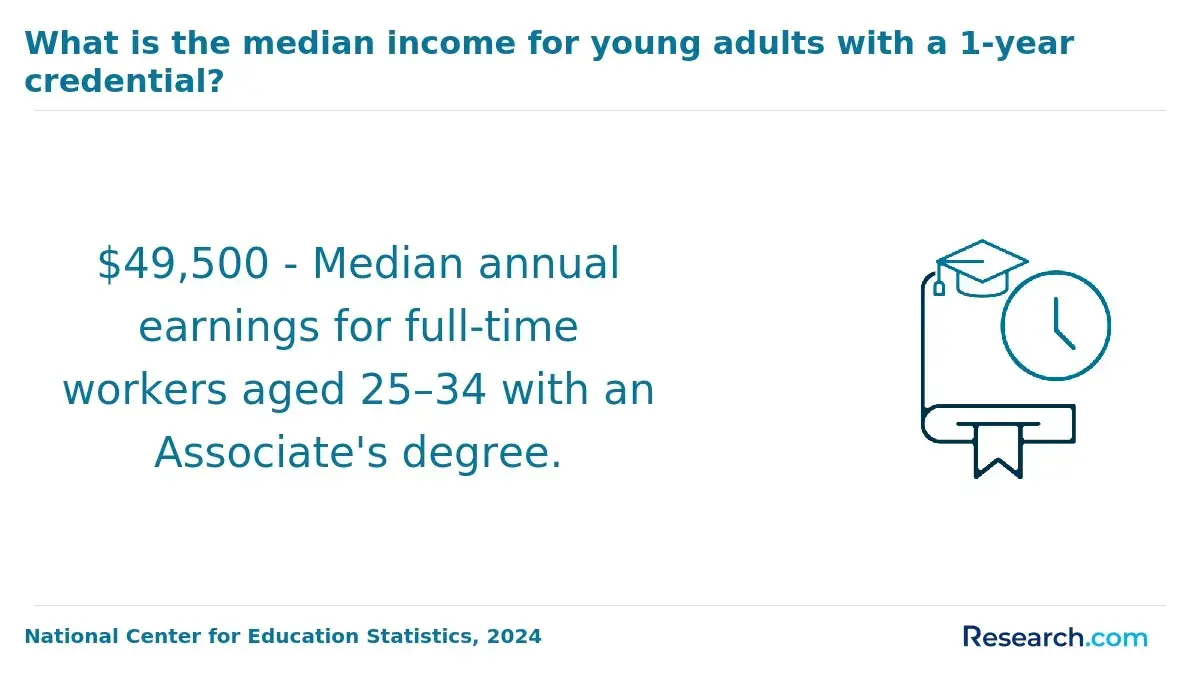
Salary data from the Association for Supply Chain Management indicates average earnings of $72,000 for associate degree holders, $92,147 for bachelor's graduates, and $113,300 for those with a master's, emphasizing that degree investment correlates to tangible wage premiums. Prospective students must weigh preparatory demands against workforce entry timing and their targeted career trajectory.
How long do online supply chain management degrees take and what do they cost?
Choosing the right pathway for supply chain management education requires weighing time, cost, and current occupational demands against sector growth dynamics. Accelerated programs compress bachelor's coursework into 2 to 3 years, benefiting professionals seeking faster returns on investment, while traditional part-time options may extend beyond 4 years, better suiting those balancing full-time employment. Master's degrees, typically 12 to 24 months, demand upfront financial and time commitments but align with roles expecting advanced expertise.
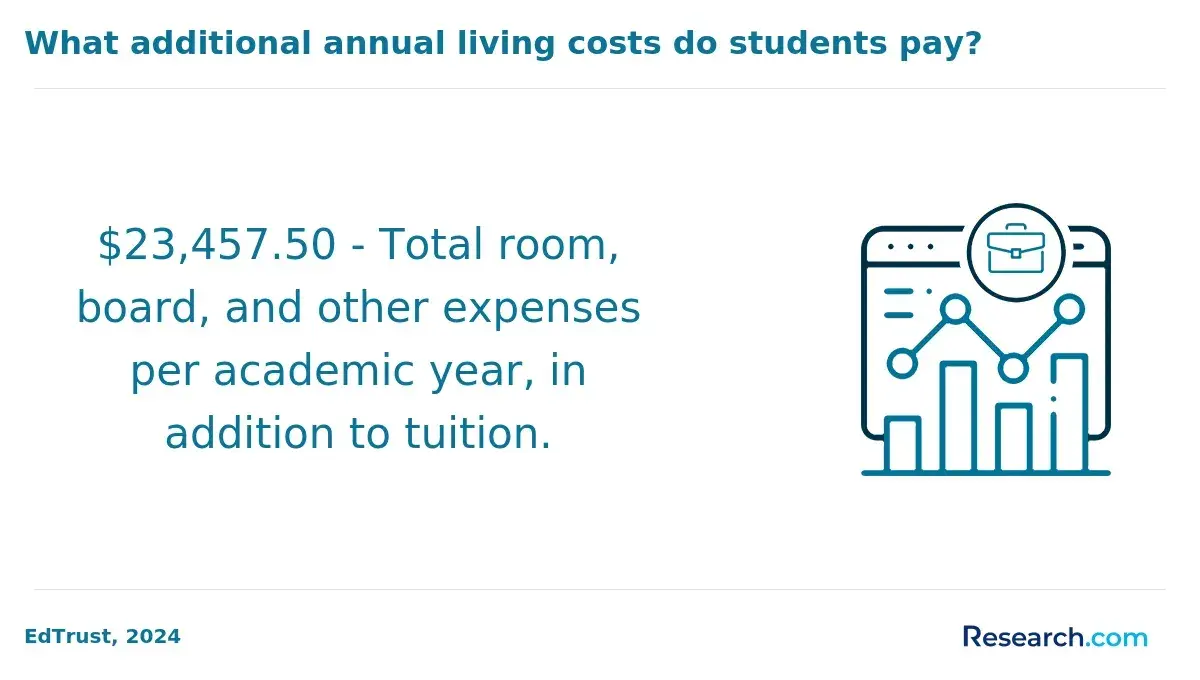
Cost ranges notably: public institutions can offer bachelor's degrees around $10,000, whereas private or specialized graduate programs exceed $40,000. This price variance aligns with program integration of practical components like case studies, simulations, and industry partnerships-elements employers increasingly value for applied skill verification.
Consider that federal aid and employer tuition reimbursement often mitigate expenses but are not universally accessible. Importantly, programs offering stackable credentials enable incremental qualification and risk management over longer-term career planning.
A logistics manager aiming to capitalize on a projected 11% compound annual growth in supply chain roles (per data from Zippia and University of Arizona Global Campus) might prioritize accelerated master's study despite higher immediate costs. Conversely, supervisors in operational roles might prefer lengthier bachelor's options to maintain steady income and avoid burnout.
What supply chain and operations careers can you pursue with an online degree?
Supply chain management degrees open pathways that differ substantially based on industry demands and operational scope. For instance, an operations manager in manufacturing centers on production scheduling and supplier negotiations, while their retail counterpart prioritizes inventory management and vendor coordination across sales channels.
Early-career roles typically involve hands-on vendor or warehouse interaction, progressing toward strategic planning and leadership roles that require demonstrated proficiency with supply chain technologies and relevant certifications.
Roles emphasizing supply chain risk assessment and compliance have gained traction in response to global disruptions and evolving regulations. Additionally, positions in data analytics and technology integration-such as supply chain data analysts or ERP implementation specialists-require application of predictive analytics and process optimization skills taught in rigorous degree programs.
Students must assess programs for curricula addressing sector-specific challenges alongside practical, project-based components that simulate real-world decision-making.
The labor market outlook from 2021 to 2030 projects a 9% growth in occupations linked to supply chain management graduates, outpacing the overall 6% employment increase. Success in this environment depends on balancing foundational knowledge with relevant technical competencies and understanding employer expectations.
Prospective learners should weigh the logistical demands of online study and verify whether programs prepare them for dynamic, technology-driven roles focused on operational efficiency and cost reduction.
What salary ranges and promotion opportunities exist in supply chain and operations roles?
Salary trajectories in supply chain and operations roles reflect a clear divide shaped by industry context and demonstrated technical expertise. Entry-level positions for master's degree holders in supply chain management generally start between $70,000 and $95,000 annually, but this range expands significantly with experience and sector.
Mid-career professionals frequently earn $120,000 to $150,000, while senior management roles-such as directors or vice presidents-can surpass $220,000, chiefly within large technology firms where compensation aligns with aggressive hiring trends.
Promotion timelines vary notably: manufacturing and logistics sectors often require 3 to 5 years for advancement from analyst to manager, emphasizing deep operational knowledge and supplier relations. Conversely, tech-driven supply chains prioritize analytics and automation skills, enabling career moves within 2 to 3 years, particularly in rapidly scaling areas like e-commerce or semiconductors.
Long-term career resilience demands ongoing competence in digital supply chain tools, AI-based forecasting, and sustainability compliance. Employers increasingly reward professionals who merge operational experience with data fluency, given the post-pandemic focus on cost control and supply chain resilience.
The 2024 MIT Supply Chain Management outcomes report documents that 67% of master's graduates accepted technology sector roles-a sharp rise from 19% the prior year-signaling a workforce pivot toward technologically intensive environments.
Students and professionals should weigh the tradeoff between industries offering steadier advancement timelines versus those delivering accelerated growth coupled with higher volatility and evolving skill requirements.
What professional certifications strengthen long-term career stability in supply chain management?
Credentials like Certified Supply Chain Professional (CSCP) and Certified in Production and Inventory Management (CPIM), both from APICS, signal operational mastery critical for roles such as operations management, where salaries range from $99,000 to $164,000 per OnlineU's 2026 data. Yet these foundational certifications focus primarily on process execution rather than strategic leadership.
Analysts seeking higher impact should consider Certified Supply Chain Manager (CSCM) and Certified Professional in Supply Management (CPSM), which emphasize procurement strategy and vendor relationships-skills essential when managing complex manufacturing or retail supply networks.
Specialized credentials like Certified in Logistics, Transportation and Distribution (CLTD) provide targeted expertise for roles in dynamic distribution environments where timing and cost control directly affect profitability. For example, professionals in e-commerce or automotive sectors benefit measurably by aligning logistics competencies with operational demands. However, each certification's cost, renewal requirements, and employer support vary, making a selective approach crucial.
A meaningful career trajectory often pairs these credentials with relevant leadership certifications such as Project Management Professional (PMP), especially for analysts moving toward executive roles-compensation can approach $344,000 for a VP of Operations. Prioritizing certifications that mirror both immediate job functions and longer-term strategic roles helps avoid inefficient credential inflation and supports sustainable compensation growth.
How can you choose a reputable online supply chain management program aligned with your goals?
Choosing an online supply chain management program requires more than checking accreditation; it demands alignment with specific industry requirements and measurable employment outcomes. For example, professionals targeting healthcare logistics should prioritize curricula covering regulatory compliance and inventory strategies unique to that sector, rather than generic supply chain theories. Similarly, a mid-career manufacturing professional benefits most from programs emphasizing demand forecasting and supplier risk analytics paired with industry-backed internships or mentorships.
Employer connections significantly affect job placement-data from the University of Arizona Global Campus shows that 53% of companies entering new supply chain management roles in 2025 will seek candidates with skills in resilience planning and risk mitigation, underscoring the need for practical coursework over purely theoretical approaches.
Flexibility is essential for working professionals balancing job and study. Programs blending asynchronous classes with applied projects or virtual simulations tied to real-world disruptions offer a tangible edge. Evaluate cost relative to program length and financial aid options but remain wary of programs lacking transparent data on accreditation and graduate success.
Ultimately, selecting a program without a clear connection to workforce demand risks skill gaps and delayed career mobility. Prioritizing practical training, relevant curriculum, and verified employment outcomes can make your degree a strategic lever in a hiring market increasingly attentive to applied expertise and economic uncertainty.
Other Things You Should Know About Supply Chain Management
A degree without hands-on experience limits immediate employability in supply chain roles, as employers prioritize candidates who can navigate real-world logistics complexities. If you lack relevant experience, prioritize programs that incorporate internships, project-based learning, or strong industry connections. These elements deliver practical skills that accelerate career entry and offset the experience gap.
Online supply chain management programs vary widely in workload, typically balancing rigorous quantitative coursework with case studies. Working professionals should prioritize programs offering flexible pacing and asynchronous learning, as rigid schedules can increase burnout risk. Assess curriculum intensity upfront, since overloading can delay degree completion and reduce the ability to apply learning immediately on the job.
Choosing a degree with a balanced focus is critical, but prioritize technology proficiency if aiming for roles involving logistics analytics, systems integration, or automation. Managerial concepts matter more for leadership or strategic planning tracks. Assess your target role and employers' asking skills to decide, but neglecting technology fundamentals limits future-proofing amid rapid digitization.
Earning an online supply chain management degree from a lesser-known institution in 2027 may require extra effort in networking and gaining relevant experience. However, focusing on acquiring in-demand skills and industry certifications can offset the impact, as employers often prioritize demonstrated competencies over institutional prestige.
References
- Supply Chain Certifications: Unlocking the ROI and Real Outcomes https://cpscp.org/supply-chain-certifications-unlocking-the-roi-and-real-outcomes/
- Institute of Supply Chain Management Online Programs | AIMS https://aims.education/supply-chain-academy/
- Pathways to SCMP Designation | Supply Chain Canada https://www.supplychaincanada.com/education-and-training/pathways-to-scmp-designation
- Best Supply Chain Certifications In UAE| Guide 2026 https://wingswaytraining.com/best-supply-chain-certifications-in-uae/
- Choose the Right Supply Chain Management Degree for Global Careers | BSBI https://www.berlinsbi.com/blog/how-to-choose-the-right-supply-chain-management-degree-for-global-careers
- Top Supply Chain Management Certifications to Boost Your Career - HUBBIG https://hubbig.com/en/top-supply-chain-management-certifications-to-boost-your-career/
- Supply Chain Management Courses: 7 Reasons They Transform Your Career https://scmerpsm.com/supply-chain-management-courses/
- Supply Chain Jobs Salary: What to Expect https://www.ism.ws/careers/supply-chain-jobs-salary/
- CourseCareers https://coursecareers.com/blog-posts/best-supply-chain-coordination-courses