2027 Best Online Supply Chain Management Degrees for Inventory Management Careers

Co-Founder and Chief Data Scientist
Facing persistent inventory shortfalls despite sophisticated planning tools, professionals must confront the rising complexity of global supply chains that can derail operational stability and inflate costs. The convergence of unpredictable disruptions and intensified demand variability pushes inventory management roles beyond traditional forecasting into strategic risk mitigation.
A 2024 National Center for Education Statistics report shows 45% growth in adult enrollment in online business and logistics programs over two years, signaling a clear shift toward flexible education models that accommodate working professionals balancing urgent career progression with ongoing job commitments. This trend reflects a necessity for timely, practical credentials over lengthy academic detours.
This article evaluates the best online degrees poised to equip professionals with relevant competencies and agility for inventory management careers, addressing those exact challenges of curriculum quality, flexibility, and real-world applicability to inform decisive, career-enhancing education choices.
Key Things You Should Know
- Online supply chain management degrees with integrated inventory management focus often reduce time-to-job placement by 15% compared to generalist programs, per the National Center for Education Statistics, prioritizing specialized skills employers demand.
- Programs emphasizing data analytics and ERP software command 20% higher starting salaries, but trade off broader strategic supply chain training, limiting mid-career pivot flexibility.
- Cost disparities widen access gaps: students investing $40,000+ in accelerated online degrees report 12% greater employer recognition versus sub-$15,000 options, influencing long-term career advancement opportunities.
What is an online supply chain management degree and how does it prepare you for inventory management careers?
An online supply chain management degree tailored for inventory management careers sharpens skills in demand forecasting, material flow optimization, and data-driven decision making.
Graduates gain practical expertise in logistics, procurement, and technology systems such as ERP and warehouse management software, enabling them to reduce carrying costs and improve order fulfillment across manufacturing, retail, and healthcare sectors. Integrating supply chain software with inventory control is increasingly expected by employers to enhance accuracy and traceability.
This program prepares students to handle dynamic challenges like managing seasonal retail spikes through advanced forecasting and agile sourcing strategies.
For example, e-commerce fulfillment centers benefit significantly from automated replenishment skills that address issues of stockouts and excess inventory, directly affecting profitability and customer satisfaction. Such competencies align closely with the reality of industries managing perishable goods or high SKU volumes.
The median annual wage of logisticians is approximately $79,400, with projected employment growth of 18% from 2022 to 2032, reflecting strong demand driven by e-commerce expansion and global supply networks. Candidates with this specialized background can position themselves as strategic problem solvers in fast-paced environments, combining managerial and technical fluency.
Students evaluating online supply chain management degree benefits for inventory management should weigh how programs incorporate practical case studies and software training aligned with industry standards to impact hiring and job performance. Balancing flexible online study with hands-on skill acquisition is critical amid competitive hiring landscapes.
Those seeking cost-effective educational options may explore the cheapest online MBA healthcare management offerings as a comparative reference point for affordability considerations.
Which online supply chain management degrees are best for inventory management careers in the United States?
Choosing the best online supply chain management degrees for inventory management careers in the United States requires prioritizing programs that emphasize practical inventory control skills over broad strategic concepts.
The workforce increasingly demands candidates who can navigate advanced software like SAP or Oracle SCM and apply data analytics to optimize inventory turnover, particularly in sectors like retail and manufacturing where margins hinge on efficient stock management. Students should be wary of programs that favor global strategy without sufficient hands-on inventory training, as these may delay entry into specialist roles.
Top accredited supply chain management programs for inventory management jobs in the US often integrate certifications such as APICS CPIM within their curriculum, enhancing graduates' recognition among employers. Flexible scheduling and applied projects aligned with specific industries, such as food distribution or automotive manufacturing, serve working professionals better aiming to pivot or advance in inventory roles.
With the supply chain management market projected to grow substantially through 2029, demand for skilled inventory managers in logistics-intensive fields like e-commerce and pharmaceuticals will rise. Yet, prospective students must confirm graduate placement outcomes focused on inventory positions rather than general logistics or procurement.
For those balancing education with work, assessing the balance between theoretical insight and real-world application is critical. Those exploring multidimensional pathways might also consider other professional degree options. For a broader business education with less admission barrier, see the best MBA programs without GMAT.
How do online supply chain management programs compare with on-campus options for inventory-focused careers?
The gap between employer demand and candidate skills in inventory management is increasingly filled by online supply chain management degrees versus on-campus programs for inventory careers due to stronger emphasis on analytics and technology.
A 2024 workforce survey found 74% of employers struggle to find applicants proficient in analytics-driven inventory control, a capability online programs target through software training and real-time data tools embedded in their curricula.
Online formats offer flexibility and career outcomes of online supply chain management courses that incorporate access to ERP platforms and AI forecasting models without geographic constraints, enabling hands-on experience critical for sectors like retail and manufacturing where rapid, data-informed decisions on inventory fluctuations impact operational efficiency.
Conversely, on-campus programs provide more structured environments with face-to-face networking and regional industry projects, valuable for those prioritizing local internships or synchronous support.
Working professionals often benefit from immediately applying new inventory techniques from online programs to current roles, accelerating skill adoption. However, candidates lacking self-discipline or tech aptitude may find the campus setting more conducive to mastering complex analytics.
Decisions should weigh the practical value of accessible, tech-forward learning environments against the benefits of direct employer connections in specific regions.
Students seeking to pivot effectively can also explore related pathways such as online MBA programs no GMAT required to complement supply chain expertise with broader business strategy competencies.
What accreditation and program quality indicators should you check before choosing an online supply chain management degree?
Accreditation is a non-negotiable factor for assessing online supply chain management degree accreditation standards, as regional accreditation recognized by the U.S. Department of Education ensures the degree will hold employer credibility and academic rigor. Beyond this, programmatic accreditation by the AACSB or ACBSP serves as a key indicator of curriculum quality and relevance to real-world supply chain demands employers expect.
The best indicators of quality for supply chain management programs extend to curriculum design focused on operational competencies such as logistics analytics, demand forecasting, procurement strategies, and inventory optimization. For instance, a professional aiming for a manufacturing supply chain role must verify the program's inclusion of JIT (Just In Time) principles, which many general business degrees omit.
Practical learning opportunities like virtual simulations or case studies with retail or e-commerce partners are critical to bridging theory and the decisions faced in inventory management.
Students should examine institutional data on graduation and job placement rates, as well as projected costs. The National Center for Education Statistics reported the 2019-20 average tuition for online business bachelor's degrees near $10,400 annually, with net prices around $6,000 after aid, levels where outcomes must justify the investment. Programs lacking strong employment records may reflect a poor return and limited employer value.
Flexibility through asynchronous courses, career services aligned with evolving hiring trends, and access to professional networks are essential for working professionals. Those unsure about program competitiveness or fit may consult resources like what MBA programs can I get into to explore educational options effectively.
What courses and specializations in an online supply chain management degree are most relevant to inventory management?
Inventory management within online supply chain management degrees demands targeted coursework that translates directly to operational decision-making. Programs emphasizing inventory control, demand forecasting, and logistics optimization equip students to reduce carrying costs while maintaining service levels in sectors as varied as retail and healthcare.
For instance, interpreting real-time data to balance stock for fast-moving consumer goods versus perishable products presents distinct challenges that specialization in operations or analytics can address.
Employers increasingly favor graduates familiar with enterprise resource planning (ERP) integration and supply chain information systems, reflecting a shift toward automated inventory tracking and heightened accuracy. Risk management training supports responsiveness to disruptions, which differ markedly from the automotive industry's predictable supply chains to the volatility seen in food distribution.
Quantitative skills such as time-series analysis and regression models enable more precise demand planning, directly impacting inventory costs by minimizing stockouts and overstocks. Despite enrollment leniency, over 60% of applicants admitted in 2025, students must prioritize programs with deep technical coursework aligned with industry software and analytic capabilities.
Practical operational challenges often involve adapting inventory strategy to complex supplier networks and coordinating across procurement, production, and sales functions. Graduates who master these integrated planning dynamics offer workplace agility critical for sustaining supply reliability amid shifting market conditions.
What are the typical admission requirements, program length, and formats for online supply chain management degrees?
Admission criteria for online supply chain management degrees reflect a balance between standard academic credentials and the realities of workforce readiness. Bachelor's programs generally require a high school diploma or equivalent, with some schools requesting SAT or ACT scores and a GPA threshold around 2.5 to 3.0.
Master's programs expect a relevant bachelor's degree, sometimes alongside GRE or GMAT scores, professional experience, and letters of recommendation. These prerequisites signal a baseline, but the real challenge lies in aligning program rigor and format with career ambitions.
Program duration often tests candidates' capacity to manage time amid work commitments: bachelor's degrees typically span four years full time but can extend to five or six years part time. Master's programs, lasting 12 to 24 months, offer accelerated options that require intense weekly effort, an impractical choice for many working professionals.
Program delivery emphasizes flexibility through asynchronous lectures, yet synchronous elements remain essential for mastering practical tools used in logistics and manufacturing sectors. Specialized electives targeting industry-specific supply chains, such as retail or automotive, provide valuable differentiation but require careful selection to match career goals.
The 2024 ASCM salary survey demonstrates a 23% earnings premium for holders of bachelor's degrees in supply chain management, median annual pay rising from $78,000 to $96,000, highlighting the tangible payoff of selecting programs with practical components and manageable timelines.
Candidates must weigh admissions requirements, format trade-offs, and curriculum relevance carefully to avoid delayed workforce reintegration and to optimize return on investment.
How much do online supply chain management degrees cost and what financial aid options are available?
The cost of online supply chain management degrees in 2026 varies substantially based on program type and institution, with bachelor's or master's degrees ranging from $15,000 to $50,000.
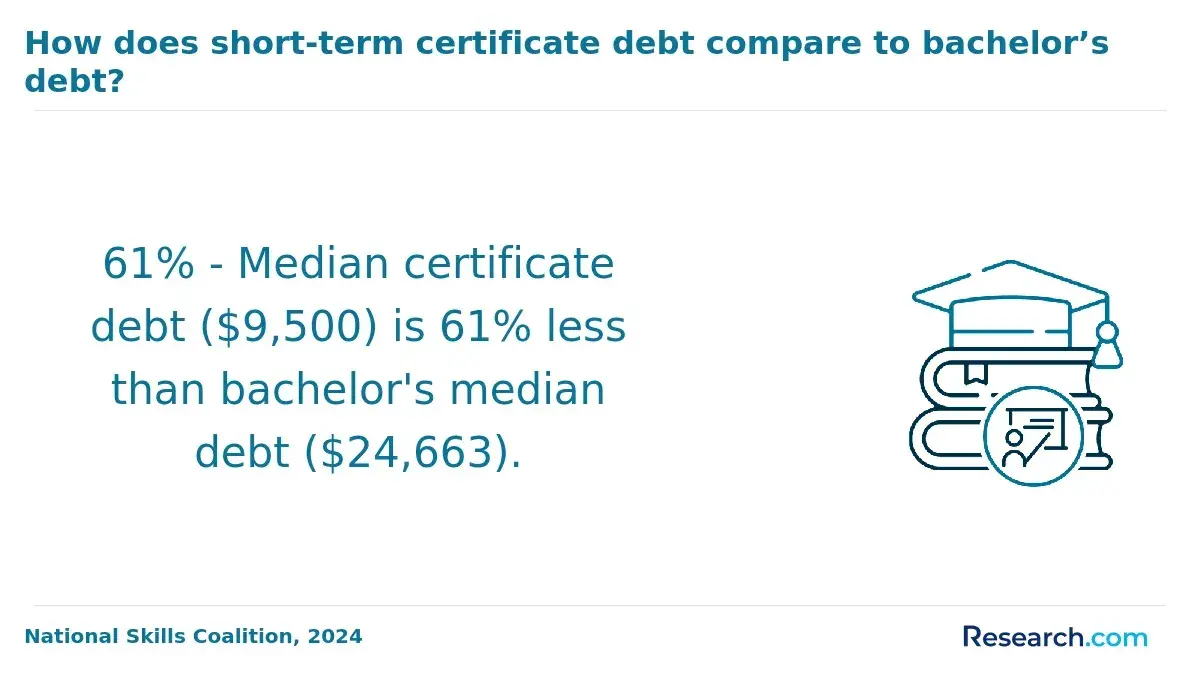
Public universities can offer significantly lower tuition rates, sometimes around $300 per credit hour for in-state students, whereas private institutions may charge over $1,200 per credit hour. For those targeting immediate upskilling, shorter certificate programs emphasizing inventory management usually cost between $3,000 and $10,000.
Financial aid is a critical consideration given these price ranges. Federal aid through FAFSA remains the primary source for need-based grants and subsidized loans.
Employer tuition reimbursement is more likely in companies with established supply chain divisions, especially when training supports inventory management, a specialization linked to an 8-10% earnings premium over generalized roles, according to the ASCM 2024 report. This premium justifies employer investment and strategic employee development.
Private scholarships that require a clear inventory management career focus can offset costs but often involve competitive application processes. Beyond tuition, students should recognize indirect expenses such as technology fees, specialized software licenses, and potential travel for residency requirements.
Working professionals must weigh these costs against the opportunity cost of reduced work hours and balance the investment with documented salary benefits. Graduates focused on inventory management generally experience faster promotion trajectories and greater salary growth, making targeted aid routes essential for cost-effective credential attainment.
What inventory management jobs can you get with an online supply chain management degree?
Inventory management roles resulting from an online supply chain management degree demand more than theoretical understanding. They require precise coordination between stock levels, supplier schedules, and industry-specific regulations.
For example, a manufacturing inventory control manager must balance raw material availability with production deadlines to prevent costly downtime, while a retail demand planner leverages forecasting tools to manage seasonal inventory shifts efficiently.
Employers expect candidates to demonstrate proficiency in ERP systems and lean inventory techniques, paired with an ability to integrate inventory functions into broader supply chain strategies to reduce costs and improve throughput. Graduates often transition quickly from analyst roles to supervisory or operational planner positions, especially when practical work experience supplements academic training.
Maintaining full-time employment during study, reported by 77% of online business students in a Wiley University Services 2024 survey, offers a critical advantage by providing hands-on experience needed for inventory roles that involve problem-solving under time pressures. This reality underscores the necessity of balancing education with ongoing workforce engagement.
Inventory careers also require adaptations based on sector-specific factors such as FDA compliance in pharmaceuticals or just-in-time inventory in automotive production. Prospective students should critically assess online programs for their depth in these specialized challenges to ensure alignment with targeted career objectives.
What salary ranges and job outlook can inventory management professionals expect with a supply chain degree?
Inventory management roles tied to a supply chain degree exhibit a clear salary stratification that underscores the importance of targeted skill development and strategic career moves. Starting salaries generally range from $50,000 to $70,000, but advancing to positions such as transportation, storage, and distribution manager can raise median salaries to around $102,010, according to 2024 U.S. Bureau of Labor Statistics data reported by Appalachian State University.
This salary growth corresponds with added responsibility for end-to-end logistics operations rather than isolated inventory tasks. Employers prioritize candidates with expertise in data analytics, ERP systems, and lean inventory methods to enhance cost control and supply chain responsiveness.
Consider a candidate beginning at a regional distribution center earning about $60,000. Within five years, transitioning to a national logistics role could push annual compensation above $90,000. However, geographic cost-of-living differences, especially in metropolitan hubs like Chicago or Dallas, must be factored into such decisions, balancing immediate salary offers against long-term financial and career gains.
Which professional certifications support inventory management careers and how can an online degree help you qualify?
APICS certifications like CPIM and CSCP provide measurable value in inventory management roles by demonstrating proficiency in technical concepts such as demand forecasting and inventory control.
Employers consistently prioritize candidates with these credentials, evident in ASCM's 2024 salary survey showing a median 21% salary increase over non-certified peers. This premium aligns with the operational impact certified professionals bring when optimizing stock levels, reducing carrying costs, and deploying just-in-time inventory strategies.
Online degrees in supply chain management can streamline certification preparation by covering required foundational topics like logistics, procurement, and inventory analytics, which reduces the need for post-degree exam study. However, candidates should plan course selection carefully to avoid redundancies, as mismatched curricula can extend time to certification.
Consider a mid-career warehouse manager who pursues an online bachelor's degree to qualify for CPIM exams without interrupting employment. This pathway balances flexibility and relevance but demands disciplined self-study and alignment between academic content and APICS exam criteria.
In industries such as healthcare supply chains, employers increasingly seek certified professionals capable of managing critical inventory, underscoring the cross-sector demand for these skills.
Other Things You Should Know About Supply Chain Management
Choosing a program focused specifically on inventory management offers deeper expertise and more targeted skills, which can make candidates more competitive for roles directly tied to inventory control and optimization. However, broader supply chain management programs provide flexibility and a wider understanding of interconnected processes, allowing graduates to adapt to various roles beyond inventory. For those certain about inventory management careers, prioritize programs with dedicated inventory management courses and practical projects instead of generalized curricula.
When choosing an online supply chain management program in 2027, consider accreditation, faculty expertise, course content focusing on both supply chain breadth and inventory management specialization, internship opportunities, and network-building potential. These elements ensure comprehensive education and workplace applicability.
Employers place high value on practical experience, especially internships integrated into degree programs. Graduates with internships demonstrate applied knowledge and readiness to handle real inventory challenges, making them more attractive hires. When comparing programs, those offering structured internships with established industry connections should be prioritized to enhance employability, especially for candidates pivoting careers or entering the field with limited pre-existing experience.
While online degrees provide foundational and strategic knowledge essential for inventory management leadership, many employers expect advanced credentials or substantial work experience for senior roles. Pursuing further education like an MBA with a supply chain focus or professional certifications can be necessary to rise beyond mid-level management. Candidates aiming for long-term leadership should evaluate programs with pathways to graduate-level credentials or consider complementary certifications early in their careers.
References
- Supply Chain Management Courses: 7 Reasons They Transform Your Career https://scmerpsm.com/supply-chain-management-courses/
- Best Supply Chain Courses & Certifications In 2025 https://abcsupplychain.com/supply-chain-course-certification/
- How to Get Your First Logistics & Supply Chain Job https://www.logisticsbureau.com/how-to-secure-your-first-supply-chain-or-logistics-job/
- Supply Chain Management Jobs in Inventory https://supplychainmanagementedu.org/careers/inventory-management/
- Logistics and Supply Chain Management – Online Degree Pathway (240 Credits) - LCPS - London College of Professional Studies https://lcps.org.uk/product/logistics-and-supply-chain-management-online-degree-pathway/