2027 Best Online Supply Chain Management Programs for Professionals Seeking Transportation Leadership

Co-Founder and Chief Data Scientist
Facing the urgent task of leading complex transportation operations, many professionals encounter a bottleneck: identifying flexible, credible programs that align with demanding schedules while delivering measurable skills employers prioritize. The National Center for Education Statistics reports that since 2024, online enrollment among adult learners surged by 12%, revealing a decisive shift toward accessible, workforce-compatible education.
This amplifies both opportunity and challenge—selecting a program that balances rigorous leadership development with real-world applicability and credible industry recognition becomes critical for career mobility. This article evaluates the best online supply chain management programs tailored for professionals striving specifically for transportation leadership roles, clarifying key factors to optimize your return on investment in education.
Key Things You Should Know
- Programs emphasizing advanced analytics and AI integration report a 22% higher mid-career salary gain versus traditional curricula, yet require substantial prior IT proficiency, limiting access for purely logistics-focused professionals.
- Employers in U.S. transportation sectors prioritize candidates with certification-aligned, industry-validated skills over generic degrees, increasing hiring bias toward programs partnered with recognized bodies like CSCMP or APICS.
- Median program costs rose 15% since 2022, according to NCES data, pressuring mid-career learners to weigh shorter, intensive certificate options against longer, costly degrees amid tightening employer tuition benefits.
What is an online supply chain management degree with a transportation leadership focus?
An online supply chain management degree focused on transportation leadership prepares students to navigate the complexities of multimodal logistics and regulatory dynamics that directly affect operational cost and delivery reliability. This specialization trains professionals in freight distribution management, carrier negotiation, and infrastructure utilization, skills essential for minimizing disruptions such as port congestion or adverse weather events that threaten supply chain continuity.
Transportation leadership in supply chain management programs builds competencies in aligning transportation with global trade considerations and industry-specific demands. For instance, managing cold-chain logistics in perishable goods distribution requires precise timing and temperature control to avoid spoilage and revenue loss.
Candidates learn to leverage transportation management systems (TMS) to optimize routes and monitor shipments in real time, reflecting employer expectations for data-driven decision-making in risk mitigation and carrier performance enhancement.
Key challenges addressed include:
- Integrating evolving environmental regulations with sustainability objectives
- Adapting strategies to geopolitical trade shifts and volatile fuel costs
- Applying data analytics to reduce lead times and improve carrier efficiency
Given the reported median annual wage of $99,800 for supply chain managers, this targeted degree supports a strategic career pivot or advancement within a high-demand field.
Students should carefully weigh the practical implications of program curricula on real-world supply chain resiliency and cost optimization. For those evaluating educational choices, reviewing online business degree programs accredited can provide additional context and alternative pathways relevant to supply chain leadership roles.
How do online supply chain management programs compare with campus-based options for working professionals?
Choosing between online supply chain management programs versus campus-based courses for transportation professionals requires weighing concrete operational tradeoffs rather than defaulting to convenience or prestige alone.
Logistics roles in sectors like automotive or aerospace, which depend on intricate physical supply networks, benefit significantly from campus programs that provide hands-on internships, live simulation labs, and industry connections essential for rapid leadership integration.
Employers continue to prioritize graduates from schools with strong reputations and rigorous cohort structures. Institutions such as the University of Michigan Ross School of Business and ESSEC Business School lead in rankings and command recognition that often translates into 15-20% higher entry salaries, reflecting the value of alumni networks and brand influence in supply chain recruitment.
Conversely, flexible supply chain management education options for working professionals in the region favor online pathways that minimize employment disruption. However, these options demand robust self-discipline and tend to delay the formation of relationships critical for strategic transportation roles.
Professionals must assess whether immediate experiential learning or flexible delivery aligns better with their career context.
Those exploring financially accessible pathways might consider an online MBA under 30000 as a viable supplement to specialized supply chain credentials.
Which accredited online schools offer the best supply chain management programs for transportation leadership?
Programs focusing on transportation leadership within top accredited supply chain management programs for transportation professionals critically emphasize quantitative methods paired with industry-aligned applications.
Institutions such as Pennsylvania State University World Campus, Arizona State University Online, and the University of Tennessee address essential competencies like transportation economics, logistics strategy, and network optimization, which directly affect operational decision-making across multimodal transport and distribution networks.
Employment projections for logisticians, including transportation managers, indicate a 19% increase from 2023 to 2033, driven by the complexity of global trade and the pressures of just-in-time delivery systems. This spotlights the importance of specialized skills in predictive analytics, transportation law, and sustainable freight management, areas that many generic supply chain management degrees do not robustly cover.
Prospective students targeting the best online supply chain management schools for transportation leadership should prioritize programs with:
- Hands-on case studies that replicate transportation disruptions and regulatory adaptation
- Strong industry partnerships supporting networking, internships, or capstone projects based on real-world logistics challenges
- Flexible pacing suited for working professionals balancing employment and graduate coursework
For example, a supply chain manager in a regional carrier aiming to shift into strategic transportation leadership must master compliance frameworks and route optimization software deeply ingrained in tailored curricula. Without focused transportation coursework, graduates risk falling behind peers in sector-specific regulatory navigation, slowing their professional momentum.
Accreditation by organizations like ACBSP or AACSB ensures curriculum rigor—a necessary baseline given transportation logistics' complexity. Those evaluating financial investment in these programs may also consider affordable online executive MBA programs that incorporate relevant transportation leadership content, balancing cost with outcomes.
What admission requirements and prior experience are needed for online supply chain leadership programs?
Admission into online supply chain management leadership programs demands more than academic credentials; employers expect demonstrated operational expertise to justify leadership roles with a median wage near $80,880. Candidates typically need a bachelor's degree in business, engineering, logistics, or a related field, alongside three to five years of relevant experience in transportation or operations management.
This reflects the prerequisite for practical understanding embedded in prerequisites for transportation leadership in supply chain management.
Applicants without a directly relevant degree must prove quantitative skills and fluency with supply chain technologies like ERP or transportation management software. Submission of GRE or GMAT scores varies by program but is often waived for seasoned professionals or those with prior graduate studies.
For instance, a manufacturing professional aiming for supply chain leadership should highlight cross-functional team direction and process optimization, whereas a candidate from retail logistics needs to emphasize achievements in transportation network redesign and cost containment.
Essential program components include access to real-world data and advanced modeling tools, enabling students to develop analytical decision-making skills critical in managing complex supply chains.
Balancing intensive capstone projects with ongoing work commitments remains a core challenge. Prospective students searching for accelerated timelines might explore one year MBA programs that align with career pivot strategies.
How long do online supply chain management programs take and what do they cost?
Choosing an appropriate educational pathway in supply chain management requires balancing program length, content depth, and career impact against financial and time investments.
Typical online programs span from certificate courses lasting 6-12 months to bachelor's and master's degrees extending 18-24 months for part-time learners. Professionals targeting transportation leadership roles may find 15 to 18 months provides a practical balance between thorough expertise and maintaining workforce participation.
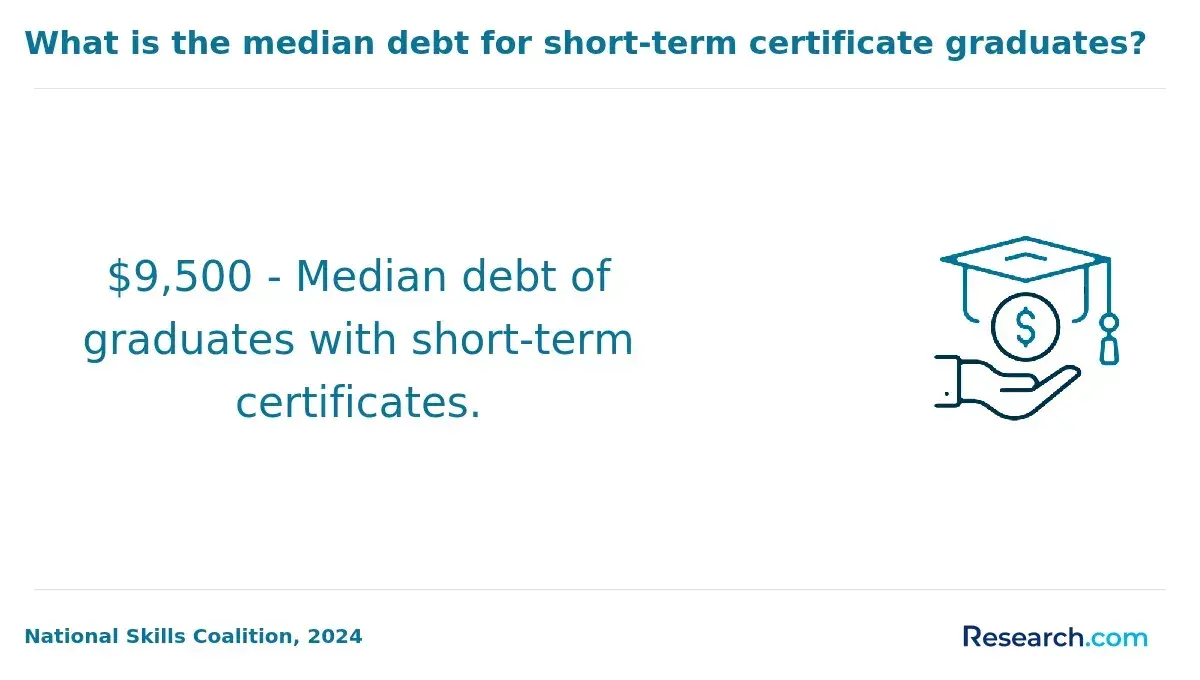
Cost considerations vary significantly by credential type and institution. Certificates often cost between $3,000 and $8,000 but may lack strategic depth essential for senior industrial production manager roles. Public bachelor's and master's degrees typically range from $20,000 to $50,000 in tuition, with private institutions often exceeding $60,000.
These expenses must be weighed against potential median annual wages around $121,440, as reported by the U.S. Bureau of Labor Statistics in May 2024, alongside opportunity costs related to program duration and workload.
Employers frequently prioritize candidates from accredited programs that emphasize real-world supply chain challenges and current technologies. Prospective students should seek curricula offering flexible pacing and transportation-focused content to optimize professional relevance.
For instance, a working mid-level manager opting for a certificate may accelerate skill acquisition at lower cost but may sacrifice the strategic comprehensiveness valued in upper management positions.
What courses and specializations should you expect in transportation-focused supply chain curricula?
Transportation-focused supply chain curricula prioritize technical mastery over broad theory, emphasizing logistics optimization and regulatory compliance critical in sectors like retail and manufacturing.
Graduates must navigate complex real-world challenges such as balancing last-mile delivery efficiency with rising capacity constraints during peak seasons. This involves practical skills in transportation economics, carrier management, and routing methods that directly affect operational costs and timeliness.
Students who engage with risk management tailored to transportation and sustainability requirements gain advantage in industries facing stricter environmental mandates and evolving international shipping regulations. For example, expertise in hazardous materials handling is non-negotiable for roles supporting chemical manufacturing logistics.
Meanwhile, integrating emerging technologies like IoT and blockchain stands out as a differentiator for leadership positions demanding transparent, data-driven supply chain visibility.
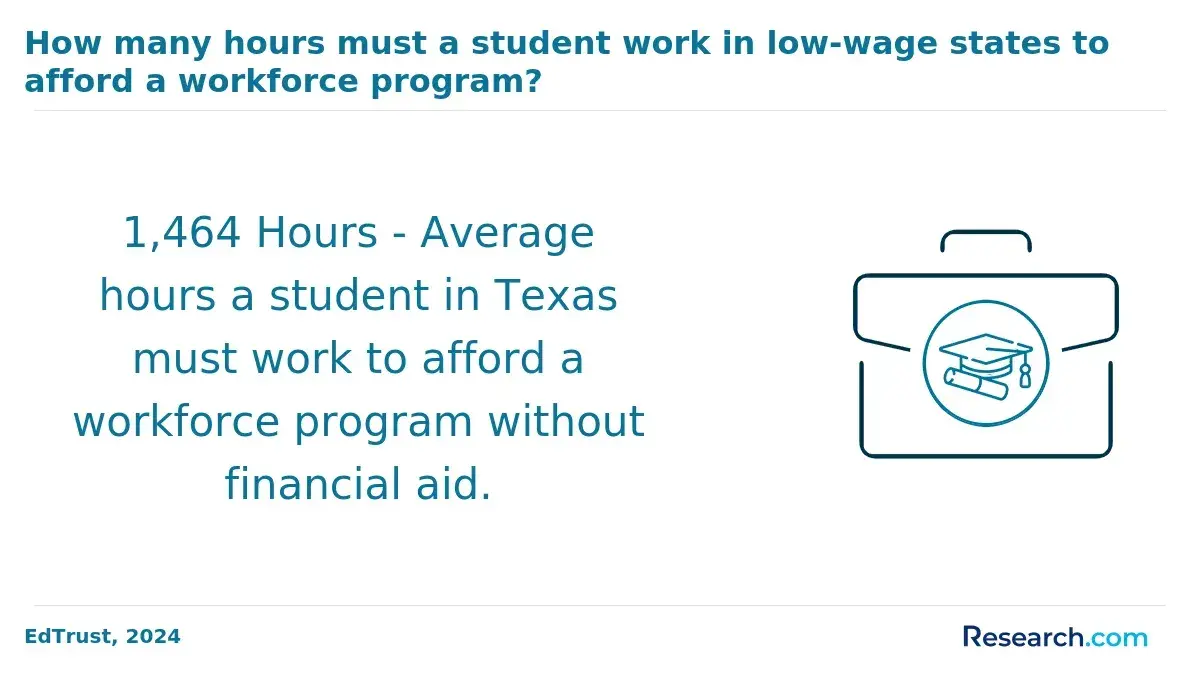
Cost remains a significant factor; the average net price near $6,000 for business management degrees online presents tradeoffs between affordability and program comprehensiveness. Candidates must assess whether curricula incorporate actionable analytics and multimodal transportation management skills that local employers expect to generate measurable efficiency gains.
Prioritizing hands-on case studies that simulate dynamic industry conditions enhances readiness for decision-making roles that require agile responsiveness to regulatory shifts and inventory fluctuations.
How can you verify accreditation and program quality for online supply chain degrees?
Choosing an online supply chain degree requires prioritizing accredited programs that are recognized by the U.S. Department of Education or the Council for Higher Education Accreditation (CHEA). Without regional accreditation and program-specific endorsements like AACSB or ACBSP, graduates risk their qualifications being undervalued by employers and losing access to federal aid.
Accreditation isn't just a formality—it assures alignment with industry standards essential for workforce readiness.
Program length and credit requirements can significantly impact a student's return on investment. For instance, Arizona State University's 30-credit M.S. in supply chain management is structured to minimize time away from the workforce. Extended programs may delay candidates' ability to capitalize on new skills, particularly if employer focus centers on timely, applicable expertise rather than academic prestige alone.
Faculty with active industry roles or consulting experience provide essential practical perspectives often missing from purely academic curricula. A program's value depends heavily on integrating hands-on projects and case studies that mirror real logistics challenges.
Consider these points when evaluating degrees:
- Verify institutional and program accreditation to ensure recognized credentials.
- Review graduation rates and employment outcomes to gauge effectiveness.
- Balance academic rigor against practical skill development relevant to transportation leadership roles.
Cross-referencing employer feedback is critical; a highly accredited but theory-heavy program may not foster the competencies needed for immediate application in supply chain roles.
What transportation and logistics leadership careers can an online supply chain degree support?
Practical expertise in transportation integration distinguishes candidates with an online supply chain degree in logistics leadership roles such as transportation manager, logistics analyst, and distribution director. These roles demand acute understanding of multimodal transportation's operational complexities alongside procurement, warehousing, and inventory strategies.
For instance, a transportation manager in automotive manufacturing must synchronize parts delivery with production schedules while navigating regulatory compliance and carrier negotiations—skills directly cultivated through supply chain education.
This degree also addresses critical tradeoffs between cost, speed, and reliability, which are paramount in industries where supply interruptions risk significant financial impact. Logistics analysts employ data analytics to refine routes and load planning, yielding measurable improvements in transit times and fuel expenses—key performance metrics employers prioritize.
Mid-career logistics professionals often use supply chain degrees to transition into strategic positions such as supply chain consultant or operations manager, roles that require both tactical and leadership capabilities.
However, employers increasingly expect validated practical knowledge; some programs respond by recognizing credentials like the MITx MicroMasters® in Supply Chain Management for admission, reflecting a shift toward competency-based entry.
Graduates emerge equipped not just with theory but with operational competence to reduce inefficiencies, implement tracking technologies, and build resilient transportation networks responsive to volatile supply chain environments.
What salary ranges and advancement opportunities exist in transportation and logistics leadership?
Transportation and logistics leadership salaries typically range from $90,000 to $150,000 annually, with senior executives in large or complex organizations exceeding $180,000. Mid-level roles such as regional operations or distribution center managers start around $95,000 to $125,000. Advancement depends on mastering integrated supply chain strategies, technology implementation, and cross-functional leadership.
Professionals who excel at data-driven decision-making and sustainability initiatives accelerate progression; for example, a retail logistics manager with skills in real-time route optimization can become a national logistics director in about 3 to 5 years. Conversely, persisting in isolated operational roles often limits salary growth and leadership opportunities due to rising supply chain complexity.
Employers seek candidates adept in multimodal transportation networks, risk mitigation, and supply chain resilience, which makes ongoing education critical. Strategic project ownership and operational excellence, supplemented by targeted certifications or programs like Wharton's six-week Global Supply Chain Management course, help meet these demands without disrupting careers.
Ignoring skill development risks wage stagnation and fewer advancement offers, especially in agile sectors like e-commerce, where tech fluency often dictates leadership viability. Navigating this landscape requires pragmatic choices balancing immediate workforce needs with long-term employability.
Professionals mapping out long-term advancement in transportation and logistics should evaluate top online MBA programs as a strategic credential investment, since the business strategy, financial acumen, and leadership frameworks these programs provide directly align with the competencies employers prioritize when selecting candidates for senior supply chain roles.
Which professional certifications strengthen a transportation leadership career in supply chain management?
Transportation-focused certifications like Certified Supply Chain Professional (CSCP) and Certified in Transportation and Logistics (CTL) directly impact leadership trajectories by validating specialized skills crucial for freight optimization, carrier management, and compliance. These credentials align closely with hiring practices in industries where multimodal logistics and last-mile delivery complexities strain cost controls and timing.
Western Governors University referencing U.S. Bureau of Labor Statistics data forecasts a 9% to 16% growth in supply chain and logistics roles, emphasizing the growing strategic value of such certifications.
Consider a logistics manager in automotive manufacturing: CTL certification equips them to navigate tightening regulatory frameworks and freight cost strategies, while a retail supply chain analyst leverages CSCP expertise for integrating end-to-end supply chain processes. These certifications typically reduce onboarding time for supervisory roles and can justify salary elevations within transportation divisions.
Additional professional credentials from bodies like the American Society of Transportation and Logistics or the Institute for Supply Management provide focused knowledge in carrier negotiation and emerging technologies such as digital freight matching and sustainability compliance, increasingly essential in modern operations.
However, candidates must evaluate the certification investment against immediate operational demands and employer expectations. Smaller firms often prioritize hands-on experience over formal credentials, whereas larger enterprises frequently mandate certification for managerial advancement. Post-certification, the ability to apply learned concepts in optimizing routes, freight consolidation, or cross-docking is crucial to sustaining leadership credibility.
Other Things You Should Know About Supply Chain Management
Working professionals often struggle to manage the demanding workload of supply chain management courses alongside full-time jobs. Many programs require consistent weekly engagement with case studies, group projects, and real-time simulations, which can conflict with peak work hours in transportation logistics roles. Students should prioritize programs offering asynchronous learning and flexible deadlines to accommodate unpredictable schedules common in supply chain operations.
Employers increasingly accept online supply chain management degrees, but not all programs carry equal weight. They prefer candidates from institutions with strong industry connections and applied learning elements, such as capstone projects tied to real-world transportation challenges. For professionals targeting leadership, degrees coupled with relevant certifications and demonstrated project impact weigh more heavily than the mode of delivery alone.
Choosing a narrowly focused transportation leadership program limits broader supply chain exposure, which can restrict versatility in dynamic logistics environments. However, those committed to senior roles in transportation should prioritize programs with deep specialization in transportation analytics, carrier management, and regulatory compliance. Balancing specialization with foundational supply chain coursework offers better adaptability and long-term career resilience.
In 2027, some of the top-rated online supply chain management programs for professionals include Michigan State University’s Online Master’s in Supply Chain Management, Penn State’s World Campus MBA with a focus on Supply Chain, and the University of Southern California’s Online Master of Science in Global Supply Chain Management. These programs are recognized for their comprehensive curriculum and focus on practical leadership skills in transportation.
References
- Best Supply Chain Courses & Certifications In 2025 https://abcsupplychain.com/supply-chain-course-certification/
- Online Vs. Campus Supply Chain Courses: Which is right for you? https://henryharvin.ae/blog/online-vs-campus-supply-chain-courses-which-is-right-for-you/
- Supply Chain Career Paths: What Each Role Actually Leads To https://www.scoperecruiting.com/blog/supply-chain-career-paths
- Elevate Your Career in Supply Chain Management with (CSCE) https://cpscp.org/csce-elevate-your-career/
- Your Guide to a Career in Transportation & Logistics Management. MANCOSA https://www.mancosa.co.za/blog/career-in-transportation-and-logistics-management/
- Are Online Degrees Accredited? How to Identify Quality Distance Learning Programs https://www.umassglobal.edu/blog-news/online-degrees-accredited-identify-quality-distance-learning-programs
- SCMP Designation - Supply Chain Canada https://www.supplychaincanada.com/education-and-training/scmp-designation
- IMC Certifications https://imccertifications.com/accreditation
- How to Get Your First Logistics & Supply Chain Job https://www.logisticsbureau.com/how-to-secure-your-first-supply-chain-or-logistics-job/
- Top Supply Chain Management Schools - Inbound Logistics https://www.inboundlogistics.com/articles/top-supply-chain-management-schools/