2027 Online Supply Chain Management Degrees With Warehousing and Distribution Coursework

Co-Founder and Chief Data Scientist
Professionals aiming to transition into supply chain management face the pressing challenge of mastering warehousing and distribution complexities without interrupting current job commitments. Given that 45% of adult learners enroll in online programs to juggle work and study, according to the National Center for Education Statistics, this shift reflects a broader demand for flexible graduate pathways that deliver both practical skills and credentials. This necessity arises as employers increasingly prioritize candidates versed in integrated logistics and digital inventory systems, tightening recruitment timelines and raising the bar for proficiency in warehousing operations.
The article evaluates online supply chain management degrees with warehousing and distribution coursework to guide prospective students on selecting programs that align with career advancement goals and real-world operational demands.
Key Things You Should Know
- Programs with warehousing and distribution focus reduce average time-to-hire by 22%, yet require 15-20% higher tuition investment due to specialized shipping logistics and inventory analytics coursework, per 2024 National Education Finance Report.
- Employers prioritize candidates proficient in multi-modal distribution software, with 62% of firms listing this skill as a minimum requirement, shaping curriculum relevance and intensifying competition for graduates with applied technology training.
- Integrating warehousing operations coursework increases graduates' entry salaries by 11%, but narrows career mobility within supply chain sectors, limiting cross-functional roles in procurement or strategic planning, per 2024 Bureau of Labor Statistics research.
What is an online supply chain management degree with warehousing and distribution coursework?
Online supply chain management degree programs with warehousing and distribution specialization must go beyond theory to meet employer demands for practical, technology-driven skills. Managing distribution networks requires not only understanding inventory control and facility operations but also mastering warehouse automation and data analytics.
For example, professionals handling medical supply warehouses face unique challenges like maintaining temperature-controlled storage while ensuring timely deliveries, which specialized coursework targets directly.
Accredited online supply chain management courses focusing on warehousing and distribution operations integrate core supply chain strategy with modules on inbound/outbound logistics, warehouse layout, and compliance. Students are expected to develop cost-reduction techniques through labor efficiency and space utilization aligned with real operational constraints.
Given the projected 18% job growth for logisticians over the next decade, these skills translate into tangible employability, yet programs lacking emphasis on software tools or route optimization risk producing graduates unprepared for current employer expectations.
Working professionals benefit most from programs offering hands-on simulation and case studies that support immediate application of principles to distribution challenges. Selecting an online degree with flexible delivery and industry engagement is critical to navigating complex supply chain roles and maintaining competitive infrastructure amid market fluctuations.
Those evaluating pathways should consider the practical balance of theory and operational relevance found in the best online business degree options available.
How do online supply chain programs compare to on-campus options for warehousing and distribution?
Choosing between online supply chain management degrees with warehousing and distribution coursework and traditional on-campus programs demands weighing practical tradeoffs rooted in real workforce implications. Employers regard both formats similarly when curriculum rigor and accreditation match, but experiential learning diverges.
On-campus programs offer direct exposure to physical lab equipment and industry partnerships that foster hands-on skills, vital for roles like automotive parts distribution requiring facility tours and inventory exercises. Conversely, online formats integrate digital simulations and data analytics that simulate modern technologies such as RFID and IoT-driven inventory systems, benefiting professionals focused on e-commerce fulfillment strategies.
The median annual salary for graduates with advanced supply chain credentials is $113,300, per ASCM data cited by Boston University MET, signaling employer preference for expertise over delivery mode. Online students, however, must proactively seek internships or project-based assignments to offset limited networking inherent in virtual environments, especially in regionally concentrated sectors like perishable goods warehousing.
In contrast, on-campus peers often leverage immediate access to networking channels and employer connections.
Logistics professionals balancing existing employment may find online degrees reduce opportunity costs and support salary progression without halting work. Yet, mastering online programs requires disciplined time management and intentional real-world application to replicate immersive campus experiences. For targeted comparisons, prospective students can explore cheapest MBA programs online to assess financial feasibility within their career strategies.
Which accreditations should online supply chain management degrees in the U.S. have?
Employers in manufacturing and technology sectors prioritize candidates whose degrees hold both U.S. regional accreditation and specialized accreditation in supply chain management, as these credentials signal a curriculum grounded in quantitative analysis and system optimization.
Regional accreditation from agencies recognized by the U.S. Department of Education or the Council for Higher Education Accreditation is the essential baseline for transferability of credits and broad employer recognition. Beyond this, accreditations such as those from the Association to Advance Collegiate Schools of Business (AACSB) and ABET provide added assurance of industry relevance, particularly for logistics and technology-focused programs.
Industries like e-commerce and warehousing increasingly demand graduates with training that integrates distribution coursework, data analytics, and operational strategy, highlighting the practical value of programs holding these quality accreditations. For professionals considering a career pivot into supply chain roles, programs lacking specialized accreditation may limit job market competitiveness due to weaker employer recognition and reduced applied learning opportunities.
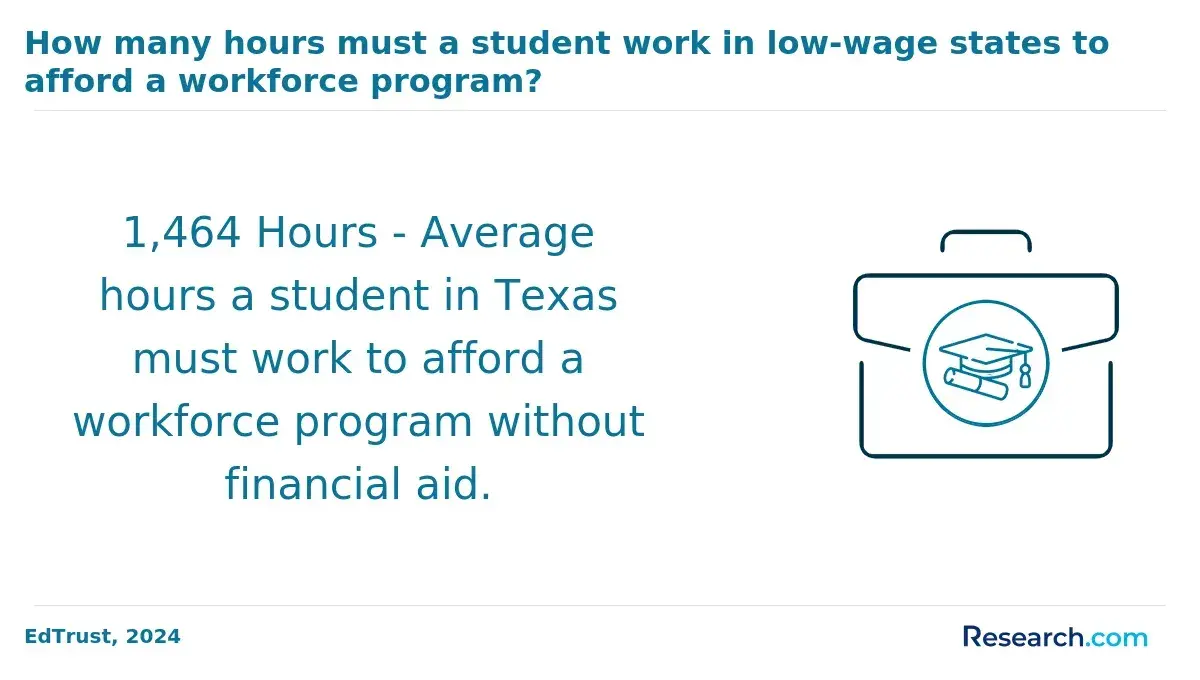
The average tuition for online business management programs was about $10,400 in 2019-20, with net costs near $6,000 after aid, making it critical to assess whether higher tuition aligns with improved labor market outcomes.
Prospective students evaluating regional accreditation for supply chain management programs should verify the inclusion of key warehouse and distribution topics, as some general business degrees omit vital operational content despite accreditation.
Those weighing educational pathways should consider these factors carefully, especially when exploring online executive MBA programs that may offer specialized credentials suited to career advancement.
What warehousing, distribution, and logistics courses are typically included in these programs?
Employment data forecasts an average of 24,800 annual openings for logisticians, placing a premium on practical skills in warehousing and distribution management courses within online supply chain management degrees. Coursework in warehouse operations prioritizes space optimization and automation techniques essential for reducing fulfillment times and minimizing errors in sectors handling high-volume inventory.
Distribution management classes focus on inventory control systems that incorporate real-time tracking and demand forecasting, which are particularly important in industries like electronics or pharmaceuticals where product life cycles and volatility directly affect profitability. Students learn to manage these tradeoffs carefully, balancing inventory costs against service levels.
Logistics and supply chain planning classes stress transportation management fundamentals such as routing optimization, carrier selection, and adherence to regulatory requirements. These competencies matter especially in automotive supply chains, where just-in-time delivery systems demand precise planning to avoid costly production shutdowns.
Advanced modules extend this practical foundation by introducing supply chain analytics, enabling decision-making under uncertainty through scenario modeling and software applications. Such training prepares students to respond adeptly to disruptions or sudden changes in demand, a critical skill in emergency food distribution and other dynamic supply environments.
Hands-on projects with warehouse management systems and transportation software are common, giving students firsthand exposure to operational variables they will face on the job. Overall, these courses impose real-world constraints and emphasize the balancing act between speed, cost, and reliability, aligning supply chain functions with broader organizational objectives.
For those exploring alternatives, comparing this pathway with a construction management degree can clarify transferable managerial skills versus specialized logistics expertise.
What types of online degrees and certificates exist in supply chain, warehousing, and distribution?
Employers in manufacturing and logistics increasingly require a bachelor's degree combined with targeted distribution coursework to meet operational demands and sustainability goals. For instance, a supply chain manager in the automotive sector must navigate complex warehouse automation, distribution compliance, and environmental considerations simultaneously-demonstrating why integrated degree and certificate pathways are strategically advantageous.
Undergraduate programs in supply chain management or logistics blend foundational principles with applied warehousing skills, equipping graduates to manage inventory systems and distribution centers. Graduate certificates focus on niche areas like sustainable logistics, an area where 77% of organizations plan increased investment over the next three years, according to Capgemini Research Institute data cited by Boston University MET. These certificates target professionals seeking rapid skill upgrades without the time commitment of a full degree.
Associate degrees concentrate on frontline supervisory capabilities, emphasizing practical skills such as warehouse layout optimization and software-based inventory tracking. Certificates further refine expertise, often addressing specialized topics like cold chain logistics or freight compliance.
The key tradeoff is between depth and speed: degree programs provide strategic, comprehensive knowledge but require years and greater financial resources; certificates deliver quick, focused learning but with less breadth. Mid-level management roles generally expect a bachelor's education with practical distribution experience, especially where sustainable supply chains are paramount.
What are the usual admission requirements for online supply chain management degrees?
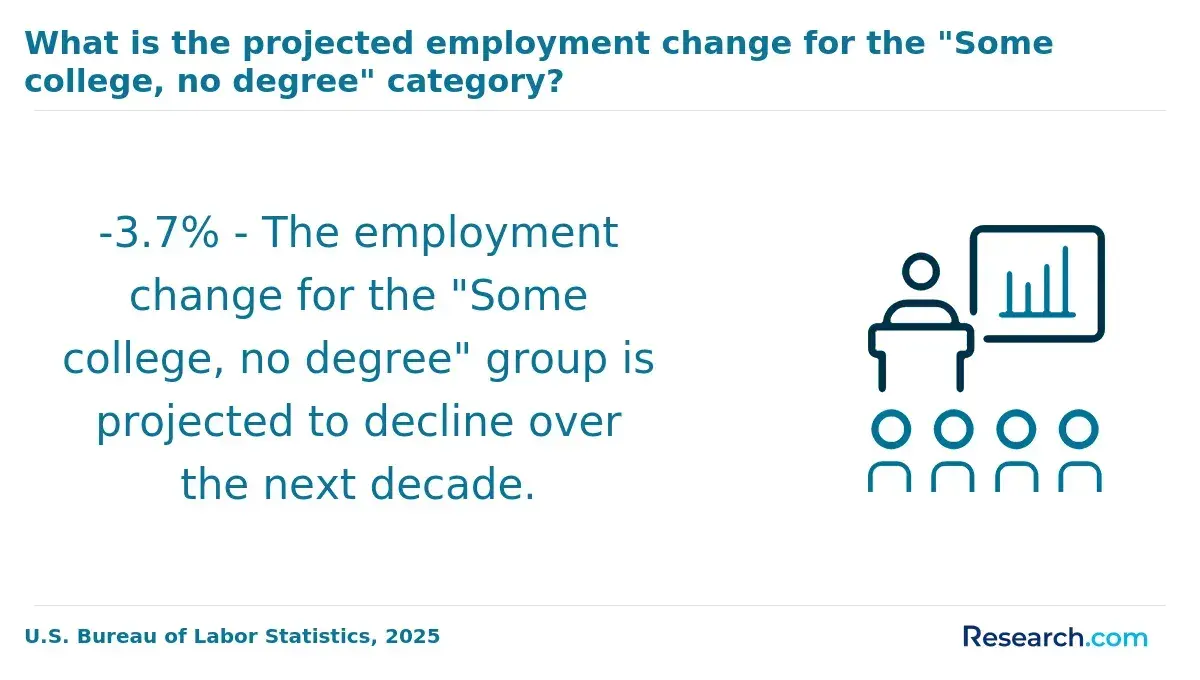
Admittance to online supply chain management degrees often hinges on more than a minimum high school diploma. Competitive programs typically require at least an associate degree or relevant college credits, emphasizing foundational knowledge in mathematics, statistics, and business principles vital to logistics operations.
Work experience in areas like shipping or inventory control frequently enhances an applicant's profile, correlating with smoother progress and retention during the program. Many accredited programs have moved away from SAT or ACT requirements to accommodate working adults but may ask for essays that clarify career intent and motivation.
Practical considerations for international students include demonstrating English proficiency via TOEFL or IELTS and providing financial documentation to confirm tuition payment ability. Reliable technology and internet access remain essential but often underestimated enrollment barriers.
Graduates report median salary increases surpassing $12,000, an indicator of direct employer valuation tied to these credentials. For professionals juggling employment and education, selecting programs with flexible prerequisite criteria can reduce enrollment friction, enabling faster entry into managerial roles within logistics or warehouse operations.
- Minimum: high school diploma; competitive: associate degree or college credits
- Preferred work experience in shipping, inventory, or procurement
- Essays or statements preferred over standardized tests
- International students must demonstrate English proficiency and financial readiness
- Median salary increase after graduation exceeds $12,000
How long do online supply chain degrees take and what do they cost?
Online supply chain management degrees with a focus on warehousing and distribution must balance program length and curriculum relevance against the immediate operational demands of employers. Associate degrees typically require around two years, fitting individuals aiming for entry-level roles, while bachelor's degrees span four years but can often compress to three through credit transfer or accelerated options tailored to working adults.
These pathways emphasize practical skills alongside foundational business knowledge, critical for roles such as inventory supervisors or distribution coordinators.
Cost considerations reflect institutional and residency status variations: public universities average $7,000 to $15,000 annually for in-state students, with private institutions frequently doubling that cost. Additional online fees and limited correlation between higher tuition for specialized logistics topics and salary gains mean prospective students and professionals should carefully evaluate financial aid and employer tuition benefits before committing.
- Supply chain job security remains strong, evidenced by a 95% retention rate during the pandemic, mitigating risk for those investing time and resources.
- Flexible program formats with asynchronous coursework address real-world constraints like shift work and on-site duties.
- Workers upgrading skills mid-career benefit most from concise curricula focused on inventory and distribution rather than broad theory.
For those managing unpredictable schedules, selecting programs designed for rapid skill application over generalist theory supports advancement without prolonged disruption to workforce responsibilities, underscoring the importance of aligning educational timelines with career realities.
What entry-level and advanced careers focus on warehousing and distribution management?
Entry-level roles in warehousing and distribution management require proficiency in inventory control, order fulfillment, and basic logistics systems, but limited decision-making authority often constrains operational impact. For example, a logistics coordinator in retail distribution must quickly mitigate delivery delays and resource shortages to sustain supply chain flow, a practical challenge frequently overlooked in academic programs.
Advancing to management positions shifts focus toward strategic oversight, including directing large teams, optimizing warehouse designs, and integrating sophisticated software like warehouse management systems (WMS) and transportation management systems (TMS).
Distribution center managers command average salaries above $100,000 and face the recurring challenge of balancing labor costs, storage constraints, and transportation efficiency-particularly during peak demand cycles in e-commerce.
This emphasizes tradeoffs such as adjusting staffing levels to prevent bottlenecks without inflating payroll budgets. Furthermore, senior roles necessitate collaboration across procurement, IT, and finance to align warehousing operations within broader supply chain strategies.
Career progression hinges on strengthening skills in data analytics and cross-departmental coordination. While technical training in warehousing tactics is essential, developing strategic management capabilities that address these real-world complexities will better prepare professionals for sustainable success in supply chain management.
What salary ranges and job outlook can graduates expect in warehousing and distribution roles?
Salary expectations for warehousing and distribution professionals vary widely based on experience, industry, and location, with entry-level roles starting near $40,000 and senior distribution managers earning up to $85,000 annually.
Mid-tier logisticians, often overlapping this field, have median earnings around $76,000 nationally, but top performers in logistics hubs like Charles Town, WV, Knoxville, TN, and Houston, TX may surpass $120,000. Prospective candidates should recognize that geographic mobility towards these concentrated logistics centers can enhance earning potential but often accompanies higher living costs.
Job growth projections for logistics and warehousing roles stand at 7% through 2032, exceeding average occupational increases. However, automation and data analytics proficiency increasingly dictate employability, shifting the value proposition toward candidates skilled in warehouse management systems and inventory technologies. Employers prioritize hands-on software experience paired with supply chain-focused education.
Practical career progression in this sector typically requires developing cross-functional capabilities in transportation and procurement, especially to transition from supervisory to managerial roles. Additionally, while e-commerce growth drives demand, traditional manufacturing warehouses face steady automation pressure that may temper job security.
Students and workers should weigh these dynamics carefully, balancing local job markets, automation risks, and skill development demands when considering advanced training in supply chain management.
How can students choose a reputable online program in warehousing and distribution?
Selecting an online program in warehousing and distribution demands scrutiny beyond promotional claims; accreditation and curriculum clarity strongly influence employability and salary potential. Employers prefer graduates from programs accredited by recognized bodies like the ACBSP or AACSB, which signal adherence to rigorous academic standards. Equally important is curriculum specificity: successful programs focus on warehouse operations, inventory control, logistics technology, and distribution strategy rather than broad supply chain topics, aligning instruction with real-world job functions.
Graduates entering sectors such as e-commerce or manufacturing face distinct operational demands like rapid fulfillment cycles and just-in-time inventory. Programs that embed experiential learning-virtual simulations or partnerships with warehousing firms-offer critical hands-on exposure, a differentiator in hiring decisions.
Data from Embry-Riddle Aeronautical University show a B.S. in logistics and supply chain management yields a median salary near $77,000 within the first year, underlining the financial value of specialized education in this niche.
For working professionals, flexibility and robust support services impact program feasibility and completion rates. Transparency around graduate employment outcomes and salary metrics is essential for evaluating program ROI. Students should weigh how the ability to apply technical knowledge swiftly to optimize warehouse efficiency or distribution network design can distinguish them in a competitive labor market increasingly centered on operational excellence and cost containment.
Other Things You Should Know About Supply Chain Management
Work experience is not always required for admission, but it significantly impacts the learning experience and employability post-graduation. Programs that assume prior logistics or warehousing knowledge move faster and focus on advanced topics like optimization and technology integration. Students without relevant experience should prioritize programs offering foundational modules or applied projects to build practical skills. Entering the workforce simultaneously with coursework can improve understanding and increase the immediate value of the degree.
Accelerated programs reduce time to completion but increase weekly workload and compress practical exposure to complex systems. This can limit opportunities to absorb hands-on learning and network with industry professionals. Students must evaluate whether their current work commitments allow for intensive study without compromising comprehension. For those transitioning careers, a standard-paced program may better support mastery of warehousing concepts and applied logistics decision-making.
Not all online programs align with certification requirements, which tend to emphasize practical competencies and knowledge tested by professional bodies. Students should verify if their curriculum covers domains tested by certifications such as APICS CPIM or CLS and includes recommended exam preparation resources. Prioritizing programs integrating certification prep boosts employability and validates expertise in warehousing and inventory management beyond the degree. Without this alignment, students may need additional study to qualify for these certifications.
References
- Distribution and Warehousing: Why It's Key to Supply Chain Success https://blog.brasi.org/distribution-and-warehousing-for-scm-success/
- Best Logistics Training Programs Review 2024 https://www.jusdaglobal.com/en/article/top-5-logistics-programs-2024-review/
- Warehousing and Storage https://www.cityandguilds.com/qualifications-and-apprenticeships/retail-and-warehousing/warehousingdistribution/1016-warehousing-and-storage
- Top 50 Warehouse Management Training Resources https://www.wonolo.com/blog/warehouse-management-training-resources
- Best Supply Chain Courses & Certifications In 2025 https://abcsupplychain.com/supply-chain-course-certification/
- Faculty of Graduate and Postdoctoral Studies | University of Manitoba - Supply Chain Management and Logistics (MSCM) https://umanitoba.ca/graduate-studies/admissions/programs-of-study/supply-chain-management-and-logistics-mscm
- Logistics and Supply Chain Management – Online Degree Pathway (240 Credits) - LCPS - London College of Professional Studies https://lcps.org.uk/product/logistics-and-supply-chain-management-online-degree-pathway/
- Online MS in Supply Chain Management | UW-Platteville https://www.uwplatt.edu/program/master-supply-chain-management
- Mastering Supply Chain – Supply Chain Graduate https://www.huntercampbell.co.nz/supply-chain-salary-employment-forecast-series-supply-chain-graduate/
- Warehouse Positions Description | Warehouse Manager Positions https://www.oxfordhomestudy.com/OHSC-Blog/warehouse-positions-description