2027 Best Online Supply Chain Management Programs for Professionals Seeking Inventory Management Careers

Co-Founder and Chief Data Scientist
Facing persistent inventory bottlenecks amid rising e-commerce demands, professionals in supply chain management struggle to optimize stock levels without inflating costs. The challenge intensifies as organizations increasingly prioritize agility, requiring practitioners to master dynamic inventory strategies on tight timelines. A 2024 report from the National Center for Education Statistics reveals a 12% surge in adult enrollment in online business programs, signaling a shift toward flexible, career-compatible learning options that allow real-time skill application.
Such flexibility proves critical for supply chain professionals navigating shift-based work or fluctuating responsibilities. This article identifies the best online supply chain management programs designed to equip students with effective inventory management expertise while accommodating diverse professional schedules.
Key Things You Should Know
- Advanced inventory analytics proficiency delivers a 15% inventory cost reduction but requires 18-24 months of specialized training, demanding opportunity cost consideration for mid-career professionals, as indicated by the Institute for Supply Management.
- Employer preference data from Gartner's 2024 workforce survey shows 72% of hiring managers prioritize candidates with demonstrated ERP system integration experience over general supply chain certificates, influencing program selection.
- Federal labor statistics project a 22% growth in inventory management roles by 2028, yet median entry-level salaries trail by 12% relative to advanced certification holders, creating a timing and investment tradeoff for career pivots.
What is an online supply chain management degree and how does it prepare you for inventory management careers?
Choosing an online supply chain management degree program for inventory management careers in the US involves weighing its direct applicability to complex, real-world operations against the limits of remote learning environments. These programs integrate fundamental skills in procurement, logistics, and data analysis with specialized coursework on enterprise resource planning (ERP) software and vendor relationship management.
Such training prepares professionals to optimize inventory turnover and reduce holding costs, essential capabilities when minimizing stockouts in fast-moving consumer goods or managing fluctuating lead times in manufacturing.
Practical mastery of just-in-time inventory techniques illustrates the tradeoffs graduates face: cutting excess stock capital without triggering production delays requires nuanced understanding, sharpened through targeted problem-solving modules. Employers prioritize candidates who demonstrate quantitative analysis acumen, risk mitigation, and cross-department coordination-skills developed through these degree programs and critical for dynamic inventory adjustments amid supply disruptions or demand shifts.
The US Bureau of Labor Statistics projects 6.1% growth for supply chain manager roles from 2023 to 2033, emphasizing supply chain management's expanding relevance. Online formats offer crucial flexibility, enabling working professionals to pursue strategic career pivots while maintaining income streams.
However, students should assess their capacity for self-directed study, as hands-on experience remains a decisive factor in employability within inventory control roles.
For those evaluating alternatives, exploring an MBA for entrepreneurs can complement supply chain knowledge with broader business strategy insights, beneficial for long-term leadership prospects.
Which online supply chain management programs are best for professionals focused on inventory management roles?
Top-ranked online supply chain management programs for inventory professionals routinely emphasize quantitative methods that directly influence operational efficiency. The University of Michigan Ross School of Business and ESSEC Business School, tied in the 2026 QS Master's in Supply Chain Management ranking, offer curricula integrating inventory modeling, demand forecasting, and logistics with hands-on experience.
For instance, Michigan Ross's course addresses managing inventory across complex global networks, preparing learners to cut carrying costs without disrupting supply flow-critical in sectors like automotive or retail.
Programs that focus narrowly on theory often overlook essential skills that employers now require, such as proficiency with advanced analytics, ERP systems, and real-time data tools. This practical orientation is vital for supply chain professionals operating in fast-paced environments where inventory precision affects both costs and customer satisfaction.
Choosing between programs means balancing factors such as employer networks and delivery format. Ross's strong ties to major U.S. corporations benefit those targeting domestic roles, while ESSEC's European connections suit professionals with global inventory management ambitions. Time zone challenges and asynchronous content availability are additional considerations for working students.
For prospective students seeking the best online supply chain management courses focused on inventory management roles, these factors can significantly affect workforce readiness and career trajectory. Those balancing cost and quality may consult resources like the cheapest online MBA listings to benchmark programs against their budgets and career plans.
How do online supply chain management programs compare to campus programs for inventory-focused professionals?
Online supply chain management programs closely mirror the curriculum intensity of campus equivalents, with institutions like Arizona State University requiring 30 credit hours over 10 courses, ensuring rigor suited to inventory-focused professionals. However, the choice between online and campus pathways often reflects more than content parity; it hinges on practical career priorities.
For inventory professionals balancing full-time roles, online study provides flexibility to apply real-time industry challenges like demand planning and supplier management directly to coursework.
Employers increasingly accept online degrees for inventory management roles, recognizing their emphasis on applied skills. Yet, for sectors reliant on informal networking-such as aerospace or automotive manufacturing-campus programs facilitate in-person career fairs, mentorship, and collaborative environments that remain difficult to replicate virtually.
Key considerations include:
- Self-motivation and proficiency with virtual teamwork, crucial for online students to engage in interactive case studies and software simulations
- Access to physical labs and internships for campus students, enhancing hands-on inventory control experience
These distinctions shape inventory management career benefits of online supply chain management education versus traditional routes. Given the spectrum of personal circumstances and industry demands, prospective students must weigh networking opportunities against schedule flexibility.
Those seeking cost-effective executive credentials may explore options like the cheapest executive MBA online programs, which sometimes integrate supply chain elements relevant to inventory professionals.
What accreditation and industry standards should online supply chain management programs meet in the U.S.?
Accreditation is the baseline for evaluating online supply chain management programs in the U.S., but the distinction between regional accreditation and specialized industry recognition matters significantly for graduates aiming at inventory-centric roles. Regional bodies like the Higher Learning Commission (HLC) or Middle States Commission on Higher Education (MSCHE) ensure academic standards and credit transferability.
However, programs accredited by the Association to Advance Collegiate Schools of Business (AACSB) or Accreditation Council for Business Schools and Programs (ACBSP) better reflect U.S. industry standards for supply chain management education and current logistics practices.
Practical alignment with frameworks from the Council of Supply Chain Management Professionals (CSCMP) or certifications endorsed by the Institute for Supply Management (ISM) bridges the gap between theory and workforce expectations. Graduates trained in these standards are more likely to meet employer requirements in inventory control, demand forecasting, and logistics optimization-skills critical for logistics analysts, a role with a 16.7% growth rate and median salary of $82,320 per ASU data.
Employers prioritize candidates experienced with ERP software platforms such as SAP or Oracle, especially in complex sectors like pharmaceuticals or automotive supply chains. Programs omitting these components typically necessitate longer on-the-job training, delaying productivity.
Prospective students should demand transparent graduate employment metrics related to inventory-specific placements and seek programs facilitating internships within inventory-heavy industries. These factors often outweigh accreditation alone in predicting career relevance.
For those considering accelerated tracks, exploring a 1 year MBA may be another strategic option for pivoting into this field.
What courses and skills in online supply chain programs are most important for inventory management careers?
Mastering inventory management in supply chain management programs requires more than theoretical knowledge; practical software skills and real-world scenarios define employability. For instance, coordinating just-in-time delivery in manufacturing demands precise integration of purchasing and warehouse systems to minimize holding costs and bottlenecks.
Conversely, e-commerce companies face distinct challenges, such as synchronizing inventory across multiple sales channels to avoid overselling, which necessitates fluency in multi-channel inventory analytics.
Curricula focused on demand forecasting, inventory control techniques, and logistics optimization align closely with employer priorities by emphasizing data-driven decision-making tools like ERP systems and advanced Excel modeling for SKU-level tracking. Programs that also include vendor relationship management equip students to mitigate operational risks such as stockouts or spoilage in perishable goods.
Quantitative skills in statistics and operations research underpin strategic reorder point design and safety stock calculations, directly impacting inventory turnover rates and working capital efficiency. In this respect, integrating financial management tailored to supply networks enhances both practical relevance and career durability.
Soft skills, often undervalued, are critical: effective communication across procurement, sales, and logistics teams is vital for aligning inventory with fluctuating demand without accumulating excess or obsolete stock.
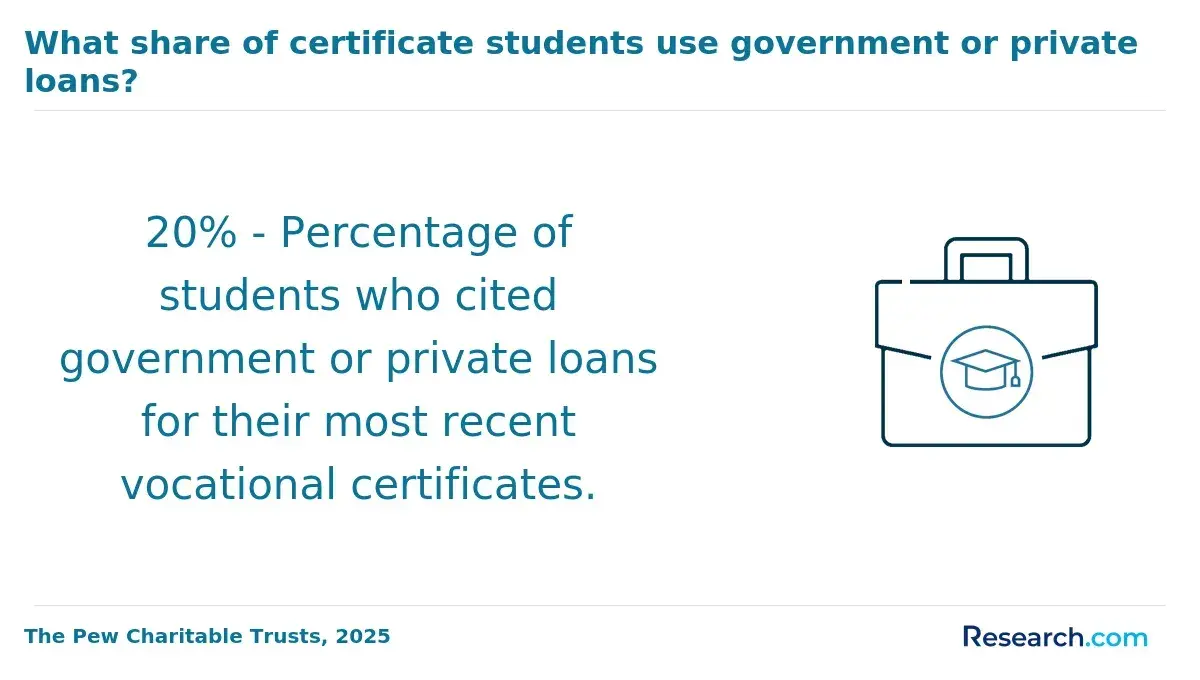
Cost remains a significant consideration. Based on NCES data cited by BestColleges, online bachelor's degrees in business management averaged around $10,400 in tuition and fees, with net prices closer to $6,000 after aid, providing a benchmark for assessing return on investment against potential salary gains and employer reimbursement policies.
What are the typical admission requirements for online supply chain management bachelor's and master's programs?
Admission criteria for supply chain management programs prioritize practical skills and relevant experience as much as academic credentials, influencing workforce readiness significantly. Bachelor's programs generally expect a high school diploma, transcripts, and sometimes standardized tests like the SAT or ACT.
However, many schools waive these tests for candidates with substantial work experience, reflecting a pragmatic shift in admission standards. Minimum GPA requirements typically range from 2.5 to 3.0, emphasizing consistent academic competence.
At the master's level, admissions become more selective, favoring applicants with a bachelor's degree, typically a 3.0 GPA or higher, and at least several years of professional experience in logistics, inventory management, or related functions. Programs often request GRE scores unless waived due to strong work history.
Alongside transcripts and test scores, admissions committees assess recommendation letters, statements of purpose, and sometimes interviews to weigh candidates' alignment with industry needs.
Working professionals should weigh tradeoffs between traditional academic admissions and experiential credentials, especially in sectors like manufacturing or retail where operational agility and decision-making under pressure are paramount. Flexible programs that recognize transferable work experience and offer credit transfer options reduce disruption and allow learners to maintain productivity while upgrading skills.
- Proficiency in math and English remains critical across all levels.
- Work experience can substitute standardized tests in many cases.
- Programs emphasizing analytics or logistics prefer candidates with relevant industry exposure.
- Part-time and online formats often accommodate industry professionals balancing work and education.
How long do online supply chain management programs take and what do they typically cost?
Short-format online programs in supply chain management tailored to inventory management roles offer a focused timeline of about six weeks, catering specifically to professionals who require immediate application of strategic concepts. These condensed courses best serve individuals managing just-in-time inventory in fast-paced sectors like manufacturing or retail distribution, where rapid upskilling aligns with pressing operational demands.
In contrast, longer certificate or master's level programs lasting three to six months provide expanded competencies including procurement, logistics, forecasting, and supplier engagement. Such programs better prepare those aiming for multifaceted roles within complex supply networks, especially in multinational consumer goods industries where analytic depth and cross-functional coordination are valued.
Cost varies accordingly: accelerated courses usually range from $2,000 to $4,000, while comprehensive credentials span $7,000 to over $20,000. Employers often expect higher-tier credentials for positions requiring verified mastery of ERP systems or inventory optimization tools, justifying this financial investment.
Working professionals must weigh tuition against potential income disruption, with many favoring shorter programs when balancing job commitments.
- Short courses fit roles demanding immediate tactical deployment of supply chain insights.
- Longer programs develop strategic capabilities for management or analyst positions.
- Financial and time constraints heavily influence program choice and career trajectory.
Decisions around program length and cost must consider the trade-off between short-term operational impact and long-term career positioning within evolving supply chain management frameworks.
What inventory management jobs can you get with an online supply chain degree?
Degrees focused on supply chain management prepare candidates for roles requiring precise inventory oversight, but the practical value hinges on program depth in data analysis and software proficiency. For instance, purchasing managers-who handle vendor negotiations and contract logistics-receive median salaries near $148,080, emphasizing that firms reward effective cost and risk management.
Yet, the transition into such roles demands hands-on familiarity with vendor relations beyond theoretical knowledge.
Inventory analysts face divergent industry requirements: manufacturing demands meticulous control of raw materials to prevent costly production stoppages, while retail prioritizes SKU turnover and seasonal shifts. These differences necessitate targeted training in specific enterprise resource planning (ERP) systems aligned with industry needs.
Demand planners rely heavily on integrating historical metrics with market signals to minimize inventory imbalances. Their effectiveness depends on exposure to advanced forecasting methodologies, typically embedded in specialized supply chain courses.
Procurement specialists engaging with global supplier networks must understand international trade regulations and risk mitigation. Supply chain programs incorporating international logistics enhance readiness for these complexities.
Professionals pivoting into this field should evaluate their quantitative analysis skills and software fluency critically, as immediate operational competency is a key hiring factor. Programs combining inventory management with broader logistics perspectives tend to better facilitate such skill integration, enabling smoother transitions and sustained employability.
What is the salary outlook for inventory management professionals with online supply chain degrees?
Inventory management professionals holding online supply chain degrees typically earn between $65,000 and $120,000 annually, depending heavily on industry, experience, and location. Growth in roles such as logisticians and supply chain managers-projected to increase by 20% through 2032-indicates sustained demand, particularly in manufacturing, retail, and pharmaceuticals where inventory efficiency directly affects operational cost and service quality.
Comparing inventory managers with and without specialized degrees shows a tangible advantage: those with online supply chain credentials tend to see 15-25% faster salary growth and more rapid movement into senior positions, due to enhanced skills in demand forecasting, procurement, and logistics.
However, these benefits come with tradeoffs, as the cost and time commitment of accredited programs can delay immediate earnings, though often leading to quicker advancement and greater resistance to automation risks.
Practical decisions hinge on evaluating these factors against individual career goals. For instance, a mid-career professional in retail might benefit from targeted digital inventory training to leverage analytics platforms favored by employers, aligning skill with market demand.
Graduates from top programs-such as Michigan Ross and ESSEC, ranked #1 globally in the 2026 QS Business Master's Rankings-often secure salaries exceeding $110,000 within five years, reflecting premium market positioning tied to curriculum relevance.
Which professional certifications support inventory management careers and how can online programs help you prepare?
Professional certifications like the Certified in Production and Inventory Management (CPIM) and the Certified Supply Chain Professional (CSCP) are foundational for inventory management roles, yet their practical value hinges on integrating hands-on experience with theoretical knowledge.
For example, a warehouse worker aiming to shift into an inventory analyst position gains meaningful leverage by completing online CPIM preparation, which familiarizes them with critical metrics and industry-standard software without interrupting their employment.
Online supply chain management programs offer adaptive pacing and up-to-date curriculum aligned with evolving technology expectations, addressing the fluctuating demands of sectors such as retail and manufacturing.
While a traditional bachelor's degree may take four years, accelerated online tracks can condense this timeline to one year, providing a faster path to credential readiness. This speed advantage is significant for professionals balancing work obligations and study.
However, the value of certifications alone is often limited. Employers consistently prioritize candidates with demonstrated application through internships, simulations, or project work. Online programs frequently incorporate case studies and scenario-based learning to mimic workplace complexity, but without practical experience, graduates risk falling short on employability despite certification.
- Certification improves theoretical mastery but does not replace the need for real-world proficiency.
- Flexible online formats suit career pivots but require disciplined time management.
- Combining credentials with experiential learning significantly enhances hiring potential.
Other Things You Should Know About Supply Chain Management
Working professionals often underestimate the time intensity of supply chain management programs, especially at the graduate level where case studies and group projects demand significant outside-class effort. Choosing programs with flexible deadlines and asynchronous coursework is critical to managing workload without sacrificing learning quality. Programs that require synchronous sessions or intensive capstone projects can disrupt work schedules and increase stress, making it harder to maintain performance both academically and professionally.
Specialization matters because supply chain is wide-ranging, and inventory management requires mastering specific analytical tools, demand forecasting, and warehouse operations. Programs that offer targeted electives or certificates in inventory control provide clearer value for inventory careers than generalized supply chain degrees. For professionals seeking advancement, prioritizing programs with specialized coursework aligned to inventory management systems and ERP software enhances practical skills and employer appeal.
Online supply chain management programs in 2027 provide flexibility, catering to working professionals and enabling practical work-study balance. They often integrate cutting-edge technology and real-time industry applications, offering specialized, up-to-date curriculum tailored for inventory management careers. This flexibility can sometimes be a preferred choice for employers seeking candidates with immediate applicable skills.
Certifications like CPIM or CSCP complement degrees by validating specialized knowledge and boosting credibility in inventory roles. Since certifications often require focused preparation, professionals should weigh the added workload and costs against their career goals. For those targeting roles with progression into planning or procurement, pursuing certification after degree completion makes more strategic sense than attempting both simultaneously, optimizing learning and professional impact.
References
- Supply Chain Certifications: Unlocking the ROI and Real Outcomes https://cpscp.org/supply-chain-certifications-unlocking-the-roi-and-real-outcomes/
- MS in Supply Chain Management Admissions Requirements | MSU Online https://www.michiganstateuniversityonline.com/programs/degrees/ms-supply-chain-management/admissions-requirements/
- Online vs. On-Campus: Choosing the Right Format for Your Supply Chain Degree https://www.ucumberlands.edu/blog/online-vs-on-campus-choose-your-supply-chain-degree-format
- Inventory Management vs Supply Chain: Which Pays More? https://zabeelinstitute.ae/blog/inventory-management-vs-supply-chain-which-pays-more/
- Top 10: Supply Chain Accreditations | Supply Chain Magazine https://supplychaindigital.com/supplier-relationship-management-srm/top-10-supply-chain-accreditations
- Build a Career in Logistics & Supply Chain - iFundi https://ifundi.co.za/build-a-successful-career-with-a-logistics-and-supply/
- Just-In-Time Inventory Management Certification - $99.99 - Just-In-Time Inventory Management Course - ExpertRating https://www.expertrating.com/certifications/management-and-quality-improvement/Just-In-Time-Inventory-Management-Certification.asp
- CourseCareers https://coursecareers.com/blog-posts/best-supply-chain-coordination-courses
- Inventory Management Certification Programs In 2022 https://www.formpl.us/blog/inventory-management-certification-programs-in-2022
- Supply Chain Management in the U.S. - EFS Consulting Americas https://efs.consulting/us/insights/article/production-and-logistics/supply-chain-management/