2027 Supply Chain Management Specializations With the Broadest Career Mobility

Co-Founder and Chief Data Scientist
Facing heightened global disruptions, supply chain management professionals wrestle with unpredictable logistics delays intensified by labor shortages and shifting trade policies. A mid-career supply chain analyst deciding between generalist knowledge and specialized expertise must also navigate programs' varying delivery modes and credentialing timelines, as 42% of graduate students now prefer hybrid or fully online formats according to the National Center for Education Statistics.
This shift demands evaluation not only of curriculum depth but also of practical flexibility impacting transitional mobility and immediate employability. This article identifies supply chain management specializations offering the broadest career adaptability and explains how each aligns with evolving workforce demands and educational access considerations.
Key Things You Should Know
- Advanced analytics specializations require significant upfront technical training, delaying workforce entry by an average of 18 months, yet yield 23% higher median salaries per EMSI labor market data through 2025.
- Employer demand skews sharply toward qualifications integrating both logistics and digital procurement, with 62% of Fortune 500 supply chain hires prioritizing hybrid skill sets according to Deloitte's 2024 industry report.
- Certification-heavy tracks reduce employer hiring friction but raise candidate costs by 30% on average, limiting accessibility for career changers from non-technical backgrounds per 2024 U.S. Bureau of Labor Statistics data.
What are the main supply chain management specializations that offer the broadest career mobility?
Supply chain management specializations with highest career flexibility in 2026 center on logistics management, procurement and sourcing, data analytics, and supply chain strategy-each with distinct operational demands and mobility implications. Logistics management provides sector flexibility but often plateaus without further credentials.
Procurement offers practical vendor engagement applicable across industries like healthcare and automotive but necessitates continuous regulatory knowledge. Data analytics roles have expanded due to AI and predictive modeling, requiring competence in technical tools such as SQL or Python; this factor underlines why a healthcare supply chain manager adopting analytics skills can pivot into pharmaceuticals or biotech.
Supply chain strategy emphasizes cross-functional insight and broad organizational alignment, frequently leading to leadership opportunities but usually after foundational experience in other specializations. Practical tradeoffs include balancing specialized training time with immediate workforce needs, as rapid technological evolution demands adaptability.
Employers increasingly value candidates with combined technical acumen and real-world problem-solving skills. Those evaluating supply chain management career paths for broad mobility should consider how their current expertise complements these roles, noting that specialists transitioning to strategy may move from retail logistics into consumer goods or e-commerce.
Prospective students in health-related fields seeking cost-effective advancement might explore the cheapest online MBA healthcare programs, integrating supply chain insights with managerial skills to enhance career prospects.
How do different supply chain specializations align with major industries and job functions?
Specializations in supply chain management career paths by industry directly influence employability and role clarity, with distinct skill demands shaped by operational realities. For instance, procurement specialists thrive in manufacturing-heavy regions where supplier negotiation and cost control are paramount, while logistics roles concentrate around coastal port cities that prioritize transportation efficiency.
This geographic and functional segmentation necessitates strategic specialization choices aligned with specific job functions in supply chain management specializations rather than generic credentials.
From an employer perspective, supply chain analytics and demand forecasting expertise increasingly differentiate candidates in technology-focused sectors, leveraging data sophistication to reduce stockouts and optimize inventory. Conversely, roles like production planning demand proficiency in coordinating just-in-time workflows, especially within automotive and consumer electronics industries. Notably, risk management specialists face higher scrutiny in pharmaceuticals and food production due to regulatory and disruption challenges.
This delineation underscores that selecting a specialization involves balancing industry nuances with personal career objectives.
Employment projections validate this approach: logisticians' roles are expected to grow 17% from 2024 to 2034, with about 26,400 annual openings-a rate well above average. Such growth highlights the increasing value of specialized supply chain functions. Yet, professionals must weigh practical factors including regional demand disparities, job function overlaps, and required advanced skills, especially when considering metropolitan tech clusters or niche sectors.
For candidates pursuing education pathways, options like top MBA programs that don t require GMAT or GRE provide accessible routes but should be assessed critically regarding direct applicability to supply chain management career advancement and specialization alignment.
Which supply chain degrees and certificates best support long-term career flexibility?
Best supply chain management degrees for career flexibility integrate core supply chain principles with cross-functional skills in procurement, data analytics, and technology integration to maintain relevance amid evolving market demands. For instance, supply chain managers in healthcare must navigate strict regulatory compliance and cold chain logistics, contrasting with retail professionals who focus on inventory turnover and demand forecasting.
Programs that combine business acumen with exposure to ERP systems and supplier relationship management provide graduates with diverse opportunities across manufacturing, healthcare, retail, and e-commerce.
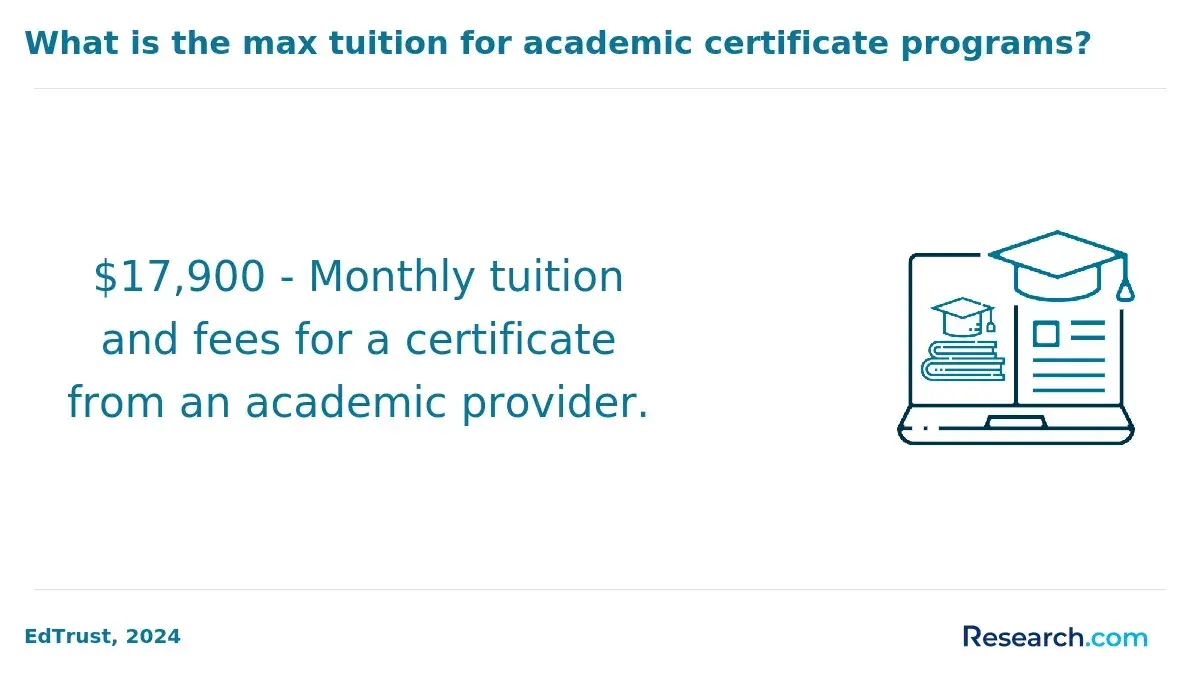
Top supply chain certificates for long-term career growth emphasize procurement strategies paired with emerging technologies such as AI and cloud-based software. These credentials enhance mid-career adaptability by enabling transitions into sustainability and digital transformation roles beyond traditional operations. In contrast, degrees concentrated solely on operations or transportation without analytics or procurement components limit future prospects.
Employers expect continuous upskilling backed by accredited, stackable certificates featuring real-world projects, ensuring graduates can swiftly handle dynamic supplier networks. The projected 3.3% growth in supply chain management jobs, yielding 45,300 new US openings by 2032, underscores the need for versatile qualifications. Professionals aspiring to strategic leadership should consider programs blending technical and tactical competencies.
Prospective students evaluating educational pathways might also explore most affordable online MBA programs to complement supply chain expertise with broader business leadership skills.
What courses and skills define each high-mobility supply chain specialization?
Positions in supply chain data analysis demand proficiency beyond basic logistics knowledge, focusing on advanced skills like SQL, Python, machine learning, and visualization platforms such as Tableau or Power BI. The ability to apply predictive modeling and inventory optimization directly influences a company's capacity to manage risk and accurately forecast demand, skills that distinguish retail supply chains from manufacturing settings.
This specialization exemplifies essential courses and skills for supply chain management specializations that align closely with employer needs for agility and data-driven decision-making.
Procurement roles lean heavily on contract management, supplier relationship strategies, and compliance with stringent regulations in sectors like pharmaceuticals or aerospace. Negotiation capabilities combined with ERP system fluency are critical to achieving cost reductions without sacrificing regulatory adherence.
These operational demands also highlight the importance of understanding global trade regulations, which materially impact delivery schedules and budgeting accuracy within sourcing specializations.
Logistics and distribution specializations center on operational efficiency through transportation strategy, warehouse automation, and integrating IoT for real-time monitoring, key in industries applying just-in-time inventory methods such as automotive supply chains. The practical benefit of skills in route optimization and capacity planning software translates into measurable service improvements and cost savings, reflecting career-boosting supply chain management skills and certifications sought by employers.
Elevating supply chain roles from tactical to strategic responsibilities requires not only mastery of technical competencies but also leadership and change management education. Candidates face the challenge of leading digital transformations that enhance end-to-end visibility across supply chains.
For those balancing work and study, programs that suit a variety of schedules, such as an online project management degree accelerated option, can provide an effective pathway to acquiring these competencies.
How do online supply chain programs compare to campus programs for each specialization?
The distinct practical components of supply chain management programs directly influence graduate readiness and employer valuation. Campus-based logistics tracks often provide hands-on lab experiences and real-time simulations, vital for operational roles requiring swift decision-making in physical environments such as distribution centers.
By contrast, online courses may lack these immersive settings but maintain strong coverage of analytics and theory, especially in sustainability specializations, where data interpretation and strategy are paramount. Employers increasingly expect candidates to demonstrate measurable impact, with ESG-driven initiatives linked to documented cost reductions and risk mitigation according to the 2024 consulting firm ESG/supply chain report.
Procurement-focused learners face a notable divergence: campus settings offer live negotiation labs and in-person case competitions sharpening interpersonal skills, while online formats emphasize digital contract management tools aligned with modern remote vendor interactions. For roles demanding in-person negotiation acumen or cross-cultural communication, campus engagement remains a strategic advantage.
Working professionals must weigh the tradeoffs between flexibility and networking utility. Online study demands disciplined time management to leverage virtual mentorships and forums, which often lack the spontaneous connections available on campus. Hybrid models that integrate occasional on-site intensives can bridge this gap, enhancing practical exposure and peer collaboration.
- Campus programs: superior applied practice in logistics and procurement negotiations
- Online programs: strong analytical skills and sustainability project applicability
- Hybrid models: combine flexibility with periodic in-person experiential learning
What admission requirements and prerequisites are common for supply chain specializations?
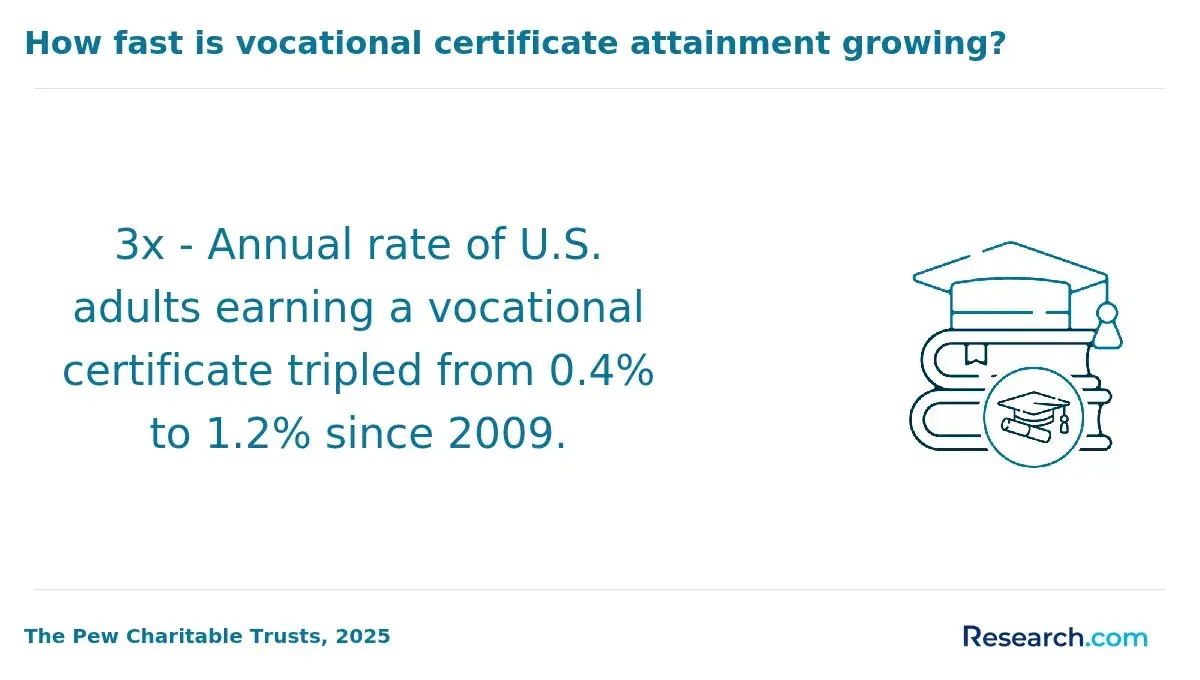
Supply chain specializations demand more than academic credentials; employer expectations hinge on applicable experience and technical readiness. Candidates with backgrounds in business, engineering, or logistics often must also demonstrate quantitative skills and proficiency in supply chain software before admission. For mid-career professionals, 2-5 years of relevant work experience is typically essential-especially for niche tracks like healthcare supply chain management, where regulatory knowledge and clinical exposure supplement core competencies.
Healthcare supply chain specialists command notably higher salaries, generally 15-20% above standard industry roles, emphasizing how domain-specific expertise alters employability and compensation. Applicants lacking direct experience face distinct friction points, often requiring bridge courses or certifications such as APICS CPIM or CSCP to validate capabilities.
Real-world hiring outcomes reveal tensions between academic prerequisites and diverse work histories, particularly for those pivoting from non-logistics sectors. Many opt initially for certificate programs or accelerated foundational courses as a practical gateway rather than direct master's admission, allowing a strategic buildup of applicable skills and credibility.
Essential prerequisites frequently include demonstrated skills in process analysis, inventory management, and data interpretation. Hiring managers prioritize familiarity with digital tools and advanced analytics-so programs either require this knowledge upfront or provide preparatory modules to address the gap.
How long do supply chain specialization programs take, and what do they typically cost?
Choosing a supply chain specialization requires weighing program duration, cost, and employer expectations against career goals in a competitive market. Short certificates lasting 3 to 6 months, costing $2,000 to $5,000, effectively develop targeted skills such as inventory optimization or procurement analytics, suitable for professionals needing rapid pivot or skill supplementation.
In contrast, diploma or post-bachelor's courses span 9 to 12 months and cost $7,000 to $15,000, addressing broader topics like supply chain strategy, logistics technology, and risk management that align with strategic managerial roles.
Fast-growing sectors like e-commerce logistics, expanding at about 18-20% CAGR until 2030, demand candidates with practical, technology-oriented competencies including omnichannel fulfillment and last-mile delivery coordination. Programs incorporating real-world case studies or internships command higher fees but enhance employability by bridging theory and applied skills.
For example, a mid-career logistics analyst transitioning into fulfillment strategy benefits more from immersive, year-long specialization than a three-month certificate targeting vendor relations.
Delivery mode influences networking and experiential learning opportunities; online or hybrid formats offer flexibility but may dilute employer-valued engagement. Transparent curricula and recognized certification can offset higher prices by increasing hiring potential and salary trajectory. Candidates should critically assess opportunity costs and immediate applicability rather than defaulting to program length or price alone.
What entry-level and mid-career roles are available within each supply chain specialization?
Entry-level roles in supply chain often involve operational execution and data monitoring, including positions like procurement analyst and logistics coordinator. These jobs emphasize task-oriented skills such as shipment tracking or inventory control but require minimal strategic input. For example, logistics coordinators in retail manage warehouse inbound shipments, a role demanding organization over strategy.
As professionals progress, mid-career roles demand deeper expertise in supplier negotiation, contract management, and scenario-based forecasting to manage supply disruptions.
A relevant case is seen in pharmaceuticals, where mid-level demand planners adapt operations swiftly amid raw material shortages driven by geopolitical instability. This illustrates how strategic risk specialization is becoming indispensable. Meanwhile, employers increasingly expect mid-career practitioners to integrate AI-driven analytics and digital twins, making continuous upskilling vital beyond initial certifications.
Career mobility is notably broader in logistics and risk management due to diversified industry applications, from manufacturing to e-commerce. However, those entering risk-focused roles without analytics fluency face significant learning barriers. The practical challenge lies in moving beyond operational routines to grasp global supply dynamics, a critical step for effective risk mitigation.
- Entry roles focus on transactional tasks with limited strategy.
- Mid-career requires negotiation skills, sustainability compliance, and advanced analytics.
- Real-world disruptions highlight the need for agile strategic responses.
- Technology integration is mandatory for decision-making improvements.
- Logistics and risk management offer varied advancement but demand analytical acumen.
What are the typical salaries and job outlook for high-mobility supply chain careers?
Positions integrating automation and technology in supply chain management tend to offer significantly higher salaries, frequently starting near $90,000 and reaching six figures within five years. This reflects the substantial market growth driven by robotics and AI, with a 15-16% compound annual growth rate projected through 2030.
Employers particularly favor candidates skilled in systems integration, data analytics, and process optimization, especially in sectors like e-commerce and manufacturing where manual warehouses are swiftly shifting to automated operations.
For example, managers overseeing robotics coordination and predictive maintenance in automated facilities command premium pay and responsibility. Yet, professionals lacking technical proficiency face narrower advancement paths and compressed salary ceilings, underscoring the value of targeted certifications in automation software or data science for career mobility.
Tradeoffs include longer onboarding periods due to rapidly evolving technology, necessitating continuous upskilling. This can delay short-term earnings but typically results in greater lifetime income and influence within organizations. Hiring trends emphasize candidates who combine traditional logistics expertise with emerging digital skills, affecting workforce readiness and educational programming.
Students and professionals should therefore seek curricula that fuse core supply chain fundamentals with specialties in AI, robotics, and analytics to align with these evolving demands and maximize strategic career positioning.
Which industry certifications strengthen career mobility within supply chain specializations?
Certification choices within supply chain management require balancing strategic value with practical constraints. For instance, professionals moving from manufacturing to logistics gain more immediate advantage from the APICS Certified Supply Chain Professional (CSCP) credential, which emphasizes strategic, end-to-end supply chain integration across industries.
Meanwhile, the Certified in Production and Inventory Management (CPIM) credential delivers deeper tactical knowledge focused on production but involves up to six months of study and multiple exams, potentially delaying workforce re-entry when rapid career shifts are necessary.
Employers increasingly demand expertise that combines technology fluency and global network management, making certifications like CSCP particularly relevant for roles involving ERP systems and digital supply chains. However, candidates should consider cost factors, as exam fees typically range from $500 to $1,300 per attempt, excluding study materials, and renewal is required every three years. This financial and time investment impacts accessibility and may slow progression without employer support.
Salary data from the 2025 ASCM Supply Chain Salary and Career Report highlights that certified professionals earn a median base of $94,000, significantly above the national median, reflecting a tangible return on credential investment. Still, those evaluating these certifications must weigh immediate workforce re-entry pressures against the longer-term gains tied to credential depth and industry applicability.
- CSCP suits cross-functional and strategic supply chain roles.
- CPIM benefits production-centric positions but demands longer preparation.
- Costs and renewal policies affect credential accessibility.
- Certification correlates with above-average salary and advancement potential.
Other Things You Should Know About Supply Chain Management
Professionals in advanced supply chain management positions often grapple with the integration of new technologies, the need for real-time visibility, and managing global operations amidst geopolitical uncertainties. Keeping pace with rapid market changes and maintaining effective communication across diverse teams are also significant challenges in 2027.
Employers expect operations-focused supply chain roles to deliver immediate process improvements and efficient resource management, emphasizing hands-on skills and certifications. Strategy-oriented roles require a deeper understanding of market dynamics, risk assessment, and long-term planning, often seeking candidates with advanced degrees or experience in cross-functional leadership. When choosing a specialization, prioritize your career goals: operations roles may offer faster entry but slower upward mobility, while strategy tracks demand more preparation but lead to higher-level decision-making positions.
Early specialization can accelerate entry into focused roles but risks narrow skill development that limits adaptability if market conditions shift. Gaining some industry experience first allows clearer identification of which specialization aligns with one's strengths and employer needs, improving long-term career mobility. For most professionals, the recommendation is to acquire foundational supply chain experience before committing to a specialized program to maximize both learning relevance and job market responsiveness.
Technical specializations provide concrete skills in areas like logistics technology, data analytics, or procurement systems that are in high demand but can become obsolete as tools evolve. Managerial specializations focus on leadership, negotiation, and cross-department coordination, offering broader applicability but requiring stronger soft skills and often longer career development timelines. Depending on your strengths and career timeline, choose technical tracks for quicker specialization-based placement or managerial tracks if aiming for roles with broader influence and progression potential.
References
- Career in Supply Chain Management & Logistics: What to study? https://www.study.eu/article/career-in-supply-chain-management-logistics-what-to-study
- Supply Chain Manager Jobs: Job Descriptions at Every Level https://supplychainmanagementedu.org/careers/
- Careers in Supply Chain Management: Explore Opportunities https://www.ism.ws/careers/careers-in-supply-chain-management/
- CourseCareers https://coursecareers.com/blog-posts/supply-chain-degree-vs-apics-certification-vs-online-training
- Supply Chain Management Courses: 7 Reasons They Transform Your Career https://scmerpsm.com/supply-chain-management-courses/
- mim SUPPLY CHAIN/Logistics specialization - ESCE - Omnes International https://www.omnes-international.com/en/program/pge-supply-chain-logistics-specialization-esce/
- How Much Does Supply Chain Management Software Cost to Develop? https://admiral-studios.com/blog/how-much-does-supply-chain-management-software-cost-to-develop
- Online vs. On-Campus: Choosing the Right Format for Your Supply Chain Degree https://www.ucumberlands.edu/blog/online-vs-on-campus-choose-your-supply-chain-degree-format
- Is Supply Chain Management a Good Career? https://www.rasmussen.edu/degrees/business/blog/is-supply-chain-management-a-good-career/
- Supply Chain Career Paths: What Each Role Actually Leads To https://www.scoperecruiting.com/blog/supply-chain-career-paths