2027 Best Online Supply Chain Management Degrees for Procurement Careers

Co-Founder and Chief Data Scientist
Facing a sudden disruption in global logistics, a procurement manager must quickly pivot strategies while managing limited vendor options and tightening budget constraints. Such scenarios demand not only sharp analytical skills but also practical familiarity with evolving supply chain technologies and regulatory landscapes. Yet, balancing full-time work with advancing one's education often stalls progress.
Recent data from the National Center for Education Statistics shows a 28% rise in adult enrollment in online degree programs from 2022 to 2024, signaling growing recognition that flexibility in learning pathways directly impacts career agility.
This article identifies the best online supply chain management degrees tailored for procurement professionals seeking immediate, actionable advantages and informed program choices to overcome these career-critical challenges.
Key Things You Should Know
- Graduates with online supply chain management degrees see a 12% wage premium over certificates but often incur 18-24 months of opportunity cost before full return, per 2024 National Center for Education Statistics data.
- Recruiters prioritize practical software skills like SAP and advanced analytics over program prestige, with 68% of hiring managers valuing hands-on ERP experience, according to a 2024 Gartner workforce survey.
- Programs lacking live cohort engagement show 25% lower completion rates and weaker employer network access, limiting career pivot speed despite lower tuition, per the 2024 Online Learning Consortium findings.
What is an online supply chain management degree for procurement careers?
An online supply chain management degree structured for procurement professionals prioritizes hands-on skills over theory, focusing on sourcing strategies, contract management, and supplier relationship management suited for remote learners.
Employers expect graduates to navigate digital procurement ecosystems and apply data analytics to demand forecasting while managing regulatory risks specific to sectors like healthcare and automotive, where procurement complexities vary significantly.
For instance, automotive procurement demands agile contract adaptations to volatile material costs and just-in-time production, whereas healthcare emphasizes strict regulatory compliance—an essential aspect reflected in specialized coursework.
The best online supply chain management courses for procurement careers incorporate ERP software training and scenario-based strategic sourcing exercises to prepare students for these operational differences.
Graduates must balance program rigor against practical relevance, seeking degrees that include capstone projects with live industry engagement, measurable graduate outcomes, and employer partnerships. This pragmatic approach facilitates immediate workforce integration and enhances decision-making for professionals pivoting roles or advancing within the field.
The U.S. Bureau of Labor Statistics projects an 18% growth rate for logisticians from 2022 to 2032, signaling healthy demand for procurement-trained supply chain experts capable of managing complex global networks and reducing operational risks.
Prospective students should compare these programs to alternatives, including a business administration degree online, carefully weighing procurement-specific competencies against broader business knowledge depending on career goals.
How do you choose an accredited online supply chain program?
Securing an accredited online supply chain program demands prioritizing regional accreditation alongside recognition from specialized bodies like the Accreditation Council for Business Schools and Programs (ACBSP) or the Association to Advance Collegiate Schools of Business (AACSB).
This combination substantiates curriculum rigor and influences employer acceptance, which is critical as procurement roles typically require credentials aligned with employer expectations. Degrees lacking these accreditations often restrict eligibility for positions offering the median annual wage of $77,360, according to the U.S. Bureau of Labor Statistics.
Practical coursework tailored to procurement realities is essential. For instance, an experienced manufacturing professional may need studies emphasizing supplier diversity and ethical sourcing, whereas an IT professional could benefit more from supply chain analytics and automation modules. Programs incorporating virtual simulations, case studies, or collaborative projects add experiential value that improves skill transference to procurement roles.
Evaluating logistical factors such as part-time versus full-time enrollment, technology support, and career services focused on supply chain recruitment helps ensure program fit. Convertibility of credits toward certifications like Certified Professional in Supply Management (CPSM) is a notable consideration. While accelerated formats benefit working adults, they must not sacrifice comprehension or networking chances.
Assess graduate outcomes by examining job placement rates and salary data from reputable sources to confirm alignment with industry demands. These practical decisions reflect why regional accreditation is a fundamental factor in how to find accredited online supply chain management programs that effectively position students for procurement careers.
Individuals seeking flexible degree options might explore the easiest online MBA program pathways that integrate supply chain expertise with broad business acumen.
Is an online supply chain degree respected by employers?
Employers value online supply chain management degrees primarily when programs are accredited and demonstrate alignment with industry requirements rather than the mode of instruction. For instance, manufacturing firms emphasize candidates' mastery of procurement software and analytics, indicating that how graduates apply skills matters more than whether their degree is online or traditional.
This shapes how employers view supply chain management degrees online, focusing on measurable outcomes and relevant credentials, such as APICS or CSCMP endorsements integrated within the curriculum.
Working professionals pursuing these degrees while employed often develop enhanced time management and pragmatic problem-solving abilities. Programs that embed hands-on case studies, simulations, or internships can counter concerns over online formats' rigor. However, certain sectors like aerospace or government contracting may still favor on-campus degrees due to entrenched hiring preferences.
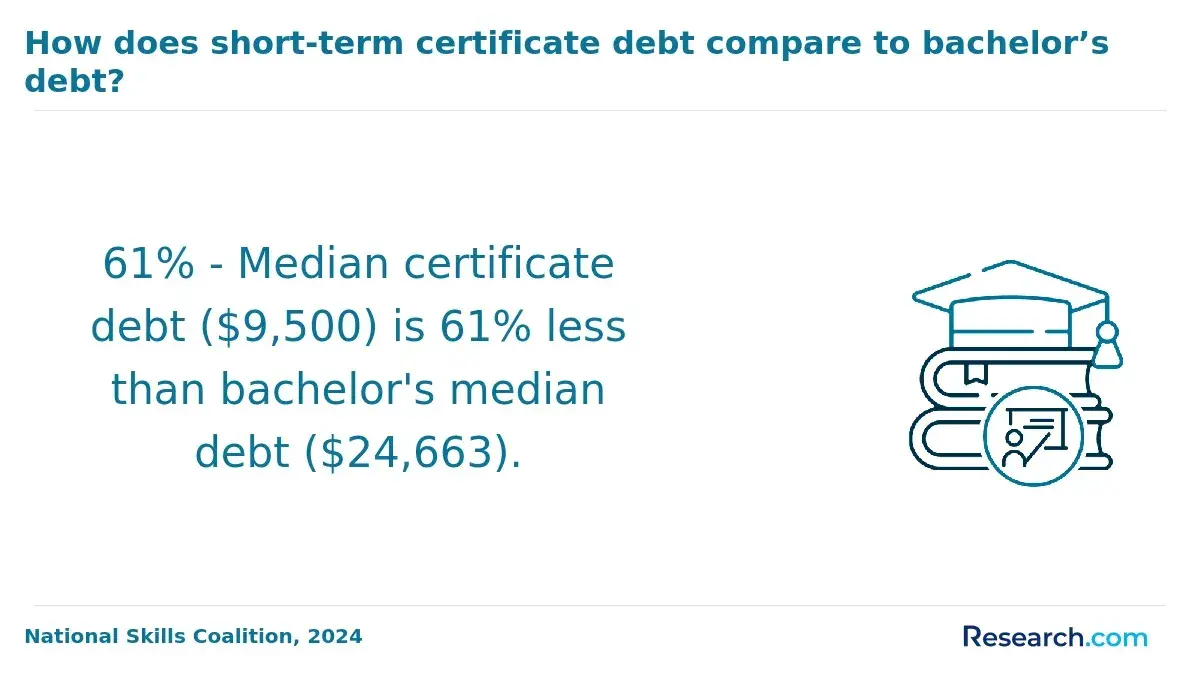
Financially, online degrees lower barriers: according to BestColleges using NCES data, average tuition and fees for an online bachelor's in business management with supply chain majors were $10,473 in 2019-20, dropping to a net average of $5,917 after aid. This cost advantage can make a significant difference for candidates evaluating return on investment against traditional programs.
Hiring managers prioritize graduates' demonstrated ability to apply education in specific areas such as procurement cost reduction and vendor management metrics. The emphasis on real-world impact means online degrees must integrate industry-standard tools and deliver visible outcomes to maintain competitiveness in the workforce.
Prospective students seeking financially viable options might refer to the cheapest AACSB online MBA offerings as a benchmark for cost-efficiency and program quality.
Which courses are in an online supply chain management curriculum?
Online supply chain management degree courses build essential skills grounded in procurement strategy, inventory control, and supply chain analytics, all critical for navigating complex operational environments. Students learn to evaluate suppliers, negotiate effectively, and apply quantitative methods to avoid costly overstock or stockouts—challenges prominent in manufacturing and retail sectors.
Incorporating supply chain analytics equips professionals to use data-driven tools for predictive demand forecasting, directly impacting hiring decisions and inventory investments.
Logistics and transportation management coursework tackles global shipping complexities and customs regulations, preparing graduates for the real-world friction encountered in international supply chains. Risk management training emphasizes identifying and mitigating disruptions from geopolitical tensions or supplier bankruptcies, a necessity given the fragility of global networks.
Operations management courses connect procurement processes with production scheduling and quality control, which is especially relevant for industries like automotive or pharmaceuticals where timing and compliance affect delivery and regulatory adherence. Ethics and sustainability topics reflect evolving employer standards around responsible sourcing and environmental impact, influencing supplier choices in practice.
Finance and accounting fundamentals improve collaboration with CFOs by clarifying cost structures and budgeting, while project management skills align with certifications to lead complex cross-functional initiatives. These curriculum subjects for online supply chain management programs target multifaceted job requirements rather than theoretical knowledge alone.
For those contemplating a broader managerial scope, exploring the quickest online project management degree pathways offers a complementary skill set. The Association for Supply Chain Management reports that bachelor's degree holders in the field earn approximately 30% more than those without, reflecting measurable workforce advantages in promotion and job stability.
What admission requirements do online supply chain programs usually have?
Applicants to online supply chain programs typically face a tradeoff between formal academic credentials and relevant professional experience. While most programs require a completed bachelor's degree from an accredited institution, some accept substantial procurement or logistics experience as a substitute.
Submission of official transcripts, a resume focused on applicable work history, and often a statement of purpose emphasizing procurement career goals are standard. Graduate degrees or MBAs concentrating in supply chain management often request GRE or GMAT scores, though waivers exist for candidates with significant industry tenure or advanced academic backgrounds.
Entry standards vary; early-career-focused programs may require a minimum GPA between 2.5 and 3.0, whereas more competitive tracks often demand stronger academic records. International candidates must meet English language proficiency via TOEFL or IELTS exams. Working professionals should assess employer support for schedule flexibility, as many programs blend asynchronous content with occasional synchronous or in-person residencies.
Procurement-centered curricula frequently require documented experience managing supplier relationships or vendor assessments, which aligns with market demand. ASCM reports that 66% of supply chain professionals received salary increases last year, with half gaining raises of 8% or more. Recommendations from supervisors familiar with procurement skills and timely submission of transcripts and tests are decisive for enrollment planning.
How long does an online supply chain management degree take?
Supply chain management degrees vary substantially in duration due to coursework depth and mode of study. Accelerated full-time programs can complete within 18 to 24 months, presenting a viable option for those aiming to quickly pivot or advance. However, part-time pathways often stretch between three to four years, mainly to accommodate working professionals balancing job responsibilities.
Beyond foundational modules, the integration of capstone projects or internships frequently extends completion time but remains essential for applied learning and workforce readiness. For example, supply chain roles in healthcare or manufacturing commonly require proficiency in sector-specific software, a skillset that employers increasingly demand and which can add months to degree timelines.
Employers also expect graduates to handle advanced analytics and automation tools; yet, less than one-third of current supply chain workforces are considered proficient in these areas, creating pressure on programs to embed practical technological training. This often lengthens study periods but directly correlates to employability and salary potential.
Students with prior relevant certifications, such as Certified Supply Chain Professional (CSCP), or transferable credits can substantially reduce their program duration, sometimes completing in under 18 months. Conversely, those coming from unrelated disciplines usually face longer timelines due to additional preparatory courses.
How much does an online supply chain degree cost?
Tuition for online supply chain management degrees in 2026 ranges widely, roughly from $7,000 to $32,000 annually, illustrating significant disparities in program depth, employer alignment, and resource availability. For professionals pivoting into procurement, the key evaluation is not just sticker price but the tangible return on investment tied to career outcomes and hiring standards.
Lower-cost programs might ease immediate financial burden but frequently lack comprehensive career support, industry internships, or robust networking opportunities, which can slow placement in competitive roles.
Conversely, investing closer to the $30,000 range often correlates with enhanced recruiter access, applied consulting projects, and specialized procurement analytics coursework highly valued by Fortune 500 companies seeking procurement analysts.
Students should also anticipate total attendance costs beyond tuition, including textbooks, software, exam fees, and possible travel to residency components. Employer tuition assistance programs can offset expenses but typically require accredited programs aligned with corporate training priorities.
Decisions should weigh these factors:
- Immediate affordability versus long-term market positioning
- Access to mentorships and procurement certifications integrated into the curriculum
- Alignment of the program's specialty areas with specific job requirements in procurement and supply chain roles
For those seriously targeting procurement roles within established firms, programs that embed real-world projects and direct industry connections generally provide clearer pathways to employment despite their higher costs.
What procurement jobs can you get with this degree?
A supply chain management degree with a focus on procurement offers direct access to roles such as procurement analyst, strategic sourcing specialist, purchasing manager, and contract administrator. These positions emphasize supplier evaluation, cost negotiation, and risk management—skills that are practical and measurable outcomes of specialized programs.
For instance, a procurement analyst at a manufacturing company might use quantitative methods acquired through their degree to lower material costs by assessing supplier data systematically. Meanwhile, a healthcare purchasing manager often balances regulatory compliance with budget limitations through contract expertise gained in the curriculum.
For working professionals, proficiency with digital procurement platforms and analytics is increasingly non-negotiable, shaping hiring criteria in sectors from retail to aerospace.
Mid-career individuals considering a degree should weigh the necessity of supplementary industry certifications or relevant experience to meet qualifications for senior procurement leadership. Career progression frequently involves pathways through project management or operational leadership that leverage procurement skills.
Employer tuition assistance benefits approximately 39% of supply chain professionals, effectively lowering financial barriers to education and accelerating entry or advancement in procurement roles. Strategically utilizing these resources can reduce time to recruitment in competitive job markets.
Students should carefully evaluate the complexity and autonomy of targeted procurement roles within their local job market and leverage internships or business partnerships offered through their online programs to build sector-specific experience and networks.
What salary can procurement graduates expect in the United States?
Procurement salaries in the U.S. vary significantly based on geography, industry, and experience, with entry-level graduates earning between $60,000 and $75,000 annually. Mid-career roles with 5-10 years of experience tend to pay from $85,000 to $110,000, while senior or specialized positions in sectors like technology or pharmaceuticals can exceed $120,000. These figures align with data from the U.S. Bureau of Labor Statistics and industry research organizations.
The growing employer preference for practical skills and certifications over traditional degree delivery methods reshapes the value proposition for graduates. ASCM's data shows 89% of supply chain professionals value hands-on skills and credentials more than whether a degree came from an online or campus program, suggesting that candidates with certifications such as CPSM and demonstrable experience can neutralize perceived drawbacks related to online education.
In practice, a procurement recruiter in a tech-heavy metropolitan area might offer the higher end of the salary range, unlike rural manufacturing regions where offers trend lower.
Key salary drivers include role complexity, with sourcing and contract management positions paying more than general purchasing jobs. Graduates should therefore focus on certifications, internships, and real-world accomplishments to improve negotiating leverage and align with industry pay benchmarks.
Which certifications help procurement careers after graduation?
The decision between Certified Professional in Supply Management (CPSM) and Certified Supply Chain Professional (CSCP) certifications hinges on targeted career outcomes. CPSM is narrowly focused on procurement competencies such as supplier relationships, contract negotiation, and risk mitigation, aligning closely with procurement roles in manufacturing and retail.
CSCP, by contrast, prepares candidates for integrated supply chain roles requiring broad operational oversight, including logistics coordination typical in technology and healthcare sectors.
Employers increasingly treat these certifications as baseline validations of candidate capability, especially in competitive fields like aerospace and pharmaceuticals where procurement directly affects cost and efficiency. Without such credentials, candidates often experience longer job searches or slower career progression.
Key practical considerations include:
- CPSM tends to correlate with higher starting salaries and quicker promotion tracks in procurement-specific roles.
- CSCP suits professionals aiming for leadership roles overseeing end-to-end supply chain operations.
- Certified in Production and Inventory Management (CPIM) warrants consideration for those focused heavily on inventory strategies.
Both certifications require documented professional experience and passing rigorous exams, helping compensate for limited post-degree work history by signaling readiness for responsibility. For example, procurement specialists with CPSM credentials frequently attain managerial roles faster, reflecting the premium employers place on demonstrated proficiency.
Obtaining a certification early in a procurement career can streamline advancement paths and reduce reliance on extended on-the-job learning, key in environments where leadership pipelines depend on verifiable skills rather than tenure alone.
Other Things You Should Know About Supply Chain Management
Online degrees can advance supply chain careers if the program offers practical, applied learning and aligns with industry standards. Employers prioritize candidates who demonstrate hands-on skills in procurement analytics, contract management, and logistics technology, not just theoretical knowledge. Programs focused on strategic decision-making and software tools used in supply chain operations add tangible value for career progression. Choose programs with strong employer connections or internship opportunities to maximize real-world relevance.
Balancing work, study, and life requires disciplined time management for online degrees, which often demand independent motivation and consistent engagement. Many courses involve complex case analyses, procurement software simulations, and group projects that require synchronous participation or strict deadlines. Students who underestimate these demands risk falling behind, especially if programs have limited faculty interaction. Prospective students should assess program structure to determine if it accommodates their schedule without compromising depth of learning.
Specialization tracks focusing on procurement deliver focused expertise that many employers require for advanced procurement roles. Students targeting strategic sourcing or contract negotiation positions benefit from programs offering these tracks alongside core supply chain courses. However, broader programs may offer better flexibility for career shifts within supply chain functions like logistics or operations management. Consider your long-term goals carefully; if procurement is your immediate target, specialized programs offer clearer pathways to relevant skills and networks.
References
- Earn More with These Proven Procurement and Logistics Certifications https://cpscp.org/earn-more-with-these-proven-procurement-and-logistics-certifications/
- Top Supply Chain Management Certifications to Boost Your Career - HUBBIG https://hubbig.com/en/top-supply-chain-management-certifications-to-boost-your-career/
- Online BBA in Logistics & Supply Chain Management https://www.emeris.ac.za/qualifications/online/bachelor-of-business-administration-in-logistics-supply-chain-management
- Online vs. On-Campus: Choosing the Right Format for Your Supply Chain Degree https://www.ucumberlands.edu/blog/online-vs-on-campus-choose-your-supply-chain-degree-format
- Free Supply Chain Management Course with Certificate [2026] https://www.mygreatlearning.com/academy/learn-for-free/courses/supply-chain-management
- Thinking of getting a job in procurement? — Lean Procurement Ltd. https://www.leanprocurement.net/procurement-jobs
- CourseCareers https://coursecareers.com/blog-posts/5-best-supply-chain-procurement-courses
- Logistics and Supply Chain Management – Online Degree Pathway (240 Credits) - LCPS - London College of Professional Studies https://lcps.org.uk/product/logistics-and-supply-chain-management-online-degree-pathway/
- Supply Chain Management Degree: Top Careers https://www.straighterline.com/blog/top-degrees-todays-top-careers-supply-chain-management
- 21 Best Online Logistics Bachelor's Degrees of 2025 https://www.supplychainguide.org/degrees/online-bachelors-in-logistics/