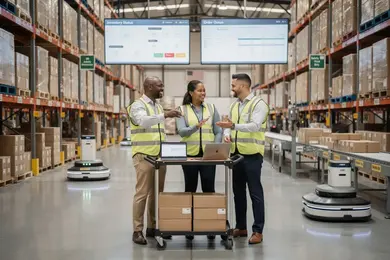
2027 Best Online Supply Chain Management Programs for Data-Oriented Operations Professionals

Co-Founder and Chief Data Scientist
Inventory distortions, supplier disruptions, and unpredictable global demand shocks have left many supply chain professionals scrambling for real-time data fluency to turn volatility into opportunity. Employers expect mastery of analytics to optimize operations, yet traditional programs often fall short on flexible delivery required by working adults navigating complex schedules.
The National Center for Education Statistics reports that 45% of online graduate students balance full-time jobs, a shift reshaping enrollment trends and raising the bar for programs to offer accelerated, accessible pathways without compromising rigor. This article identifies the best online supply chain management programs optimized for data-driven operations professionals seeking practical, timely upskilling and career advancement.
Key Things You Should Know
- Programs emphasizing advanced analytics and AI integration often demand prior quantitative skills, limiting access but yielding a 22% higher median salary, per 2024 Bureau of Labor Statistics workforce data.
- Employers now prioritize graduates with cross-functional expertise in supply chain management and IT systems, increasing hireability by 35%, according to a 2024 Gartner talent assessment report.
- Accelerated online curriculums reduce typical completion time by up to 30%, yet may sacrifice depth in practical casework, affecting readiness for complex operational roles, as surveyed in NCES 2024.
What is an online supply chain management degree and how does it serve data-oriented operations careers?
Online supply chain management degree programs targeting data-driven operations emphasize analytical and technical skills necessary for optimizing logistics through quantitative methods. These degrees differ sharply in their balance between theoretical foundations and practical data application, a critical distinction influencing workforce readiness in complex environments increasingly reliant on AI and IoT integration.
Professionals equipped with such degrees manage tasks like demand forecasting and inventory optimization in industries ranging from manufacturing to healthcare, where precise data analytics minimize costs and prevent supply disruptions affecting patient care. Traditional supply chain roles, largely transactional, no longer suffice; graduates must demonstrate fluency in advanced software platforms and real-time monitoring tools to meet employer expectations.
The U.S. Bureau of Labor Statistics projects an 18% growth for logisticians from 2022 to 2032, underlining industry demand for specialists in data-oriented logistics. However, prospective students should carefully evaluate program content for experiential learning components and certifications in industry-standard tools, which markedly improve employability and practical skill retention. This consideration is vital given steep learning curves when transitioning to data-centric roles without sufficient hands-on training.
Those weighing an online supply chain management degree for data-driven operations might also examine accelerated pathways such as the shortest MBA program options, which occasionally incorporate comparable analytics coursework within compressed timelines.
How do you choose the best online supply chain management program for data-focused roles?
Employers now expect online supply chain management programs for data-driven operations to integrate advanced analytics, AI, and automation at a granular level. The Gartner Supply Chain Technology User Wants and Needs Survey 2024 highlights that 93% of executives have increased investments in these technologies, making curricula without robust data science components misaligned with evolving workforce demands.
Selecting programs that emphasize predictive analytics, machine learning, and real-time data visualization tailored for supply chain environments improves readiness for specialized roles.
For professionals pursuing top online supply chain management degrees for analytics professionals, practical application is critical. Verify the inclusion of hands-on projects using industry tools such as Python, R, or SCM-specific analytics platforms. For example, manufacturing-focused students should acquire expertise in IoT data analysis and inventory optimization, whereas those targeting retail logistics need proficiency in demand forecasting and e-commerce data trends.
Industry partnerships and capstone projects with real companies facilitate exposure to live challenges and improve employability in data-intensive roles. Faculty credentials that demonstrate recent research on data-driven supply chain applications reinforce program relevance. Practical considerations such as pacing flexibility, program length, and dedicated career services targeting analytics roles affect successful transitions.
Finally, accreditation by organizations emphasizing analytics competencies and transparent outcome reporting distinguishes programs that deliver measurable value. Compare graduate data analytics employment outcomes rather than generic supply chain placement metrics to make informed decisions aligned with long-term career trajectories.
For a cost-sensitive option, consider an MBA under 30k as an alternative pathway for qualitative skills in this domain.
Are online supply chain management degrees respected by employers and properly accredited?
Employer valuation of online supply chain management degrees in North America depends heavily on accreditation by recognized bodies such as AACSB or APCSB. These credentials serve as gatekeepers, assuring that programs maintain curricular rigor, engage qualified faculty, and align outcomes with industry demands. Without this validation, candidates face skepticism in sectors like manufacturing and retail, where hiring managers prioritize demonstrable expertise in data-driven processes and regulatory compliance.
For example, pharmaceutical supply chains require specialized knowledge of risk mitigation that unaccredited programs rarely provide.
Accredited online supply chain management programs for data-driven professionals not only validate skills but also enhance employability in competitive markets. This distinction can translate into substantial tangible benefits. The 2024 GMAC Corporate Recruiters Survey reports that master's degree holders in supply chain management earn a median salary 16% higher than their bachelor's-educated peers, reflecting industry trust in advanced competencies including analytics and strategic sourcing.
Prospective students should verify accreditation status before committing, especially given the limited leadership and specialized roles accessible without recognized credentials. Practical considerations include assessing career services that facilitate employer connections, vital to overcoming barriers typical in supply chain transitions.
Those weighing cost against program quality should also explore cheapest 1 year online MBA programs, which might offer alternate pathways.
What types of online supply chain management degrees and certificates are available?
Choosing between online supply chain management degree programs in the US and certificate programs hinges on balancing practical outcomes with investment in time and cost. Bachelor's degrees provide foundational logistics and operations knowledge suited for entry-level roles in manufacturing or retail distribution; for those considering adjacent fields, there are options like a bachelor's degree in project management.
In contrast, master's degrees integrate advanced data analytics and strategic sourcing, targeting mid-career professionals aiming for leadership or specialized analyst roles in data-driven industries such as technology or pharmaceuticals.
Certificates focus on discrete competencies like demand forecasting or supply chain sustainability, appealing to professionals seeking rapid, targeted upskilling without the disruption of a full degree. These credentials align with evolving technical demands in sectors like e-commerce fulfillment and are increasingly valued for validating emergent skills in data-driven supply chain management professionals.
Employers often prioritize candidates with accredited degrees for leadership pipelines but recognize certificates for validating specific technical proficiencies. Online formats vary in synchronous versus asynchronous delivery, affecting working professionals with irregular schedules. Practical project work embedded in programs significantly enhances workforce readiness.
Tradeoffs include time, cost, and depth of learning: a supply chain analyst moving toward data-intensive functions may gain more from a master's degree despite higher costs, while those needing quick skill refreshers often benefit from certificates.
What core courses and technical skills do top online supply chain management programs teach?
Programs in online supply chain management must reconcile the gap between traditional operational roles and the increasing technical demands employers impose. While core coursework integrates analytics, operations research, and real-world logistics constraints, students face diverse expectations depending on industry context.
For example, supply chain planning in grocery retail focuses heavily on perishable goods forecasting and last-mile delivery, contrasting with manufacturing's emphasis on supplier reliability and just-in-time inventory management.
Successful candidates master forecasting, procurement analytics, transportation management, and supply chain risk assessment alongside essential technical skills such as advanced Excel, SQL, Python, and data visualization tools like Tableau or Power BI. Familiarity with ERP and cloud-based platforms supports interaction with contemporary enterprise software environments, a prerequisite for many positions.
With global enterprises adopting advanced analytics and AI in supply chain planning at a rapid pace-McKinsey reports 79% adoption by 2025-understanding predictive analytics and machine learning basics becomes necessary for sustained employability. Graduates often take roles requiring simulation modeling and scenario analysis to mitigate disruptions and optimize multimodal networks.
A practical tradeoff for mid-career professionals pivoting from procurement or warehouse functions lies in navigating a steep technical learning curve balanced by exposure to hands-on projects using real datasets and cross-functional team collaboration. Regulatory compliance, sustainability metrics, and global trade remain vital adjunct competencies that amplify program relevance across sectors.
- Demand planning and inventory optimization vary widely between supply chain sectors.
- Technical rigor in programming and analytics tools must align with industry-specific use cases.
- Automation and AI integration necessitate continuous skill updates post-graduation.
How do online supply chain management programs compare with on-campus options for flexibility and quality?
Choosing between online and on-campus supply chain management programs involves evaluating how each format aligns with your career focus and learning needs. For professionals aiming to master data analytics tools like SQL and Python-skills explicitly sought in 68% of U.S. supply chain job postings-online programs provide critical flexibility through asynchronous modules and virtual labs.
This structure supports continuous employment while building practical data fluency across industries such as manufacturing and healthcare.
However, on-campus programs offer immersive, face-to-face networking and direct engagement with hands-on supply chain simulations, which can better prepare students for collaborative environments that require immediate problem-solving across multiple stakeholders. Candidates focused on leadership roles in traditional supply chain functions may find this environment indispensable for strategic workshops and team-based learning.
Professionals should also consider compensating for weaker peer interaction in online settings by engaging with virtual cohorts and employer-sponsored projects, since employers prioritize applied skills and relevant project experience over credential format. Key evaluation criteria include access to current analytics software, availability of real-world case studies, and the responsiveness of instructors, as these factors substantively influence readiness for data-driven decision-making roles.
While online study expands access, decisions should factor in the nature of target roles, workplace collaboration intensity, and the tangible skill sets gained versus the networking opportunities foregone.
What are typical admission requirements, program length, and time-to-completion for online study?
Employers increasingly expect candidates for supply chain management roles to hit the ground running with practical expertise, limiting the value of programs lacking clear professional prerequisites. Admission standards typically mandate a bachelor's degree from an accredited institution, official transcripts, and a competitive GPA often above 3.0. Relevant work experience-usually one to three years-is essential, reinforcing an applicant's operational aptitude in logistics or operations.
Supplementary materials commonly include a statement of purpose and two or three professional or academic recommendations. Some programs require GRE or GMAT scores, but growing waiver options align with the industry's preference for candidates demonstrating proven on-the-job competence.
Program durations reflect real-world constraints: full-time enrollment generally completes studies in 12 to 18 months, while part-time learners, often balancing employment, take up to 24 months or longer. Accelerated courses compressed into 7- to 8-week modules cater to professionals needing targeted skill upgrades in areas such as predictive analytics and inventory optimization.
Choosing program length hinges on career context: manufacturing professionals often prioritize programs under 18 months to minimize income disruption and swiftly apply analytics to demand forecasting, whereas logistics managers may accept longer timelines to integrate coursework with ongoing projects.
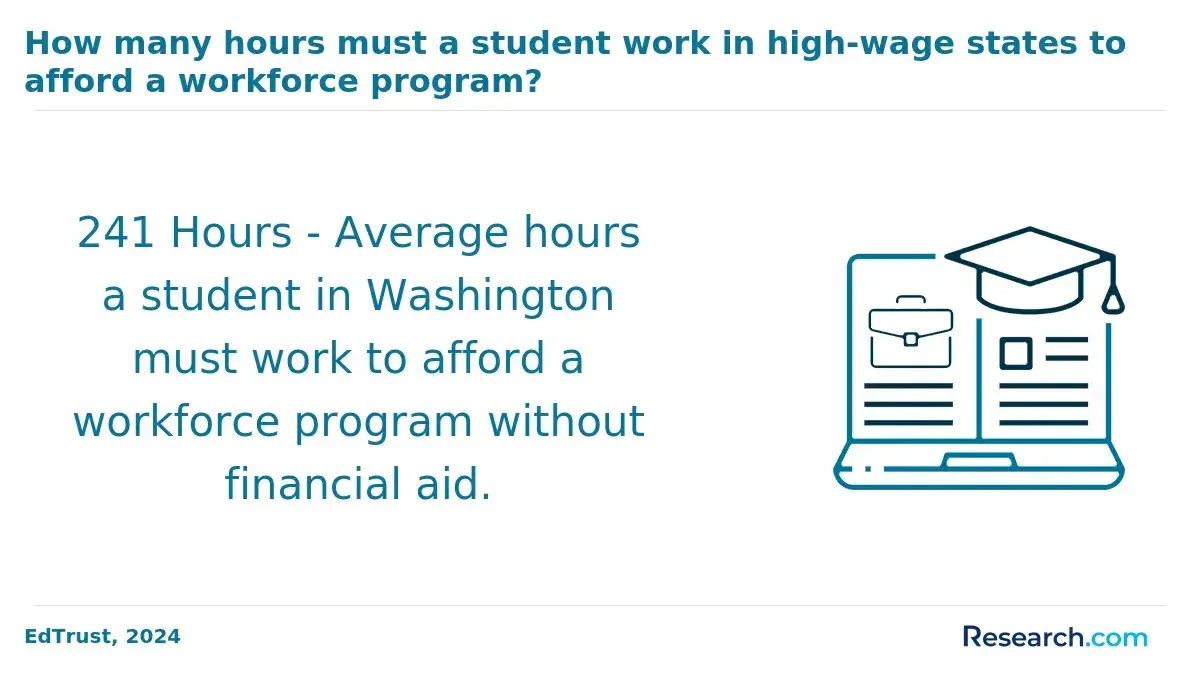
According to the AACSB business school data guide 2024, average tuition for AACSB-accredited online supply chain management master's programs is roughly 27% lower than comparable on-campus options, a differential that materially affects return on investment, particularly when employer tuition support is partial or absent.
- Admission requires accredited bachelor's degree, transcripts, GPA > 3.0, 1-3 years relevant experience, and recommendations.
- Program length ranges from 12 months (full-time) to 24+ months (part-time), with accelerated 7-8 week courses available.
- Tuition for AACSB-accredited online programs is about 27% less than on-campus equivalents.
How much do online supply chain management programs cost, and what financial aid can students use?
Costs for online supply chain management master's programs range from $15,000 to $50,000, varying widely based on public versus private institution status, program length, and specialization. Public universities usually offer lower in-state tuition, while private or elite schools sit at the higher end. Part-time or certificate options reduce initial expenses but often prolong completion time and limit eligibility for federal aid.
Financial aid options include federal student loans-requiring accredited programs-as well as scholarships, grants, and employer tuition reimbursement, especially common in large logistics and retail firms focused on upskilling. It's important to consider the total financial burden: a mid-level logistics manager with 50% employer coverage still faces $7,500 to $25,000 in out-of-pocket costs, often financed by loans with fixed interest rates.
Decision-making should weigh loan repayment terms against expected salary gains post-degree. A 2024 survey found 71% of hiring managers view reputable online business master's degrees as comparable to traditional ones, which supports the value of credible programs in this field.
Applicants must plan for the time-intensive financial aid process, including FAFSA filing and employer benefit enrollment, while verifying program accreditation and alignment with career goals to avoid investing in credentials that employers or certification bodies do not fully recognize.
What jobs, career paths, and salary ranges can graduates expect in data-driven supply chain roles?
Data-driven roles in supply chain management demand not only domain knowledge but also technical fluency with tools like SQL, Python, and ERP platforms. Entry-level supply chain analysts earn between $60,000 and $75,000 annually, while senior roles-particularly in sectors such as e-commerce and third-party logistics-can command salaries from $110,000 to $130,000 as expertise and applied analytics capabilities deepen.
This pay differentiation reflects employer expectations for mastery in predictive modeling, inventory optimization, and freight cost analytics.
Job openings for supply chain analysts in e-commerce and third-party logistics grew by 92% from 2020 to 2024, driven by increased adoption of machine learning and comprehensive supply chain visibility tools. Candidates who lack hands-on experience translating complex datasets into actionable business strategies may find their progression capped before reaching managerial or data scientist positions.
For example, an analyst at a large e-commerce firm focuses on real-time customer behavior metrics to optimize inventory replenishment, while one in third-party logistics prioritizes route and freight cost efficiencies to improve margins. Career advancement typically follows a progression from analyst to supply chain data scientist, then to roles such as analytics manager or director of supply chain optimization. Graduate programs that fail to integrate practical data projects risk leaving students underprepared for these technical demands.
Which certifications and professional credentials complement an online supply chain management degree?
Practical proficiency in data analytics, automation, and digital technologies increasingly defines the value of certifications alongside an online supply chain management degree. Credentials such as the Certified Supply Chain Professional (CSCP) from APICS and the Supply Chain Operations Reference (SCOR-P) are closely aligned with the operational frameworks employers demand, particularly for roles interfacing with integrated IT and advanced analytics.
By 2025, digital twin technology adoption is expected to reach 60% of global organizations, driving cost reduction and revenue growth. Certifications in digital twin modeling and simulation are no longer optional for professionals aiming to quantify and mitigate risks via virtual replication of supply chains. Similarly, expertise in robotic process automation (RPA) or data science, exemplified by certifications like the Certified Analytics Professional (CAP), equips candidates with competencies for real-time decision-making and efficiency gains.
For instance, a logistics analyst equipped with both CSCP and digital twin credentials can anticipate inventory disruptions and simulate alternate scenarios without costly physical tests. In contrast, procurement professionals benefit more from combining contract analytics with cybersecurity certifications due to elevated vendor vulnerabilities in digital ecosystems.
Employers in multinational firms expect a deliberate credential strategy integrating core supply chain knowledge with specialized technical certificates. Given the costs and time involved, prioritizing foundational credentials before advancing toward targeted data and automation expertise is a pragmatic approach that balances foundational understanding with emerging market demands.
Other Things You Should Know About Supply Chain Management
Employers increasingly demand candidates who combine supply chain knowledge with strong data analytics and IT skills. Programs incorporating hands-on experience with enterprise resource planning (ERP) software and predictive analytics tools are preferred. Choosing a program aligned with industry standards, especially those offering real-world projects or internships, improves hiring prospects over purely theoretical curricula.
Specialization can accelerate career progress, especially in areas like demand forecasting, logistics optimization, or supply chain risk management. Employers value distinct expertise that meets emerging challenges, such as sustainability or digitization. Prioritize programs offering focused tracks or electives that match your target role to avoid a generic education that dilutes your competitive edge.
Programs focused on technical tools develop strong skills in data manipulation and software use but may lack in-depth coverage of strategic decision-making and leadership. Conversely, strategy-heavy programs strengthen managerial capabilities but may underprepare students for the hands-on data demands of modern supply chains. Select a program balancing both or supplement technical deficiencies with targeted certifications to meet comprehensive employer expectations.
References
- Choose the Right Supply Chain Management Degree for Global Careers | BSBI https://www.berlinsbi.com/blog/how-to-choose-the-right-supply-chain-management-degree-for-global-careers
- 8 Best Supply Chain Management Platforms in 2026 https://www.doss.com/trends/8-best-supply-chain-management-platforms-in-2026
- Online vs. On-Campus: Choosing the Right Format for Your Supply Chain Degree https://www.ucumberlands.edu/blog/online-vs-on-campus-choose-your-supply-chain-degree-format
- Fixed vs Flexible Logistics: Key Differences in 2026 https://locus.sh/blogs/fixed-and-flexible-logistics-models/
- SCMP Designation - Supply Chain Canada https://www.supplychaincanada.com/education-and-training/scmp-designation
- Top 10 Best Supply Chain Management Courses List https://zoetalentsolutions.com/top-10-best-supply-chain-management-courses-list/
- Best Supply Chain Management Software comparision (2026) https://www.slimstock.com/insights/best-supply-chain-management-software-comparision/
- Effective MBA - Supply Chain Management | EDU Effective https://www.edueffective.online/effective-mba-supply-chain-management/
- Supply chain certification programs https://www.scmr.com/article/supply-chain-certification-programs
- Best Supply Chain Management Software in 2025-2026: Actual List https://diceus.com/best-supply-chain-management-software/