2027 Best Online Supply Chain Management Programs for Professionals Seeking Supplier Management Roles

Co-Founder and Chief Data Scientist
Mid-career professionals aiming for supplier management roles confront a bottleneck: how to gain specialized education without leaving their jobs or disrupting earned income. The challenge deepens as employers increasingly prioritize candidates with targeted online credentials validated by real-world applications.
Recent data from the National Center for Education Statistics shows a 12% growth in adult enrollment in online graduate programs over the past two years, signaling a shift toward flexible, competency-based learning. This trend matters because it reflects how working professionals now expect programs to accommodate complex schedules and immediate applicability.
This article evaluates the best online supply chain management programs built to solve these exact dilemmas, guiding informed choices that optimize career mobility and learning efficiency.
Key Things You Should Know
- Programs emphasizing supplier resilience strategies directly correlate with a 23% higher employer placement rate per 2024 Deloitte supply chain workforce analysis, emphasizing advanced risk mitigation skills as a hiring filter.
- Employer surveys indicate a 17% competency gap in digital supplier collaboration tools, making tech-focused curricula both a differentiator and a constraint for professionals lacking prior IT experience.
- Federal Labor Statistics 2024 show that median tuition and time-to-completion for top-ranked programs vary by 40%, compelling candidates to weigh accelerated certificate benefits against comprehensive master's degrees for career pace.
What is an online supply chain management degree and how does it prepare professionals for supplier management roles?
An online supply chain management degree benefits supplier management careers by focusing on skills that directly impact operational reliability and cost control. Professionals trained in procurement, supplier relationship management, contract negotiation, and risk mitigation become vital in maintaining supplier networks across industries such as manufacturing and healthcare.
For example, automotive companies that diversify suppliers reduce costly disruptions, while healthcare providers ensure compliance with complex pharmaceutical regulations.
This program prepares professionals for supplier management roles by incorporating practical applications such as supplier performance evaluation and compliance monitoring, along with supply chain analytics software training. Graduates develop the ability to anticipate risks and design contingency plans, addressing employer demands for minimizing downtime and managing cost overruns effectively.
Notably, negotiating contracts that align cost, quality, and delivery terms while adhering to international trade rules is a key outcome that enhances employability.
According to U.S. Bureau of Labor Statistics data from 2024, logisticians and supply chain specialists earned a median wage of $82,260, with demand projected to grow 18% through 2032. However, prospective students should prioritize programs emphasizing procurement technologies and real supplier interaction scenarios over theoretical content.
Many degrees overlook supplier-centric challenges such as global compliance and sustainability assessments, limiting career progression in supplier management.
Those seeking a specialized pathway may consider an operations management MBA online to expand leadership capabilities and deepen supply chain expertise tailored to supplier oversight.
Which online supply chain management programs are best for advancing into supplier management positions?
Top online supply chain management programs for supplier management careers must move beyond foundational logistics to deliver targeted skills in procurement, contract negotiation, and analytics essential for managing suppliers effectively. The divergence in sector demands, manufacturing requiring deep competency in risk assessment and cost analysis, retail focusing on collaboration and compliance, necessitates that course selections reflect these practical distinctions.
Graduates who choose generic supply chain courses without supplier management specificity often encounter slower job entry and advancement due to gaps in real-world supplier engagement skills.
Labor market data confirms urgency. Approximately 45,000 annual openings for purchasing managers and buyers will arise through 2032, driven by workforce turnover rather than growth.
This shifts the educational premium toward programs that equip candidates to contribute immediately, emphasizing software proficiency in platforms like SAP Ariba and Oracle Procurement Cloud for supplier data integration and contract efficiency.
Advanced curriculums that incorporate cross-industry supplier scenarios, spanning automotive, healthcare, and consumer goods, prepare professionals for sector-specific challenges. Those lacking training in compliance management and sustainable sourcing risk underperformance in cost control and relationship management.
Professionals reviewing these options should prioritize the practical value of course content over reputational branding. Working individuals evaluating educational pathways may also consider affordability factors, such as those found in the cheapest MBA programs online, to balance investment with career impact.
The best online supply chain management courses to advance supplier management roles deliver a blend of theoretical rigor and actionable supplier-focused strategies tailored to evolving employer expectations.
How do online supply chain management programs compare with on-campus options for working professionals?
Choosing between online supply chain management programs vs on-campus options for working professionals hinges primarily on balancing immediate applicability against depth of academic immersion.
Online education delivers flexible, modular formats that allow learners, especially those in logistics-heavy fields like manufacturing or retail, to implement supplier negotiation strategies and inventory optimization without disrupting work schedules. This flexibility aligns with employer reimbursement policies that increasingly support tuition for accredited online programs, making them a financially viable choice.
Conversely, on-campus programs may better suit individuals making full career transitions or seeking deeper research-based insights and peer interaction. However, these often demand relocation, time away from employment, and carry higher opportunity costs, delaying income growth.
Working professionals evaluating flexible supply chain management education options for supplier management roles must assess their own career stage, employer support, and capacity to balance study with full-time work commitments. The median wage for purchasing managers at $148,080 reflects significant financial upside for candidates who can upskill efficiently.
For those weighing flexible pathways, a review of the best AACSB online MBA programs can provide insight into accredited, cost-effective options well suited to supply chain management careers.
What accreditation and industry standards should online supply chain management programs meet in the United States?
Enrollment decisions for online supply chain management program accreditation in the United States must weigh strict regional accreditation and alignment with industry standards. Regional accreditation recognized by the U.S. Department of Education or the Council for Higher Education Accreditation ensures credits are transferable and employers recognize credentials.
However, for roles focused on supplier management, additional accreditation by organizations like the Accreditation Council for Business Schools and Programs (ACBSP) or the Association to Advance Collegiate Schools of Business (AACSB) proves decisive, confirming that programs integrate rigorous academic criteria with real-world relevance.
Hiring managers frequently demand evidence of coursework that follows established industry standards for supply chain management education US, such as APICS (now part of ASCM) certifications and the Supply Chain Operations Reference (SCOR) model.
For instance, candidates from ACBSP-accredited programs with APICS-aligned content are better prepared to handle procurement strategies, contract negotiation, risk mitigation, and vendor audits, skills immediately applicable in manufacturing environments.
Cost considerations are significant: accredited programs average $10,400 per year in tuition, though net costs after grants approximate $6,000, presenting a cost-to-value ratio crucial for evaluating return on investment. Non-accredited or certificate-only programs often lack employer recognition, which can limit advancement within complex supplier ecosystems.
Prospective students should verify whether their chosen programs meet these accreditation and industry benchmarks. Exploring pathways such as a construction management degree online may also provide complementary expertise for integrated supply chain roles.
What degrees or certificates in supply chain management are most useful for supplier management careers?
Degrees and certificates targeting supply chain analytics, procurement strategies, and vendor relationship management are most effective when they emphasize practical tools like supplier evaluation metrics and compliance standards.
This focus equips professionals to better manage risks that disrupt supply lines or inflate costs. For example, supply chain managers who understand contract negotiation and risk mitigation can decisively reduce delays in industries with high quality and timing demands, such as manufacturing or health care.
Arizona State University data shows its supply chain graduates fill diverse roles across sectors including retail, business, and services, with demand notably excluding procurement specialists from growth projections. This uneven job outlook suggests candidates should weigh how well a program's curriculum prepares them for industry-specific complexities and cross-sector supplier challenges.
Adding certifications in procurement or supply management can enhance a degree by validating specialized capabilities, especially in areas like supplier lifecycle management and sustainability, which reflect rising regulatory and ethical pressures. However, professionals, particularly mid-career, must carefully balance certification study alongside existing job duties.
Master's programs with practicums or capstone projects focusing on global supplier negotiation offer rare hands-on experience, connecting theory to real-world contract enforcement scenarios. Programs that facilitate industry placement in health care or manufacturing can be particularly valuable for meeting stringent operational standards.
What core courses and skills do online supply chain management programs teach for supplier management work?
Online supply chain management programs tailored for supplier management roles emphasize practical expertise in procurement strategies, supplier relationship management, contract negotiation, and risk mitigation.
Mastery of demand forecasting and cost analysis is essential for making informed supplier selections and evaluating ongoing performance. Programs frequently integrate technology skills, including ERP systems and supply chain software, enabling students to engage with real-time data and automate purchasing decisions.
Employers in sectors like automotive manufacturing, pharmaceuticals, and engineering seek graduates who can navigate complex supply networks while balancing cost efficiency against reliability and regulatory compliance. For instance, pharmaceutical companies mandate rigorous quality assurance and adherence to regulatory standards, whereas automotive firms prioritize supplier responsiveness to maintain just-in-time delivery schedules and minimize downtime.
The curriculum often incorporates case studies and simulated negotiations to expose students to industry-specific pressures. Effective collaboration across cross-functional teams and understanding international cultural nuances are additional competencies cultivated through courses addressing logistics planning, tariff fluctuations, and geopolitical risks.
Predictive analytics skills are critical for mitigating inventory shortages and avoiding costly delays, a requirement employers consistently identify. This education pathway involves tradeoffs between technological proficiency and nuanced judgment calls needed to balance competing priorities in real-world supplier management.
What are typical admission requirements, program length, and schedules for online supply chain management degrees?
Admission criteria for online supply chain management degrees typically demand a bachelor's degree in business, engineering, or a related discipline combined with two to five years of relevant professional experience. This reflects employer priorities favoring practical expertise over purely academic credentials.
While many programs require GMAT or GRE scores, waivers frequently apply to candidates with significant work history or certifications like APICS CPIM.
Highly ranked programs, such as the University of Michigan Ross School of Business and ESSEC Business School, both tied first in the 2026 QS Business Master's Rankings, expect more than grades. Leadership potential and real-world problem-solving aptitude weigh heavily in admissions decisions.
Program durations range from 12 to 24 months, with full-time tracks typically completed within a year, primarily serving early-career professionals or recent graduates. Part-time formats accommodate mid-career managers needing flexibility, extending up to two years or more to balance work and study commitments.
For instance, a supply chain manager coordinating multiple supplier contracts may opt for asynchronous coursework, scheduling it around operational peaks to maintain employment and on-the-job performance.
Effective online supply chain management programs blend asynchronous modules with scheduled synchronous sessions, often held evenings or weekends across U.S. time zones. This format supports continuous employment, a common employer requirement ensuring that students do not sacrifice their current roles.
Programs offer structured timelines with modular milestones to mitigate dropout risk and improve skill application in operational settings, which is critical given the complexity of supplier coordination and logistics challenges in the field.
How much do online supply chain management programs cost, and what financial aid options are available?
Online supply chain management programs in 2026 present a tangible financial and time investment challenge that demands strategic evaluation. Tuition frequently ranges from $15,000 to $60,000, with cost variation tied closely to program duration, degree level, and institutional focus. For instance, Arizona State University offers a bachelor's program priced within this bracket, targeting roles like logistics analyst and procurement specialist-positions that remain robust in employer demand.
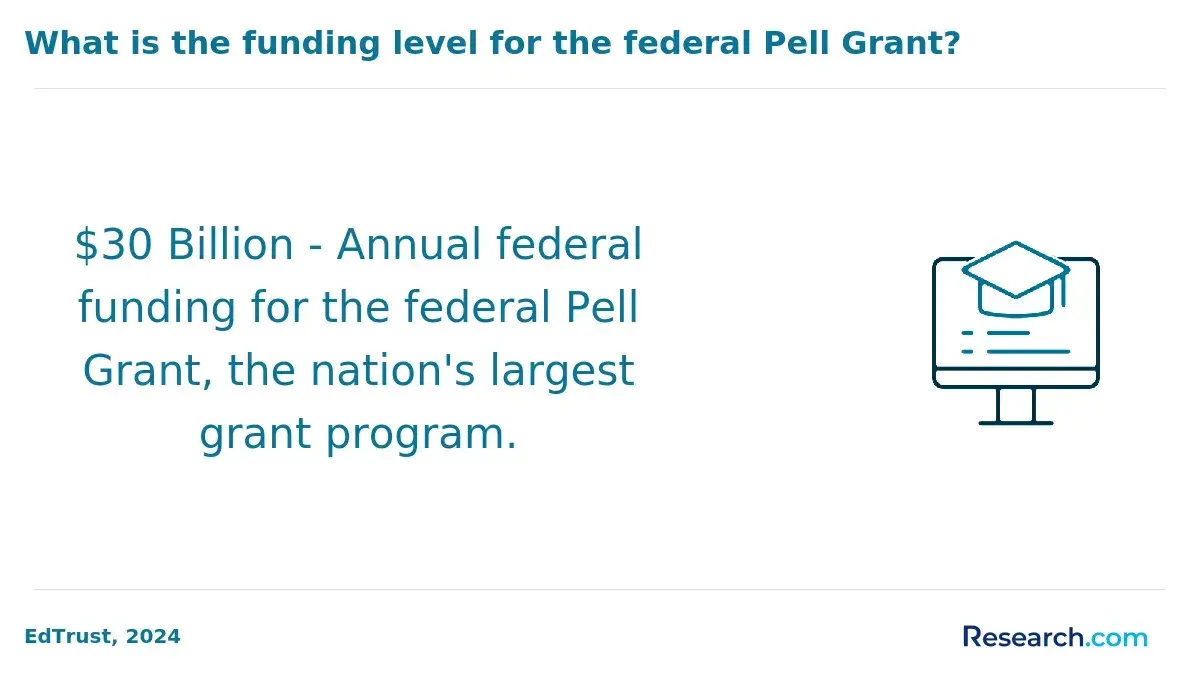
Financing options such as federal Pell Grants and Direct Loans require a FAFSA application and bring their own tradeoffs involving debt management and repayment scheduling.
Employer tuition reimbursement often offsets costs but typically mandates alignment between coursework and current job responsibilities. Merit-based scholarships are available yet highly competitive and dependent on academic or career alignment.
Professionals balancing full-time employment must weigh paying tuition upfront against the cumulative debt of loans that enable continuous study and quicker credential completion.
A slower, part-time approach sponsored by an employer may ease immediate financial pressure but delays entry into higher supply chain roles. Additional expenses, including technology fees and essential software licenses, further complicate budgeting.
These factors coalesce into a decision matrix where potential graduates must assess financial commitment versus accelerated workforce integration in procurement and supplier management roles. Employers actively seek graduates ready for specific operational responsibilities, making the program's focus and pacing a critical component of practical employability.
What supplier management job titles, industries, and career paths can graduates pursue?
Graduates aiming for supplier management roles enter positions such as Supplier Quality Manager, Procurement Specialist, or Supplier Development Coordinator, where sector-specific demands sharply diverge.
In aerospace, for instance, Supplier Quality Managers navigate stringent FAA regulations and certification processes, which adds complexity beyond procurement roles in retail or consumer goods. This distinction shapes required competencies and daily responsibilities profoundly.
Career trajectories often advance from entry-level procurement or supplier analyst roles toward senior leadership positions like Supplier Risk Manager or Strategic Sourcing Director. Progression depends heavily on demonstrated skills in contract negotiation, supplier auditing, risk assessment, and data-driven supplier performance management.
Transitioning across industries, especially from manufacturing to healthcare, requires additional mastery of regulatory frameworks governing supplier certifications and traceability.
Accelerated online bachelor's programs can reduce completion time to roughly two years, cutting opportunity costs significantly. However, working professionals must assess whether these programs adequately cover software tools and compliance requirements to meet employer expectations in supplier lifecycle management systems.
Employers prioritize candidates balancing broad supplier management knowledge with specialized skills such as quality assurance, risk mitigation, and supplier sustainability. In fast-paced sectors like e-commerce and consumer electronics, understanding dynamic supplier integration and just-in-time inventory strategies remains essential to competitiveness.
What salary ranges and job outlook can supply chain graduates expect in supplier management roles?
Starting salaries for supply chain graduates eyeing supplier management roles range from $70,000 to $90,000, influenced by industry and location. Mid-career professionals usually see $95,000 to $130,000, while senior supplier managers in sectors like aerospace and technology often exceed $150,000.
However, higher wages in hubs such as New York or Chicago come with increased living costs, which can offset net income gains.
Employers prioritize candidates who merge procurement expertise with strategic supplier relationship skills. For example, an automotive supplier manager must focus heavily on compliance and quality control, whereas roles in consumer electronics procurement stress agility and innovation sourcing, each trajectory affecting salary trajectories differently.
Practically, proficiency in ERP systems and spend analytics is often a gating factor. Lacking hands-on experience here can delay salary growth unless offset by internships or project-based supplier data work.
Programs like The Wharton School's Global Supply Chain Management six-week online course provide flexible upskilling without career disruption, allowing quicker knowledge application in negotiations and contracts.
Other Things You Should Know About Supply Chain Management
Programs emphasizing technology tools like ERP systems and data analytics deliver immediate practical skills but may limit exposure to strategic decision-making frameworks necessary for supplier relationship management. For supplier management roles, prioritize programs balancing technical proficiency with coursework on negotiation, risk management, and supplier evaluation to align learning outcomes with employer expectations for strategic influence. Overweighting technology skills risks underpreparing graduates for leadership-level supplier decisions.
Online programs with accelerated timelines and rigid deadlines often create a substantial workload that conflicts with full-time employment demands. Choose programs offering asynchronous learning and flexible pacing to maintain consistent progress without burnout; this approach improves retention of complex supplier management concepts and practical application. Overcommitting early typically reduces long-term learning effectiveness and limits skill transfer to current job roles.
Employers weigh certifications based on the issuing institution's reputation and alignment with industry standards rather than delivery format alone. Certifications linked to recognized supply chain bodies or integrated into degree programs carry more weight. When seeking employer recognition, prioritize programs affiliated with established industry organizations over standalone online certificates, as the former better signal validated expertise in supplier management.
Online supply chain management programs in 2027 offer various networking opportunities, such as virtual events, alumni networks, and interactive forums. These platforms facilitate connections with peers and industry leaders focused on supplier management, enhancing career prospects and collaborative opportunities in the field.
References
- 2025 Most Affordable Online Supply Chain Management Degrees https://www.onlineu.com/most-affordable-colleges/supply-chain-management-degrees
- Supply Chain Salaries by Experience Level 2026 | SCOPE Salary Guide https://www.scoperecruiting.com/blog/highest-paying-supply-chain-jobs-2026-salary-guide
- The Top 10 Supply Chain Management Systems https://www.panorama-consulting.com/the-top-10-supply-chain-management-systems/
- Online vs. On-Campus: Choosing the Right Format for Your Supply Chain Degree https://www.ucumberlands.edu/blog/online-vs-on-campus-choose-your-supply-chain-degree-format
- Logistics and Supply Chain Management – Online Degree Pathway (240 Credits) - LCPS - London College of Professional Studies https://lcps.org.uk/product/logistics-and-supply-chain-management-online-degree-pathway/
- Supply Chain Management https://www.ntc.edu/academics-training/programs/all/associate-degree/supply-chain-management