2027 Best Online Supply Chain Management Degrees for Inventory Planning and Replenishment Careers

Co-Founder and Chief Data Scientist
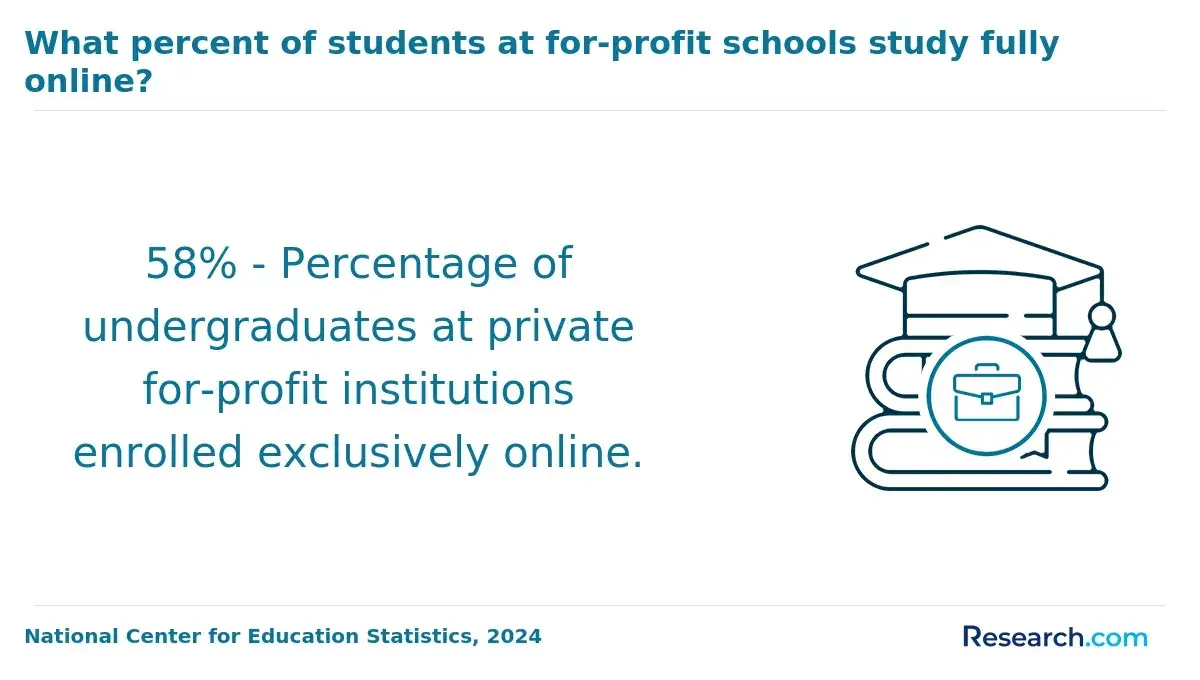
Inventory planners face daily pressure to prevent costly stockouts while avoiding excess holding costs, a balance complicated by volatile demand patterns and global disruptions. As supply chains grow increasingly complex, employers seek professionals adept in replenishment strategies who can adapt quickly to software tools and analytics-driven decision-making. According to the National Center for Education Statistics, enrollment in fully online business and logistics programs increased by nearly 40% between 2021 and 2024, reflecting wider adult learner demand for flexible formats that accommodate work schedules.
This article evaluates the best online supply chain management degrees tailored for inventory planning and replenishment careers, guiding candidates toward programs that align with these operational realities and career goals.
Key Things You Should Know
- Postgraduate online supply chain management degrees average 24 months but risk outdated inventory tools training versus accelerated 12-month tech-integrated programs, impacting immediate workforce readiness per 2024 industry-skills gap analyses.
- Employers prioritize candidates versed in AI-driven demand forecasting, with 63% stating advanced analytics competence outweighs general SCM knowledge, creating job market segmentation favoring specialized program graduates.
- Tuition cost per credit hour varies up to 70% across accredited programs, directly affecting mid-career professionals' ROI and access; public institution degrees often yield 15% higher placement in inventory planning roles.
What is an online supply chain management degree focused on inventory planning and replenishment?
Specializing in inventory planning and replenishment within an online supply chain management degree program demands a nuanced understanding of operational tradeoffs between lean inventory and just-in-time approaches. Industries facing supply volatility-such as pharmaceuticals or perishables-prioritize candidates proficient in balancing stockholding costs against the risk of stockouts.
For example, in electronics retail, a failure to align replenishment precisely with seasonal demand spikes can result in costly excess inventory or lost sales, directly impacting profitability.
The U.S. Bureau of Labor Statistics projects logisticians' employment to grow by 18% from 2024 to 2034, outpacing average occupational growth by over fivefold. This surge is driven by the increasing reliance on advanced supply chain strategies emphasizing real-time inventory control and data-driven forecasting.
Successful programs embed quantitative models and software tools within their curriculum, using case studies to simulate complex inventory challenges faced across sectors.
Students evaluating the best online supply chain management courses in inventory replenishment should focus on programs that integrate robust analytics and practical project experience, as deficits in these areas limit alignment with employer expectations and operational agility. Career changers need immediate proficiency in replenishment cycles and inventory metrics to meet evolving market demands effectively.
Those exploring this path can also review relevant business administration courses online to complement their skill set.
How do online supply chain programs compare with campus options for inventory careers?
Choosing between online supply chain management programs versus traditional campus degrees for inventory careers involves evaluating cost, flexibility, and employer expectations. Online options typically present a significant financial advantage, with average annual tuition under $9,000 according to BestColleges' 2025 data, compared to over $13,000 for state public four-year business programs.
This cost gap is critical in inventory planning and replenishment roles, where employers prioritize demonstrable skills and practical experience above institutional prestige.
Flexibility and career outcomes of supply chain management degrees in inventory planning are notably affected by delivery format. Working professionals benefit from online programs' adaptability, enabling immediate application of demand forecasting and inventory optimization concepts in their current roles.
Conversely, campus programs often provide structured access to hands-on internships and networking in regional logistics hubs, which can accelerate career growth in complex distribution environments.
Employers increasingly recognize accredited online degrees with curricula featuring simulation software and case studies on inventory tracking technologies. Graduates improve competitiveness by supplementing their studies with targeted certifications and relevant job projects.
However, tradeoffs include limited face-to-face mentorship and potential challenges in developing cross-departmental coordination skills frequently honed through group work on campus. Remote learners must also navigate self-directed access to evolving supply chain analytics tools.
Those exploring advancement or pivots in the field should also consider pathways accepting online MBA transfer credits, which can complement supply chain expertise and broaden strategic career options.
Which accreditation and industry standards should online supply chain degrees meet?
Accreditation from recognized bodies such as the Accreditation Council for Business Schools and Programs (ACBSP) or the Association to Advance Collegiate Schools of Business (AACSB) directly affects how online supply chain management degree accreditation standards impact workforce readiness.
Programs aligned with industry benchmarks set by the Council of Supply Chain Management Professionals (CSCMP) or the Institute for Supply Management (ISM) equip graduates with practical skills in areas like predictive analytics and inventory replenishment.
For instance, logistics analyst roles requiring CSCMP-endorsed data coursework signal employer demand for measurable quantitative expertise, with job growth projected at 16.7% and median pay of $82,320 per U.S. Bureau of Labor Statistics data.
Degrees lacking clear alignment with industry-recognized supply chain management certifications for degrees often fall short on current analytical tools or fail to include hands-on experience with inventory management software. This gap reduces employability for positions dependent on data fluency and operational accuracy in inventory planning.
Students should critically evaluate whether programs provide applied case studies or software training necessary to meet job market demands.
In retail versus manufacturing sectors, the emphasis on analytics varies: manufacturing focuses heavily on replenishment analytics to prevent costly stoppages, while retail prioritizes demand forecasting to avoid stock imbalances. Degrees that integrate sector-specific competencies alongside accreditation standards position graduates for more effective career pivots or advancements.
Selection criteria must weigh accreditation status, inclusion of relevant industry certifications, and employment outcomes rather than affiliations or brand alone. Prospective students might also consider an inexpensive online MBA pathways as part of a strategic approach to gaining applicable supply chain knowledge without excessive financial burden.
What types of degrees prepare you for inventory planning and replenishment roles?
Degrees in supply chain management, logistics, industrial engineering, and operations management distinctly prepare candidates for inventory planning and replenishment roles by emphasizing quantitative methods tailored to optimize stock levels in complex distribution settings. A hallmark of these programs is their focus on demand forecasting and replenishment algorithms, equipping graduates to manage end-to-end processes from procurement through delivery across sectors such as retail, manufacturing, and pharmaceuticals.
For professionals evaluating online supply chain management degree programs for inventory planning, practical exposure to enterprise resource planning (ERP) systems and real-time tracking tools is critical, reflecting operational realities like adjusting retail reorder points for seasonal demand or applying just-in-time tactics in manufacturing to minimize waste.
The job market increasingly favors candidates demonstrating quantitative inventory modeling skills combined with strategic oversight. For example, Arizona State University's 2024 career data confirm median salaries near $107,000 for roles like supply chain and distribution center managers, with a projected growth rate of 6.1%, underscoring ongoing demand for domain-specific expertise.
Employers prioritize graduates who balance theoretical knowledge with applied analytics, including interpreting supplier reliability and sales trends to enable agile inventory decisions.
Career trajectories diverge based on whether one pursues purely technical inventory roles or broader leadership paths integrating finance or IT. While supply chain management degrees remain central, interdisciplinary options broaden job prospects without diluting core expertise.
Prospective students should weigh these tradeoffs carefully, particularly those seeking flexible entry options through the easiest MBA pathways as part of their upskilling strategy.
Key factors in selecting the best degrees for supply chain management and replenishment careers include curriculum relevance, hands-on project experience, and alignment with industry software standards, which together enhance employability in a competitive labor market.
What courses and skills are taught in inventory-focused supply chain management programs?
Inventory-focused supply chain management education demands more than theoretical knowledge; it requires practical competency in quantitative forecasting and safety stock optimization tailored to specific industry challenges. For instance, manufacturing emphasizes aligning raw material deliveries with production schedules, whereas retail prioritizes managing omnichannel stock levels through seasonal fluctuations.
Healthcare supply chain curricula tackle critical replenishment scenarios involving perishable or regulated items, where errors can have direct patient safety consequences.
Students become proficient in ERP systems and advanced Excel modeling, equipping them to simulate reorder points and analyze lead-time variability with precision. Beyond technical skills, programs advance cross-functional collaboration and risk assessment, preparing graduates to preempt supply disruptions and adjust strategies dynamically. Scenario-based exercises reflect real-world challenges such as supplier delays or sudden demand surges.
Employers in supply chain sectors increasingly expect candidates to demonstrate experience with platforms like SAP and Oracle SCM Cloud for inventory tracking and automated purchasing, making software familiarity a practical necessity rather than an optional advantage.
Tuition costs vary widely-from approximately $4,000 to over $15,000 annually according to OnlineU's 2026 data-indicating significant disparities in program resources and specialization depth that prospective students should weigh against their career targets.
- Industry-specific curriculum focus affects applicability and job readiness.
- Data-driven decision-making skills are essential for operational adaptability.
- Software proficiency aligns with employer technical demands.
- Cost variations reflect differing access to tools and experiential learning.
What are typical admission requirements for online supply chain management degrees?
Admission criteria for online supply chain management degrees directly affect program outcomes and workforce readiness, balancing academic rigor with practical experience. Most programs require a high school diploma, official transcripts evidencing skills in mathematics, statistics, and business, plus a GPA threshold typically between 2.5 and 3.0.
These quantitative foundations are essential since supply chain roles rely heavily on data analysis and inventory modeling.
Standardized tests like the SAT or ACT are increasingly uncommon for fully online programs but may still apply to hybrid models or traditional institutions. Career changers or working adults often benefit from test waivers if they can document relevant professional experience or prior college coursework.
Letters of recommendation and personal statements remain optional but may differentiate candidates demonstrating operational leadership or familiarity with supply chain workflows.
For example, a logistics coordinator switching fields must verify employment to meet experience requirements that stand in lieu of some academic prerequisites, reflecting employer demands for demonstrable skills in demand forecasting, inventory software, and supplier coordination.
This ensures graduates are immediately valuable in practical settings rather than only academically credentialed.
Data from OnlineU's 2026 return-on-investment estimates confirm that these admission benchmarks correlate with strong financial outcomes, as graduates from accredited online programs average a 10-year ROI exceeding $200,000.
This signifies that admission policies successfully filter for candidates equipped to leverage their education into tangible wage and employment gains, distinguishing online supply chain management from other business disciplines.
How long do online supply chain degrees take and what do they cost?
Time commitment and employer expectations often outweigh program prestige in supply chain management education decisions. For example, in sectors with rapid operational changes like retail, a focused 12-month professional certificate in inventory analytics can yield quicker promotions compared to multi-year degrees.
However, industries such as aerospace demand advanced credentials, where a master's degree signals readiness for strategic leadership despite higher tuition and extended duration.
Duration ranges:
- Certificates and associate degrees typically take 12 months part-time, offering practical skills for immediate use in inventory planning and replenishment roles.
- Bachelor's degrees, spanning 18 to 24 months online with credit transfers, provide comprehensive exposure to analytics and broader supply chain frameworks.
- Master's programs require 18 to 24 months, focusing on predictive optimization methods and leadership preparation.
Cost considerations parallel program complexity:
- Certificates: $1,000-$4,000, aimed at targeted upskilling on specific tools like demand forecasting software.
- Associate degrees: $10,000-$15,000, balancing affordability with foundational knowledge.
- Bachelor's online: $20,000-$60,000, reflecting extensive curriculum aligned with mid-level roles.
- Master's: $25,000-$70,000, justified by advanced analytics and executive focus.
Enrollment data from Coursera's 2026 catalog shows a 40% increase since 2023 in supply chain online course participation, indicating intensified competition and the premium on current credentials. Professionals should weigh the tradeoffs between program length, cost, and intended career path, as shorter certificates might accelerate advancement in operational roles, whereas degrees are often prerequisites for upper management.
What jobs can you get in inventory planning and replenishment with this degree?
A focused degree in supply chain management specializing in inventory planning and replenishment prepares graduates for precise roles such as inventory planner, demand planner, and replenishment analyst, where balancing stock levels directly affects operational efficiency.
For example, an inventory planner at an e-commerce company must align incoming shipments with dynamic sales data to optimize warehouse use and minimize holding costs. Meanwhile, replenishment analysts in manufacturing coordinate supplier schedules to maintain production flow without excessive capital tied in inventory.
Employers prioritize candidates with hands-on skills in inventory management software, data analytics, and demand forecasting models-competencies embedded in rigorous online programs. Notably, more than 60% of supply chain management online students maintain full-time employment during their studies, emphasizing the pathway's accommodation for working professionals pursuing inventory-specific roles without sacrificing current jobs.
Practical challenges include synchronizing inventory cycles amid volatile market demands and integrating real-time data across procurement, logistics, and sales functions. Success requires cross-functional communication skills to avoid stockouts while controlling costs.
Entry-level salaries for inventory planning typically range from $50,000 to $65,000 annually, with mid-career potential surpassing $85,000, highlighting the value organizations place on data-driven inventory control to sustain competitive advantage.
This degree equips graduates to manage critical operational processes that ensure inventory accuracy and responsiveness, leveraging strategic coordination to improve overall supply chain performance.
What is the salary potential and job outlook for inventory planning professionals?
Inventory planning roles now demand a nuanced blend of domain knowledge and technical fluency, driven by significant AI integration in supply chains. Median salaries range from $75,000 to $95,000 annually, with senior positions exceeding $120,000, reflecting the premium placed on expertise that combines traditional forecasting and emerging technology skills.
The U.S. Bureau of Labor Statistics projects a 10% growth in supply chain-related jobs by 2032, fueled largely by e-commerce growth and global logistics complexity.
Professionals must navigate a shifting landscape where AI and automation replace manual tracking, pushing planners toward strategic oversight of sophisticated tools. For instance, retail inventory planners dynamically adjust stock using AI-generated demand signals, reducing inefficiencies like overstock or shortages. In manufacturing, predictive algorithms synchronize material replenishment with production, minimizing costly downtime.
Key workforce implications include the necessity for continuous upskilling in advanced inventory management software, cloud platforms, and data visualization. Employers increasingly expect candidates who can interpret AI-derived data and apply insights pragmatically to supply decisions.
This trend favors individuals who balance hands-on operational experience with an understanding of AI model impacts, a critical factor influencing salary and job stability.
Decision-makers evaluating the field must weigh the tradeoffs between deep technical skills and traditional supply chain expertise, considering the rapid pace at which AI technologies evolve.
- Median annual salary: $75,000 to $95,000; senior roles above $120,000
- 10% projected job growth by 2032 per U.S. Bureau of Labor Statistics
- Global AI supply chain technology spending to exceed $20 billion by 2027
- Emphasis on continuous learning of AI tools, cloud platforms, and real-time tracking
How can you choose a reputable online program for inventory-focused supply chain careers?
Programs oriented toward inventory management that allocate 30-50% of coursework to analytics, logistics, and operations planning directly address employer requirements for data-driven decisions. This balance is not arbitrary; hiring managers increasingly rely on graduates familiar with predictive replenishment strategies to reduce stockouts and carrying costs.
Without this core focus, candidates risk entering the workforce with outdated theoretical knowledge that fails to support real-time inventory challenges.
Accreditation by recognized agencies like AACSB or ABET remains a minimum quality benchmark, but its practical value hinges on curriculum integration of tools such as ERP or inventory management software. For example, retail supply chains depend heavily on software proficiency to align ordering cycles and supplier communications; absence of such practice creates a tangible skills gap.
Experiential learning through case studies or partnerships simulating real-world demand fluctuations can significantly flatten the learning curve post-hire. Flexible online formats accommodating both synchronous and asynchronous engagement are essential for working professionals balancing career and study commitments without losing networking opportunities important for career pivots.
Graduate employment rates in inventory and replenishment roles serve as a critical indicator of program efficacy. Transparent reporting on these outcomes denotes alignment with employer expectations and enhances informed decision-making among prospective students weighing tuition investments against potential career returns.
- Confirm analytics and logistics coursework ratio aligns with SupplyChainGuide's 2025 findings.
- Check accreditation status and software integration in curriculum.
- Evaluate experiential learning opportunities and flexible program delivery.
- Review graduate employment data focused on inventory roles.
- Consider costs relative to career advancement potential and financial aid.
Other Things You Should Know About Supply Chain Management
A degree provides essential theoretical knowledge but rarely suffices alone for inventory planning roles. Employers prioritize candidates with practical experience in demand forecasting, ERP systems, and replenishment processes. Seek programs offering internships, case studies, or simulation projects that mirror real-world inventory challenges to increase hiring competitiveness.
Working professionals must choose programs with flexible pacing and asynchronous content to manage workload effectively. Programs demanding synchronous participation or complex group projects can conflict with shift schedules or travel. Prioritize online degrees specifically designed for adult learners with modular coursework to maintain performance both professionally and academically.
Online supply chain management degrees in 2027 offer flexible learning schedules, access to cutting-edge technology, and industry-relevant curriculum. These programs help build foundational skills in data analysis, logistics, and strategic planning, which are crucial for inventory planning and replenishment careers.
Programs emphasizing data analytics, technology integration, and strategic decision-making better prepare students for evolving supply chain roles. Degrees focused solely on basic inventory techniques risk obsolescence as companies adopt automation and AI tools. Prioritize programs that blend quantitative skills with emerging tech to align with future employer expectations and leadership pathways.
References
- Inventory Planning Analyst in Warrington, Cheshire, United Kingdom | Operations & Engineering at New Balance https://jobs.newbalance.com/global/en/job/R39294/Inventory-Planning-Analyst
- Supply Chain Certification | Supply Chain Professional Certification https://www.oxfordhomestudy.com/OHSC-Blog/supply-chain-certification
- Best Supply Chain Management Software in 2025-2026: Actual List https://diceus.com/best-supply-chain-management-software/
- MS in Supply Chain Management Admissions Requirements | MSU Online https://www.michiganstateuniversityonline.com/programs/degrees/ms-supply-chain-management/admissions-requirements/
- How to Become a Supply Chain Manager: Degree & Steps Required https://www.bschools.org/faq/how-to-become-a-supply-chain-manager
- Top 10 Best Supply Chain Management Courses List https://zoetalentsolutions.com/top-10-best-supply-chain-management-courses-list/
- 10 supply chain and inventory management apps https://www.eazystock.com/blog/10-supply-chain-inventory-applications/
- Supply Chain Management Salary and Career Outlook https://teach.com/online-ed/business-degrees/online-masters-supply-chain-management/salary-and-career-outlook/
- CourseCareers https://coursecareers.com/blog-posts/how-to-choose-the-best-supply-chain-course
- 21 Best Online Logistics Bachelor's Degrees of 2025 https://www.supplychainguide.org/degrees/online-bachelors-in-logistics/