2027 Online Supply Chain Management Degrees With Strong Sourcing and Purchasing Training

Co-Founder and Chief Data Scientist
Facing persistent disruptions in global sourcing strategies, supply chain professionals struggle to align purchasing decisions with rapidly evolving market demands and volatile supplier landscapes. The urgency to master robust procurement techniques grows as 70% of mid-career adults in higher education now prefer flexible online programs, according to the National Center for Education Statistics, signaling a clear shift toward accessible, career-compatible learning paths.
This reflects broader workforce demands for agile skills acquisition without sacrificing employment. For anyone weighing the timing and structure of their education to leverage sourcing expertise effectively, identifying degrees that balance rigorous purchasing training with adaptable online delivery shapes their competitive edge.
This article analyzes current online supply chain management degree options focused on sourcing and purchasing, offering a clear guide to navigate educational choices aligned with real-world career goals and operational challenges.
Key Things You Should Know
- Programs emphasizing sourcing and purchasing often extend time-to-completion by 20% on average due to intensive supplier negotiation training, challenging students balancing work and education, per NCES 2024 data.
- Employer demand for candidates with advanced procurement analytics skills rose 35% in 2024, signaling a premium on SCM graduates who combine sourcing expertise with data literacy, altering hiring filters significantly.
- Tradeoff: institutions focusing heavily on sourcing modules report 15% lower overall student employability in logistics roles lacking broad SCM exposure, indicating strategic specialization risks in volatile markets.
What is an online supply chain management degree with a focus on sourcing and purchasing?
Online supply chain management degrees with sourcing and purchasing specialization concentrate on developing skills required to manage supplier relations, negotiate contracts, and optimize procurement. These programs prioritize cost efficiency, quality control, and timely delivery but trade off broader logistics execution emphasis for advanced strategic sourcing capabilities. Graduates must navigate supplier risk and market analysis to support purchasing strategies aligned with real-world constraints.
Distance learning supply chain management programs focused on procurement and sourcing prepare professionals for roles, such as procurement agents, inventory analysts, and supply chain analysts, with actionable skills in contract management and supplier evaluation.
For example, manufacturing sourcing specialists balance cost negotiations with supplier reliability to avoid production disruptions, while retail professionals manage vendor relations to align inventory with seasonal demand, impacting sales outcomes.
Regulatory compliance knowledge—including ethical sourcing and global trade restrictions—is often integral, along with fluency in procurement technologies like ERP and e-procurement platforms. The online format provides flexibility but demands disciplined time management to engage deeply with case studies and procurement software simulations.
Investing in such a specialization enhances analytical and applied sourcing skills tuned to documented labor market demands. Prospective students exploring accelerated options might also consider a fast track MBA 6 months online for complementary strategic business training.
How do online supply chain management programs compare with campus options for purchasing training?
Online supply chain management programs with focused procurement tracks now rival campus purchasing training by emphasizing discrete sourcing competencies essential to many employers. For instance, Oregon State's online Supply Chain Logistics Management and Procurement program equips learners with targeted skills in supplier negotiations and contract management—elements often underrepresented in broader supply chain curricula. This specificity reflects a practical need for procurement specialists who can navigate data-driven sourcing decisions effectively.
Comparing purchasing and sourcing training in supply chain management degrees reveals critical operational differences. Campus programs typically deliver face-to-face networking and direct inventory system experience, which suits manufacturing procurement roles requiring physical handling.
In contrast, online formats integrate advanced simulations and virtual case studies to replicate such environments for sectors like technology sourcing, where digital tools dominate workflow. This divergence affects the scope and application of learning depending on sector and role.
Workforce data shows a 12% annual growth in demand for procurement specialists proficient in analytics and strategic sourcing, highlighting the value of programs accommodating working professionals to upskill without leaving their jobs.
Campus learners face practical barriers such as relocation or inflexible schedules, which may delay entry or progression in the workforce. Online programs provide crucial flexibility for those targeting rapid reskilling or career pivots.
Outcomes indicate graduates from online procurement-focused programs perform comparably in supplier relationship management within 18 months when internships or project experience is accessible.
Ultimately, selecting between online or campus options for online supply chain management programs vs. campus purchasing training hinges less on delivery mode than on targeted industry demands and real-world experience access.
Prospective students can explore top options through resources like the top online MBA programs for deeper insights.
Which accreditations should online supply chain management degrees have for credibility with employers?
Accreditation remains the single most decisive factor employers consider when evaluating candidates with online supply chain management degrees, especially for sourcing and purchasing roles. Programs accredited by bodies like AACSB or ACBSP align curriculum rigor with industry expectations, ensuring graduates exhibit competency in procurement, contract negotiation, and supplier risk evaluation.
For example, a manufacturing purchasing manager prioritizes candidates from accredited programs due to their demonstrable grasp of supplier evaluation metrics and risk mitigation strategies embedded in such curricula. Degrees lacking recognized accreditation often prompt skepticism about the depth of training and practical readiness, limiting competitive positioning in dynamic supply chain environments.
Admissions criteria also serve as a proxy for program quality and graduate preparedness. The University of Kentucky's online M.S. in Supply Chain Management exemplifies selective standards by requiring a minimum undergraduate GPA of 2.75 and a graduate GPA of 3.00.
Less stringent or opaque admissions processes tend to produce graduates less equipped to handle complex sourcing challenges like multinational supplier coordination or compliance oversight.
When targeting roles in sourcing and purchasing, candidates should prioritize programs with endorsements from specialized organizations such as the Institute for Supply Management (ISM) or the Council of Supply Chain Management Professionals (CSCMP) to enhance employer trust and practical relevance. Verifying that these accreditations align with industry hiring patterns is crucial for long-term career mobility.
For those comparing options in advanced business education, resources on the shortest online MBA programs can also inform accelerated pathways complementary to supply chain specializations.
Overall, the best accredited online supply chain management programs for sourcing and purchasing meld academic rigor, selective admissions, and industry-recognized credentials that translate into tangible workforce competencies.
What sourcing and purchasing courses are typically included in online supply chain management curricula?
Programs offering online supply chain management sourcing and purchasing courses prioritize analytical rigor aligned with employer needs, especially in strategic supplier selection and contract negotiation. For example, manufacturing settings demand purchasing managers proficient in total cost of ownership assessments to balance price, quality, and delivery reliability—skills central to procurement analytics training.
Typical sourcing and procurement training in supply chain management programs often includes spend analysis with data-driven tools, as seen in the 36-credit STEM-designated M.S. in Supply Chain Management at UT Dallas. This is crucial for professionals leveraging predictive analytics and AI-driven sourcing platforms.
Students must navigate tradeoffs such as securing volume discounts while preserving supplier diversity, a challenge critical to sectors like retail that balance cost reduction and sustainable sourcing.
Practical training frequently features simulations on supplier negotiation and contract lifecycle management, essential for adapting in volatile commodity markets. Risk assessment components cover geopolitical disruptions and supply chain shocks, underscoring the need for agility in managing global supplier networks.
Sector-specific coursework differentiates category management strategies, as pharmaceutical sourcing hinges on regulatory compliance, contrasting with the rapid innovation cycles influencing technology firms. This flexibility ensures graduates develop transferable skills tailored to nuanced sourcing challenges.
Prospective students evaluating programs should consider the integration of quantitative methods and real-world case studies, meeting employer demand for immediate application of analytical sourcing strategies to maintain supply continuity amid evolving market conditions.
For insights on related fields, consider typical offerings of the best online construction management degree.
What admission requirements and prior experience do online supply chain management programs expect?
Supply chain management education increasingly filters candidates through practical gatekeeping aligned with evolving industry shortfalls. Graduate tracks generally require a bachelor's degree, often demanding prior coursework in business or logistics, while undergraduate routes set baseline expectations at a high school diploma or GED with math and English competency. Standardized testing remains common but is progressively optional, shifting greater emphasis onto demonstrated work experience.
This significantly affects applicants targeting sourcing or purchasing roles, where one to two years of procurement, vendor relations, or inventory management experience can determine entry. Those without industry exposure face steeper demands, frequently needing bridge courses covering foundational theories before advancing.
For example, a professional transitioning from unrelated sectors must allocate extra effort to internalize supplier negotiation principles and contract mechanisms, which seasoned manufacturing or retail procurement specialists grasp faster.
Applicants must confirm technology prerequisites, especially in ERP systems like SAP or Oracle, alongside essential data analytics tools. Gaps here typically require remedial coursework or self-led study before matriculation. Moreover, many programs mandate statements of purpose that clarify career objectives, a critical factor when purchasing-focused curricula seek alignment with targeted professional trajectories.
As the 2024 MHI Annual Industry Report highlights, talent shortages elevate competition, privileging candidates whose profiles demonstrate quantifiable experience or explicit skill-building plans. This ultimately favors strategic candidates prepared to bridge gaps promptly rather than those relying solely on credential accumulation.
How long do online supply chain management degrees take and what do they cost?
The duration and cost of online supply chain management degrees vary significantly, influencing both educational outcomes and labor market positioning.
Associate programs typically require around two years, while bachelor's degrees usually span three to four years full-time; accelerated options can compress this to approximately two and a half years but may reduce opportunities for hands-on learning in sourcing and purchasing—competencies highly sought by employers in manufacturing and logistics sectors.
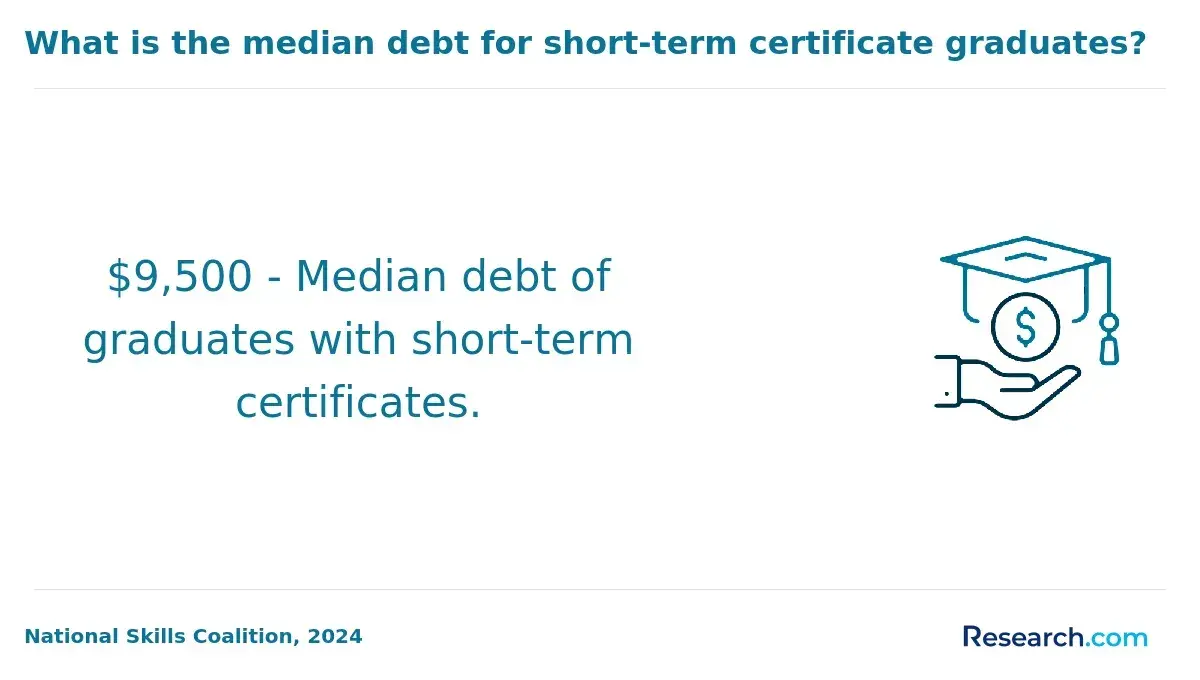
Graduate-level certificates and master's degrees often take one to two years but entail higher tuition, frequently between $20,000 and $50,000.
Cost considerations extend beyond tuition, especially at private institutions where bachelor's degrees can exceed $60,000. Additional expenses for specialized software, certifications, textbooks, and technology support add to the financial burden, particularly in programs with integrated supply chain sourcing components.
Critical workforce implications emerge from these tradeoffs. A logistics analyst role growing at 16.7% annually with a median salary near $82,320, as reported by ASU Online, demands not only foundational supply chain knowledge but also proficiency in cost analysis and supplier negotiations.
Graduates with robust curricula in sourcing analytics tend to experience smoother transitions into such roles. Conversely, expedited programs risk insufficient practical exposure, potentially delaying salary escalation and career advancement.
What careers can a supply chain management degree with sourcing and purchasing training lead to?
Specializing in sourcing and purchasing within a supply chain management degree directly prepares graduates for operationally critical roles such as procurement management and vendor relations. These positions demand expertise beyond general business knowledge—specifically in negotiating supplier contracts, balancing cost savings with supplier reliability, and mitigating risks that could disrupt production.
For example, a procurement manager at a manufacturing firm must carefully align supplier performance to production schedules to avoid costly interruptions, a challenge often underestimated in broader business curricula.
Positions like supply chain analyst or logistics coordinator leverage sourcing skills to improve demand forecasting and inventory control. This specialty is particularly relevant in sectors like retail or healthcare, where fluctuating supply and regulatory requirements significantly complicate vendor management.
Arkansas State's online global supply chain management bachelor's degree, spanning 120 credit hours, represents a comprehensive credential that integrates advanced procurement strategies, contract law, and supplier diversity. Employers value this depth as it prepares candidates for roles beyond entry-level, including director-level sourcing and consultancy centered on cost containment and innovation.
That said, candidates must complement academic knowledge with practical experience, such as internships or certifications in supply chain software and sustainable sourcing. Analytical skills and software proficiency (ERP, spend analysis) are prerequisites, and cross-cultural negotiation abilities become increasingly essential as supply chains globalize, creating a nontrivial barrier for those lacking hands-on exposure.
What salaries can sourcing and purchasing specialists with supply chain degrees expect?
Sourcing and purchasing specialists with supply chain degrees typically start with salaries near $56,339 in their first three years, gradually approaching an average annual salary of about $59,250. These figures vary by industry and reflect the tangible impact a professional can deliver.
For instance, a purchasing specialist in manufacturing often focuses on vendor management and contract negotiations, with salary growth tied directly to demonstrated cost reductions or efficiency gains. In contrast, retail sourcing roles emphasize product availability and supply continuity, where improvements can translate into higher revenues and faster wage increases.
Employers expect more than technical supply chain knowledge; they value negotiation acumen and data analysis, particularly skills applied to e-procurement, spend analytics, or risk management. Those who build expertise in these areas tend to surpass average salary benchmarks.
Conversely, roles near the lower pay range often involve routine transactional tasks or are situated in lower-cost-of-living regions, with limited strategic input.
Advancing beyond average salaries usually requires augmented credentials such as certifications or advanced degrees paired with measurable results like process automation or supplier quality improvements. Workers making a career pivot should anticipate incremental growth connected to clear business outcomes rather than rapid jumps merely from academic qualifications.
What professional certifications align with sourcing and purchasing in supply chain management?
Credentials like Certified Professional in Supply Management (CPSM) and Certified Supply Chain Professional (CSCP) represent targeted choices rather than interchangeable certifications, reflecting divergent operational demands within supply chain roles. CPSM, issued by the Institute for Supply Management, concentrates on procurement strategy, supplier relationships, and contract negotiations, prioritizing cost efficiency and supplier sourcing.
Conversely, CSCP by APICS encompasses broader supply chain processes, integrating sourcing principles essential for coordinating purchasing within end-to-end supply chains.
Project Management Professional (PMP) certification adds complementary skills, empowering professionals to oversee supplier-driven projects, schedule adherence, and risk control—an increasingly vital capability in sectors like aerospace, where vendor timelines dictate production flows.
For roles in government or defense procurement, certifications such as Certified Federal Contract Manager (CFCM) and Certified Professional Public Buyer (CPPB) hold practical weight by verifying mastery of compliance with complex public-sector purchasing regulations, often a prerequisite for these specialized positions.
Employers explicitly value these credentials for the measurable expertise they represent in cost controls, contract law, and supplier evaluation metrics. For instance, a 2025 BBA degrees roundup reported a 90% placement rate for supply chain management graduates, underscoring demand for qualifications that deliver tangible sourcing competencies.
Prospective candidates must align certification choice with industry context: CPSM caters predominately to commercial sourcing environments, whereas CFCM addresses government contract frameworks. Given the experience prerequisites, timing education to coincide with career stage is critical to optimizing return on investment.
How can students evaluate and choose the best online supply chain program for sourcing and purchasing?
Programs focusing on sourcing and purchasing must move beyond broad supply chain themes to deliver targeted skills suited to distinct industry demands. Sectors like manufacturing prioritize cost optimization and regulatory compliance, while retail supply chains emphasize agility in vendor negotiation and demand forecasting.
Choosing a curriculum that integrates procurement analytics and contract management as core elements ensures students gain actionable expertise rather than superficial exposure.
Graduate outcomes provide a critical metric: programs demonstrating significant salary increases post-completion, such as the $12,214 average boost reported by Western Governors University business alumni, reflect employer recognition and economic value. Such data helps balance tuition costs against potential return, focusing decisions on tangible career impact.
Tradeoffs in program delivery-between asynchronous flexibility and synchronous cohort interaction-shape networking opportunities vital for complex purchaser roles involving stakeholder coordination. For example, aerospace sourcing often requires mentorship and peer collaboration that asynchronous formats may limit.
Faculty with direct procurement leadership and strong industry links enhance employability through internships and practical projects, a necessary consideration often overlooked in favor of convenience or brand name.
Likewise, proficiency in ERP platforms like SAP Ariba or Oracle Procurement Cloud remains essential for competitiveness across most sectors, directly influencing placement prospects.
Other Things You Should Know About Supply Chain Management
Work experience significantly impacts how students engage with sourcing and purchasing coursework in supply chain management. Programs often expect foundational business knowledge, so candidates without relevant experience may struggle with advanced procurement strategies and negotiation simulations. Prior experience enables students to translate theory into actionable insights and improves their ability to contribute in practical assignments and internships. Candidates lacking work history should prioritize programs offering applied projects or mentorship opportunities to bridge this gap effectively.
The ratio of theory to applied learning varies widely, affecting readiness for real-world sourcing roles. Programs heavy on theory may leave students underprepared for tactical purchasing decisions, vendor management, or cost analysis in dynamic environments. Conversely, those focusing on practical skills such as contract negotiation and supplier evaluation better align with employer expectations but might lack depth in supply chain modeling. Prospective students should prioritize curriculum transparency and seek programs with simulation labs or industry partnerships that emphasize hands-on sourcing challenges.
The intensive nature of sourcing and purchasing training often involves complex case studies and group projects requiring significant time commitment. Working professionals face real tradeoffs balancing course demands with job responsibilities, especially in programs with synchronous sessions or tight deadlines. To minimize conflict, students should assess course pacing, flexibility, and access to asynchronous materials before enrollment. Opting for programs with self-paced modules and clear milestone timelines supports effective workload management and sustained performance.
References
- Top 4 Supply Chain Certifications to Boost Your Career - MANCOSA https://www.mancosa.co.za/blog/top-4-supply-chain-certifications-to-boost-your-career/
- CourseCareers https://coursecareers.com/blog-posts/supply-chain-degree-vs-apics-certification-vs-online-training
- Careers in Supply Chain & Procurement | Distinct https://www.distinctrecruitment.com/uk/resources/blog/careers-in-supply-chain-procurement/
- Online vs. On-Campus: Choosing the Right Format for Your Supply Chain Degree https://www.ucumberlands.edu/blog/online-vs-on-campus-choose-your-supply-chain-degree-format
- What qualifications do I need for supply chain management courses? https://zabeelinstitute.ae/blog/what-qualifications-do-i-need-for-supply-chain-management-courses/
- How to Become a Supply Chain Manager https://www.allbusinessschools.com/specialties/how-to-become-a-supply-chain-manager/
- Procurement vs Supply Chain Management: What’s the Difference? https://www.procurify.com/blog/difference-procurement-supply-chain-management/
- Top Supply Chain Management Certifications to Boost Your Career - HUBBIG https://hubbig.com/en/top-supply-chain-management-certifications-to-boost-your-career/
- OUR CASE AGAINST THE INTERNATIONAL PROCUREMENT AND SUPPLY MANAGEMENT INST https://www.ipscmi.org/
- Best Supply Chain Courses & Certifications In 2025 https://abcsupplychain.com/supply-chain-course-certification/