2027 Best Online Bachelor's in Supply Chain Management With Career-Focused Supply Chain Projects

Co-Founder and Chief Data Scientist
Mid-career professionals in supply chain management often confront a critical obstacle: securing a bachelor's degree program that balances rigorous, career-relevant projects with the flexibility to juggle demanding work schedules. With over 40% of undergraduate enrollments now online, according to the National Center for Education Statistics 2024 report, this shift reflects a deeper need for accessible, workforce-compatible education that aligns with evolving industry demands.
Many programs either lack practical project integration or rigidly limit part-time study, undermining career advancement potential. This article evaluates the best online bachelor's degrees in supply chain management offering robust, career-focused projects designed to optimize professional growth without sacrificing schedule adaptability.
Key Things You Should Know
- Supply chain management bachelor's programs embedding career-focused projects see 18% higher graduate placement rates in logistics roles, per 2024 Bureau of Labor Statistics, but curricula emphasizing project simulation over live internships limit real-world negotiation skill development.
- Employers prioritize graduates with hands-on experience in AI-driven forecasting tools, reported by Gartner's 2024 supply chain workforce survey, pressuring programs to integrate advanced analytics despite uneven faculty expertise and technology access.
- Average program costs rose 7.3% from 2023 to 2024 per NCES data, disproportionately affecting mid-career students balancing upskilling timing against income loss, complicating strategic pivots into supply chain roles requiring immediate ROI.
What is an online bachelor's in supply chain management and who is it best for?
An online bachelor's in supply chain management programs are designed primarily for professionals seeking a strategic career pivot or enhancement within fast-growing logistics and operations roles without sacrificing current job commitments or geographic constraints.
These degrees focus on practical competencies such as demand forecasting, transportation optimization, and supplier management, directly aligning academic training with employer expectations.
Consider a logistics coordinator aiming to advance into a senior supply chain analyst position: targeted coursework in data analytics and strategic sourcing provides necessary technical expertise and project-based experience. Similarly, manufacturing planners benefit from hands-on supplier network management projects integral to these degrees.
Workforce demand reflects this need-employment for logisticians is projected to grow 18% between 2022 and 2032, significantly outpacing average occupational growth and yielding about 21,800 annual openings.
However, the limitations of online study-such as fewer in-person interactions and the need for disciplined time management-are real challenges. Selecting degree programs that embed career-focused projects can offset these drawbacks and bolster practical problem-solving skills, increasingly valued by employers alongside formal credentials.
Effective candidates show quantitative aptitude and proficiency with digital tools like ERP systems, AI forecasting, and blockchain tracking platforms. Absent genuine engagement in these areas, graduates risk diminished competitiveness. Those comparing interdisciplinary options might also review the best MBA for entrepreneurship for alternative advancement pathways.
Overall, bachelor's in supply chain management degree benefits depend heavily on aligning curricular rigor and applied experience with evolving employer priorities and realistic student constraints.
How do online supply chain bachelor's programs compare to on-campus degrees in quality and outcomes?
Choosing between on-campus and online supply chain bachelor's degrees entails tangible tradeoffs shaped by employer preferences and practical demands. Industry hiring often favors candidates with hands-on internship experience tied to physical locations, critical in manufacturing logistics and operations needing real-time problem solving.
Meanwhile, degrees emphasizing virtual projects and analytics remain highly relevant for remote or digital supply chain roles. This differentiation significantly influences career outcomes of on-campus vs online supply chain programs.
Financially, online options present notable advantages. BestColleges data show average annual online tuition for business management majors, including supply chain, was $10,473 in 2019-2020, substantially lower than on-campus costs. This cost gap enables working professionals to pursue strategic pivots without relocating or accruing heavy debt, although online learners must proactively cultivate virtual networking skills to counterbalance reduced face-to-face interaction.
Important decision factors include:
- Availability of industry-specific internships linked to campus location versus virtual project work
- Access to specialized simulation labs and warehouse technology on-site
- Employer regional preferences and requirements for traditional degrees in entry roles
- Flexibility to manage work and study through online scheduling
Prospective students seeking depth in practical experience or on-site mentorship might favor campus-based programs, while those targeting analytics or remote roles can achieve comparable academic rigor and skill acquisition online.
For those evaluating affordable business-related alternatives, exploring MBA programs under 30k can provide additional pathways aligned with evolving career goals.
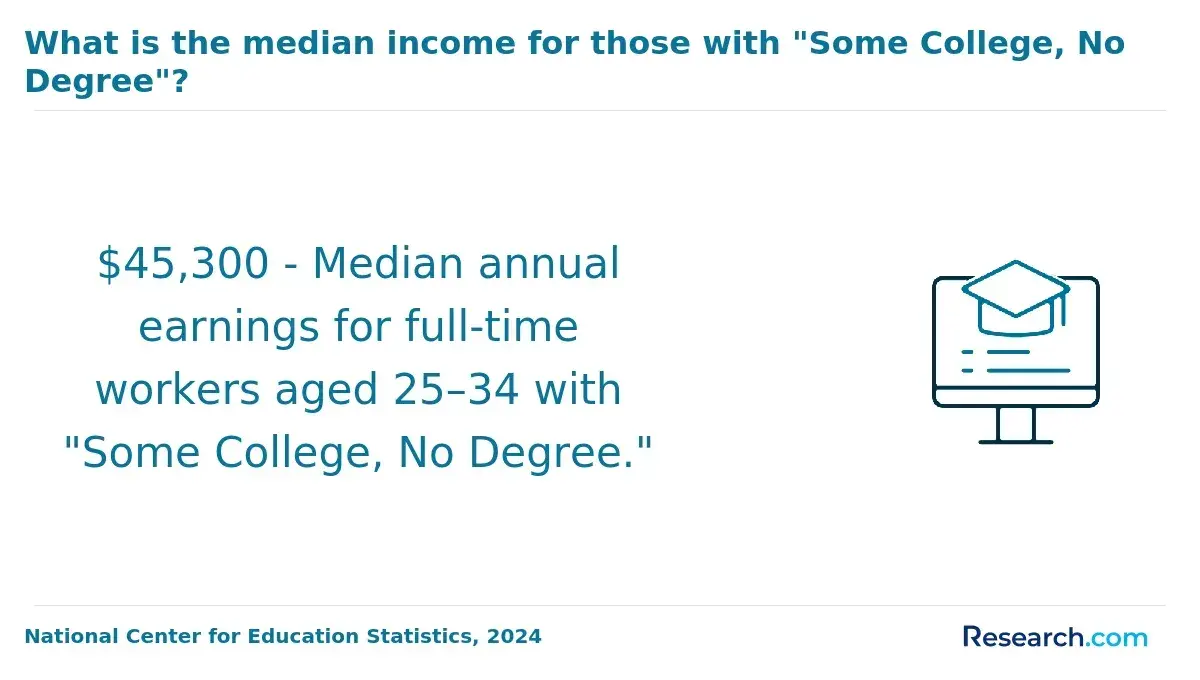
Which accredited schools offer the best online bachelor's in supply chain management?
Employers in logistics and procurement sectors often prioritize candidates with demonstrated applied skills over purely theoretical knowledge, making program choice critical for those pursuing the best accredited online bachelor's in supply chain management programs. Practical integration of software tools like SAP or Oracle SCM Cloud and real-world problem-solving projects are differentiators rather than generic curricula.
For example, Arizona State University's model includes partnerships with Fortune 500 companies, providing direct exposure to logistics challenges in manufacturing and retail, while the University of Wisconsin-Milwaukee requires capstone projects simulating distribution network complexities common in warehouse management roles.
These top online universities for supply chain management bachelor's degrees maintain rigorous standards through regional accreditation combined with business accreditations such as AACSB or ACBSP, ensuring credits are transferable and degrees are respected by employers.
Flexibility is another operational consideration; programs supporting part-time enrollment and manageable synchronous sessions allow working professionals to upgrade skills without career disruption.
Graduates' ability to participate in virtual internships or collaborative projects with industry partners enhances immediate job placement potential. Current workforce data from Forbes Advisor, referencing the 2023 Bureau of Labor Statistics, confirms supply chain managers earn a median salary of $105,580, reflecting the field's robust demand.
For those weighing budget constraints, evaluating options like an online MBA under 10k may offer complementary pathways to strategic career expansion.
What courses and supply chain projects can you expect in an online bachelor's curriculum?
Online bachelor's supply chain management courses with hands-on projects emphasize the necessity of integrating quantitative analytics with managerial decision-making to meet employer expectations. Over 70% of such programs are AACSB-accredited, signaling a rigorous business foundation alongside supply chain expertise.
The curriculum's practical components equip students to address realistic challenges such as procurement under volatile markets, inventory control balancing costs and shortages, and designing efficient distribution networks.
Career-focused supply chain management projects in bachelor's programs develop skills in industry-standard tools like ERP software and advanced Excel modeling. These assignments simulate operational problems-ranging from capacity planning in manufacturing to omnichannel fulfillment in retail-that sharpen critical thinking and decision-making competencies directly applicable to hiring criteria.
Students must navigate complex scenarios requiring time management and technical proficiency to analyze data predictive of workflow bottlenecks and compliance requirements, particularly in global supply chains. Graduates proficient in both business acumen and technical capabilities position themselves favorably for roles demanding adaptability and cross-functional insight.
For those evaluating accelerated educational pathways to pivot or advance in supply chain roles, options to fast-track degree completion, in conjunction with project management skills, are increasingly relevant. One recommended resource is the fast track project management degree online.
How long does an online bachelor's in supply chain management take and what does it cost?
Completing an online bachelor's in supply chain management demands balancing time, cost, and specialization relevance against immediate and future employment outcomes. While the traditional full-time track spans four years, accelerated programs can reduce this to three years with continuous enrollment. Part-time study, preferred by working professionals switching fields, often extends to five or six years and impacts overall tuition costs.
Public universities typically charge between $8,000 and $20,000 annually for in-state students, whereas out-of-state and private institutions may push total degree expenses beyond $40,000.
Choosing between these options requires evaluating real-world tradeoffs such as:
- Accelerated programs favor those already in logistics roles seeking to quickly leverage existing experience.
- Part-time study suits career changers prioritizing manageable workloads over speed.
- Specializations in logistics, procurement, or operations-present in over 60% of programs-can extend completion time due to additional coursework but also align more closely with employer expectations for specialized roles.
Additionally, practical projects often vary by track, with procurement-focused students encountering vendor management challenges, while operations candidates engage more with process optimization and ERP tools. This nuance influences both the program's time-to-completion and the depth of applicable skills.
Prospective students should rigorously assess credit-hour costs relative to specialization value and personal career timelines. Overlooking these factors often leads to protracted degrees or underperforming investments in tuition, which dilute the return on investment essential for advancing in today's competitive supply chain workforce.
What are the admission requirements for online supply chain management bachelor's programs?
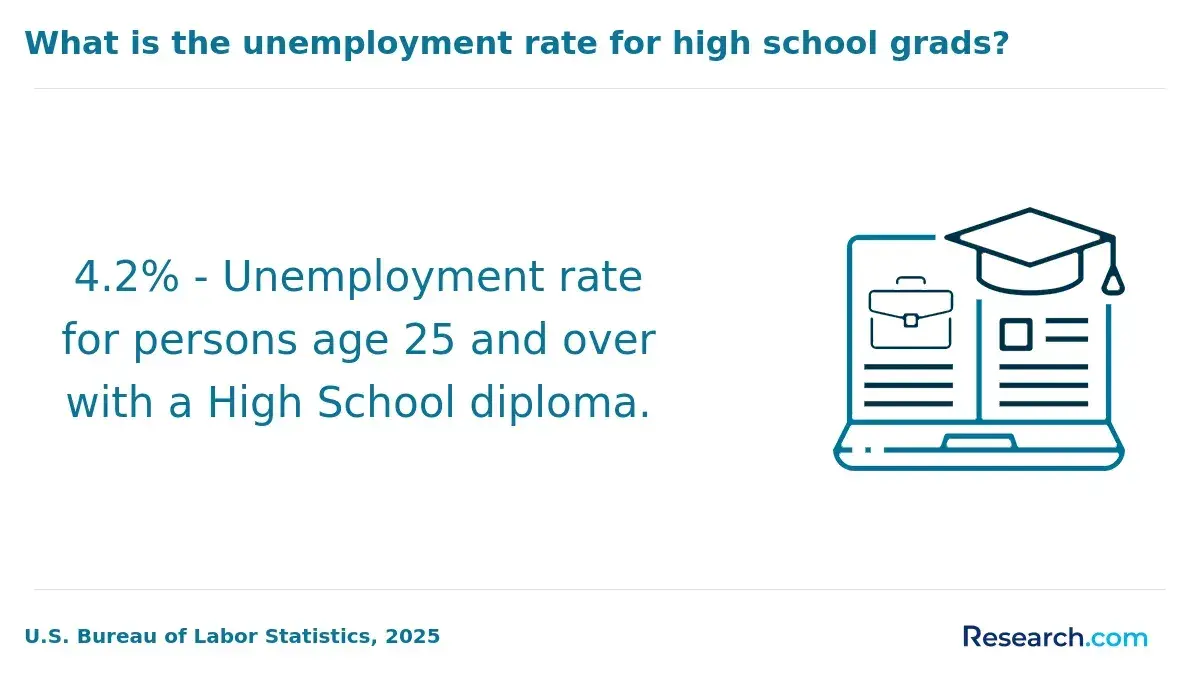
Bachelor's programs in supply chain management often require more than just meeting baseline academic qualifications. While a high school diploma or equivalent is standard, successful applicants usually must demonstrate strength in math, English, and relevant business coursework to handle the analytical demands typical of the field.
Programs increasingly value practical work experience, especially in logistics or operations, since real-world exposure better prepares students for career-focused projects that mimic actual supply chain challenges.
Notably, over half of top-ranked online programs have moved to test-optional admissions for the SAT or ACT, acknowledging that traditional standardized exams may not reflect the capabilities of working professionals or non-traditional students who are likely to succeed in applied settings.
Applicants also face nuanced documentation requirements, including a personal statement that connects their career goals to specific supply chain sectors such as manufacturing or healthcare, as well as letters of recommendation attesting to professional maturity. Managing these elements within often tight deadlines can pose logistical challenges that require early planning.
For displaced workers or those pivoting careers, selecting programs offering flexible start dates and credit for prior credentials (for example, APICS/ASCM certifications) can significantly shorten the path to degree completion. Employers in supply chain roles generally expect such credentials to align with competency benchmarks, emphasizing practical readiness over purely academic credentials.
How can you verify accreditation and avoid diploma mills in online supply chain programs?
Choosing a supply chain management program without verified accreditation can diminish both the academic and economic value of the credential, especially for professionals shifting from operational roles to management. Employers commonly scrutinize whether programs hold accreditation from recognized regional bodies or specialized agencies such as AACSB, which validates business-related degrees for rigor and industry alignment.
Data indicates graduates of AACSB-accredited SCM programs generate a 10-year return on investment exceeding $400,000 over those with only a high school diploma, reflecting significant long-term gain.
Candidates should confirm institutional listing on authoritative resources like the U.S. Department of Education's Database of Accredited Postsecondary Institutions and Programs or the Council for Higher Education Accreditation's directory. Absence here often signals certificates lacking recognition for professional certifications or tuition reimbursement benefits.
Beware of supply chain programs demanding full upfront payment without clear credit transfer policies or detailed, transparent course outcomes. Legitimate degrees provide comprehensive curriculum details, faculty qualifications, and student support relevant to practical competencies. For instance, logistics workers pursuing management roles need assurance that their degree supports career mobility and is recognized by employers.
Ask institutions about partnerships with industry stakeholders and integration of real-world supply chain projects. Combining verified accreditation with inquiry into program content helps avoid investing in credentials that employers do not recognize or transfer credits do not support.
What supply chain careers can you pursue with an online bachelor's degree?
Graduates with an online bachelor's degree in supply chain management find that employers prioritize practical skills over theoretical knowledge, particularly in project management and analytics applied to real business challenges. For instance, a logistics coordinator at a manufacturing company might optimize delivery routes to reduce shipping delays by 15%, directly boosting efficiency and customer satisfaction. This operational impact often becomes a decisive factor in hiring and promotion.
Employers expect proficiency in distributed project work reflective of actual supply chain problems; data from WGU's 2023 report shows 95% of graduates completed project-based assessments that simulate these workplace scenarios, underscoring the value of applied learning. However, the career path diverges depending on company size and specialization:
- Smaller firms typically require a versatile skill set combining procurement, logistics, and inventory management, demanding adaptability but offering broader experience.
- Larger corporations favor specialization supported by expertise in supply chain software and collaborative processes across teams.
Salary trajectories correlate strongly with the ability to leverage predictive analytics and technology to anticipate trends and adjust operations. Candidates must weigh the tradeoff between becoming a generalist capable of overseeing multiple supply chain functions versus a specialist focused on one domain. Industry focus-retail, healthcare, or manufacturing-also shapes which competencies receive priority.
What salary ranges and job outlook can graduates in supply chain management expect?
Supply chain management graduates face a significant wage gap influenced by industry sector and geographic location. Entry-level salaries generally fall between $60,000 and $75,000, but working in tech hubs or manufacturing centers can push starting pay toward the higher end, while roles in retail or public sectors often remain lower. A supply chain analyst in a major metropolitan tech firm might start near $75,000, contrasting with regional distribution centers offering closer to $60,000.
Mid-career earnings range from $90,000 to $120,000, reflecting how market specialization and hands-on experience shape compensation. Employers prioritize candidates with project-based experience addressing challenges such as demand forecasting, inventory optimization, and supplier risk mitigation.
These practical skills enhance job mobility and justify faster salary growth-abstract credentials without demonstrable problem-solving pay off less reliably in this field.
Financial decisions around degree acquisition are equally consequential. Over 70% of undergraduates at top public universities receive financial aid, which significantly affects net return on investment by lowering upfront costs and enabling quicker labor market entry without accumulating excessive debt.
- Starting salaries vary notably by sector and location.
- Project-driven experience accelerates advancement.
- Scholarships and aid reduce education cost barriers.
Which supply chain certifications pair best with an online bachelor's for career advancement?
APICS certifications paired with an online bachelor's in supply chain management differentiate candidates by aligning credential focus with industry demand. The Certified Supply Chain Professional (CSCP) credential suits professionals managing complex, cross-functional networks common in logistics and distribution sectors.
It complements strategic roles where overseeing global operations is key. In contrast, the Certified in Production and Inventory Management (CPIM) certification targets operational specialists in manufacturing and retail, emphasizing granular control of production processes and inventory scheduling.
For example, professionals in fast-paced e-commerce fulfillment benefit from CSCP to manage dynamic supplier relationships and earn managerial trust quickly. Meanwhile, candidates aiming for capacity planning in automotive or aerospace industries often find CPIM's process optimization skills indispensable for reducing production bottlenecks.
Entry-level roles commonly recognize Certified Logistics Associate (CLA) or Certified Logistics Technician (CLT) credentials as practical supplements to bachelor's degrees.
Choice of certification must consider exam prerequisites, study time, and ongoing professional credit requirements. The labor market favors candidates demonstrating both solid academic foundation and recognized certification: a 2023 Purdue Global survey showed 86% of graduates with advanced APICS credentials attained higher-paying positions.
Students should prioritize certifications aligned to their targeted employer expectations and career timeline rather than defaulting to broadly recognized credentials.
Other Things You Should Know About Supply Chain Management
Work experience is not always required to enroll, but it significantly impacts how much value students extract from coursework. Students with prior supply chain or logistics experience can connect theoretical concepts with practical challenges, accelerating career advancement. For those without experience, programs that incorporate hands-on projects or internships offer a crucial bridge, though the learning curve and initial job placement may be steeper without real-world context.
Not all programs offer comprehensive training in current supply chain technologies like ERP systems, data analytics, or automation tools. Students should prioritize programs with integrated technology coursework and projects that simulate software use found in industry. Without this focus, graduates may face a gap between academic knowledge and employer expectations, requiring costly on-the-job training or additional certifications to remain competitive.
Project-based learning is essential because supply chain management roles demand practical problem-solving under real-world constraints. Programs that include simulations, case studies, or partnerships with companies better prepare students for rapid decision-making and cross-functional collaboration. Graduates from theory-heavy programs without project components often need additional training to meet employer standards for operational readiness and strategic thinking.
References
- The Dangers of Diploma Mills & How to Avoid Them https://www.eurocomci.co.uk/blog/how-to-avoid-diploma-mill-qualifications/
- 4 Reasons Why Supply Chain Management is a Good Career Path https://www.michiganstateuniversityonline.com/resources/supply-chain/4-reasons-to-choose-career-in-supply-chain/
- CourseCareers https://coursecareers.com/blog-posts/supply-chain-degree-vs-apics-certification-vs-online-training
- 2025 Best Online Supply Chain Management Bachelor's Degrees https://www.supplychainguide.org/degrees/online-bachelors-in-supply-chain-management/
- From Entry-Level to Executive: The Supply Chain Salary Scale https://careercitycollege.ca/blog/supply-chain-manager-salary-scale/
- Diploma Mills: How to Protect Your Organization https://www.choicescreening.com/blog/diploma-mills-how-to-protect-your-organization
- The Dark Side of Online Education: How to Spot a Diploma Mill https://rmi.com.sg/blog/how-to-spot-a-diploma-mill/
- Supply Chain Management Degree: Top Careers https://www.straighterline.com/blog/top-degrees-todays-top-careers-supply-chain-management
- Logistics and Supply Chain Management – Online Degree Pathway (240 Credits) - LCPS - London College of Professional Studies https://lcps.org.uk/product/logistics-and-supply-chain-management-online-degree-pathway/
- Online vs. On-Campus: Choosing the Right Format for Your Supply Chain Degree https://www.ucumberlands.edu/blog/online-vs-on-campus-choose-your-supply-chain-degree-format