2027 Supply Chain Career Paths With the Best Advancement Potential

Co-Founder and Chief Data Scientist
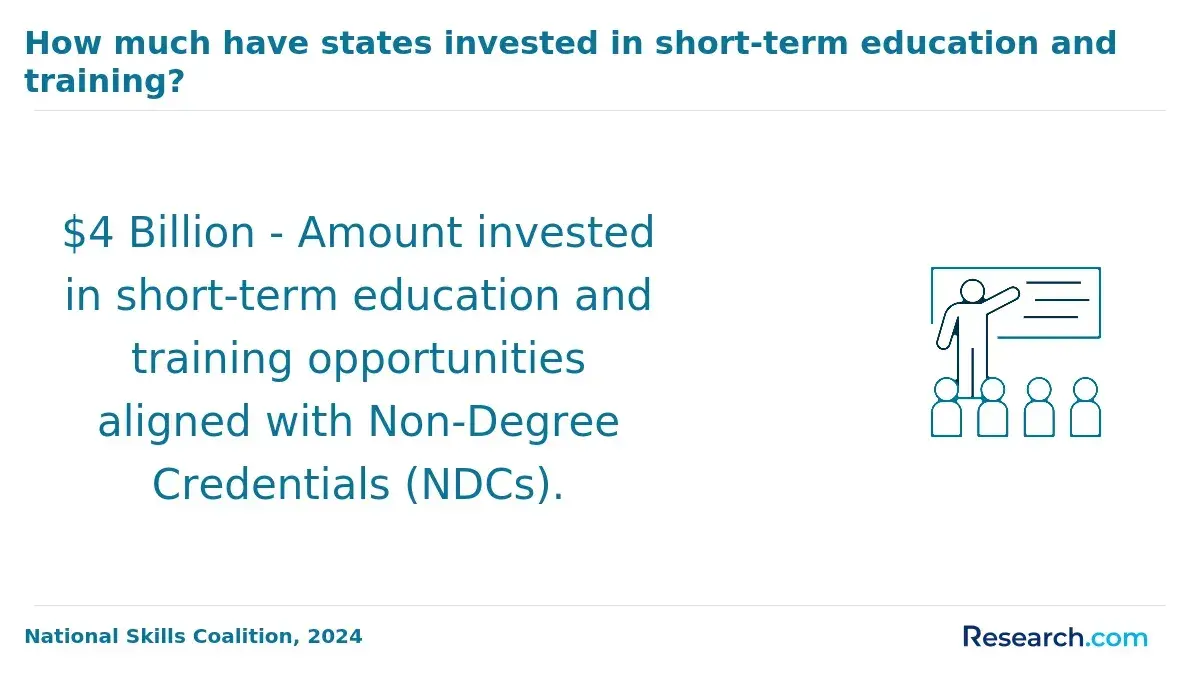
Facing rapid industry shifts, supply chain professionals must choose educational paths that balance accessibility with advancement potential-delaying this decision risks stagnation amid growing employer demands for hybrid skills. Recent data from the National Center for Education Statistics shows a 30% surge in online program enrollment post-2023, indicating expanded access but also heightened competition among candidates leveraging flexible learning.
This trend signals a critical pivot: timely, adaptable education correlates tightly with promotion trajectories and role diversification within supply chain sectors. This article evaluates current supply chain career paths offering the strongest advancement prospects and guides strategic choices to overcome educational and professional bottlenecks efficiently.
Key Things You Should Know
- Automation and AI integration in supply chain management roles have increased by 38% since 2023 per McKinsey, pressuring professionals to upskill in data analytics over traditional logistics, limiting advancement without technical training.
- Industry hiring reports from Gartner show employers prioritize multidisciplinary expertise-combining supply chain knowledge with finance or IT skills-reducing pure supply chain generalist roles and elevating cross-functional candidates for leadership.
- The average ROI for obtaining a specialized master's in supply chain management now exceeds 15% annually, but with program costs averaging $45,000, delayed entry or employer sponsorship significantly impacts career pivot feasibility.
What supply chain career paths offer the strongest long-term advancement and leadership opportunities?
Long-term supply chain career advancement opportunities hinge significantly on developing competencies that align with leadership demands and industry complexity. Logistics managers who specialize in technology-enhanced inventory control often ascend to director roles overseeing global supply chains within manufacturing or retail.
Meanwhile, procurement directors adept at supplier negotiation and risk management are positioned to move into chief procurement officer roles, particularly in sectors like energy and healthcare where cost containment is crucial.
Supply chain analysts who build strong analytics and cross-functional communication skills can transition into strategic leadership in operations, especially in e-commerce markets with rapidly shifting dynamics. These highest leadership roles in supply chain sectors require more than technical aptitude; candidates must invest in advanced education covering analytics, project management, and financial acumen to avoid stagnation in mid-level positions.
Institutions offering targeted programs can help, but students should recognize the tradeoff between technical skills and leadership capabilities. Employers increasingly expect professionals who combine precise data interpretation with effective team management. Aligning certifications and continuous skill updates with specific industry trends like automation and sustainability remains essential to remain competitive.
For those considering expansion of business expertise alongside supply chain focus, an MBA entrepreneurship online can provide complementary leadership and strategic skills informing long-term advancement.
What degrees and education levels are best for launching a high-growth supply chain career?
Employers in supply chain management prioritize candidates with bachelor's degrees in supply chain management, logistics, business administration, or industrial engineering because these programs integrate business fundamentals with specialized knowledge in inventory control, procurement, and operations.
For instance, a logistics coordinator at a manufacturing firm must demonstrate skills in process optimization and supplier relationship management, competencies extensively addressed in these degrees. This correlation between education and practical skill set exemplifies the best education paths for supply chain career growth.
Advanced degrees, specifically MBAs with a supply chain or operations focus, markedly increase chances for leadership roles such as supply chain director or VP, where strategic oversight and cross-functional management are essential. These degrees deliver salary premiums above median figures but require considerable investments in time and tuition. Candidates exploring further education options often ask if they can you transfer MBA programs to optimize flexibility and reduce costs.
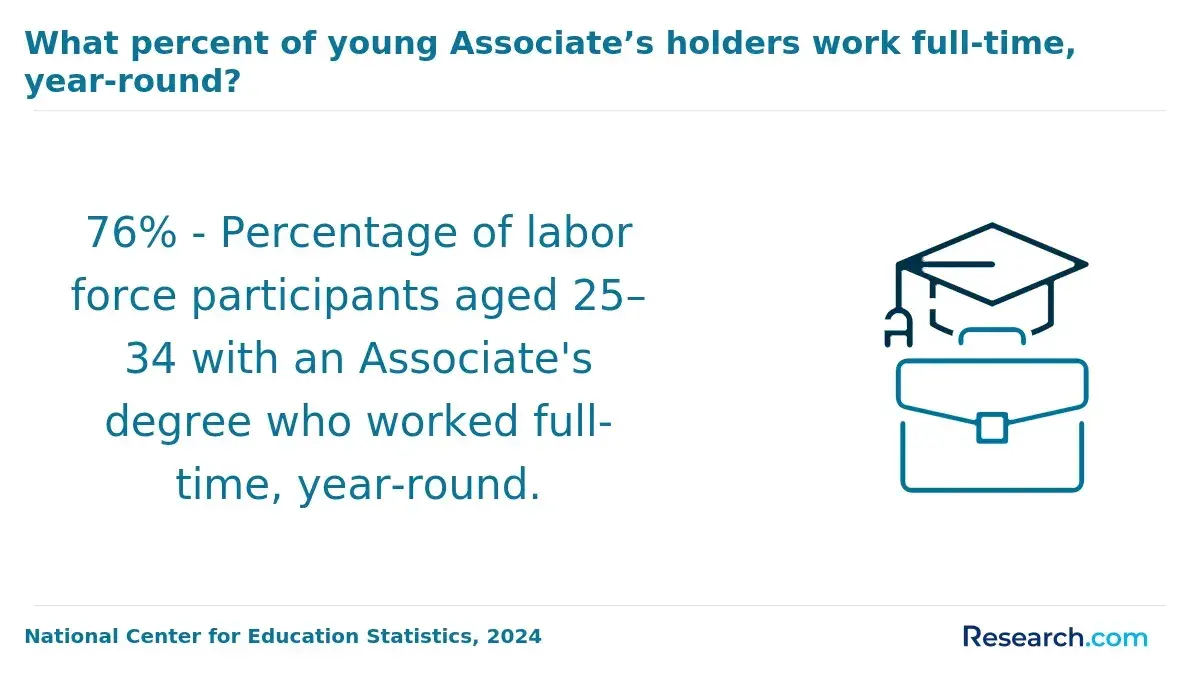
Certificates and associate degrees generally hold limited weight for rapid advancement yet serve as practical entry points or facilitate lateral moves. Part-time and online supply chain degrees that fuse academic study with relevant work experience better prepare graduates for employer expectations such as data analytics, ERP systems proficiency, and supplier risk management.
The 2025 ASCM Supply Chain Salary and Career Report documents a median U.S. base salary of $98,500 and median total compensation of $103,500, reflecting how degree choice impacts real-world earning potential over time.
What is the salary growth and promotion potential across major supply chain roles?
Salary growth in supply chain roles is uneven across the main career tracks-procurement, supply chain planning, logistics & distribution, and operations & manufacturing-shaped largely by industry demand and required skill sets. Procurement professionals start near $55,000 to $65,000 but can surpass $120,000 in senior strategic sourcing roles, driven by cost-saving pressures in complex supply chains.
Meanwhile, supply chain planning roles typically offer faster promotion potential within supply chain careers, with analysts moving to demand planning managers earning above $110,000 within five to seven years, particularly in volatile sectors like retail.
Logistics & distribution careers, by contrast, exhibit moderate salary growth, starting around $50,000 and capping near $95,000 for mid-level management. Advancement here demands expertise in transportation management systems and global compliance, often leading to slower upward mobility than planning and procurement paths.
Operations & manufacturing tend to follow a steadier but slower trajectory, with production supervisors earning about $55,000 and operations managers around $90,000; however, specialized industries like aerospace push top salaries beyond $110,000 due to certification requirements and operational complexity.
Such varied salary growth and promotion rhythms require prospective students to weigh immediate earning potential against long-term advancement barriers. For those seeking strategic pivots, educational investments that align with rapid supply chain planning and procurement progression offer distinct advantages.
Considering this, a practical pathway might include programs that balance affordability and credential value, such as the cheapest AACSB online MBA no GMAT, which can facilitate entry into higher-level roles while minimizing student friction.
How does a supply chain management degree compare with business or operations degrees?
A supply chain management degree distinctly sharpens expertise in logistics, procurement, and distribution beyond what general business or operations degrees offer. Unlike broader business degrees that cover marketing and finance, supply chain management addresses integrated logistics strategies, demand forecasting, and supplier relationship management-skills essential in sectors such as manufacturing, retail, and healthcare.
This difference shapes career trajectories and influences employer expectations, especially in complex global trade environments.
Employers prioritize candidates with specialized supply chain skills; for instance, a professional managing inventory at a major retailer utilizes advanced real-time data analysis and transportation optimization methods not typically emphasized in operations degrees. In contrast, operations degrees focus on process efficiencies but often lack the in-depth vendor negotiation and supply chain finance knowledge needed for end-to-end roles.
Understanding how a supply chain management degree compares to business or operations degrees helps clarify these distinctions for prospective students.
The U.S. Bureau of Labor Statistics reports a median annual wage of $80,880 for logisticians, illustrating the tangible market value of supply chain expertise. Career development from entry-level roles to management frequently depends on mastery of procurement contracts, risk mitigation, and supply chain software platforms-competencies deeply integrated into supply chain curricula but only marginally covered in business programs.
Working professionals seeking to pivot or advance find supply chain management degrees reduce training gaps by aligning theory with tools like ERP systems and Lean Six Sigma tailored to supply chains. Business and operations graduates often need additional certifications or hands-on experience, which can slow progression.
For those exploring flexible options, programs such as the best online construction management degree illustrate how specialized training can offer accelerated pathways in related industries.
Which supply chain roles are in highest demand, and what is the job outlook?
Positions such as director of supply chain and senior supply chain manager command significant demand due to the growing intricacy of global logistics and the need for resilience. These roles require managing multi-national procurement and production networks while balancing cost, risk, and operational disruptions like port delays or regulatory shifts.
For instance, a director at a manufacturing firm must navigate supplier variability across borders while responding swiftly to trade policy changes.
Progression into these advanced roles increasingly depends on expertise with integrated digital tools, including AI forecasting and blockchain traceability. Candidates who combine analytical rigor with cross-functional leadership stand a better chance, as mid-level roles exhibit slower expansion. Success often hinges on experience optimizing end-to-end processes and shifting organizational culture toward technology adoption.
The labor outlook predicts a 19% growth rate for logisticians through 2031, propelled by e-commerce and global trade recovery. However, advancement is contingent on proficiency in supply chain software and change management methodologies.
Educational paths that merge technical competence with strategic business insight best prepare candidates, though practical experience remains paramount.
Employers now expect leaders to embed sustainability and regulatory compliance into operations without disrupting efficiency, complicating these roles further. Those unable to translate complex data into operational improvements risk stagnation. This underscores the importance of experience-based learning alongside formal credentials for securing high-level supply chain positions.
How do online supply chain management programs compare with on-campus options for career advancement?
Hiring preferences in supply chain management programs reveal that traditional on-campus degrees often carry more weight with employers, especially in sectors like aerospace and pharmaceuticals where hands-on experience with compliance and quality systems is vital. Such industries prioritize immersive learning environments that foster access to alumni networks and direct mentorship, elements frequently absent in online programs.
Meanwhile, online degrees serve mid-career professionals balancing full-time roles, enabling immediate application of new skills in areas like procurement or distribution management. This practical integration can accelerate salary growth without interrupting employment.
Yet candidates aiming for senior positions in manufacturing or leadership roles may face limitations if lacking deep industry connections and experiential learning typically provided through on-campus offerings.
The 2025 ASCM Supply Chain Salary and Career Report highlights a median salary of $124,000 for those with graduate degrees versus $95,400 for undergraduates, underscoring the importance of advanced education regardless of format. However, access to specialized electives and recruiting events varies widely.
Key tradeoffs include:
- Online programs require strong self-discipline and sacrifice face-to-face mentorship.
- On-campus formats impose geographic and scheduling constraints but enhance networking and experiential learning.
- Career stage and targeted industry should guide the choice of delivery mode for maximizing long-term advancement.
For example, a retail supply chain analyst working full-time might find an online master's effective for accelerating income, while an automotive manufacturing candidate targeting senior planner roles benefits more from on-campus engagement with immersive case studies.
What coursework and skills prepare students for advancement into supply chain leadership?
Leadership roles in supply chain management require a precise balance of technical analytics and strategic communication. Advanced coursework targeting demand forecasting, logistics strategy, and procurement management sharpens students' ability to optimize systems under shifting constraints-a must in industries where supply disruptions vary dramatically, such as manufacturing versus retail.
Mastery of enterprise resource planning (ERP) software is foundational, enabling leaders to coordinate across departments and maintain operational flow and cost control.
Formal certifications like APICS CPIM or CSCP yield measurable workforce advantages. Professionals with these credentials earn a median salary approximately 20% higher, reflecting employers' premium on validated expertise. However, credentials alone are insufficient: integrating coursework with case studies on global trade compliance and risk management prepares candidates to handle geopolitical challenges vital to sectors like pharmaceuticals and electronics.
Supply chain leadership also demands soft skills frequently underrepresented in technical training. Negotiation, stakeholder communication, and change management capabilities are necessary to manage supplier relationships and internal culture alongside metrics optimization. Increasingly, ethical sourcing and sustainability form core leadership expectations tied to corporate responsibility.
The primary tradeoff lies between analytical depth and applied leadership development. Narrowly technical programs risk stagnation in middle management, while interdisciplinary approaches combining certifications, projects, and communication training enable upward mobility in a volatile supply chain environment.
Which industry-recognized supply chain certifications most improve promotion and earning potential?
The supply chain certifications most directly tied to employer demand and measurable salary gains in 2026 center on the APICS Certified Supply Chain Professional (CSCP), Certified in Logistics, Transportation and Distribution (CLTD), and Certified Professional in Supply Management (CPSM). Selecting the right credential depends on your targeted sector and role.
For example, a professional aiming for leadership in manufacturing or retail benefits from the CSCP's broad scope covering supply chain planning and execution, aligning with roles that require process optimization and supplier collaboration.
In contrast, CLTD suits individuals focused on logistics-heavy operations like third-party logistics providers, emphasizing transportation, warehousing, and distribution-elements critical in niche logistics management. CPSM prioritizes procurement and supplier risk management, important for sectors like aerospace and defense where supply chain disruption carries high stakes.
These certifications differ notably in preparation and investment. CSCP typically involves six months of study with moderate fees, while CPSM demands extensive experience and multiple exams, which can delay entry but carries weight where supplier relations are vital.
Employers increasingly treat these certifications as requisites beyond entry-level roles, rewarding verified expertise with faster promotion. Without targeted credentials, advancing can slow despite experience, as companies seek standardized skills that mitigate operational risk and ensure supply chain resilience.
How can prospective students evaluate accreditation and program quality in supply chain management?
Accreditation from bodies like AACSB, ACBSP, or ISM is a baseline filter for supply chain management programs, signaling adherence to industry standards and increasing employer recognition. Data from O*NET shows 67% of employers require a bachelor's degree and 19% a master's in this field, making verified credentials essential for workforce entry or advancement. However, accreditation alone doesn't guarantee alignment with market needs.
Programs tied to specific sectors demonstrate divergent skill emphases: for instance, healthcare logistics focus on cold chain management, while automotive manufacturing prioritizes just-in-time inventory systems. Such specialization influences graduate readiness and hiring outcomes.
Key evaluation factors include:
- Graduate employment rates and employer partnerships reflecting practical engagement.
- Curriculum balance between core supply chain concepts and emerging tech tools like ERP systems.
- Opportunities for internships or project-based learning fostering hands-on skills.
- Faculty expertise and scholarly contributions ensuring academic rigor.
- Flexible delivery options that maintain program integrity for working professionals.
Cost and duration must be weighed against the depth of specialization; accelerated master's pathways often sacrifice niche skills valuable in competitive roles. Selecting a program without such scrutiny risks investing in degrees that fail to translate into meaningful career impact.
What factors should working adults consider when choosing a supply chain program for career change?
Choosing a supply chain program requires assessing its direct alignment with employer expectations and industry needs, rather than generic curriculum appeal. Programs focused on manufacturing logistics differ substantially from those targeting retail or healthcare supply chains, especially regarding technology adoption such as AI, automation, and sustainability. Practical experience with widely used software and professional certifications enhances employability significantly.
Working adults must weigh program duration and flexibility carefully. Accelerated or asynchronous options reduce opportunity costs and enable immediate application of skills in the workplace, which can accelerate return on investment. Programs with established employer networks, internships, or co-op placements also improve job prospects in competitive labor markets.
Salary data confirms that targeted skills translate into financial gains: according to Saint Leo University's 2024 Logistics Salary Report, supply chain professionals saw an average 8% salary increase, with 72% receiving at least a 4% raise. This underscores the importance of selecting programs emphasizing analytics, leadership, and digital competencies aligned with roles commanding such growth.
Students should consider program accreditation, credit transfer policies, and course content relevance to reduce redundant effort and ensure credentials meet industry standards. A careful cost-benefit evaluation tied to realistic salary uplift projections is crucial for adults managing limited resources and seeking a sustainable career pivot.
Other Things You Should Know About Supply Chain Management
Experience heavily influences advancement in supply chain management roles because employers prioritize demonstrated problem-solving and operational success under pressure. However, formal education remains critical when targeting leadership or strategic positions, where theoretical frameworks and analytical skills are necessary. Combining a solid educational foundation with progressively responsible experience is the most effective path for promotion, especially beyond mid-level management.
Broader industry knowledge offers flexibility and better prepares professionals for cross-functional leadership roles, but it can dilute technical proficiency. Deep expertise in areas like procurement, logistics, or demand planning typically results in earlier promotions within specialized roles. For long-term advancement, prioritize deep expertise early in your career, then expand into broader competencies as you move toward senior management.
Certifications such as APICS or CSCMP demand significant time investment typically ranging from 8 to 15 hours per week over several months. Balancing these alongside full-time work can delay certification completion or impact job performance if not carefully managed. Prioritize certifications with the greatest employer recognition in your sector and allocate dedicated study periods to prevent burnout and ensure practical application of new skills.
In 2027, supply chain professionals are expected to master skills in data analytics, automation, and sustainability practices. Proficiency in technology integration, strategic decision-making, and adaptability to rapidly changing market conditions are also crucial for career advancement.
References
- How to kick off your career in supply and logistics https://www.mneglobal.com/blog/2020/08/how-to-kick-off-your-career-in-supply-and-logistics
- Institute of Supply Chain Management Online Programs | AIMS https://aims.education/supply-chain-academy/
- 2026 Supply Chain Job Market: What Job Seekers Need to Know https://www.scoperecruiting.com/blog/supply-chain-job-market-2026-job-seekers
- Is Supply Chain Management a Good Career? | Eastern College https://www.easterncollege.ca/blog/is-supply-chain-management-a-good-career/
- Supply Chain and Logistics Career Paths: Explained https://www.logisticsbureau.com/jobs-and-career-paths-in-supply-chain-and-logistics/
- CourseCareers https://coursecareers.com/blog-posts/supply-chain-degree-vs-apics-certification-vs-online-training
- How to Break into Supply Chain Management https://teach.com/online-ed/business-degrees/online-masters-supply-chain-management/how-to-become-supply-chain-manager/
- Leadership Skills for Improved Supply Chain | Milliken https://www.milliken.com/en-us/consulting/blogs/leadership-skills-for-improved-supply-chain
- Supply Chain Certifications That Pay the Most in 2026 https://movementsearch.com/supply-chain-certifications-highest-salaries/
- Choose the Right Supply Chain Management Degree for Global Careers | BSBI https://www.berlinsbi.com/blog/how-to-choose-the-right-supply-chain-management-degree-for-global-careers