2027 Online Supply Chain Management Degrees With Global Trade Compliance Coursework

Co-Founder and Chief Data Scientist
Mid-level supply chain professionals frequently confront mounting regulatory complexities in global trade, where a single misstep in compliance can trigger costly delays, fines, or lost contracts. The global shift toward more rigorous trade enforcement has increased the demand for managers fluent in international compliance nuances, yet many cannot afford to pause their careers to acquire specialized credentials.
Recent data from the National Center for Education Statistics reveals a 15% surge in enrollment for online professional programs among adults aged 25 to 40, reflecting a pivot toward flexible, career-compatible learning models. This article examines online supply chain management degrees incorporating global trade compliance courses, offering insights to identify programs that balance accessibility and career impact to meet evolving industry demands.
Key Things You Should Know
- Over 62% of online SCM degrees with global trade compliance coursework in 2024 require 18-24 months of study, creating a timing-cost tradeoff that delays entry into higher-paying roles, per National Center for Education Statistics data.
- Employers increasingly demand proficiency in international regulatory frameworks; graduates lacking proficiency in export controls face 35% fewer interview callbacks, according to the Institute for Supply Management.
- Programs emphasizing integrated compliance and SCM analytics increase midcareer salary growth by 15%, but such specialized curricula remain limited, restricting access for professionals seeking immediate skill application.
What is an online supply chain management degree with a global trade compliance focus?
Professionals pursuing an online supply chain management degree with global trade compliance must balance operational efficiency with complex international regulatory demands. In practice, this means understanding detailed customs procedures, tariffs, and sanctions-knowledge critical for firms sourcing components globally or managing extensive multinational logistics networks.
For instance, supply chain managers in electronics or pharmaceuticals sectors face stringent documentation and compliance challenges that, if mismanaged, can trigger costly delays or reputational risks.
Employers increasingly value candidates who integrate supply chain operations expertise with compliance acumen, reducing organizational exposure to evolving trade restrictions. Those lacking this dual focus often encounter slower career progression or restricted roles focused solely on domestic logistics.
This dynamic is reflected in the 2024 Thomson Reuters Global Trade Report, which notes 73% of large multinational companies have boosted their trade compliance budgets or staff, elevating market demand for these skills.
US-based supply chain management programs with international trade compliance coursework address this need by offering targeted legal frameworks, risk mitigation strategies, and compliance technology training. These programs suit professionals seeking flexible, online formats that avoid career disruption. However, success depends on continuous adaptation to policy shifts and effective liaison with customs and audit teams.
Individuals pursuing this pathway should also consider parallel educational options like an affordable online MBA healthcare management to complement their expertise and broaden strategic opportunities.
How do online and campus-based supply chain management programs compare for this specialty?
Choosing between online supply chain management programs with global trade compliance and campus-based supply chain management degrees in global trade compliance involves weighing tangible experiential differences against scheduling flexibility.
Online programs offer asynchronous study beneficial for working professionals, yet often fall short on immersive, hands-on elements like site visits, direct negotiations, and localized internships. These practical experiences are pivotal for understanding complex global compliance frameworks that shift with regional trade policies.
Campus-based degrees provide critical exposure to physical labs and face-to-face mentorship, which many employers prefer-especially manufacturing firms prioritizing candidates familiar with U.S. Customs and Border Protection procedures through internships. This alignment with real-world compliance operations translates into heightened job readiness and stronger networks in regulatory environments.
Nonetheless, online curricula increasingly include virtual reality simulations and collaborative tools that approximate supply chain disruptions, narrowing some gaps. Still, students eyeing specialized compliance roles should consider how in-person peer networks and expert guest lectures foster deeper insight into evolving tariffs, customs duties, and trade laws.
Labor market data from the U.S. Bureau of Labor Statistics projects an 18% growth in logisticians from 2022 to 2032 with a median wage of $77,520 as of 2022, signaling robust demand for professionals equipped with compliance-specific problem-solving. Prospective students must balance program format with immediate applicability to their careers.
For those seeking flexibility combined with strong foundational knowledge in business, an MBA online can supplement supply chain expertise while accommodating work commitments.
What accreditation and institutional quality signals matter for these online degrees?
Regional accreditation remains the primary quality benchmark for online supply chain management program accreditation in the USA, ensuring eligible transfer credits and federal financial aid-a practical consideration for working professionals. Employers frequently discern candidate qualifications based on these regional quality standards for supply chain management degrees, using them as a minimum filter for institutional rigor and program reliability.
Program-specific accreditation, such as from the Accreditation Council for Business Schools and Programs (ACBSP), adds nuanced validation. This accreditation signals curriculum alignment with business-centric supply chain operations and is particularly relevant where trade compliance coursework demands detailed regulatory comprehension.
Consider a customs compliance officer navigating shifting tariffs and sanctions; hiring managers prefer candidates from programs offering practical resources like compliance simulations or faculty with direct industry experience. Such elements directly affect a graduate's operational readiness and long-term adaptability.
With a projected 20% growth in demand for trade compliance specialists, prospective students must weigh factors beyond accreditation, including networking opportunities with global trade professionals, which often accelerate employment outcomes in complex regulatory environments.
For career-focused individuals balancing cost constraints, analyzing inexpensive online MBA options incorporating supply chain management offers a pragmatic entry point without sacrificing essential accreditation and market relevance.
What global trade compliance courses and skills are typically included in the curriculum?
Global trade compliance coursework in online supply chain management degrees trains professionals to navigate the intricate legal environment of international logistics. These programs focus on federal export controls such as the Export Administration Regulations (EAR) and International Traffic in Arms Regulations (ITAR), along with import compliance frameworks like Customs-Trade Partnership Against Terrorism (C-TPAT) and Harmonized Tariff Schedule classification.
The complexity of these regulations requires students to master preparation of compliant documentation-commercial invoices, certificates of origin, and customs declarations-to avoid costly shipment delays or penalties.
The key skills taught in global trade compliance courses for supply chain management include practical adaptation to shifting sanctions and embargoes, a demand-driven capability illustrated by industries like pharmaceuticals, which face fluctuating drug shipment restrictions, and electronics manufacturing, where technology export controls prevent intellectual property theft.
Graduates also gain expertise in designing compliance audits and internal control programs that mitigate financial risk and operational disruptions. They develop analytical aptitude for tracking policy changes and vendor compliance, alongside proficiency in software like Automated Commercial Environment (ACE) platforms that streamline compliance workflows.
ROI considerations matter: data from Colorado State University shows professionals with relevant credentials earn a median $77,520, significantly above the approximate national median income of $46,000, reflecting employer recognition of trade compliance expertise.
For those exploring options for accelerated pathways, programs such as accelerated construction management degree online provide models of condensed, skill-focused curricula that can inspire efficient degree planning in supply chain contexts.
What admission requirements and prior experience do these online programs usually expect?
Applicants targeting online supply chain management degrees with global trade compliance coursework face a distinct balance between prior professional experience and academic preparedness. Programs typically require a bachelor's degree in business, logistics, or related fields, alongside two to three years of documented experience in trade compliance or cross-border logistics.
This requirement stems from practical hiring realities where employers prioritize familiarity with trade documentation, customs laws, and risk management practices critical to international commerce.
Given the increasing reliance on automation and AI in the field, candidates with quantitative skills or experience using analytics platforms hold a competitive edge. According to Thomson Reuters, over 60% of global trade leaders plan to boost investments in AI-driven classification and trade analytics by 2026, making expertise in these technologies a de facto prerequisite.
Prospective students lacking direct experience may need to supplement their application with certifications or coursework demonstrating analytical aptitude.
Standardized tests such as the GRE or GMAT remain common but are often waived for those with substantial experience. International applicants must meet English proficiency standards through exams like TOEFL or IELTS, adding an additional layer of complexity to admissions.
Statement of purpose essays frequently demand applicants articulate how they intend to address specific compliance challenges relevant to their sectors.
Students should assess whether their background supports immediate engagement with technical content, including regulatory databases and AI tools, or if they require extended prerequisite modules. Selecting programs with flexible prerequisite options or professional development tracks can mitigate potential delays and better align their skill sets with evolving employer demands.
How long do these supply chain programs take online, and what do they cost?
Choosing an online supply chain management degree with a focus on global trade compliance demands balancing program length against workforce engagement. Master's degrees typically require 18 to 24 months, but accelerated formats truncate this to 12-15 months at the cost of flexibility, often forcing full-time commitment. Bachelor's degrees extend roughly four years, which may not suit working professionals maintaining career momentum.
Part-time options stretch master's programs beyond two years, presenting a clear tradeoff between continuous employment and concentrated study. For professionals prioritizing quicker entry, 6- to 12-month certificates or specialized diplomas offer targeted compliance skills without long-term academic commitment.
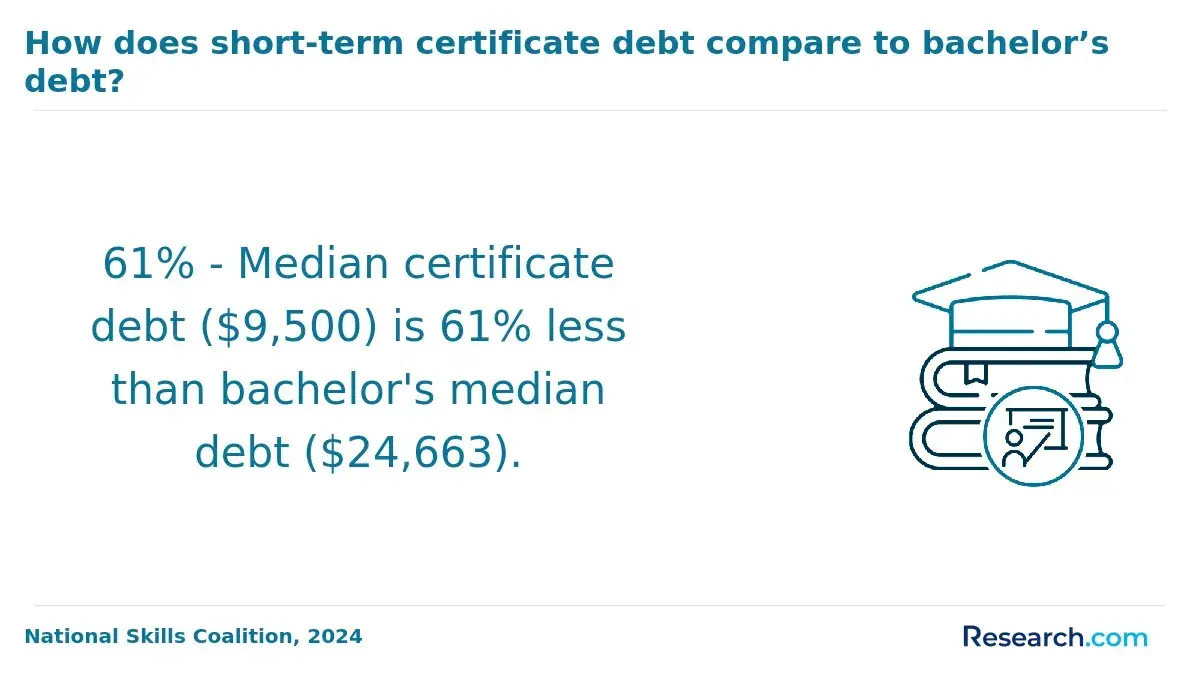
Financially, bachelor's degrees range from $40,000 to $80,000, reflecting multi-year investments, while master's programs cost between $15,000 and $45,000. Certificates are more affordable, usually under $10,000, but exclude ancillary fees. These expenses must be viewed alongside salary expectations and local industry standards, especially in roles tied to multinational operations or customs brokerage.
Employers often favor candidates with verifiable compliance certifications and relevant experience over those with longer, purely academic credentials that delay workforce integration. A pragmatic path may involve combining an accelerated master's program with professional certificates to balance affordability, employability, and essential compliance training.
The global logistics market is anticipated to reach nearly $13 trillion, growing at 6.5% annually through 2027, increasing demand for professionals equipped with comprehensive regulatory knowledge. Prospective students should critically assess whether the program's time and cost align with their work-life realities and long-term career strategy.
- Master's degree: 12-24 months with accelerated and part-time options
- Bachelor's degree: approximately 4 years
- Certificates/diplomas: 6-12 months focused study
- Bachelor's program cost: $40,000-$80,000
- Master's program cost: $15,000-$45,000
- Certificate cost: under $10,000
What career paths can a supply chain degree with trade compliance coursework lead to?
A supply chain degree with a trade compliance focus directly targets highly specialized roles where regulatory expertise determines operational viability. Multinational firms face enforcement penalties that can exceed $100 million per incident, making skilled compliance professionals essential to mitigate risk and avoid significant financial losses.
Positions such as compliance officers design and enforce internal controls aligned with U.S. Export Administration Regulations (EAR) and International Traffic in Arms Regulations (ITAR), providing a protective layer in sensitive sectors like aerospace and pharmaceuticals. Customs brokers utilize trade compliance knowledge to prevent shipment delays, seizures, and fines, which can disrupt supply chain continuity and client relationships.
Risk management specialists evaluate vulnerabilities related to sanctions, tariff classifications, and shifting geopolitical landscapes, safeguarding global operations. The role demands constant liaison with legal and logistics teams to pivot strategies quickly. Logisticians with trade compliance coursework balance global sourcing demands against regulatory constraints, a complexity rarely addressed in general supply chain roles.
However, this specialization requires ongoing education and certification to keep pace with regulatory evolution. Graduates who excel demonstrate the ability to reduce exposure to compliance failures responsible for billions in industry costs over recent years. They must also work cross-functionally with software tools that proactively identify discrepancies to prevent costly after-the-fact interventions.
What salary ranges and earning potential do graduates in supply chain and trade compliance see?
Trade compliance expertise within supply chain roles commands notable salary differentials, reflecting the complexity and regulatory intensity of the field. Graduates typically start between $60,000 and $85,000, but specialization-especially in industries with stringent cross-border regulations and sustainability demands-can yield mid-career earnings from $90,000 to $120,000, with senior professionals exceeding $140,000.
For example, a compliance analyst in automotive manufacturing earns about 10-15% more than peers in less regulated sectors due to the dual challenge of regulatory adherence and sustainability reporting.
The widening emphasis on Environmental, Social, and Governance (ESG) compliance is reshaping employer expectations. Organizations investing heavily in supply chain sustainability require candidates adept at integrating compliance with evolving global trade laws and sustainable sourcing practices. This intersection drives above-average compensation patterns and shapes day-to-day operational priorities.
Deciding between compliance-heavy specialization versus broader logistics roles entails tradeoffs: compliance-focused paths offer higher income with ongoing regulatory education burdens, while logistics provides steadier but lower ceilings.
Mastery of relevant software systems and international regulations is non-negotiable, and certifications aligned with trade compliance typically add $5,000 to $10,000 annually. Without continuous credential updates, salary progression risks stagnation.
Executive roles combining supply chain leadership with compliance skills in sectors like pharmaceuticals or electronics often exceed $180,000 total compensation, reflecting the critical nature of risk management and sustainability compliance at this level.
What is the job outlook for supply chain and global trade compliance roles in the U.S.?
The demand for professionals skilled in supply chain and global trade compliance is expanding, shaped by evolving regulatory frameworks and geopolitical complexities. A compliance manager at a multinational electronics company, for instance, must continuously update knowledge of shifting U.S.-China trade restrictions while coordinating logistics across continents-demonstrating how these roles integrate intricate legal understanding with operational agility.
Employers emphasize candidates who combine supply chain expertise with global trade compliance proficiency to avoid costly misclassifications, shipment delays, or regulatory penalties. This focus creates a distinct advantage for programs that offer practical, scenario-based learning involving customs audits, international documentation, and trade agreement analysis.
Data from Baylor University reveals a surge in online MBAs focusing on global supply chain areas, indicating the market's preference for flexible, career-compatible education. However, professionals should weigh the tradeoff between general supply chain degrees and those embedding comprehensive compliance training, as the latter aligns more closely with immediate employer needs and long-term career resilience.
- Successful candidates manage sanctions screening and cross-border compliance risks, elevating their roles beyond logistics to strategic risk oversight.
- Failure to acquire targeted compliance skills often leads to limited advancement and reduced exposure to global operational responsibilities.
Given the U.S. Bureau of Labor Statistics projects 22% job growth for logisticians through 2032, prioritizing education that reflects real-world compliance complexities determines both employability and upward mobility in this field.
How can students choose a reputable online program in supply chain and trade compliance?
Selecting an online program in supply chain and trade compliance requires prioritizing verified accreditation and curriculum rigor tailored to meet evolving regulatory complexities. Given the projected 25% increase in global trade regimes by 2026, programs must provide comprehensive coverage of international trade laws, export controls, and tariff structures to foster adaptability in dynamic contexts.
Supply chain professionals, for example, face distinct challenges: manufacturing specialists must grasp shifting regional trade blocs impacting sourcing, whereas pharmaceutical roles demand expertise in export controls for sensitive materials.
Practical application is non-negotiable. Programs incorporating case studies on contemporary trade disruptions, simulations, and negotiation exercises provide students a direct line to workforce realities. Internship opportunities linked to multinational firms or government agencies enhance employability by building networks within trade compliance enforcement environments.
Graduates' employment trajectories often hinge on these experiential components and employer partnerships. Additionally, flexibility in pacing and delivery mode-synchronous versus asynchronous-affects students balancing work and study, particularly those applying new skills on the job immediately. This integration accelerates practical returns on educational investment, a decisive factor for working professionals contemplating program commitment.
Other Things You Should Know About Supply Chain Management
Choosing a supply chain management program with a strong global trade compliance focus often provides better versatility. A broader supply chain management degree with embedded trade compliance coursework equips you to handle diverse operational roles while preparing for regulatory challenges. In contrast, a narrowly focused trade compliance degree may limit opportunities to roles strictly centered on compliance, making it less adaptable if market demands shift. Prioritize programs that balance trade compliance expertise with core supply chain competencies to maximize employability and long-term career flexibility.
Employers increasingly accept online degrees, especially from accredited institutions, but they place stronger emphasis on demonstrable skills and relevant experience. Online graduates must supplement education with internships, certifications, or real-world project experience to stand out. Because global trade compliance demands precision and up-to-date regulatory knowledge, practical application matters more than the program's delivery mode. Candidates should select programs offering experiential learning or capstones to meet employer expectations effectively.
Synchronous programs foster real-time interaction with instructors and peers, which can deepen understanding of complex trade compliance regulations and emerging policy changes. However, this format demands rigid scheduling, which may conflict with work hours or time zones. For professionals balancing careers, fully asynchronous programs offer greater flexibility but require disciplined self-motivation. If immediate employer collaboration and networking are priorities, prioritize hybrid or synchronous classes; otherwise, asynchronous options are better for those needing maximum scheduling control.
References
- Careers in Supply Chain Management: Explore Opportunities https://www.ism.ws/careers/careers-in-supply-chain-management/
- become a Certified Trade & Logistics Expert with CTLE Certification https://cpscp.org/certified-trade-logistics-expert-ctle/
- Customs and Trade Compliance Management Course https://eduberkeley.com/course/customs-and-trade-compliance-management
- FAQs About Undergraduate Admissions Requirements for Online Programs https://www.umassglobal.edu/blog-news/faqs-undergraduate-admissions-requirements-online-programs
- What Do Students Want From Online Programs? https://instructionalconnections.com/what-do-students-want-from-online-programs/
- Choose the Right Supply Chain Management Degree for Global Careers | BSBI https://www.berlinsbi.com/blog/how-to-choose-the-right-supply-chain-management-degree-for-global-careers
- European Online University Accreditation Explained - MIA Digital University https://miauniversity.com/european-online-university-accreditation/
- Institutional vs Program Accreditation: What You Should Look For | Articles | Unimy https://www.unimy.com/article/institutional-vs-program-accreditation-what-you-should-look-for
- Supply Chain Salaries by Experience Level 2026 | SCOPE Salary Guide https://www.scoperecruiting.com/blog/highest-paying-supply-chain-jobs-2026-salary-guide
- From Entry-Level to Executive: The Supply Chain Salary Scale https://careercitycollege.ca/blog/supply-chain-manager-salary-scale/