2027 Supply Chain Management Specializations for Procurement Careers

Co-Founder and Chief Data Scientist
Facing a persistent talent gap, procurement professionals increasingly encounter pressure to master nuanced supply chain challenges such as global supplier risk mitigation and data-driven spend analysis. The complexity intensifies as labor market data from the U. S. Bureau of Labor Statistics reveals a 12% projected employment growth in supply chain roles through 2032, demanding specialized expertise beyond general management knowledge.
Concurrently, shifts in adult learner enrollment patterns-highlighted by a 2024 National Student Clearinghouse report showing a 15% rise in part-time and online students-stress the need for flexible program structures that accommodate working professionals. This article identifies key supply chain management specializations tailored to procurement careers and evaluates their practicality, market relevance, and pathway accessibility to guide strategic professional advancement.
Key Things You Should Know
- Data from the U.S. Bureau of Labor Statistics shows that supply chain management specializations with a focus on digital procurement reduce hiring time by 23%, but this narrows skill breadth, limiting cross-functional roles.
- Employers increasingly prioritize candidates with advanced analytics and contract negotiation skills, as reported by Deloitte's 2024 Global CPO Survey, elevating entry salary benchmarks by 18% but raising experience expectations.
- Graduate programs emphasizing blockchain and AI integration average 30% higher tuition, delaying return on investment beyond five years, challenging mid-career professionals' access to rapid career pivots.
What is supply chain management and how do procurement-focused specializations fit within it?
Procurement-focused supply chain management specialization benefits arise from balancing technical sourcing expertise with broader operational knowledge. Procurement professionals directly influence a company's cost and agility through precise supplier negotiation, risk management, and contract oversight.
For instance, in manufacturing, procurement specialists managing raw material sourcing can prevent costly production delays, while in retail, securing advantageous bulk purchase agreements helps maintain competitive pricing despite demand volatility.
Real-world roles demand fluency in spend analysis tools, regulatory compliance, and supplier relationship management, skills emphasized in specialized curricula. According to the ASCM 2024 Supply Chain Salary and Career Report, U.S. supply chain professionals earned a median total compensation of $103,000, with procurement managers specifically reporting a median of $100,360, indicating employer recognition of procurement's impact on operational stability and cost savings.
Prospective students examining supply chain management fundamentals for procurement careers should scrutinize programs for in-depth training in analytics, contract law, and strategic sourcing alongside leadership development for cross-functional collaboration.
Key tradeoffs include industry context; high-velocity sectors like technology value procurement innovation and agility, whereas sectors such as pharmaceuticals prioritize compliance and supplier audit rigor.
Those weighing educational pathways may also consider the flexibility of credentials like an online MBA entrepreneurship degree that offers integration of procurement competencies with broader business acumen, enhancing strategic decision-making in supply chain roles.
Which supply chain management specializations are best for procurement careers today?
Selecting the best supply chain management specializations for procurement careers requires balancing immediate employer demand with strategic skill development. Logistics specialization stands out in terms of quantitative roles, supported by U.S. Bureau of Labor Statistics projections showing a 17% growth in logisticians from 2024 to 2034, generating roughly 26,400 annual openings.
This reflects the increasing need for professionals who optimize distribution, inventory, and transportation through data analytics.
Supply chain analytics specialization is critical for industries facing volatile markets and regulatory scrutiny, such as electronics manufacturing and pharmaceuticals. Professionals skilled in forecasting demand and assessing supplier risks provide measurable sourcing advantages.
By contrast, supplier relationship management offers a fundamentally different tactical approach, emphasizing negotiation mastery and contract law to maintain resilient supply chains amid disruptions, especially valuable in retail and manufacturing sectors with complex vendor structures.
The choice between these paths hinges on workforce context and intended sector. Federal procurement roles, for instance, demand rigorous compliance and ethical sourcing expertise, whereas private sector positions prioritize data analytics and logistics proficiency.
Candidates considering a pivot or advancement in these fields should note the advantage of pairing certifications like Certified Professional in Supply Management (CPSM) with relevant analytics credentials.
Decision-making tradeoffs include dedicating time to technical versus interpersonal skill sets, affecting positioning for strategic versus operational roles. Those exploring educational options should also identify if they can you transfer MBA programs to integrate supply chain management with broader business acumen, enhancing flexibility across top supply chain management career paths in procurement.
What degrees and education pathways prepare you for a procurement-focused supply chain career?
Direct entry into procurement roles typically requires a bachelor's degree in supply chain management, business administration, or industrial engineering, especially where operational efficiency and sourcing strategy overlap. Programs tailored for degrees for procurement and supply chain management careers now commonly incorporate procurement analytics, contract negotiation, and supplier relationship management to meet employer demands for both strategic insight and tactical agility.
Practical experience with procurement software and ERP systems is increasingly mandatory, making internships or co-op placements indispensable for workforce readiness.
Environmental, social, and governance (ESG) integration has reshaped employer expectations, requiring education pathways for procurement-focused supply chain management roles to embed sustainability alongside traditional cost and risk assessments.
Reports from DSJ Global emphasize that firms prioritize candidates adept at balancing cost, resilience, and environmental impact, favoring interdisciplinary curricula that combine supply chain expertise with sustainability or CSR. Graduates versed in carbon footprint evaluation and social impact metrics gain distinctive advantages.
Mid-career professionals seeking to pivot or deepen procurement expertise often pursue graduate certificates or master's degrees emphasizing supply chain analytics, sustainable sourcing, or global procurement. These programs focus on data-driven decisions and advanced risk mitigation but demand careful consideration of the tradeoffs between time, cost, and wage premiums that vary by region and sector.
Purely technical degrees risk underpreparing candidates for ESG demands, while sustainability-centric paths might de-emphasize cost control dynamics.
Prospective students should prioritize programs with experiential learning addressing real challenges like supplier diversity or circular economy procurement strategies to optimize employability. For those weighing the financial and time commitments of advanced credentials, exploring options such as the cheapest online MBA no GMAT may provide a pragmatic balance of rigor and accessibility.
How do online supply chain programs for procurement compare with on-campus options?
Online supply chain management procurement programs offer unmatched scheduling flexibility but fall short in replicating the immersive networking and hands-on experiences found in on-campus settings. Employers prioritizing risk-focused roles-ranked among the top 10 supply chain positions for 2026 by Scope Recruiting-expect candidates to demonstrate practical skills in supplier risk management. These are often cultivated through site visits, internships, and simulations difficult to mimic fully in an online environment.
This gap means candidates pursuing online supply chain management courses for procurement careers must proactively seek virtual internships or industry projects to acquire essential experiential learning. For instance, procurement professionals handling resilience leadership in pharmaceuticals benefit from physical lab tours and onsite audits, which deepen understanding of compliance beyond theoretical knowledge.
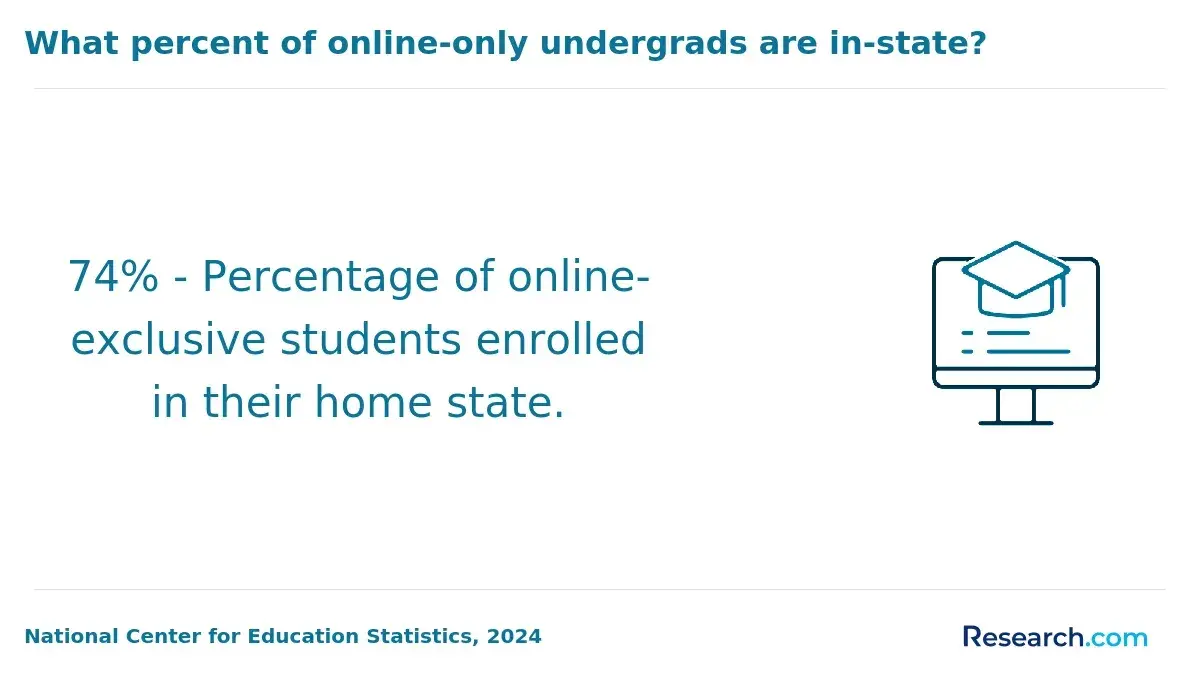
Online programs, however, serve working professionals aiming for rapid upskilling in data analysis, digital procurement platforms, and theoretical frameworks without career interruptions. The challenge lies in the limited immediate peer and instructor interaction, potentially slowing the development of critical problem-solving skills needed in dynamic sectors like electronics manufacturing where agility is vital.
Prospective students should weigh relocation costs and access limitations inherent in on-campus options against the self-discipline and time management demands of remote study. Strategic supplementation of online curricula with targeted in-person engagements can enhance employability.
Those interested in a comprehensive pathway might consider exploring a bachelor of project management to complement their supply chain education.
What courses and skills are emphasized in procurement-oriented supply chain specializations?
Procurement-focused supply chain education demands practical application of strategic sourcing, cost analysis, and contract negotiation within complex global supplier networks. Effective programs blend financial rigor-budgeting and cost control-with regulatory and ethical sourcing requirements, preparing students for the increasing transparency and sustainability pressures companies face.
In manufacturing or retail, a delayed procurement decision can halt production lines or empty shelves, causing immediate financial loss. For example, automotive assembly plants rely on just-in-time inventory and advanced planning software to avoid costly downtime, underscoring the necessity for proficiency in ERP systems like SAP or Oracle. These tools are central for managing integrated procurement workflows and data-driven supplier performance evaluation.
Supply chain management professionals face workforce realities including tariff volatility, supply disruptions, and evolving technology platforms. Programs that emphasize negotiation skills, risk assessment, and trade-off analysis between cost, lead time, and supplier reliability equip graduates to develop resilient procurement strategies.
Florida Atlantic University notes a projected 30% employment growth in this field by 2030, a pace well above average, which signals strong but competitive labor market conditions demanding specialized knowledge and agility.
Students should weigh these practical constraints: mastering software platforms and acquiring financial insight enhances employability, but the variable and high-pressure nature of procurement roles requires continuous adaptation and critical decision-making skills.
What accreditation and professional standards should procurement-focused supply chain programs meet?
Accreditation in procurement-focused supply chain programs serves as a practical filter for employers who require proficiency in areas like strategic sourcing, contract negotiation, and supplier relationship management. Credentials aligned with recognized bodies such as the Accreditation Council for Business Schools and Programs (ACBSP), the Association to Advance Collegiate Schools of Business (AACSB), the Institute for Supply Management (ISM), or the Chartered Institute of Procurement & Supply (CIPS) indicate that graduates meet industry benchmarks that matter for immediate job functions and compliance demands.
Consider a manufacturing firm with stringent federal acquisition regulations that prioritizes hires familiar with regulatory frameworks and risk mitigation. Candidates lacking education grounded in these specific compliance and sustainable procurement practices face a disadvantage, as on-the-job learning gaps can hinder their ability to manage complex supplier networks or international logistics.
Programs embedding practical experience, such as internships or capstone projects, close the gap between theoretical knowledge and operational realities, which is vital for those shifting careers or aiming for leadership roles in integrated logistics and procurement.
The U.S. Bureau of Labor Statistics reports transportation, storage, and distribution managers' median earnings ranging widely, highlighting that advanced expertise recognized through accredited programs corresponds with the upper salary brackets.
Prospective students must weigh rigor and accreditation relevance against their career goals, especially when employer demand emphasizes mastery of compliance, risk, and sustainability within procurement roles.
What are typical admission requirements and program lengths for procurement specializations?
Procurement education pathways in the U.S. differ considerably in their time investment and workforce alignment, demanding candid evaluation of one's career goals and current credentials.
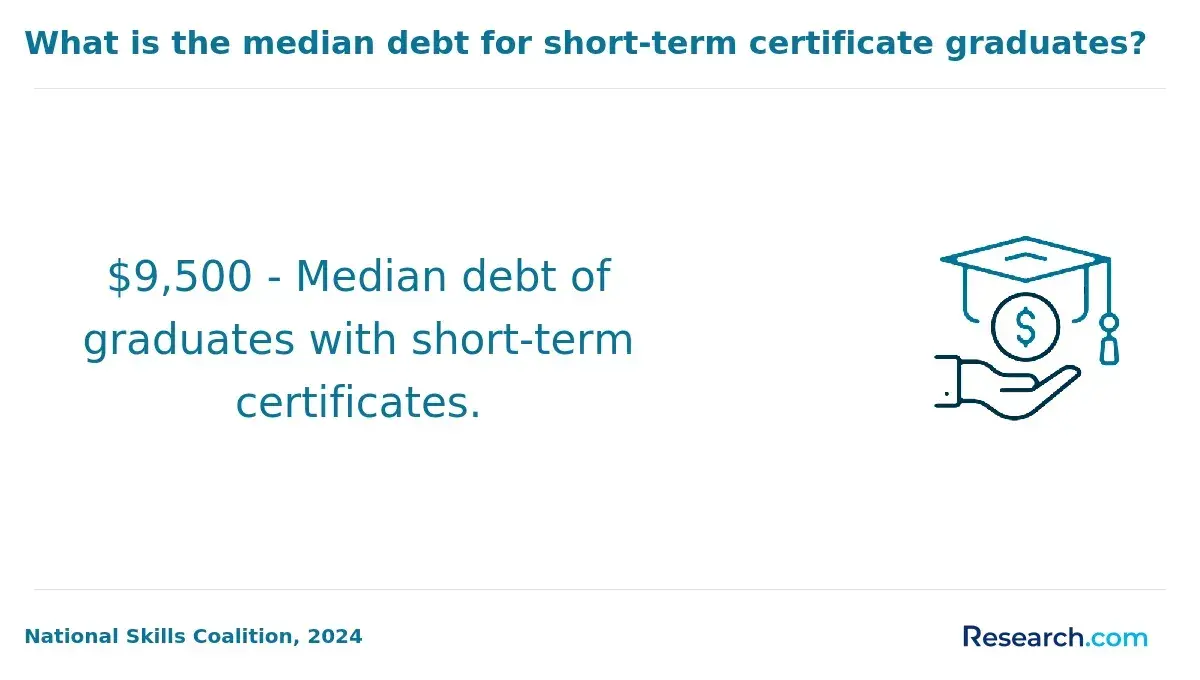
Certificate programs often suit professionals seeking quick skill acquisition, requiring only a high school diploma or equivalent and typically completed within 4 to 6 months part-time. These offer focused entry into procurement fundamentals without full degree commitment.
Associate degrees span 18 to 24 months, blending foundational business and procurement knowledge. They may appeal to individuals pivoting from roles such as manufacturing but not ready for full bachelor's degree timelines.
Bachelor's degree specializations are embedded in supply chain management or business programs and require 3 to 4 years full-time, often preferred for mid-level procurement positions demanding broader strategic understanding.
Graduate programs-master's degrees or certificates lasting 9 months to 2 years-target advanced procurement expertise, including supplier relationship management and regulatory compliance. They generally require a bachelor's degree plus professional experience, reflecting employer expectations for leadership roles.
For example, a professional moving into government contracting procurement might prioritize such graduate credentials despite longer program durations.
Job growth forecasts, such as the Government of Canada's Job Bank projecting a good employment outlook from 2024-2026 for procurement agents in Ontario, signal the importance of aligning education with shifting sector demands and retirements. Candidates must weigh accelerated credentialing against comprehensive programs based on desired roles and realistic timelines.
What procurement job titles, industries, and career paths can these specializations lead to?
Procurement specializations increasingly dictate critical operational roles requiring nuanced expertise in both analytics and strategic decision-making. For instance, a strategic sourcing manager in manufacturing sifts through the tension between cost efficiency and supplier-driven innovation, whereas a procurement analyst in healthcare focuses on regulatory compliance and multi-vendor coordination to safeguard product availability.
These distinctions demand sector-specific knowledge and mastery of analytical tools, shaping how education and credentials translate into practical capabilities.
Beyond initial roles such as category manager or supplier relationship manager, successful procurement professionals often advance toward senior leadership like chief procurement officer. This progression typically unfolds in large organizations with complex, distributed supply networks that require integrating AI-driven spend analytics and predictive risk management.
However, the job market reflects a tight supply of data-savvy specialists who command retention incentives, signaling a competitive advantage for those investing in advanced technical skills aligned with emerging procurement technologies.
Practical education pathways must therefore address these evolving requirements: vocation-focused training emphasizing certifications in analytics platforms, risk assessment, and sustainable sourcing strategies is critical.
Candidates must weigh how mastering these complex systems influences their marketability in sectors like technology and pharmaceuticals, where rapid adaptation to procurement platforms and AI tools determines role sustainability and compensation.
What salary ranges and advancement opportunities exist for procurement professionals in supply chain?
Procurement roles in supply chain management offer median total compensation above $103,000, driven by intense talent competition and cross-functional expectations even in budget-sensitive sectors like manufacturing and healthcare. Salaries are not uniform; advancement depends heavily on specialization, industry segment, and technical skills such as supplier risk management or digital procurement tools.
Entry-level procurement salaries may start near $60,000 in traditional manufacturing but progress more slowly without certifications or diversified capabilities.
Conversely, professionals in fast-growing fields like pharmaceuticals or electronics who specialize in technology-enabled procurement can move from $70,000 analyst roles to senior management positions exceeding $130,000 within five to seven years.
Employers value expertise in data analytics, sustainability sourcing, and compliance, which often lead to leadership roles overseeing complex vendor networks and multimillion-dollar contracts.
However, rapid specialization may restrict lateral moves across industries, while broader skill sets, though offering more stability, often mean slower wage growth.
Investing in credentials aligned with emerging supply chain technologies remains a practical lever for accelerating salary increases and leadership opportunities.
Notably, 77% of supply chain professionals received salary raises recently, reflecting the tangible payoff of targeted skills amid ongoing sector-wide wage growth.
- Specialization vs. breadth presents clear tradeoffs in both mobility and compensation trajectory.
- Salary growth correlates strongly with advanced, technology-focused procurement expertise.
- Roles demanding cross-border supply management or vendor portfolio oversight command premium pay.
How do industry certifications support procurement careers alongside a supply chain specialization?
Procurement professionals who earn certifications tied to supply chain specialization exhibit markedly better salary outcomes and market visibility. ASCM's 2026 salary survey shows that APICS credential holders generate approximately 20% higher median wages compared to peers without, with median earnings near $104,000 for CPIM, $115,000 for CSCP, and $118,000 for CLTD. These figures translate employer preference for skills that address production control, global supplier coordination, and logistics complexity.
Certifications also serve distinct functional advantages depending on the procurement context. For example, a procurement manager in manufacturing using CPIM gains leverage negotiating material lead times due to its production and inventory emphasis.
Meanwhile, a professional managing supply chains in multinational retail benefits from CSCP's framework for cross-border risk mitigation and supplier compliance.
Beyond direct pay advantages, documented credentials increasingly support internal mobility within organizations requiring agility in sourcing technology and compliance standards. The decision to pursue specific certifications demands balancing preparation time with operational duties and considering employer sponsorship availability.
Prioritizing credential relevance to one's industry niche and procurement responsibilities improves return on investment and avoids excessive credential fragmentation.
Ultimately, certifications validate specialized knowledge and enhance a candidate's standing for dynamic procurement roles across sectors.
Other Things You Should Know About Supply Chain Management
The tension between technical skills and strategic knowledge is a common challenge in supply chain management programs. Employers expect graduates to handle data analytics, technology platforms, and process optimization, but also to understand high-level procurement strategy and supplier relationship management. Programs that emphasize one at the expense of the other risk producing candidates who are either too narrowly skilled in tools or lack the broader strategic mindset necessary for leadership roles. Prioritize programs with project-based learning or internships that integrate both technical execution and strategic decision-making to prepare for the full scope of procurement responsibilities.
Working professionals must critically assess how program workload and scheduling align with their current job demands. Many supply chain programs are intensive, particularly those with cohort models or synchronous online sessions. Rigid scheduling can conflict with shift work or travel-heavy roles common in procurement, reducing the ability to maintain consistent performance. Prioritize programs offering asynchronous coursework, modular formats, or employer partnerships that provide credit for professional experience, as this balance improves completion rates and knowledge retention under real-world pressure.
General supply chain management programs cover logistics, operations, and demand planning broadly, which can dilute focus on procurement's unique challenges such as contract negotiation, supplier risk, and spend analysis. Conversely, procurement-focused specializations offer deep, directly applicable skills but may limit exposure to cross-functional knowledge valued in integrated supply chain roles. Candidates aiming for procurement leadership should prioritize procurement-specific tracks for targeted skills but supplement learning with electives or experience in adjacent supply chain areas to maintain versatility and upward mobility.
In 2027, supply chain management specializations for procurement careers prioritize analytical skills, digital literacy, and sustainability practices. These skills are essential to navigating the increasingly digital and environmentally-conscious landscape of modern supply chains.
References
- Careers in Supply Chain & Procurement | Distinct https://www.distinctrecruitment.com/uk/resources/blog/careers-in-supply-chain-procurement/
- What is the difference between Procurement and Supply Chain Management? | ProcureWise https://procurewise.pl/en/what-is-the-difference-between-procurement-and-supply-chain-management/
- CourseCareers https://coursecareers.com/blog-posts/what-does-a-supply-chain-procurement-specialist-actually-do
- Procurement: Top 5 schools in Europe https://b2e.media/blog/2023/01/26/top-five-procurement-schools-in-europe/
- Procurement and Supply Chain Management: Key Differences https://precoro.com/blog/difference-between-procurement-and-supply-chain-management/
- Online vs. On-Campus: Choosing the Right Format for Your Supply Chain Degree https://www.ucumberlands.edu/blog/online-vs-on-campus-choose-your-supply-chain-degree-format
- Procurement Supply Chain jobs | Michael Page Poland https://www.michaelpage.pl/en/jobs/procurement-supply-chain
- 4 Reasons Why Supply Chain Management is a Good Career Path https://www.michiganstateuniversityonline.com/resources/supply-chain/4-reasons-to-choose-career-in-supply-chain/
- Choose the Right Supply Chain Management Degree for Global Careers | BSBI https://www.berlinsbi.com/blog/how-to-choose-the-right-supply-chain-management-degree-for-global-careers
- 19 supply chain certifications for you and your company https://fsc.org/en/blog/supply-chain-certification