2027 Best Online Master's in Supply Chain Management for Procurement Leadership

Co-Founder and Chief Data Scientist
Facing unexpected supplier disruptions while managing global procurement creates immediate risks to production schedules and client commitments. Professionals who cannot adapt quickly often encounter stalled projects and lost revenue streams, jeopardizing their leadership credibility. With the U.S. Department of Education reporting a near 50% increase in enrollment for flexible, fully online graduate programs since 2022, prospective students now benefit from unprecedented accessibility and scheduling options.
This growth reflects a shift toward accommodating working adults who require adaptable education models to maintain career momentum without sacrificing income. This article evaluates the top online master's in supply chain management programs emphasizing procurement leadership to guide candidates through informed decisions balancing career impact, program structure, and long-term mobility.
Key Things You Should Know
- According to the U.S. Bureau of Labor Statistics, the 25% projected job growth in supply chain management leadership roles by 2031 demands early credentialing-delaying enrollment risks missing peak hiring surges and higher starting salaries.
- Employers increasingly prioritize candidates with integrated data analytics skills, reflected in 62% of job postings requiring advanced forecasting proficiency; graduates lacking these risk slower advancement amidst AI-driven decision models.
- The average program cost varies by 40%, creating a tradeoff between accelerated completion and comprehensive procurement specialization, affecting candidates' return on investment timelines and long-term career flexibility.
What is an online master's in supply chain management with a focus on procurement leadership?
An online master's degree in supply chain management for procurement leadership specifically targets the strategic challenges of sourcing and supplier coordination across diverse sectors. This advanced supply chain management program with procurement focus requires combining analytical rigor with leadership capabilities to navigate sector-specific demands such as supply risks in automotive manufacturing or regulatory compliance in healthcare.
Graduates typically achieve a median U.S. salary near $120,000, outpacing those with only a bachelor's degree by a substantial margin. This wage difference underscores market preference for candidates who can manage complex procurement networks, wield advanced analytics tools, and negotiate contracts effectively under pressure.
Core curriculum elements emphasize technology integration and real-world case studies simulating supplier evaluation and contract lifecycle management.
Successful students must balance demanding coursework with virtual collaboration spanning global supply chains, necessitating disciplined time and project management skills. Accreditation status and alignment with recognized frameworks like APICS or ISM remain critical considerations for ensuring credential legitimacy and hiring relevance.
For professionals contemplating a shift or upskilling, assessing how the program's procurement leadership focus aligns with specific industry challenges is crucial. Those exploring options might also compare related fields such as an online MBA healthcare to gauge cross-sector career versatility and outcomes.
How do online master's in supply chain management compare with on-campus programs for procurement careers?
On-campus supply chain management programs maintain an edge in procurement leadership preparation through immersive networking and hands-on experiential learning, which online formats typically cannot replicate. Employers prioritize candidates who demonstrate real negotiation skills and supplier relationship management gained via internships, site visits, and direct industry collaboration.
This distinction is especially significant in sectors like aerospace manufacturing, where on-campus cohorts build direct access to government contractors and vendors, enhancing regional visibility and recruitment prospects.
Online master's in supply chain management vs on-campus programs for procurement presents a tradeoff between accessibility and depth of industry engagement. Remote formats offer flexibility indispensable to working professionals but demand high self-discipline and yield fewer organic networking opportunities, often limiting peer and recruiter connections critical in tightly networked local supply chain markets.
The 2024 Deloitte global supply chain survey predicts a 25% gap between demand and supply for supply chain professionals by 2026, intensifying scrutiny beyond academic credentials. Proven leadership in practical procurement scenarios, often cultivated in brick-and-mortar environments, is heavily weighted (employers seek demonstrated value, not just theoretical knowledge).
Considering flexibility and career outcomes of online supply chain management degrees in procurement, prospective students must balance current experience and local market dynamics. Those early in procurement roles benefit from on-campus immersion, while seasoned professionals can efficiently upskill online. Hybrid models with residencies may optimize skill acquisition and employability tradeoffs.
For cost-conscious students seeking practical education pathways, programs like the MBA under 30k can offer relevant curricular options to consider.
Which accredited online universities offer the best master's programs for procurement-focused supply chain leaders?
Selecting accredited online master's programs in supply chain management for procurement leadership demands a focus on tangible workforce outcomes rather than institutional prestige alone. Arizona State University, Michigan State University, and Pennsylvania State University exemplify programs balancing rigorous curriculum with procurement-focused leadership skills essential for navigating global supply risks and cost optimization.
For working professionals evaluating top online universities offering master's degrees in procurement-focused supply chain management, key considerations include how curricula integrate procurement analytics and supplier relationship management within real-world industry contexts.
For instance, Michigan State's program equips graduates with tools widely applied in manufacturing and retail to mitigate supply disruptions, an operational proficiency increasingly demanded by employers.
The statistical relevance of graduate credentials is underscored by data from ASCM's 2024 report: 82% of supply chain professionals with advanced degrees hold management or higher roles, compared to 59% without such qualifications. This discrepancy reflects the direct impact of targeted education on promotion potential, emphasizing the need to align program content with sector-specific procurement challenges, such as healthcare's regulatory compliance or manufacturing's lean inventory practices.
Practical trade-offs include degree flexibility for career continuity and cost versus post-degree ROI, especially when asynchronous master's programs enable skill development without interrupting employment. To explore efficient pathways in business education valuable for professionals aiming to pivot or upskill, the fastest MBA online options are worth considering alongside procurement-specific degrees.
What admissions requirements and professional experience do online supply chain master's programs expect?
Online master's in Supply Chain Management admissions criteria often hinge on nuanced evaluations beyond credentials alone. Programs typically require a bachelor's degree with a minimum 3.0 GPA, but the professional experience requirements for online supply chain master's programs significantly shape admission prospects.
Candidates with 2 to 5 years in procurement, logistics, or operations roles-and a record of leadership or project management-are prioritized for their ability to apply theoretical knowledge within practical settings.
Notably, GRE or GMAT scores are increasingly waived when applicants demonstrate over five years of relevant experience, reflecting a shift toward valuing demonstrated workplace competence. Admissions committees favor documented career progression-such as a move from supply chain analyst to strategist-indicating readiness for executive-level challenges.
Applicants without traditional supply chain titles must strategically emphasize transferable achievements like vendor negotiations or supply risk mitigation, quantifying outcomes such as cost reductions to maintain competitiveness.
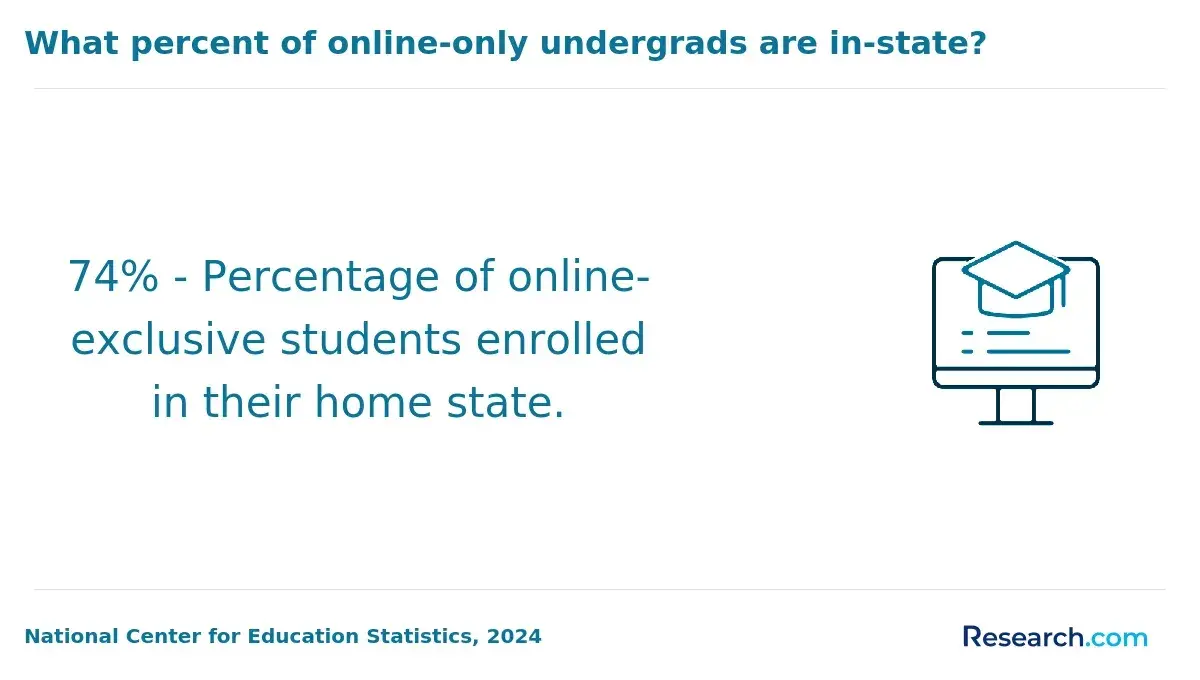
Applicants should also anticipate balancing synchronous program demands with full-time work, as data show 74% of online business graduate students maintain employment, compared to 47% of on-campus peers. Letters of recommendation and purpose statements that specify how the degree addresses particular leadership gaps remain critical, as do technical proficiencies in ERP or analytics tools aligned with industry standards.
Those exploring adjacent fields may consider related options such as construction management degrees online for complementary career trajectories.
What core courses and specializations prepare graduates for senior procurement and sourcing roles?
Programs targeting advanced procurement roles emphasize strategic sourcing, contract management, supplier relationship management, and supply chain risk analysis over generic supply chain fundamentals. Graduates gain the ability to identify cost-saving opportunities while balancing the complexities of supplier risk-a skill set critical when working with volatile supply markets such as automotive or electronics manufacturing.
For example, supply interruptions caused by material scarcity require professionals to weigh cost reductions against delivery reliability, a tradeoff that defines many real-world procurement decisions.
Specialized coursework integrates procurement analytics and sustainability sourcing, directly addressing workforce gaps noted by the Institute for Supply Management's 2024 survey, where 68% of chief procurement officers underscore advanced analytics and risk management as crucial skill shortages. This pragmatic focus includes:
- Data-driven supplier performance evaluation
- Predictive modeling to forecast supply disruptions
- Negotiation techniques tailored to diverse cultural and regulatory environments
Rather than purely quantitative cost optimization, graduates learn to navigate the tension between minimizing expenses and mitigating risk exposure. Programs recreate this decision-making landscape by combining numerical risk assessments with qualitative relationship management, preparing practitioners to make strategic sourcing choices under uncertainty. This multi-dimensional training better equips professionals to operate effectively amid global supply chain disruptions and shifting market demands.
How long do online master's in supply chain management take, and what do they cost?
Completing an online master's in supply chain management often requires weighing accelerated intensity against a more manageable timeline-typically between 12 and 30 months depending on enrollment status. Fast-tracked programs demand 15 to 20 hours weekly, suiting highly motivated candidates in dynamic sectors like tech manufacturing or retail logistics, where speed and adaptability are prized.
Conversely, part-time paths accommodate working professionals balancing daily responsibilities but may delay skill application and promotion in fast-moving industries.
Tuition costs stretch from roughly $20,000 to over $60,000, with public institutions generally more affordable than private. Additional expenses-textbooks, fees, technology-can add thousands, making careful ROI analysis essential, especially given that employer salary boosts for procurement leadership often justify mid-range tuition investments.
Degree credit requirements usually fall between 30 and 36 hours, and some programs price tuition at a flat rate per credit.
Background matters: around 39% of supply chain master's candidates come from engineering or STEM fields, meaning they often bypass foundational courses, reducing duration and expenses. Those from business or liberal arts may face preparatory modules that increase study length and cost. This difference affects scheduling flexibility and financial planning substantially.
Ultimately, prospective students should prioritize programs that balance rigor with flexibility and align with employer expectations in sectors such as healthcare procurement or industrial supply.
Extended timelines without substantive content risk eroding momentum crucial to entering or advancing in supply-focused roles.
- Short accelerated tracks suit candidates targeting sectors demanding rapid skill acquisition and proven workload capacity.
- Part-time formats afford flexibility but require patient timeline management to avoid career advancement delays.
- STEM backgrounds typically reduce indirect costs by minimizing prerequisite coursework.
What procurement, sourcing, and supply chain leadership careers can this online master's support?
Online master's degrees in supply chain management target roles that demand strategic oversight in procurement, sourcing, and vendor relations across sectors such as manufacturing, healthcare, and retail. Graduates often transition into positions like sourcing manager or procurement director, where they apply analytics and negotiation tactics to cut costs and improve operational efficiency.
For example, a sourcing manager in manufacturing might reduce supplier lead times by 15% through data-driven decision-making, directly boosting production flow.
The practical value of these degrees lies in preparing professionals to handle complex global sourcing challenges, contract management, and compliance issues. Procurement leaders in health systems balance the competing demands of cost control and supply reliability, a balancing act made more critical by recent supply chain disruptions.
Employers expect clear ROI from education; the GMAC 2024 Corporate Recruiters Survey notes that supply chain master's graduates typically recoup their investment within 3.5 years through enhanced salaries aligned with roles that deliver measurable process improvements and cost savings.
Prospective students should critically assess how well curricula address sector-specific procurement challenges to ensure readiness for leadership roles requiring collaborative supplier engagement.
Challenges include managing demanding work schedules alongside rigorous study commitments, especially for professionals responsible for 24/7 supply chain operations. Access to real-world procurement tools and case studies is essential for bridging theory and practice. Choosing programs with proven leadership outcomes aligned to targeted industries is critical for maximizing long-term career impact.
What salary ranges and earning potential can procurement leaders with a supply chain master's expect?
Procurement leaders with a master's in supply chain management face a significant variance in earnings that hinges on industry focus and regional market dynamics. Starting salaries typically range from $90,000 to $120,000 annually, but mid-career pay can escalate to between $130,000 and $180,000. For instance, procurement directors operating in manufacturing often achieve six-figure salaries quicker than their counterparts in nonprofit or public sectors due to the direct influence on operational efficiencies and profit margins.
Employers increasingly seek candidates who combine analytical rigor with strategic negotiation and risk management skills-competencies tightly integrated into advanced supply chain management curricula. The demand for expertise in sustainable procurement practices and global supplier networks is especially pronounced in tech and pharmaceutical industries, where complex supply chains justify premium compensation.
Considering long-term financial returns, professionals must evaluate the tradeoffs associated with geographic limitations and sector-specific growth. Those entrenched in regions lacking diverse supply networks may need to invest in relocation or additional certifications to realize the full salary upside.
Data from the U.S. Bureau of Labor Statistics (2024) and QS Business Master's Rankings 2026 indicate these decisions critically influence employability and earning trajectories.
The pragmatic choice of program and industry alignment, informed by realistic wage growth projections, is foundational for procurement practitioners aiming for leadership roles that balance strategic influence with measurable business outcomes.
How can students verify accreditation and industry recognition of online supply chain programs?
Accreditation and industry alignment determine whether an online supply chain management program genuinely prepares graduates for procurement leadership roles or merely certifies theoretical knowledge. Prospective students must verify recognized accreditation from bodies like the Accreditation Council for Business Schools and Programs (ACBSP) or the Association to Advance Collegiate Schools of Business (AACSB) alongside regional accreditors such as the Higher Learning Commission or Middle States Commission on Higher Education. These accreditations confirm rigorous academic standards and impact eligibility for federal financial aid.
Beyond institutional legitimacy, alignment with professional certifications endorsed by organizations like the Institute for Supply Management (ISM) or the Council of Supply Chain Management Professionals (CSCMP) ensures curriculum relevance to current employer demands.
For example, a professional targeting a chief procurement officer position-with an average compensation of approximately $270,000 according to ISM's 2024 salary survey-must avoid generic degrees that do not cover essential competencies recognized by industry leaders.
Practical program elements such as employer partnerships and capstone projects are critical differentiators, evidencing real-world applicability and smoothing the transition into senior procurement roles. Without these multilayered validations, students risk credential gaps that delay career pivots or promotions despite academic completion.
- Consult official accrediting body directories before enrollment
- Cross-reference program content with ISM or CSCMP standards
- Assess alumni outcomes related to procurement leadership
Which certifications best complement an online master's in supply chain management for procurement leaders?
Procurement leaders aiming to leverage an online master's in supply chain management face a distinct choice in certification pathways that impact their operational influence and career trajectory. The Certified Professional in Supply Management (CPSM) sharpens skills in procurement strategy, supplier relationships, and contract negotiation-the core levers for driving measurable value in sourcing roles.
Meanwhile, the Certified Supply Chain Professional (CSCP) credential broadens expertise across the supply chain, enabling procurement decisions aligned with end-to-end processes, essential as firms embed digital tools.
Adoption of digital procurement technologies is reshaping leadership demands. Gartner's 2024 Future of Supply Chain report projects 72% of supply chain organizations will increase investment in AI, analytics, and automation by 2027. This shift positions certifications in production and inventory management (CPIM) and specialized digital procurement credentials as practical supplements, equipping professionals with analytics and technology management capabilities rarely covered deeply in typical master's programs.
Consider a procurement leader at a manufacturing firm using AI-driven supplier risk analytics: combining CPSM with a digital procurement credential optimizes supplier ecosystem management while reducing cycle times and costs through automation.
Yet, professionals must weigh tradeoffs including renewal obligations, industry recognition, and required work experience, which may delay immediate credential benefits for earlier-career candidates.
- Focus CPSM for direct procurement impact and negotiation skills.
- Choose CSCP for broader supply chain integration skills.
- Add CPIM or digital credentials to supplement technological fluency.
- Assess time and financial investment against practical workforce gains.
Other Things You Should Know About Supply Chain Management
Online master's programs in supply chain management demand consistent weekly time commitments, often ranging from 10 to 20 hours, which can strain working professionals. Students who cannot allocate regular study time risk falling behind, as many courses involve case analyses and group projects with tight deadlines. Prioritizing programs with asynchronous options and flexible deadlines provides a better balance, but candidates must realistically assess their current workload and support systems before enrolling.
Employers increasingly accept online master's degrees in supply chain management, especially when earned from regionally accredited institutions with comprehensive curricula. However, candidates from top-tier or well-known schools tend to have an advantage in competitive procurement leadership roles. Commitment to continuous professional development and relevant certifications alongside the online degree often weigh more heavily than the mode of instruction.
Students should prioritize procurement-specific electives if they aim for leadership roles directly overseeing sourcing and supplier management. Broad supply chain courses add value in strategic understanding but may dilute focus needed for specialized procurement challenges such as contract negotiation or supplier risk management. Programs that allow a clear procurement concentration combined with foundational supply chain strategy offer the clearest pathway to senior procurement leadership.
References
- MSc Supply Chain Management in 2026: Skills, Careers & Salary https://tbseducation.in/msc-supply-chain-management-skills-careers-salary/
- Online Master's in Supply Chain Management Degrees | edX https://www.edx.org/masters/online-masters-in-supply-chain-management
- 21 Best Online Master's in Supply Chain and Logistics for 2025 https://www.supplychainguide.org/degrees/online-masters-in-supply-chain-management/
- Master in Supply Chain Management | Rome Business School https://romebusinessschool.com/master-in-logistics-supply-chain-management-online/
- Top 10: Supply Chain Schools | Supply Chain Magazine https://supplychaindigital.com/operations/top-10-supply-chain-schools
- Accredited Online MBA in Supply Chain Management | AIMS https://aims.education/mba-supply-chain-management-degree/
- Online Supply Chain Management Certification https://www.ism.ws/certifications/supply-chain-management-certification-online/
- ISCEA | International Supply Chain Education Alliance - United States https://www.iscea.org/
- Pathways to SCMP Designation | Supply Chain Canada https://www.supplychaincanada.com/education-and-training/pathways-to-scmp-designation
- Procurement Training, Certification & Online Courses | Skill Dynamics https://skilldynamics.com/procurement-training/