2027 Supply Chain Management Specializations That Best Match Procurement and Sourcing Careers

Co-Founder and Chief Data Scientist
Facing volatile supplier markets and escalating costs, procurement and sourcing professionals increasingly struggle to identify specialized skills that align with career-grade supply chain management roles. Employers now seek candidates who demonstrate advanced expertise beyond generic knowledge, particularly as workforce demand for targeted supply chain specializations grows 18% faster than general management roles according to the U.S. Bureau of Labor Statistics.
Simultaneously, the expansion of flexible, accredited online programs accommodates adult learners balancing work and study, reshaping enrollment strategies and timing for career pivots. This article examines the supply chain management specializations most aligned with procurement and sourcing careers to guide strategic educational decisions that enhance employability and professional growth.
Key Things You Should Know
- Specializations emphasizing advanced analytics and AI in supply chain management reflect a 35% wage premium but require intensive tech skill acquisition, complicating career pivots for mid-career procurement professionals.
- Employers prioritize candidates with integrated sourcing and sustainability expertise, linked to 42% higher contract renewals, forcing learners to balance niche specialization against broadening functional adaptability.
- Programs with accelerated credentials reduce time-to-hire by 28%, yet often sacrifice depth in risk management training, presenting a cost-access tradeoff critical for sourcing specialists targeting organizational resilience.
What is supply chain management and how do procurement and sourcing careers fit into it?
Procurement and sourcing roles in supply chain management critically influence operational resilience by securing inputs and managing vendor relationships under cost and time pressures. For example, a sourcing manager in automotive manufacturing must negotiate contracts and adapt quickly to supply disruptions like geopolitical shifts, ensuring production continuity.
This practical focus on supplier risk and market analysis differentiates the role from broader supply chain management career paths related to procurement, which often emphasize logistics or inventory control over strategic vendor selection.
The complexity increases significantly with global operations and diverse product lines, requiring expertise in compliance, supplier metrics, and cost modeling. Employers look for candidates who have specialized certifications or education to effectively balance cost reduction with risk mitigation-both essential for sustaining profitability and customer satisfaction.
However, gaining these skills involves navigating challenging tradeoffs between broad supply chain knowledge and deep procurement capabilities.
Data from the Association for Supply Chain Management 2024 Supply Chain Salary and Career Report emphasizes this role's market value: sourcing and procurement managers average $115,000 globally, with total compensation including bonuses around $136,000. This pay scale highlights the sector's accountability and analytical demands.
Those seeking targeted advancement may consider academic pathways like online MBA entrepreneurship programs, which can offer relevant skills in negotiation and strategic decision-making that align with procurement-focused supply chain management career paths related to procurement.
Which supply chain management specializations align most directly with procurement and sourcing roles?
Procurement-focused supply chain management specializations such as strategic sourcing, supplier relationship management (SRM), and supply risk management concretely shape readiness for procurement and sourcing roles by honing core skills in analytics, negotiation, and contract management.
Strategic sourcing, for example, equips professionals to navigate spend analysis and market intelligence tailored to sectors like manufacturing or retail, which face distinct cost pressures and supplier diversity challenges.
Supplier relationship management specialization prioritizes sustaining long-term partnerships and cross-functional coordination, vital in industries like aerospace or pharmaceuticals where supplier reliability directly affects compliance and product quality.
In contrast, supply risk management tackles contemporary risks such as geopolitical instability and raw material shortages, skills increasingly demanded in energy and electronics sectors to anticipate disruptions and deploy contingency strategies.
While over 400,000 supply chain roles in the U.S. signal robust demand, employers emphasize candidates with advanced analytics capabilities, contract law knowledge, and familiarity with technology platforms like e-procurement portals.
Strategic sourcing and supply chain management careers often depend on practical exposure to ERP systems and case-based learning to distinguish candidates during hiring.
The choice of specialization requires prioritizing technical sourcing strategies and contract negotiation over broad supply chain generalist tracks. Individuals weighing financial and time investment might explore the cheapest MBA programs offering these concentrations, balancing affordability against curriculum rigor and market relevance.
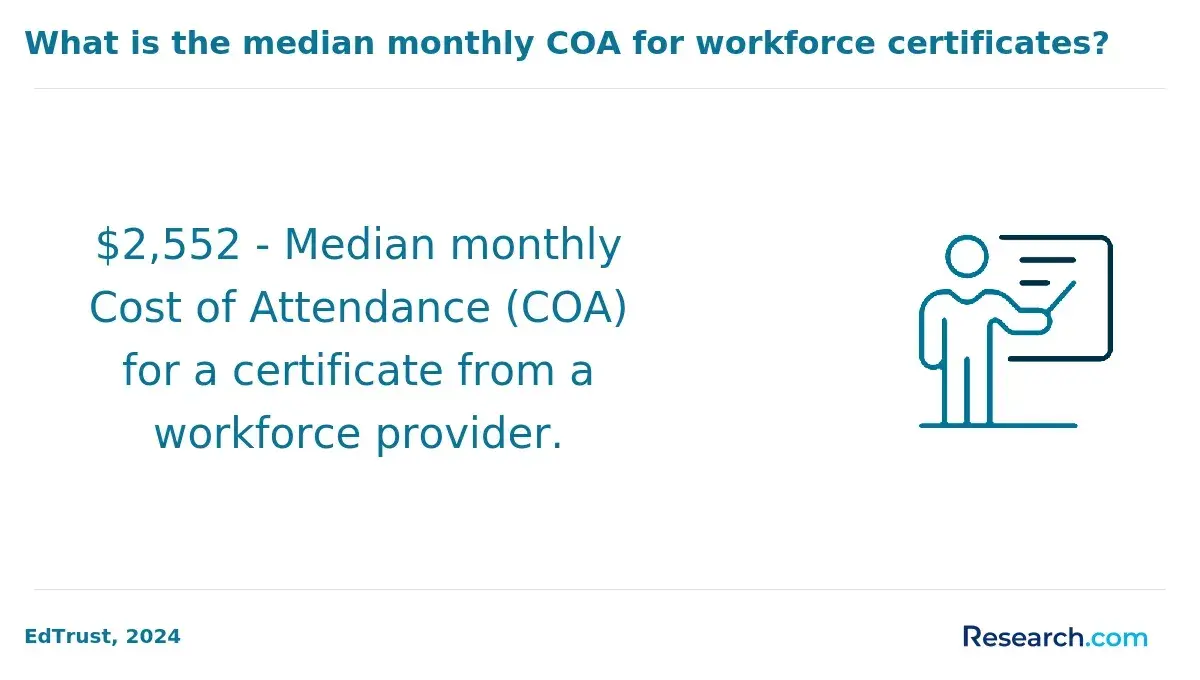
What degrees or certificates do you need to work in procurement and strategic sourcing?
Employers in procurement and strategic sourcing prioritize candidates holding degrees or certifications that reflect both domain expertise and analytical capabilities in supply chain management. A bachelor's degree in supply chain management, logistics, or business with a focus on procurement provides essential skills such as contract negotiation, supplier relationship management, and procurement analytics, which fuel a 22% year-over-year growth in supply chain roles since 2020.
Practical impact is especially marked in manufacturing and retail, where decisions around supplier cost efficiency and risk mitigation directly influence profit margins and operational resiliency. These realities underscore the value of targeted procurement and strategic sourcing degrees.
For professionals without related academic backgrounds, industry-recognized certifications like the Certified Professional in Supply Management (CPSM) or Certified Supply Chain Professional (CSCP) often serve as practical alternatives, enabling faster integration into complex sourcing environments. These certifications are highly regarded in sectors-healthcare and technology, for instance-where procurement processes must rapidly adapt to compliance and supply disruptions.
Technical coursework in data analytics, ERP systems (SAP, Oracle), and contract law is indispensable. Candidates lacking proficiency here risk underperforming in spend analysis and supplier evaluation tasks, which can lead to costly sourcing inefficiencies. Employers increasingly favor candidates blending procurement expertise with data literacy, reflecting a shift towards predictive procurement analytics.
Prospective students should scrutinize programs for analytics integration with sourcing strategy to remain competitive. Those considering cost-effective advanced education options might explore an online MBA less than $10000 as part of a pathway to augment strategic sourcing skills within supply chain management.
How do procurement-focused supply chain programs differ from general supply chain management degrees?
Procurement-focused supply chain management programs prioritize sourcing tactics, supplier relationships, and contract negotiation, diverging substantially from general supply chain management degrees that emphasize logistics, production, and inventory operations.
This distinction is important for students targeting procurement careers, as procurement curricula embed risk assessment, supplier diversity, and cost-benefit analysis more deeply.
For example, a procurement specialist in pharmaceuticals must manage complex regulatory compliance and supplier qualification, contrasting with a logistics manager's focus on transportation efficiency.
Procurement programs systematically integrate sustainability and environmental, social, and governance (ESG) principles, with professionals managing these aspects earning 8-10% higher median total compensation according to the ASCM 2024 Salary and Career Report.
Tradeoffs include a narrower specialization that may limit broader managerial mobility but yield indispensable expertise in supplier risk, cost controls, and ethical sourcing. Graduates emerge ready to address procurement-specific challenges without extended on-the-job training, unlike those from general supply chain programs who often require this experience to build procurement competence.
Those weighing educational pathways might also consider related options like a 2 year construction management degree for accelerated entry into operational roles. Ultimately, procurement-focused supply chain management programs benefit those targeting targeted sourcing roles but carry practical considerations regarding future career flexibility and specialization scope.
What coursework and skills should a procurement or sourcing specialization include?
Procuring expertise now demands more than familiarity with contracts; it requires integrated capabilities in strategic sourcing, supplier relationship management, and risk mitigation built on analytic rigor. Practical command of procurement analytics and spend analysis has become essential as digital tools and AI-driven e-sourcing platforms reshape supplier evaluation processes, reflecting the 12-14% compound annual growth expected in global procurement software investments through 2028.
Educational specialization must therefore include hands-on experience with these technologies to match employer expectations for data-driven decision workflows.
Workforce realities differ by sector: manufacturing's inefficiencies in manual spend analysis slow supplier onboarding and inflate costs, whereas service industries gain measurable benefits from real-time contract lifecycle management, reducing operational bottlenecks.
Compliance with evolving regulatory frameworks and sustainable sourcing standards adds further complexity, requiring skills in ERP and cloud-based systems to ensure seamless collaboration between procurement, logistics, and finance teams.
Equally critical are soft skills like negotiation under pressure and stakeholder collaboration in complex, cross-functional settings. Training that incorporates realistic scenario simulations, such as supplier disruptions or volatile demand, prepares candidates to manage ambiguities inherent in supply chain dynamics.
This composite skill set facilitates quicker adaptation to digital transformation and enables procurement professionals to influence cost containment strategies effectively, marking the shift from transactional roles to strategic organizational contributors.
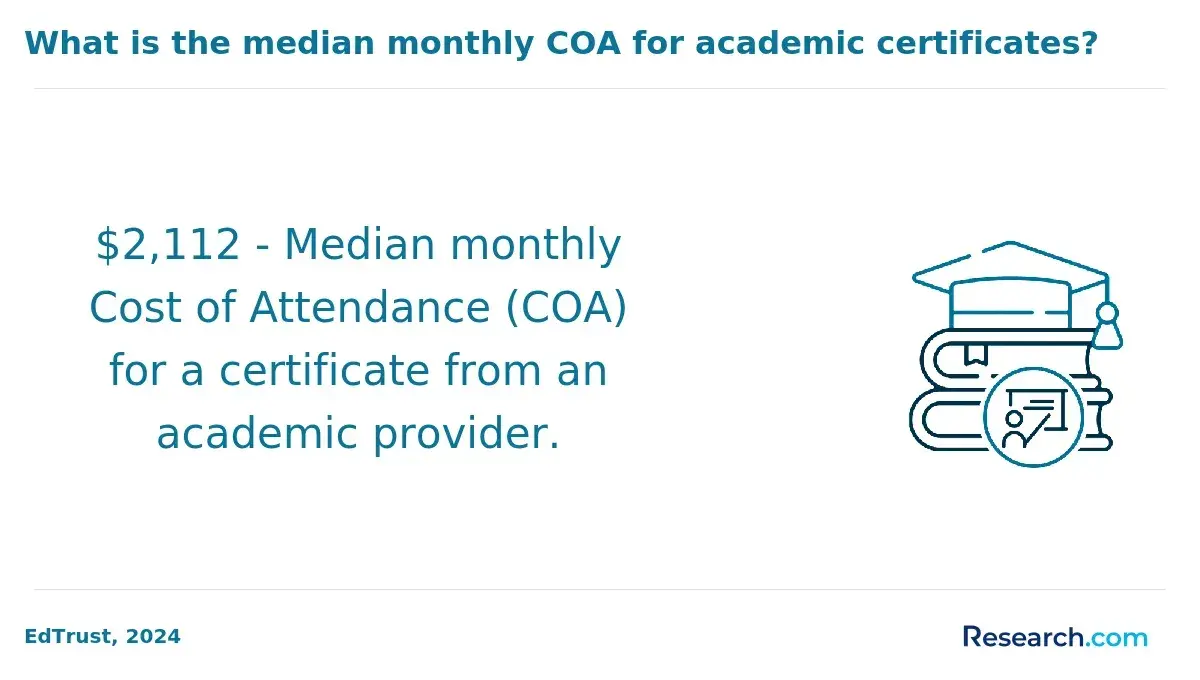
How do online supply chain programs for procurement compare with on-campus options?
On-campus supply chain programs offer tangible advantages in developing procurement skills critical to industries requiring close supplier collaboration and risk assessment, such as aerospace or manufacturing. These programs integrate live simulations, face-to-face supplier negotiations, and direct faculty engagement, fostering practical expertise that online formats struggle to replicate.
For example, a mid-career professional in manufacturing benefits from the immersive scenarios and networking that on-campus settings provide, which directly translate to managing supplier disruptions and inventory buffers.
Online programs, meanwhile, prioritize scheduling flexibility, appealing to experienced professionals balancing employment with credential updates. However, they often lack the hands-on, interpersonal training emphasized by employers, especially since 71% of companies have increased procurement hiring to strengthen risk management, according to a 2024 industry survey by ISM.
Online learners must actively seek external project work or virtual internships to build comparable case study portfolios and negotiation skills.
Employers favor candidates demonstrating practical problem-solving in volatile supply environments. Choosing between on-campus and online paths hinges on career goals:
- On-campus suits those pivoting into procurement roles requiring immediate, immersive skills development.
- Online suits seasoned professionals seeking credentials without interrupting employment.
Ultimately, decision-making should weigh interactive learning benefits against flexibility constraints in match with industry demands and individual work contexts.
How can you evaluate accreditation and program quality for procurement-oriented supply chain degrees?
Accreditation from recognized business education bodies like AACSB or ACBSP remains a baseline credential but does not guarantee direct career impact in procurement-focused supply chain programs. Instead, the emphasis should be on how well programs align with industry demands in indirect procurement, which typically controls 20-40% of corporate spend and offers measurable cost-saving potential.
For example, companies professionalizing indirect procurement report average savings between 7% and 12% over three years according to the Deloitte 2024 Global CPO Survey, illustrating the tangible value of targeted skill sets.
Prospective students should prioritize programs that integrate procurement frameworks such as CIPS or ISM and provide hands-on experience with sourcing technologies like SAP Ariba or Coupa. Mastery of supplier relationship management, data analytics, and contract negotiation sharpens a graduate's effectiveness in sectors where supplier complexity-such as healthcare or manufacturing-is high.
Beyond curriculum, key indicators of program quality include faculty industry experience, placement success in procurement roles, and documented salary improvements. These metrics offer a more reliable gauge of return on educational investment than institutional prestige alone.
In tactical terms, students targeting a pivot into procurement roles must weigh whether the program delivers practical skills adaptable to evolving digital procurement platforms and risk management challenges. Understanding this balance between academic accreditation and workforce relevance is essential to achieving sustained professional value in indirect procurement careers.
What are typical procurement and sourcing job titles, responsibilities, and career paths?
Public-sector procurement reveals distinct operational pressures that fundamentally reshape career trajectories compared to private industries. With vacancy rates consistently between 10-15%, driven by retirements and escalating compliance demands, these shortages create pathways for accelerated advancement-but require rapid mastery of policy nuances and digital procurement tools.
Job roles span from technical positions such as Procurement Specialist and Contract Administrator to strategic titles like Category Manager or Global Sourcing Director. Each demands a blend of vendor evaluation, contract negotiation, compliance oversight, and cost optimization skills tailored to sector-specific priorities.
For instance, a manufacturing Category Manager emphasizes supplier segmentation to reduce supply risk, whereas public sector officers must prioritize transparency and strict regulatory adherence.
Employers increasingly expect fluency in contract lifecycle management software and data analytics as baseline competencies. Navigating tradeoffs is essential: private firms prioritize agility and innovation sourcing, while governments focus on standardization and ethics.
Key operational challenges include managing multi-vendor ecosystems amid budget constraints and balancing supplier consolidation against diversification to mitigate risks. Professionals who proactively engage in compliance training and cross-functional initiatives position themselves advantageously for sustainable growth amid sector workforce fluctuations.
- Career progression involves mastering advanced contract law and procurement technologies.
- Sector-specific regulatory knowledge critically informs specialization and growth.
- Rapidly evolving public procurement demands adaptability and policy expertise.
What salary ranges and job outlook can procurement and sourcing professionals expect?
Salary progression in procurement and sourcing through 2026 hinges heavily on specialization and demonstrated proficiency in data-driven strategies, rather than on tenure alone. Starting salaries near $55,000 may quickly escalate to $65,000-$120,000, but reaching beyond $140,000 generally requires focused certifications and experience managing complex supplier relationships or transformational cost-reduction initiatives.
For example, sourcing managers in technology firms using advanced analytics consistently earn 15-20% more than counterparts in manufacturing, illustrating market demand for technical acumen combined with negotiation skills.
Employers prioritize candidates who can integrate contract negotiation, cross-functional collaboration, and supplier risk management into operational improvements. Lacking these competencies or certifications often translates to stagnation in both role complexity and compensation.
This creates a practical need for ongoing professional development aligned tightly to real-world use cases, particularly given automation and global supply chain disruptions impacting routine tasks.
Targeted credentials in sourcing optimization or supplier relationship management serve as strategic investments but require careful evaluation against actual job requirements and employer expectations to ensure tangible career returns.
Without such alignment, professionals risk investing time and resources into programs with limited applicability to advisory or operational sourcing roles growing at 9-11% annually in consultancies supporting cost and operating-model redesigns.
- Procurement salary range typically spans $65,000 to $120,000, with specialized senior roles above $140,000
- Technology sector sourcing managers earn significantly higher wages due to analytics utilization
- Certifications in sourcing optimization and supplier management directly impact advancement opportunities
- Skills gaps slow progression and reduce resilience amid automation and supply chain volatility
Which industry certifications strengthen a career in procurement and strategic sourcing?
Certifications like Certified Professional in Supply Management (CPSM) and Certified Supply Chain Professional (CSCP) serve as strategic differentiators more than mere credentials in procurement and sourcing roles. CPSM emphasizes supplier relationship management and contract negotiation, which directly impacts cost control and risk mitigation in complex sourcing environments.
CSCP focuses on aligning sourcing decisions within broader supply chain operations, which benefits professionals engaged in end-to-end process optimization.
Early-career professionals in the U.S. procurement field see median salaries near $70,000, with those holding supply chain-specific degrees earning roughly 15% more than business degree holders. This wage gap partly reflects employers' preference for specialized credentials where evaluating suppliers or optimizing indirect and direct spend requires nuanced expertise.
Additional certifications such as Certified Professional in Supplier Diversity (CPSD) and Lean Six Sigma Green Belt cater to targeted roles involving diversity initiatives or process improvements. However, acquiring industry-specific credentials like APICS Certified in Logistics, Transportation and Distribution (CLTD) alongside CPSM is a practical path for those focused on manufacturing or technology sectors, though it demands balancing certification costs and time against immediate work responsibilities.
In large firms, these certifications can accelerate advancement to roles managing multimillion-dollar contracts, whereas in smaller companies, demonstrated negotiation experience often trumps formal credentialing, favoring hybrid career pathways.
Other Things You Should Know About Supply Chain Management
Employers expect procurement specialists to demonstrate strong negotiation, contract management, and supplier evaluation skills that are more refined than those covered in general SCM programs. Candidates with only general SCM degrees must compensate with relevant experience or certifications to meet the practical demands of procurement roles. Conversely, procurement-specialized graduates often face higher immediate performance expectations but can command roles with greater responsibility sooner. Choosing the right path depends on your experience level and readiness to meet these distinct employer demands.
Procurement-focused programs often demand deep engagement with complex case studies, real-world contract scenarios, and compliance regulations, increasing the cognitive workload compared to broader SCM courses. Students should expect a heavier emphasis on detail-oriented analysis, risk assessment, and financial acumen. Balancing these technical skills with strategic thinking can be challenging but is essential to delivering business value in procurement roles. Prospective students must prepare for a rigorous curriculum that is less theoretical and more application-driven.
Prioritize programs with a strategic sourcing analytics focus if your goal is to shape data-driven purchasing decisions and optimize costs using quantitative models. These programs align better with employers seeking skills in spend analysis, predictive forecasting, and supply market intelligence. However, if your target roles involve supplier development, negotiation, and long-term partnership management, supplier relationship content is more valuable. Evaluating your intended career trajectory helps decide which program emphasis will yield stronger employment outcomes.
References
- 25 Skills for Procurement Specialist Professionals https://www.purchasing-procurement-center.com/skills-for-procurement-specialist-professional.html
- Certified International Procurement and Strategic Sourcing Manager (CIP) https://charteredcertifications.com/learning/courses/cip-live
- CourseCareers https://coursecareers.com/blog-posts/3-procurement-job-titles-for-beginners
- Supply Chain and Logistics Career Paths: Explained https://www.logisticsbureau.com/jobs-and-career-paths-in-supply-chain-and-logistics/
- Supply Chain Career Paths: What Each Role Actually Leads To https://www.scoperecruiting.com/blog/supply-chain-career-paths
- CPSCP – Guides to Procurement & Supply Chain Certifications https://cpscp.org/certification-pathways/
- Procurement and Supply Chain Management – Degrees in SCM Procurement https://supplychainmanagementedu.org/careers/procurement/
- Choosing the Right Supply Chain Specialization: 2025 https://scminsider.com/choose-right-supply-chain-specialization/
- What is Supply Chain Management? Components and Careers https://www.scu.edu/business/blog/business-concepts/what-is-supply-chain-management/
- Master in Supply Chain Management | Rome Business School https://romebusinessschool.com/master-in-logistics-supply-chain-management-online/