2027 Online Supply Chain Management Degrees With Strong Transportation Management Training

Co-Founder and Chief Data Scientist
Facing escalating pressures to optimize freight routing while managing global disruptions, supply chain professionals increasingly struggle to maintain operational efficiency without specialized transportation skills. Employers now rate transportation expertise as essential, yet many current supply chain degrees only touch on this area superficially.
Meanwhile, enrollment data from the National Center for Education Statistics shows a 15% annual rise in online graduate enrollments among working adults, signaling a significant shift toward flexible education formats that accommodate full-time jobs and family obligations. This trend reveals the growing need for accessible programs combining core supply chain principles with focused transportation management training.
This article evaluates online supply chain management degrees that integrate robust transportation components, helping students identify programs that align with their career advancement priorities and real-world employer expectations.
Key Things You Should Know
- Specialized transportation management coursework in online supply chain management degrees shows a 22% higher employer preference for candidates, per a 2024 Gartner workforce demand report, emphasizing targeted skills over broad SCM credentials.
- Programs heavier in transportation logistics risk reduced exposure to broader SCM functions, limiting career flexibility; Bureau of Labor Statistics data indicates 15% slower wage growth for hyper-specialized graduates in mixed logistics roles.
- Public university online SCM degrees with embedded transportation modules offer on average 30% lower tuition and accelerated 12-18 month tracks, crucial for mid-career professionals balancing cost, speed, and credential relevance.
What is an online supply chain management degree with a focus on transportation management?
Mastering transportation management within an online supply chain management degree offers distinct, industry-specific advantages that align with employer demands yet require critical personal commitment. This specialization transcends generic logistics education by focusing on practical expertise such as freight negotiation, route optimization, carrier management, and compliance with regulatory frameworks that vary widely from healthcare to retail sectors.
For instance, healthcare supply chains must rigorously ensure timely and compliant delivery of sensitive materials, contrasting with retail priorities centered on cost-speed balance amid consumer demand variability.
Graduates of transportation management training in online supply chain management programs fill a tangible gap in workforce capability, addressing challenges highlighted by the 2024 MHI Annual Industry Report, which cites that 56% of supply chain leaders face hiring difficulties for roles demanding these specialized skills.
Proficiency in software simulations, risk mitigation, and data analytics tools directly affects both cost containment and service reliability. Yet, online program candidates must evaluate their readiness for self-directed learning and collaboration in virtual environments replicating complex logistics scenarios.
Consider professionals aiming for roles like transportation manager or logistics analyst; the degree's operational focus offers a strategic pivot but requires balancing work-life realities to maximize its return. Those weighing advanced options should also explore related pathways such as an operations management MBA online, which can further broaden managerial competencies beyond transportation-specific scopes.
How do online supply chain and transportation management programs compare with on-campus options?
Choosing between online supply chain management versus traditional on-campus programs depends largely on how candidates weigh practical learning against flexibility. On-campus programs excel at embedding physical simulations and field visits, essential for mastering complex challenges like cold chain logistics in food supply, which enhance readiness for roles requiring direct operational oversight.
Conversely, online transportation management education benefits working professionals by adapting swiftly to emerging technologies such as automation and data analytics, though it often sacrifices the spontaneous peer and faculty interaction crucial for developing soft skills in stakeholder coordination.
Employers in transportation management increasingly demand demonstrated experience beyond accreditation, favoring candidates with real-world project involvement. Programs that integrate virtual simulations or live case studies mitigate this gap somewhat but generally fall short of the immersive depth available on-site. The reality is that practical competence often determines employability, especially in sectors involving multifaceted supply chains.
The U.S. Bureau of Labor Statistics projects 18% growth in transportation, storage, and distribution manager employment over the coming decade, underscoring the importance of selecting educational pathways aligned with industry demands and career stages. For professionals seeking a strategic pivot or upskilling, exploring options like an MBA without GMAT may provide additional flexibility and credential value.
Key factors to consider include:
- Hands-on exposure versus curriculum agility and access
- The role of experiential learning in employability
- Networking limitations inherent to online formats
These tradeoffs illustrate why the benefits of online transportation management education appeal differently depending on professional context and learning preferences.
What accreditation and institutional quality standards should these online programs meet?
Employers in transportation logistics prioritize candidates from online supply chain management programs accredited regionally by recognized agencies. This signals adherence to quality assurance criteria for supply chain management degrees.
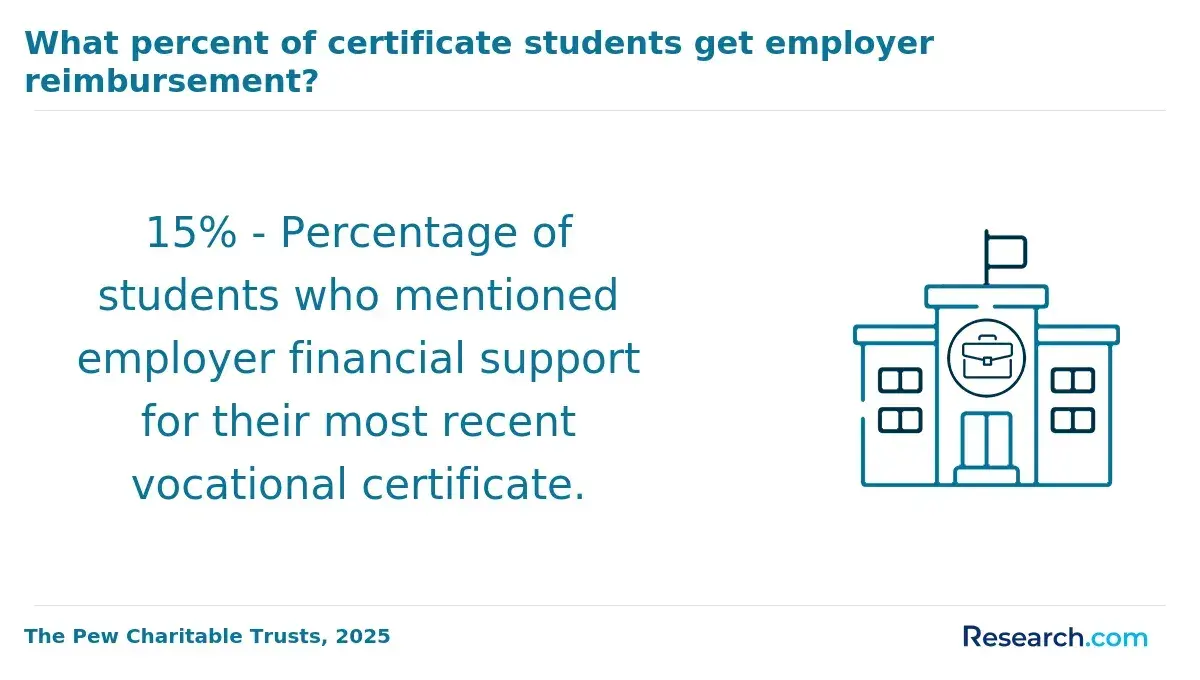
Lack of such accreditation often restricts access to employer tuition reimbursement and undercuts recognition in hiring decisions, creating a tangible barrier to advancing into leadership roles. For instance, the Bureau of Labor Statistics reports a median wage of $102,010 for transportation, storage, and distribution managers.
Beyond institutional accreditation, specialized credentials like those from the Accreditation Council for Business Schools and Programs (ACBSP) or the Association to Advance Collegiate Schools of Business (AACSB) are critical. These accreditations align curricula with industry requirements, sharpening competencies in logistics, regulatory compliance, and distribution.
Prospective students should verify that programs integrate experiential learning through capstone projects, internships, or case studies tied to real-world frameworks such as the Federal Motor Carrier Safety Administration or the International Maritime Organization.
Investing in a program without these quality markers risks educational outcomes that do not meet employer expectations nor support (re)negotiation of top-tier salaries. For candidates focused on affordability and brand value, comparing offerings that include the cheapest AACSB online MBA no GMAT requirement can be a strategic route toward balancing cost and credential prestige.
What transportation management and logistics courses are typically included in the curriculum?
Transportation management courses within online supply chain management degrees emphasize cost efficiency and delivery speed through practical logistics principles. Programs integrate core topics, including freight and carrier management, where students learn to negotiate and select carriers based on cost, service, and regulatory compliance.
A focus on transportation economics equips learners with pricing models that directly influence budgeting decisions. Routing and network design apply GIS and algorithmic tools to optimize delivery routes while considering constraints like vehicle capacity and time windows, accommodating regional freight transportation systems.
Inventory and warehouse management coursework often synchronizes transportation scheduling with warehousing to reduce operational bottlenecks. Courses on regulations address federal and state transport laws critical for sectors such as pharmaceuticals or hazardous materials, where strict compliance affects risk and liability.
Risk management modules prepare students for disruption scenarios and supply chain security issues. The inclusion of integrated supply chain strategies deepens expertise in managing logistics in geographically specific contexts, tailoring skills to realistic industry demands.
Real-world application is highlighted by case studies contrasting logistics needs across industries, such as just-in-time delivery in automotive manufacturing versus bulk shipping in agriculture.
Transportation analytics cover telematics, GPS tracking, and transportation management systems (TMS) for cost control and operational visibility. Graduates from programs like Western Governors University report median salary increases exceeding $22,000 within two years, indicating tangible workforce value.
Employers expect graduates to apply hands-on software proficiency and scenario-based problem-solving immediately. Those evaluating degrees should balance curriculum relevance with the practical demands of cost-saving initiatives and supply chain resilience. Prospective students might explore options through resources like the easiest MBA to get into to identify viable pathways that align with career objectives.
What are the common admission requirements for online supply chain management degrees?
Admission to online supply chain management degrees demands a strategic balance between academic background and professional experience, reflecting the practical priorities of employers. Programs generally require a bachelor's degree with at least a 2.5 to 3.0 GPA, emphasizing fields like business, engineering, or logistics to ensure familiarity with core concepts.
However, candidates lacking strong quantitative skills may face barriers, as proficiency in statistics or operations research frequently surfaces as a prerequisite or is tested through placement exams. This can delay enrollment for working professionals needing to complete preparatory courses first.
The declining enforcement of standardized tests such as the GRE or GMAT signals a shift toward valuing demonstrated work experience-usually two to five years-in roles tied to procurement, logistics, or operations. Employers, particularly in transportation management sectors, increasingly require expertise in advanced visibility and tracking technologies, making relevant professional background a decisive factor in admissions and career outcomes.
Letters of recommendation and personal statements serve to differentiate applicants by revealing leadership potential and problem-solving approach, traits highly relevant to navigating supply chain disruptions. The timeline for fulfilling these requirements can impose real challenges for candidates balancing full-time jobs, as some programs also demand online orientations or assessments in math and English.
How long do these online degrees take to complete, and what do they cost?
Supply chain management degrees with a focus on transportation management necessitate careful consideration of time investment versus employability in logistics-heavy sectors. Programs lasting 18 to 36 months accommodate varied pacing, but accelerated formats reduce this to 12-18 months by condensing coursework, beneficial for professionals balancing work and study.
For example, a full-time accelerated MBA might take around 15 months, whereas part-time pathways extend closer to three years due to limited course loads per term.
Cost differentials reflect institutional type and program rigor. Public universities offering online bachelor's degrees typically charge $15,000 to $30,000 in tuition, whereas master's programs emphasizing transportation or supply chain management range from $20,000 to $50,000. Private institutions can surpass $60,000, especially when embedding certifications or experiential learning components that align with real-world logistics challenges.
Employers in retail distribution and third-party logistics prioritize degrees that integrate theoretical frameworks with practical transportation skills within a condensed timeframe. Completing a program within two years minimizes skill obsolescence amid evolving technologies and regulations, accelerating workforce readiness.
Given the U.S. Bureau of Labor Statistics projects nearly 56,000 annual job openings related to transportation, prospective students should balance program length and intensity to optimize outcomes. Longer durations risk escalating debt without proportionate skill gains, while accelerated tracks demand disciplined time management but enable faster entry into a growing labor market.
Employer Confidence in Online vs. In-Person Degree Skills, Global 2024

What transportation-focused roles and career paths can graduates pursue?
Transportation-focused degrees in supply chain management lead to roles emphasizing both operational efficiency and analytical acumen. For instance, logistics coordinators in retail optimize shipment timing by analyzing traffic data and warehouse workflows to minimize seasonal delays, directly influencing customer satisfaction and cost control.
Such positions require mastering multimodal transport and carrier negotiations, skills employers prioritize for reducing expenses without sacrificing delivery quality.
Higher-level functions such as transportation operations managers or supply chain consultants demand fluency in regulations, intermodal logistics, and emergent tracking technologies like telematics and blockchain. These roles routinely involve cross-department collaboration across procurement, IT, and third-party logistics, calling for integrative systems knowledge and negotiation expertise.
Graduates should weigh practical tradeoffs: while these careers offer access to diverse sectors like manufacturing and healthcare logistics, success depends on real-time decision-making and regulatory compliance under cost pressures. Candidates who leverage transfer or military credits-as Purdue Global data shows-can substantially decrease tuition burdens, smoothing the pathway to skill acquisition and career transitions.
- Roles often involve optimizing carrier relationships and fleet utilization through data analytics.
- Cost management expertise and contract negotiation differentiate advanced candidates.
- Operational, analytical, and strategic skills intersect across complex supply chain ecosystems.
What salary ranges and advancement opportunities exist in transportation and supply chain management?
Salary trajectories in transportation and supply chain management reveal a sharp divide between generalist and specialized expertise. Entry-level roles typically offer $55,000 to $70,000, with mid-career logistics or procurement managers reaching $75,000 to $95,000.
Senior-level positions, such as supply chain directors or operations managers, can exceed $150,000 depending on sector complexity. These figures, grounded in U.S. Bureau of Labor Statistics (2024) data, reflect how advanced skills in analytics, technology integration, and cross-disciplinary knowledge serve as key differentiators.
For example, a transportation analyst at a retail company who applies data analytics to optimize delivery routes can directly influence cost efficiency and service quality. Progressing to director-level demands broader competencies-vendor management, risk assessment, sustainability-that go beyond narrow logistics expertise. Without such expansion, professionals risk stagnation in mid-level roles.
Employers prioritize candidates adept in digital transformation tools such as AI forecasting and blockchain traceability, increasingly tying compensation and promotion to these capabilities. The prevalence of dual majors-25% of undergraduate supply chain management students at Rutgers Business School pursue this path-illustrates a strategic response to market demands, blending marketing analytics or operations leadership to open non-traditional career lanes.
- Entry-level salaries range from $55,000-$70,000
- Mid-career logistics/procurement managers earn $75,000-$95,000
- Senior roles surpass $110,000 and can reach $150,000+
Which industry certifications align best with transportation management training in these programs?
Transportation management credentials directly influence employability and market value in supply chain management. The Certified Transportation Professional (CTP) credential demonstrates proficiency in transportation operations and regulatory compliance, skills critical when managing multimodal freight or fleet logistics in sectors like manufacturing and retail.
Meanwhile, the Certified Supply Chain Professional (CSCP) credential broadens perspective by linking transportation functions to overall supply chain flows, beneficial for professionals coordinating across departments.
Technology-focused certifications are increasingly vital due to rising automation and digital tools. The 2024 MHI Annual Industry Report projects that 87% of supply chain organizations will invest heavily in technologies such as real-time tracking and autonomous systems by 2029. Practical certifications like Lean Six Sigma Green Belt or Transportation Management System (TMS) Specialist address this shift by equipping candidates with process optimization and software skills demanded by employers.
Consider a transportation manager overseeing last-mile delivery in e-commerce: success requires compliance credentials paired with analytics and software proficiency to optimize routes and cut costs. Without this dual expertise, advancement opportunities shrink as organizations favor candidates who bridge regulatory knowledge with technology fluency.
Students evaluating programs should prioritize curricula that balance foundational transportation principles with applied technology training, aligning preparation with evolving industry requirements and certification standards.
How can students evaluate and choose the best online transportation management program for their goals?
Degrees that treat transportation management as a foundational requirement, not an elective, better prepare students for the nuanced demands of logistics careers. Over 70% of top-ranked online supply chain programs include dedicated transportation or freight management courses, addressing critical topics such as freight operations, route optimization, and regulatory compliance. Programs that skim these areas risk graduating students ill-equipped for evolving industry complexities.
Career trajectories within transportation management differ markedly. For instance, public transit and government logistics roles require mastery of policy frameworks and regulatory environments, whereas private sector freight positions hinge on expertise in carrier management, freight brokerage, and supply chain technology.
Internship or practicum placements with transportation firms significantly enhance job prospects, reflecting employer preferences for candidates with hands-on experience in live logistics environments.
Accreditation from bodies like ACBSP and faculty with demonstrated industry leadership lend credibility and ensure curriculum relevance. Prospective students should examine transportation-specific post-graduation employment data to align program choice with market realities.
Logistical factors also impact value: programs incorporating real-time data simulations and current supply chain software tools offer a competitive advantage. Those balancing full-time work must carefully assess synchronous versus asynchronous delivery modes, as engaging with interactive transportation content and collaborative projects often demands flexible yet consistent participation.
Other Things You Should Know About Supply Chain Management
Choosing a specialized concentration in transportation management can increase expertise and appeal to employers seeking targeted skills in logistics and fleet operations. However, a broader supply chain management curriculum offers flexibility by covering procurement, inventory, and production alongside transportation.
If your goal is a leadership role that requires managing multiple aspects of supply chains, prioritize programs offering a comprehensive curriculum with transportation electives rather than a narrow focus.
Employers increasingly accept online degrees if the program is reputable, accredited, and provides relevant, practical skills reflecting current industry tools and challenges. What matters more is evidence of applied learning, such as case studies, internships, or project work integrated into the online program. Candidates should seek programs with strong industry connections to enhance credibility and improve job prospects beyond just holding an online degree.
Online supply chain programs with transportation management typically demand balancing technical coursework with case studies and simulation projects. Expect a significant time commitment for interactive assignments and mastering logistics software tools. Students already working in the field must prioritize schedules strictly, as the combination of detailed transport planning and supply chain analytics requires sustained focus without the immediate support of an on-campus environment.
Gaining transportation management training early in a supply chain degree offers practical career benefits. Students develop crucial skills like logistics coordination and network optimization, enhancing employability. Early specialization aligns with industry demand for professionals adept in addressing complex transportation challenges, potentially leading to expedited career advancement in roles such as transport analyst or logistics coordinator.
References
- Supply Chain Jobs Salary: What to Expect https://www.ism.ws/careers/supply-chain-jobs-salary/
- Supply Chain and Logistics Career Paths: Explained https://www.logisticsbureau.com/jobs-and-career-paths-in-supply-chain-and-logistics/
- Top Supply Chain Management Jobs | Salaries & Job Descriptions https://scmtalent.com/top-supply-chain-management-jobs/
- Accreditation Guide - Quality Online Schools | Sora Schools https://soraschools.com/blog/accreditation-a-parents-guide-to-quality-online-schools
- 8 Steps for Choosing Your TMS [PDF Guide Inside] » Track-POD https://www.track-pod.com/blog/transportation-management-steps/
- Quality Standards and Accreditation of Distance Education Programs in a Pandemic - OJDLA https://ojdla.com/articles/quality-standards-and-accreditation-of-distance-education-programs-in-a-pandemic
- Online Vs. Campus Supply Chain Courses: Which is right for you? https://henryharvin.ae/blog/online-vs-campus-supply-chain-courses-which-is-right-for-you/
- Transport and Logistics Management Course Details - Magna Skills https://magnaskills.com/course/2713
- What Are The Top-rated Certification Programs For Supply Chain Professionals? https://wingswaytraining.com/what-are-the-top-rated-certification-programs-for-supply-chain-professionals/