2027 Supply Chain Management Specializations for E-commerce Supply Chain Careers

Co-Founder and Chief Data Scientist
Managing the complexities of e-commerce supply chains often means anticipating rapid shifts in demand, addressing last-mile delivery bottlenecks, and integrating digital platforms without disrupting ongoing operations. Professionals seeking to pivot or advance must navigate a landscape where 65% of supply chain roles now require specialized skills beyond general management, according to the U. S. Bureau of Labor Statistics.
This steep shift highlights how flexible, targeted educational programs can accelerate career mobility and reduce time-to-competency, especially for adults balancing work and study. This article examines the most relevant supply chain management specializations tailored to e-commerce careers and evaluates which options best suit varied professional goals and learning constraints.
Key Things You Should Know
- Specializing in data analytics-driven supply chain management boosts employability by 23% but demands proficiency in advanced software, creating a tradeoff between learning curve intensity and wage premium, as noted in the 2024 Gartner workforce technology report.
- Employers showed a 35% hiring preference for candidates with demonstrated expertise in e-commerce last-mile logistics optimization, intensifying competition and narrowing viability for broader SCM generalists, according to the U.S. Bureau of Labor Statistics 2024 dataset.
- Certification programs requiring 9-12 months and $4,000 average investment delay workforce entry, limiting access for mid-career professionals; the National Association of Manufacturers highlights a growing 'skills gap' worsening with prolonged credentialing timelines.
What is a supply chain management specialization for e-commerce, and how does it differ from general supply chain?
E-commerce supply chain management specialization benefits hinge on handling the unique operational demands of digital retail, which differ markedly from general supply chain management. These programs emphasize agility in managing vast, fluctuating online order volumes, rapid fulfillment, and direct-to-consumer logistics-a contrast to traditional supply chains that focus on supplier relations, manufacturing timelines, and wholesale distribution.
This specialization requires mastery of technologies such as AI-driven demand forecasting, automated warehousing, and synchronized SKU management across multiple platforms. For example, returns processing and last-mile delivery coordination challenge practitioners in ways not encountered in broader supply chain roles. Hiring managers increasingly value candidates experienced with e-commerce platforms and omnichannel retail data analytics over those with a solely general supply chain background.
The U.S. logistics sector's projected 9% growth over the next decade underscores rising demand, but professionals must also cope with intensified pressure from seasonal order spikes and fluctuating web traffic, complicating workforce and vendor planning. Tradeoffs include reduced exposure to manufacturing logistics but heightened expertise in fast-evolving consumer-centric networks, which may limit career mobility across other supply chain sectors.
Prospective students should weigh these realities carefully against their career goals before committing to this narrower focus. Those seeking a robust path might consider pairing this with broader credentials such as an MBA in entrepreneurship to expand strategic and operational versatility across sectors.
Which supply chain management specializations are most relevant for e-commerce and online retail careers?
E-commerce supply chain management specializations focusing on omnichannel fulfillment, data analytics, and logistics network design align closely with employer demand in online retail supply chain management careers. By 2024, 31% of e-commerce orders used omnichannel strategies, reflecting an operational shift that compels professionals to integrate inventory and delivery systems across physical stores, online platforms, and third-party logistics for optimal speed and cost efficiency.
Data analytics specialization directly addresses challenges such as real-time demand forecasting and managing seasonal fluctuations, vital for retailers needing to prevent costly stockouts or overstock. Meanwhile, expertise in logistics network design helps reduce shipping costs and lead times by optimizing warehouse placement, transportation routing, and last-mile delivery, which is especially critical for sectors like grocery and electronics e-commerce.
Practical mastery of supply chain technology systems like warehouse management systems (WMS) and transportation management systems (TMS) differentiates candidates by linking strategic planning with automated operational processes. However, a notable tradeoff is the necessity to continuously update technical skills to keep pace with evolving technology and integrated supply chain challenges.
Prospective students weighing these focus areas should consider the variable employer demand for tech-savvy specialists versus the learning curve for sustaining expertise. Those aiming for accelerated transition may research options including the cheapest 1-year online MBA programs that offer relevant skills and credentials efficiently.
What degrees and certificates prepare you for e-commerce supply chain management roles?
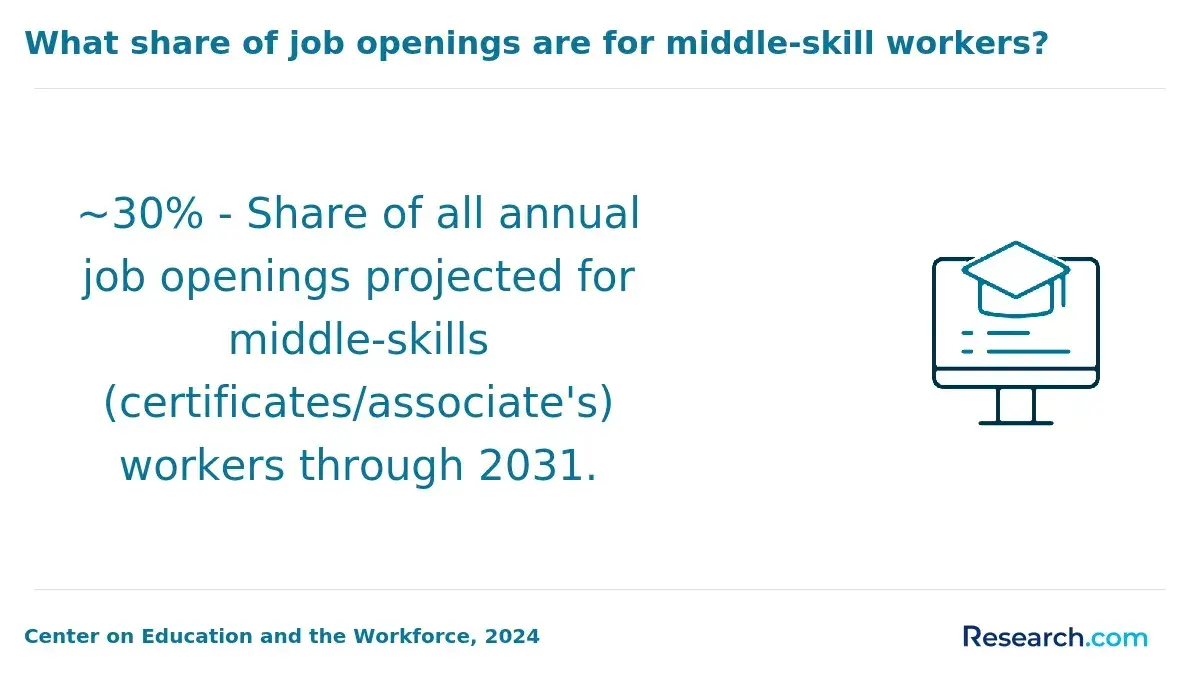
Supply chain management roles in e-commerce increasingly demand specialized education paired with targeted certifications rather than generalist degrees alone. Core competencies from bachelor's programs in supply chain management, logistics, or industrial engineering provide essential skills in demand forecasting and transportation management, matching entry to mid-level job requirements.
However, the operational complexity of omni-channel sales and last-mile delivery often requires supplemental credentials-such as certificates focused on e-commerce logistics or technology platforms like warehouse management systems (WMS) and enterprise resource planning (ERP)-to reduce onboarding time and ensure readiness for decision-making.
Consider a live inventory scenario where managing stock across multiple online marketplaces without overstocking hinges on analytic proficiency. Professionals lacking certifications that address these real-world e-commerce supply chain management careers tend to experience longer adaptation times, especially when integrating supply chain data with customer experience platforms.
Credentials like APICS Certified Supply Chain Professional (CSCP) or Certified in Logistics, Transportation and Distribution (CLTD) align closely with employer expectations, often translating into higher salaries. The U.S. Bureau of Labor Statistics reports an average annual wage of $126,550 for logistics managers, reflecting market valuation of these skills.
Those evaluating educational investments must weigh time and cost against career acceleration benefits. For individuals transitioning fields, combining hands-on experience with certificates alongside a relevant degree is generally the most efficient path. Professionals seeking strategic development might also explore an online executive MBA that emphasizes supply chain technology innovation.
How do online and campus supply chain programs compare for e-commerce-focused specializations?
Choosing between online vs campus supply chain management programs for e-commerce careers hinges on distinct operational tradeoffs. Campus education offers direct engagement with complex logistics simulations and in-person networking, essential for roles requiring hands-on vendor or warehouse coordination. For example, consumer electronics fulfillment demands real-time problem solving that campus programs simulate through physical labs and collaborative projects.
By contrast, online programs emphasize software proficiency and data analytics through asynchronous modules, aligning well with remote roles in mid-sized retail firms focusing on predictive analytics and platform management. However, absence of on-site internships may limit exposure to nuanced procurement or last-mile delivery challenges that require interpersonal negotiation and physical site visits.
The differences between e-commerce supply chain specializations in online and campus education reflect employer priorities: cloud-based platform certifications gained virtually are increasingly valued, yet candidates prepared for operational coordination benefit from campus immersion and local industry access. With global e-commerce sales climbing to $6.3 trillion, firms seek professionals adept at integrating AI-driven demand forecasting and omnichannel inventory management from day one.
Prospective students must weigh time constraints and targeted roles carefully. Those pivoting toward data-heavy supply chain strategy might prefer online curricula emphasizing scalability and automation skills, while those pursuing immediate operational advancement benefit from campus immersion.
For additional insight on integrated program options, consider reviewing construction management degrees that highlight flexible accelerated pathways.
What courses and skills are included in e-commerce supply chain management specializations?
Specializations in e-commerce supply chain management necessitate a granular grasp of logistics complexities that directly influence profitability amid escalating fulfillment costs. By 2024, the Warehousing Education and Research Council reports fulfillment costs increasing to $5.68 per order.
Candidates must weigh tradeoffs such as faster delivery against higher shipping expenses or stock holding costs versus the risk of stockouts, decisions that routinely affect customer satisfaction and operational margins.
For instance, managing perishables demands synchronized routing algorithms and real-time data analysis to maintain product integrity under tight delivery windows.
Core instructional areas include inventory optimization, predictive demand forecasting, last-mile delivery, warehouse automation, and integrated technologies like ERP and blockchain. Practical learning emphasizes digital fluency in systems such as warehouse management systems (WMS) and transportation management systems (TMS), reflecting employer expectations for immediate impact on cost containment and efficiency improvements.
These programs also address omni-channel fulfillment strategies that unify online and physical retail distribution, essential for balancing inventory and order flows across platforms. Supplier relationship management training further prepares students to negotiate flexible contracts, mitigating supply disruptions and avoiding excess inventory-a critical skill in volatile supply environments.
- Operational priorities focus on interpreting complex cost drivers and applying lean principles to curb rising expenses.
- Realistic challenges include balancing speed, cost, and inventory risks in competitive market conditions.
What are the typical admission requirements and prerequisites for e-commerce supply chain programs?
Admission into e-commerce supply chain programs demands a nuanced blend of academic groundwork and hands-on experience, reflecting employer preferences for candidates who can bridge theory and operational realities. A bachelor's degree in business, engineering, IT, or related fields remains a foundational requirement, but candidates with degrees in unrelated areas must often prove their capacity through prerequisite quantitative coursework in statistics or economics.
Relevant work experience in logistics, retail, or distribution is more than a formality-programs prioritize applicants with real exposure to inventory control, data-driven decision-making, or last-mile delivery challenges. For example, contributing to improving an 82% first-attempt delivery success rate, as noted by Descartes Systems Group in 2024, speaks directly to practical competence valued by admissions and employers alike.
Technical proficiency in supply chain platforms, ERP systems, and data analytics tools is increasingly expected. Standardized tests like the GRE or GMAT may be required where programs emphasize quantitative project management skills. Additionally, international candidates must demonstrate English proficiency to navigate complex professional contexts.
Applicants should be prepared for rigorous quantitative coursework and practical problem-solving exercises, including cost-risk tradeoffs, supplier negotiation simulations, and last-mile delivery analysis. The ability to interpret industry data and integrate technology to optimize e-commerce logistics often determines both admission success and future employability in this competitive field.
How long do e-commerce supply chain specializations take, and what do they cost in the U.S.?
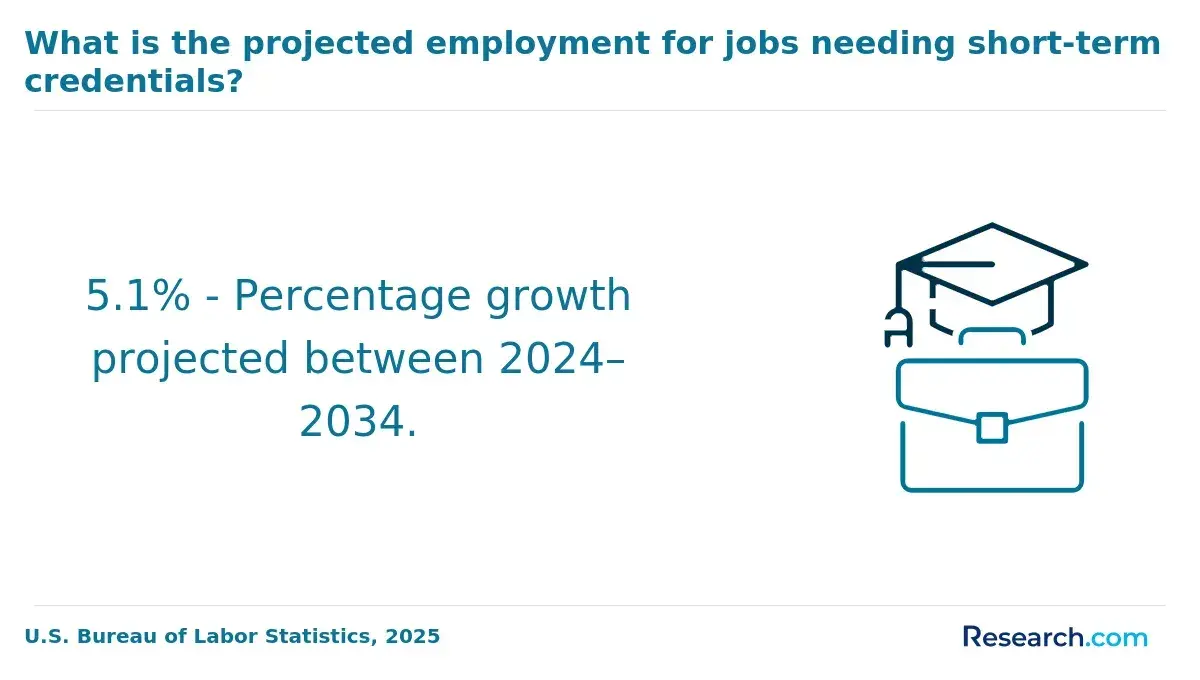
Choosing an e-commerce supply chain specialization requires weighing program duration and credential depth against immediate workforce demands. Short certificates typically last 3 to 6 months and focus on operational basics like inventory control and last-mile logistics, suiting retail roles with urgent training needs and budget constraints.
More advanced programs spanning 9 to 12 months emphasize predictive analytics, risk management, and digital tools, aligning with sectors such as consumer electronics where rapid product cycles elevate supply chain complexity.
Costs vary sharply, from roughly $1,200 to $4,000 for shorter online options, up to $5,000 to $10,000 for university-affiliated specializations. These provide stronger credentials without full degree overhead but require balancing study with continued employment commitments. Decision-makers should consider how these credentials affect employers' real priorities, including reducing revenue losses linked to supply disruptions, which average 8% annually across industries.
Practical program evaluation demands matching coursework with in-demand skills like demand forecasting and transportation management. Outcomes data-such as post-completion job placement and salary improvements-are critical to assess return on investment. In workforce transitions from unrelated fields, the tradeoff between quick credentialing and acquiring employer-valued competencies shapes effective pathways.
How can you verify accreditation and program quality for e-commerce supply chain studies?
Accreditation status directly impacts the credibility and market value of e-commerce supply chain education. Regional or national accreditation from bodies like the Higher Learning Commission or Middle States Commission is essential.
Specialized certifications from industry organizations such as the Association for Supply Chain Management (ASCM) or the Council of Supply Chain Management Professionals (CSCMP) ensure alignment with evolving demands in automation and analytics.
Outcome transparency serves as a practical indicator of a program's current market relevance. For instance, a logistics curriculum in a Midwest metro boasting a 90% job placement rate at firms deploying automated fulfillment systems demonstrates meaningful employer trust and curriculum responsiveness.
In contrast, programs without published graduate employment or salary data risk delivering outdated training that may hinder long-term career mobility, especially as Gartner research notes 78% of supply chain leaders plan automation budget increases in the near term.
Key evaluation criteria include curriculum content addressing emerging technologies like AI-driven demand forecasting and last-mile delivery, coupled with faculty expertise grounded in operational supply chain roles.
Program flexibility, offering online or part-time formats, mitigates barriers for working professionals balancing upskilling with job responsibilities. Neglecting these factors can lead to a mismatch between education and labor market realities, affecting both immediate employment prospects and adaptability in a technology-driven sector.
What jobs, salaries, and career paths can e-commerce supply chain specializations lead to?
Specializing in e-commerce supply chain roles requires adapting to a rapidly evolving skill set shaped by AI and machine learning integration. Positions such as supply chain analyst, demand planner, and inventory manager often start with salaries between $60,000 and $75,000, but those proficient in AI-driven forecasting and data analytics can exceed $120,000 in senior roles within leading companies.
AI adoption, reported by 43% of supply chain organizations in 2024 per IBM, makes technical fluency a baseline expectation. For example, an inventory manager at a major online retailer must collaborate closely with IT and data science teams to implement AI tools that reduce stockouts and optimize inventory turnover.
Professionals lacking these analytical capabilities face limited advancement, whereas those combining traditional supply chain knowledge with predictive modeling skills move into strategic positions like supply chain systems manager or director of supply chain innovation.
Career paths diverge by sector, with fast-moving consumer goods demanding rapid replenishment experts, while luxury goods focus on low-volume, high-value logistics. Education pathways should emphasize AI, advanced analytics, and cross-functional collaboration. Employers favor candidates with practical experience, making internships or projects involving real-world AI-enhanced systems crucial for progressing in this competitive environment.
How strong is employer demand and future job outlook for e-commerce supply chain specialists?
Job growth for e-commerce supply chain specialists outpaces many fields, with a projected 22% increase through 2032 according to the U.S. Bureau of Labor Statistics. This demand reflects a shift toward data-driven supply networks that prioritize efficiency across complex, multi-channel retail environments. Employers heavily favor candidates skilled in data analytics, automation, and agile inventory control to trim delivery lead times and reduce costs.
Sector-specific needs illustrate key tradeoffs: electronics retailers require expertise in managing global supplier schedules, fashion businesses stress rapid order fulfillment and reverse logistics, while grocery delivery demands proficiency in cold chain optimization and adaptive routing. These variations shape the desirable skills profile and highlight the practical importance of hands-on experience.
The average four-year private nonprofit college tuition approaches $41,540, compelling students to consider whether costly degrees or alternative credentials like certifications and apprenticeships offer better returns given employer expectations. Most hiring managers expect demonstrated use of supply chain platforms integrated with e-commerce tools, making internships or project-based learning imperative for new graduates to acquire operational competence.
Success in this field increasingly depends on blending logistics know-how with digital fluency, particularly in data-focused decision-making tools that respond dynamically to consumer demand patterns.
Other Things You Should Know About Supply Chain Management
Work experience is not strictly required but strongly recommended for success in e-commerce supply chain specializations. Programs that assume baseline familiarity with logistics and procurement place less emphasis on foundational concepts and more on data analytics and technology integration.
Without prior experience, students may struggle with accelerated material and practical applications, reducing the immediate value of the credential. Prioritizing programs with embedded internships or co-ops can offset gaps in professional background and better align education with employer expectations.
Choosing between technical depth and broad supply chain exposure depends on your career objectives. Deep technical focus on areas like warehouse automation or demand forecasting fits roles in analytics or operations leadership but narrows job flexibility.
Broader curricula covering procurement, transportation, and customer fulfillment prepare students for generalist or managerial positions but may reduce expertise in high-demand niches. For career pivots into specific e-commerce supply chain functions, prioritize programs with strong technical tracks and practical tool training.
Balancing a supply chain management specialization for e-commerce with a full-time job in 2027 requires careful time management and prioritization. Flexible online courses and employer support can also ease the strain, allowing students to effectively juggle professional and academic commitments.
Employers value specialized e-commerce supply chain credentials when they demonstrate applied skills with relevant software and current industry practices. However, broader supply chain degrees may be preferred for roles requiring cross-functional leadership or adaptability across sectors.
When deciding on a specialization, assess targeted job descriptions and seek programs with strong industry connections or capstone projects reflective of real e-commerce challenges. For rapid career advancement, the credential's practical alignment with employer needs outweighs brand recognition or academic prestige.
References
- Supply Chain Processes Check https://www.ifs-certification.com/en/supply-chain-processes-check
- E Commerce Supply Chain Jobs (with Salaries) - SEEK https://au.seek.com/e-commerce-supply-chain-jobs
- What degree do you need to work in e-commerce? - INSEEC https://www.inseec.com/en/guides/degree-guide/what-degree-do-you-need-to-work-in-e-commerce/
- The Impact of Supply Chain Management on E-commerce - Intact https://www.genetiqsoftware.com/en-gb/blog/impact-of-supply-chain-management-on-ecommerce
- In e-commerce, supply chain and business strategy are merging - I by IMD https://www.imd.org/ibyimd/management/in-e-commerce-supply-chain-and-business-strategy-are-merging/
- Ecommerce Logistics & Supply Chain Management – Jobs with a Degree in SCM https://supplychainmanagementedu.org/industry-specialties/ecommerce/
- Supply Chain vs E-commerce Logistics: What's the Difference? https://www.unisco.com/comparison/e-commerce-logistics-vs-supply-chain-management