2027 Online Supply Chain Management Degrees With Planning and Forecasting Career Alignment

Co-Founder and Chief Data Scientist
Facing escalating global disruptions, supply chain managers must forecast demand with precision to avoid costly inventory shortfalls or surpluses. Yet, working professionals often grapple with balancing upskilling against rigid schedules and geographic constraints.
Recent data from the National Center for Education Statistics indicates a 25% surge in enrollment for online business degrees among adult learners since 2023, reflecting a shift toward flexible, career-aligned education that accommodates professional obligations. This signals a growing preference for programs that integrate planning and forecasting expertise without sacrificing job performance.
This article evaluates online supply chain management degrees with a focus on planning and forecasting to guide candidates through practical program choices aligned with career advancement.
Key Things You Should Know
- Only 38% of graduates from online supply chain management degrees with planning and forecasting focus secure roles within six months, per 2024 National Center for Education Statistics data, highlighting a timing and market-entry cost risk for career pivots.
- Employers increasingly favor candidates with integrated technology skills—66% require expertise in predictive analytics software—pressuring programs to balance traditional operations training with advanced data competencies.
- Tradeoffs between program length and depth are acute: shorter certificates deliver faster workforce entry but omit forecasting complexity, limiting upward mobility compared to 2-year degrees, a nuance evident in Bureau of Labor Statistics employment trend projections.
What is an online supply chain management degree and how does it support planning and forecasting careers?
Choosing an online supply chain management degree for planning and forecasting careers demands careful scrutiny of how programs integrate quantitative forecasting methods with evolving logistics software trends. Graduates must navigate real-world complexities like balancing volatile consumer electronics demand against supplier lead times or managing regulatory compliance in pharmaceutical supply chains.
These degrees cultivate skills in demand forecasting models, inventory optimization, and risk assessment frameworks crucial for mitigating supply disruptions and aligning resources effectively.
Employers prioritize candidates with hands-on experience in ERP systems, statistical tools, and scenario analysis, often gained through case-based simulations or live projects embedded in the curriculum.
However, prospective students should weigh the substantial tuition costs—averaging $23,654 per year for U.S.-based online business and management master's programs—against the value of practical experience opportunities that improve employability in dynamic, high-risk sectors.
Professionals pursuing a career pivot must critically evaluate curriculum relevance to current data analytics and supply chain technology trends, as outdated content can impede access to competitive forecasting roles. An online supply chain management degree that bridges theoretical knowledge with practical execution enhances capability in resource allocation, demand planning, and continuous performance monitoring within diverse industries.
For comprehensive perspectives on related educational pathways, the online MBA in operations management offers complementary insights to inform strategic decisions.
Online supply chain management degree programs for planning and forecasting careers provide concentrated training in analytics, operations strategy, and supplier relationship management through flexible formats suited for working professionals balancing job and study commitments.
How do online and on-campus supply chain management programs compare for planning and forecasting roles?
Deciding between online vs on-campus supply chain management degree benefits for planning and forecasting hinges on how each format prepares candidates for the unpredictable nature of supply chain disruptions. On-campus programs excel in offering in-person networking, real-time team collaboration, and hands-on simulations using industry-standard tools—advantages that sharpen the acute problem-solving skills employers seek for forecasting roles.
For example, manufacturing firms often prioritize candidates with demonstrated group project experience navigating demand fluctuations through these immersive environments.
In contrast, online programs provide flexibility to working professionals but require proactive engagement to replicate such experiential learning. Increasingly, they incorporate synchronous sessions, virtual workshops, and case studies emphasizing data analytics and predictive modeling.
Still, supplementing coursework with internships or real-world projects is critical to develop applied forecasting competencies that employers value, especially when dealing with complex supplier networks.
Comparing supply chain management program formats for forecasting and planning careers reveals key tradeoffs: on-campus formats demand geographic and time commitments but foster direct employer ties and teamwork dynamics.
Meanwhile, online learners gain accessibility but must seek external opportunities to build hands-on skills. The U.S. Bureau of Labor Statistics projects 17% employment growth for logisticians through 2034, underscoring sustained demand for graduates who combine technical forecasting abilities with applied experience.
Prospective students evaluating pathways should also consider streamlined options like the easiest and fastest online MBA programs as part of their strategic planning to balance skill acquisition and time investment.
Which accreditations and quality standards should online supply chain management degrees meet?
Accreditation by bodies like the Accreditation Council for Business Schools and Programs (ACBSP) or the Association to Advance Collegiate Schools of Business (AACSB) serves as a critical gateway for online supply chain management degrees to demonstrate adherence to quality assurance standards for online supply chain management programs in the USA.
These credentials ensure programs cover essential competencies such as demand forecasting, inventory management, and logistics strategy—skills that directly influence a graduate's ability to contribute from day one.
For professionals transitioning into supply chain roles within sectors like manufacturing or retail, completing an AACSB-accredited degree often correlates with greater employer trust and higher initial compensation. For example, logisticians commanded a median wage of $80,880 in May 2024 per the U.S. Bureau of Labor Statistics, highlighting the tangible value employers place on verifiable practical skills and relevant credentials.
Programs lacking these accreditations may miss integrating vital forecasting analytics or supply chain technologies, limiting graduates' competitiveness.
Beyond institutional accreditation, regional accreditation affects credit transferability and employer confidence. Prospective students should confirm that programs offer hands-on forecasting software or case studies aligned with real industry tools. Without practical exposure, graduates risk a steep on-the-job learning curve that hinders effective salary negotiation and operational impact.
Supply chain management program quality also depends on partnerships with companies for internships or project-based learning. Employers expect graduates to manage complex data-driven demand planning, making experiential elements indispensable despite institutional reputation.
Those seeking cost-effective options might consider the cheapest AACSB online MBA no GMAT, which balances affordability with AACSB accreditation standards.
What courses in an online supply chain degree focus on planning, demand forecasting, and analytics?
Online supply chain management degree courses on demand planning and forecasting embed quantitative methods such as moving averages, exponential smoothing, and regression analysis to create actionable predictions essential for minimizing costly stockouts or excess inventory.
These analytics and forecasting classes in online supply chain management programs emphasize not only technical proficiency with tools like Excel and SQL but also the interpretation of data within industry contexts such as retail and manufacturing, where forecasting accuracy directly impacts operational efficiency.
More advanced instruction integrates operations research techniques, including linear programming and simulation, to optimize resource allocation in fluctuating demand environments. This is significant considering workforce trends: roles requiring data-focused supply chain expertise, like data scientists and operations research analysts, are projected to grow markedly, reflecting employer demand for professionals who can navigate data complexities and support agile decision-making.
Students must reconcile qualitative insights with quantitative models, adapting forecasts for real-world disruptions like supply constraints or economic volatility. For example, sectors handling perishable goods demand tighter forecast horizons and rapid adjustments compared to those managing durable goods. These programs cultivate scenario analysis skills vital for balancing accuracy, responsiveness, and cost-efficiency in supply chains, despite the challenge of mastering these tradeoffs.
For individuals balancing career transitions, a fast track project management degree online can complement supply chain competencies, enhancing leadership agility in complex operational settings.
What types of online supply chain degrees best align with planning and forecasting career paths?
Degrees in supply chain management that center on planning and forecasting distinctly improve readiness for roles demanding precise demand planning, inventory control, and production scheduling. Programs incorporating statistical modeling, data-driven forecasting tools, and supply chain analytics translate into measurable skills that employers actively seek. For instance, a master's program emphasizing predictive analytics software and scenario-based exercises better equips graduates to navigate demand fluctuations typical in retail or manufacturing environments.
Without targeted training in these areas, graduates often encounter steep learning curves, requiring extended on-the-job training to achieve proficiency in forecasting tools like SAP APO or Oracle Demantra. This gap can delay their integration into critical roles responsible for mitigating supply chain disruptions through accurate projections.
Prospective students should evaluate offerings according to practical skill alignment, focusing on programs that provide:
- Direct experience with advanced demand forecasting software and ERP systems
- Instruction in risk mitigation and contingency planning tailored to supply chains
- Real-world projects with industry partners that simulate operational complexities
- Robust quantitative and statistical methods underpinning decision-making
Given that 96% of supply chain professionals intend to remain in the field for at least five years and 76% secure new positions within three months, educational choices must reflect employer expectations to ensure swift employability and sustained career progression. Programs lacking these competencies risk limiting a graduate's initial mobility and long-term retention in forecasting-intensive supply chain roles.
What are typical admission requirements for online supply chain management programs?
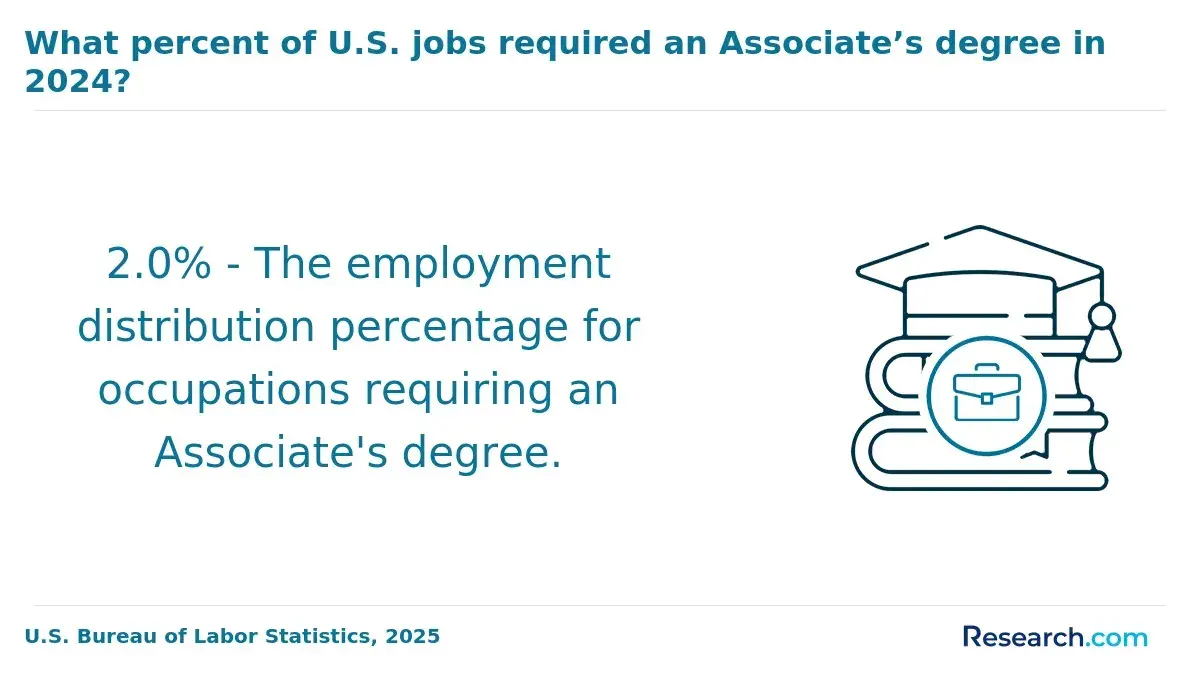
Admission for online supply chain management programs often balances academic prerequisites with relevant work experience, a factor critical to immediate employability. While a bachelor's degree is the standard entry point, applicants with an associate degree plus 1-3 years in logistics or operations can qualify for certain programs. This directly mirrors employer expectations that graduates possess applied forecasting and inventory management skills from day one.
Minimum GPAs usually range from 2.5 to 3.0, emphasizing consistent academic competence over elite performance. GRE scores are less commonly mandated but remain a barrier for those lacking quantitative backgrounds.
Applicants must demonstrate familiarity with data analysis tools or ERP systems, as many curricula integrate real-time planning software that requires technical aptitude beyond theory. International candidates face additional constraints, including minimum TOEFL or IELTS scores and access to reliable technology for synchronous learning.
Key practical considerations for prospective students include:
- Balancing academic demands with maintaining or obtaining relevant industry experience
- Ensuring technical readiness for software-intensive coursework
- Understanding that programs targeting mid-career professionals expect clear, measurable experience in forecasting or demand planning to align with workforce needs
Recent data shows more than 75% growth in supply chain management credential attainment from 2012 to 2020, underscoring competitive labor market realities and employer demand for graduates capable of immediately contributing to operational challenges.
How long do online supply chain degrees take and what do they typically cost?
Time investment for supply chain management education varies sharply with credential type and enrollment intensity, directly influencing career trajectory and financial impact. Certifications designed for quick skill updates typically take 6 to 12 months, a strategic choice for professionals focused on specific planning and forecasting tasks without extended absence from work.
Degree lengths range from about 2 years for associate credentials to 3-4 years for bachelor's programs, impacting not only duration but also depth of strategic and operational understanding. Master's degrees, often 1 to 2 years, emphasize advanced forecasting and leadership skills critical for mid-career pivots or industry transitions.
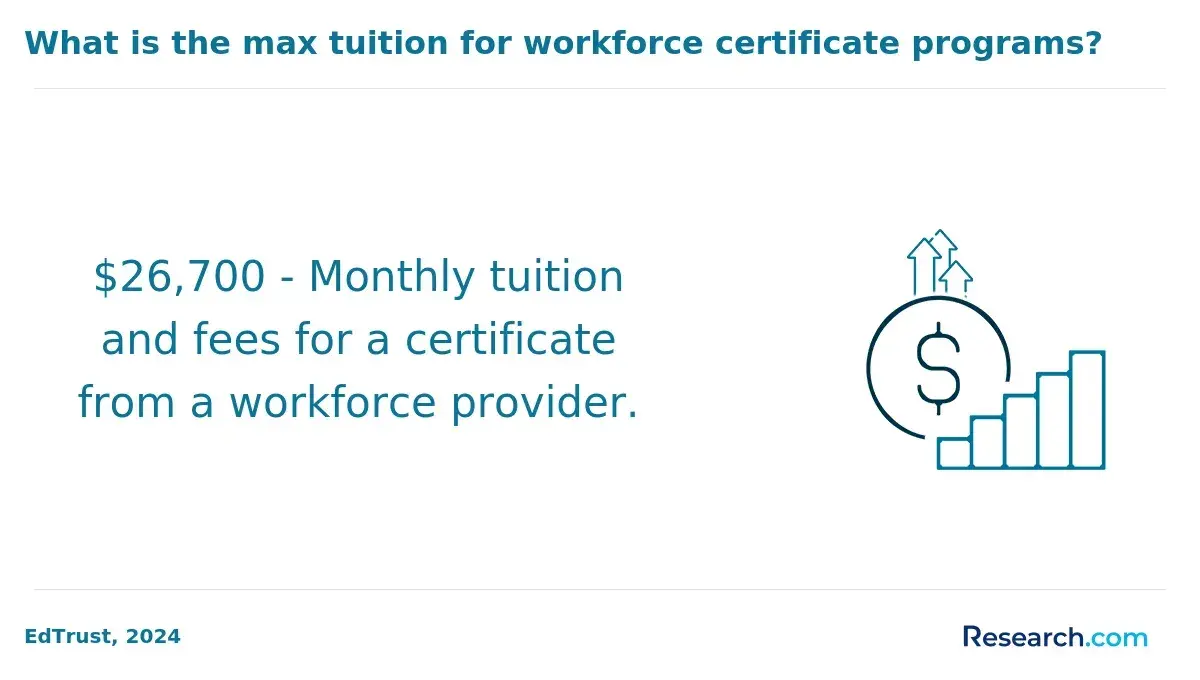
Costs reflect these timeframes and program depth, with certificates costing $1,000-$5,000, bachelor's degrees averaging $20,000-$60,000, and master's programs frequently exceeding $30,000 to $70,000. Working professionals must weigh tuition alongside opportunity costs, as flexible pacing can help minimize income disruption-a key factor for manufacturing employees balancing work and study.
Salary data from the Institute for Supply Management reports an average compensation of nearly $125,000 for supply chain roles, with the highest earners in the top 5% approaching $400,000. These figures underscore how targeted education in supply chain planning and forecasting supports access to higher-paying, influential roles in sectors like retail, logistics, and manufacturing.
What planning and forecasting jobs can graduates pursue with an online supply chain degree?
Logistics analysts, demand planners, inventory planners, supply chain planners, and operations analysts represent distinct but interconnected roles accessible via an online supply chain degree focused on planning and forecasting. Logistics analysts optimize transportation and distribution networks, reducing costs while enhancing delivery times—a tradeoff heavily scrutinized in manufacturing and retail environments where margins depend on timing precision.
Demand planners use sophisticated forecasting models to align production with fluctuating customer demand, a balance critical in industries like consumer goods and pharmaceuticals where errors can mean costly stockouts or waste.
Inventory planners face the challenge of managing stock turnover in fast-paced sectors such as e-commerce, balancing holding costs against service levels. Supply chain planners coordinate information and material flows using ERP and analytics tools, helping bridge production schedules with supply constraints. Operations analysts assess performance data to detect inefficiencies and recommend improvements, a role increasingly valued in logistics-intensive sectors like automotive and electronics.
The projected 17% national growth rate for logistics analysts and engineers—and 20% growth in Washington state by 2032—signals increasing dependence on data-driven supply chains. Employers expect graduates to complement theoretical knowledge with hands-on proficiency in SAP, Oracle, or advanced Excel for accurate scenario planning.
Practical challenges often revolve around balancing forecast accuracy with supply variability, requiring graduates to adapt dynamically to disruptions such as fluctuating lead times or seasonal demand swings.
Prospective students should weigh the necessity of strong quantitative skills and software competency against real-world constraints—including global supply risks and inventory cost-service tradeoffs—to determine alignment with their career goals and workplace realities.
What salary ranges and job outlook can planning and forecasting specialists expect?
Salary ranges for planning and forecasting specialists in supply chain management reflect clear disparities based on experience level, industry, and geography. Entry-level positions start around $65,000 to $85,000 annually, while mid-career professionals can command $90,000 to $120,000. Senior roles, particularly in pharmaceuticals or technology manufacturing, often exceed $130,000. This underscores the importance of sector-specific expertise and adaptability.
Job stability in this field depends heavily on versatility across supply chain functions and ongoing skill refinement. Recent data from a University of Tennessee survey reveals that 25% of supply chain workers changed roles within a year, yet only 4% lost jobs due to layoffs. This indicates voluntary mobility rather than instability, highlighting how proficiency in data analytics and ERP systems enhances retention and progression.
Employers expect specialists to combine accurate forecasting with fluency in integrated planning software, which affects both salary offers and career trajectory.
For example, moving from retail to aerospace supply chains requires rapid adjustment to distinct demand drivers and inventory patterns, a factor that influences employability and compensation.
The ability to master predictive analytics and coordinate cross-functionally strengthens resilience against market disruptions. Early-career professionals who diversify their supply chain experience increase their long-term employability and potential salary growth through 2026.
How can students choose a reputable online supply chain program aligned with their career goals?
With an approximate 2-to-1 ratio of supply chain job openings to qualified degree holders, selecting an online supply chain program requires a critical focus on tangible workforce alignment rather than surface-level marketing. Programs must be regionally accredited and ideally recognized by industry bodies such as APICS or the Institute for Supply Management.
Students benefit when curricula emphasize competencies like demand forecasting, inventory optimization, and advanced planning systems, reflecting employer priorities.
For those targeting sectors with specialized requirements—for example, pharmaceutical supply chains—programs offering forecasting tied to healthcare trends and compliance regulations provide distinct advantages.
Practical exposure is essential: access to industry software platforms such as SAP or Kinaxis, simulation labs, and internships with companies navigating real supply chain disruptions enhance employability significantly.
Prospective students should assess outcomes by examining graduate employment rates and employer partnerships, especially in logistics-intensive industries like manufacturing or retail.
Part-time or flexible scheduling options matter considerably for working professionals integrating study with ongoing job responsibilities. Faculty experience rooted in current industry practices rather than purely academic theory also impacts the relevance of instruction.
Ultimately, candidates must evaluate how the credential aligns with targeted roles and sector demands, recognizing that some supply chain paths weigh certifications and hands-on experience more heavily than degree titles. This pragmatic approach allows students to strategically fill persistent talent shortages with skills immediately applicable in the field.
Other Things You Should Know About Supply Chain Management
Work experience is not mandatory but significantly enhances comprehension and application of topics in supply chain planning and forecasting. Programs accepting students without experience tend to cover more foundational management principles, which can lengthen time to career readiness. Candidates with prior industry exposure can prioritize advanced analytics and forecasting courses, resulting in faster professional advancement. For career pivots, gaining even a basic role or internship before or during coursework is recommended to reinforce learning and meet employer expectations for practical skills.
Program structure directly influences mastery of software like SAP, Oracle, or advanced Excel models integral to forecasting roles. Fully asynchronous programs may reduce live interaction and immediate feedback on technical exercises, which can impede skill acquisition. Hybrid or cohort-based online formats provide better real-time collaboration and access to instructors, which improves competency with industry tools. Students should prioritize programs offering hands-on labs or access to simulation platforms to develop practical forecasting skills essential for job performance.
Employers increasingly accept online degrees but place stronger emphasis on demonstrable skills and certifications alongside the degree. Graduates should focus on programs with project-based learning tied to real data and forecasting scenarios to build a portfolio evidencing practical expertise. Networking opportunities and industry partnerships embedded in programs improve outcomes by connecting students to employers who recognize the rigor behind these degrees. Candidates must supplement education with professional credentials or internships to mitigate skepticism about online degree depth.
References
- Salary Trends Across Project Controls, Cost Management and Planning Roles https://infraspec.co.uk/salary-trends-across-project-controls-cost-management-and-planning-roles/
- MS in Supply Chain Management Admissions Requirements | MSU Online https://www.michiganstateuniversityonline.com/programs/degrees/ms-supply-chain-management/admissions-requirements/
- Future of Jobs Report 2025: 78 Million New Job Opportunities by 2030 but Urgent Upskilling Needed to Prepare Workforces https://www.weforum.org/press/2025/01/future-of-jobs-report-2025-78-million-new-job-opportunities-by-2030-but-urgent-upskilling-needed-to-prepare-workforces/
- Supply Chain Management Certification https://supplychainmanagementedu.org/certification/
- Online vs. On-Campus: Choosing the Right Format for Your Supply Chain Degree https://www.ucumberlands.edu/blog/online-vs-on-campus-choose-your-supply-chain-degree-format
- Choose the Right Supply Chain Management Degree for Global Careers | BSBI https://www.berlinsbi.com/blog/how-to-choose-the-right-supply-chain-management-degree-for-global-careers
- Supply Chain and Logistics Career Paths: Explained https://www.logisticsbureau.com/jobs-and-career-paths-in-supply-chain-and-logistics/
- Pathways to SCMP Designation | Supply Chain Canada https://www.supplychaincanada.com/education-and-training/pathways-to-scmp-designation
- 5 Tips For Choosing the Right Supply Chain Master’s Program https://exploreblog.ashland.edu/5-tips-for-choosing-the-right-supply-chain-masters-program
- Online B.S. in Logistics & Supply Chain Management | Marian University https://www.marian.edu/academics/programs/bachelors/online/logistics-supply-chain.php