2027 Supply Chain Management Specializations That Best Match Planning and Forecasting Careers

Co-Founder and Chief Data Scientist
Facing the challenge of accurately forecasting demand amidst volatile supply chains can jeopardize an entire operation's efficiency and profitability. With 67% of adult learners prioritizing flexible online access to education, according to the National Center for Education Statistics in 2024, many professionals seek specialized credentials that accommodate work and life commitments without sacrificing rigor.
This signals a shift toward modular, customizable programs focused on actionable skills that align directly with employer needs in planning and forecasting roles. This article examines the most relevant supply chain management specializations to help students and professionals make strategic educational choices that enhance forecasting accuracy and planning effectiveness in complex, evolving markets.
Key Things You Should Know
- Advanced analytics specializations drive 28% higher employer preference for forecasting roles, but intensive data science prerequisites extend program duration and cost by 35% on average, delaying career reentry.
- Concurrent certifications in demand planning and risk management enhance job placement rates by 22%, reflecting employer prioritization of multi-faceted strategic agility amid ongoing global supply volatility.
- Programs emphasizing AI-driven inventory optimization face access disparities; 47% of accredited U.S. institutions lack resources for these technologies, creating regional workforce pipeline imbalances through 2028 projections.
What is a supply chain planning and forecasting specialization?
Predictive accuracy in supply chain planning and forecasting shapes operational effectiveness by directly influencing inventory allocation and production scheduling. Specialized knowledge in supply chain planning and forecasting techniques equips professionals to handle industry-specific complexities—for instance, automotive analysts must accommodate volatile consumer trends and fragmented supplier timelines, whereas pharmaceutical planners contend with regulatory constraints and safety stock imperatives.
These advanced supply chain planning specializations demand proficiency beyond basic analytics, requiring integration of real-time data, adaptability to supply disruptions, and close collaboration across procurement, manufacturing, and logistics units.
Employers prioritize candidates who can convert extensive historical datasets into dynamic, scenario-based forecasts that optimize resource deployment under fluctuating market conditions.
This pathway entails confronting tradeoffs such as balancing forecast precision with flexibility, mastering diverse analytical tools, and articulating forecast uncertainties to stakeholders. The role necessitates hands-on experience with forecasting models and supply chain software.
The wage differential is notable: starting salaries for forecast analysts average $89,884, markedly above the general graduate average of $50,556, evidence of market demand.
Those evaluating educational options might consider concentrated programs or a 6 month MBA that integrates core forecasting skills with operational analytics, enabling a more strategic career pivot or advancement. Attentiveness to practical outcomes and real-world application is essential when selecting a program in this domain.
Which supply chain degrees fit planning and forecasting careers?
Degrees focused on supply chain management for planning and forecasting careers must balance specialized quantitative skills with operational breadth to match employer demands. For example, roles like demand planner or S&OP manager require expertise in forecasting models and cross-functional coordination, reflecting a 22% growth in supply chain positions since 2020.
This highlights how programs with concentrations in planning, operations research, or industrial engineering directly serve industries prioritizing integrated planning amid volatility.
Business analytics degrees emphasize software proficiency and predictive techniques, which align with forecasting roles common in retail and consumer goods sectors. However, supply chain management degrees with specializations in forecasting integrate inventory control, statistical methods, and ERP systems, addressing immediate employer expectations for operational impact.
Students must weigh these specific skills against broader supply chain programs that provide versatility across sourcing and logistics but often demand added on-the-job forecasting training.
Industries with high demand volatility, such as electronics or pharmaceuticals, benefit from graduates trained in advanced data modeling and supply-demand synchronization. Those targeting these fields should carefully consider degree content to avoid mismatches between preparation and workforce needs.
Prospective students can explore practical educational pathways, including options from top online MBA schools, to align skill development with sector growth and employer priorities.
The best supply chain management specializations for demand forecasting roles stress rigorous quantitative coursework and real-world scenario planning, fostering employability in sectors where forecasting accuracy drives operational resilience.
Are online supply chain programs respected by employers?
Employer perception of online supply chain programs heavily depends on accreditation, curriculum relevance, and demonstrated graduate outcomes. Programs lacking recognized credentials such as APICS CPIM or CSCP face skepticism, particularly in complex industries like pharmaceuticals and automotive manufacturing, where forecasting precision influences multi-million-dollar decisions.
Working professionals evaluating online offerings should prioritize practical application over theoretical breadth, emphasizing integration with tools like SAP IBP or Oracle SCM Cloud and project-based learning that reflects real-world demand forecasting challenges.
Supply chain management accreditation value extends beyond badges; it signals alignment with industry standards and predictive analytics competencies employers seek.
Candidates proficient in advanced forecasting software, statistical modeling, and scenario analysis command stronger interest, especially as roles like demand planners and supply chain analysts escalate in demand through 2026 due to expanded corporate investments in data-driven planning.
Logistically, flexibility in program pacing must not come at the expense of meaningful instructor engagement or experiential learning, as employers expect graduates to reduce inventory carrying costs and prevent production delays. Those who settle for generic coursework typically underperform in these operational outcomes.
Key evaluation criteria for career pivots include:
- Use of supply chain analytics tools such as Tableau
- Capstone projects tailored to the learner's target industry
- Direct access to instructors with recent field experience
Prospective students balancing workload and study should also consider the financial aspects of their educational choices; for insight on affordability, see online executive MBA programs that complement supply chain skills without excessive cost.
What accreditation should a supply chain program have?
Accreditation by bodies like AACSB or ACBSP remains the defining benchmark for supply chain management programs specializing in planning and forecasting. These credentials confirm that programs teach advanced quantitative methods, including demand forecasting, inventory modeling, and data analytics—skills employers explicitly require.
For instance, a logistics analyst in manufacturing typically needs hands-on experience with statistical forecasting and ERP software, competencies reliably integrated only in accredited curricula.
Programs without these certifications often fall short in preparing students for data-intensive roles. According to the Institute for Supply Management, over 400,000 U.S. supply chain job openings emphasize capabilities in data analytics and demand forecasting alone, signaling labor market expectations.
Graduates from non-accredited supply chain management programs in North America may face hurdles due to inadequate exposure to practical forecasting projects or advanced tools like Tableau, SQL, or Python libraries.
Students assessing education pathways must prioritize rigorous programs that align with the best certification standards for supply chain planning and forecasting, ensuring exposure to case-based learning and real data sets. Ignoring accreditation risks reduced employability in sectors such as retail, logistics, and manufacturing, where forecasting accuracy directly affects operational costs and profitability.
Those interested in adjacent fields should also consider alternatives like construction management degrees, which focus on different operational competencies yet share demand for analytical proficiency.
What courses prepare students for demand planning roles?
Demand planning education prioritizes expertise in forecasting models, inventory control, and data analytics tuned to supply chain behaviors. Graduates must navigate tradeoffs between forecast accuracy and inventory costs by mastering techniques like time series analysis, causal modeling, and machine learning tailored to demand variability. Proficiency in statistical software and ERP system integration is essential to transform raw data into operational decisions that limit stockouts and excess inventory.
Real-world application often involves interpreting seasonal trends and market signals to adjust supply strategies dynamically. For instance, demand planners in consumer electronics combine live consumer insights with historical sales to refine monthly forecasts, reducing markdown expenses and lost revenue.
Advanced curricula introduce scenario planning and risk management approaches, reflecting heightened supply chain volatility, especially in automotive and retail sectors.
Effective communication skills gained through training in collaborative planning support synchronization across supplier and internal functions, balancing lean inventory with service targets common in logistics-heavy industries.
Hands-on learning via case studies, simulations, or internships is a crucial component for developing critical judgment under uncertainty and supply constraints.
Given that logisticians' employment is projected to grow 17% through 2034 with roughly 26,400 annual openings1, specialized education equips candidates for marketplace demands increasingly focused on data-driven, nuanced supply chain strategies.
What admissions requirements do supply chain programs usually have?
Admission to supply chain management graduate programs heavily favors candidates with strong quantitative backgrounds and relevant work experience, particularly in logistics or procurement. The practical hiring landscape reveals 6-9% annual growth for roles focused on planning and procurement, creating a competitive environment where applicants must prove proficiency in mathematics, statistics, and data analytics.
Candidates without prior industry exposure face a steeper climb, especially in programs requiring standardized tests like the GRE or rigorous case evaluations.
Differences in program prerequisites align with the sector's diversity: pharmaceutical supply chain forecasting demands advanced science and modeling skills, contrasting with retail inventory-focused tracks that emphasize consumer behavior analytics. This division reflects an important tradeoff—the additional technical barriers can lead to higher specialization but also increase upfront learning friction.
For working professionals, navigating full-time versus flexible part-time or online formats involves balancing time constraints with intensive curriculum demands. Practical skills assessment via project portfolios or interviews often outweighs theoretical knowledge alone, emphasizing measurable outcomes over credentials.
This dynamic challenges prospective students to choose pathways that fit their immediate professional context without underestimating the rigor necessary for strategic roles in supply chain planning.
How long do supply chain degree programs usually take?
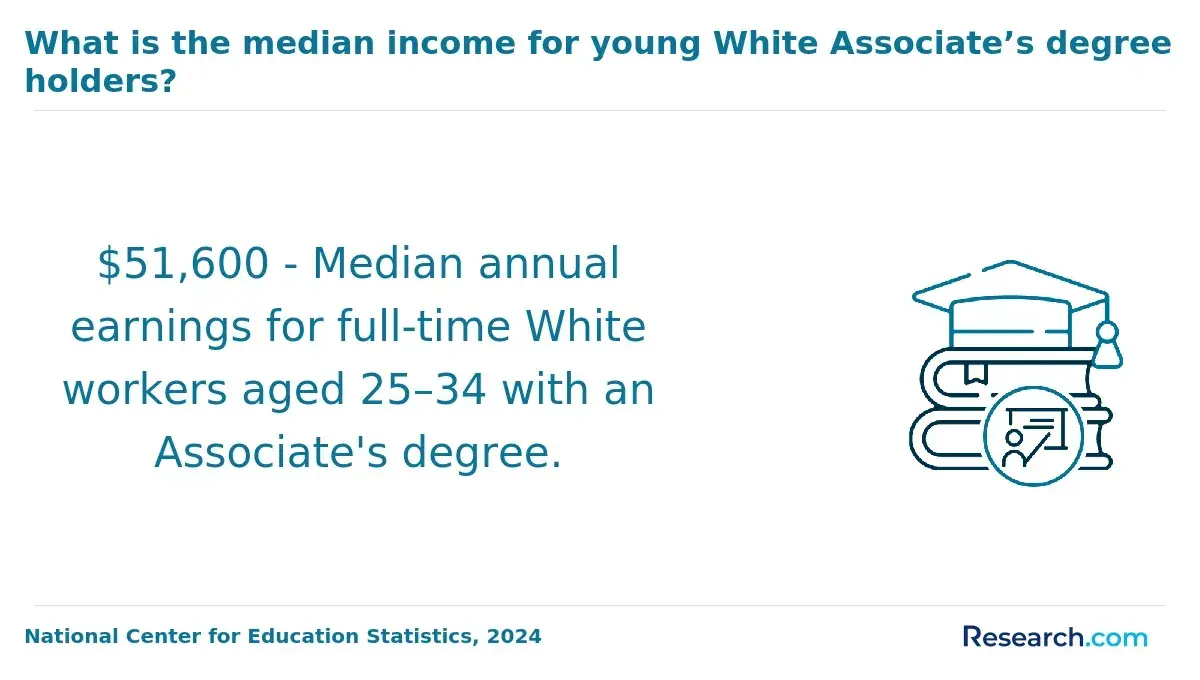
Choosing a supply chain degree program involves a tradeoff between program length, depth of expertise, and employability. Associate degrees, typically two years, suit those seeking rapid entry with foundational skills in logistics and forecasting, often enhanced by targeted internships. Bachelor's degrees, around four years, provide broader analytic and strategic capabilities essential for mid-level roles that demand problem-solving and planning proficiency. Master's degrees extend one to two years further, targeting advanced forecasting and leadership roles that require sophisticated technical and managerial acumen.
Shorter certificate programs and boot camps may accelerate workforce entry, but they frequently lack the rigorous exposure to complex forecasting models and strategic decision-making that employers prefer. This tradeoff is especially relevant in industries like manufacturing or retail, where the scope of planning responsibilities varies widely.
Labor market realities, as noted by ISM, reveal a persistent talent gap in planning, logistics, and analytics. This gap favors candidates who combine relevant education with practical skills even if they lack extensive traditional experience.
Students without prior industry background face pressure to choose programs that balance immediate job readiness with analytical depth demanded by employers.
For example, an entry-level candidate aiming to fast-track may prioritize a two-year associate degree paired with internships, while professionals targeting senior forecasting roles should consider committing to four-year or graduate-level studies to align qualifications with employer expectations.
How much do supply chain planning professionals earn?
Mid-career salaries for supply chain planning roles in the U.S. typically range from about $70,000 to $130,000 annually, influenced heavily by industry, role specificity, and location. For example, a senior global supply chain planner focused on forecasting and inventory at Boston Scientific lists $69,500 to $132,000, illustrating how specialized skills in demand forecasting and inventory optimization can command top-tier pay.
Compensation varies markedly by sector: pharmaceuticals and aerospace offer higher wages due to complex regulatory environments and longer product lifecycles, while FMCG and retail tend to cap starting salaries closer to $60,000-$75,000 given shorter planning horizons and product turnover.
For practitioners aiming to surpass the $100,000 threshold, proficiency in global supply chain integration, demand sensing technologies, and risk management is essential. These areas align tightly with employer priorities and reflect the evolving skill sets demanded in the most competitive roles.
What jobs can a planning and forecasting specialization lead to?
Planning and forecasting specialization in supply chain management centers on roles that demand precise data analysis and alignment between demand and supply functions. Positions such as demand planner, production scheduler, and sales and operations planning (S&OP) coordinator require forecasting expertise to mitigate risks like stockouts or overstocks.
For instance, a demand planner at a consumer electronics firm leverages forecasting models to anticipate sales spikes, directly influencing revenue and customer satisfaction by reducing missed opportunities during peak seasons.
Beyond these roles, procurement planners and logistics coordinators depend on forecasting accuracy to drive vendor negotiations and distribution timing, balancing cost control with service reliability. Inventory analysts in retail face the tactical challenge of setting safety stock levels that minimize holding costs while protecting against lost sales, navigating inherent tradeoffs between forecast stability and responsiveness.
The Institute for Supply Management reports a surge in demand for these professionals due to lingering pandemic-related bottlenecks and accelerated e-commerce expansion. However, entry-level candidates often struggle to demonstrate forecasting impact amid data quality variability and organizational complexity.
Mid-career professionals must weigh conflicting priorities between sales-driven agility and operational consistency, while strategic advancement requires integrated expertise in predictive analytics and end-to-end planning systems—capabilities that increasingly differentiate candidates in hiring decisions.
Which certifications help in planning and forecasting careers?
The most impactful certifications for planning and forecasting careers integrate data analytics, risk management, and digital tools expertise, particularly for roles requiring actionable insights within complex supply chains. The Certified Supply Chain Professional (CSCP) credential remains highly regarded for its focus on end-to-end supply chain planning and technology-driven decision-making.
However, candidates who supplement CSCP with certifications in predictive analytics or AI demonstrate tangible performance improvements—such as reducing stockouts by 20%-30%—which directly influence supplier relations and customer satisfaction.
Emerging expectations emphasize fluency with real-time digital platforms over traditional Excel models. The Institute for Supply Management (ISM) certifications reflect this shift, prioritizing competencies in machine learning and predictive analytics, alongside proficiency in tools like Tableau and Python. This is especially valuable in retail and manufacturing sectors, where forecasting precision materially affects profit margins.
Risk management certifications that incorporate supply chain disruption scenarios address evolving employer demands for planners who anticipate volatility and integrate strategic foresight with quantitative analysis.
Practitioners face a tradeoff: foundational supply chain theory remains relevant but must be balanced with advanced analytics credentials reflecting curricula updated post-2023 to align with digital transformation trends.
Other Things You Should Know About Supply Chain Management
Focusing on planning and forecasting is a strong long-term strategy only if you continuously update your analytical and technological skills. Employers expect professionals to handle complex predictive models and integrate AI-driven tools, so programs that emphasize these areas are more valuable. Without ongoing skill enhancement, you risk becoming less competitive amid rapid digital transformation in supply chain roles.
In 2027, supply chain planning roles often involve intensive data analysis and forecasting, demanding strong quantitative skills. These roles typically require a higher focus on predictive analytics compared to operational roles, which might be more logistics-focused. Workload may fluctuate based on market demand cycles and technological integration.
Programs with established industry partnerships often provide better access to internships, real-world projects, and employer networks, which translates into higher employability and smoother entry into planning and forecasting careers. While broad academic recognition signals quality, the immediate career benefits of applied experience and direct employer engagement typically outweigh purely theoretical credentials in this field.
Early specialization accelerates technical mastery but may limit flexibility if market demands shift, especially as roles increasingly require cross-functional knowledge. Gaining broad supply chain experience first builds contextual understanding and adaptability, which employers value for leadership tracks. For most career pivots, starting broad then narrowing focus as expertise deepens offers a more resilient path than an immediate narrow specialization.
References
- IMC Certifications https://imccertifications.com/courses/certified-supply-chain-specialist
- Online vs. On-Campus: Choosing the Right Format for Your Supply Chain Degree https://www.ucumberlands.edu/blog/online-vs-on-campus-choose-your-supply-chain-degree-format
- Main Responsibilities and Required Skills for Planning Analyst https://spotterful.com/en/blog/job-description-template/planning-analyst-responsibilities-and-required-skills
- Planning And Forecasting Jobs (with Salaries) - SEEK https://au.seek.com/planning-and-forecasting-jobs
- Demand Planner Role: 6 Pillars To Become An Expert https://abcsupplychain.com/demand-planner/
- How to Become a Supply Chain Manager https://www.allbusinessschools.com/specialties/how-to-become-a-supply-chain-manager/
- Procurement vs Planning vs Logistics: Find Your Ideal Career https://cpscp.org/procurement-vs-planning-vs-logistics-find-your-ideal-career/
- Demand Management Training Course https://zoetalentsolutions.com/course/masterclass-in-demand-management/
- Exploring Supply Chain Career Paths for Beginners https://www.ism.ws/careers/supply-chain-career-for-beginners/
- Advanced Demand Planning & Forecasting for Supply Chain... https://oxford-management.com/course/advanced-demand-planning-forecasting-for-supply-chain-optimization