2027 Best Online Bachelor's in Supply Chain Management for Procurement Career Paths

Co-Founder and Chief Data Scientist
Mid-career professionals in procurement often confront the challenge of gaining specialized expertise without stepping away from full-time employment, yet rigid program schedules block many from timely advancement. According to the National Center for Education Statistics, over 55% of undergraduate online enrollments in 2024 were adults balancing work and family, signaling a widespread demand for flexible, accessible learning options.
This shift reveals a critical gap: supply chain management candidates require programs that accommodate real-world constraints while delivering immediate, employer-recognized skills. This article evaluates the best online bachelor's programs tailored to procurement career paths, guiding readers to make efficient, practical choices aligned with workforce realities.
Key Things You Should Know
- Graduates with bachelor's in supply chain management reporting 15% higher median starting salaries face a tradeoff: programs emphasizing procurement specialization often delay graduation by 6+ months due to intensive vendor negotiation simulations, impacting opportunity cost.
- Employers in manufacturing and retail sectors prioritize candidates with quantifiable analytics and ERP software experience; 72% of relevant job postings in 2025 required such technical skills, shaping curriculum relevance and job placement.
- Rising tuition beyond $30,000 annually correlates with weaker ROI absent strong alumni networks and employer partnerships; public and hybrid programs reduce upfront debt burden while preserving access to essential professional certifications recognized in procurement pathways.
What is an online bachelor's in supply chain management?
Choosing an online bachelor's degree in supply chain management programs tailored for procurement careers involves assessing the balance between specialized operational knowledge and practical applicability. Unlike broader business degrees, these programs focus tightly on cost reduction, vendor negotiation, and logistics optimization—core competencies for procurement roles.
For example, a procurement analyst in manufacturing can improve production efficiency by applying contract negotiation techniques learned during the program, directly impacting supply costs and delivery schedules.
Graduates must navigate both conceptual models and technical tools such as ERP systems and demand forecasting software, aligning with evolving employer expectations for analytical precision and technology fluency. This expertise spans diverse industries, from retail chains that depend on just-in-time inventory management to healthcare sectors where regulatory compliance profoundly shapes medical supply procurement.
Students pursuing a bachelor's in supply chain management for procurement careers should anticipate the rigor of self-directed online learning. Without in-person networking, informal mentorship opportunities are limited, requiring proactive relationship-building to advance. Time management becomes critical as course simulations and case studies demand engagement comparable to traditional programs.
Cost remains a significant factor. The average tuition and fees for online business-related undergraduate programs hovered around $10,400 as of 2019-20, with net prices after aid near $6,000. This investment corresponds to the salary premiums for candidates demonstrating verified domain knowledge and data-driven decision skills.
Some students may also consider accelerated graduate pathways such as a fast track MBA 6 months online to deepen expertise after completion.
How do online and campus programs compare for supply chain majors?
Choosing between campus and online supply chain management programs involves weighing tradeoffs in experiential learning and networking against flexibility. Campus programs provide immersive exposure essential for roles demanding operational logistics insight, such as manufacturing supply chains, through direct access to professors, peers, labs, and internships. These components are critical for meeting employer expectations that prioritize teamwork and real-world problem-solving abilities.
Conversely, online programs often cater to working professionals targeting supply roles like procurement analysis, benefiting from adaptable schedules but requiring greater self-direction to secure internships independently.
The practical difference manifests in career impact: campus graduates usually show stronger resumes with verifiable internship experience, which employers prefer for analyst positions.
Online programs tend to integrate timely software training for ERP and analytics via modular formats, aligning well with mid-career pivots that demand skill updates without pausing employment. This dynamic reflects a nuanced balance between immersive industrial connection and learning agility.
The 16.7% job growth projection and $82,320 median salary for logistics analysts underline the premium on data analysis and technology fluency regardless of program format. Students must assess if they prioritize flexible scheduling or intensive campus networking and internship access.
For aspirants debating entry paths into supply chain management degrees, this decision shapes not only knowledge acquisition but also access to career-defining experiences critical in a competitive labor market. Those seeking targeted advancement with minimal career disruption might investigate options like an MBA without GMAT for additional leverage.
Is the program properly accredited for procurement careers?
For procurement professionals, program accreditation directly influences recruitment prospects and professional certification eligibility. Employers and credentialing bodies look for degrees accredited by recognized organizations like the Accreditation Council for Business Schools and Programs (ACBSP) or the Association to Advance Collegiate Schools of Business (AACSB) because these affirm alignment with industry standards and relevant supply chain competencies.
A procurement specialist shifting from an unrelated sector should target the best accredited supply chain management programs in the US for procurement roles, especially where vendor management, contract law, and procurement analytics are standard expectations. Firms in manufacturing and retail often require verified educational credentials due to compliance demands, making accreditation a baseline for consideration.
Non-accredited programs, while often cheaper or more flexible, risk limited employer recognition and weaker preparation for certifications like the Certified Professional in Supply Management (CPSM).
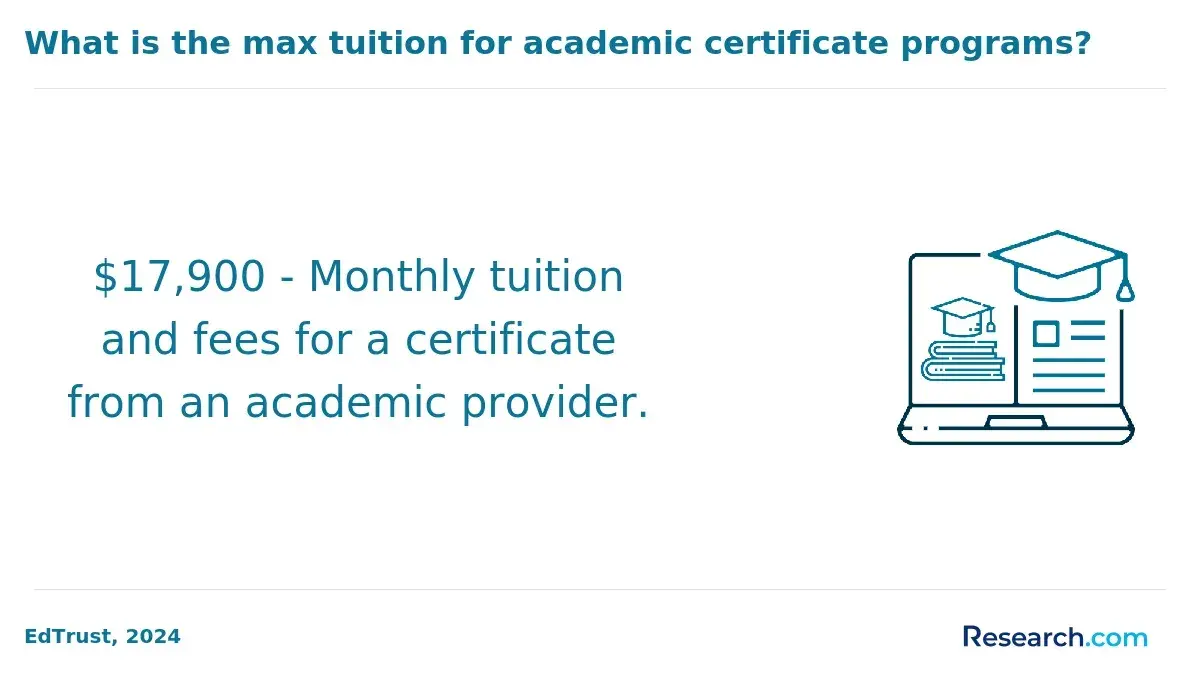
Cost remains a significant factor: some online supply chain degrees charge $20,880 plus $2,944 in fees for a comprehensive 120-credit program. Prospective students can evaluate such investments against return by confirming both accreditation and curricular rigor before committing. This is key to ensuring the degree supports genuine career advancement, not just academic completion.
Prospective students seeking affordability without compromising credibility might compare these requirements with options like affordable online executive MBA programs that maintain recognized accreditation and relevance.
What courses are in a supply chain management curriculum?
Curricula focused on courses in supply chain management degree programs must balance foundational expertise with sector-specific demands to align with employer expectations and workforce realities. Core classes for supply chain management majors emphasize procurement and sourcing strategies that sharpen skills in supplier evaluation and contract negotiation—competencies critical in manufacturing or retail sectors where managing supplier relationships directly affects cost control.
Inventory management coursework grounds students in demand forecasting and materials planning, crucial for industries like automotive or pharmaceuticals that require seamless production flows.
Key workforce implications surface in logistics and transportation management courses, where students learn to optimize distribution channels to meet tight delivery schedules or global freight complexities. Supply chain analytics classes build proficiency in data-driven decision-making, giving candidates an edge in tech-focused companies by mastering software tools used to predict supply disruptions and streamline operations.
Additional focus areas such as operations management and risk management address practical challenges including production efficiency, quality control, and resilience to geopolitical and environmental risks affecting procurement decisions. Electives or practicum projects simulate real-world vendor negotiations or crisis management, providing hands-on experience that correlates with higher employment readiness.
Purchasing managers' median salaries near $148,080 with modest growth highlight the importance of aligning course choices with industry-specific needs.
For those weighing alternatives, also consider exploring the easiest MBA programs if broader management skills are desired while maintaining a supply chain focus.
What admission requirements do online supply chain programs usually have?
Applicants to online bachelor's programs in supply chain management face a blend of academic and practical requirements that shape their readiness for real-world logistics roles. A high school diploma or equivalent is foundational, often paired with a minimum GPA requirement around 2.5 to 3.0, ensuring candidates can handle complex coursework.
While some programs may still request SAT or ACT scores, these are frequently waived for adult learners or individuals with prior college credit, reflecting a shift toward valuing demonstrated competencies over standardized testing.
Beyond academic credentials, programs often seek evidence of quantitative skills, such as algebra or statistics coursework, because supply chain roles demand analysis and problem-solving. Letters of recommendation or personal statements are common, serving to evaluate communication abilities and motivation-critical competencies when negotiating with vendors or managing stakeholders.
For students transferring credits or pursuing accelerated pathways, submitting relevant transcripts and documenting prior learning or professional experience can facilitate credit recognition and shorten degree timelines.
However, accelerated programs compressing a traditional 120-credit load into as little as one year require strong time management and realistic workload assessment. Candidates already working in logistics-heavy industries may leverage professional experience to bypass prerequisites, yet balancing full-time employment with an intensive program often extends completion times. Enrollment counselors frequently advise prospective students to critically assess their available time and support resources before committing.
How long does an online supply chain degree take and cost?
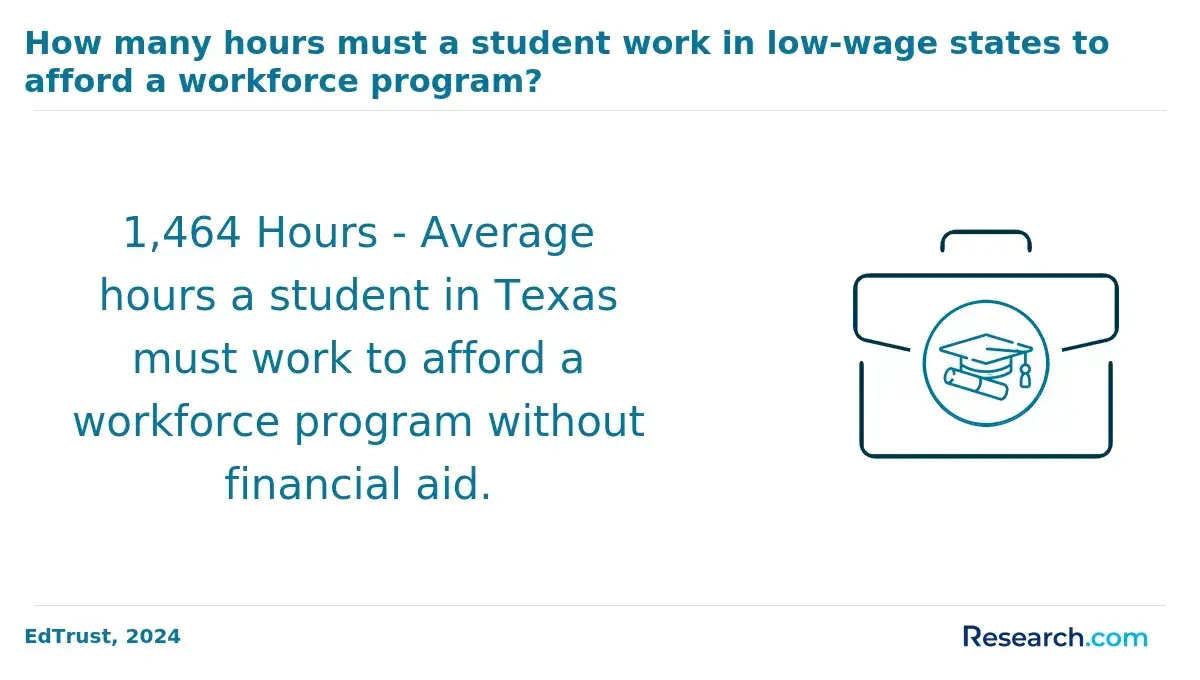
The timeline and cost of earning an online supply chain management bachelor's degree significantly influence its practicality and return on investment. While a traditional full-time path spans about four years, accelerated options can cut this to around two and a half years, albeit often at increased intensity and tuition. Conversely, part-time formats, favored by working professionals juggling schedules, may stretch over five to six years, which impacts both overall expense and timely entry into the workforce.
Program focus directly affects degree duration and suitability for specific roles. For instance, procurement positions in manufacturing generally demand technical logistics and inventory management skills, sometimes requiring extended study to fulfill prerequisite coursework. Retail supply chain roles usually prioritize vendor relations and analytics, allowing for a streamlined curriculum and faster completion by minimizing unrelated electives.
Beyond core tuition, candidates must budget for ancillary costs such as technology fees and textbooks. Embedded internships, while potentially delaying graduation by a semester, provide critical hands-on experience valued by employers and can enhance job placement outcomes across sectors like business, health care, and manufacturing.
National median salaries beginning near $65,000 support the investment, yet regional industry demand and the program's alignment with employer expectations on real-world tool proficiency remain pivotal factors for evaluating programs.
Which procurement jobs can this degree prepare you for?
A bachelor's degree in supply chain management positions graduates for roles demanding strategic oversight of procurement, vendor negotiation, and efficiency optimization. Entry-level jobs such as procurement analyst, purchasing agent, or supply chain planner focus heavily on cost control and supplier relationship management across diverse sectors like manufacturing, healthcare, and retail.
Progression often leads to sourcing or category manager roles, which require aligning procurement strategies with corporate objectives while managing large-scale contracts.
The supply chain manager role exemplifies practical complexity: projected to grow 6.1% by 2026 with a median salary of $107,230, it demands expertise in demand forecasting, mitigating supply risks, and synchronizing logistics partners. For instance, an automotive supply chain manager must balance timely deliveries against volatile tariffs and supplier solvency risks, illustrating the operational trade-offs inherent in the field.
Other specialized positions like contract administrator or procurement coordinator require proficiency in regulatory compliance, auditing requirements, and ERP software to ensure transparency and accountability in procurement processes.
What salary can supply chain and procurement graduates expect?
Graduates with a bachelor's in supply chain management targeting procurement roles face a median salary near $50,580, but this figure conceals a shrinking job market with a projected employment decline of -8.7%. This contraction imposes heightened competition, especially as automation and outsourcing reshape procurement functions.
Employers in manufacturing and technology sectors may offer salaries 10-30% above the median due to increased operational complexity, whereas government or smaller firms often lag behind this benchmark.
Students should weigh the long-term viability of procurement roles within their career strategy. For example, those entering pharmaceuticals or logistics might find steadier demand, while others confront faster saturation.
A successful procurement candidate must advance beyond basic supply chain principles, cultivating skills in contract negotiation, supplier relationship management, and data analytics. Proficiency with procurement software and AI-driven tools increasingly determines compensation growth.
Considering sector contraction, it's pragmatic for graduates to broaden their scope, exploring roles such as supply chain analyst or operations manager, which typically show stronger growth and salary potential.
Certifications like CPSM or CSCP offer crucial leverage but require consistent updating to maintain relevance. Without these, professionals risk remaining near entry-level wages despite a shrinking field.
What is the job outlook for supply chain and procurement roles?
Supply chain and procurement roles demand a balance of traditional expertise with emerging skills in data analytics, risk management, and sustainable sourcing. Professionals lacking proficiency in technologies like AI-driven forecasting or blockchain risk limited upward mobility despite steady demand.
The position of chief sustainability officer, with a median salary of $213,990 and a predicted growth rate of 4.3%, exemplifies this shift toward environmentally focused supply strategies.
Context matters: manufacturing supply chain specialists must navigate geopolitical tensions that disrupt raw material access, pushing firms toward diversified suppliers and agile contracts. Meanwhile, healthcare procurement faces intense regulatory scrutiny and critical timing pressures that transform vendor management into a precision operation. Retail, particularly e-commerce, prioritizes supply chain managers who optimize just-in-time delivery to maintain competitiveness.
Entry points emphasize foundational vendor relations and negotiation skills, but meaningful progression entails integrating operational know-how with sustainability principles and digital fluency.
Prospective students evaluating supply chain management programs should critically assess curriculum alignment with these practical employer demands and the fluid nature of supply markets. Continuous learning and adaptability are non-negotiable, especially as global trade dynamics and regulatory requirements evolve.
Employers increasingly expect candidates to:
- Combine technical procurement knowledge with analytics and sustainability expertise
- Manage supplier risk proactively in geopolitically unstable environments
- Apply digital tools for enhanced visibility and forecasting accuracy
Choosing an educational path absent these competencies may restrict career flexibility in a landscape marked by volatility and rapid technological change.
Which certifications can strengthen a procurement career path?
Supply chain professionals targeting procurement roles must weigh certifications that align directly with employer expectations and functional demands. The Certified Professional in Supply Management (CPSM) credential offers targeted expertise in supplier relations, contract negotiation, and risk management, often unlocking senior procurement roles such as sourcing manager or procurement analyst.
In contrast, the Certified Supply Chain Professional (CSCP) credential delivers a broader operational perspective across end-to-end supply chain processes, which suits organizations integrating procurement with logistics and production planning, like manufacturers or large retailers.
This distinction matters: a procurement specialist at a multinational electronics firm using CPSM skills might drive cost reductions and improve supplier performance focused specifically on sourcing strategies. Meanwhile, a CSCP holder could be more effective managing supplier collaboration during product launches, emphasizing cross-functional coordination.
Other certifications like Certified in Production and Inventory Management (CPIM) and Six Sigma Green Belt offer process and operational efficiency knowledge but tend to have narrower relevance if the career goal is procurement-centered.
Considering the cost of an online supply chain bachelor's degree—estimated at $20,880 plus $2,944 in fees according to Supply Chain Guide—pairing such a degree with CPSM or CSCP can substantially enhance employability and salary potential. Employers consistently prioritize these certifications as indicators of practical readiness and career initiative.
Other Things You Should Know About Supply Chain Management
Online supply chain management programs vary widely in structure and flexibility. Programs with asynchronous coursework and modular formats allow working students to pace their learning around job demands, which is essential for those balancing shifts or irregular hours. In contrast, programs with fixed real-time sessions or heavy group collaboration can strain professional schedules, potentially delaying graduation or causing conflict between work and study commitments. When choosing a program, prioritize format and scheduling that align with your current job responsibilities to maintain performance in both areas.
Employer acceptance depends less on the mode of delivery and more on accreditation, program reputation, and the skills demonstrated by the graduate. Online degrees from regionally accredited schools hold the same weight as traditional degrees in procurement and supply chain circles, but graduates must still demonstrate relevant experience and practical knowledge. Candidates with real-world internships, projects, or certifications integrated into their online study often gain a competitive edge. Thus, choosing programs with opportunities for applied learning and strong industry connections is more critical than modality alone.
In 2027, programs like Arizona State University and Rutgers University are known for excellent career support for procurement professionals, offering renowned internships, mentorships, and networking opportunities to bolster your career in supply chain management.
Specializations can help target career pathways, especially in competitive fields like procurement, logistics, or operations management. However, broad-based programs may provide stronger foundational knowledge and greater flexibility to pivot roles later. For students confident about their desired niche, selecting a program offering focused courses and electives aligned with that specialization is advisable to enhance expertise and appeal to niche employers. If your career goals are not yet defined, prioritize programs with comprehensive core curricula and adaptable elective options for broader opportunities.
References
- Logistics and Supply Chain Management https://www.onlinebusinessschool.com/logistics-and-chain-supply-management/
- Logistics and Supply Chain Management – Online Degree Pathway (240 Credits) - LCPS - London College of Professional Studies https://lcps.org.uk/product/logistics-and-supply-chain-management-online-degree-pathway/
- Online vs. On-Campus: Choosing the Right Format for Your Supply Chain Degree https://www.ucumberlands.edu/blog/online-vs-on-campus-choose-your-supply-chain-degree-format
- 4 Reasons Why Supply Chain Management is a Good Career Path https://www.michiganstateuniversityonline.com/resources/supply-chain/4-reasons-to-choose-career-in-supply-chain/
- Who Holds the Cards Now? Shifting Supply Chain Job Market https://scmtalent.com/supply-chain-job-market/
- Top Procurement Certifications to Boost Your Career in 2026 https://regentstc.com/knowledge-hub/blog/top-procurement-certifications
- Supply Chain Management Degree: Top Careers https://www.straighterline.com/blog/top-degrees-todays-top-careers-supply-chain-management
- Earn More with These Proven Procurement and Logistics Certifications https://cpscp.org/earn-more-with-these-proven-procurement-and-logistics-certifications/
- Purchasing and Procurement Center Accreditations and Recognitions https://www.purchasing-procurement-center.com/accreditations-and-recognitions.html
- 2026 Supply Chain Job Market: What Job Seekers Need to Know https://www.scoperecruiting.com/blog/supply-chain-job-market-2026-job-seekers