2027 Online Supply Chain Management Degrees With Strong Logistics Coordination Training

Co-Founder and Chief Data Scientist
Facing frequent disruptions and rising costs, supply chain managers must optimize logistics coordination without halting operations. Yet, many professionals struggle with inflexible education options that do not accommodate full-time work or family obligations.
According to the U. S. Department of Education, over 45% of graduate students now enroll exclusively in online programs, signaling a growing preference for accessible learning that fits into complex schedules. This shift reflects the increasing need for supply chain management education that balances rigorous training with real-world constraints, enabling agile career moves without sacrificing income or responsibilities.
This article examines online supply chain management degrees with strong logistics coordination components and their ability to meet these critical workforce demands and student realities.
Key Things You Should Know
- Online supply chain management degrees emphasizing logistics coordination show 22% higher mid-career salary growth but require sacrificing hands-on warehouse technology training, according to the U.S. Department of Labor metrics.
- Employers in manufacturing and retail report 37% preference for graduates with integrated logistics coursework over general supply chain programs, signaling increased hiring competition for specialized skill sets from National Association of Manufacturers data.
- Program lengths averaging 24 months and tuition hikes of 5.4% annually create significant timing and cost barriers; compressed formats often reduce depth in strategic logistics modules, per National Center for Education Statistics 2024 trends.
What is an online supply chain management degree with a logistics coordination focus?
Effective logistics coordination requires more than theoretical knowledge; it demands the ability to react swiftly to operational disruptions such as supplier delays or last-mile delivery challenges.
An online supply chain management degree program with logistics coordination training emphasizes practical skills in inventory control, transportation planning, and warehouse operations, all essential for managing complex supply networks. For instance, manufacturing logistics coordinators must dynamically reroute shipments or redistribute stock to keep production lines running, while retail logistics prioritizes reducing shipping costs while maintaining customer satisfaction.
Employers look for candidates versed in synchronizing supply schedules and minimizing bottlenecks through data-driven decisions, which often come from experience with ERP and transportation management software. The best online supply chain management courses for logistics coordination skills integrate such technical training alongside strategic demand forecasting and supplier relationship management to reduce operational inefficiencies.
Graduates in logistics, materials, and supply chain management command a median annual wage of $82,900, a figure reflecting the increasing complexity and critical impact of logistics coordination roles. However, entry-level positions tend to pay less, and career advancement hinges on proving effectiveness in real-world, deadline-driven environments. Those considering these programs should prioritize offerings with strong experiential learning components, including internships or simulations.
For professionals exploring broader management credentials alongside supply chain specialization, programs such as MBA entrepreneurship online offer complementary strategic business perspectives.
How do online supply chain management programs compare to on-campus options for logistics training?
Choosing between online supply chain management programs vs on-campus logistics training hinges on how students prioritize practical engagement and networking versus flexible theoretical application.
On-campus programs offer direct exposure to physical logistics operations, including facility visits, labs, and internships that simulate real-world supply chain disruptions and inventory handling. This immersion often translates into graduates who demonstrate immediate readiness for operational roles involving warehouse oversight or transportation management.
Conversely, online supply chain management programs provide logistics coordination training that caters to working professionals seeking flexibility. These programs incorporate current industry software and digital simulations, enabling learners to apply emerging technology directly to roles in e-commerce fulfillment or manufacturing supply lines. Such flexibility can accelerate skill implementation in strategic or IT-focused supply chain positions.
Employers hiring from both formats observe distinct advantages: on-campus graduates tend to excel in hands-on, operational tasks, while online learners often bring applied insights gleaned during concurrent employment. Programs integrating capstone projects with employer partnerships help reduce the gap by offering applied, real-time problem-solving experiences.
Given the U.S. workforce comprises over 5 million logistics professionals, decision-making should also consider individual career context-balancing work commitments, career pivot goals, and the nature of desired supply chain roles. Those targeting technical and analytics positions might find MBA under 30k programs particularly relevant.
- online supply chain management programs vs on-campus logistics training
- logistics coordination training in online supply chain management degrees
Which accreditations should online supply chain management degrees have to be considered reputable?
Accreditation in online supply chain management degree programs significantly influences both curriculum quality and employer recognition, particularly when specialized accreditations like AACSB or ACBSP are present.
AACSB's focus on rigorous academic standards and industry relevance typically benefits candidates targeting precision-driven fields such as manufacturing or retail logistics. In contrast, ACBSP emphasizes teaching effectiveness and applied skills, often suiting professionals moving from operations or warehouse positions toward tactical logistics roles.
Degree programs lacking either AACSB or ACBSP accreditation may still qualify if regionally accredited, but one must critically assess whether the curriculum offers substantial training in logistics coordination, especially for industries governed by strict regulatory frameworks such as pharmaceuticals or aerospace.
For example, employers frequently favor graduates from programs integrated with certifications affiliated with the Association for Supply Chain Management, aligning educational outcomes with lean inventory controls and risk management practices. These factors are essential for standing out in competitive roles demanding regulatory compliance and technology fluency.
Data from Western Governors University reveals an average salary increase exceeding $12,000 post-degree, highlighting the tangible payoff of relevant programs. Prospective students evaluating the top accredited supply chain management programs in the US should prioritize curricula that incorporate logistical simulations, supply chain software, and scenario-based problem solving to bridge theoretical knowledge with evolving workplace demands.
For cost-conscious decision-makers, examining the cheapest executive MBA options offering applicable supply chain content can provide a strategic alternative without compromising core instructional quality.
What courses and skills in online programs specifically strengthen logistics coordination expertise?
Logistics coordination skills in online supply chain management programs focus sharply on processes that yield measurable operational impact rather than theoretical scope. For instance, coursework prioritizes critical competencies like demand forecasting, procurement strategies, and mastering Enterprise Resource Planning (ERP) systems-tools indispensable for navigating complex supply networks in sectors such as manufacturing and retail.
Key courses for enhancing logistics coordination expertise in supply chain management degrees also cover risk management and regulatory compliance, which must be tailored to industry-specific challenges-such as healthcare versus consumer electronics. Mastery of international customs and shipping logistics directly translates to controlling delivery speed and expenses in global operations.
Additionally, project management instruction strengthens the ability to synchronize cross-functional teams under the tight deadlines common in fast-moving consumer goods distribution.
Employers increasingly expect logistics coordinators to leverage data analytics to identify bottlenecks and improve efficiency. In automotive supply chains, for example, advanced optimization algorithms taught within these programs help minimize downtime and reduce logistics costs. Communication and negotiation skills are also emphasized to enhance vendor and carrier relationship management, which is critical in real-world settings.
Tuition costs at institutions like Penn State World Campus, ranging from $638 to $685 per credit and totaling around $76,560 to $82,200 for a 120-credit online bachelor's degree in project and supply chain management, require prospective students to weigh educational investment against tangible gains in operational leadership.
Those considering an accelerated project management degree option may find an expedited path, but must carefully evaluate program content versus employer demand and personal career timelines.
What admission requirements and prior experience are typically needed for these online degrees?
Acceptance into online supply chain management programs with robust logistics coordination curricula hinges heavily on relevant professional experience alongside academic credentials. Candidates with three to five years in operational roles such as inventory control or freight coordination gain a significant advantage, enabling them to engage effectively with complex subjects like demand forecasting algorithms that require practical context.
While a bachelor's degree from an accredited institution remains a baseline, typically in business, engineering, or related fields, many programs set minimum GPA thresholds near 2.5 to 3.0. Standardized tests like the GRE are increasingly optional for working professionals, reflecting a shift toward valuing applied expertise over purely academic metrics.
Applicants face scrutiny around their documented impact on supply chain operations-resumes that emphasize vendor management, transportation logistics, and process improvements supported by employer recommendations carry more weight. Employers hiring graduates expect measurable contributions to logistics efficiency and cost reduction rather than just theoretical knowledge.
Given the 9% increase in graduates within logistics and supply chain management disciplines between 2023 and 2024, competition is intensifying. This bottleneck suggests candidates without substantive experience should consider certificate programs or targeted internships with logistics firms before committing to a full degree. Otherwise, the cost and time investment may not translate into expected employment returns.
How long do online supply chain management degrees take and what do they cost?
Successful shifts into supply chain management hinge on realistic commitment to program duration and content depth. Accelerated bachelor's or master's degrees often span 12 to 24 months, with part-time paths extending up to 36 months, while certificates aimed at logistics roles last 6 to 12 months but offer limited advancement potential.
For example, a mid-career logistics analyst pursuing a master's degree faces approximately 18 months of study and tuition between $25,000 and $35,000 to remain competitive amid evolving digital supply networks. This investment supports mastering complex skills demanded by employers, such as real-time data integration and automation coordination.
Tradeoffs include shorter programs that minimize networking, internships, and hands-on project exposure-critical for roles in manufacturing or retail logistics. Over 50,000 open digital supply chain jobs reported in 2024 indicate strong demand; graduates of rigorous programs report salary growth up to 300%, validating the value of depth over speed.
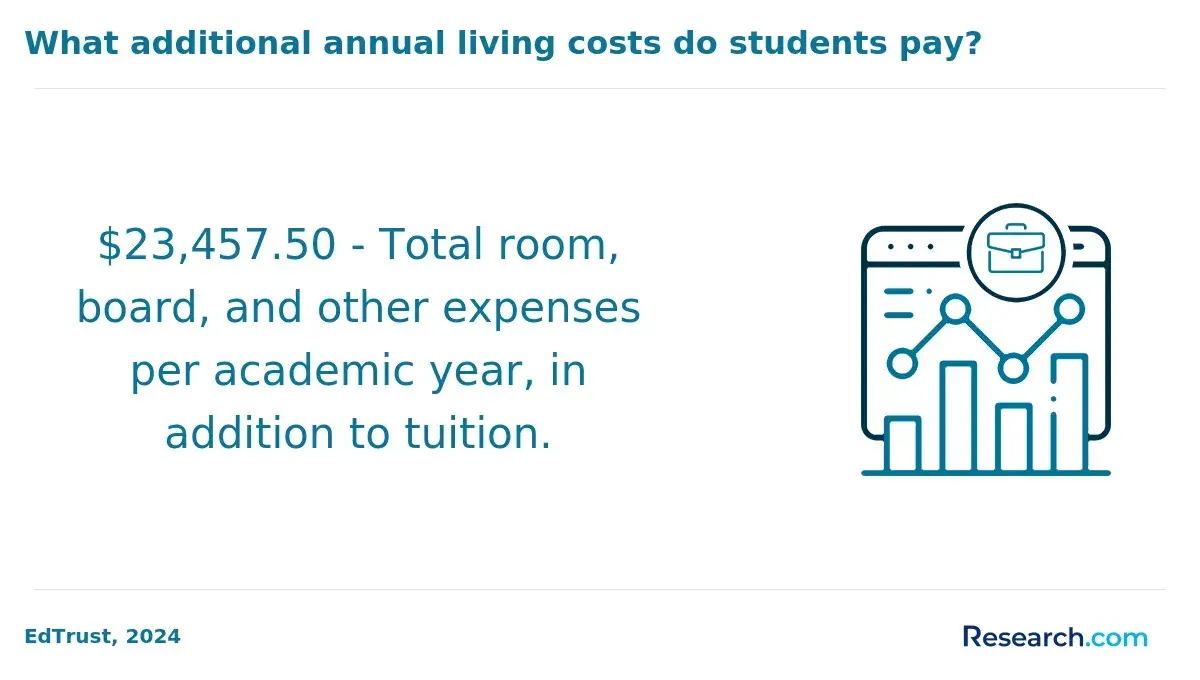
Additional hidden costs-like software licenses for simulation tools or unpaid internships-should factor into budgeting. Programs integrating applied projects better prepare students for realities tied to logistics coordination, efficiency improvements, and sustainability compliance in global supply chains.
What supply chain and logistics coordination roles can graduates pursue with this degree?
Securing logistics and supply chain roles demands more than academic credentials; employer focus centers on candidates capable of optimizing complex inventory flows and managing multifaceted vendor relationships amid fluctuating market conditions.
For instance, a transportation coordinator within manufacturing must synchronize inbound sourcing from multiple suppliers while efficiently overseeing outbound shipments, balancing cost containment with timeliness-a dynamic distinct from a retail procurement specialist who prioritizes vendor contracts to adapt stock levels during seasonal swings.
Regional labor markets reflect nuanced demands: Houston and Knoxville stand out as concentrated hubs for logistics and supply chain graduates, shaped respectively by energy sector logistics and manufacturing supply chains. These geographic nuances influence the skill sets employers require, such as ERP proficiency, supply chain risk assessments, and sustainable logistics integration.
Practical experience with supply chain software and data analytics remains a critical employment differentiator; the transition from theory to operational decision-making often challenges those without hands-on practice. Contingency planning skills to manage transport disruptions or raw material shortages are increasingly non-negotiable.
- Specialized roles like supply chain planners and demand forecasting analysts require advanced competencies beyond foundational study, including predictive modeling and data interpretation.
- Graduates must evaluate regional and sector-specific contexts, as logistics roles in Houston's energy industry diverge in scope and career trajectory from Knoxville's manufacturing environment.
What salary ranges and advancement opportunities exist in logistics coordination and supply chain?
Entry-level logistics coordinators typically start with salaries between $50,000 and $75,000, but within five years, median salaries commonly rise to $80,000-$110,000.
This progression depends heavily on acquiring skills beyond basic coordination, including expertise in analytics, technology integration, and regulatory compliance. For instance, coordinators in manufacturing benefit from proficiency in inventory optimization software, while those in e-commerce gain advantage by mastering last-mile delivery solutions and data-driven route planning.
Employers increasingly expect candidates to pair on-the-job experience with credentials validating competence in ERP systems and data visualization tools. Such combinations tend to accelerate movement into roles like supply chain analyst and supply chain manager, where responsibilities broaden to overseeing complex logistics networks.
Professionals targeting niche sectors such as cold chain pharmaceuticals or aerospace logistics can command salaries above standard ranges due to specialized industry requirements. However, this often demands continuous skill refreshment aligned with evolving automation and AI technologies reshaping workflows.
Deciding between extended workplace training versus accelerated online degrees hinges on individual circumstances, including time availability and career urgency. Those who defer credentialing risk stagnation near entry-level pay grades, as employers favor candidates who demonstrate proactive skill-building and strategic sector awareness.
- Logistics salaries range: $50,000-$75,000 entry-level, rising to $80,000-$110,000 with experience
- Specialized expertise in software and compliance can unlock faster advancement
- Credentialing in ERP and data tools is highly valued by employers
- Targeting niche industries can lead to salary premiums but requires ongoing learning
Which professional certifications complement an online supply chain degree focused on logistics?
Certifications that align directly with an online supply chain degree focusing on logistics add measurable value in workforce readiness by validating operational capabilities employers demand. The Certified Supply Chain Professional (CSCP) credential from APICS equips candidates with comprehensive knowledge of end-to-end supply chain processes, essential for managing complex multimodal transportation and inventory systems.
Meanwhile, the Certified in Logistics, Transportation and Distribution (CLTD) sharpens skills specifically in warehouse management, freight logistics, and distribution network design, which are critical as logistics coordinators increasingly command salaries averaging over $100,000 annually according to data from Ball State University cited by the Institute for Supply Management.
Employers prioritize certifications that demonstrate hands-on proficiency in procurement strategies and transportation scheduling tools, as these directly influence efficiency and cost control. For example, a logistics coordinator at a manufacturing company who holds both the CSCP and CLTD can reduce supplier lead times and optimize storage by applying credential-backed methodologies within daily workflows.
Complementary credentials like Lean Six Sigma Green Belt add value by enhancing problem-solving and waste reduction expertise in complex logistics chains.
Prospective students should weigh these certifications against their target logistics specialties-such as maritime transportation or last-mile delivery-to ensure relevance.
While credentials like the Project Management Professional (PMP) reinforce planning skills, supply chain hiring managers tend to favor logistics-specific qualifications for front-line operational roles. Strategically integrating certification preparation with degree studies can accelerate access to senior logistics positions despite the time and financial investment required.
How can students evaluate and choose the best online logistics-focused supply chain program?
Successful navigation of online supply chain management degrees hinges on programs that directly enhance logistics-specific competencies tied to tangible employment outcomes. Graduates' placement rates in logistics coordination illustrate real-world alignment between academic training and employer demands. For mid-career professionals pursuing managerial roles, curricula blending applied logistics skills with current industry technologies better support upward mobility.
Accreditation standards, such as those from AACSB or APICS integration, often correlate with robust academic rigor and practical relevance, but students must critically assess course offerings for hands-on experience with sector-specific supply chain software used across manufacturing, retail, and healthcare logistics.
Programs incorporating scenario-based learning-like simulations or diverse case studies-equip students to handle transitions between industries with different regulatory and operational challenges. For example, a logistics coordinator moving from retail to pharmaceutical distribution faces distinct inventory controls and compliance requirements; exposure to such variance in training reduces skill gaps.
Balancing cost and time with anticipated career benefits remains key. Modular courses and flexible pacing accommodate working professionals without interrupting income streams. Additionally, the presence of active alumni networks and employer collaborations can materially accelerate job placement in competitive logistics roles.
- Graduation employment rates reveal program effectiveness more than institutional reputation alone
- Software tool training must match sector-specific logistics requirements
- Scenario-based learning supports cross-industry adaptability
- Flexible pacing and modular designs facilitate concurrent employment
- Strong employer partnerships correlate with faster job acquisition
Other Things You Should Know About Supply Chain Management
Online programs demand disciplined time management as they often compress material into flexible but fast-paced formats. The absence of physical classroom structure requires students to proactively engage with complex logistics simulations and case studies independently.
Prospective students should evaluate whether their work-life balance and self-motivation align with this autonomous learning model, since lower support or interaction can affect outcomes in technically demanding subjects like supply chain analytics and coordination.
Programs integrating recognized logistics certifications add tangible value by validating specific skills employers seek, often resulting in better job placement and faster career growth. Candidates aiming for operational roles should choose degrees that bundle or facilitate access to credentials such as Certified Supply Chain Professional (CSCP) or Certified in Logistics, Transportation and Distribution (CLTD).
These certifications demonstrate expertise beyond academic knowledge and address the practical demands of logistics coordination positions.
Yes, employer perception heavily depends on the program's direct ties to supply chain firms, especially in logistics hubs. Degrees affiliated with strong corporate partnerships provide access to internships, mentorship, and hiring pipelines, which improve graduate employability and align training with current market needs.
Candidates should weigh the importance of program-industry integration since purely academic offerings without real-world engagement often result in slower job market entry or limited advancement.
References
- From Entry-Level to Executive: The Supply Chain Salary Scale https://careercitycollege.ca/blog/supply-chain-manager-salary-scale/
- Graduate careers advice: you and your supply chain management degree https://gradireland.com/careers-advice/graduate-careers-advice-you-and-your-supply-chain-management-degree
- Skills for Logistics Coordinator Course | Zoe Talent Solutions https://zoetalentsolutions.com/course/certified-logistics-coordinator-course/
- Best Logistics and Supply Chain Management Courses 2025 https://www.bmc.net/blog/management-and-leadership-articles/logistics-and-supply-chain-management-courses
- 4 Essential Shipping Coordinator Skills You’ll Learn in Supply Chain and Logistics Training https://algonquinacademy.com/news
- How to Get an Online Degree (Step-by-Step Guide) - University of the Potomac https://potomac.edu/how-to-get-an-online-degree/
- Supply Chain Certifications: Unlocking the ROI and Real Outcomes https://cpscp.org/supply-chain-certifications-unlocking-the-roi-and-real-outcomes/
- Certifications > Other Certifications https://www.ipscmi.org/Other_Certifications/CITLP/
- CourseCareers https://coursecareers.com/blog-posts/best-supply-chain-coordination-courses