2027 Online Supply Chain Management Degrees With Sourcing and Purchasing Coursework

Co-Founder and Chief Data Scientist
Facing unexpected supply disruptions while juggling a full work schedule, professionals often struggle to find advanced training that fits both time constraints and budget. Recent National Center for Education Statistics data shows a 35% rise in enrollment for fully online business-related graduate programs, signaling demand for flexible, career-aligned options. This trend underscores the growing need for accessible sourcing and purchasing coursework delivered remotely, enabling strategic skill upgrades without career interruptions.
Evaluating such programs involves balancing employer expectations for practical competencies with scheduling realities and program rigor. This article reviews online supply chain management degrees with sourcing and purchasing coursework, guiding readers through key factors to optimize education timing, format, and content for career advancement.
Key Things You Should Know
- Supply chain management degrees emphasizing sourcing and purchasing yield a 12% higher median starting salary but extend average program duration by 6 months, impacting opportunity cost for mid-career professionals, per National Center for Education Statistics 2024.
- Employers prioritize graduates with integrated supplier negotiation case studies, with 68% of recruiters at Gartner's 2024 survey rating practical sourcing coursework as essential for managerial roles, shaping hiring criteria decisively.
- Programs with embedded procurement certifications show 23% greater graduate employment within six months, though upfront costs surge by 15% on average, requiring candidates to weigh immediate investment against accelerated career trajectory, according to the Bureau of Labor Statistics.
What is an online supply chain management degree with a focus on sourcing and purchasing?
Specializing in sourcing and purchasing within an online supply chain management degree sharpens critical skills in supplier selection, negotiation, and procurement strategy-directly influencing operational costs and delivery effectiveness. For instance, professionals in manufacturing confront challenges such as evaluating supplier reliability amid tariffs and shipping delays, while those in healthcare prioritize compliance and quality assurance under stringent regulations.
This specialization demands fluency in digital procurement tools and data analytics to anticipate demand and negotiate dynamic pricing, essential for mitigating rising supply chain volatility.
Graduates from the best online supply chain management programs focusing on sourcing and purchasing often deliver measurable outcomes such as 5-15% cost savings and expedited procurement cycles. Employers now prioritize candidates versed in risk management, supplier diversity, and sustainability, reflecting the sector's evolving demands amid ongoing disruptions.
However, the online supply chain management degree with sourcing and purchasing specialization also entails tradeoffs, notably reduced networking opportunities compared to in-person formats, compelling students to actively seek internships or leverage virtual industry events for applied experience.
Financially, according to BestColleges' 2025 data, online bachelor's supply chain management students face an average net price of approximately $6,000 annually after aid, which enhances accessibility for working professionals or those considering a career pivot without incurring substantial debt.
Those exploring accelerated leadership options might also consider the fastest MBA program pathways for complementary advanced qualifications.
How do online supply chain management programs compare to on-campus options for sourcing and purchasing?
Opting for online supply chain management programs with sourcing and purchasing coursework suits professionals prioritizing flexibility but presents tradeoffs regarding experiential learning. While online curricula match on-campus options in content quality, they lack the immersive supplier negotiations, site visits, and hands-on procurement simulations vital in sectors like manufacturing or retail.
These real-world interactions influence hiring managers assessing candidates' readiness for sourcing roles demanding interpersonal skills.
Employers expect mastery of competencies such as contract management, supplier risk assessment, and cost analysis regardless of delivery mode; career outcomes, including salary potential-median annual earnings of $113,300 among advanced degree holders-reflect this.
However, the networking context differs substantially: on-campus students access peer collaboration and career services that accelerate integration into field-specific environments, whereas online learners must actively forge connections through internships or industry groups to compensate for limited organic networking.
Decision-makers weighing a comparison of online versus on-campus supply chain management degrees in sourcing and purchasing should consider career stage and learning style. Individuals pivoting careers may need the practical immersion of on-campus programs, while those balancing ongoing employment benefit from online flexibility.
For those exploring broader business education alternatives, MBA online programs offer parallel options emphasizing remote delivery with reduced entry barriers.
Which accreditations should online supply chain management degrees have to be considered reputable?
Choosing an online supply chain management degree without recognized accreditation risks limiting career options, especially in specialized sourcing and purchasing roles where employers scrutinize verified competencies. Reputable programs in the US maintain accreditation from established bodies such as the Accreditation Council for Business Schools and Programs (ACBSP) or the Association to Advance Collegiate Schools of Business (AACSB).
These certifications ensure the curriculum covers essential skills like supplier negotiation, cost control, and risk management while meeting industry benchmarks.
Programs aligned with the Institute for Supply Management's (ISM) professional standards better prepare students for distinct labor market realities: while purchasing managers face a 3.1% job growth and command an average salary of $148,080, procurement specialists are encountering a -8.7% decline with significantly lower earning potential at $50,580, based on ASU Online's 2026 supply chain management degree outcomes.
This divergence highlights the practical need for current curricula that incorporate emerging procurement technologies and supplier relationship analytics.
Beyond eligibility for professional certifications and credit transfer, accreditation impacts employability by signaling skills relevant to demand-driven roles. Working professionals should weigh these factors carefully, opting for programs that reflect real-world sourcing challenges within the framework of recognized accreditation.
Prospective students seeking cost-effective options might consider exploring a broader set of credentials, including affordable online MBA programs no GMAT, to complement supply chain management expertise with strategic business acumen.
Integrating the online supply chain management degree accreditations in the US with recognized accreditation bodies for supply chain management programs remains essential for aligning educational investment with long-term occupational outcomes.
What sourcing and purchasing courses are typically included in an online supply chain curriculum?
Courses in online supply chain management sourcing and purchasing focus on strategic procurement tactics that directly impact operational costs and supply resiliency. Students engage with supplier relationship management, contract negotiation, and spend analytics, preparing them to navigate complex supplier networks typical in manufacturing and healthcare sectors.
Practical tradeoffs emerge around decisions such as dual sourcing in automotive supply chains, which mitigates disruption risk but requires balancing supplier costs and lead times.
Typical sourcing and procurement classes in supply chain programs also integrate ethical sourcing and sustainability, reflecting ongoing regulatory shifts and stakeholder demands. These frameworks are paired with real-world case studies addressing currency fluctuations and geopolitical risk, which can substantially affect procurement schedules and budgets.
Technology skills are emphasized, including e-procurement systems, ERP tools, and contract lifecycle management software, essential for automating purchasing workflows and maintaining compliance visibility. Augmenting these are supply chain analytics courses that teach forecasting and optimization models, key for managing price volatility and make-or-buy decision frameworks grounded in quantitative analysis.
Boston University cites data from ASCM projecting roughly 9% growth in supply chain roles encompassing planning, analytics, and risk management over the next decade. This growth illustrates specific employer demand for skills acquired through targeted courses rather than broad credentials.
For those researching pathways in supply chain education, considering the practical integration of these procurement competencies is critical.
For students evaluating their options, pathways like an online construction management bachelor's degree may provide complementary insight into procurement and project coordination within supply chains, offering a distinct but related skill set.
What are the admission requirements for online bachelor's and master's supply chain management programs?
Admission criteria for online bachelor's and master's supply chain management programs reflect distinct professional demands and academic depth. Bachelor's applicants usually present standardized test scores (SAT/ACT), a GPA near 2.5-3.0, and sometimes prerequisite courses in math or economics.
Letters of recommendation and personal statements focused on relevant experience or goals sharpen competitiveness, though meeting baseline requirements rarely ensures acceptance at selective programs.
Master's candidates must hold an accredited bachelor's degree with a GPA of 3.0 or higher, commonly backed by quantitative coursework in statistics or operations research. Demonstrable professional experience-especially in procurement or sourcing-often weighs heavily. GRE or GMAT requirements can be waived for seasoned professionals, but admission essays and recommendations center on leadership potential and strategic alignment with supply chain roles.
From a workforce standpoint, bachelor's graduates from schools like Rutgers Business School achieve starting salaries above $70,000, justifying upfront academic rigor. Conversely, working professionals pursuing a master's juggle ongoing responsibilities, making admissions processes that prioritize relevant experience more practical.
For example, a manufacturing supply chain specialist must tailor application materials to underscore operational expertise versus a retail sourcing professional emphasizing vendor relations. Recognizing these distinctions enables candidates to select pathways with clearer returns in employability and salary growth amid evolving industry expectations.
How long do online supply chain management degrees take and what do they cost?
Completing a bachelor's degree in supply chain management requires approximately four years, a timeline that employers commonly expect for sourcing and purchasing roles. This duration ensures thorough mastery of procurement strategies, supplier relations, and logistics coordination.
Accelerated or part-time options exist, reducing completion time to two or three years, but these often come with increased course loads or limited flexibility, challenging working professionals who must balance job demands.
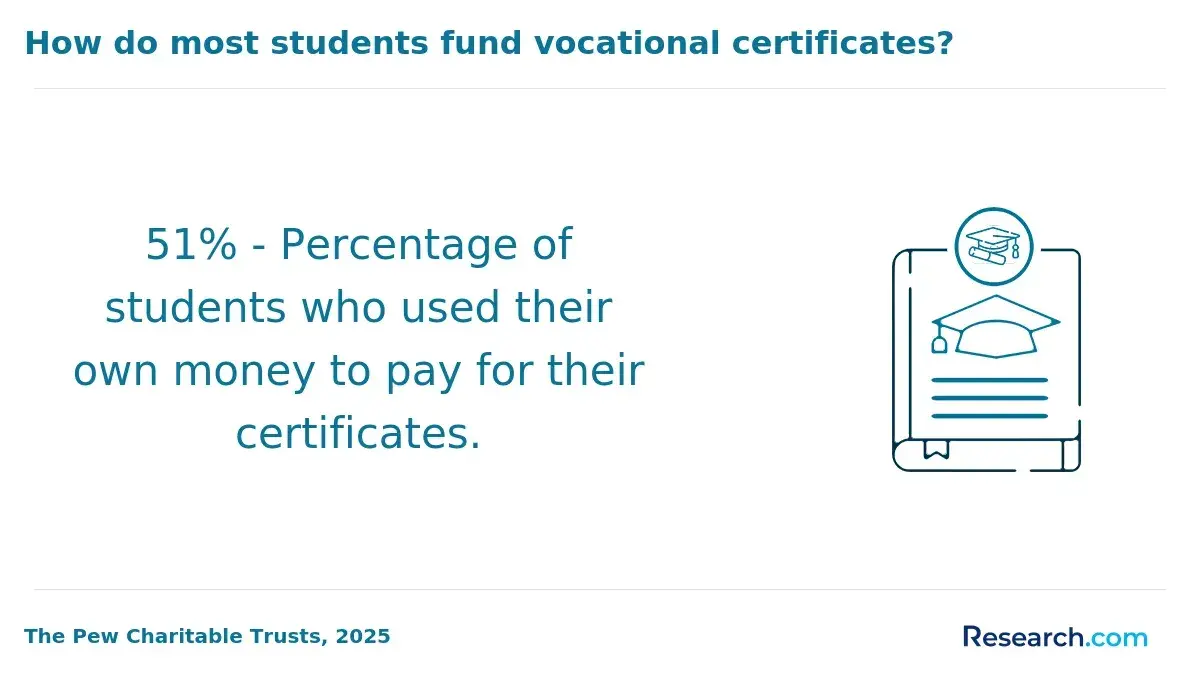
Program costs vary significantly: public universities charge between $9,000 and $15,000 annually for in-state students and up to $25,000 for out-of-state, while private institutions can cost $20,000 to $35,000 per year. Total four-year expenses therefore range from roughly $36,000 to over $140,000.
Prospective students must weigh these costs against salary potential and employer preferences for bachelor's degree holders over candidates with associate or certificate credentials.
Employers emphasize both timely graduation and practical experience with supply chain technologies. Delays in completing a degree can postpone advancement opportunities as data-driven decision-making becomes increasingly integral to sourcing and purchasing roles. Some programs embed sourcing-specific courses within their concentrations to enhance direct applicability.
For those balancing a current supply chain career, understanding these tradeoffs-between accelerated degree tracks versus workload and cost implications-is essential for making an informed education investment aligned with workforce realities.
What careers can you pursue with an online supply chain degree in sourcing and purchasing?
Graduates with an online supply chain degree focused on sourcing and purchasing face distinct workforce demands shaped by industry-specific complexities. For example, purchasing managers in automotive manufacturing must evaluate global supplier risks and prevent disruptions, while pharmaceutical professionals navigate stringent compliance alongside cost controls.
These specialized skills extend beyond basic procurement to include contract management and market analysis tailored to sector expectations.
Typical roles encompass managing vendor relationships, ensuring timely material delivery within budgets, and identifying cost-saving strategies through supplier performance metrics. Career progression often requires balancing operational priorities with sustainability and regulatory requirements, a challenge especially present in healthcare and technology sectors.
The average annual net cost of approximately $6,000 for reputable online bachelor's programs presents a pragmatic choice for working professionals. This cost efficiency contrasts with traditional in-state on-campus degrees, allowing rapid credential completion and minimizing debt burden while positioning students for roles such as procurement analyst or logistics coordinator.
Success hinges on mastering enterprise resource planning (ERP) systems and analytical tools essential for data-driven decision making. Internships or project-based learning that replicate actual procurement cycles are critical to develop agility required by employers. Adapting sourcing strategies to global supply volatility remains a core competency for durable career advancement.
What salary ranges and advancement opportunities exist in sourcing, purchasing, and procurement roles?
Salary progression in sourcing, purchasing, and procurement roles depends heavily on industry, experience level, and professional certifications. Entry-level personnel typically earn between $55,000 and $70,000 annually, while mid-career managers in manufacturing or technology sectors often command $85,000 to $110,000. Senior roles in large companies, such as procurement directors, frequently surpass $140,000 plus bonuses tied to cost-saving outcomes.
The practical implication is clear: credentials like the Certified Professional in Supply Management markedly enhance negotiating power and promotion speed-especially in sectors like automotive where certification translates directly into market value.
Supply chain professionals face a tension between broad sourcing skills and deeper expertise in negotiation and contract management. Employers prioritize those who mitigate supplier risks and optimize networks amid volatile market conditions.
In sectors like pharmaceuticals and aerospace, the emphasis on compliance and risk management leads to salary premiums and leadership opportunities unavailable to peers lacking specialized knowledge.
In retail, however, success increasingly demands fluency with digital procurement tools and data analytics, highlighting a skills balance crucial to advancement. Continuous learning and focused certifications speed transitions from operational roles to strategic supply chain leadership positions.
Key considerations:
- Certification often raises median salaries by about 15%, representing tangible ROI alongside degrees.
- Sector-specific skills and risk management expertise can command premium compensation.
- Balancing technical sourcing and strategic negotiation skills determines advancement trajectory.
- Adapting to digital tools is essential in retail and evolving supply chain environments.
Understanding these dynamics helps candidates align educational investments with realistic workforce outcomes and employer expectations.
Are any industry certifications recommended for graduates specializing in sourcing and purchasing?
Certification in sourcing and purchasing serves as a critical differentiator in a competitive marketplace, especially where employers prioritize proven expertise in complex supply networks and cost management. The Certified Professional in Supply Management (CPSM), from the Institute for Supply Management, validates advanced capabilities in supplier relationship management, strategic sourcing, and contract negotiation.
Its recognition spans sectors demanding nuanced supplier governance, including manufacturing and healthcare, where practical application of such skills impacts operational efficiency.
By contrast, the Certified Purchasing Professional (CPP) from the American Purchasing Society targets foundational purchasing competencies and ethics. This credential suits professionals seeking rapid entry into mid-level roles, particularly in dynamic sectors like technology or fast-moving consumer goods, where operational speed and compliance are paramount.
Supply chain candidates face tradeoffs balancing study time, exam costs, and job responsibilities-elements that can slow credential acquisition. Employers may subsidize fees but require clear upfront agreements. Additionally, ongoing recertification ties credentials not only to skill retention but also to salary trajectory and market relevancy.
Combining recognized academic credentials with these certifications strengthens employability, as seen in institutions ranked highly in supply chain program evaluations, such as Rutgers Business School. Without certification, candidates risk marginalization in firms with strict supplier oversight or multi-tier sourcing complexity, underscoring the practical necessity of these industry credentials for sustainable career progression.
How can prospective students evaluate and choose the best online supply chain management program?
Evaluating online supply chain management programs requires prioritizing measurable employment outcomes and curriculum alignment with real industry needs. For example, chief sustainability officers earn average salaries of $213,990 with a growth rate of 4.3%, according to ASU Online's 2026 career report, emphasizing the value of embedding sustainability expertise within sourcing functions.
Choosing a program without coursework tailored to the intended sector can create skills gaps. A retail-focused professional should seek training in demand forecasting and vendor negotiation, while manufacturing candidates benefit from procurement analytics and supplier risk management components. Practical application through case studies or live projects enhances employer-relevant competencies and network opportunities.
Flexibility is a tangible consideration, especially for working adults balancing multiple commitments. Fully asynchronous formats with consistent faculty access and career advising significantly impact course completion and relevance.
Accreditation from organizations like the Association to Advance Collegiate Schools of Business (AACSB) or Institute for Supply Management (ISM) offers assurance of curriculum rigor valued by employers.
Post-graduation metrics such as job placement rates and salary growth offer clearer insight into return on investment than marketing promises. Investing in programs without these data risks misalignment with workforce demands and delays in advancing within increasingly specialized supply chain roles.
Other Things You Should Know About Supply Chain Management
In 2027, a focused supply chain management degree offers comprehensive expertise in sourcing and purchasing, beneficial for strategic roles. Industry certifications may lead to quicker role-specific expertise but might lack the wider skill set and theoretical background for leadership positions. Both paths have merit depending on your career goals.
Sourcing and purchasing courses often involve case studies, supplier negotiation simulations, and detailed cost analysis projects that demand substantial time outside of lectures. Professionals must balance these intensive workloads with job responsibilities, which can impact pacing and retention. Those currently employed should select programs with flexible deadlines or lighter credit loads per term to avoid burnout and maximize learning effectiveness.
Employers prioritize candidates who can demonstrate applied skills such as vendor management, contract negotiation, and spend analysis, which are often developed through internships or work experience. Online degrees that incorporate practical projects, industry software training, or collaborative assignments increase employability. Graduates should seek programs that integrate experiential learning components or pursue relevant internships alongside their studies to meet employer expectations.
References
- CourseCareers https://coursecareers.com/blog-posts/5-best-supply-chain-procurement-courses
- 17 Best Certifications for Procurement Professionals https://www.purchasing-procurement-center.com/best-certifications-for-procurement-professionals.html
- Top 8 Reasons to Choose Procurement as a Career https://www.theportfoliogroup.com/top-reasons-to-choose-procurement-as-career/
- Supply Chain Management Courses: Online Learning, Certifications & Career Guide https://www.oxfordhomestudy.com/supply-chain-management-courses
- Online vs. On-Campus: Choosing the Right Format for Your Supply Chain Degree https://www.ucumberlands.edu/blog/online-vs-on-campus-choose-your-supply-chain-degree-format
- CPSCP – Guides to Procurement & Supply Chain Certifications https://cpscp.org/certification-pathways/
- Procurement vs Supply Chain Management: What’s the Difference? https://www.procurify.com/blog/difference-procurement-supply-chain-management/
- How to Choose the Right Procurement Certification for You https://theprocurementschool.com/blogs/how-to-choose-the-right-procurement-certification/
- Supply chain certification programs https://www.scmr.com/article/supply-chain-certification-programs
- Procurement Specialist Certifications: Best Credentials to Advance Your Career | Teal https://www.tealhq.com/career-paths/procurement-specialist-certifications