2027 Supply Chain Management Specializations That Best Match E-commerce Operations Careers

Co-Founder and Chief Data Scientist
Facing rapidly evolving e-commerce demands, supply chain managers must reconcile omnichannel complexities with tight delivery windows while minimizing cost overruns. This challenge intensifies as 64% of working adults, according to the National Center for Education Statistics in 2024, seek flexible online learning to upgrade skills without pausing their careers.
Such shifts reveal a growing preference for modular, specialized credentials that fit irregular schedules and align tightly with job roles in digital logistics, inventory optimization, and last-mile fulfillment. Selecting a specialization without this alignment risks wasted time and diminished employability in a fiercely competitive market. This article identifies supply chain management specializations that best sync with e-commerce career trajectories and evolving professional realities.
Key Things You Should Know
- Data analytics specialization accounts for a 27% salary premium in e-commerce SCM roles yet requires investment in advanced software skills that extend typical program durations by 20%, impacting time-to-hire.
- E-commerce employers prioritize candidates with integrated SCM and digital marketing expertise; 63% cite cross-functional skills as decisive in hiring, increasing demand for hybrid curricula over traditional SCM tracks.
- Certification pathways focusing solely on logistics automation risk obsolescence as 44% of firms reallocate budgets toward AI-driven demand forecasting, pressuring students to balance niche skills with adaptive learning investments.
What is supply chain management for e-commerce operations, and why do specializations matter?
Specializing within supply chain management strategies for e-commerce efficiency is not optional but essential. The divergent requirements of online retail—from managing last-mile delivery costs to optimizing returns—mean that professionals lacking focused expertise often face steep operational tradeoffs among speed, cost, and customer satisfaction.
For instance, a manager overseeing electronics inventory must emphasize rapid SKU turnover, while a specialist in apparel handling prioritizes reverse logistics to control costs effectively.
E-commerce logistics spending surpassed $451 billion recently and is expected to grow at over 10% annually through 2030, reinforcing demand for specialists who adeptly combine data analytics, automation, and scalable distribution tactics. Employers increasingly seek candidates skilled in areas like AI-driven inventory monitoring or drone delivery integration, reflecting emerging labor market trends aligned with e-commerce's complex dynamics.
The job market penalizes generalists with slower progression and fewer strategic roles, while narrow supply chain management roles in online retail offer clearer advancement paths and higher employability. Candidates must evaluate how targeted expertise fits their career goals and real-world work environments, balancing the risks of overspecialization against the limited impact of generic roles.
For those contemplating an educational pivot, program choices that emphasize practical supply chain management applications matter. Resources like the best MBA for entrepreneurship may provide relevant frameworks for integrating operational knowledge with strategic leadership in this evolving sector.
Which supply chain management specializations best align with e-commerce operations careers?
Logistics and transportation management specialization directly addresses the dominant cost driver in e-commerce operations: last-mile delivery, which can constitute up to 53% of total shipping expenses and 41% of the overall supply chain costs for retailers. Mastery in route optimization, carrier selection, and delivery modalities equips professionals to reduce overhead effectively.
However, those focused solely on inventory and demand planning must integrate these with dynamic shipping constraints to avoid delivery delays from overstocking or stockouts. This practical alignment marks one of the best supply chain management specializations for e-commerce careers.
Warehouse management and automation expertise prepares candidates to operate AI-driven fulfillment centers, cutting human error and streamlining throughput. Yet, such skills must be balanced against the increasing relevance of decentralized micro-fulfillment centers, requiring more localized operational agility rather than traditional large-scale warehouse oversight.
Supply chain analytics stands out among top supply chain management skills aligned with e-commerce operations by providing insights that uncover bottlenecks and predict demand surges. Still, the necessity for advanced data visualization tools and software expertise introduces a steeper learning curve, influencing employer preferences.
Conversely, backgrounds in global procurement or supplier relationship management often lack immediate impact on the speed and local delivery efficiency crucial in e-commerce. Employers prioritize candidates who can quantify and minimize last-mile inefficiencies.
For those weighing educational pathways, exploring online MBA programs under 30k may offer strategic opportunities to build such relevant competencies.
What degree levels prepare you for e-commerce-focused supply chain roles?
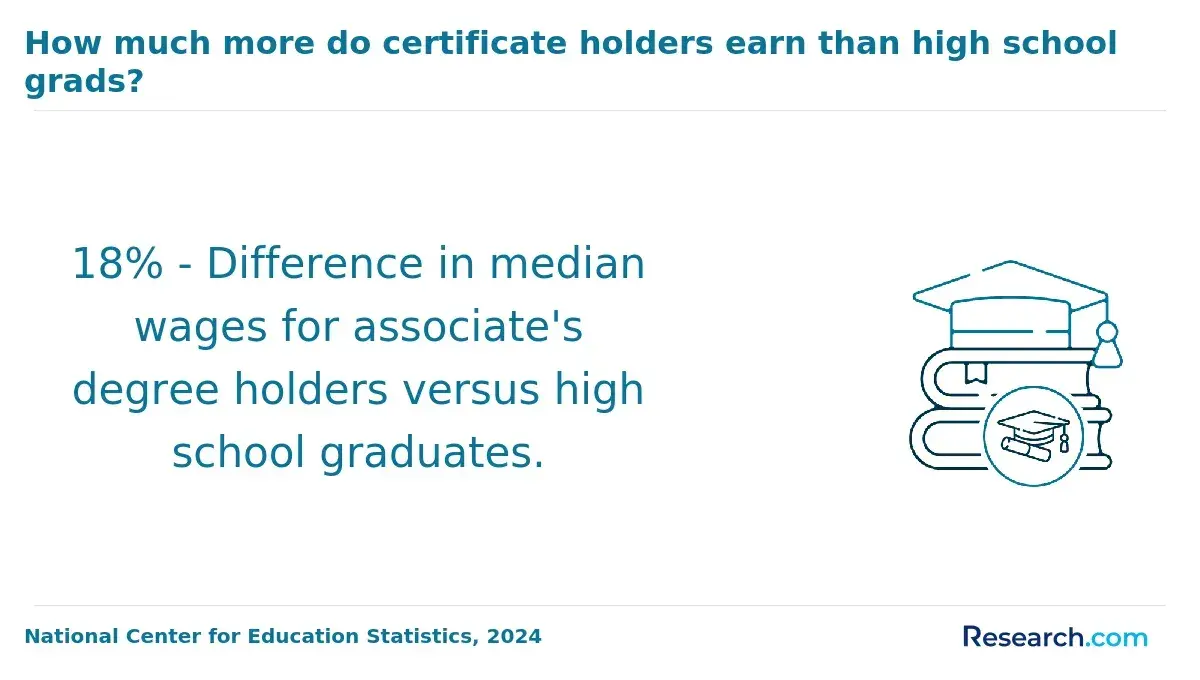
A bachelor's degree in supply chain management lays foundational skills in procurement, inventory control, and transportation logistics essential for supervising fast-moving consumer goods in online retail. Yet, employers increasingly demand advanced expertise in supply chain analytics and digital platforms, marking master's degrees-especially those emphasizing data analytics or technology integration-as pivotal for strategic roles.
Candidates pursuing undergraduate degrees in supply chain management for e-commerce careers often enter as logistics coordinators handling order schedules and vendor interactions.
Graduate programs specializing in supply chain management and e-commerce operations prepare professionals to manage real-time data models that optimize warehousing and distribution.
For example, a master's graduate might deploy predictive analytics to streamline operations, reflecting a market growth in supply chain analytics expected to surge from $8.8 billion in 2024 to $29.1 billion by 2031 at an 18.9% annual growth rate. Practical tradeoffs include the substantial time and financial commitment for master's studies versus faster entry into operations with a bachelor's degree.
Professionals transitioning from unrelated fields may find accelerated master's programs with a focus on data-driven decision-making more effective than starting with an undergraduate degree. However, certificate programs rarely substitute for a degree in competitive hiring.
Students should analyze employer priorities: tech-oriented startups may value analytical acumen over traditional credentials, while established retailers often prefer formal degrees.
Considering cost-conscious options is critical; resources like the cheapest executive MBA programs can inform cost-benefit analysis for advanced study pathways.
How do online supply chain programs compare with on-campus options for e-commerce careers?
Online supply chain management programs for e-commerce careers deliver practical flexibility that traditional on-campus options often lack, especially for mid-career professionals needing to balance employment with skill advancement.
These programs commonly embed real-time case studies and software simulations tailored to digital supply chain tools, which employers now expect given that firms with superior inventory visibility and omnichannel execution report measurable gains in revenue and cost reduction.
By contrast, on-campus supply chain education for e-commerce jobs typically offers stronger regional networking opportunities, internships, and face-to-face mentorship, assets valued by entry-level students focusing on local markets. Yet, the fixed schedules and commuting requirements hinder those requiring asynchronous formats, illustrating a tradeoff between accessibility and immersive industry integration.
Consider a logistics coordinator seeking specialization in e-commerce supply chain optimization: an online curriculum with certified software training and live project collaboration facilitates continued employment while acquiring in-demand competencies.
Meanwhile, a recent graduate prioritizing direct industry placement might lean toward campus-based programs despite higher opportunity costs. Students must critically evaluate program rigor, digital tool integration, and employer recognition.
Those weighing these options should also explore related pathways such as the quickest online project management degree, which complements supply chain expertise in e-commerce contexts.
What core courses and skills are emphasized in e-commerce-oriented supply chain curricula?
Supply chain curricula focused on e-commerce must prepare students to manage the complexities of global logistics and trade compliance amid a rapidly expanding cross-border B2C environment. With global sales projected to reach $7.9 trillion by 2030 and nearly 40% of e-commerce value tied to international transactions, graduates face operational challenges that extend beyond traditional supply chain roles.
Programs that stress skills in data analytics and dynamic demand forecasting equip students to reduce costly stockouts and overstocks in dispersed markets. Automation and cloud-based tools are indispensable for maintaining visibility and speed—factors that directly influence customer retention in sectors like apparel and electronics.
Compliance training is not just academic; inaccurate documentation or customs delays risk significant financial penalties and reputational damage. Practical exercises simulating returns management and reverse logistics reveal real-world pitfalls, especially for high-volume online retailers wrestling with tight delivery windows and complex jurisdictional regulations.
Students must also develop cross-functional communication skills to synchronize efforts across marketing, procurement, and warehousing, preventing fragmented supply chains that inflate costs and stall responsiveness.
Employers prioritize professionals who combine strong technical knowledge with an understanding of consumer behaviors and evolving regulations, allowing agile adaptation to shifting trade landscapes and technology trends.
In workforce terms, graduates equipped with these capabilities are positioned for roles requiring rapid problem-solving in environments where delays or misalignment can cascade into substantial operational losses.
What admissions requirements and prerequisites do e-commerce supply chain programs typically have?
Success in e-commerce supply chain programs hinges on a nuanced blend of formal education and practical expertise. A bachelor's degree in business, engineering, or logistics is almost always required, alongside foundational coursework in statistics, economics, and operations research.
However, admissions increasingly prioritize candidates with hands-on experience in inventory control, procurement, or distribution, reflecting employer demand for operational skills that metrics alone don't convey.
For instance, a retail operations manager aiming to pivot into sustainable logistics must demonstrate proficiency with digital inventory systems and supply chain analytics to meet program prerequisites effectively. Moreover, competency in ERP platforms and relevant IT tools is non-negotiable because these systems underpin contemporary supply networks.
Master's level or specialized programs add complexity by requiring prior knowledge of supply chain fundamentals and sustainability frameworks. This aligns with shifting industry priorities: over 70% of emissions for major retailers come from Scope 3 indirect activities, according to the CDP Global Supply Chain Report 2024. Without this background, students struggle to integrate sustainable procurement modules vital for aligning with evolving regulatory and corporate standards.
Admissions also demand evidence of analytical thinking and project management through technical assessments or recommendations. Graduates lacking these credentials face challenges in sectors like consumer electronics or fashion retail, where supply chain agility directly impacts profitability and customer satisfaction.
How long do supply chain programs with e-commerce specializations take, and what do they cost?
Program durations and cost structures in supply chain management with e-commerce specializations reveal critical tradeoffs for prospective students. Certificate programs typically complete within 12 months, appealing to those needing rapid skill application in warehouse automation or inventory technology without the commitment of a degree. In contrast, associate and bachelor's degrees span 18 months to four years, reflecting a broader scope but requiring greater time and financial investment—often exceeding $40,000 at public institutions for in-state students.
Market demand for competencies in warehouse automation and AI-driven inventory management is accelerating, driven by e-commerce fulfillment centers expanding from $30.1 billion to $64.6 billion by 2030 (source: MarketsandMarkets, 2024). However, employer needs vary by sector: apparel e-commerce emphasizes fast returns processing, while electronics suppliers prioritize inventory accuracy and minimizing product damage.
Working professionals face a decision between program formats—full-time, part-time, or hybrid—that affect income continuity and skill integration speed. Programs offering project-based learning in automated environments and partnerships with e-commerce technology platforms tend to yield better employment outcomes. Evaluating these elements alongside cost and duration is essential for aligning educational investment with real-world career demands.
What entry-level and advanced job roles can e-commerce supply chain specializations lead to?
Entry-level roles in e-commerce supply chain focus heavily on operational accuracy and data tracking, exemplified by positions such as inventory analyst and logistics coordinator. These roles require navigating complex supplier networks and ensuring order fulfillment reliability. For instance, a logistics coordinator in a consumer electronics firm must manage intricate shipping schedules and vendor relationships to maintain smooth flow.
Advancing in this field demands mastery of specialized software and strategic adaptation to industry nuances, such as product seasonality and return rates. In apparel e-commerce, supply chain planners contend with volatile fashion cycles and high return volumes, requiring responsive inventory strategies that differ significantly from industrial product distribution.
Senior positions like supply chain planner and S&OP manager engage in cross-functional collaboration, leveraging real-time data integration to optimize forecasting and reduce inefficiencies. A 2024 benchmark study shows effective S&OP implementation can reduce inventory excess by up to 30% and improve service levels by 20%. However, balancing automation with human oversight remains essential to handle exceptions and maintain customer satisfaction.
Employers prioritize candidates able to demonstrate measurable improvements in cost control, delivery speed, and order accuracy. Understanding which firms invest in mature S&OP processes helps identify opportunities aligned with meaningful career progression and operational impact in competitive e-commerce markets.
What salary ranges and job outlook can graduates in e-commerce supply chain expect?
Starting salaries for e-commerce supply chain management graduates in 2026 typically range from $60,000 to $75,000, with mid-career roles often reaching $95,000 to $120,000 depending on industry and region. Positions that combine operational expertise with cyber risk mitigation can command over $130,000, reflecting how cybersecurity proficiency increasingly influences compensation.
Over 60% of supply chain organizations faced cyberattacks disrupting operations last year, driving employers in warehousing, 3PL, and direct-to-consumer retail to prioritize candidates who manage both logistics and cybersecurity risks.
One practical impact of this trend is that graduates focusing solely on traditional logistics may find faster entry-level opportunities but encounter slower wage growth and limited advancement without complementary IT or data skills.
Conversely, those who pursue hybrid roles integrating blockchain, AI logistics platforms, or supply chain cybersecurity certifications often face longer education periods but gain broader employability and resilience against operational disruptions.
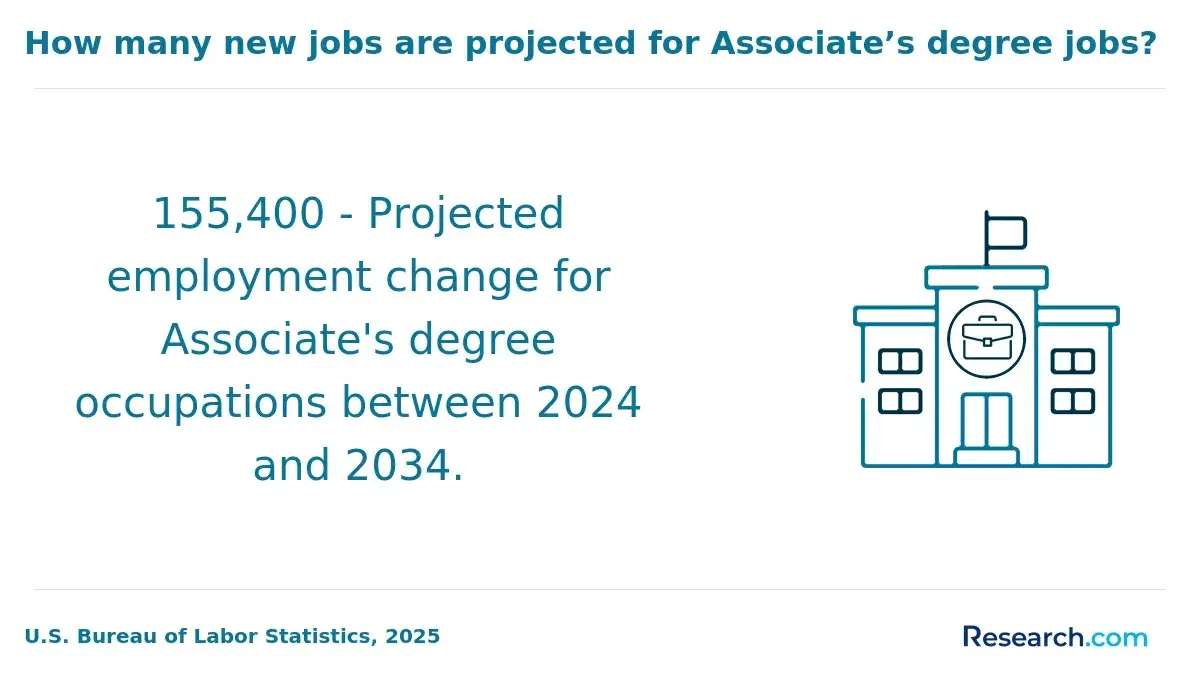
Employment in e-commerce supply chain roles is expected to grow 12% through 2030, outpacing average job growth rates. Demand favors professionals who adopt continuous learning in emerging technologies and cybersecurity, reflecting real-world employer needs rather than generic credentials.
Tradeoffs include balancing initial employment timing with the need for cross-disciplinary expertise that sustains career momentum amid evolving digital threats. Candidates should weigh these factors carefully when planning their education and professional development paths.
How can students evaluate accreditation, certifications, and program quality for e-commerce supply chain study?
Accreditation by recognized bodies like the Accreditation Council for Business Schools and Programs (ACBSP) or the Association to Advance Collegiate Schools of Business (AACSB) is critical for validating the rigor and relevance of e-commerce supply chain programs. These credentials confirm that curricula include current technologies, analytics, and logistics practices aligned with employer needs.
Certifications such as the Certified Supply Chain Professional (CSCP) and Certified in Production and Inventory Management (CPIM) from APICS serve as tangible indicators of specialized skills sought by merchant wholesalers and retail trade employers.
Graduation rates and job placement metrics, especially in e-commerce or logistics roles, offer measurable insights into program effectiveness. For instance, logisticians earn a median wage around $79,400 nationally, yet those employed in e-commerce-heavy sectors often exceed $95,000 at the upper wage quartile—highlighting the tangible financial impact of selecting programs with strong market alignment. Programs that transparently track alumni salary outcomes provide critical data for assessing return on investment.
Practical learning through internships, co-ops, or simulations addressing supply chain disruptions and digital tools is indispensable. Without these hands-on experiences, even accredited degrees may inadequately prepare students for the operational challenges faced in transportation or warehousing roles.
Additionally, students should examine curriculum details, focusing on emerging trends like last-mile delivery optimization and blockchain tracking. Comparing instructor industry experience and certification pass rates can differentiate programs that foster long-term career growth from those delivering only entry-level credentialing.
Other Things You Should Know About Supply Chain Management
Hands-on experience is vital in 2027 supply chain management programs for e-commerce. It provides real-world problem-solving skills and practical insights, complementing theoretical knowledge. This integration is essential for managing the dynamic nature of e-commerce operations effectively.
While broad supply chain management certifications offer foundational credibility, specialized e-commerce credentials better align with the sector's unique logistics, technology, and fulfillment challenges. Prioritize certifications that emphasize digital order management, last-mile delivery, and omnichannel integration if your goal is rapid employability in e-commerce roles. However, a combination of both types of certifications can maximize versatility and career mobility.
Programs targeted at supply chain management for e-commerce vary widely in workload intensity, with part-time and online options often requiring significant self-discipline. Working professionals must evaluate programs based on flexibility and realistic time demands, as many require capstone projects or internships that cannot be compressed easily. Overestimating availability or choosing a highly demanding program without employer support can delay completion and reduce work-study balance.
Yes, but not without tradeoffs. General supply chain management programs cover broad principles but may lack current e-commerce-specific technologies, strategies, and trends that employers seek. If such a program offers electives or partnerships in logistics technology or last-mile delivery, it can still serve as a viable path. Otherwise, candidates will need additional self-study or on-the-job training to fill gaps, impacting time to proficiency and initial job performance.
References
- 10 Most In-Demand Supply Chain Roles in 2026 https://www.scoperecruiting.com/blog/in-demand-supply-chain-roles-2026
- How can a Logistics degree help you build a career in e-commerce? - BSBI https://www.berlinsbi.com/blog/how-can-a-logistics-degree-help-you-build-a-career-in-e-commerce
- Supply chain certification programs https://www.scmr.com/article/supply-chain-certification-programs
- IMC Certifications https://imccertifications.com/supply-chain-management-certification-in-india-your-gateway-to-excellence-in-logistics
- Cross-Border E-Commerce - SCST https://en.scst.edu.cn/cross-border-e-commerce/
- The Impact of Supply Chain Management on E-commerce - Intact https://www.genetiqsoftware.com/en-gb/blog/impact-of-supply-chain-management-on-ecommerce
- Career Paths in Logistics: From Entry-Level to Management https://www.shippingcollege.com/blog/career-paths-in-logistics-from-entry-level-to-management
- Supply Chain Certifications: Unlocking the ROI and Real Outcomes https://cpscp.org/supply-chain-certifications-unlocking-the-roi-and-real-outcomes/