
2027 Fastest Online Entertainment Business Degree Programs

Co-Founder and Chief Data Scientist
Choosing an online entertainment business degree is really a decision about how quickly you want to move from creative interest to industry-ready business skills. Entertainment employers need people who understand contracts, budgets, branding, audience behavior, digital distribution, live events, sponsorships, and talent relationships—not just people who love film, music, sports, or media.
The field is broad. Data USA reported that nearly three million people worked in arts, design, entertainment, sports, and media occupations in 2022. Within that labor market, entertainment business graduates may pursue roles in production offices, talent agencies, sports organizations, music companies, live event firms, streaming-related businesses, marketing teams, and entrepreneurial ventures.
This guide explains the fastest online entertainment business degree programs for 2027, what these programs teach, how long they take, what they cost, how to evaluate accreditation, and which careers may be available after graduation. It is designed for students, career changers, working creatives, and professionals who want a faster path into the business side of entertainment without guessing which program format fits their goals.
Quick answer: Is an online entertainment business degree worth considering?
An online entertainment business degree can be worth considering if you want business training that is directly connected to media, sports, music, events, film, television, digital content, or talent management. The strongest programs combine general business fundamentals with entertainment-specific coursework in areas such as marketing, intellectual property, contracts, production management, revenue models, and audience development.
It is not the right choice for every student. If you want a highly technical creative role—such as animation, cinematography, graphic design, or music performance—you may need a portfolio-focused creative degree or certificate instead. If you want broader corporate flexibility outside entertainment, a general business administration degree may offer more transferable coverage.
What are the benefits of getting an online entertainment business degree?
- Industry-focused business preparation: Students learn how creative products become marketable, funded, promoted, protected, and distributed across entertainment sectors such as sports, film, music, theater, live events, and digital media.
- Flexible study format: Online delivery can make it easier to continue working, complete internships, manage creative projects, or build a portfolio while earning a degree.
- Multiple career directions: Depending on role, location, experience, and specialization, graduates may pursue positions with annual earnings ranging from $50,000 to $80,000 or more.
- Entrepreneurial usefulness: The degree can support students who want to launch agencies, production companies, event businesses, talent services, creator brands, or entertainment marketing ventures.
What can I expect from an online entertainment business degree program?
An online entertainment business degree blends core business education with the operational realities of entertainment industries. Instead of studying management, marketing, finance, and law only in general terms, students examine how those subjects apply to productions, artists, athletes, events, media properties, streaming platforms, brand partnerships, and creative intellectual property.
Most programs are designed for students who want to work behind the scenes. Common learning outcomes include budgeting entertainment projects, evaluating contracts, developing promotional campaigns, managing talent relationships, understanding licensing, planning events, analyzing audiences, and making strategic decisions in fast-moving creative markets.
| Program feature | What it means for online students | Why it matters |
| Online delivery | Coursework is completed remotely, often through a learning management system, recorded lectures, projects, and discussion boards. | This format may help students study from any location while maintaining work or creative commitments. |
| Flexible pacing | Some programs use asynchronous courses, accelerated terms, monthly starts, self-paced formats, or year-round scheduling. | Flexible pacing can shorten time to graduation, but students must manage deadlines and workload carefully. |
| Industry-specific assignments | Students may complete marketing plans, production budgets, case studies, event proposals, talent management projects, or capstones. | Applied work helps students build examples they can discuss with employers or clients. |
| Business and legal foundation | Programs often include management, finance, accounting, entertainment law, branding, leadership, and digital distribution. | These subjects help graduates understand how creative ideas become sustainable business ventures. |
Where can I work with an online entertainment business degree?
Graduates can work wherever creative work must be financed, organized, marketed, distributed, monetized, or managed. The degree is especially relevant for students who want to operate between creative teams and business decision-makers.
- Film and television: Graduates may pursue production coordination, development, distribution, studio operations, or talent relations roles with production companies, studios, or streaming-related businesses.
- Music industry: Career options may include artist management, tour support, music marketing, licensing, publishing administration, or distribution support.
- Sports and live events: Students may work in sponsorships, event logistics, fan engagement, venue operations, ticketing, promotions, or partnership management.
- Digital media and content creation: Opportunities may exist in social media strategy, influencer campaigns, branded content, audience development, and platform-based media businesses.
- Talent and brand management: Graduates may help artists, athletes, creators, or public figures manage opportunities, public image, partnerships, and long-term business strategy.
How much can I make with an online entertainment business degree?
Salary outcomes vary widely because entertainment business is not a single occupation. Pay depends on role, employer type, market, experience, commission structure, portfolio, network, and location. According to the U.S. Bureau of Labor Statistics, the median salary for professionals in the entertainment and sports industry is $54,870.
Entry-level salaries commonly begin around $45,000, while experienced professionals in management, strategy, marketing, or specialized business roles can earn upwards of $80,000 annually. Salaries may be higher in major entertainment markets such as California, New York, New Jersey, Nevada, Wisconsin, and Georgia, although cost of living and job competition should also be considered.
Some specialized roles report much higher earnings. Agents and business managers of artists and athletes earn $165,600 annually, with seasoned professionals earning around $182,250 or even $239,200. Marketing specialists earn $86,480, and event planners take home $65,090.
The best way to evaluate salary potential is to identify the specific role you want, then compare degree requirements, internship access, portfolio expectations, local hiring conditions, and typical entry-level pathways. A degree can open doors, but it does not guarantee a particular salary.
- Fastest Online Entertainment Business Degree Programs for 2027
- How long does it take to complete an online entertainment business degree?
- How can I finish my online entertainment business degree faster?
- Are accelerated online business degrees harder than traditional ones?
- What is the average cost of an online entertainment business degree program?
- How is an entertainment business different from general business degrees?
- What long-term benefits does an online entertainment business degree offer?
- What types of specializations are available in online entertainment business degree programs?
- What entrepreneurial opportunities can an online entertainment business degree unlock?
- How do online entertainment business students gain hands-on experiences?
- How to choose the best online entertainment business degree program?
- How does accreditation influence the credibility and career outcomes of online entertainment business degrees?
- How can I finance my online entertainment business degree?
- What career paths are available for graduates of online entertainment business degree programs?
- What is the job market for graduates with an entertainment business degree?
Fastest Online Entertainment Business Degree Programs for 2027
How do we rank schools?
Because entertainment business degrees can differ significantly in cost, speed, credit requirements, delivery format, and industry focus, Research.com evaluates programs using an extensive methodology. The goal is to help prospective students compare online options with a clearer understanding of time commitment, academic structure, and career relevance.
To support transparent program evaluation, Research.com also reviews data from the Integrated Postsecondary Education Data System, Peterson’s database and its Distance Learning Licensed Data Set, College Scorecard, and the National Center for Education Statistics (NCES).
| School | Online program | Program length | Credits | Accreditation listed |
| Los Angeles Film School | BS in Entertainment Business | 15 months | 120 | ACCSC |
| Full Sail University | BS in Entertainment Business | 2–3 years | 120 | ACCSC |
| Purdue Global | ExcelTrack BS in Business Administration | 2–3 years | 180 quarter credits | ACBSP, HLC |
| University of Central Florida | BS in Entertainment Management | 3–4 years | 120 | SACSCOC |
| University of South Carolina | Master of Sport and Entertainment Management | 1–2 years | 36 | SACSCOC |
| University of Miami | MA in Live Entertainment Management | 18 months | 30 | SACSCOC |
| University of North Texas | MBA in Sport Entertainment Management | 1–2 years | 36 | AACSB |
| Southern New Hampshire | BS in Sports Management | 4 years | 120 | ACBSP, NECHE |
| Drexel University | MS in Television & Media Management | 1–2 years | 49 | MSCHE |
| Capella University | BS in Management and Leadership | 1–3 years | 90–180 quarter credits | ACBSP, HLC |
1. Los Angeles Film School
Los Angeles Film School offers an online BS in Entertainment Business as a degree completion pathway for students who already hold an associate degree. The program is built around applied, project-based work intended to reflect business situations students may encounter in entertainment settings.
Coursework connects standard business subjects—including management, marketing, finance, and intellectual property—with entertainment-specific topics such as artist management and content distribution. Students also examine communication, ethical leadership, and how personal values can influence professional decisions.
- Program Length: 15 months
- Tracks/Concentrations: Entertainment Business Management; Music Business
- Estimated Total Cost Per Semester: $5,250–16,000
- Required Credits to Graduate: 120
- Accreditation: Accrediting Commission of Career Schools and Colleges (ACCSC)
2. Full Sail University
Full Sail University provides an online BS in Entertainment Business with monthly start dates and an accelerated course sequence. Its project-based format is designed to combine entertainment industry context with practical business skill development.
Students study areas such as marketing, global media management, event planning, and professional selling through entertainment-focused scenarios. The program also includes access to professional-grade software and equipment that supports applied learning.
- Program Length: 2–3 years
- Estimated Full Annual Cost: $12,000–$30,000
- Required Credits to Graduate: 120
- Accreditation: ACCSC
3. Purdue Global
Purdue Global offers the ExcelTrack BS in Business Administration, a self-paced online option with three start dates each year. Students complete one-credit courses and may take as many as they can manage during each term for a flat tuition rate.
The program can be personalized through elective concentrations, including sports entertainment. Relevant coursework includes sport sponsorships and sales, sport analytics, business law, accounting, and managerial economics.
- Program Length: 2–3 years
- Tracks/Concentrations: Sports Entertainment Management
- Cost per Term: $2,500
- Required Quarter Credits to Graduate: 180
- Accreditation: Accrediting Council for Business Schools and Programs (ACBSP), Higher Learning Commission (HLC)
4. University of Central Florida
The University of Central Florida offers an online BS in Entertainment Management for students preparing for careers in live events, digital media, film, festivals, sports, and related entertainment settings. The program includes three internship courses, giving students multiple opportunities to apply classroom learning before graduation.
Students learn to manage budgets, timelines, resources, teams, and promotional efforts. Coursework includes topics such as entertainment production management, theme park management, digital marketing, SEO, and social media.
- Program Length: 3–4 years
- Tracks/Concentrations: Entertainment Management Performing Arts
- Cost per Credit: $179.19 (in-state); $715.80 (out-of-state)
- Required Credits to Graduate: 120
- Accreditation: Southern Association of Colleges and Schools Commission on Colleges (SACSCOC)
5. University of South Carolina
Beginning in Fall 2025, the University of South Carolina will deliver its Master of Sport and Entertainment Management (MSEM) fully online. The asynchronous format is aimed at working professionals and students seeking advancement in sport and entertainment management.
The curriculum covers marketing and sponsorship strategies, revenue generation, event and facility operations, and global leadership in entertainment. Students may also participate in the Sport Entertainment & Venues Tomorrow (SEVT) conference, which connects students, educators, and industry leaders.
- Program Length: 1–2 years
- Tracks/Concentrations: Sport and Entertainment Management
- Cost per Credit: $572.25
- Required Credits to Graduate: 36
- Accreditation: SACSCOC
6. University of Miami
The University of Miami offers an online MA in Live Entertainment Management for students interested in commercial music and performing arts careers. The program focuses on live entertainment business areas such as marketing, operations, finance, legal issues, and risk management.
Students strengthen applied skills through case studies and real-world projects. Learning activities may include funding proposals, presentations, negotiation exercises, and team leadership projects.
- Program Length: 18 months
- Tracks/Concentrations: Music Business
- Estimated Total Cost: $47,592
- Required Credits to Graduate: 30
- Accreditation: SACSCOC
7. University of North Texas
The University of North Texas offers an online MBA in Sport Entertainment Management that pairs core MBA coursework with classes focused on the sport and entertainment field.
The program includes three immersive boot camps at Dallas Cowboys facilities and UNT at Frisco. During these experiences, students hear from professionals associated with the Cowboys organization and work through real-world case studies.
- Program Length: 1–2 years
- Tracks/Concentrations: Sport Entertainment Management
- Cost per Credit: $1,410.36
- Required Credits to Graduate: 36
- Accreditation: Association to Advance Collegiate Schools of Business (AACSB)
8. Southern New Hampshire
At Southern New Hampshire, the online BS in Sports Management introduces students to business fundamentals and the specific environment of the sports industry. The curriculum includes sport management, ethics, global business influences, and data analysis.
Students also develop communication, teamwork, decision-making, marketing, finance, and operations skills. The program includes 18 free elective credits, which may help students customize the degree or apply prior coursework.
- Program Length: 4 years
- Tracks/Concentrations: Sport Management
- Cost per Credit: $330
- Required Credits to Graduate: 120
- Accreditation: ACBSP, New England Commission of Higher Education (NECHE)
9. Drexel University
Drexel University offers an online MS in Television & Media Management for students pursuing leadership roles in television and media organizations. The program combines conceptual and practical study in programming strategy, audience analytics, media technology, finance, and market research.
Drexel uses four 10-week academic terms per year, which can help students move faster than a traditional semester calendar. The program is designed for both current media professionals and students entering the field.
- Program Length: 1–2 years
- Other Degree Options: Online MS in Sport Business, On-Campus BS in Entertainment & Arts Management
- Cost per Credit: $1,190
- Required Credits to Graduate: 49
- Accreditation: Middle States Commission on Higher Education (MSCHE)
10. Capella University
Capella University offers an online BS in Management and Leadership with two learning formats. FlexPath is self-paced and can be completed in as little as 12 months, while GuidedPath follows a more structured schedule and takes 21 to 81 months.
The program emphasizes leadership, communication, management, and global business skills. Students may take one or two courses at a time and progress according to the format they choose.
- Program Length: 1–3 years
- Tracks/Concentrations: Ethics and Enterprise; Leadership in Organizations; Operations Management for Competitive Advantage; Strategic Planning and Implementation; Global Business Relationships
- Estimated Total Cost: $12,875–$33,475
- Required Quarter Credits to Graduate: 90–180
- Accreditation: ACBSP, HLC
How long does it take to complete an online entertainment business degree?
Completion time depends on degree level, transfer credits, term length, enrollment status, and whether the program is built as a traditional, accelerated, self-paced, or degree completion option. A standard bachelor’s degree usually takes four years, while many master’s programs take two to three years.
Online and accelerated formats may shorten that timeline. Some programs follow 16-week semesters, while others use eight-week or 10-week courses, monthly starts, year-round scheduling, or competency-based pacing.
Graduate students should pay close attention to degree type. MA and MS programs can often be completed within two to three years. MBA students may find a wider range of pacing options, including select institutions that offer a fast track MBA 6 months online or one-year formats.
| Credential type | Typical timeline stated | Best fit |
| Bachelor’s degree | Four years | Students seeking entry-level preparation and a full undergraduate business foundation |
| Accelerated bachelor’s or completion program | Varies by transfer credits and course format | Students with prior college credit, an associate degree, or strong availability for intensive study |
| MA or MS degree | Two to three years | Students who want specialized graduate training in media, live entertainment, or related areas |
| MBA option | Varies by program, including one-year and select fast-track options | Professionals who want broader management training with entertainment or sports relevance |
How can I finish my online entertainment business degree faster?
Finishing faster usually requires more than choosing the shortest advertised timeline. You need a realistic plan for transfer credits, course load, term structure, prior learning, and uninterrupted enrollment. Similar acceleration strategies are also common in the fastest online creative writing degree programs, where flexible pacing can help students balance academic work with creative goals.
- Choose an accelerated format: Programs with six-week, eight-week, or 10-week terms can move more quickly than traditional semester-based schedules.
- Maximize transfer credits: Prior college courses, an associate degree, or approved electives may reduce the number of credits you still need.
- Consider degree completion pathways: These programs are often designed for students who already have substantial undergraduate credit.
- Ask about credit for experience: Some schools allow exams, portfolios, military learning, or professional training to count toward requirements.
- Stay enrolled year-round: Summer terms, rolling starts, and continuous enrollment can prevent long gaps between classes.
- Increase your course load carefully: Taking more courses per term may shorten the degree, but overloading can damage performance and lead to burnout.
Before accelerating, calculate how many hours per week you can truly study. Entertainment business programs often involve projects, writing, research, collaboration, and case analysis, so a faster schedule can be demanding even when courses are online.
Are accelerated online business degrees harder than traditional ones?
Accelerated online business degrees are not automatically more difficult in academic level, but they are usually more intense. The same amount of learning may be compressed into shorter terms, which means students must read, write, complete projects, and prepare for assessments at a faster pace.
For entertainment business students, the challenge is often time management. You may be studying contracts, marketing plans, revenue strategy, or production logistics while also working, interning, freelancing, or building a creative portfolio. Similar pacing demands appear in the fastest online social media degree programs, where students must keep up with rapidly changing digital marketing and content strategy concepts.
| Factor | Accelerated online degree | Traditional on-campus degree |
| Class pace | Shorter terms and faster deadlines | Longer semesters with more time between major assignments |
| Interaction | Discussion boards, video meetings, email, and scheduled digital feedback | Face-to-face discussions, campus meetings, and informal peer interaction |
| Hands-on learning | Remote internships, virtual projects, online boot camps, and portfolio assignments | Local internships, campus events, labs, production spaces, or in-person partnerships |
| Networking | Requires intentional use of alumni groups, virtual events, LinkedIn, and faculty introductions | Often supported by campus events, career fairs, student organizations, and informal meetings |
| Best for | Self-directed students with strong planning habits | Students who prefer fixed schedules and regular in-person support |
Some students perform well in compressed formats because the pace keeps them focused. This is also true for learners in fast-track game design degrees online, where short terms can create momentum but require discipline.
The better question is not whether accelerated programs are harder, but whether you can sustain the workload. If you need more structure, a traditional or part-time online schedule may be a smarter choice.
What is the average cost of an online entertainment business degree program?
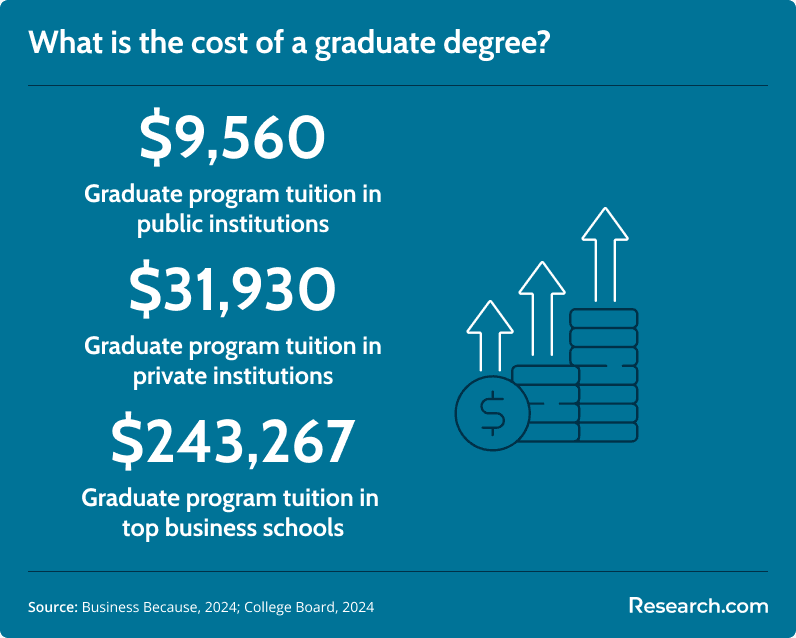
Online entertainment business degree costs vary by school type, degree level, credit requirement, transfer policy, residency status, technology fees, and program format. According to the College Board (Ma et al., 2024), average tuition and fees for in-state students at four-year public colleges were $11,610 for the 2024–2025 academic year, while out-of-state students paid around $30,780.
At private nonprofit four-year institutions, the figure was $43,350. For master’s degree programs, graduate students paid an average of $9,560 at public institutions and $31,930 at private institutions.
Business graduate degrees can be especially variable. For example, the average total cost of an MBA in the U.S. reached approximately $243,267 in 2024 (Business Because, 2024). Program length, institutional reputation, faculty profile, student services, and delivery model can all affect the final cost.
| Cost factor | Why it matters | Question to ask |
| Tuition rate | Per-credit, per-term, and flat-rate pricing can produce very different totals. | Is tuition charged by credit, semester, term, or subscription-style period? |
| Transfer credit policy | Accepted credits can reduce both completion time and tuition. | How many prior credits can I transfer into this program? |
| Fees and materials | Technology, software, equipment, and course material costs may add to tuition. | What costs are not included in advertised tuition? |
| Internships or residencies | In-person components may require travel, lodging, or time away from work. | Are there required campus visits, boot camps, or industry events? |
| Career support | A lower-cost program may be less valuable if it lacks internship, advising, or networking support. | What career services are available to online students? |
Students may reduce out-of-pocket costs by combining financial aid sources. Options to explore include:
- National Academy of Television Arts and Sciences (NATAS) Scholarships: These scholarships support students preparing for television industry careers.
- NABA National Scholarship: This merit-based opportunity is available to business students enrolled at a two- or four-year college or university in the U.S.
- Live Nation Entertainment Scholarship: This scholarship offers up to $10,000 for students pursuing fields such as artist management, e-commerce, concert and venue promotion, sponsorship and advertising, or ticketing.
- Employer tuition assistance: Some employers provide tuition reimbursement or direct education funding for job-relevant degrees.
- Institutional merit scholarships: Schools may offer aid to online learners based on academic performance, professional background, or other criteria.
If affordability is your top priority, compare the most affordable online entertainment business degree programs by total program cost, not just advertised tuition. A program that accepts more transfer credits or includes stronger career support may deliver better value than one with the lowest per-credit price.
How is an entertainment business different from general business degrees?
A general business degree gives students broad training in areas such as management, finance, accounting, marketing, operations, and organizational strategy. That flexibility can be useful for students who want many career options across industries.
An entertainment business degree applies those business principles to creative and audience-driven markets. Students focus on how money, rights, contracts, talent, brands, media platforms, events, and distribution channels function in industries such as film, television, music, sports, gaming, live entertainment, and digital content.
| Degree type | Main focus | Best fit |
| General business degree | Broad business functions across industries | Students who want flexibility in corporate, nonprofit, startup, or management roles outside one specific field |
| Entertainment business degree | Business strategy for creative, media, sports, live event, and talent-driven industries | Students who know they want to work where creativity, audience demand, intellectual property, and revenue strategy intersect |
| Creative arts degree | Portfolio, production, performance, or artistic skill development | Students who want to become designers, performers, writers, musicians, filmmakers, or visual creators first |
Entertainment business programs commonly include courses such as:
- Business Accounting: Students learn financial and managerial accounting concepts connected to entertainment budgets, production costs, forecasts, and profit analysis.
- Digital Marketing: This subject covers campaigns across social media, streaming platforms, digital advertising, and audience analytics. Students who want deeper digital training may also compare accelerated online social media programs.
- Professional Writing: Students practice business proposals, press releases, professional messages, and pitches. Those who want stronger reporting and digital storytelling skills may also consider an accelerated bachelor's degree in journalism online.
- Entertainment Business Law: Coursework may address copyright, contracts, licensing, negotiation, and talent agreements.
- Leadership and Organization: Students examine how to manage creative teams, departments, deadlines, and production workflows.
- Advertising: This area focuses on campaign strategy, ad budgets, creative development, and performance analysis for entertainment products and brands.
Some students pair business training with creative graduate study, such as an MFA online, when they want to lead projects that require both artistic judgment and business strategy.
Technology is also changing what entertainment business students need to know. CVL Economics reported that 90% of business leaders anticipated greater dependence on AI tools in the entertainment sector, while 57% noted employee concerns about AI ethical challenges. For that reason, programs that address AI, data use, copyright, ethics, and automation may be more relevant for students entering the field now.
What long-term benefits does an online entertainment business degree offer?
The long-term value of an online entertainment business degree comes from combining durable business skills with knowledge of entertainment-specific markets. Graduates can apply management, marketing, budgeting, communication, legal awareness, and strategic planning skills across several creative sectors rather than being limited to one narrow job title.
The degree may also support career resilience. Entertainment changes quickly as platforms, audience behavior, technology, labor conditions, and revenue models shift. Students who understand both creative work and business operations may be better prepared to move between roles, adapt to new distribution channels, pursue freelance work, or manage their own ventures.
Professionals who later want a broader executive credential may compare related options such as the most affordable online MBA programs.
What types of specializations are available in online entertainment business degree programs?
Specializations help students connect a broad entertainment business foundation to a specific career direction. The best concentration depends on the industry you want to enter, the type of work you enjoy, and whether you want to manage people, projects, brands, events, content, or partnerships.
- Gaming and Interactive Media: This specialization may cover esports, game publishing, monetization, community building, virtual reality, and interactive content strategy. Students interested in the creative production side may also explore an accelerated online game art and design degree.
- Film and Television Management: Students study production planning, budgeting, distribution, post-production marketing, casting operations, and screen industry business models.
- Music Business: This focus may include artist management, intellectual property, music production, labels, streaming platforms, publishing, and performance contracts.
- Digital Media and Content Creation: Coursework emphasizes online platforms, influencer relationships, branded content, storytelling, content calendars, and audience engagement.
- Event and Live Entertainment Management: This specialization addresses event planning, logistics, sponsorships, venue management, and promotions. Deloitte reported that 73% of Gen Z and 71% of Millennials attended at least one live event in the past six months (Arbanas et al., 2024).
- Sports Entertainment Management: Students explore athlete representation, team branding, sponsorships, fan engagement, and event coordination. This area often overlaps with the broader sports management vs sports administration discussion.
Choose a specialization based on the work you want to do after graduation, not only the industry you enjoy as a fan. For example, music business and live events may both involve concerts, but one may focus more on artists and rights while the other emphasizes operations, ticketing, venues, and sponsors.
This chart reveals the share of attendees who have attended at least one live event in the last six months.
What entrepreneurial opportunities can an online entertainment business degree unlock?
An online entertainment business degree can be useful for students who want to create their own opportunities rather than wait for a traditional employer. The curriculum may help students evaluate markets, price services, negotiate contracts, plan campaigns, understand intellectual property, and build sustainable revenue models.
Entrepreneurial paths may include talent management, event planning, creator consulting, production services, music promotion, brand partnership strategy, social media marketing, podcast or video ventures, sports event services, or niche digital media businesses. Students comparing business ownership paths can also review related jobs for entrepreneurship graduates.
The most useful programs for aspiring entrepreneurs include applied projects, mentorship, portfolio development, networking opportunities, and assignments that require students to test a real business idea rather than only study theory.
How do online entertainment business students gain hands-on experiences?
Online students can still gain applied experience, but they may need to be more intentional than campus-based students. The strongest programs build practical work into the curriculum and help students connect with real or simulated industry scenarios.
- Capstone projects: Students may complete a final business plan, campaign, case analysis, event proposal, or media strategy project.
- Case studies: Entertainment-focused cases help students analyze business decisions involving artists, productions, teams, brands, or platforms.
- Internships: Some programs include or encourage internships with entertainment companies, sports organizations, agencies, venues, or marketing firms.
- Client-style assignments: Students may create marketing plans, talent agreements, sponsorship proposals, content strategies, or promotional campaigns.
- Boot camps and workshops: Some programs offer intensive training in areas such as production management, licensing, event operations, or digital content strategy.
- Portfolio development: Students can collect projects that demonstrate business writing, campaign planning, audience analysis, budgeting, and strategy skills.
Students who want stronger visual content skills may also consider related fast training options, such as the shortest digital photography online programs, especially if they plan to work in entertainment marketing, creator branding, or content production.
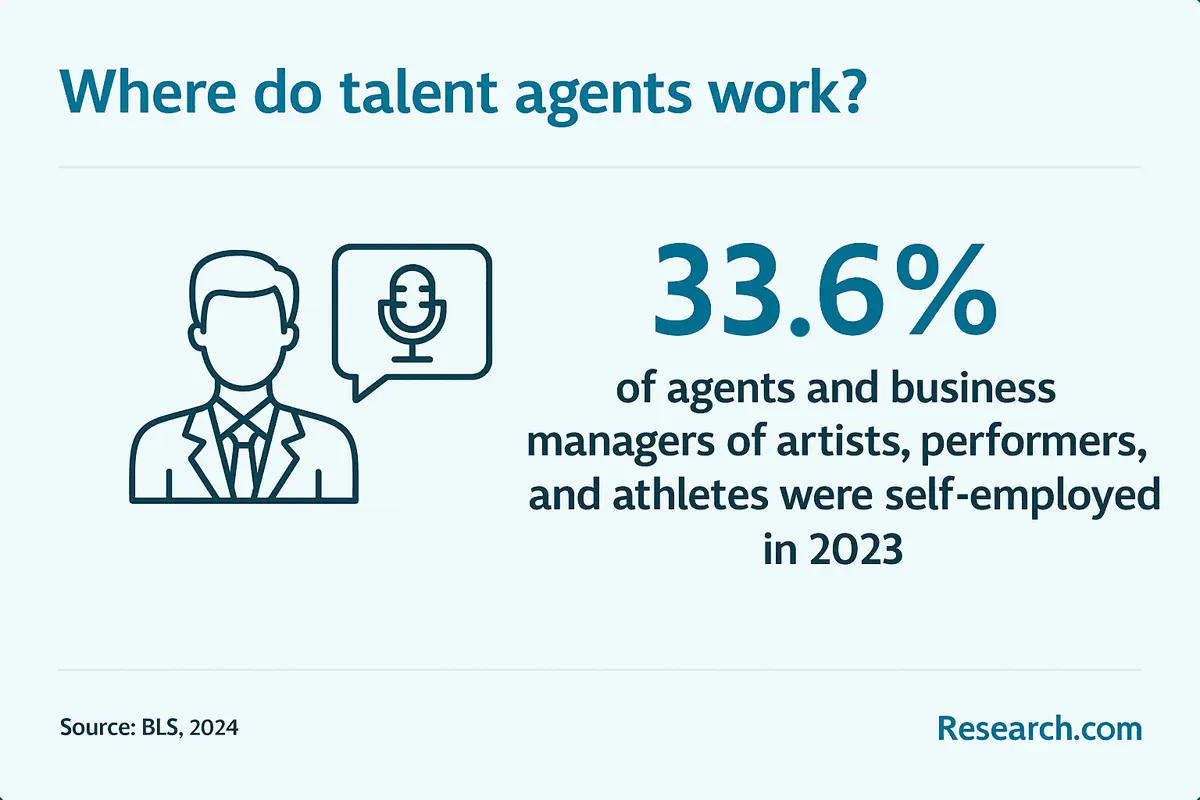
Applied experience matters because a notable share of the field is self-directed. BLS reported that 33.6% of agents and business managers of artists, performers, and athletes were self-employed in 2023. Students who graduate with real project examples may be better prepared for freelance, contract, or entrepreneurial work.
How to choose the best online entertainment business degree program?
The best online entertainment business degree is the one that matches your career target, budget, schedule, preferred learning format, and need for industry access. Do not choose only because a program is fast. A short program that lacks accreditation, support, relevant coursework, or internship options may be a poor investment.
| Selection factor | What to check | Why it affects your decision |
| Accreditation | Confirm institutional accreditation and, when relevant, business accreditation through recognized MBA accreditation bodies. | Accreditation can affect credit transfer, employer trust, graduate school admission, and financial aid eligibility. |
| Curriculum fit | Review whether courses include entertainment law, digital marketing, finance, branding, distribution, talent, events, or sports. | The curriculum should match the sector you want to enter. |
| Faculty background | Look for instructors with academic credentials and relevant experience in entertainment, media, sports, music, events, or digital content. | Faculty networks and real-world knowledge can improve course relevance. |
| Flexibility | Compare asynchronous courses, start dates, accelerated terms, part-time options, and self-paced models. | The format must fit your work schedule and learning habits. |
| Career services | Ask about internship support, resume reviews, portfolio help, alumni access, and employer relationships. | Entertainment careers often depend on applied experience and networking. |
| Student outcomes | Review graduation rates, placement data, alumni examples, and available public outcome information. | Outcomes help you judge whether students complete the program and move toward relevant careers. |
| Technology and support | Evaluate advising, tutoring, learning platforms, software access, library support, and technical help. | Online learners need reliable academic and technical infrastructure. |
Questions to ask before enrolling
- Is the school institutionally accredited, and who accredits it?
- How many of my credits will transfer before I commit?
- Are internships required, optional, or student-arranged?
- Does the program specialize in the entertainment sector I want?
- Are online students eligible for the same career services as campus students?
- What is the total cost after fees, materials, and technology charges?
- Will the program help me build a portfolio or industry-ready work samples?
- How fast can I finish without risking burnout or weak grades?
How does accreditation influence the credibility and career outcomes of online entertainment business degrees?
Accreditation is one of the most important quality checks for any online degree. It indicates that an institution or program has been reviewed against established academic standards related to curriculum, faculty qualifications, student support, and institutional resources.
For entertainment business students, accreditation may influence financial aid eligibility, credit transfer, graduate school admission, and how employers view the degree. Business-specific accreditation can also matter for students comparing management-focused programs, especially at the MBA level.
Accreditation is especially important when comparing fast online degrees. A program may advertise a short completion time, but speed should not come at the expense of academic credibility. Students evaluating accelerated options can apply similar scrutiny used when comparing accelerated online bachelor degrees.
How can I finance my online entertainment business degree?
Financing an online entertainment business degree requires looking beyond tuition. Students should compare total cost, transfer credit savings, scholarships, grants, federal aid, employer support, payment plans, and likely debt after graduation.
- Complete financial aid paperwork early: Start with federal and institutional aid processes as soon as possible.
- Ask the school for a full cost breakdown: Include tuition, fees, course materials, software, equipment, residency costs, and graduation fees.
- Search for industry scholarships: Look for awards connected to television, music, business, live events, media, sports, and creative industries.
- Use transfer credits strategically: Confirm accepted credits before enrolling, because transfer policies can significantly change total cost.
- Compare repayment against realistic salaries: Do not assume a high-paying role immediately after graduation.
- Ask your employer: If you already work in a related field, tuition assistance may reduce your direct cost.
Graduate students should be especially careful about debt because master’s and MBA tuition can vary widely. Those comparing advanced business credentials may also review the best value for money executive MBA programs online.
What career paths are available for graduates of online entertainment business degree programs?
An online entertainment business degree can lead to roles across creative operations, marketing, talent, events, sports, media management, and business strategy. Some positions may require experience, a strong portfolio, networking, internships, or additional technical skills beyond the degree.
| Career path | Salary listed | Typical work focus |
| Sports Managers | $55,000 | Manage business, promotional, operational, or contract-related matters for athletes, teams, or sports organizations. |
| Content Marketing Specialists | $61,818 | Create and manage digital content such as blogs, videos, social posts, and campaigns for entertainment brands or personalities. Students can learn more about content marketing specialist salary expectations by role and experience. |
| Event Planners | $65,090 | Coordinate festivals, concerts, award shows, live activations, and entertainment-related events. |
| Public Relations Coordinators | $80,310 | Manage media relationships, press releases, public messaging, and crisis communication for entertainers or organizations. |
| Brand Partnerships Managers | $84,160 | Connect entertainment properties with sponsors, advertisers, and cross-promotional partners. |
| Talent Managers | $89,682 | Support artists, performers, influencers, or public figures through contract coordination, bookings, profile building, and career strategy. |
| Entertainment Business Operations Specialists | $92,380 | Improve workflows, coordinate departments, manage resources, and support timely delivery of entertainment projects. |
| Art Directors | $128,100 | Lead visual direction for productions, campaigns, branding, and media projects. Students who need a faster creative foundation may compare the shortest graphic design programs online. |
| Music Producers | $168,964 | Work with songwriters and composers, support placements, and help manage royalties and rights-related opportunities. |
| Marketing Managers | $171,520 | Develop promotional strategies for films, music releases, events, campaigns, and entertainment brands. |
The most competitive graduates usually combine degree coursework with internships, freelance projects, portfolio samples, networking, and evidence that they understand current entertainment platforms and business models.
This chart displays the average wages of professionals in this field.
What is the job market for graduates with an entertainment business degree?
The job market for entertainment business graduates is promising in some areas and highly competitive in others. BLS projects 9.2% employment growth for agents and business managers of artists, performers, and athletes from 2023 to 2033.
Event planners are projected to see 6.6% growth, while producers, directors, marketing managers, and public relations specialists are projected to grow between 6% and 8%. These figures suggest continued demand for professionals who can manage projects, audiences, brands, events, and business relationships.
At the same time, entertainment employment is sensitive to technology, labor negotiations, consumer spending, platform changes, and production location shifts. A New York Times article described pressure on Hollywood’s middle-class workforce and major production hubs due to pandemic disruption, labor strikes, AI concerns, the slowdown of peak streaming, and competition from other states and countries (Stevens, 2025).
Live events and sports continue to create business opportunities in sponsorships, ticketing, fan engagement, venue operations, and media rights. However, rising ticket prices and pressure for high returns can make these areas volatile for both employers and workers.
Students can improve their prospects by staying flexible, building cross-functional skills, learning digital tools, understanding AI-related changes, developing a professional network, and gaining practical experience before graduation.
This chart reveals the employment growth of various professionals in the entertainment and sports industries.
Common mistakes to avoid when choosing an online entertainment business degree
- Choosing the fastest program without checking quality: Speed helps only if the program is credible, relevant, and manageable.
- Ignoring accreditation: Lack of recognized accreditation can affect financial aid, transfer credits, graduate admission, and employer perception.
- Comparing tuition instead of total cost: Fees, materials, software, equipment, travel, and lost work time can change affordability.
- Assuming online means easy: Accelerated online courses often require substantial weekly study time and strong self-management.
- Overlooking internships and portfolio work: Entertainment employers often value practical examples and industry exposure.
- Picking a specialization based only on personal interest: Enjoying sports, music, or film is not the same as wanting the day-to-day business work in that sector.
- Assuming salary outcomes are guaranteed: Earnings depend on role, location, experience, employer, network, and market conditions.
- Not asking about transfer credits before enrolling: Transfer policy can significantly affect completion time and cost.
Key Insights
- An online entertainment business degree is best for students who want to manage, market, finance, negotiate, promote, or operate creative and entertainment ventures.
- The fastest programs can reduce time to graduation, but acceleration requires strong discipline, realistic scheduling, and careful workload planning.
- Entertainment business differs from general business because it focuses on intellectual property, talent, media distribution, events, audience engagement, sponsorships, and creative revenue models.
- Accreditation should be a nonnegotiable part of your school search because it can affect credibility, aid eligibility, credit transfer, and future education options.
- Costs vary widely, so compare total program price, transfer credits, fees, scholarships, employer aid, and career support—not just tuition.
- Career options span sports management, content marketing, events, public relations, brand partnerships, talent management, operations, art direction, music production, and marketing management.
- The job market includes growth opportunities, but entertainment remains competitive and sensitive to AI, labor shifts, streaming changes, live event economics, and regional production trends.
- The strongest applicants graduate with more than a degree: they build internships, project samples, industry contacts, digital fluency, and a clear target sector.
References:
- Arbanas, J., Westcott, K., Auxier, B., Matheson, B., & Rawat, A. (2024, October 8). ‘Funflation’—and live event hype—goes up against more cost-conscious consumers. Deloitte. https://www2.deloitte.com/us/en/insights/industry/technology/digital-media-trends-consumption-habits-survey/2024/funflation-goes-up-against-cost-conscious-consumers.html
- CVL Economics. (2024, January). The Future Unscripted: The Impact of Generative Artificial Intelligence on Entertainment Industry Jobs. https://www.awn.com/news/animation-guild-shares-generative-ai-economic-impact-study-results
- Data USA. (2022). Arts, design, entertainment, sports, & media occupations. https://datausa.io/profile/soc/arts-design-entertainment-sports-media-occupations
- Ma, J., Pender, M., & Oster, M. (2024). Trends in College Pricing and Student Aid 2024. https://research.collegeboard.org/trends/college-pricing
- Payscale. (2025, June 4). Average Sports Manager Salary. Retrieved June 18, 2025, from https://www.payscale.com/research/US/Job=Sports_Manager/Salary
- U.S. Bureau of Labor Statistics. (2024). Agents and Business Managers of Artists, Performers, and Athletes [Interactive data]. May 2024 OEWS Profiles, Occupational Employment and Wage Statistics (OEWS) Profiles. Retrieved June 18, 2025, from https://data.bls.gov/oesprofile
- U.S. Bureau of Labor Statistics. (2025, April 18). Occupational projections, 2023–33, and worker characteristics, 2023 (Numbers in thousands). Employment Projections. https://www.bls.gov/emp/tables/occupational-projections-and-characteristics.htm
- ZipRecruiter. (2025, June 10). Music Producer Salary. Retrieved June 18, 2025, from https://www.ziprecruiter.com/Salaries/Music-Producer-Salary
Other Things You Should Know About Online Entertainment Business Degree Programs
Fast-tracked online entertainment business degrees in 2027 are accredited by recognized accrediting bodies such as the Accreditation Council for Business Schools and Programs (ACBSP) or regional accrediting agencies. Accreditation ensures that the program meets quality standards, providing students with a credible education in entertainment business.
Core subjects typically include Entertainment Marketing, Media Economics, and Digital Content Management. These programs often require 60 credit hours, with courses designed to be completed in 18 months, providing a comprehensive understanding of the entertainment industry's business side.
Many schools accept up to 90 transfer credits toward a 120-credit bachelor’s degree, which can shorten completion time. Credits must come from regionally accredited colleges, and some programs cap major-specific transfer at 30 to 45 credits. Official transcripts are usually required before evaluation.





