2027 Online Exercise & Sports Science Bachelor's Degree Programs Under $10,000

Co-Founder and Chief Data Scientist
Switching into exercise and sports science can be expensive if you already hold college credits, work full time, or need an online format that fits around family and employment. The challenge is not simply finding a low posted tuition rate; it is finding an accredited program where transfer credit, financial aid, course pacing, and career alignment can keep the real out-of-pocket cost below $10,000.
Affordability matters to many online learners in this field. Nearly 40% of students choosing online exercise & sports science bachelor's degrees prioritize affordability over prestige, which makes low-cost, accredited options especially important for career changers, military-affiliated students, first-generation college students, and working adults.
This guide explains how to compare accredited online exercise & sports science bachelor’s programs under $10,000, what to verify before enrolling, how public and private tuition models differ, which concentrations may lead to stronger career outcomes, and how transfer credits, scholarships, and student support services can affect the total value of the degree.
Key Things to Know About Online Exercise & Sports Science Bachelor's Degree Programs Under $10,000
- Programs under $10,000 help minimize student debt-critical for working adults and first-generation students aiming to graduate without excessive financial burden.
- Graduates experience strong return on investment with average salaries between $45,000 and $60,000, supporting career advancement in health, fitness, and rehabilitation fields.
- These online degrees offer flexible pacing, transfer credit options, and prior learning assessments-ideal for military-friendly students and those balancing work and family commitments.
What Are the Most Affordable Accredited Online Exercise & Sports Science Bachelor's Degree Programs Under $10,000?
The most affordable accredited online exercise & sports science bachelor’s degree programs under $10,000 are usually degree-completion pathways rather than traditional four-year programs taken entirely from the same university. In practice, students often reach the under-$10,000 threshold by transferring prior college credits, using military or exam-based credits, applying financial aid, or choosing competency-based formats that reward faster progress.
Accreditation should be the first filter. A low price is not a good deal if the institution lacks recognized accreditation, limits credit transfer, or fails to meet employer and graduate school expectations. Regional accreditors such as the Higher Learning Commission (HLC) and the Southern Association of Colleges and Schools Commission on Colleges (SACSCOC) help verify institutional quality. Some programs may also carry programmatic recognition from organizations such as the Commission on Accreditation of Allied Health Education Programs (CAAHEP), depending on the curriculum and professional focus.
Examples of affordable accredited online options and related low-cost pathways include:
- Western Governors University: Offers a bachelor’s degree in health sciences focused on wellness. Tuition is $3,920 per six-month term, and students complete 120 competency units at a pace shaped by their prior knowledge, schedule, and ability to move through coursework.
- Fort Hays State University: Offers a Bachelor of Science in health and human performance at $226.67 per credit hour, with degree-completion estimates that may be roughly $8,600 when transfer credits and remaining requirements align favorably.
- Granite State College: Requires 120 credits at $320 per credit hour. The full posted per-credit structure can exceed the under-$10,000 target, so students should focus on transfer credits and financial aid, which frequently reduce total costs below $10,000.
- Columbia Southern University: Offers a Bachelor of Science in health sciences with tuition around $225 per credit hour for 120 credits, with total cost estimates around $9,000 depending on applicable credits and program structure.
- American Public University System: Provides a Bachelor of Science in sports and health sciences at $285 per credit. Military credits, transfer credits, and other credit-for-prior-learning options often help reduce the total cost underneath $10,000.
- University of the People: Uses a tuition-free model and charges a $120 exam fee per course. With 40 courses required, total fees reach about $4,800, making it one of the lowest-cost options for students who are comfortable with its model and support structure.
- Southern New Hampshire University (SNHU): Charges $320 per credit. Students with significant transfer credits may complete the remaining bachelor’s requirements for less than $10,000, depending on the number of credits accepted.
When comparing these programs, do not look only at the advertised tuition rate. Ask how many credits you still need, whether lab or technology fees apply, how quickly courses are offered, and whether the program prepares you for the type of role you actually want. Ultra-low-cost programs often rely on self-paced learning, transfer-friendly policies, or fewer individualized services. That can work well for disciplined adult learners, but students who need frequent faculty interaction, internship coordination, or structured advising should evaluate support services carefully.
Students comparing affordable education pathways in other health-related fields may also find value in reviewing nursing schools with high acceptance rates, especially if they are weighing exercise science against broader healthcare options.
How Do Tuition Costs for Online Exercise & Sports Science Bachelor's Programs Under $10,000 Compare Across Public and Private Universities?
Public universities usually have the strongest pricing advantage for online exercise and sports science bachelor’s programs because state support can keep tuition lower, especially for in-state students. Private nonprofit universities can still be competitive when they offer flat-rate tuition, generous transfer credit, institutional scholarships, or streamlined online delivery. The right choice depends less on whether a school is public or private and more on the total cost after transfer credits and aid.
Public institutions often charge $150 to $300 per credit, making them attractive for students who need 40 to 60 credits to finish a bachelor’s degree. Private nonprofit universities may start at a higher sticker price, but some reduce the final cost through adult-learner discounts, flexible pacing, or online-only tuition structures.
- Tuition rates: Public universities often use state funding and large enrollment volume to keep per-credit tuition low. Private nonprofits may compete by using asynchronous courses, online advising models, and scholarship packages aimed at working adults.
- Total program costs: Programs in both sectors can fall just under $10,000 when the student is entering with substantial transfer credit. A school with a higher per-credit rate may still be cheaper if it accepts more prior coursework.
- State subsidies and funding: Public universities benefit from state support, while private nonprofits may rely on institutional grants, endowment resources, military benefits, employer partnerships, or payment plans.
- Enrollment size and efficiency: Large public institutions can spread operating costs across more students. Smaller private programs may reduce costs through focused degree designs and online delivery systems.
- Delivery format: Asynchronous online courses help both public and private universities lower delivery costs. Competency-based or accelerated formats may further reduce the number of terms a student pays for.
- Financial aid and transfer policies: Public universities may offer state-based aid, while private schools may have more school-specific scholarships. In both cases, transfer credit and prior learning assessment can have a larger impact than small differences in per-credit tuition.
- Accreditation and quality: Accreditation remains essential in both sectors. A cheaper program is not automatically a weaker program, but students should confirm recognition, curriculum depth, and career services before enrolling.
The best comparison method is to request a written degree audit from each school. That audit should show accepted transfer credits, remaining credits, tuition rate, required fees, estimated time to completion, and whether any courses must be taken in a fixed sequence. This prevents students from choosing a school based on an attractive tuition figure that does not reflect their actual completion cost.
Readers comparing healthcare education costs beyond exercise science may also want to review affordable advanced options such as the best DNP programs online.
What Is the Typical Duration of an Online Exercise & Sports Science Bachelor's Degree Under $10,000, and How Can Students Graduate Faster?
Most online exercise & sports science bachelor’s degrees require about 120 credits and take about four years for students starting from zero college credit and studying full time. Under-$10,000 options are often faster because many students enter with transfer credits, complete courses year-round, or choose programs built for accelerated or competency-based progress.
Traditional bachelor’s programs often follow two 15-week semesters per year. Affordable online programs may instead use eight-week courses, multiple start dates, summer enrollment, or self-paced competency units. These formats can help motivated students finish sooner, but they also require strong time management because compressed courses move quickly.
- Standard credit framework: About 120 credits are required for most bachelor’s degrees, with a four-year timeline for full-time students who begin without transfer credit.
- Accelerated terms: Eight-week courses allow students to complete more classes across the year while focusing on fewer courses at one time.
- Year-round enrollment: Summer and continuous terms can reduce gaps between courses and shorten the calendar time to graduation.
- Competency-based pathways: Students who already know the material may progress by demonstrating mastery rather than waiting for a traditional term to end.
- Transfer credits: Prior college coursework, military training, CLEP, DSST, and approved prior learning can reduce the number of courses still required.
- Institution examples: Universities such as Fort Hays State and Texas A&M University-Commerce offer online exercise & sports science bachelor’s pathways under $10,000, with average completion often ranging from three to four years depending on transfer credits and course load.
- Cost and opportunity savings: Finishing earlier can lower term-based expenses and help students enter the workforce or qualify for advancement sooner.
Students who want to graduate faster should first complete a transcript review, then build a realistic course plan with an advisor. Taking too many accelerated courses at once can backfire if grades suffer or a student needs to withdraw. A better strategy is to identify the maximum sustainable pace, use transfer credits wherever possible, and avoid programs with long prerequisite chains that delay upper-level coursework.
One professional who pursued an online exercise & sports science bachelor’s degree under $10,000 after leaving the military described the accelerated format as demanding but manageable with structure. He said that balancing work, family, and school required strict weekly planning, but using prior experience to test out of some requirements “saved both time and money.”
The online exercise & sports science bachelor’s programs under $10,000 with the strongest earning potential are typically those that connect the degree to a defined occupational path, relevant certifications, clinical or applied experience, and graduate school options. Cost matters, but the cheapest program is not always the best return on investment if it does not prepare students for roles with stable demand or advancement potential.
According to the Bureau of Labor Statistics, careers connected to physical therapy support roles, athletic training, and exercise physiology often offer stronger median wages than many general entry-level fitness jobs. Students should compare concentrations, required certifications, practicum opportunities, and whether the curriculum supports future graduate study.
- Exercise physiology: Graduates may work in clinical, rehabilitation, wellness, or fitness technology settings. The BLS indicates median salaries typically range between $50,000 and $60,000. Programs with applied physiology, assessment, and laboratory-style coursework may better prepare students for competitive roles.
- Athletic training: This path is connected to certification preparation and roles as certified athletic trainers, with median pay near $49,000. Under-$10,000 programs are more valuable when they include clinical practicum exposure or partnerships with accredited athletic organizations.
- Kinesiology and biomechanics: This area focuses on human movement, performance, ergonomics, and sports science research. PayScale data shows median salaries between $45,000 and $65,000 depending on experience and credentials.
- Health and wellness coaching: Salaries are generally lower, ranging from $40,000 to $50,000. However, programs that align with certification pathways may help graduates move into private practice, corporate wellness, or health promotion roles.
Students should also consider whether a bachelor’s degree alone is enough for their target career. Some roles in rehabilitation, clinical exercise physiology, athletic training, physical therapy, or occupational therapy may require certification, supervised experience, licensure, or graduate education. Before enrolling, compare the curriculum against job postings in your region and ask the school where recent graduates work.
IPEDS data and university career services information can help students evaluate outcomes, but the most practical measure is time to return on investment: total cost, time to completion, likely entry role, and whether the degree supports advancement. Students interested in faster completion options can also compare accelerated degree programs to improve time-to-degree and potential return on investment.
Financial aid can reduce an online exercise & sports science bachelor’s degree below $10,000 when students combine federal aid, state grants, institutional scholarships, professional association awards, transfer credits, and employer or military benefits. The key is to prioritize funding that does not require repayment before using loans.
FAFSA data and the College Board’s Trends in Student Aid report show that undergraduates often rely on a mix of grants, scholarships, and subsidized loans. For online students, aid eligibility can depend on enrollment status, accreditation, degree-seeking status, and satisfactory academic progress.
- Federal Pell Grants: These need-based grants do not require repayment and can provide several thousand dollars each year to eligible low-income students.
- Subsidized federal loans: These loans offer lower-cost borrowing features and deferred interest while enrolled at least half-time. They should generally be considered after grants and scholarships have been maximized.
- Institutional scholarships: Many colleges offer merit- or need-based awards for students in health sciences, exercise science, kinesiology, wellness, or related majors. These awards may be stackable with federal aid.
- State-based grants: Some states provide grants or scholarships to residents pursuing online degrees, including programs in health and human performance fields. Eligibility and award amounts vary by location.
- Professional association scholarships: Organizations such as the National Strength and Conditioning Association and the American College of Sports Medicine offer scholarships that may help pay for tuition, books, exams, or certification-related costs.
- Employer tuition assistance: Students working in fitness centers, healthcare systems, schools, recreation departments, or wellness programs should ask whether their employer reimburses tuition for job-related degrees.
- Military and veteran education benefits: Military-affiliated students should ask each school how it evaluates military training, applies benefits, and supports credit for prior learning.
A practical aid strategy starts with the FAFSA. Submit it early each year, then ask each school for a full aid estimate and a separate transfer-credit evaluation. Apply for institutional awards before the priority deadline, search state programs, and pursue professional scholarships tied to exercise science, sports science, kinesiology, wellness, or strength and conditioning.
One graduate who completed an online exercise & sports science bachelor’s degree under $10,000 said the financial aid process felt overwhelming at first. She described FAFSA, institutional scholarships, and field-specific awards as separate steps rather than one task. Her advice was simple: start early, apply broadly, and do not assume a small scholarship is not worth the effort. Stacking several smaller awards can meaningfully reduce the final cost.
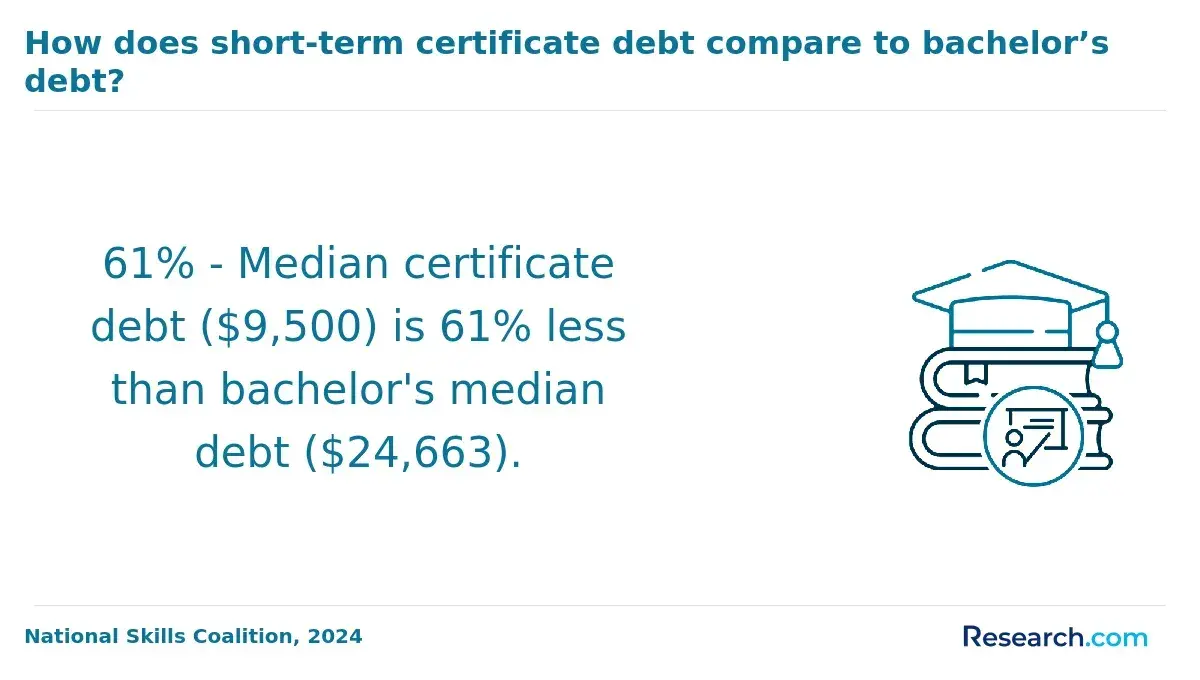
Many online exercise & sports science bachelor’s programs under $10,000 accept substantial transfer credit, and this is often the main reason students can finish affordably. Programs may accept prior college coursework, military training, CLEP, DSST, and approved prior learning. The more credits accepted toward the degree, the fewer courses the student must pay to complete.
Some programs allow up to 90 transfer credits toward a 120-credit bachelor’s degree. That can leave only 30 credits to complete at the degree-granting institution. Other schools may accept fewer credits overall or limit how many major-specific credits can transfer, so students should not assume every prior course will apply to the major.
Transfer credit can reduce cost in several ways:
- Lower tuition exposure: If a 120-credit degree accepts 60 transfer credits, the student may only pay for half of the required coursework at the new institution.
- Shorter completion time: Fewer remaining courses can reduce the number of terms or semesters needed to graduate.
- Reduced opportunity cost: Students may enter the workforce, qualify for promotion, or apply to graduate school sooner.
- Better use of prior learning: CLEP and DSST exams may cover 15 to 30 credits. Military experience evaluated through ACE guidelines may also reduce remaining requirements for veterans and service members.
Examples of transfer-friendly policies include:
- Western Governors University: Accepts up to 90 transfer credits, including CLEP, DSST, and military credits. Its flat-rate tuition model can benefit students who can move quickly after transferring prior credit.
- Fort Hays State University: Permits up to 75 semester credits in transfer, including military training and national exam credits, which can reduce both tuition and time to completion.
- Thomas Edison State University: Known for flexible prior learning assessment and up to 90 transfer credits, giving adult learners multiple ways to apply previous education and experience.
Before applying widely, gather official transcripts, military training records, exam scores, and course descriptions. Then request a preliminary degree audit from each program. The most useful audit shows not only how many credits transfer, but exactly how they apply: general education, electives, major requirements, or upper-division credits. Credits that transfer only as electives may not shorten the degree as much as students expect.
An online exercise & sports science bachelor’s program under $10,000 should, at minimum, be offered by an institution with recognized accreditation. Regional accreditation is usually the safest standard for credit transfer, employer recognition, graduate school admission, and eligibility for federal financial aid. National accreditation may be legitimate in some contexts, but it can create limitations when transferring credits or pursuing advanced degrees.
Key regional accrediting bodies include:
- Higher Learning Commission (HLC): Accredits institutions primarily in the central United States and evaluates academic quality, governance, student support, and institutional effectiveness.
- Southern Association of Colleges and Schools Commission on Colleges (SACSCOC): Accredits many southern U.S. colleges and universities and reviews institutional quality and student learning standards.
- New England Commission of Higher Education (NECHE): Oversees institutions in the northeast and emphasizes academic integrity, institutional capacity, and student outcomes.
Programmatic accreditation can also matter, depending on the career goal. Some exercise science, allied health, or clinical-adjacent programs may be connected to the Commission on Accreditation of Allied Health Education Programs (CAAHEP) or other specialized bodies. Programmatic accreditation is especially important when a profession requires a specific educational pathway for certification, licensure, or clinical eligibility.
Students should be cautious with schools that lack recognized accreditation, make vague claims about being “approved,” or promise unusually fast degrees with minimal coursework. A low price is not worth the risk if the degree is not accepted by employers, graduate schools, or certification bodies.
Before enrolling, verify accreditation through the U.S. Department of Education's Database of Accredited Postsecondary Institutions and Programs. Research indicates over 70% of employers prefer candidates holding degrees from regionally accredited programs, making accreditation one of the most important factors in choosing an affordable online exercise & sports science degree.
Admission requirements for online exercise & sports science bachelor’s programs priced under $10,000 are usually designed for accessibility. Most schools require a high school diploma or GED, official transcripts, and a minimum GPA. Many programs also accept transfer students, adult learners, military-affiliated applicants, and students returning to college after a break.
Common GPA requirements range from 2.0 to 2.5. SAT or ACT scores are increasingly optional or waived, especially for online and degree-completion programs. Some programs may require prior coursework in biology, chemistry, anatomy, health science, or math, but these prerequisites are often built into the early part of the curriculum rather than used as strict barriers to admission.
- High school diploma or GED: Most programs require proof of secondary education or an equivalent credential.
- Official transcripts: Applicants typically submit high school transcripts and all prior college transcripts so the school can evaluate admission eligibility and transfer credit.
- GPA requirements: A minimum GPA around 2.0 to 2.5 is common, although policies vary by institution and applicant type.
- Standardized testing: SAT or ACT scores are often optional or waived, particularly for adult learners and transfer applicants.
- Prerequisite courses: Some programs prefer or require foundational coursework in biology, health sciences, anatomy, or related subjects.
- Admission format: Open-admission and rolling-admission policies are common among affordable online programs, offering flexible start dates for working students.
- Personal statement or goals statement: Some schools ask applicants to explain career goals, prior experience, or reasons for choosing exercise and sports science.
Students who fall below a GPA requirement can often strengthen their application by completing community college coursework, earning a relevant health or fitness certification, or speaking with an admissions counselor about conditional admission. Applicants should also ask whether admission to the university automatically means admission to the major, because some programs may have separate requirements for upper-division or clinical-focused coursework.
For students comparing health-related credentials across fields, reviewing requirements for credentials such as a certified coding specialist (CCS) can also help clarify how education, certification, and salary pathways differ across healthcare careers.
Strong advising and career services can determine whether a low-cost online exercise & sports science bachelor’s program is truly a good value. A program under $10,000 may save money upfront, but weak advising can lead to repeated courses, missed prerequisites, delayed graduation, and poor career alignment.
Affordable programs that support student success usually provide the following services:
- Academic advising: Advisors help students choose courses in the correct sequence, understand transfer credits, track degree progress, and avoid taking unnecessary classes.
- Tutoring and academic support: Online tutoring can be especially important in anatomy, physiology, statistics, biomechanics, and research-based courses.
- Faculty access: Students should be able to contact instructors through office hours, email, discussion boards, or scheduled virtual meetings.
- Mentorship and peer support: Faculty mentors, cohort groups, and peer communities help online learners stay engaged and reduce isolation.
- Mental health and wellness resources: Counseling, wellness tools, and stress-management support can improve persistence for students balancing school, work, and family responsibilities.
- Career coaching: Resume review, interview preparation, job-search strategy, and professional networking support can help students translate the degree into employment.
- Internship or field experience guidance: Programs with stronger employer connections may help students locate opportunities in fitness, coaching, rehabilitation, recreation, wellness, or health promotion settings.
- Alumni and employer networks: Alumni connections and job boards can provide leads that are difficult for online students to find on their own.
Research such as the National Survey of Student Engagement (NSSE) links strong student support with higher satisfaction and better on-time graduation rates. For students trying to keep total costs low, on-time graduation matters because delays can increase tuition, fees, and lost earning time.
Before enrolling, ask specific questions: Will I have one assigned advisor? How quickly do advisors respond? Are tutoring services included in tuition? Does the school help online students find internships near where they live? What career outcomes are available for graduates in this major? Students considering future advanced credentials may also explore options such as a post master’s NP program as part of a longer healthcare education plan.
Online exercise & sports science bachelor’s programs under $10,000 may offer concentrations that shape both coursework and career options. Students should choose a specialization based on the jobs they want, the certifications they may need, and whether they plan to attend graduate school.
Exercise Physiology: This concentration focuses on how the body responds and adapts to physical activity. Students may study cardiorespiratory fitness, strength assessment, exercise testing, chronic disease, and rehabilitation principles. Graduates may pursue roles in fitness, wellness, clinical support, or rehabilitation-related environments. According to BLS data, this field is projected to grow about 11% through 2032, with median salaries near $50,000. Some positions may require additional credentials, such as the ACSM Certified Clinical Exercise Physiologist, which can add costs beyond tuition.
Sports Management: This specialization emphasizes the business and administrative side of athletics, recreation, and sports organizations. Coursework may cover leadership, event planning, marketing, facility operations, and athletic administration. It can fit students interested in sports organizations rather than clinical or laboratory-based roles. Salaries vary widely by role, organization, and region.
Kinesiology: Kinesiology examines human movement, anatomy, biomechanics, motor learning, and physical performance. It can support careers such as wellness coordinator, personal trainer, performance specialist, or preparation for graduate study in therapy-related fields. Employment growth is estimated at 10% or higher in related areas, but certain jobs may require separate credentials, licensure, or graduate education.
Health Promotion and Wellness: This concentration prepares students to design and support programs that improve physical activity, wellness, prevention, and community health. Graduates may work in corporate wellness, public health, fitness programming, nonprofit organizations, schools, or healthcare-adjacent settings. Demand for qualified health educators is increasing, making this a practical option for students who prefer population health and prevention over performance-focused roles.
The best concentration is the one that matches a clear next step. Students planning for graduate school should confirm prerequisite alignment. Students entering the workforce immediately should look for embedded certifications, internship options, applied projects, and employer connections. Students focused on affordability should also confirm whether a concentration adds lab fees, software fees, practicum costs, or certification exam expenses.
Online exercise & sports science bachelor’s programs under $10,000 typically use learning management systems such as Canvas, Blackboard, and Moodle. These platforms organize lectures, assignments, discussion boards, quizzes, grades, instructor messages, and course calendars. For online learners, platform quality matters because confusing navigation or unreliable access can slow progress.
Because exercise and sports science involves the body, movement, and performance, many programs also use specialized tools. These may include virtual anatomy resources, biomechanics software, exercise testing simulations, video movement analysis, and digital lab activities. Some schools include these tools in tuition, while others charge technology or course-specific fees. Students trying to stay under $10,000 should ask whether software, lab kits, proctoring, certification materials, or virtual simulation tools cost extra.
- Learning management systems: Canvas, Blackboard, and Moodle are commonly used for course delivery, communication, assignments, grading, and assessments.
- Virtual anatomy tools: These resources help students study musculoskeletal systems, movement, and physiological concepts without being on campus.
- Biomechanics and movement analysis software: Some courses use video or simulation tools to evaluate form, movement efficiency, or performance mechanics.
- Exercise physiology simulations: Virtual labs may help students practice concepts related to testing, adaptation, energy systems, and program design.
- Low-bandwidth access: Downloadable readings, recorded lectures, adjustable video quality, and mobile-friendly platforms help students with limited internet access.
- Technical requirements: Students generally need a reliable internet connection, an updated browser, and a computer capable of running multimedia content and virtual labs. A laptop or desktop is usually more practical than relying only on a phone.
Before enrolling, review the technology requirements page and ask whether courses require webcams, proctoring software, wearable devices, lab materials, or paid applications. A program advertised as low-cost can become less affordable if technology expenses are not included in the published tuition estimate.
What Graduates Say About Their Online Exercise & Sports Science Bachelor's Degree Programs Under $10,000
- Julian: "I chose an online exercise & sports science bachelor’s degree program under $10,000 because I needed to keep working while earning the credential. The flexibility mattered as much as the price. I could plan coursework around my job, use what I already knew, and move toward new opportunities without taking on more debt than I was comfortable with."
- Glenn: "The under-$10,000 cost made the degree realistic for me. I expected a basic online experience, but the curriculum was more complete than I anticipated, and the platform made it easy to stay organized. The degree helped me build credibility in health and fitness and gave me more confidence when applying for better roles."
- Leo: "Completing the online exercise & sports science bachelor’s degree under $10,000 changed my career path without creating a heavy student debt burden. The coursework was rigorous, and the online community helped me stay motivated. For me, the value came from getting an accredited education at a cost I could manage."
Other Things You Should Know About Exercise & Sports Science Degrees
Yes, some accredited institutions offer fully online exercise & sports science bachelor's degrees under $10,000 with no distinction between in-state and out-of-state tuition rates. These programs typically apply a flat tuition fee regardless of residency, benefiting distance learners nationwide. This approach helps reduce total costs for students living outside the institution's physical state.
Yes, many programs offer virtual or local internships to provide practical experience in the field. These internships can be completed during the course of study and are integral to applying theoretical knowledge in real-world settings, enhancing job readiness upon graduation.
Yes. Many online exercise and sports science bachelor’s programs include a capstone in the final term, usually worth 3 to 6 credits. It often requires a research paper, applied project, or program portfolio and may have a prerequisite of senior standing.
- The 9 Best Online Learning Platforms in 2026 https://www.ispring.com/knowledge-hub/best-online-learning-platforms
- Exercise Science Standards and Course Development https://essa.secure-platform.com/course-accreditation/
- 446 Bachelor Degree Sports Science Scholarships available https://www.hotcoursesabroad.com/study/international-scholarships/all/bachelor-degree/sports-science/cid/124/b9/scholarship.html
- AES accreditation https://www.essa.org.au/Web/Web/Accreditation/Becoming-accredited/AES-accreditation.aspx
- Online College Costs: A Breakdown of Tuition and Fees | OnlineColleges.net https://www.onlinecolleges.net/for-students/online-college-costs/
- 2025 Most Affordable Online Bachelor's Degrees https://www.onlineu.com/most-affordable-colleges/bachelors-degrees
- Top 6 Low-Cost Online Bachelor's in Physical Education https://www.greatvaluecolleges.net/rankings/online-bachelors-physical-education/
- Best 9 Online Learning Platforms - Comparison, Pricing and Details https://nextgenlearning.org.uk/best-9-online-learning-platforms-comparison-pricing-and-details/
- Scholarships for College Students https://accessscholarships.com/blog/50-scholarships-for-college-students/
- Fighting for Professional Relevance: Programmatic Accreditation Must Lead the Way https://acsm.org/fighting-for-professional-relevance/