2027 Online Exercise & Sports Science Bachelor's Degree Program Costs: Tuition & Fees

Co-Founder and Chief Data Scientist
Prospective students considering an online exercise & sports science bachelor's degree often face uncertainty about the total financial commitment. Inconsistent tuition rates and hidden fees can complicate budgeting and decision-making. With the average annual tuition for online bachelor's programs ranging from $7,000 to $15,000, understanding cost structures is crucial. Additionally, many students underestimate expenses such as technology fees or course-specific charges. According to recent data, 56% of online undergraduates delay graduation due to financial constraints. This article will clarify tuition and fee expectations for online exercise & sports science degrees, helping students make informed, cost-effective choices.
Key Things to Know About Online Exercise & Sports Science Bachelor's Degree Program Costs
- Tuition structures vary widely, often charged per credit hour; some programs offer flat rates for full-time enrollment, with in-state and out-of-state rates affecting total costs.
- Additional fees may include technology, lab, accreditation, and course-specific materials, increasing overall expenses beyond base tuition.
- Financial planning should consider scholarships, federal aid, and employer tuition assistance, as nearly half of online students utilize some form of financial support to manage program costs.
What Is the Average Cost of an Online Exercise & Sports Science Bachelor's Degree?
The average tuition for online exercise & sports science bachelor's degree in the US generally ranges between $15,000 and $45,000 for the entire program. Most degree plans require about 120 to 130 credits, with tuition typically charged between $300 and $600 per credit hour. One commonly cited figure in the field estimates average tuition per credit hour to be between $350 and $450, placing total costs near the mid-to-high $30,000 range.
These figures reflect the overall cost breakdown of online exercise & sports science bachelor's programs in America, offering prospective students a clear idea of expected financial commitments.
Total costs for these programs are usually structured around credit-hour requirements, where students either pay per credit or sometimes per semester in a flat-rate model. The credit-based system allows for flexibility but generally means students must cover tuition for the complete 120-credit course load. While tuition covers the bulk of expenses, the pricing approaches vary, influencing how fees and term charges are applied.
For those interested in related online health degrees, exploring options like the fastest DNP program online may provide additional pathways worth considering.
What Factors Affect the Cost of an Online Exercise & Sports Science Bachelor's Degree?
The total cost of earning an online Exercise & Sports Science bachelor's degree can vary significantly, influenced by several key factors that affect tuition and related expenses. Understanding these elements helps prospective students gauge the financial commitment involved. Below are some of the main considerations that impact the overall cost of these programs, including the average tuition cost for online Exercise & Sports Science bachelor's degrees in the US.
- Credit Requirements: Programs differ in total credits needed to graduate, typically between 120 and 130. More required credits usually mean higher tuition since students pay for a greater number of classes.
- Program Length: While most degrees aim for completion in four years, some institutions offer accelerated or part-time options. Extended durations may increase fees tied to student services or technology, whereas accelerated paths might charge higher tuition per term.
- Tuition Models: Institutions may charge by credit hour, per term, or a flat rate for full-time enrollment. The specific pricing structure can affect total tuition costs, especially if students enroll in varying course loads.
- Residency Status: Although online programs are often considered uniformly priced, some public schools differentiate between in-state and out-of-state students, with out-of-state attendees usually paying higher rates, influencing overall affordability.
- Additional Fees: Beyond tuition, students may face costs such as technology fees, lab fees, course materials, and administrative charges unique to online learning. These fees vary and contribute notably to the key fees and expenses affecting US Exercise & Sports Science online degree cost.
Students seeking some of the cheapest online BSN programs may find parallels in cost structures useful when budgeting for Exercise & Sports Science degrees.
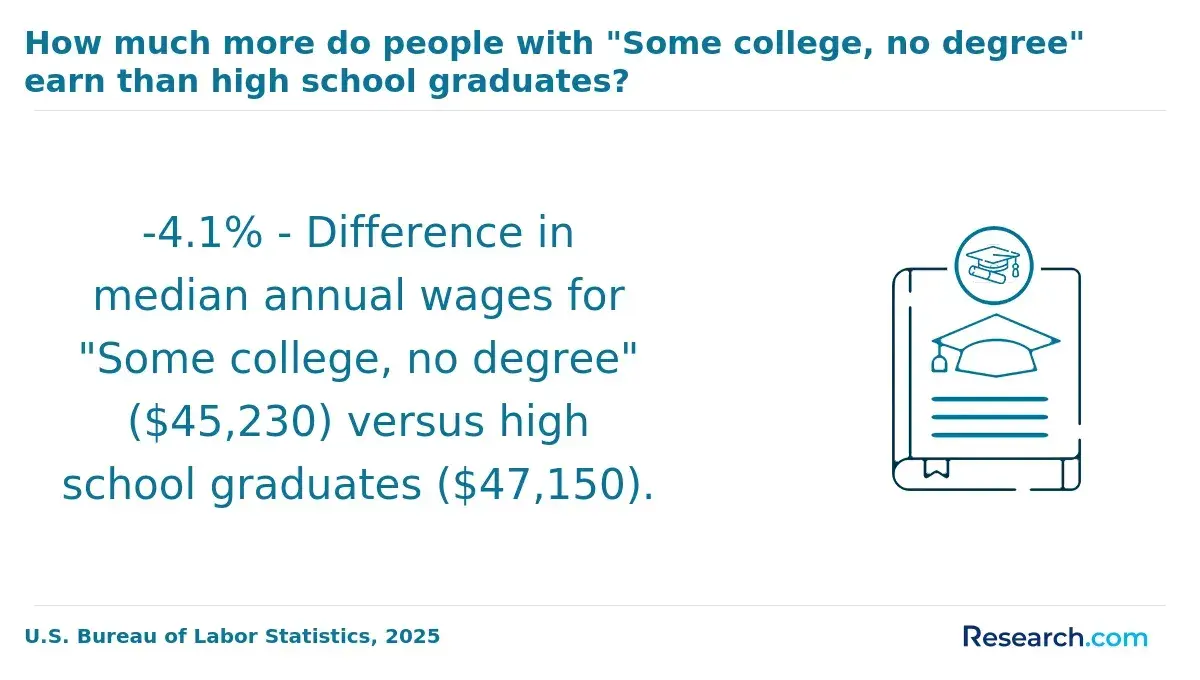
2026 Update: Planning When Costs Are Due
For 2026, this cost guide was refreshed to help students look beyond the total price and understand when online exercise and sports science degree expenses may need to be paid.
- Check whether tuition is billed by course, credit, term, or semester.
- Review payment plan options, including setup fees and missed-payment penalties.
- Ask when lab kits, fitness testing tools, or course materials must be purchased.
- Confirm deadlines for refunds if you drop or withdraw from a class.
- Look at when financial aid is disbursed versus when bills are due.
- Plan for practicum-related costs, such as travel, uniforms, insurance, or certification renewals.
Understanding the timing of expenses can help students avoid cash-flow surprises and choose a program that fits both their academic goals and monthly budget.
Online exercise & sports science bachelor's degree programs often come with lower overall expenses compared to traditional on-campus degrees. Data from the National Center for Education Statistics suggests that average annual tuition and fees for in-state students at public universities hover between $9,000 and $11,000, while online programs tend to offer reduced per-credit costs and fewer compulsory fees, which can trim total expenses by 10% to 30%.
Several factors explain why these savings occur.
- Reduced Campus Fees: Many online programs eliminate costs like lab fees, student activity charges, and other campus-specific expenses, which can add up significantly for in-person learners.
- Commuting Savings: Without the need to travel to campus, students save on transportation, parking, and potentially housing, easing the financial burden.
- Flexible Course Load: Online learners often have the option to adjust credit loads each term, making it easier to manage tuition payments over time and fit education into their schedules.
- Lower Per-Credit Tuition: Some schools provide discounted rates for online courses, especially benefiting nonresident students who might otherwise pay more in traditional settings.
- Material Costs: Digital textbooks and open educational resources frequently reduce spending on physical books and supplies.
Fixed tuition rates guarantee a stable price for the entire duration of an online Exercise & Sports Science bachelor's degree or across defined periods like an academic year. In contrast, variable tuition fluctuates based on factors such as credit hours, residency status, or institutional rules. Around 40% of online programs nationally offer a flat-rate tuition per term, but many still use a per-credit billing system, impacting overall costs for students.
Several key factors influence tuition variability for online exercise and sports science bachelor's degree tuition variability:
- Per-Credit Billing: Tuition is assessed by the number of credits taken each semester, providing enrollment flexibility. However, this means total expenses can increase or decrease depending on the course load each term.
- Flat-Rate Term Pricing: Some schools charge a fixed amount per semester or quarter regardless of credits, often capping fees once full-time status is reached. This model simplifies budgeting by stabilizing tuition within term limits.
- In-State vs. Out-of-State Rates: Residency commonly affects tuition, with in-state students paying less. Yet, some online programs eliminate this gap by charging uniform rates for all enrollees.
- Potential Rate Changes: Tuition can rise annually or between terms if not locked in by fixed-rate guarantees, meaning costs today may differ from future semesters.
Students should carefully evaluate these variations when considering tuition rate changes for US online Exercise & Sports Science programs. Detailed knowledge of billing practices aids in selecting the best financial fit. Those interested in accelerating their education might explore accelerated college programs to optimize time and cost.
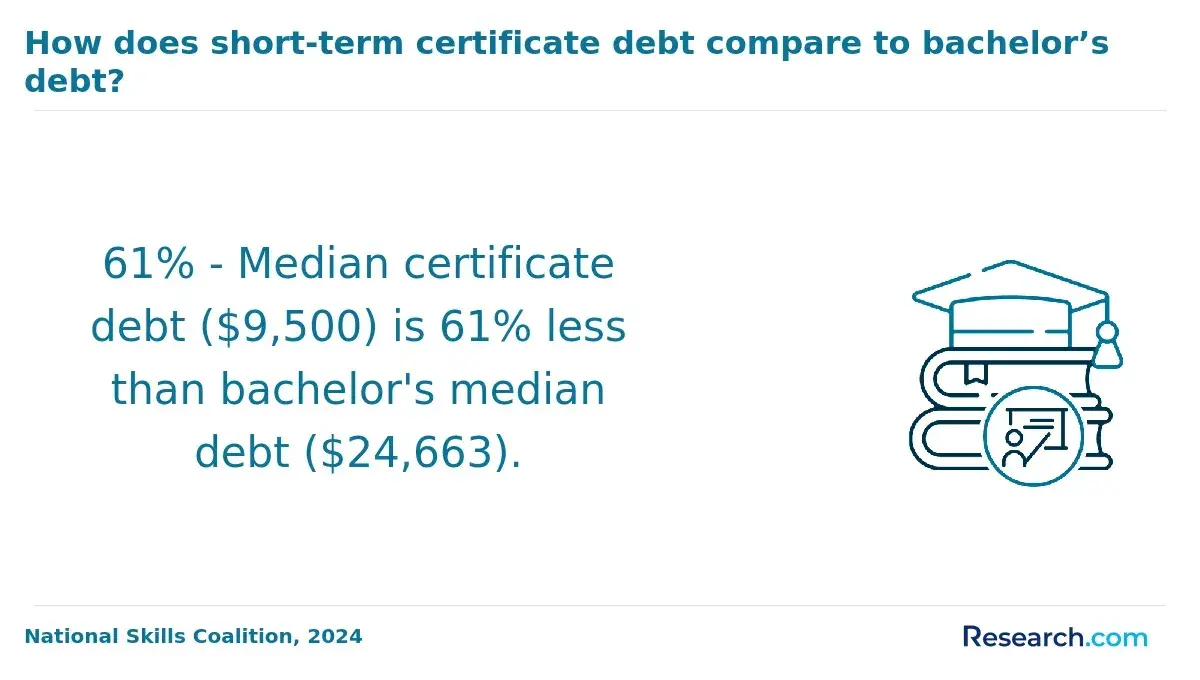
Technology fees are a typical part of online bachelor's degree programs and cover the digital infrastructure essential for smooth course delivery. For online bachelor's degrees in the U.S., these fees commonly range between $50 and $150 each semester. Below are some of the primary technology costs covered by these fees in exercise & sports science programs.
- Learning Management Systems: Platforms like Blackboard or Canvas organize all course materials, assignments, and grades, providing students with easy access and streamlined navigation throughout their studies.
- Virtual Labs: Simulation software enables hands-on activities and experiments remotely, which are crucial for mastering concepts in biomechanics, physiology, and other exercise & sports science disciplines without needing to be on campus.
- Specialized Software: Licenses for tools related to exercise programming, health assessments, and data analysis support coursework that involves practical application and detailed project work.
- Video Conferencing Tools: Applications such as Zoom or Microsoft Teams facilitate live classes, group collaborations, and virtual meetings with instructors, helping maintain interaction in the online environment.
- Additional Digital Resources: Access may include online libraries, academic databases, and multimedia content tailored to sports science curricula, broadening students' research and learning opportunities.
These technology fees ensure students receive access to vital digital services that uphold the quality and engagement of online exercise & sports science education. Being aware of these costs can assist students in fully anticipating the expenses associated with earning their degree remotely.
Textbook and course material expenses represent a notable portion of the total cost when pursuing an online exercise & sports science bachelor's degree. On average, undergraduate students in the U.S. spend about $1,200 annually on textbooks and supplies, according to the College Board.
These costs can vary due to multiple specific factors within the exercise & sports science curriculum. Below are some key considerations that influence textbook spending.
- Required Course Materials: Programs often necessitate specialized textbooks, lab manuals, and anatomy atlases which tend to be more expensive than general education books. These materials are essential for a thorough understanding of exercise & sports science concepts.
- Digital Versus Print: E-books and digital access codes usually offer a more affordable alternative compared to printed textbooks. However, not all courses provide digital options, limiting potential savings.
- Bundled Resources: Many courses mandate packages that include textbooks coupled with software or online access to videos and quizzes. These bundles increase the cumulative cost but provide integrated learning tools.
- Supplemental Learning Tools: Additional recommended or required resources, such as fitness tracking apps, video tutorials, or extra reference guides, contribute to the overall expense, enhancing the online learning experience.
Planning ahead for these often overlooked expenses helps students manage their budget more effectively throughout their degree path.
Students enrolled in an online exercise & sports science bachelor's degree program have access to various financial aid options including federal, state, and institutional sources. Nearly 85% of undergraduates in distance education receive some form of aid, showing strong support for online learners. This broad accessibility helps many reduce tuition and fees associated with their degree.
Financial aid opportunities for these programs include several key elements:
- Federal Aid: Completing the Free Application for Federal Student Aid (FAFSA) is essential to qualify for Pell Grants, Direct Subsidized and Unsubsidized Loans, and Federal Work-Study programs available to eligible online students.
- State Grants: Many states offer grants or loan programs for residents attending accredited online institutions, often aligning with federal criteria but varying in deadlines and award amounts.
- Institutional Support: Colleges frequently provide additional financial aid such as grants, scholarships, and payment plans; some institutional grants are automatically considered when FAFSA and admissions requirements are met.
- Work-Study Options: Although less common for fully online students, remote or partnership-based work-study roles may still be accessible depending on the school.
- Scholarship Qualification: Understanding how to qualify for scholarships in exercise and sports science in the U.S. involves meeting academic merit or financial need standards and submitting required applications early.
Students exploring costs should also consider related programs such as the health information management degree, which shares financial aid similarities and may offer additional funding pathways.
Online exercise & sports science bachelor's degrees typically cost less than traditional campus programs, but students seeking to lower expenses further can benefit from several practical strategies. Recent studies show nearly 60% of online students save money by transferring previously earned credits, a popular method for cutting costs.
Below are key approaches to make your degree more affordable.
- Transfer Credits: Transferring eligible credits from community colleges or other accredited institutions can reduce the number of courses needed at a four-year institution, significantly lowering tuition expenses.
- Digital Textbooks: Opting for digital or open-access textbooks helps minimize material costs. Many programs now provide free or affordable online resources, decreasing reliance on costly physical books.
- Course Load Management: Balancing your course load strategically each term can prevent prolonged enrollment, reducing tuition fees and the overall time to graduate. Staying on track also avoids extra costs associated with extended study periods.
- Employer Assistance: If you're working while studying, investigate employer tuition assistance programs early. These benefits can offset a meaningful portion of your educational expenses.
- Deadline Awareness: Keeping organized and adhering to registration deadlines helps avoid late fees, which can accumulate and add to your total cost.
When considering financial aid options for online exercise & sports science bachelor's programs in the U.S., remember these cost-saving steps provide a foundation for reducing out-of-pocket spending. For those interested in advanced healthcare education, exploring a post masters NP program can be a strategic next step after completing your bachelor's degree.
Online exercise & sports science bachelor's degrees offer considerable flexibility and accessibility, making them suitable for students balancing work or family commitments. This format is especially advantageous for those who relocate often or prefer remote learning. Graduates can expect a positive return on investment, with the U.S. Bureau of Labor Statistics projecting a 15% growth rate in related health and fitness jobs over the next decade.
Entry-level salaries often exceed $40,000 annually, with potential increases as professionals gain experience and specialization.
The value of this degree also depends on individual career goals and preferred learning styles. Students pursuing roles such as exercise physiologists, fitness trainers, or rehabilitation specialists will find the online curriculum aligned with certification requirements and industry standards. However, those who prioritize hands-on training might view an online format as less ideal.
Additionally, many programs focus on foundational knowledge that supports long-term professional growth and continued education, enhancing career opportunities over time.
What Graduates Say About Online Exercise & Sports Science Bachelor's Degree Program Costs
- Lennon: "Choosing to pursue my online exercise & sports science degree was largely influenced by cost considerations. I found that the affordability of online programs allowed me to balance quality education without incurring hefty debt. The flexibility to manage my study schedule alongside work was another huge advantage, making the investment feel worthwhile."
- Forest: "When weighing the pros and cons of an online exercise & sports science bachelor's program, cost was a critical factor. While some aspects like hands-on experiences were challenging to replicate online, the lower tuition and saved commuting expenses made it a financially smart choice. This program has opened doors for me in the fitness industry, proving that an online degree can be just as impactful."
- Leo: "My decision to enroll in an online exercise & sports science program was strategic, taking into account affordability and career goals. Although online studies required more self-discipline, the reduced cost compared to traditional degrees was compelling. Today, my degree plays a key role in my career advancement, validating every dollar spent and every late night studying."
Other Things You Should Know About Exercise & Sports Science Degrees
Online exercise & sports science programs typically charge tuition per credit hour, giving students flexibility in how many courses they take each term. However, some schools may offer flat-rate semester tuition, especially for full-time students. Prospective students should review the tuition policies of their chosen institution to understand how billing will occur.
Many online exercise & sports science bachelor's programs charge separate technology or distance-learning fees, often $20 to $100 per credit hour or $50 to $300 per term. Schools may also bill proctoring fees for required exams and textbook or course-material costs outside tuition.
In 2027, financial aid options for online Exercise & Sports Science bachelor's degree students include federal and state grants, scholarships, and loans. Students can also explore institutional scholarships offered by specific colleges and universities, as well as work-study programs to help offset tuition and fees.
- Sport and Exercise Science, B.S. https://www.park.edu/academics/explore-programs/sport-and-exercise-science-degree-b-s/
- Is a Sport and Exercise Science degree worth it? https://www.salford.ac.uk/school-health-society/is-a-sport-and-exercise-science-degree-worth-it
- Bachelor of Science (Exercise and Sport Science) https://www.curtin.edu.au/study/offering/course-ug-bachelor-of-science-exercise-and-sport-science--b-exsprhb/
- Cost of Online Education vs. Traditional Education [2025]: Comparison https://educationdata.org/cost-of-online-education-vs-traditional-education
- Books in Sports science https://shop.elsevier.com/books/subjects/health/health-professions/sports-science
- Top 15 Affordable Exercise Science Degree Online Programs https://www.sports-management-degrees.com/affordable-online-bachelors-sports-science/
- Physical Education/Exercise Science Textbooks & Learning Materials | McGraw Hill https://www.mheducation.com/highered/discipline/health-human-performance/course/physical-education-exercise-science.11215.html
- Online Exercise Science Degrees: Top School Review https://www.edumed.org/online-schools/exercise-science-degrees/
- Sport Science Books | The Exercise Science Academy Online https://www.exercisescienceacademy.online/sport-science-books
- Online Exercise Science Program https://stmary.edu/online-programs/exercise-science.html