2027 Online Exercise & Sports Science Bachelor's Degree Programs With No Prerequisites

Co-Founder and Chief Data Scientist
Many adults with non-science backgrounds struggle to break into the fitness and sports industry due to demanding prerequisites in traditional degree programs. This barrier delays career shifts and limits access to growing health professions. Enrollment in online exercise & sports science bachelor's degree programs without prerequisites grew by 18% between 2019 and 2023, reflecting increased demand for accessible education. These programs offer a flexible option to gain foundational knowledge and credentials without previous coursework requirements. This article explores key programs designed to help learners transition smoothly into the exercise & sports science field while balancing professional and personal commitments.
Key Benefits of Online Exercise & Sports Science Bachelor's Degree Programs With No Prerequisites
- Online programs offer flexible scheduling, enabling working professionals to balance education with career and personal commitments without delaying degree progress.
- These no-prerequisite degrees facilitate accelerated skill acquisition, allowing students to quickly enter or advance in Exercise & Sports Science fields.
- Students can build valuable Exercise & Sports Science credentials within a budget and timeline tailored to their needs, supported by financial aid and credit transfer options.
What Does 'No Prerequisites' Mean for Online Exercise & Sports Science Bachelor's Degree Programs, and Who Benefits Most?
In online bachelor's degree programs, no prerequisites means that applicants can enroll without having completed specific prior coursework or holding particular academic qualifications. This differs from open admission and low-barrier enrollment, which typically only require minimal formal entry credentials such as a high school diploma or GED. No prerequisites programs emphasize accessibility by removing subject-specific or college-level course demands, making them more flexible for a wider range of learners pursuing online exercise and sports science bachelor's degrees.
This approach benefits diverse student populations, including career changers entering the field without previous related studies, working adults balancing education with work and family, returning learners restarting their academic goals, and first-generation college students who may lack traditional academic preparation but are highly motivated. Data from the National Center for Education Statistics (NCES) indicates rising enrollment among non-traditional students-those over age 25 or with delayed college entry-highlighting the growing need for flexible, inclusive degree options.
For working adults especially, the benefits of no prerequisite exercise and sports science programs include the ability to begin education without delay while managing life responsibilities. Understanding these programs is essential before enrolling to ensure they offer quality, accreditation, and support services that meet professional standards and personal goals.
- Admission Flexibility: These programs eliminate previous coursework barriers, allowing a broader range of students access to degree pathways without needing specialized academic backgrounds.
- Student Populations: No prerequisites programs support non-traditional learners such as career changers, working adults, and first-generation students by accommodating varied life circumstances.
- Program Quality: Even without prerequisites, students should verify program accreditation and curriculum rigor to ensure their education meets recognized standards in exercise & sports science.
- Support Services: Access to academic advising, tutoring, and career counseling is critical to help students new to higher education or returning after a break succeed.
Prospective students should also consider financial aid options and credit transfer policies to maximize their academic and career outcomes. For those exploring related healthcare fields, it's useful to know how much does it cost to become a medical coder, as it may present alternative or complementary career paths.
Which Accredited Online Exercise & Sports Science Bachelor's Programs Accept Students With No Prior College Coursework?
Several regionally accredited universities in the United States offer online exercise & sports science bachelor's degree programs that accept students with no prior college coursework. These programs provide an accessible pathway for working adults, first-generation students, and career changers looking for flexible higher education opportunities. They either waive prerequisites outright or include foundational courses to support learners new to college-level study. Below are five well-regarded institutions, verified through the NCES College Navigator and College Scorecard, focusing on accessibility and quality.
- University of Florida: This program is known for its open-enrollment policy allowing direct admission to students without previous college credits. While some foundational science and math courses are recommended, bridge courses are offered to prepare students who lack prior academic experience.
- Arizona State University: ASU's online exercise science degree minimizes prerequisites through flexible admissions and embedded foundational coursework. Their comprehensive student support-such as tutoring and academic advising-helps first-time college students and adult learners.
- California State University, Northridge: Offering a fully online kinesiology degree, this CSU campus requires no prerequisites but includes introductory courses as bridges. CSU Northridge prioritizes career readiness with internships and strong industry ties in health and fitness.
- Wilmington University: With an open admission policy, Wilmington targets working adults and career changers. They provide foundational coursework within the curriculum and flexible financial aid along with credit transfer options to shorten time to degree.
- University of North Dakota: UND welcomes students without prior credits and incorporates preparatory courses. Their support services include career counseling and academic coaching to boost progress and post-graduate success.
These best no prerequisite online exercise & sports science bachelor's degree programs share features such as regional accreditation, clear foundational pathways, and robust academic and career support. Prospective students should verify accreditation, available bridge coursework, and financial aid options to ensure a strong foundation and improved career outcomes. For example, exploring options for online nursing degree programs may offer parallels in financial aid and support structures for adult learners returning to education.
2026 Update: Hands-On Learning Readiness in Online Exercise Science Programs
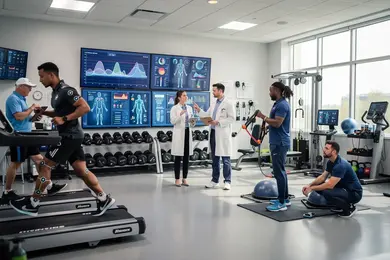
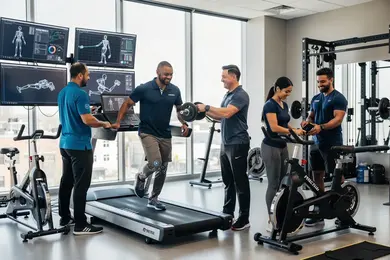
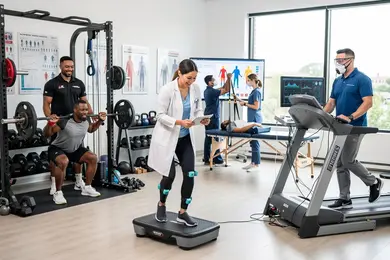
This 2026 update reviewed how no-prerequisite online exercise and sports science programs handle practical skill development, especially for students entering without prior lab, anatomy, or fitness training experience.
- Whether courses include virtual labs, at-home lab kits, video demonstrations, or live skill assessments.
- If students must complete in-person practicums, internships, clinical observations, or local fieldwork.
- Who helps arrange approved field sites, such as gyms, clinics, schools, or community wellness centers.
- Any equipment students may need, including heart-rate monitors, resistance tools, movement assessment materials, or recording devices.
- Whether CPR, first aid, background checks, or liability coverage are needed before hands-on placements.
- How instructors evaluate technique, coaching communication, exercise programming, and client safety online.
Checking these details helps students choose a program that is not only easy to enter, but also realistic for building job-ready exercise science skills.
Open-admission policies in online exercise & sports science bachelor's degree programs allow most applicants who hold a high school diploma or GED to enroll without needing specific academic credentials. This contrasts with selective admissions, which require evaluation of GPA, test scores, or prior coursework. Rolling admission systems accept applications continuously and make decisions as files arrive, while conditional admission may mandate remedial work or academic probation before full acceptance. For example, Southern New Hampshire University and University of the People openly publish their open-admission policies online, supported by IPEDS data confirming these practices.
- Entry Requirements: Open admission lowers barriers, welcoming students with minimal prerequisites, focusing on access rather than academic screening.
- Academic Diversity: Students' educational backgrounds vary widely, so programs often include foundational classes, tutoring, and orientation to support skill development.
- Program Quality: Accreditation ensures curricula remain rigorous and degree outcomes meet professional standards despite open entry policies.
- Support Services: Many schools offer financial aid eligibility, career counseling, and resources tailored to the needs of nontraditional learners.
- Enrollment Growth: National trends show a 20% increase in enrollment for fully online bachelor's degrees with open admission over the past five years.
A professional who pursued an online exercise & sports science bachelor's degree through an open-admission program shared his experience: "Initially, I felt uncertain about jumping in without prior college classes, but the program's orientation helped me build confidence. The flexibility allowed me to study while balancing work. Sometimes the varied skill levels of classmates were challenging, yet the tutoring services made a big difference." He valued how the lack of prerequisites opened the door to a new career path without the usual hurdles, emphasizing that the program's strong academic and support structure helped him succeed despite his unconventional background.
- Proof of High School Completion: Even with open admission policies for online exercise & sports science degrees, most programs expect applicants to hold a high school diploma or a GED certificate. This baseline credential demonstrates essential educational preparation despite no prerequisite coursework being necessary.
- Minimum Age Requirements: Candidates typically must be 18 years or older to meet enrollment criteria. This age threshold aligns with legal standards and helps ensure readiness for college-level study in these no-prerequisite programs.
- English Language Proficiency: Non-native English speakers often need to submit standardized test scores like TOEFL or IELTS. Establishing English proficiency is vital for succeeding in coursework primarily delivered in English.
- Application Preparation: A well-organized application including transcripts, identification, and personal statements can accelerate admission. Being thorough with documentation reduces delays in the enrollment process.
- Alternative Enrollment Paths: Individuals lacking high school credentials can pursue GED programs or engage in dual-enrollment courses at community colleges. These options serve as important gateways into full degree study in exercise & sports science for nontraditional learners.
Institutional Variations: Public nonprofit institutions typically employ more relaxed admission standards, while private nonprofits may implement selective criteria even within no-prerequisite exercise & sports science programs. It's crucial to verify each school's policies before applying.
Prospective students interested in flexible scheduling may also explore online self paced college courses to complement their degree plans.
Choosing a regionally accredited online exercise & sports science program without prerequisites ensures the degree meets nationally recognized quality standards. Regional accreditation enables smoother credit transfers between institutions, which is vital for students leveraging prior coursework or associate degrees. It also carries weight with employers and graduate schools, increasing professional credibility. Additionally, federal financial aid is typically only available through regionally accredited programs, making affordability feasible for many learners.
Unlike regional accreditation, national accreditation often applies to vocational schools and may limit academic progression or employer acceptance. Regionally accredited schools undergo rigorous evaluation by agencies approved by the U.S. Department of Education and the Council for Higher Education Accreditation (CHEA). For students seeking accessible entry points, several online bachelor's programs in exercise & sports science remove prerequisite barriers yet maintain high accreditation standards to support career flexibility and academic credibility.
Before applying, verify accreditation status with this checklist:
- Accrediting Agency: Ensure the school's accreditor is recognized by the U.S. Department of Education or CHEA to confirm program legitimacy.
- Regional vs. National: Favor regional accreditation for wider credit acceptance and greater employer trust.
- Program Accreditation: Look for additional discipline-specific endorsements to enhance credentials.
- Financial Aid Eligibility: Confirm the program qualifies for federal aid, typically contingent on regional accreditation.
A professional who completed an online exercise & sports science bachelor's degree program without prerequisites reflected on her journey: "Starting with no formal academic background, the flexibility to enroll immediately was crucial. Navigating courses while working full-time was challenging, but knowing the program was regionally accredited gave me confidence that my degree would be respected. I appreciated the support services that helped me stay on track, and now I'm proud to have built a career grounded in education that didn't require prior experience." This firsthand experience underscores the value of accessible, quality programs backed by credible accreditation.
Online exercise & sports science programs without formal prerequisites often include multiple layers of academic support designed to help students fill foundational knowledge gaps and keep pace with their coursework.
- Developmental Courses: Foundational classes in subjects such as anatomy, biology, and basic mathematics are frequently offered to equip students lacking traditional preparation with essential concepts, making the transition to specialized exercise & sports science topics smoother.
- Tutoring Services: Many programs provide personalized academic assistance through one-on-one virtual tutoring or small group sessions, helping students grasp challenging material and build confidence in their studies.
- Peer Mentoring: Matching new learners with experienced peers who have successfully completed similar courses is a common practice, offering guidance on study skills, time management, and adapting to online education environments, which improves retention.
- Bridge Programs: Some institutions, including Southern New Hampshire University and Liberty University, offer structured pathways that mix developmental instruction with credit-earning coursework, ensuring steady academic progress without lowering standards.
- Self-Assessment Tools: Prospective students can use online quizzes or orientation modules to evaluate their preparedness before enrolling, allowing them to identify weaknesses early and seek out necessary support proactively.
- Student Engagement Impact: Data from the National Survey of Student Engagement (NSSE) shows that strong institutional support and active student engagement in online programs correlate with retention rates above 70% among exercise & sports science cohorts in 2023.
Leveraging these support mechanisms enables students without prior coursework to successfully navigate the demands of online exercise & sports science bachelor's degrees and maintain academic momentum.
Students enrolled in online Exercise & Sports Science bachelor's programs with no prerequisites often access a broad range of student success services designed to support academic and personal wellbeing in a fully virtual setting. These services are crucial for adult learners juggling work, family, and education.
- Academic Advising: Personalized academic advising assists students in planning course schedules that meet degree requirements without prior coursework. Advisors also help evaluate transfer credits to streamline degree completion.
- Mental Health Resources: Many programs offer virtual counseling and confidential mental health support to help students manage stress and maintain academic persistence.
- Disability Accommodations: Programs comply with accessibility laws by providing accommodations such as extended test time and alternative content formats to ensure equitable learning opportunities.
- Career Counseling: Career services focus on resume development, job search strategies, and networking within the sports science field, featuring virtual career fairs and employer connections that enhance post-graduation prospects.
According to U.S. News & World Report's Best Online Bachelor's Programs rankings, institutions with comprehensive student support see retention rates about 15% higher than those without strong services. Asynchronous coursework combined with scheduled virtual office hours offers flexible access to faculty and resources, accommodating students managing complex life responsibilities. Prioritizing programs recognized nationally for student support reduces dropout risk and promotes timely completion of the Exercise & Sports Science degree.
Many online exercise & sports science bachelor's degree programs allow transfer credits or Prior Learning Assessment (PLA) options to replace prerequisites, easing entry for working adults and career changers. Institutions increasingly recognize that knowledge gained from previous education, work, or military service can accelerate degree completion and reduce costs. Common PLA options like CLEP (College-Level Examination Program) and DSST (DANTES Subject Standardized Tests) let students demonstrate proficiency in foundational subjects relevant to exercise & sports science.
- Transfer Credit Flexibility: Numerous online exercise & sports science programs accept up to 90 transfer credits from accredited colleges, waiving equivalent prerequisite courses and streamlining progression to advanced study.
- Prior Learning Assessment Programs: PLA evaluates college-level knowledge earned outside traditional classrooms using exams like CLEP and DSST, allowing students to bypass key prerequisites in biology, anatomy, and fitness fundamentals.
- ACE Credit Recommendations: The American Council on Education offers a trusted framework many schools follow to assess credits from workplace training, military experience, and professional certifications, supporting non-traditional learning to fulfill prerequisite requirements.
- Institutional Variability: Schools such as Thomas Edison State University and Excelsior College have strong PLA policies, awarding up to 90 transfer credits and helping adult learners substitute prerequisites through prior learning assessments.
- Documenting Prior Learning: Students should collect transcripts, certificates, test scores, and course descriptions to strengthen PLA petitions and maximize prerequisite waivers during evaluation.
- Time and Cost Savings: Using transfer credits or PLA to replace prerequisites can reduce time-to-degree by 6 to 12 months on average and lower tuition expenses significantly.
For those interested in an accelerated biology degree option complementing their exercise & sports science path, such credit recognition processes prove highly valuable. Individuals pursuing online exercise and sports science degrees often benefit from knowing how transfer credits can replace prerequisites, making education more accessible and affordable.
Online exercise & sports science bachelor's degree programs without prerequisites generally require about 120 semester credit hours, aligning with regional accreditation standards. This 120-credit-hour framework is the foundation for estimating program duration, but actual time to completion varies depending on enrollment pace, term length, and any prior credits students transfer into the program.
- Credit Hour Requirement: Most no-prerequisite programs follow the traditional 120-credit benchmark, with full-time students often completing the degree in around four years. Part-time enrollment is common, which can extend this timeline significantly.
- Enrollment Pace and Term Length: Accelerated programs frequently offer shorter, eight-week terms or competency-based learning options that allow students to move faster through material. Such structures can reduce time to completion to two or three years, based on course load and student mastery.
- Open vs. Selective Admission: According to IPEDS data, open-admission online programs-typical for no-prerequisite exercise & sports science bachelor's degree programs-tend to have longer average completion times, sometimes approaching five years. Selective programs usually report median completion closer to four years or less, reflecting varying student readiness and pacing.
- Accelerated Program Examples: Institutions like the University of Florida Online and Drexel University provide accredited online exercise & sports science options with year-round enrollment and condensed terms. These features help students finish faster without compromising educational quality.
- Financial and Opportunity Costs: Because time to completion affects total tuition and lost income during study, prospective students should consider program length carefully. While shorter programs may charge more per credit, they often save money overall by enabling earlier workforce reentry, a crucial factor for working adults, first-generation students, or career changers evaluating their options.
For those seeking specialized credentials beyond a bachelor's degree, related post masters FNP programs offer accelerated paths tailored to advanced practice nurses, illustrating varied post-graduate pathways available in health sciences fields.
- Tuition Rates: Online Exercise & Sports Science bachelor's programs with open admission typically offer lower per-credit charges, often between $200 and $400. In contrast, selective programs at private or research universities usually have higher rates, ranging from $400 to $800 or more per credit hour.
- Institutional Type and Funding: Public colleges and universities, which often provide no-prerequisite programs, benefit from state funding that helps keep tuition affordable. Selective programs offered by private institutions depend heavily on tuition revenue, resulting in steeper costs associated with stricter admissions standards and enhanced resources.
- Additional Fees: Some no-prerequisite tracks require developmental or bridge courses to strengthen foundational skills. These interim classes can add significant costs not typically charged by traditional programs, increasing the overall financial commitment beyond the base tuition.
- Program Delivery: Differences in course format and support services influence pricing. Selective programs may include live instruction, labs, and extensive student support, driving costs upward, while many open-admission programs use self-paced models to maintain affordability.
Cost Calculation Tips: Comparing per-credit rates alone can be misleading. Prospective students should assess the full degree cost, incorporating all required fees and any extra coursework, to get an accurate picture of affordability and value in Exercise & Sports Science online degrees.
Many accredited online exercise & sports science bachelor's programs welcome applicants holding a GED or HiSET, treating these credentials as equivalent to a traditional high school diploma. Admissions offices often follow College Board guidelines, allowing GED holders to apply directly, though official documentation of the equivalency is typically required.
- GED Acceptance: Numerous programs recognize GED or HiSET credentials as fulfilling baseline admission standards, but candidates may need to provide test scores or certificates for verification.
- Conditional Enrollment: Some institutions grant provisional admission to GED holders, requiring the completion of developmental courses or placement exams before advancing into core exercise & sports science studies.
- Supplemental Materials: Without a traditional diploma, applicants might be asked to submit letters of recommendation, personal essays, or evidence of relevant work experience to prove academic readiness.
- International Applicants: Students educated abroad often must submit evaluated transcripts or valid secondary school equivalency certificates that U.S. institutions recognize, with many schools offering dedicated guidance for this process.
- Open-Admission Policies: Schools with flexible enrollment criteria reduce typical prerequisites, benefiting adult learners, first-generation students, and those changing careers by easing access to exercise & sports science degrees.
- Support and Aid: Accredited programs commonly provide financial assistance and student resources, ensuring those entering without traditional credentials receive the support necessary to thrive academically and professionally.
What Graduates Say About Their Online Exercise & Sports Science Bachelor's Degree Program With No Prerequisites
- Lennon: "Choosing an online exercise & sports science bachelor's degree with no prerequisites was a game-changer for me-I wanted a flexible path that didn't demand prior credits. The affordability of the program made it possible to study without the pressure of overwhelming debt, which was a huge relief. Since graduating, I've already landed a role in athletic training that values my practical knowledge and dedication."
- Forest: "Reflecting on my journey, the no prerequisites aspect truly stood out because it opened doors I thought were closed without a traditional background. The cost-effectiveness combined with quality curriculum allowed me to focus on learning rather than financial strain. This program significantly boosted my confidence, helping me transition into a professional career as a health and fitness consultant."
- Leo: "Professionally, the online exercise & sports science bachelor's program with no prerequisites aligned perfectly with my busy schedule and career goals. The reasonable tuition fees meant I could afford to invest in my education while working part-time. Completing the program expanded my expertise and immediately enhanced my credentials, leading to promotions in sports performance analysis."
Other Things You Should Know About Exercise & Sports Science Degrees
Yes. A school offering an online Exercise & Sports Science bachelor’s program must be authorized to operate in each state where it enrolls students, usually through state higher-education approval or NC-SARA membership. Students should confirm that their home state is covered before applying.
In 2027, many online exercise & sports science bachelor's degree programs offer open-admission policies, eliminating traditional prerequisites. This makes it accessible to a broader range of students, simplifying the entry process and allowing learners from different backgrounds to pursue their education in this field.
Graduates can pursue diverse roles such as fitness trainers, wellness coaches, strength and conditioning specialists, or sports rehabilitation assistants. Some may work in corporate wellness, community recreation, or entry-level positions in physical therapy or athletic training clinics, often with additional certification. The degree also serves as a foundation for advanced study in physical therapy, occupational therapy, or sports medicine. While careers may vary widely, practical experience and certifications enhance employability.
Accredited programs in 2027 ensure rigorous education by meeting standards set by bodies like the Commission on Accreditation of Allied Health Education Programs (CAAHEP). Accreditation guarantees a curriculum aligned with industry benchmarks, ensuring competencies in exercise physiology, biomechanics, and nutrition are thoroughly covered.
- Transfer Policies and Prior Learning Assessment for Advanced Standing https://catalog.columbiagreene.edu/transfer-policies-and-prior-learning-assessment-for-advanced-standing
- Admissions policies: Marks-Based, Broad-Based, or Random? | HESA https://higheredstrategy.com/admissions-policies-marks-based-broad-based-or-random/
- Admission Requirements https://www.sacredheart.edu/majors--programs/exercise--sport-science---ms/admission-requirements/
- Online Colleges with Open Admission Policies https://www.publicservicedegrees.org/online-degrees/online-colleges-with-open-admissions/
- Benefits of an Exercise Science Degree https://exsci.cuchicago.edu/why-earn-your-exercise-science-degree/
- Online Student Support | The Exercise Science Academy Online https://www.exercisescienceacademy.online/online-support
- Online Exercise Science Program https://stmary.edu/online-programs/exercise-science.html
- Open Admission Online Colleges: How Do They Work? https://www.accreditedschoolsonline.org/online-colleges/open-enrollment/
- 2026 Best Online Exercise Science Degrees https://www.onlineu.com/degrees/exercise-science