
2027 Most Affordable Online Entertainment Business Degree Programs

Co-Founder and Chief Data Scientist
Choosing an online entertainment business degree is a career and cost decision, not just a school search. Students interested in film, television, music, sports, live events, streaming, digital media, or talent representation need business training that connects creative work with contracts, budgets, marketing, distribution, audience data, and revenue strategy.
The challenge is that entertainment careers are competitive, and online bachelor’s tuition can exceed $11,000 annually. This guide helps you compare affordable online entertainment business degree options for 2027, understand what these programs teach, estimate costs and timelines, evaluate financial aid, and decide whether this path fits your goals.
Quick answer: Is an affordable online entertainment business degree worth considering?
An affordable online entertainment business degree can be worth it if you want business-focused training for careers in entertainment marketing, talent management, production coordination, event operations, media distribution, or related creative industries. The best programs combine core business courses with entertainment law, finance, marketing, digital media, and hands-on projects. Before enrolling, verify accreditation, total tuition, transfer credit rules, career support, internship access, and whether the program’s specialization matches the industry sector you want to enter.
What are the benefits of getting an affordable online entertainment business degree?
- Career preparation for creative industries: The degree can support entry into roles such as talent manager, entertainment marketer, production coordinator, media rights specialist, event coordinator, or digital content strategist across film, television, music, sports, live events, and online media.
- Business skills that transfer across sectors: Students typically build skills in budgeting, marketing, negotiation, project management, brand strategy, contracts, and audience engagement, which can apply beyond entertainment as well.
- Flexible study format: Online delivery can make it easier to keep working, manage family responsibilities, or avoid relocation while completing a degree.
- Cost control: Affordable programs, transfer credits, scholarships, and employer tuition assistance can reduce the total price compared with higher-cost private or residential options.
- Potential earning upside: Median salary for entertainment managers and producers is around $79,000 per year, with higher earnings possible in major markets and senior roles.
What can I expect from an affordable online entertainment business degree?
An affordable online entertainment business degree teaches the business side of creative work. Instead of focusing only on performance, production, or content creation, these programs explain how entertainment projects are financed, marketed, protected legally, distributed, and monetized.
Typical coursework includes entertainment law, event production, media finance, branding, digital strategy, marketing, business communication, contract negotiation, and project management. Many programs also require a capstone project where students apply business concepts to a real entertainment scenario, such as launching a campaign, planning an event, building a distribution strategy, or analyzing a media venture.
Some programs include internships or industry projects, but availability varies. This matters because entertainment hiring often depends on portfolios, practical experience, referrals, and demonstrated initiative as much as the degree itself.
| What to evaluate | Why it matters | What to ask before enrolling |
| Curriculum focus | Entertainment business programs may emphasize film, music, sports, live events, digital media, or general management. | Does the coursework match the sector I want to work in? |
| Industry experience | Projects, internships, and instructor backgrounds can affect how practical the degree feels. | Are internships, capstones, portfolio projects, or employer-connected assignments required? |
| Online format | Recorded lectures, live classes, group work, and asynchronous assignments create different learning experiences. | Can I complete the program around my work schedule? |
| Career support | Networking is especially important in entertainment. | Does the school offer career coaching, alumni connections, employer events, or resume and portfolio support? |
Tuition for these online programs typically ranges from $10,000 to $25,000, depending on the school. Many courses are delivered through recorded lectures, live online meetings, discussion boards, collaborative assignments, and digital projects. The most successful online students are self-directed, organized, and comfortable communicating virtually.
Who is this degree best for?
- Students who want business roles in creative industries rather than performance-based careers.
- Working adults who need an online format and cannot relocate to an entertainment hub.
- Creative professionals who want stronger skills in contracts, marketing, budgeting, and management.
- Students interested in entertainment entrepreneurship, artist management, event production, or media strategy.
Who should consider a different path?
- Students who want a highly technical production role may be better served by film production, audio production, animation, design, or media technology programs.
- Students seeking legal practice should understand that entertainment law coursework does not replace a law degree.
- Students who need intensive in-person studio, stage, or venue experience may prefer a campus-based or hybrid program.
- Students who already have a business degree may get more value from a certificate, MBA, or specialized graduate program.
Where can I work with an affordable online entertainment business degree?
Graduates can pursue work in entertainment companies, media firms, talent agencies, record labels, production companies, sports organizations, venues, festivals, marketing agencies, streaming-related businesses, nonprofit arts organizations, and corporate brand teams. Some graduates also build freelance careers or launch small businesses in event production, artist services, digital marketing, or media consulting.
The degree is most directly aligned with management, marketing, operations, research, business development, public relations, content strategy, and production support roles. Graduates may also specialize in entertainment law support, media planning, licensing, sponsorship, venue operations, or talent representation.
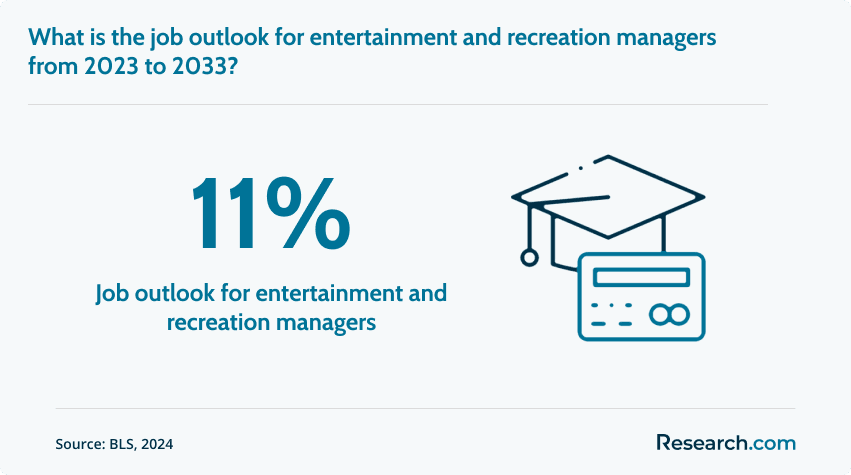
According to the U.S. Bureau of Labor Statistics, entertainment and sports occupations are expected to grow by 11% from 2023 to 2033—faster than average. That growth does not guarantee employment for every graduate, but it signals continued demand for people who understand both creative products and business operations.
| Work setting | Common responsibilities | Good fit for students interested in |
| Film and television | Production support, budgeting, distribution planning, marketing coordination, rights tracking | Screen media, production logistics, content strategy |
| Music business | Artist support, promotion, licensing, touring logistics, label operations | Artist management, live performance, music marketing |
| Live events and venues | Event planning, ticketing coordination, sponsorship, staffing, operations | Concerts, festivals, conventions, sports events |
| Digital media and streaming | Audience analysis, campaign management, content promotion, platform strategy | Social media, streaming platforms, digital brands |
| Talent and representation | Client support, scheduling, contract coordination, public relations | Working with artists, creators, performers, or athletes |
How much can I make with an affordable online entertainment business degree?
Pay varies widely because entertainment roles differ by job function, employer size, location, experience, union environment, and market demand. Graduates earn around $60,000 to $85,000 per year on average, depending on role and industry. Entry-level positions often start near $45,000, while experienced professionals in management or consulting can make over $100,000 annually.
According to the U.S. Bureau of Labor Statistics, advertising, promotions, and marketing managers earn a median salary of $138,730. That figure reflects a broader management occupation and should not be treated as a guaranteed outcome for entertainment business graduates.
Location can also influence earnings. Major entertainment markets such as Los Angeles or New York may offer more opportunities in film, television, music, advertising, and talent representation, but they can also come with higher living costs and stronger competition.
| Career stage | Typical salary context stated in this guide | What affects movement to the next level |
| Entry level | Often starts near $45,000 | Internships, portfolio projects, networking, software skills, willingness to take coordinator roles |
| Mid-career | Graduates earn around $60,000 to $85,000 per year on average | Industry specialization, campaign results, production experience, client management |
| Experienced management | Can make over $100,000 annually | Leadership scope, market size, revenue responsibility, employer type, negotiation ability |
| Marketing management | Advertising, promotions, and marketing managers earn a median salary of $138,730 | Management experience, measurable results, strategic leadership, advanced business skills |
Advanced education, certifications, strong professional networks, and demonstrated results can improve earning potential over time, but salary outcomes are never automatic.
- Affordable Online Entertainment Business Degree Programs for 2027
- Program Length: How Long Completion Usually Takes
- Online vs. Campus Entertainment Business Programs
- Average Cost of an Affordable Online Entertainment Business Degree
- Financial Aid Options for Online Entertainment Business Students
- Admissions Requirements and Prerequisites
- Common Courses in Entertainment Business Programs
- Digital Trends Changing Entertainment Business Education
- Challenges of Studying Entertainment Business Online
- Entertainment Business Specializations
- Advanced Education After an Entertainment Business Degree
- How to Choose the Right Affordable Online Program
- Career Paths for Entertainment Business Graduates
- Using an Online MBA to Advance in Entertainment
- ROI: How Entertainment Business Compares With Other Fields
- Job Market Outlook for Entertainment Business Graduates
Affordable Online Entertainment Business Degree Programs for 2027
How do we rank the programs?
Research.com ranks programs with a focus on affordability, academic quality, and transparency. The evaluation process uses data from sources such as the IPEDS database, Peterson's database, the College Scorecard, and the National Center for Education Statistics. These sources help compare schools using consistent institutional and program-level information. For more detail on how rankings are developed, review Research.com's methodology page.
| Program | Credential type | Credits or units | Listed cost | Accreditation |
| Full Sail University | Online Bachelor of Science in Entertainment Business | 120 | $758 per credit hour | Accrediting Commission of Career Schools and Colleges (ACCSC) |
| Los Angeles Film School | Online Bachelor of Science in Entertainment Business | 120 | $550 per credit hour | Accrediting Commission of Career Schools and Colleges (ACCSC) |
| University of Central Florida | Online BS in Entertainment Management | 120 | $179.19 per credit (in-state); $715.80 per credit (out-of-state) | Southern Association of Colleges and Schools Commission on Colleges (SACSCOC) |
| UCLA Extension | Business and Management of Entertainment certificate | 24–28 units | $700–$900 per course | Western Association of Schools and Colleges Senior College and University Commission (WSCUC) |
| New York University (NYU) – Tisch School of the Arts | Business of Entertainment program | Varies by program (non-degree) | Varies; approximately $2,000 per course | Middle States Commission on Higher Education (MSCHE) |
| University of Miami – UOnline | Online Master of Arts in Live Entertainment Management | 30 | $2,300 per credit hour | Southern Association of Colleges and Schools Commission on Colleges (SACSCOC) |
| University of South Carolina – MSEM Online | Online Master of Sport and Entertainment Management | 36 | $572 per credit hour | Southern Association of Colleges and Schools Commission on Colleges (SACSCOC) |
| Grand Canyon University | Bachelor of Science in Entertainment Management | 120 | $470 per credit hour | Higher Learning Commission (HLC) |
| Johnson & Wales University – Online | Online BS in Sports, Entertainment, and Event Management | 120 | $495 per credit hour | New England Commission of Higher Education (NECHE) |
| Seattle University | Online MBA in Sport and Entertainment Management | 54 | $950 per credit hour | Association to Advance Collegiate Schools of Business (AACSB); Northwest Commission on Colleges and Universities (NWCCU) |
1. Full Sail University
Full Sail University offers an Online Bachelor of Science in Entertainment Business that blends foundational business training with entertainment-focused applications. The curriculum emphasizes entrepreneurship, marketing, media distribution, and project-based learning designed around industry-style scenarios.
- Required Credits to Graduate: 120
- Cost: $758 per credit hour
- Accreditation: Accrediting Commission of Career Schools and Colleges (ACCSC)
2. Los Angeles Film School
The Los Angeles Film School’s online Bachelor of Science in Entertainment Business is built for students interested in film, television, music, and media careers. Coursework covers business principles, entertainment law, digital marketing, and a capstone project that allows students to demonstrate applied industry knowledge.
- Required Credits to Graduate: 120
- Cost: $550 per credit hour
- Accreditation: Accrediting Commission of Career Schools and Colleges (ACCSC)
3. University of Central Florida
The University of Central Florida’s online BS in Entertainment Management prepares students for business roles in theme parks, sports, and live entertainment. Delivered through UCF’s Rosen College of Hospitality Management, the program combines finance, marketing, operations, industry coursework, and internship opportunities.
- Required Credits to Graduate: 120
- Cost: $179.19 per credit (in-state); $715.80 per credit (out-of-state)
- Accreditation: Southern Association of Colleges and Schools Commission on Colleges (SACSCOC)
4. UCLA Extension
UCLA Extension offers the Business and Management of Entertainment certificate for learners who want targeted training rather than a full degree. The online certificate covers entertainment law, production, marketing, and finance, with instruction from professionals connected to the Los Angeles entertainment industry.
- Required Credits to Graduate: 24–28 units
- Cost: $700–$900 per course
- Accreditation: Western Association of Schools and Colleges Senior College and University Commission (WSCUC)
5. New York University (NYU) – Tisch School of the Arts
NYU’s Business of Entertainment program through Tisch Special Programs introduces students to entertainment business strategy, deal-making, financing, content development, and cross-platform media. It may appeal to aspiring producers, creative entrepreneurs, and students who value NYU’s entertainment network.
- Required Credits to Graduate: Varies by program (non-degree)
- Cost: Varies; approximately $2,000 per course
- Accreditation: Middle States Commission on Higher Education (MSCHE)
6. University of Miami – UOnline
The University of Miami’s Online Master of Arts in Live Entertainment Management is designed for graduate students preparing for leadership roles in concerts, performing arts, touring, venues, and live event operations. The curriculum includes leadership, tour management, venue operations, case studies, and input from entertainment executives.
- Required Credits to Graduate: 30
- Cost: $2,300 per credit hour
- Accreditation: Southern Association of Colleges and Schools Commission on Colleges (SACSCOC)
7. University of South Carolina – MSEM Online
The University of South Carolina’s online Master of Sport and Entertainment Management combines business education with entertainment operations, event planning, sponsorship, analytics, marketing, and strategic leadership. The program is structured for professionals seeking more advanced training in sports and live entertainment management.
- Required Credits to Graduate: 36
- Cost: $572 per credit hour
- Accreditation: Southern Association of Colleges and Schools Commission on Colleges (SACSCOC)
8. Grand Canyon University
Grand Canyon University’s Bachelor of Science in Entertainment Management covers event planning, digital media, venue operations, entertainment marketing, and revenue generation. Offered online through the Colangelo College of Business, the program connects business fundamentals with entertainment-sector applications.
- Required Credits to Graduate: 120
- Cost: $470 per credit hour
- Accreditation: Higher Learning Commission (HLC)
9. Johnson & Wales University – Online
Johnson & Wales University’s online BS in Sports, Entertainment, and Event Management trains students to plan, market, and manage entertainment productions and major events. Courses include financial management, talent relations, marketing, venue operations, and applied projects.
- Required Credits to Graduate: 120
- Cost: $495 per credit hour
- Accreditation: New England Commission of Higher Education (NECHE)
10. Seattle University
Seattle University’s online MBA in Sport and Entertainment Management is an advanced business option for professionals who want leadership training in sport and entertainment. The program includes project-based learning, ethics, strategic thinking, mentorship, and networking opportunities with executives.
- Required Credits to Graduate: 54
- Cost: $950 per credit hour
- Accreditation: Association to Advance Collegiate Schools of Business (AACSB); Northwest Commission on Colleges and Universities (NWCCU)
How long does it take to complete an affordable online entertainment business degree program?
Most affordable online entertainment business bachelor’s programs require around 120 credit hours and take about 3 to 4 years for full-time students. Completion time depends on enrollment pace, transfer credits, course availability, and whether the school offers accelerated terms.
Some accelerated online formats allow students to finish faster, often in as little as 20 to 29 months. These options can work well for students who already have college credits, can manage a heavier course load, or want to enter the workforce sooner.
Part-time students usually take longer. If you are balancing full-time work, caregiving, military service, or freelance creative work, your timeline may extend to 5 or more years.
| Enrollment path | Typical completion time stated in this guide | Best for |
| Accelerated | As little as 20 to 29 months | Students with transfer credits or strong availability for intensive study |
| Full time | About 3 to 4 years | Students who can carry a standard bachelor’s course load |
| Part time | 5 or more years | Working adults, caregivers, and students who need a lighter schedule |
Students in other fields often compare accelerated options, such as the fastest PsyD programs, to understand how program design affects time to completion. For entertainment business degrees, the same logic applies: faster is useful only if the pace is realistic and the program still provides meaningful projects, feedback, and career preparation.
Key factors that affect completion time:
- Full-time or part-time enrollment
- Accelerated course availability
- Number of accepted transfer credits
- Self-paced versus scheduled coursework
- Internship or capstone requirements
- Whether courses are offered every term
Before enrolling, ask an advisor to map your expected graduation timeline using your actual transfer credits, work schedule, and preferred course load.
How does an affordable online entertainment business degree program compare to an on-campus program?
An online entertainment business degree can cover the same core topics as a campus program, including marketing, management, entertainment law, event planning, finance, and media strategy. The biggest differences involve flexibility, cost structure, networking style, and access to physical production or event facilities.
| Factor | Online program | On-campus program |
| Schedule | Often more flexible, especially with asynchronous courses | Usually follows set class times and campus schedules |
| Cost | May reduce housing, transportation, and campus-related expenses | May include additional living and commuting costs |
| Networking | Relies on virtual events, group projects, alumni platforms, and proactive outreach | Can offer easier face-to-face interaction with classmates, faculty, and guest speakers |
| Hands-on access | May use simulations, remote projects, and local internships | May provide direct access to campus studios, venues, workshops, and live events |
| Best fit | Self-motivated students who need flexibility | Students who want a traditional campus environment and in-person immersion |
Career outcomes depend less on whether the program is online or on campus and more on the school’s accreditation, curriculum quality, industry connections, internship opportunities, alumni network, and the student’s own portfolio and networking effort.
Students comparing creative online degrees may also look at an online creative writing degree to see how online programs in creative fields balance flexibility with portfolio development. Entertainment business programs require the same level of intentional networking and project-building.
What is the average cost of an affordable online entertainment business degree program?
The average cost of an affordable online entertainment business degree program typically ranges from $350 to $650 per credit hour. Since most bachelor’s programs require around 120 credits, total tuition can fall between $42,000 and $78,000.
Tuition is only one part of the total price. Students should also review technology fees, books, digital materials, graduation fees, internship costs, travel for optional events, and whether tuition changes by residency status.
| Cost factor | How it can affect total price | What to check |
| Per-credit tuition | Determines the largest share of total tuition | Is the online rate fixed, or does it vary by residency? |
| Transfer credits | Can lower both cost and time to graduation | How many credits will the school accept? |
| Accelerated format | May reduce time-based expenses but can increase workload | Are accelerated courses available in your major sequence? |
| Fees | Can make a lower tuition program more expensive than expected | What are the required technology, course, and student service fees? |
| Financial aid | Can reduce out-of-pocket cost if the school and student are eligible | Does the program participate in federal aid and institutional scholarships? |
Students comparing affordability across graduate and creative fields may use resources such as the cheapest MLIS degree online or low cost fashion merchandising degree online. These comparisons can help you think beyond sticker price and focus on total cost, aid, transfer credits, and career alignment.
Online programs are often less expensive than relocating for a campus program, especially when students can avoid housing and transportation costs. However, the lowest tuition is not always the best value if the program lacks accreditation, career support, or relevant coursework.
What are the financial aid options for students enrolling in an affordable online entertainment business degree program?
Students in accredited online entertainment business programs may qualify for many of the same financial aid options available to campus-based students. The exact options depend on the school, credential level, enrollment status, and student eligibility.
Common financial aid options:
- Federal financial aid: Students can complete the Free Application for Federal Student Aid (FAFSA) to be considered for federal grants, loans, and work-study opportunities.
- State grants and scholarships: Some states provide aid to residents who attend eligible online programs, especially at in-state public institutions.
- Institutional scholarships: Schools may offer merit-based, need-based, transfer student, adult learner, or program-specific scholarships.
- Private scholarships: Arts organizations, business groups, foundations, and community organizations may offer awards for students in entertainment, media, business, or creative fields.
- Employer tuition assistance: Working students should ask whether their employer reimburses tuition or offers education benefits for approved programs.
- Military and veteran benefits: Eligible students may be able to use GI Bill® benefits or military tuition discounts at participating institutions.
As with the most affordable online master's in adult education programs, the smartest approach is to compare net price, not just published tuition. Net price reflects scholarships, grants, discounts, transfer credits, and payment options.
| Financial aid question | Why it matters |
| Is the school eligible for federal financial aid? | This determines whether FAFSA-based aid may be available. |
| Are online students eligible for the same scholarships as campus students? | Some aid policies differ by student type or program format. |
| Can transfer credits reduce my bill? | Accepted credits can lower both tuition and time to completion. |
| Are scholarships renewable? | A one-term award may not lower the full cost as much as expected. |
| What happens if I drop below full-time enrollment? | Enrollment status can affect aid eligibility and loan disbursement. |
For most students, the first practical step is completing the FAFSA and then asking each school for a full aid estimate and total program cost projection.
What are the prerequisites for enrolling in an affordable online entertainment business degree program?
Most undergraduate online entertainment business degree programs require a high school diploma or GED and standard college admissions materials. Programs commonly accept both first-time college students and transfer students.
Like BCBA online programs, which require specific documentation and academic eligibility, entertainment business programs follow formal admissions steps. Requirements vary by institution, so always confirm details with the admissions office.
Common prerequisites include:
- High school diploma or GED: Undergraduate applicants usually need proof of secondary school completion.
- Minimum GPA: Some programs may require a 2.0 to 2.5 GPA, while more selective schools may expect higher academic performance.
- Official transcripts: Schools typically require transcripts from high school and any colleges previously attended.
- Application form: Applicants submit personal details, academic history, and intended program information.
- Standardized test scores: Many online programs no longer require SAT or ACT scores, particularly for adult learners or transfer applicants.
- Personal statement or essay: Some programs ask students to explain their career goals or interest in entertainment business.
Admissions documents to prepare early
- Government-issued identification
- High school or GED documentation
- College transcripts for transfer evaluation
- Resume, if applying to a graduate or professional program
- Essay or goal statement, if required
- Financial aid documents after FAFSA submission
If you have prior college coursework, ask for an unofficial transfer review before committing. Transfer credit can significantly affect cost, time to graduation, and course sequencing.
What courses are typically in an affordable online entertainment business degree program?
An affordable online entertainment business degree combines business fundamentals with entertainment-specific applications. The strongest programs help students understand how creative products move from concept to audience through financing, production, contracts, marketing, distribution, and performance measurement.
Common courses include:
- Introduction to Entertainment Business: Surveys major sectors such as film, television, music, sports, events, and digital media.
- Marketing and Promotion in Entertainment: Examines how entertainment brands, artists, events, and media products reach target audiences.
- Entertainment Law and Ethics: Covers contracts, copyright, intellectual property, licensing, and ethical issues in entertainment settings.
- Event Management: Teaches planning, logistics, staffing, budgeting, and execution for concerts, festivals, premieres, and other events.
- Financial Management for the Entertainment Industry: Focuses on budgeting, forecasting, revenue models, and financial decision-making for entertainment projects.
- Media Management: Looks at how media organizations and digital platforms manage programming, operations, audiences, and revenue.
- Contract Negotiation: Introduces negotiation strategies for artist agreements, licensing, sponsorships, and vendor contracts.
- Business Communications: Builds professional writing, presentation, public relations, and stakeholder communication skills.
Students interested in music or sound-related careers may also compare curriculum with the best value audio and music degree online, especially if they want more technical training in addition to business knowledge.
| Course area | Skill developed | Career relevance |
| Entertainment law | Understanding contracts, rights, and intellectual property | Talent support, licensing, production coordination |
| Marketing and promotion | Building campaigns and audience engagement strategies | Entertainment marketing, social media, public relations |
| Finance and budgeting | Planning costs, revenue, and project feasibility | Production management, event operations, business development |
| Event management | Coordinating logistics and live experiences | Concerts, festivals, sports events, venue management |
| Capstone or project course | Applying business concepts to real scenarios | Portfolio development and employer-facing examples |
What emerging digital trends are influencing affordable online entertainment business degree programs?
Entertainment business programs are adapting to a market shaped by streaming, social platforms, creator-led brands, audience analytics, virtual production, and AI-assisted workflows. Students increasingly need to understand not only traditional media companies but also digital distribution, influencer marketing, platform economics, and data-informed decision-making.
Relevant coursework may include streaming analytics, social media strategy, digital marketing, content monetization, brand partnerships, virtual production concepts, and AI-supported campaign planning. Programs that stay current should help students evaluate how technology changes rights management, audience discovery, production workflows, and revenue models.
Some students compare entertainment business with broader professional degrees to understand how specialized business training differs across sectors. For example, a cheap online MBA with specialization in healthcare management serves a very different industry, but it can still provide a useful contrast in how online programs combine business foundations with sector-specific expertise.
What challenges might I face in an affordable online entertainment business degree program?
Online entertainment business programs can be flexible, but they are not effortless. Students often need to balance coursework with work, freelance projects, family responsibilities, and networking. Because entertainment careers are relationship-driven, online students must be especially intentional about building professional connections.
| Common challenge | Why it matters | Better approach |
| Limited in-person networking | Entertainment hiring often depends on relationships and referrals. | Attend virtual panels, contact alumni, pursue local internships, and build a LinkedIn presence. |
| Self-directed workload | Online classes require discipline without daily campus structure. | Use a weekly study schedule and track assignment deadlines early. |
| Technology issues | Remote courses depend on learning platforms, video tools, and file submissions. | Test systems before classes begin and know how to contact tech support. |
| Unclear career direction | Entertainment business is broad, and unfocused students may graduate without a target role. | Choose projects, electives, and internships around a specific sector such as music, events, sports, or digital media. |
| Assuming the degree alone is enough | Employers often want experience and proof of skills. | Build a portfolio of campaigns, budgets, event plans, pitch decks, or case studies. |
Students exploring other demanding online professional programs, such as online pharmacy doctorate programs, can see the same pattern: success in online education depends on structure, support, time management, and alignment between the credential and career outcome.
What types of specializations are available in an affordable online entertainment business degree program?
Specializations help students focus their coursework around a specific entertainment sector. This matters because the business skills needed for a music tour, a streaming campaign, a sports event, and a film distribution plan are related but not identical.
Students comparing creative programs, such as the best fashion design schools, often look for a program that matches their creative identity and career goal. Entertainment business students should do the same by choosing a concentration that fits their target industry.
Common specializations include:
- Film and Television Production: Focuses on budgeting, production management, distribution, and the business side of screen media.
- Music Business: Covers artist management, music marketing, record label economics, live performance, touring, and distribution.
- Event Management: Prepares students to manage concerts, festivals, conventions, premieres, and other large-scale experiences.
- Sports Entertainment: Combines sports management, sponsorship, event operations, fan engagement, and entertainment marketing.
- Digital Media and Content Creation: Emphasizes social platforms, online content strategy, podcasts, video channels, and digital audience growth.
- Entertainment Marketing: Focuses on campaigns, brand positioning, audience research, publicity, and paid or organic promotion.
- Public Relations for Entertainment: Trains students to manage media relations, public image, crisis communication, and promotional messaging for entertainment clients.
| Specialization | Best fit | Possible roles |
| Film and Television Production | Students interested in production offices, studios, or media companies | Production coordinator, development assistant, distribution assistant |
| Music Business | Students interested in artists, labels, publishing, touring, or live music | Artist manager assistant, label coordinator, tour support specialist |
| Event Management | Students who enjoy logistics, vendor coordination, and live experiences | Event coordinator, venue operations assistant, festival coordinator |
| Sports Entertainment | Students interested in teams, leagues, sponsorships, and fan engagement | Sports marketing assistant, sponsorship coordinator, event operations associate |
| Digital Media and Content Creation | Students focused on social platforms, creator brands, and digital campaigns | Social media manager, content strategist, digital marketing coordinator |
What advanced education options complement an affordable online entertainment business degree?
After earning an entertainment business degree, students may pursue advanced education if they want stronger leadership, analytics, finance, law, or research skills. The right next step depends on the role you want. A certificate may be enough for a targeted skill gap, while an MBA or master’s degree may make more sense for management advancement.
| Advanced option | When it makes sense | What to evaluate |
| Graduate certificate | You need focused training in entertainment law, music business, digital marketing, or event management. | Cost, instructor experience, employer relevance, and whether credits transfer. |
| Master’s in entertainment or sport management | You want specialized graduate training for leadership in entertainment, events, venues, or sports. | Industry partnerships, alumni outcomes, capstone quality, and networking access. |
| Online MBA | You want broader leadership, finance, strategy, and management training. | Accreditation, specialization options, flexibility, tuition, and career services. |
| Doctoral or research-focused degree | You are interested in teaching, research, policy, or high-level analysis. | Research fit, faculty expertise, dissertation support, and total time commitment. |
When comparing advanced credentials, it can help to examine how other online fields structure cost, rigor, and support. For example, reviewing the most affordable online doctorate in pharmacy degrees can offer a useful benchmark for evaluating advanced online study, even though the career field is different.
How to Choose the Best Affordable Online Entertainment Business Degree Program
The best affordable online entertainment business degree is not simply the cheapest option. It is the program that fits your budget, schedule, career target, learning style, and need for industry access.
1. Confirm accreditation first
Accreditation helps indicate that a school meets recognized academic standards. It can also affect transfer credit, graduate school eligibility, employer perception, and access to federal financial aid. Check both the school’s institutional accreditation and any relevant business accreditation.
2. Compare total cost, not just tuition
Review per-credit tuition, fees, books, technology costs, payment plans, transfer credit policies, and financial aid. A program with higher tuition may still be competitive if it accepts more credits or offers stronger aid.
3. Match the curriculum to your target role
If you want music business, do not choose a program centered mostly on sports venues. If you want streaming or social media strategy, look for digital marketing, analytics, and content distribution coursework. Your electives and projects should support your first job goal.
4. Evaluate flexibility honestly
Asynchronous courses can help working students, but they require discipline. Live online classes may provide more interaction, but they can be harder to schedule. Ask whether courses are self-paced, term-based, full-time, part-time, or accelerated.
5. Look for industry connections
Entertainment is network-heavy. Programs with internships, guest speakers, alumni communities, employer projects, and career events may offer more practical value than programs with coursework only.
6. Check student support services
Online learners should have access to academic advising, career counseling, library resources, tutoring, tech support, and internship guidance. Ask whether these services are available remotely and during hours that work for you.
| Common mistake | Why it can hurt you | Better decision |
| Choosing only by lowest tuition | The cheapest program may lack the specialization, support, or network you need. | Compare total value, including curriculum, aid, transfer credits, and career services. |
| Ignoring accreditation | This can affect financial aid, transferability, and employer confidence. | Verify accreditation through official accreditor or federal sources. |
| Assuming online means easy | Online courses still require deadlines, projects, writing, and collaboration. | Plan weekly study time before the term begins. |
| Skipping career services questions | You may graduate without internship leads or employer connections. | Ask for examples of career support, events, and alumni outcomes. |
| Choosing a broad program without a niche | Entertainment business is competitive, and vague goals make job searching harder. | Select electives and projects tied to a clear sector or role. |
What career paths are available for graduates of an affordable online entertainment business degree program?
Graduates can pursue business, marketing, operations, coordination, and representation roles in entertainment-related fields. Entry-level graduates often begin in assistant, coordinator, or associate roles before moving into management.
Common career paths include:
- Entertainment Manager: Supports or oversees performers, artists, athletes, or creative clients by coordinating opportunities, assisting with negotiations, and managing public relations.
- Event Coordinator: Plans and manages concerts, festivals, corporate entertainment, premieres, and other live experiences.
- Music Industry Professional: Works with labels, producers, artists, venues, or distributors on marketing, project coordination, or release support.
- Film/TV Production Assistant: Helps with logistics, schedules, equipment coordination, paperwork, talent communication, and production operations.
- Public Relations Specialist: Manages media outreach, publicity, brand messaging, and audience-facing communication for entertainment clients.
- Social Media Manager: Builds and manages social campaigns for artists, shows, events, media brands, or entertainment companies.
- Talent Agent: Represents performers, musicians, actors, athletes, or creators by identifying opportunities and supporting contract negotiations.
- Sports Management Professional: Supports teams, venues, sponsors, leagues, or events through operations, marketing, or partnership coordination.
Graduates in entertainment business and students in affordable BS degree in sustainability programs online share one important pattern: both benefit from pairing broad business fundamentals with industry-specific knowledge. The more clearly you connect your coursework to a target field, the easier it is to explain your value to employers.
| Role | What you may do | Helpful preparation |
| Production coordinator | Track schedules, budgets, vendors, talent logistics, and production documentation | Project management, budgeting, communication, production coursework |
| Entertainment marketer | Promote releases, events, artists, shows, or media brands | Digital marketing, analytics, branding, campaign portfolio |
| Event coordinator | Plan logistics, staffing, vendors, ticketing, and guest experience | Event management, operations, budgeting, vendor communication |
| Talent management assistant | Support clients, schedules, submissions, communications, and negotiations | Entertainment law, public relations, relationship management |
| Social media manager | Create content calendars, manage engagement, review analytics, and support campaigns | Social strategy, writing, platform analytics, brand voice |
Can an online MBA further boost career opportunities in the entertainment industry?
An online MBA can help entertainment professionals who want to move from coordinator or specialist roles into leadership, strategy, finance, operations, or executive management. It may be especially useful for students who already understand entertainment but need stronger training in business analytics, organizational leadership, accounting, finance, negotiation, and strategic decision-making.
An MBA is not necessary for every entertainment role. If your goal is an entry-level production or marketing position, experience and portfolio work may matter more at first. However, professionals seeking senior management roles, entrepreneurship, consulting, or cross-functional leadership may benefit from the broader business foundation of the most affordable online MBA.
| Choose an entertainment business bachelor’s degree if... | Consider an online MBA if... |
| You are starting your undergraduate education. | You already have a bachelor’s degree and want management advancement. |
| You need foundational business and entertainment industry knowledge. | You need deeper finance, strategy, leadership, or executive skills. |
| You want entry-level roles in marketing, production support, events, or talent services. | You want senior roles, entrepreneurship, consulting, or department leadership. |
| You are still building your professional network. | You want graduate-level networking and broader business credibility. |
How does the return on investment of an affordable online entertainment business degree program compare to other fields?
ROI depends on what you pay, how quickly you finish, how much debt you take on, and whether the program helps you secure relevant work. Entertainment business can offer strong creative and entrepreneurial opportunities, but it is also competitive and often requires networking, internships, and early-career persistence.
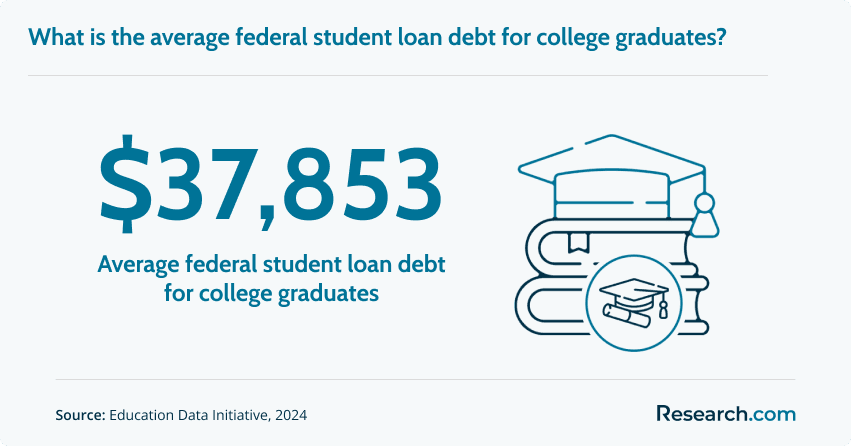
To evaluate ROI, compare total tuition, expected monthly loan payments, realistic entry-level salaries, internship opportunities, alumni outcomes, and the value of the school’s industry network. Avoid making a decision based only on high-end salary examples.
Students sometimes compare entertainment business with fields that have clearer salary ladders, such as healthcare. Reviewing the highest paying bachelor degrees in the medical field can provide a useful benchmark, but the better question is whether the entertainment business degree leads to the specific work you want and whether the cost is manageable.
| ROI factor | Strong sign | Warning sign |
| Total program cost | Tuition and fees fit your budget after aid and transfer credits | You need heavy borrowing without clear career support |
| Career alignment | Courses and projects match your target role | The curriculum is too general for your goals |
| Experience opportunities | Internships, capstones, employer projects, or portfolio work are built in | The program offers coursework only and no applied experience |
| Network access | Faculty, alumni, and events connect students to industry contacts | There is little evidence of entertainment industry engagement |
| Completion timeline | You can graduate without unnecessary delays | Required courses are not offered often enough |
What is the job market for graduates of an affordable online entertainment business degree program?
The job market for entertainment business graduates is shaped by streaming platforms, digital content growth, live events, sports, esports, creator economies, and the ongoing need for marketing and audience engagement. Opportunities exist, but competition can be intense, especially in major entertainment markets.
Key trends driving job opportunities
- Streaming services: Platforms such as Netflix, Hulu, and Amazon Prime have expanded demand for content development, distribution, marketing, audience analysis, and campaign coordination.
- Event and concert management: Live entertainment continues to need professionals who can coordinate venues, vendors, sponsorships, ticketing, staffing, and audience experience.
- Digital and social media: Entertainment brands rely on social platforms, analytics, short-form video, and digital campaigns to reach audiences.
- Sports and esports: Traditional sports and esports create roles in sponsorship, event planning, fan engagement, marketing, and operations.
Job outlook
- The U.S. Bureau of Labor Statistics (BLS) reports that jobs in entertainment, media, and sports management are expected to grow by 5% over the next decade, which is about average for all occupations.
- Marketing and public relations roles within entertainment may benefit from the need for companies and creators to promote content in a crowded media environment.
Graduates can pursue opportunities in television, film, music, sports, live events, and digital media. The strongest candidates usually combine a relevant degree with internships, portfolio projects, software skills, industry knowledge, and consistent networking.
References:
- Bureau of Labor Statistics, U.S. Department of Labor. (2024). Entertainment and recreation managers. Occupational Outlook Handbook. Bureau of Labor Statistics, U.S. Department of Labor.
- Bureau of Labor Statistics, U.S. Department of Labor. (2024). Entertainment and sports occupations. Occupational Outlook Handbook. Bureau of Labor Statistics, U.S. Department of Labor.
- Hanson, M. (2024). Average student loan debt. Education Data Initiative.
- Hanson, M. (2024). Cost of online education vs. traditional education. Education Data Initiative.
- Zippia. (2025). Director of entertainment education. Zippia.
Key Insights
- An affordable online entertainment business degree is best for students who want business, marketing, operations, management, or representation roles in creative industries—not necessarily technical production or performance careers.
- Most bachelor’s programs require around 120 credits and take about 3 to 4 years full time, though accelerated options may take as little as 20 to 29 months and part-time study may take 5 or more years.
- Published tuition is only part of the cost. Compare fees, transfer credit acceptance, financial aid, scholarships, and the total number of credits you actually need to complete.
- Accreditation, curriculum fit, internships, capstone projects, career services, and alumni access are more important than rankings alone.
- Entertainment careers are competitive. Students should graduate with practical projects, industry contacts, digital marketing skills, communication experience, and a clear target sector such as music, film, sports, events, or streaming.
- An online MBA or specialized graduate degree can help professionals pursue leadership roles, but early-career students may get more immediate value from internships, portfolio work, and entry-level experience.
Other Things You Should Know About Affordable Online Entertainment Business Degree Programs
Yes, most affordable online entertainment business degree programs in 2027 are accredited by recognized bodies such as the Distance Education Accrediting Commission. Accreditation ensures that the program meets quality standards, which is crucial for credibility and transferring credits.
A low-cost online entertainment business program should be accredited by a recognized regional accreditor, such as the Higher Learning Commission, SACSCOC, NECHE, WSCUC, MSCHE, or NWCCU. Accreditation is the main quality check used for federal aid eligibility, credit transfer, and employer recognition.


