2027 State-by-State Acceptance of Online Forensic Psychology Master's Programs for Licensure

Co-Founder and Chief Data Scientist
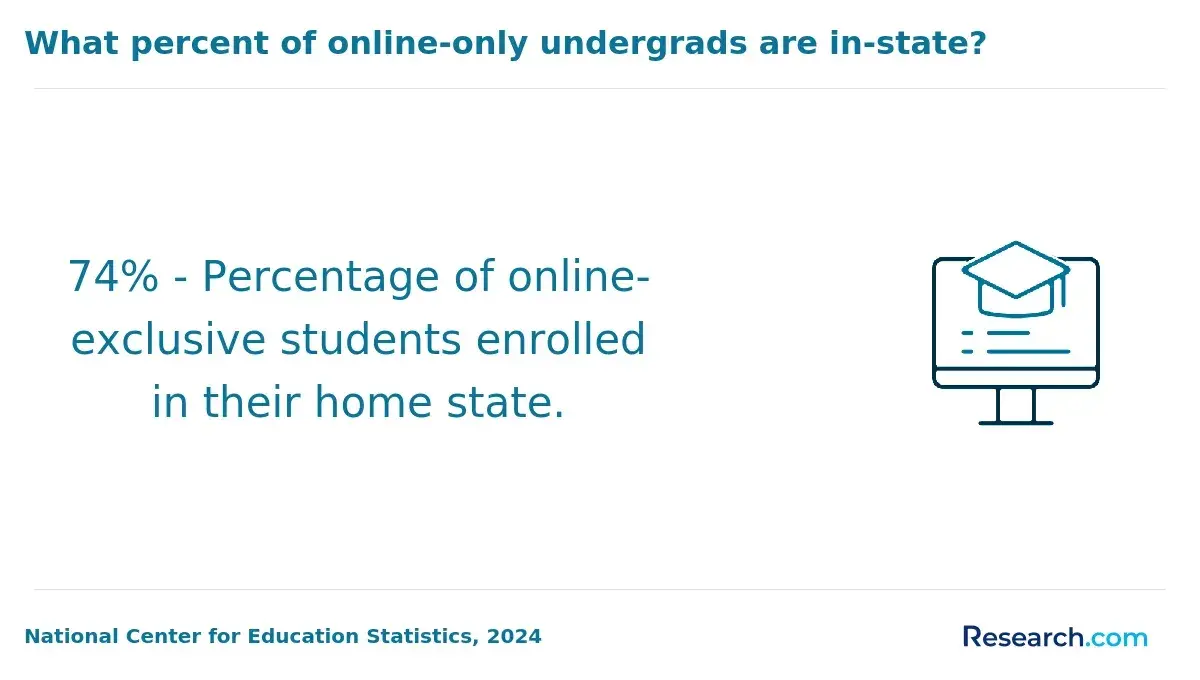
Choosing an online forensic psychology master's program can be a complex gamble when states differ radically in licensure acceptance. Requirements around residency, clinical hours, curriculum, and accreditation often dictate whether a degree holds weight in a given jurisdiction. A 2024 report by the National Center for Education Statistics shows a continued rise in online master's enrollments, underscoring growing demand for flexible pathways. Yet this growth masks uneven recognition by licensing boards, complicating mobility for career changers, military-affiliated students, and geographically flexible professionals. Understanding state-specific acceptance criteria is essential to navigate licensure hurdles and align educational choices with long-term career viability.
Key Things to Know About State-by-State Acceptance of Online Forensic Psychology Master's Programs for Licensure
- Residency mandates vary widely, forcing some candidates to complete supervised hours in-state, delaying licensure and increasing costs for mobile or military-affiliated students balancing uncertain geographic plans.
- Discrepancies in clinical hour requirements mean equivalent programs may face employer skepticism, impacting graduates' job competitiveness where hands-on forensic experience is rigorously verified.
- Strict curriculum mandates limit program eligibility for licensure in certain states, restricting access despite rising online enrollment trends reported by the National Center for Education Statistics, which highlight demand for flexible adult learning.
How Do State Licensing Boards Define Acceptance of Online Forensic Psychology Master's Programs for Licensure Purposes?
"Acceptance" by state licensing boards of online forensic psychology master's programs is not a uniform endorsement but a complex, context-driven determination that varies widely across jurisdictions. A degree from an accredited online program might be unequivocally approved in one state yet scrutinized deeply or outright questioned in another. For example, a candidate relocating from one state to another without consulting state-specific acceptance criteria for online forensic psychology degrees may face unexpected barriers-such as denied licensure applications due to unrecognized coursework or insufficient clinical hours-highlighting a critical risk of assuming universal equivalence among online programs.
- Formal Approval: Certain states maintain explicit, officially sanctioned lists of forensic psychology master's programs that meet their licensure standards, reflecting statutory or regulatory decisions approving specific curricula and training modalities.
- Case-by-Case Review: Some boards eschew preapproval, opting to evaluate each applicant's online degree individually, considering institutional accreditation, clinical experience, and curriculum alignment before granting acceptance, which leads to variable outcomes and additional applicant uncertainty.
- General Standards Application: Other licensing authorities rely primarily on recognized accreditation bodies or general curriculum standards without program-specific vetting, placing the onus on applicants to demonstrate compliance with broadly defined competencies.
- Licensing Decision Frameworks: Acceptance determinations stem from diverse governance mechanisms-statutory mandates, administrative policies, or regulatory rules-that frame how online forensic psychology degrees are assessed, causing ongoing variation in licensure requirements for online forensic psychology master's programs by state.
- Risk and Ambiguity: The lack of national uniformity combined with differing residency rules, clinical hour minimums, and curriculum mandates means that graduates of accredited online programs face significant ambiguity and potential delays in licensure portability, particularly impacting geographically mobile students and military-affiliated professionals.
This article synthesizes how varying accreditation standards, regulatory frameworks, and board-specific evaluation criteria intersect, offering a comprehensive overview essential for students and professionals navigating the uneven licensing landscape of forensic psychology across the United States.
Which States Have Formally Approved Online Forensic Psychology Master's Programs as Licensure-Qualifying?
Licensing outcomes for online forensic psychology master's degrees hinge on nuanced state-level regulations that create a patchwork of acceptance and restrictions, directly influencing graduate employability and mobility. For example, a military spouse relocating frequently might discover that a degree qualifying for licensure in California becomes subject to intense scrutiny or outright denial in a state like Louisiana, resulting in costly delays or the need for supplementary credentials.
- States with Clear Statutory Acceptance: California, Florida, and New York explicitly recognize online forensic psychology master's programs for licensure eligibility when these programs meet regional accreditation and comply with clinical and supervised training requirements. This clarity reduces licensure uncertainty and facilitates smoother career entry for graduates within these jurisdictions.
- States That Defer Primarily to Accreditation: Texas, Illinois, and Washington generally accept online degrees if awarded by regionally accredited institutions and if candidates satisfy all other licensure criteria. However, variability in individual board member interpretations means applicants must prepare for potential additional evaluation.
- States Requiring Additional Review or Documentation: Jurisdictions such as Arizona, Ohio, and Virginia accept online forensic psychology master's degrees only after supplemental evaluation, including detailed transcripts, course syllabi, and validation of clinical hours. This layered oversight reflects a cautious approach to protecting licensure standards but also extends time-to-licensure and increases administrative burden for applicants.
- States with Known Restrictions or Ambiguity: Louisiana, Georgia, and Mississippi remain cautious or unclear on online degree acceptance due to restrictive language or unresolved policies. Graduates face higher risk of petition processes, residency-based training mandates, or outright rejections, complicating workforce planning and geographic flexibility.
Because state boards constantly adjust policies in response to evolving accreditation standards and workforce demands, prospective students and professionals pursuing licensure should consult directly with relevant licensing bodies before enrollment. This section provides a baseline regulatory landscape to frame decisions, but users should rely on board-contact resources detailed later in this article for current, state-specific guidance essential to avoid licensing missteps that can undermine career trajectories.
What Role Does Regional Accreditation Play in State Acceptance of an Online Forensic Psychology Master's Degree?
Regional accreditation often functions as a baseline filter for state licensing boards assessing online forensic psychology master's degrees, but it rarely secures automatic licensure approval. Institutions earning accreditation from federally recognized bodies like the Higher Learning Commission or Middle States Commission on Higher Education demonstrate compliance with broad educational standards. However, many states require more than this foundational recognition, evaluating whether programs hold discipline-specific credentials linked to forensic psychology's unique curricular and clinical demands.
In practice, this distinction means that a graduate from a regionally accredited program lacking field-specific accreditation may face additional hurdles such as extended supervision hours or supplementary examinations before obtaining licensure. Conversely, programs also accredited by psychology-focused entities often enjoy smoother pathways to state approval, enhancing the portability and recognition of the credential.
When navigating regional accreditation importance for online forensic psychology degrees, prospective students should confirm that their institution's accreditation is current and valid. Equally important is determining if regional accreditation alone satisfies the target state's licensing board or if additional programmatic accreditation is mandated. This due diligence significantly impacts licensure timelines, employment eligibility, and the ability to practice across multiple jurisdictions.
- Regional Accreditation: Confirms institutional quality and federal recognition but is not sufficient alone for licensure approval in many states.
- Programmatic Accreditation: Reflects adherence to discipline-specific curricular and training standards, enhancing licensure acceptance and portability.
- State Variability: Licensing boards differ in how they weigh regional versus programmatic accreditation, leading to divergent acceptance of identical degrees across state lines.
- Due Diligence: Prospective students should verify that their intended program holds current, good-standing regional accreditation and inquire whether this alone meets their state's licensure criteria or if further programmatic credentials are needed.
- Practical Impact: The distinction affects licensure timelines, supervision requirements, and employment eligibility, especially for those aiming to practice in multiple or unpredictable jurisdictions.
Those exploring career intersections from allied fields or relocating frequently might also consider the flexibility afforded by programmatic accreditation, especially amid evolving licensing criteria. Additionally, individuals seeking to supplement their credentials can review resources on related fields, such as affordable options for online masters in nutrition and dietetics, to optimize interdisciplinary opportunities while meeting accreditation standards.
How Does Programmatic Accreditation Affect Whether States Accept an Online Forensic Psychology Degree for Licensure?
The role of programmatic accreditation in whether states accept an online forensic psychology master's degree for licensure is pivotal yet inconsistent nationwide. Unlike broader regional accreditation, programmatic accreditation zeroes in on curriculum, training specificity, and discipline standards-criteria many state licensing boards actively enforce to safeguard professional integrity. This differentiation means graduates with similarly titled degrees may experience vastly different licensure outcomes depending on where they seek certification and which accrediting authority oversaw their program.
- Accrediting Authorities: The American Psychological Association (APA) remains the dominant accreditor for forensic and clinical psychology master's programs, serving as a key benchmark for licensure eligibility across multiple states.
- State-Specific Program Approval: Some states implement their own program approval systems, allowing licensure based on state standards that occasionally depart from or supplement APA accreditation, creating variable acceptance of online programs.
- Unaccredited Program Risks: Graduates from programs lacking APA or state-level programmatic accreditation face heightened licensure barriers, often requiring extended verification or additional coursework, which can delay entry into the workforce.
- Clinical and Residency Requirements: Beyond accreditation, states impose divergent mandates regarding supervised clinical hours and residency, further affecting licensure acceptance regardless of program pedigree.
- Due Diligence Necessity: Candidates must systematically verify their program's accreditation status while cross-referencing targeted state licensing board criteria to mitigate licensure denial risks and unexpected delays.
A graduate reflecting on the application process described enrolling in a forensic psychology master's program with APA accreditation partly due to uncertainty about where licensure would be sought. The rolling admissions timeline forced balancing application deadlines and waiting for written program accreditation confirmation, which was slower than expected. This delay caused anxious reconsideration of alternatives to avoid entering a program potentially unrecognized by intended states, underscoring the critical need to secure clear, documented accreditation status early in decision-making to prevent licensure complications down the line.
Which States Require In-Person or Residential Components for an Online Forensic Psychology Master's Program to Qualify for Licensure?
Several states mandate in-person or residential elements within online forensic psychology master's programs for licensure eligibility, reflecting a belief that hands-on experiences are essential for verifying clinical competencies beyond what asynchronous coursework can demonstrate. For example, a working professional relocating between states without clarity on licensure rules may face unexpected hurdles if their fully online degree lacks mandated residential components. This underscores the need to evaluate these requirements early in the decision process to avoid licensure delays or reassessment of credentials.
- State Variability: States like California, New York, and Texas typically require some form of on-campus participation integrated within online programs as a prerequisite for licensure, reflecting established regulatory emphasis on direct skill observation.
- Residency Weekends: Common formats include brief residency weekends or intensive workshops that incorporate simulations and interactive labs designed to complement online study with vital experiential learning.
- Simulation Lab Visits: Some licensing boards demand attendance at clinical simulation settings where students must demonstrate forensic interviewing and assessment techniques under supervision, often coordinated through partner institutions.
- Orientation Sequences: On-campus or hybrid program orientations aimed at instilling foundational ethics, methodologies, and program standards serve to establish competencies crucial for later licensure stages.
- Licensing Board Rationale: These in-person elements provide standardized client interaction contexts and evaluative supervision opportunities seen as indispensable for confirming practice readiness.
- Practicum Exclusion: Importantly, these requirements differ from practicum or clinical hours, which are typically managed separately through placement agencies and are governed by different regulations.
- Geographic Guidance: Prospective students with mobility constraints should engage directly with programs regarding the presence and flexibility of in-person mandates and confirm with their target state boards how such requirements affect degree acceptance for licensure.
How Do State Licensing Boards Evaluate Supervised Clinical or Practicum Hours Completed Under an Online Forensic Psychology Program?
State licensing boards approach supervised clinical or practicum hours earned through online forensic psychology master's programs with heightened scrutiny compared to traditional in-person training. This often reflects the uneven oversight of local training sites selected independently by students, creating compliance challenges that can delay or derail licensure. For instance, a professional relocating to a state with strict in-jurisdiction supervision mandates may find previously completed hours invalid, extending time to practice and increasing costs. Navigating this variability requires proactive due diligence before committing to a program, especially since workforce mobility and interstate acceptance of practicum hours completed through online forensic psychology master's degrees remain inconsistent.
- Supervisor Qualifications: Boards typically mandate that clinical supervisors hold valid licenses or credentials recognized by the student's target state, disqualifying hours supervised by unlicensed or out-of-jurisdiction professionals.
- Site Approval: Training facilities must often be pre-approved or affiliated with the program and the licensing board, complicating hours logged at locally arranged sites without formal endorsement.
- Hour Documentation: Comprehensive, verifiable records-including supervisor evaluations and activity logs-are essential. Gaps or inconsistencies in documentation risk partial or full rejection.
- Accreditation Compliance: Accreditation status strongly influences acceptance, with boards favoring degrees from accredited programs having clear clinical training pathways over regionally accredited or unaccredited schools.
- Residency and Jurisdictional Rules: Some states require supervised hours be completed within state lines under approved supervisors, limiting interstate portability unless covered by specific compacts.
- Conditional Acceptance: Certain boards provisionally accept clinical hours pending further verification or supplementary training, often extending the timeline to full licensure.
- Proactive Strategies: Prospective students should obtain written descriptions of a program's clinical hour approval and tracking processes and cross-reference these against their target state's licensing standards to identify potential risks early.
- Interstate Compacts and Variability: While emerging interstate agreements aim to ease hour acceptance, policies currently vary widely, especially impacting military-affiliated or geographically mobile students.
Given these complexities, prospective students must weigh the practical implications of program choice and placement logistics carefully. For those exploring related healthcare administrative paths, resources such as the best online MHA programs illustrate how accreditation and practical training align with workforce needs and licensure requirements. Understanding how state licensing boards verify supervised clinical hours for online forensic psychology programs in the United States will help students and career changers make informed decisions that align with their intended career geography and regulatory expectations.
What Interstate Compact or Reciprocity Agreements Affect Forensic Psychology Licensure Portability for Online Degree Holders?
Licensure portability for online forensic psychology graduates is constrained by the absence of a dedicated interstate compact and the uneven application of reciprocity agreements. Unlike some health professions, forensic psychology remains fragmented across state lines, with limited frameworks facilitating seamless multi-state credentialing. While the Psychology Interjurisdictional Compact (PSYPACT) offers a pathway for licensed doctoral psychologists to practice telepsychology across member states, it generally excludes master's-level forensic psychology holders, restricting its practical utility for many online graduates. This reality forces candidates to navigate varying state board requirements, often resulting in significant delays or the need for additional coursework and clinical hours to meet regional criteria.
- Compact Restrictions: PSYPACT focuses on telepsychology and temporary in-person practice but predominantly serves doctoral-level and licensed psychologists, offering little benefit for master's degree holders.
- Reciprocity Challenges: States rarely grant broad reciprocity to forensic psychology licenses, especially from online programs, requiring thorough evaluation of educational rigor and practicum content.
- State Variability: Licensure acceptance hinges on factors such as residency mandates, clinical hour minimums, and regional accreditation, causing identical degrees to face inconsistent recognition.
- Benefits of Membership: Where applicable, compact participation streamlines application processes and reduces redundant verifications, which aids professionals with mobile lifestyles or military affiliations.
- Limitations: Non-member states and those with strict curriculum standards remain barriers, leaving some graduates without streamlined licensure options.
- Advisory: Prospective students should confirm their target states' compact involvement and verify if online programs have a track record of graduate licensure success across jurisdictions.
One online forensic psychology master's graduate recalled hesitation during the rolling admissions cycle, uncertain if their degree would meet reciprocity standards in several states under consideration. The graduate delayed enrollment to gather detailed information from prospective programs about multistate licensure outcomes and compact participation, ultimately choosing a program with demonstrated success in guiding students through the regulatory nuances. This cautious timing and research helped avoid costly credentialing delays after graduation.
How Do States Handle Licensure Applications From Graduates of Out-of-State Online Forensic Psychology Programs?
State licensure boards demonstrate significant variability in handling applications from graduates of out-of-state online forensic psychology programs, reflecting broader tensions around credential legitimacy and workforce readiness. Unlike graduates from in-state or traditional programs, those holding online degrees often face extended review periods and stricter scrutiny, which can delay or complicate their entry into the profession. This inconsistency affects career mobility, especially for professionals who are geographically mobile or transitioning from related fields where the exact state licensure requirements for online forensic psychology graduates remain murky.
In practical terms, the board's evaluative process involves a detailed review of academic and clinical documentation, with some states requiring third-party transcript evaluations and verification of supervised practicum hours. When a program is not on a state's pre-approved list, boards typically conduct syllabus-by-syllabus analyses to ascertain compliance with curriculum rigor and accreditation standards, which can extend review timelines to several months.
Applicants denied licensure initially often have options to appeal or submit equivalency petitions, including completing supplemental coursework or participating in in-person interviews-measures rarely demanded of traditional program graduates. This additional scrutiny underscores a persistent divide in interstate acceptance of online forensic psychology degrees, creating practical obstacles to licensure reciprocity and affecting workforce deployment.
- Documentation: Boards require official transcripts, program accreditation evidence, detailed syllabi, and clinical practicum records to verify educational content and training quality.
- Board Review Timeline: Evaluation periods vary by state but can extend from weeks to months, depending on complexity and whether the program is pre-approved.
- Evaluation Criteria: Regional accreditation, curriculum depth, supervised hours, and faculty credentials influence acceptance; weaker accreditation or atypical practicum formats increase rejection risk.
- Appeals and Equivalency: Denied candidates may pursue formal appeals or equivalency requests, often involving additional evidence submission and state-mandated supplemental training.
- Additional Requirements: Online program graduates frequently encounter extra steps like transcript evaluations, background checks, or residency mandates uncommon in brick-and-mortar pathways.
- Advisory Step: Early consultation with target-state licensing boards on how online graduates have historically fared can preempt costly post-enrollment surprises, an imperative for military-affiliated or mobile students.
Current trends show growing enrollment in online forensic psychology master's programs, yet labor market demand and hiring patterns remain uneven, amplifying the importance of informed decision-making. Those researching graduate pathways should also be aware of the broader healthcare environment's expectations: for example, understanding the functional medicine nurse practitioner salary and related dynamics illustrates how advanced credentials influence employer willingness to contract or hire in complex, regulated professions.
Which States Impose the Most Restrictive Acceptance Criteria for Online Forensic Psychology Master's Programs?
States with the strictest online forensic psychology master's licensure requirements impose considerable obstacles that can directly affect career mobility and licensure feasibility. Candidates aiming to practice in these states encounter challenges such as mandated in-person clinical hours, narrow accreditation mandates, and restrictive program approvals that are often absent in less regulated jurisdictions. For example, a professional relocating from another state with an online forensic psychology degree may find their credential denied or subjected to extensive supplemental evaluations, delaying entry into the workforce and reducing job opportunities. This uneven regulatory landscape forces prospective students and working professionals to weigh the broader acceptance of their degree against potential barriers in states with the most restrictive state licensing criteria for online forensic psychology degrees.
- California: Requires regional accreditation plus in-person clinical hours completed within the state. California's licensing board consistently scrutinizes online coursework quality and has historically rejected fully online degrees lacking hybrid or face-to-face components. Pending regulatory tightening may further reduce online program recognition.
- New York: Emphasizes curriculum alignment with in-person standards, often limiting licensure to candidates from approved or regionally accredited traditional universities. Residency and in-state supervised experience requirements complicate acceptance of out-of-state online programs.
- Texas: Prefers American Psychological Association (APA) or equivalent accreditation, which many online forensic psychology master's programs do not possess. Local board-approved practicum experiences are mandatory, restricting acceptance of national or online clinical placements.
- Florida: Historically rejects credits from entirely online programs in licensing decisions, especially if clinical training lacks in-state supervision, though recent proposals suggest modest potential flexibility without compromising standards.
- Illinois: Conducts detailed individual program evaluations regarding curriculum hours and supervision, scrutinizing online degrees rigorously and demanding supplementary validation steps without current legislative relief.
For students and professionals holding or pursuing an online master's in forensic psychology, these disparities mean verifying acceptance by state boards is essential before enrollment to avoid costly missteps. Ambiguous or conflicting guidance necessitates consultation with licensure attorneys or credentialing specialists. Such due diligence safeguards against the pitfalls of investing in degrees that may not translate into licensure eligibility in states with the most restrictive online forensic psychology master's licensure requirements. Candidates with geographic mobility or uncertain future practice locations must approach program selection strategically, factoring in these regulatory variables that shape long-term employment prospects.
For those assessing program costs and structure alongside these licensure complexities, resources detailing how much does an online speech pathology degree cost can provide a useful comparative framework for gauging financial and practical commitments in similar specialized fields.
How Do State-Specific Curriculum Requirements Affect Whether an Online Forensic Psychology Master's Program Qualifies for Licensure?
State licensing boards apply rigorous and highly variable curriculum standards when evaluating whether an online forensic psychology master's degree qualifies graduates for licensure. The real-world consequence is that a degree perfectly accepted in one state may face rejection or demand supplemental coursework in another, directly impacting graduates' timelines for entering the workforce and their regional job mobility. For example, a candidate moving from a state with lenient clinical hour requirements to one enforcing extensive supervised practicum aligned with forensic settings could face significant delays or additional expense to meet licensure criteria, reducing employability in competitive forensic roles that can pay above the national psychologist median salary range of $80,000 to $120,000.
Prospective students must proactively secure the current licensure curriculum checklist from their target state's licensing board website and exhaustively compare it against program course catalogs before enrollment. This detailed scrutiny should go beyond course titles to assess depth in clinical methodologies, forensic ethics, multicultural competence, and assessment tools. Program advisors play a critical role here by providing explicit confirmation or identifying deficiencies in curriculum alignment, enabling informed decision-making before commitment.
- Curriculum Rigor: Core courses on clinical methodologies, psychological theories, ethics, forensic assessments, and cultural competence are often mandated; programs lacking coverage risk non-acceptance.
- Clinical and Field Experience: States differ widely in supervised practicum hours and forensic-specific internships; insufficient hands-on experience causes common licensure hurdles.
- Ethics and Legal Knowledge: Forensic psychology's legal interface demands targeted ethics courses, which generic online offerings may omit or underemphasize.
- Accreditation and Residency: Some boards require degrees from regionally accredited or board-approved institutions and enforce in-state residency or direct supervision, limiting eligibility.
- Verification Process: Applicants must obtain official state requirements and request thorough curriculum compliance confirmation from program staff upfront to avoid costly surprises.
What Graduates Say About Obtaining Licensure From Online Forensic Psychology Master's Programs
- Esteban: "Balancing full-time work and family commitments meant I needed a program with flexible hours, which led me to an online forensic psychology master's. The decision to focus on courses that offered practical internships paid off when I secured a placement that significantly boosted my portfolio. While licensure opened some doors, I found employers in my region still prioritized hands-on experience and specialized certifications more than the degree alone."
- Alexis: "Cost was a major concern since I was changing careers, so I chose an online forensic psychology program that offered a streamlined curriculum to reduce expenses and time to completion. Although I graduated without immediately obtaining licensure, the internship I completed through the program provided invaluable insight into the realities of criminal justice settings. However, I soon realized that without licensure, progression beyond entry-level roles in certain agencies was limited."
- Eli: "Juggling a demanding workload and a desire for remote study options led me to an online forensic psychology master's. Choosing this route allowed me to enter the workforce faster than traditional programs, but I quickly learned that many employers emphasize portfolios and practical experience over licensure alone. This understanding shifted my focus toward securing additional certifications and relevant volunteer opportunities to remain competitive in hiring processes."
Other Things You Should Know About Forensic Psychology Degrees
In 2027, online forensic psychology graduates commonly need to submit transcripts, proof of program accreditation, and details of coursework to state boards. Some states may also require supervised clinical experience documentation to validate licensure eligibility.
Most states require the ASWB or a psychology board exam only after a qualifying supervised degree and postdegree hours are completed. Some states also require the EPPP for doctoral-level psychology licensure, while a master’s in forensic psychology may qualify only for counselor, social work, or marriage and family pathways.
Yes, some states may completely reject online forensic psychology master’s programs for licensure in 2027. Prospective students should check directly with their state’s board of psychology to understand current restrictions and verify approval requirements before proceeding with any online program.
Students should conduct direct outreach to their state psychology licensing board to confirm acceptance policies rather than rely solely on program claims or accreditation status. Additionally, some states publish official lists of approved or disapproved programs, while others require case-by-case evaluation, emphasizing the need for early and documented communication. Prioritizing programs with established reputations for licensure compatibility and reviewing recent regulatory updates can mitigate risks of non-acceptance after degree completion.
References
- Licensure Portability 101 https://plus.aamft.org/licensure-portability-101/
- Master's In Forensic Psychology: Courses And Requirements https://www.psychology.org/degrees/forensic-psychology/masters/
- Requirements To Become a Forensic Psychologist https://www.forensicscolleges.com/blog/htb/how-to-become-forensic-psychologist
- Interstate Licensure Portability: Logistics and Barriers for Professional Counselors - The Professional Counselor https://tpcjournal.nbcc.org/interstate-licensure-portability-logistics-and-barriers-for-professional-counselors/
- Best Master's Degrees In Forensic Psychology | GradSchoolHub https://www.gradschoolhub.com/best/masters-degrees-in-forensic-psychology/
- M.A. Forensic Psychology: Online and In-Person | The Chicago School https://www.thechicagoschool.edu/programs/psychology/forensic-psychology/ma/
- How Long Does it Take to Become a Forensic Psychologist? https://www.onlineeducation.com/psychology/faqs/how-long-to-become-forensic-psychologist
- The Psychology License Map: A State-by-State Guide https://www.onlinemastersdegrees.org/student-resources/psychology/licensure-by-state/
- Does it Matter if my Psychology Degree Program is Accredited? https://www.bestpsychologydegrees.com/faq/does-it-matter-if-my-psychology-degree-program-is-accredited/
- Psychology Accreditation: What you need to know https://www.onlinepsychologydegrees.com/articles/accreditation/