2027 Return on Investment of an Online Exercise & Sports Science Bachelor's Degree: Salary vs Cost

Co-Founder and Chief Data Scientist
Imagine a working professional considering an online exercise & sports science bachelor's degree to shift careers but unsure if the investment justifies the financial and time commitments. The average annual salary for graduates in this field sits around $54,000, while program costs range widely-raising questions about actual return on investment.
With the rise of online education and industry demands, weighing salary outcomes against education expenses becomes critical. This article examines salary trends, tuition fees, and career prospects to help readers determine whether an online exercise & sports science degree offers a worthwhile financial and professional advantage.
Key Things to Know About the Return on Investment of an Online Exercise & Sports Science Bachelor's Degree
- Average tuition for online exercise & sports science bachelor's degrees ranges from $15,000 to $40,000, significantly lower than traditional programs, enhancing affordability for budget-conscious students.
- Graduates report median salaries around $50,000 annually, with a 10% projected job growth, indicating competitive earning potential aligned with industry demand.
- Non-financial benefits include increased job security, leadership roles, and ongoing certification opportunities, fostering sustained professional growth beyond initial salary gains.
What Is the True Cost of Earning an Online Exercise & Sports Science Bachelor's Degree From Enrollment to Graduation?
Costs associated with earning an online Exercise & Sports Science bachelor's degree include both direct expenses and indirect fees, which vary by institution and student needs.
Published tuition fees generally range from $15,000 to over $40,000, but net prices after financial aid, scholarships, or grants often reduce this by 20% to 50%, based on data from IPEDS and university net price calculators.
This variability highlights the importance of considering the average tuition and fees for online Exercise & Sports Science bachelor's programs when budgeting.
- Tuition Fees: The primary cost for most students, tuition widely differs among universities. Many students benefit from aid that significantly decreases the net price compared to the sticker price, contributing to more affordable education options.
- Technology and Platform Fees: These fees support access to learning management systems, software, and tech support. Typically, they add $200 to $1,000 annually and vary depending on each university's structure.
- Course Materials and Textbooks: Throughout the program, required textbooks, supplemental materials, and e-books can cost between $500 and $1,500. Utilizing digital rentals or library resources often helps minimize these expenses.
- Proctoring and Exam Fees: To ensure academic integrity, some programs require online proctoring, costing $30 to $100 per exam and accumulating several hundred dollars by graduation.
- Indirect Costs: Additional factors such as a reliable internet connection, appropriate hardware, and occasional travel for practical sessions or internships add several hundred to a few thousand dollars depending on individual circumstances.
When compiling a realistic cost breakdown for earning an online Exercise & Sports Science bachelor's degree, many students find total expenses fall between $20,000 and $45,000 after aid. This range serves as a practical baseline for evaluating the degree's return on investment alongside verified salary outcomes and job market prospects.
For those considering related career training, like a medical assistant course, comparing program costs and timeframes is essential to make the best decision based on financial and professional goals.
How Does the Starting Salary for Exercise & Sports Science Bachelor's Degree Graduates Compare to the Total Cost of the Degree?
The median annual starting salary for graduates holding a bachelor's degree in exercise & sports science typically ranges between $40,000 and $50,000, according to Bureau of Labor Statistics data on related entry-level jobs such as fitness trainers, physical therapy assistants, and sports coaches.
When compared to the overall cost of an online exercise & sports science degree—which varies from about $15,000 in low-cost, aid, supported cases to $50,000 or more without significant financial aid—this salary range highlights important cost versus salary outcomes for exercise and sports science bachelor's programs.
In a best-case financial scenario, with tuition at $15,000 and a starting salary of $50,000 annually, paying off the full degree cost takes about 3.6 months of gross income. In a worst-case scenario, with tuition charges around $50,000 and a starting salary at the lower end, $40,000, the payback period could extend to approximately 15 months of total earnings.
These figures do not include taxes, living costs, or loan interest, which would affect the time to recoup the investment. However, starting salary is only one part of the financial equation. The Bureau of Labor Statistics projects steady salary growth in fields aligned with an exercise & sports science degree, potentially doubling the initial wage within 10 years.
This growth enhances the return on investment by increasing lifelong earning potential and providing stronger job security. For more information on affordable educational pathways, consider exploring cheapest accelerated nursing programs as a comparison point for cost-conscious students evaluating their options.
What Is the Average Return on Investment (ROI) for an Online Exercise & Sports Science Bachelor's Degree Over a 10-Year Career?
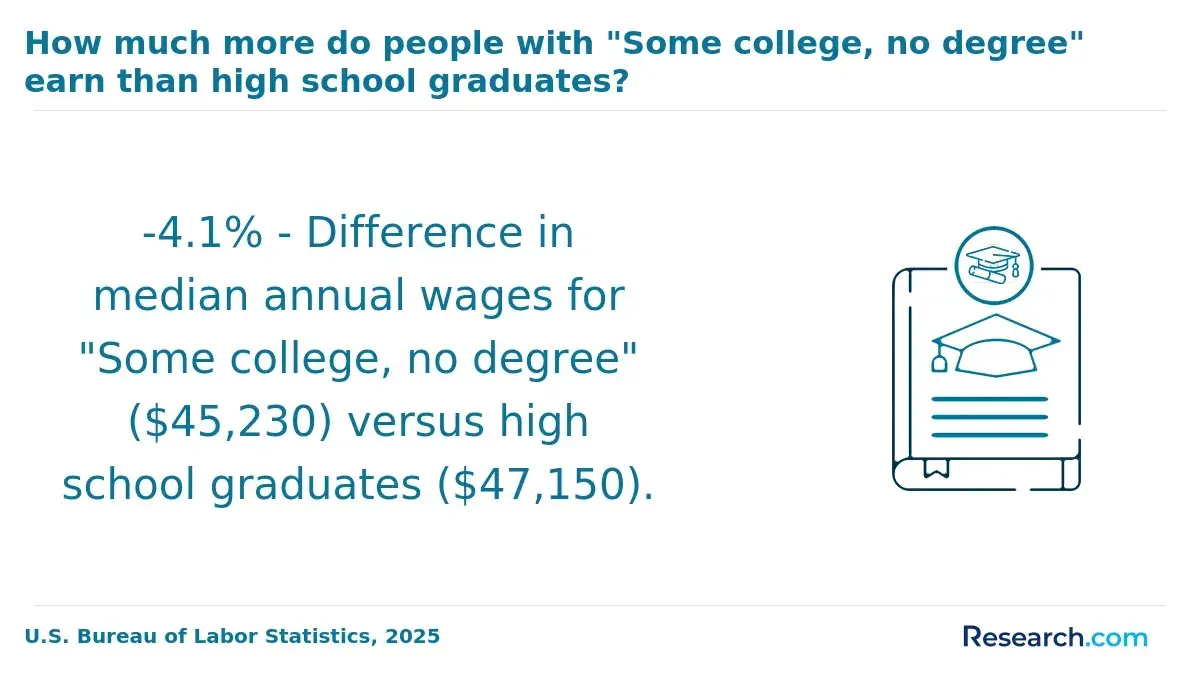
Return on investment (ROI) in higher education is calculated by subtracting the total cost of earning a degree from the cumulative extra income it generates over 10 years compared to someone with only a high school diploma or an associate degree in the same field.
According to Georgetown University's Center on Education and the Workforce, this approach helps capture the true financial benefit of completing a bachelor's degree. Using Bureau of Labor Statistics median wage data, graduates with an exercise & sports science bachelor's degree typically start with an annual salary near $40,000.
With an assumed annual raise of 3%, their salary rises to around $53,700 by year ten, totaling nearly $482,000 in earnings over the decade. Meanwhile, comparable workers with just a high school diploma might begin at approximately $28,000 per year and earn about $350,000 cumulatively after 10 years.
After accounting for an average degree cost of $40,000, the net gain for exercise & sports science graduates comes to roughly $92,000, indicating a positive ROI.
A professional who enrolled in the online exercise & sports science bachelor's program shared that weighing cost versus ROI was an anxious but necessary step. He recalled spending nights crunching numbers and researching salary trajectories while juggling work and family commitments.
"It wasn't just about the cost," he explained, "I needed to be sure the time invested would open doors to better opportunities." After graduating, he reflected that the degree's flexibility helped him maintain steady employment, and the measurable salary gains confirmed his decision was worthwhile, providing confidence to others facing similar choices.
- Public Institutions: These schools generally offer the most affordable tuition for online exercise and sports science programs, especially for in-state students. Many provide flat-rate online tuition that applies to all residents, with typical annual costs ranging from $5,000 to $15,000. This predictable pricing model helps students on a tight budget plan their expenses more effectively.
- Private Nonprofit Institutions: Tuition tends to be higher, falling between $20,000 and $40,000 per year. Despite the greater upfront expense, these colleges often deliver stronger graduation rates and extensive employer networks. These factors can translate into improved career advancement and higher starting salaries, essential considerations for working professionals and career changers.
- For-Profit Colleges: Often priced closer to public universities, these programs may appear attractive due to lower tuition costs. However, they frequently demonstrate lower graduation rates and weaker reputation among employers, which can hinder long-term earnings and job security. Academic rigor and student support may also be less consistent.
When comparing online exercise and sports science program tuition rates for public, private, and for-profit degrees, it is vital to assess non-financial benefits along with sticker prices. Lower tuition does not always guarantee the best return on investment.
Consider factors like accreditation, completion rates, and employer recognition. For those seeking to optimize both financial and professional outcomes, a comprehensive evaluation ensures the chosen degree aligns with career goals. Those interested in advancing their education might also explore fields like PhD nursing education online for additional options.
Salary growth for those with a bachelor's degree in exercise & sports science often follows a pattern marked by several key stages over a 20- to 30-year career. Early on, within the first five years, individuals generally see steady raises as they develop foundational skills and earn certifications, moving beyond entry-level wages.
- Early Career Growth: During this phase, compensation increases as professionals gain hands-on experience and begin carving out their niche in clinics, gyms, or research facilities.
- Mid-Career Acceleration: Around the 10-year mark, many advance into roles such as specialized trainers, managers, or researchers, often resulting in a significant pay boost reflecting added responsibilities.
- Late Career Milestones: Between 15 and 20 years, salary growth continues with leadership opportunities, program development, and recognition in specialized areas of sports performance or rehabilitation, with median salaries sometimes exceeding $60,000 annually.
- Cumulative Lifetime Earnings Premium: Over decades, degree holders in this field can earn several hundred thousand dollars more than non-degree peers due to both higher starting salaries and accelerated growth pathways.
One professional who earned her online exercise & sports science bachelor's degree shared how navigating her career felt like a continuous learning curve-balancing demanding job duties with ongoing education. She reflected, "The early years were challenging, especially managing financial pressures while building credentials."
Over time, she found that each new certification and leadership role translated into measurable salary gains, validating the effort invested. Her experience emphasizes the importance of perseverance and adaptability in realizing the long-term financial rewards that come with this degree.
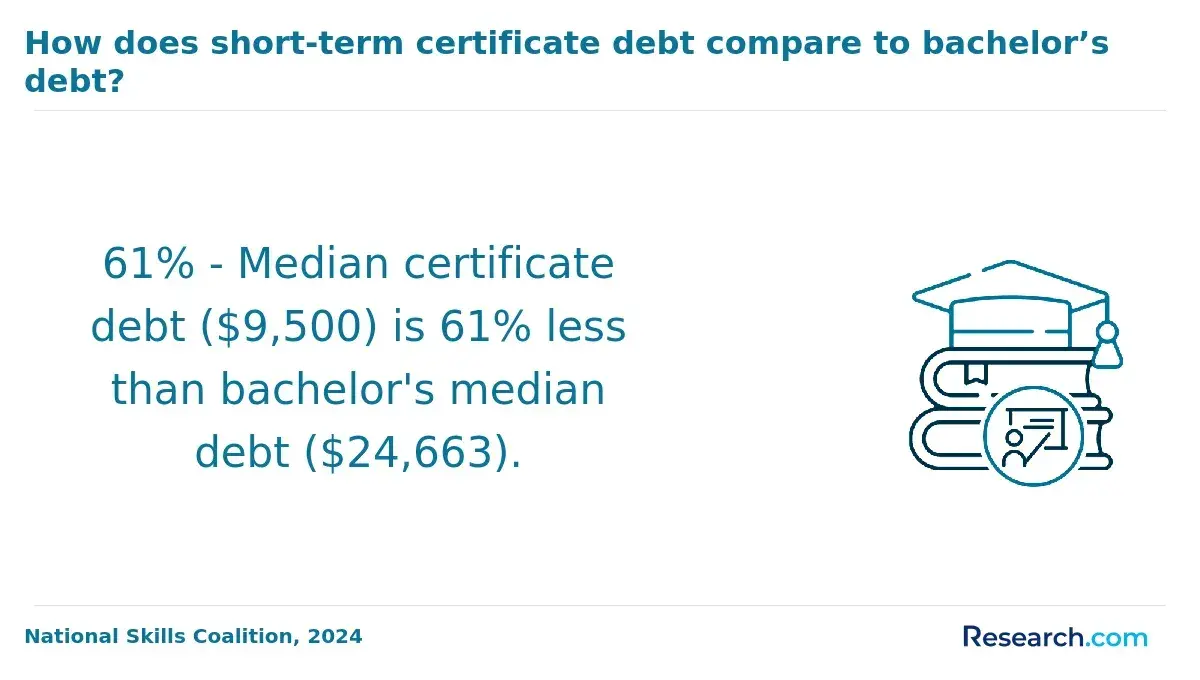
Comparing the investment value of an online exercise & sports science bachelor's degree against an associate degree or professional certificate involves analyzing tuition costs, salary expectations, and career growth potential from reliable sources like the Bureau of Labor Statistics and the National Center for Education Statistics.
- Cost Comparison: Bachelor's programs typically require $20,000 to $40,000 in tuition, while associate degrees range from $10,000 to $15,000. Certificates can be more affordable, often costing between $1,000 and $5,000.
- Median Salary: Graduates with a bachelor's degree can expect median annual earnings of $55,000 to $60,000. Those with associate degrees average $40,000 to $45,000, and certificate holders usually start near $30,000 to $35,000, with the possibility of salary increases over time through experience or specialization.
- Short-Term Investment: Certificates and associate degrees allow for quicker workforce entry and lower upfront expenses, making them appealing for students needing immediate income or those who cannot commit to extended study periods.
- Long-Term Returns: Over a decade or longer, bachelor's degree holders benefit from better job security, broader career advancement opportunities in areas like sports performance and rehabilitation, and higher earning potential.
- Non-Financial Benefits: Bachelor's degree programs also offer expanded critical thinking skills, access to internships and professional networks, and qualifications that may be mandatory for certification or licensure.
- These advantages support sustained career development beyond starting salaries.
- Decision Framework: Those facing tight budgets or first-generation college students might find certificates or associate degrees to be practical stepping stones. Meanwhile, working professionals aiming for leadership roles may find greater value in investing in a bachelor's degree.
- Risk and Reward: Although bachelor's programs demand more time and higher initial costs, the potential for increased career flexibility and salary growth typically justifies the commitment for long-term career planners in this field.
Graduates specializing in online exercise & sports science bachelor's programs tend to earn higher salaries than their generalist counterparts in similar fields. Specializations align students with niche roles that command better wages according to Bureau of Labor Statistics (BLS) data and industry research.
Here are some of the top-paying concentration tracks:
- Sports Medicine and Athletic Training: This focus prepares graduates for careers such as certified athletic trainers or physical therapy assistants. Median wages typically range from $50,000 to $60,000 annually. Licensure or certification is usually required, which raises educational costs but boosts job security and salary prospects.
- Exercise Physiology: Graduates enter rehabilitation centers, hospitals, or research environments. Median salaries are around $50,000, with potential growth through credentials like the Certified Clinical Exercise Physiologist (CEP).
- Strength and Conditioning: Targeting training for peak athletic performance, often in professional sports or collegiate programs, this specialization commands salaries between $45,000 and $70,000. Certification such as Certified Strength and Conditioning Specialist (CSCS) is commonly needed.
- Health and Wellness Coaching: Opportunities exist in corporate wellness and community health sectors, with earnings ranging from $40,000 to $60,000. Certifications like Certified Health Coach may be required, adding to upfront investment.
- Biomechanics and Sports Technology: Focused on research, product development, and ergonomics, this track offers median salaries exceeding $60,000 due to specialized technical expertise.
Specialized graduates often earn a 10% to 30% salary premium over generalist exercise & sports science peers, but additional costs for certifications and longer education timelines should be weighed carefully.
Those with prior relevant experience or credentials can shorten their time-to-return on investment, making certain concentrations more financially viable. Selecting a specialization involves balancing salary potential, certification requirements, and personal career objectives.
Employer tuition reimbursement programs can substantially lower the out-of-pocket cost of earning an online exercise & sports science bachelor's degree.
Under IRS Section 127, employers may offer up to $5,250 per year in tax-free educational assistance, helping employees manage tuition costs without increasing taxable income. Many companies adopt these benefits to promote workforce development, making degree completion more financially accessible for working professionals and career changers.
According to the Society for Human Resource Management (SHRM), about 60% of U.S. employers provide some form of tuition assistance, reflecting a widespread commitment to employee education.
These programs often cover a significant portion of tuition, easing the financial burden alongside other funding sources. When combined with federal financial aid options such as grants, scholarships, and subsidized loans, the net price of an online exercise & sports science degree can fall dramatically.
Grants and scholarships represent non-repayable funding that directly offset tuition charges. Subsidized loans reduce financial pressure further by deferring interest while the student is enrolled.
Many institutions also offer scholarships specific to exercise & sports science students, making this degree more affordable. For those evaluating program options, considering these layered supports can inform smart financial decisions aligned with professional and educational goals.
For example, a student facing $20,000 in annual tuition could use an employer's $5,250 Section 127 benefit along with a $7,500 federal Pell Grant and a $3,000 institutional scholarship to reduce their yearly costs to $4,250, a nearly 80% reduction. This strategic use of employer reimbursement, federal aid, and institutional scholarships is essential for students navigating tuition costs.
Working adults might also explore online rad tech programs as alternative paths within health sciences.
Regional accreditation assesses an entire institution's academic quality, ensuring faculty expertise, curriculum strength, and student support meet strict standards. In contrast, programmatic accreditation focuses on individual programs but often lacks the broad recognition that regional accreditation provides.
Employers tend to favor degrees from regionally accredited institutions, associating them with more complete and reliable education.
Data from the National Association of Colleges and Employers (NACE) shows that over 75% of hiring managers prefer candidates with regionally accredited degrees, linking this to better job readiness and higher salary offers.
The Society for Human Resource Management (SHRM) confirms that graduates from non-accredited or nationally accredited-only programs frequently struggle to negotiate salaries and may be excluded from some recruitment processes.
Choosing a program without proper accreditation can limit access to essential licensure exams, graduate studies, and roles in government and healthcare sectors.
Prospective students should confirm program accreditation using resources like the U.S. Department of Education's accreditation database or the Council for Higher Education Accreditation (CHEA) before enrolling.
- Exercise Physiologist: Median entry pay ranges from $45,000 to $55,000, with healthcare facilities like hospitals and rehab centers offering the best salaries. Certifications such as ACSM Certified Exercise Physiologist improve earning potential.
- Strength and Conditioning Specialist: Starting salaries typically fall between $40,000 and $50,000, especially within sports teams, government agencies, and fitness centers. Completing internships with college athletic programs can enhance early-career income.
- Health Coach: Entry-level pay usually runs from $35,000 to $45,000. Corporate wellness programs and tech-driven health platforms provide higher wages, while certifications like National Board Certified Health & Wellness Coach boost earnings.
- Rehabilitation Assistant: Initial salaries range from $30,000 to $40,000, often in outpatient therapy or hospital environments. Prior physical therapy experience or internships help increase starting offers.
- Fitness Trainer: Starting pay is roughly $30,000 to $40,000, with private clubs and upscale gyms typically offering better compensation. Specialized certifications importantly impact wage growth.
- Sports Science Technician: Salaries generally fall between $32,000 and $42,000. Government roles and research institutions lead in pay, while skills in data analysis or biomechanical assessment can raise income.
- Wellness Program Coordinator: Entry wages are around $38,000 to $48,000, mostly in corporate and educational sectors. Experience from prior internships in program management supports higher salaries.
- Physical Therapy Aide: Starting salaries hover near $28,000 to $38,000 in healthcare settings, with credentials and advanced degrees opening paths for salary advancement.
Healthcare and government sectors typically provide the highest entry compensation. Internships, certifications, and focused areas of study accelerate progress into upper salary ranges, shortening the timeline for recouping tuition expenses and maximizing return on investment.
What Graduates Say About the Return on Investment of Their Online Exercise & Sports Science Bachelor's Degree
- Joshua: "Choosing the online exercise & sports science bachelor's degree was a strategic move for me after analyzing its ROI versus traditional programs. The flexibility allowed me to work simultaneously, which significantly offset the costs. Beyond finances, the degree opened doors to advanced certifications and boosted my job security in an evolving fitness industry."
- Cindy: "Reflecting on my journey, the online exercise & sports science program offered more than just monetary value-it enhanced my professional credibility and expanded my network. While the tuition was reasonable, the true return came through career growth opportunities such as promotions and specialized roles. The convenience of online learning also meant I could integrate education with real-world experience seamlessly."
- Kate: "The impact of earning my online exercise & sports science bachelor's degree on my career was profound and multifaceted. I appreciated how the program struck a balance between affordability and quality education, making it a smart investment. Professionally, it propelled me into leadership positions and gave me the confidence to explore diverse paths within the sports science field."
Other Things You Should Know About Exercise & Sports Science Degrees
The time to recoup the cost of an online Exercise & Sports Science bachelor's degree varies but typically ranges from 3 to 7 years, depending on tuition expenses and starting salaries. Graduates often see a salary increase compared to those without a degree, which contributes to payback. However, individual factors such as prior work experience and the chosen career path can accelerate or extend this timeline.
Geographic location significantly impacts salary outcomes for Exercise & Sports Science graduates. Areas with higher costs of living and more demand for health and fitness professionals, such as metropolitan regions, tend to offer higher salaries. Industry sectors like healthcare, sports performance, and corporate wellness also differ, with specialized clinical or sports team positions generally paying more than entry-level fitness roles.
Most online Exercise & Sports Science bachelor's programs require an internship, practicum, or field experience totaling about 120 to 400 hours. Students usually complete it in a supervised fitness, rehabilitation, or sports setting, and some states or employers require prior background checks or CPR certification before placement.
- Return on Education for Bachelor’s Degrees | SoFi https://www.sofi.com/learn/content/roi-by-bachelor-degree/
- Exercise Science Degree Careers: The complete list https://traineracademy.org/blog/exercise-science-careers/
- Is College Worth It? A Comprehensive Return on Investment Analysis - FREOPP https://freopp.org/whitepapers/is-college-worth-it-a-comprehensive-return-on-investment-analysis/
- 25 Best Return On Investment Degrees in Sports Management (Bachelor's) 2021 - Sports Management Degree Guide https://www.sports-management-degrees.com/best-bachelors-roi/
- Bachelor of Science in Exercise Science, Fitness, and Nutrition Management (Completion Degree) https://catalog.bryanuniversity.edu/bachelor-of-science-in-exercise-science-fitness-and-nutrition-management-completion-degree
- Cost of Online College vs. Traditional | Champlain College Online https://online.champlain.edu/blog/cost-of-online-education-vs-traditional-education
- Fitness & Exercise Degrees: Associate, Bachelor's & Online Course Info https://learningpath.org/articles/Fitness_Exercise_Degrees_Associate_Bachelors_Online_Course_Info.html