2027 Part-Time vs Full-Time Online Exercise & Sports Science Bachelor's Degree Programs

Co-Founder and Chief Data Scientist
Juggling a part-time job while supporting a family, a mid-career professional seeks to pivot into Exercise & Sports Science without sacrificing income. The decision between enrolling in a full-time or part-time online bachelor's degree program poses significant challenges, especially when balancing responsibilities and educational goals.
Recent data shows that 42% of students pursuing online Exercise & Sports Science bachelor's degrees prefer part-time study due to work-life balance needs. Understanding the differences in pacing, cost, and outcomes can clarify this choice. This article explores the advantages and drawbacks of part-time and full-time online Exercise & Sports Science programs to guide informed decisions.
Key Benefits of Part-Time vs Full-Time Online Exercise & Sports Science Bachelor's Degree Programs
- Part-time programs offer greater scheduling flexibility, allowing students to balance coursework with work or family, while full-time programs require a more consistent weekly time commitment.
- Full-time students typically complete their degree in 3-4 years, whereas part-time students may take 5-7 years, affecting time to workforce entry and career advancement.
- Choosing part-time study often helps manage career and personal responsibilities but may delay earning potential; full-time study demands intensive focus but accelerates graduation.
What is the difference between part-time and full-time online exercise & sports science bachelor's degree programs?
Part-time and full-time online exercise & sports science bachelor's degree programs primarily differ in workload, pacing, and the amount of time students dedicate to their studies. Approximately 40% of undergraduate online students in the U.S. opt for part-time enrollment, demonstrating a significant demand for flexible scheduling options. This trend reflects the growing need for programs that accommodate varied life responsibilities and time commitments.
The following outlines key structural differences between part-time and full-time enrollment in online exercise & sports science programs.
Part-Time Online Programs
- Course Load: Students usually take 6 to 9 credit hours or fewer per semester, allowing them to balance academics with work or family obligations.
- Scheduling Flexibility: Part-time study offers considerable freedom in choosing when to complete coursework, which fits well with irregular work hours or personal responsibilities.
- Study Intensity: The lighter course load permits a more gradual pace, often reducing immediate academic pressure and spreading study demands over a longer period.
- Adaptability: Many students use part-time enrollment to manage their degree progress alongside unexpected life changes or evolving schedules.
Full-Time Online Programs
- Course Load: Full-time students typically enroll in 12 to 15 credit hours per term, engaging with multiple courses at once to advance through the program more quickly.
- Scheduling Commitment: This option demands a more consistent and structured time investment each week, which can require disciplined time management.
- Study Intensity: The concentrated course load often means higher short-term academic demands, with students needing to balance simultaneous assignments, exams, and projects.
- Momentum: Full-time study can support immersive learning with regular interactions and continuous engagement across subjects.
Prospective students seeking flexibility and manageable workload might also explore resources on what nursing programs are easy to get into, which offers insight into program access and enrollment patterns similar to those in exercise & sports science. Choosing the right pace allows better alignment with personal and professional goals.
How long does it take to complete part-time vs full-time online exercise & sports science bachelor's degrees?
Completion times for part-time and full-time online exercise & sports science bachelor's degree programs vary widely based on enrollment intensity and individual student pacing. According to the National Center for Education Statistics, the average bachelor's degree completion time is around 4.5 years, reflecting differences between full-time and part-time students. These factors significantly affect how quickly students earn their degrees. Below is a comparison of duration for part-time and full-time online exercise & sports science programs.
Part-Time Online Programs
- Extended Duration: Part-time students typically take fewer credit hours each semester, often lengthening degree completion to six years or more.
- Flexible Scheduling: Courses are offered with flexible timing to accommodate working adults, though limited availability may slow progress.
- Work-Life Balance: This pacing suits students balancing jobs or family, allowing steady progress without overwhelming commitments.
- Planning Required: Careful scheduling is essential to avoid delays caused by course sequencing and limited term offerings.
Full-Time Online Programs
- Faster Completion: Full-time enrollment usually involves 12 to 15 credit hours per semester, enabling degree completion in about four years.
- Consistent Progress: Structured semester schedules support steady advancement through required coursework.
- Heavier Course Load: The intensive pacing demands more time weekly but shortens total time to degree.
- Traditional Timeline: Aligns with average timelines for most U.S. bachelor's programs, facilitating predictable graduation planning.
For students exploring options, comparing duration differences between part-time vs full-time online exercise & sports science bachelor's degrees can help match academic goals with personal circumstances. Some may also consider related programs like a healthcare administration degree online as alternative paths with varying timelines and formats.
What is the workload for a part-time vs. a full-time online exercise & sports science bachelor's degree?
The workload for part-time and full-time online exercise & sports science bachelor's degree programs varies notably in course load, weekly study time, and pacing. Full-time students usually enroll in four to five courses each term, committing around 15 to 20 hours per week per class.
This totals about 60 to 80 hours weekly, spent on viewing lectures, completing assignments, engaging in discussions, and preparing for exams. Part-time students generally take one or two courses per term, dedicating 10 to 20 hours weekly depending on their course load. This slower pace offers greater flexibility, ideal for those balancing education with work or family obligations, though it extends the overall time needed to complete the degree.
The academic demands between full-time and part-time formats also differ in intensity. Full-time learners face a rigorous schedule with frequent deadlines across multiple subjects, requiring adept multitasking and consistent engagement. Time management skills are crucial as they must quickly grasp complex material while juggling several assignments and exams simultaneously.
Part-time students deal with fewer concurrent classes, which allows deeper focus on each subject, but they still encounter stringent deadlines and need discipline to maintain steady progress without procrastination. For both groups, managing time effectively is essential, but full-time students face greater immediate workload pressures.
Both part-time and full-time online exercise & sports science bachelor's degree programs can accommodate the needs of working adults, depending on their availability, capacity for managing coursework, and other personal obligations. Nearly 42% of online college students hold full-time employment, demonstrating the growing importance of flexible educational formats. The following points highlight critical factors to consider when choosing between the two enrollment options.
- Scheduling Flexibility: Part-time studies often provide greater adaptability, allowing students to align classes with variable work hours and family responsibilities. Full-time programs demand a consistent weekly schedule, which might be challenging for those with less predictable routines.
- Workload Intensity: Full-time students face a heavier credit load each semester, which can elevate stress levels and limit leisure time. In contrast, part-time enrollment spreads the coursework evenly over a longer period, reducing immediate pressure but extending the overall duration of study.
- Time Management: Those pursuing full-time status must juggle multiple assignments and deadlines simultaneously, requiring strong organizational abilities. Part-time students handle fewer courses per term, easing short-term demands but requiring sustained focus over a more extended timeline.
- Graduation Timeline: Full-time attendance generally leads to completing the degree within four years, while part-time learners may take six years or longer, impacting long-term educational and career planning.
When I spoke with a working professional enrolled in an online exercise & sports science bachelor's degree, she shared her experience balancing a demanding job and study. She explained that starting part-time gave her the chance to adjust to online learning without feeling overwhelmed, but there were moments of doubt as progress seemed slow.
Gradually increasing her course load as she grew more confident helped her manage stress and stay motivated. "It's been a challenging journey, but pacing myself allowed me to maintain a healthy balance between work, school, and family," she reflected. This personal insight underscores how individual circumstances influence the best fit between part-time and full-time studies.
Many online Exercise & Sports Science bachelor's degree programs provide flexibility for students to shift between part-time and full-time enrollment based on their academic progress, work schedules, or personal needs. This flexibility supports nontraditional students, such as working adults, who often adjust their study load to balance education with other responsibilities.
A national survey reveals that almost 40% of online learners alter their enrollment status at least once during their program, highlighting a significant trend in flexible learning approaches. Such adaptability allows learners to better manage changing circumstances without disrupting their academic journey. Those interested in related certifications might explore fields like medical coding and billing certification, which also offer online options.
When switching from part-time to full-time study or vice versa, students must consider several factors. Increasing course load often means a heavier academic workload and potentially higher stress, while part-time attendance typically extends the time needed to complete the degree.
Additionally, the pacing of the program changes, affecting graduation timelines and scheduling. Institutional policies may include deadlines or require formal permission to change enrollment status, which can influence timing and course availability. It's essential for students to review these aspects carefully to make an informed transition that fits their goals and life situation.
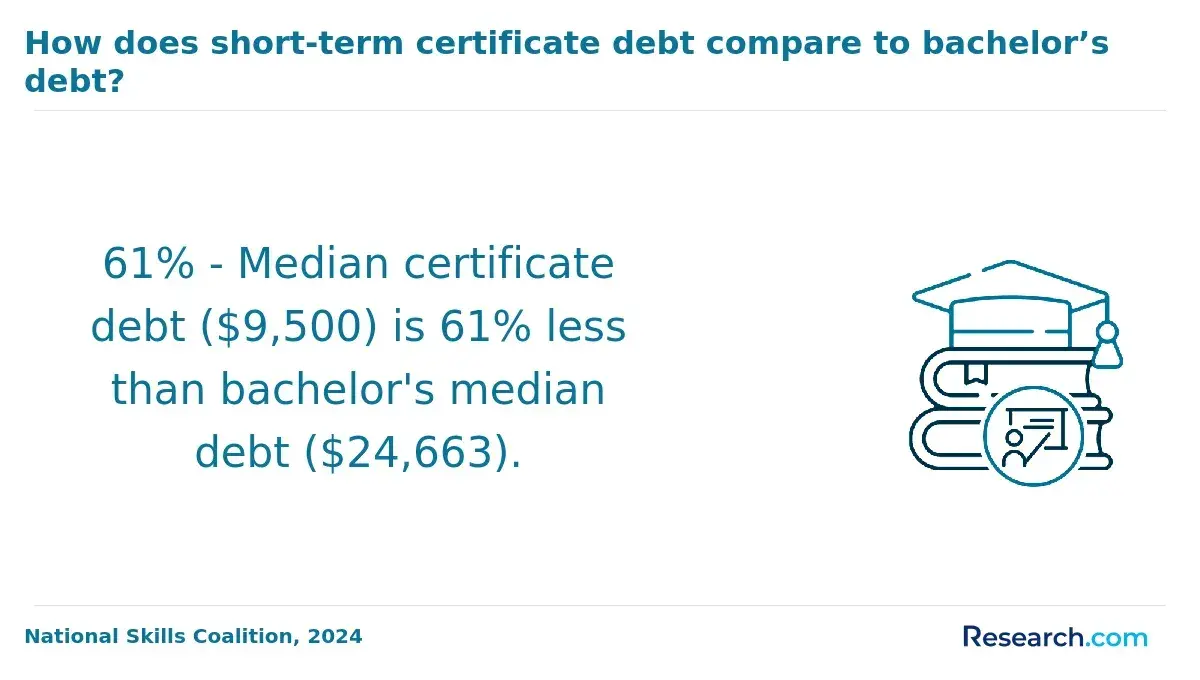
Tuition for online exercise & sports science bachelor's degrees varies widely depending on whether students enroll part-time or full-time, how quickly they progress, and each institution's pricing approach. A recent national survey found that annual tuition for these programs typically ranges between $5,000 and $15,000, influenced largely by credit load and rate structures.
Below is a breakdown of tuition patterns across different enrollment types.
Part-Time Online Programs
- Per-Credit Pricing: Tuition is usually charged per credit hour, allowing students to pay only for the courses they take each term, which helps align costs with varying schedules.
- Extended Payment Period: Since part-time students take fewer credits per term, their tuition payments are distributed over a longer timeframe, which can ease short-term financial strain but may increase total paid tuition.
- Flexible Budgeting: The ability to adjust course loads semester to semester offers adaptability, though overall program length and cumulative costs may fluctuate.
- Additional Fees: Some schools may add charges for online delivery or prolonged enrollment periods, potentially affecting the final costs for part-time learners.
Full-Time Online Programs
- Flat-Rate Tuition: Many institutions offer a fixed tuition fee for full-time students that covers a set number of credits or unlimited courses per term, providing predictable semester costs.
- Accelerated Completion: Paying tuition in larger, fewer installments aligns with a faster pace toward degree completion, which can reduce total time spent enrolled.
- Lump-Sum Payments: Students typically incur higher per-term costs due to increased credit loads, making budgeting a more concentrated expense per semester compared to part-time options.
- Cost Consistency: Flat-rate structures help full-time students avoid variations in tuition from term to term, simplifying financial planning.
One graduate of an online exercise & sports science bachelor's degree shared that balancing tuition payments was a significant challenge early on. He explained that opting for part-time enrollment initially allowed him to "manage expenses without overwhelming my budget," though it extended his timeline and meant paying tuition multiple times over several years.
Transitioning to full-time later added pressure with higher semester bills but brought relief from the drawn-out financial commitment. Reflecting on the process, he said, "The choice between part-time and full-time wasn't just academic; it was deeply tied to how I could handle tuition flows." This perspective highlights how tuition structure influenced his overall educational experience beyond just costs.
Financial aid availability for online exercise & sports science bachelor's degrees depends largely on a student's enrollment status, eligibility requirements, and institutional policies. Nearly 40% of part-time undergraduate online students still receive some form of financial aid, demonstrating that funding options exist beyond full-time enrollment. These factors influence how much aid students can access and highlight the varying support levels available for part-time versus full-time learners.
Below is a comparison of common financial aid types and their application to part-time and full-time online exercise & sports science students:
- Federal Pell Grants: Full-time students typically qualify for larger Pell Grant awards based on financial need, while part-time students receive prorated amounts reflecting their reduced course load.
- Federal Direct Student Loans: Both enrollment types are eligible for these loans, but full-time students often have higher borrowing limits and access to greater loan amounts.
- Institutional Scholarships: Many scholarships prioritize full-time enrollment, though certain institutions create awards specifically for part-time students balancing work and study commitments.
- State Grant Programs: These vary significantly by state; most favor full-time students, yet some allow part-time learners to qualify if they meet minimum credit requirements.
- Work-Study Programs: Typically reserved for full-time students, limiting work-study opportunities for many part-time online exercise & sports science enrollees.
Deciding between part-time and full-time online exercise & sports science bachelor's programs involves balancing personal commitments and educational goals. Both formats come with distinct advantages and challenges, affecting flexibility, workload, and timeline. The following pros and cons highlight key considerations for prospective students.
Pros
- Flexibility: Part-time study allows working adults and those with family responsibilities to better manage learning alongside other duties.
- Gradual Learning: Part-time pacing helps absorb complex material over time, suiting students who prefer less intensity.
- Faster Completion: Full-time programs enable quicker degree attainment, ideal for those eager to enter or shift careers.
- Immersive Experience: Full-time study fosters deeper engagement and a more cohesive understanding of exercise & sports science topics.
Cons
- Extended Timeline: Part-time students often take several years longer to graduate, potentially delaying career progress.
- Motivation Challenges: Maintaining focus over a prolonged part-time schedule can be difficult without immersive dynamics.
- High Time Commitment: Full-time study demands significant hours, which can overwhelm those balancing jobs or family.
- Burnout Risk: Intense workloads may lead to stress if support and time management are inadequate.
When comparing flexibility and workload in online exercise & sports science bachelor's programs, it's also helpful to understand related credentials that may impact career prospects, such as differences in CCS certification.
About 78% of employers emphasize relevant skills and hands-on experience over whether a degree was earned online or in person. This data reflects a growing trend toward skills-based hiring, which significantly affects how part-time versus full-time online Exercise & Sports Science career outcomes are assessed. Understanding this perspective helps clarify how enrollment status factors into employment prospects.
Both part-time and full-time paths bring unique benefits and challenges that impact career success as detailed below.
- Skill Development: Full-time students often gain skills rapidly due to immersive study, while part-time learners build knowledge more gradually and can immediately apply concepts in their current jobs, enhancing practical understanding.
- Work Experience Integration: Part-time students frequently juggle employment in exercise & sports science fields alongside studies, providing direct workplace experience that can strengthen resumes and professional networks.
- Degree Credibility: Employers tend to value the accreditation and reputation of a program far more than whether a candidate studied full-time or part-time, so choosing high-quality kinesiology online programs is crucial.
- Progression Opportunities: Full-time students may more easily access internships and campus resources, but part-time learners leverage ongoing career roles to advance within their professions, blending education with real-time growth.
- Time Management and Motivation: Part-time learners demonstrate strong self-discipline and adaptability, traits highly regarded by employers and beneficial for long-term career development in exercise & sports science.
Ultimately, whether enrolled part-time or full-time, candidates who combine relevant experience with program quality increase their employment prospects in the competitive Exercise & Sports Science field. For prospective students comparing options, exploring the best kinesiology online programs can provide valuable guidance on the path that fits their goals and schedules.
Deciding between part-time and full-time online exercise & sports science study demands thoughtful planning to balance demands and expectations. A 2023 National Student Clearinghouse report found nearly a 30% drop in online student retention during the first year, often linked to workload challenges and poor time management. Below are common mistakes to watch out for when choosing your study path.
- Underestimating Workload: Full-time students may overcommit, assuming they can juggle coursework with jobs or family, risking burnout. Part-time students sometimes overload semesters to finish faster, which reduces flexibility and increases stress.
- Poor Time Management: Both study modes struggle to create consistent study routines, especially for working adults. Without scheduled focus time, students can miss deadlines and fall behind.
- Schedule Conflicts: Part-time learners might pick courses that seem asynchronous but still require live sessions or exams at difficult times. Full-time students often neglect to verify project deadlines and practicum hours in advance, leading to last-minute pressure.
- Unrealistic Expectations: Believing online degrees are easier causes full-time students to become overwhelmed, while part-time students might expect a faster completion timeline than their available hours allow.
- Ignoring Support Networks: Not engaging with advisors, tutors, or peers reduces accountability and access to help, making academic setbacks more likely for all students.
What Graduates Say About Part-Time vs Full-Time Online Exercise & Sports Science Bachelor's Degree Programs
- Lennon: "Choosing the full-time online exercise & sports science bachelor's program was a game-changer for me because it allowed me to immerse myself deeply without compromising my early career progress. The structured schedule kept me accountable, even when juggling intensive coursework with practical assignments. Since graduating, I've noticed a significant boost in my confidence and credibility working as a sports performance coach."
- Forest: "Balancing a part-time online exercise & sports science degree with family responsibilities was challenging but rewarding. The flexibility to study evenings and weekends enabled me to stay consistent without feeling overwhelmed. Reflecting on my journey, this program was pivotal in opening doors to roles in rehabilitation therapy that I hadn't considered before."
- Leo: "Pursuing the full-time online exercise & sports science bachelor's allowed me to focus solely on developing specialized knowledge and research skills. While navigating the fast pace demanded strong time management, it sharpened my professional discipline. This degree has unquestionably enhanced my qualifications, leading to a promotion as a clinical exercise physiologist."
Other Things You Should Know About Exercise & Sports Science Degrees
In 2027, financial aid eligibility varies between part-time and full-time students in online exercise & sports science bachelor's degree programs. Typically, full-time students receive more financial aid opportunities. However, part-time students can still access certain types of aid, such as grants and scholarships, depending on the institution and specific program details.
Yes, many part-time online exercise & sports science programs include options for internships, lab work, or practicum experiences compatible with a flexible schedule. Students should plan ahead with their advisors to arrange practical components that fit their part-time course load.
Yes, many programs require current CPR and first aid certification before students begin an internship or practicum. Some schools specify American Heart Association or Red Cross certification, and the credential often must remain valid through the placement, which is commonly 120 to 300 supervised hours.
- Bachelor of Science (Exercise and Sports Science) https://www.ecu.edu.au/degrees/courses/bachelor-of-science-exercise-and-sports-science
- Exercise Science Careers: Paths with Degrees https://fitnessmentors.com/exercise-science-careers/
- Switching from part time to full time https://www.thestudentroom.co.uk/showthread.php
- Top 15 Affordable Exercise Science Degree Online Programs https://www.sports-management-degrees.com/affordable-online-bachelors-sports-science/
- Full-time, part-time, online - which study mode is right for you? https://www.studentspace.pl/en/blog/post/studia-stacjonarne-zaoczne-wieczorowe---ktory-tryb-wybrac
- Kinesiology vs. Exercise Science vs. Sport Performance https://www.pointloma.edu/resources/health-sciences/kinesiology-vs-exercise-science-vs-sport-performance
- Sport and Exercise Science, BSc https://www.gre.ac.uk/undergraduate-courses/eduhea/c600
- Sport and Exercise Science https://www.unisc.edu.au/study/courses-and-programs/sport-and-exercise-science
- What you can do with a degree in Exercise and Sport Science: careers and opportunities in Australia today https://www.curtin.edu.au/news/advice/exercise-sport-science-careers-australia/
- Is it possible to transfer from full-time to part-time and vice versa? https://bizbase.techinfus.com/en/mojno-li-perevestis-s-ochnogo-na-zaochnoe-i-naoborot.html