2027 Gender & Sexuality Studies Degree Growth by State: Where Interest Is Rising the Fastest

Co-Founder and Chief Data Scientist
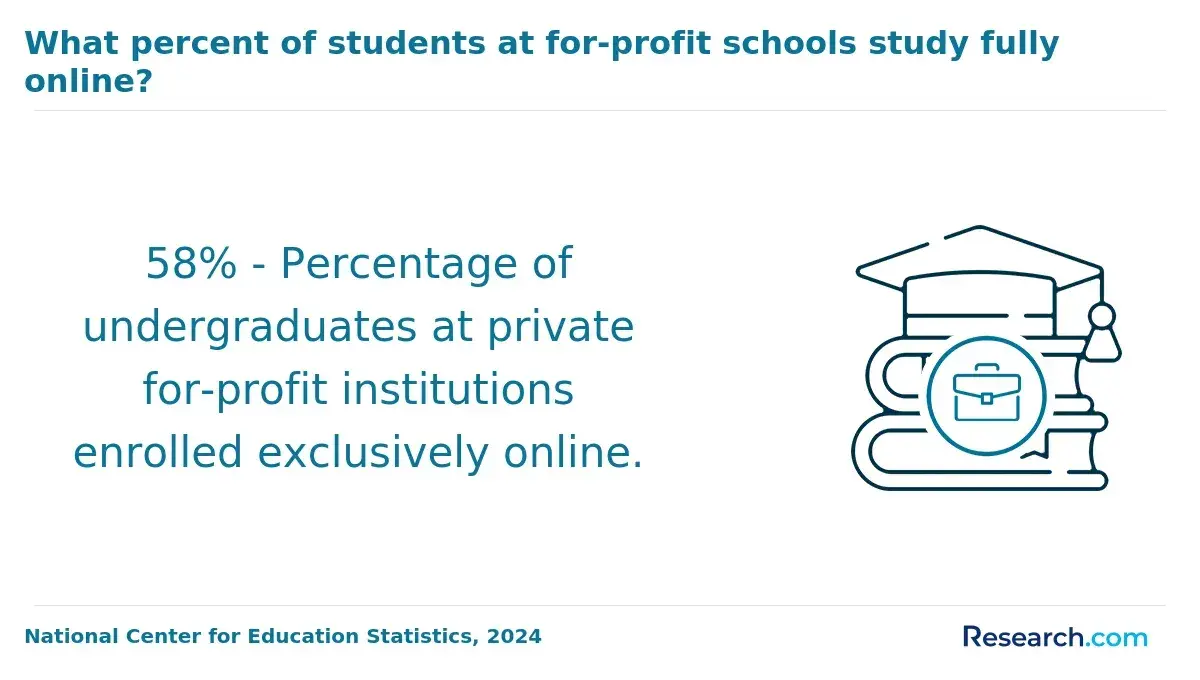
States experiencing the fastest growth in gender & sexuality studies degree enrollment face distinct economic, demographic, and regulatory dynamics shaping that expansion. For example, regions with increasing adult learner populations and broadening online education access report accelerated admissions, according to a 2024 National Center for Education Statistics update. This trend signals shifting enrollment behaviors driven by workforce demands for culturally competent professionals and flexible study formats.
Understanding these localized factors is crucial for prospective students weighing program timing, regional career mobility, and the practical payoff of a gender & sexuality studies credential amid evolving institutional landscapes and labor market expectations.
Key Things to Know About the State Where Gender & Sexuality Studies Degree Interest Is Rising the Fastest
- California's expanding enrollment benefits from targeted institutional investments in inclusive curricula, yet rising tuition outpaces wage growth, forcing students to weigh debt burden against eventual employment in often nonprofit-focused roles.
- Florida's regulatory shifts enabling broader online program access reflect workforce demands for flexible credentials, highlighting a tradeoff between accelerated completion and depth of comprehensive critical theory training.
- New York's demographic diversity drives employer interest in graduates versed in intersectional analysis, signaling growing demand for specialized cultural competence despite competitive job markets that constrain rapid career advancement.
- Which States Are Seeing the Fastest Growth in Gender & Sexuality Studies Degree Enrollment? States Seeing the Fastest Growth in Enrollment
- What Does Enrollment Growth in Gender & Sexuality Studies Programs Actually Tell Prospective Students? Interpreting Enrollment Growth
- How Do Regional Job Market Conditions Drive Gender & Sexuality Studies Degree Demand by State? Role of Regional Job Market Conditions
- Which States Have Added the Most New Gender & Sexuality Studies Degree Programs in the Last Five Years? States That Have Added the Most Programs
- How Has the Rise of Online Education Changed Which States Lead in Gender & Sexuality Studies Program Interest? Role of Online Education in Increased Program Interest
- What Demographic Trends Are Fueling Gender & Sexuality Studies Degree Growth in Specific States? Demographic Trends Fueling Growth
- How Do State Funding Levels for Gender & Sexuality Studies Services Influence Degree Program Growth? Role of State Funding Levels
- Which States Are Emerging as Unexpected Leaders in Gender & Sexuality Studies Degree Interest? States Emerging as Unexpected Leaders in Growth
- How Does State Population Size Affect the Interpretation of Gender & Sexuality Studies Degree Growth Data? Role of State Population Size
- What Role Do State Licensing Requirements Play in Driving or Suppressing Gender & Sexuality Studies Enrollment? Role of State Licensing Requirements
Which States Are Seeing the Fastest Growth in Gender & Sexuality Studies Degree Enrollment?
Enrollment growth in graduate and undergraduate gender & sexuality studies degree programs nationally reflects not only expanding academic interest but also evolving workforce demands and social policy priorities. Among states exhibiting the fastest increases, distinct regional and institutional scenarios shape these trends and influence employment outcomes.
For students considering program choices, understanding where growth concentrates can inform decisions tied to career trajectories, licensure environments, and regional labor markets that value specialized expertise in gender and social justice frameworks.
- California: Leading enrollment growth corresponds with a sizable and diverse population base, where public universities expand gender & sexuality studies in response to intersecting social advocacy and workforce needs, particularly within urban centers demanding cultural competency in public health and education sectors.
- New York: The state's urban universities embed gender & sexuality studies within interdisciplinary policy and social science curricula, reflecting labor markets that increasingly seek graduates fluent in navigating complex diversity, equity, and inclusion (DEI) initiatives.
- Oregon: Growth here is aligned with progressive policy climates, where academic programs emphasize activism and community engagement—preparing graduates for roles in nonprofit management, social services, and research that require both critical theory and applied knowledge.
- Texas: Growth is notably metropolitan, with universities serving diverse demographics even amid broader conservative political contexts. This duality creates nuanced employment landscapes where graduates often balance advanced cultural literacy with pragmatic service delivery in healthcare and education.
- Massachusetts: Dense networks of higher education institutions prioritize gender studies as essential to liberal arts and social services career pathways, with strong ties to credentialing bodies that influence workforce mobility in clinical and advocacy roles.
These states reveal growth patterns that are neither exclusively coastal nor exclusively inland but rather distributed based on local policy environments, institutional priorities, and labor market receptiveness to gender- & sexuality-studies expertise. Later sections will dissect the economic drivers and regulatory factors shaping enrollment trends, clarifying why raw enrollment momentum provides insights into program sustainability and graduate employability.
Additionally, students evaluating options should consider how this expansion intersects with credential recognition and professional licensing—key elements determining access to employment niches in social work, community health, and policy sectors. For those exploring pathways like an MSW degree, grasping these dynamics is critical to aligning academic investment with long-term career viability.
What Does Enrollment Growth in Gender & Sexuality Studies Programs Actually Tell Prospective Students?
Rising enrollment in gender & sexuality studies programs can signal increased interest but does not inherently confirm program quality or career value. Prospective students must weigh enrollment data against multiple performance indicators to avoid misinterpreting growth that may stem from factors unrelated to educational rigor or job market alignment.
Raw enrollment figures offer a preliminary glimpse into program popularity but fail to capture critical dimensions like student retention, graduation success, and employment outcomes. For example, a program rapidly expanding due to relaxed admission criteria might inflate numbers without delivering adequate preparation or career support.
Conversely, programs experiencing steady enrollment growth backed by strong graduation rates and job placement reflect greater institutional strength and relevance in the labor market.
Below are some factors to consider:
- Context: Enrollment growth should be analyzed alongside retention and graduation rates to assess whether programs effectively sustain student progress and degree completion.
- Outcomes: Employment rates, licensure pass rates when relevant, and the ability of graduates to secure meaningful work provide essential insight into how well programs translate academic learning into career readiness.
- Quality vs. Quantity: Authentic growth arises from academic rigor and labor demand rather than aggressive recruitment or loosening admissions, which can undermine graduate preparedness.
- Labor Market Alignment: Awareness of regional economic conditions and employer expectations is crucial to identifying whether program graduates will find stable, opportunity-rich environments.
- Direct Research: Engaging with current students and alumni offers unfiltered perspectives on program strengths, challenges, and real-world outcomes beyond institutional marketing claims.
How Do Regional Job Market Conditions Drive Gender & Sexuality Studies Degree Demand by State?
Labor market conditions at the state level critically shape demand for gender & sexuality studies professionals, directly influencing where graduate program enrollment grows most rapidly. Regions with robust healthcare systems and expanding public sectors generate more openings for individuals with specialized expertise in gender, diversity, and inclusion.
These openings often appear within public health, education, and community advocacy roles, offering graduates clearer pathways to employment. Employer-driven incentive initiatives and targeted recruitment practices amplify these effects by signaling viable career prospects. Students targeting a graduate degree benefit by aligning their choices with states where labor market dynamics suggest substantial, sustained demand.
- California: The state's expansive healthcare network and progressive public sector fuel consistent growth in positions related to behavioral health, diversity training, and advocacy. This environment supports a large volume of entry- to mid-level roles requiring relevant credentials.
- New York: Large urban school districts and public agencies emphasize inclusive education and equity initiatives. Workforce projections indicate steady demand for specialists and administrative staff focused on gender and sexuality inclusion, boosting enrollment interest.
- Massachusetts: Home to dense research centers, hospitals, and nonprofits prioritizing equity, this state sees heightened requisites for professionals with an advanced understanding of gender studies, including licensure-dependent and community leadership roles.
- Washington: Investments in public health and employer diversity programs are driving rapid job growth. Collaboration between universities and social justice organizations enhances practicum opportunities that attract graduate candidates.
- Texas: Growth in public education and healthcare sectors increases the need for culturally competent outreach professionals, reflected in rising workforce demand for credentialed experts.
Prospective students should carefully analyze state workforce reports and Bureau of Labor Statistics occupational outlooks to assess regional job market impact on gender & sexuality studies degree demand. Such research informs realistic expectations around practicum placements and post-graduation salary negotiation leverage in targeted locales.
For career changers and geographically flexible students, factoring these regional variations mitigates risks of misaligned educational investments and supports strategic program selection that corresponds with labor market realities.
For those evaluating affordability alongside demand, exploring resources like the cheapest business administration degree online can provide additional insights into cost-effective educational pathways complementary to their broader career plans.
Which States Have Added the Most New Gender & Sexuality Studies Degree Programs in the Last Five Years?
Growth in gender & sexuality studies degree programs over recent years is unevenly distributed across the US, reflecting diverse state policies and market dynamics that directly influence program structure and student outcomes. States with notable expansions are driven by a mix of accreditation mandates, targeted public funding, and strategic responses to workforce demands in social services and education fields.
However, this proliferation introduces important tradeoffs for prospective students, including varying tuition costs, scholarship competitiveness, and program specialization that require careful navigation.
- California: Hosts a significant surge in new programs and online options, fueled by state grants prioritizing inclusivity and social equity. This leads to rapidly growing enrollments but also intensifies competition for financial aid and entrance into established institutions.
- New York: Experienced both fresh launches and increased capacity in existing programs. Accreditation tied to regional diversity benchmarks spurs this growth, allowing for focused concentration areas but raising the stakes around scholarship access due to heightened demand.
- Texas: Expansion mainly involves established programs adopting online tracks to reach dispersed populations. State-designated workforce shortages in education and social services incentivize public universities but also reflect localized employment constraints graduates face.
- Washington: Progressive educational funding encourages new accredited programs emphasizing cultural competency. Urban centers benefit from widened student choices, although program growth may not evenly translate to employment opportunities outside these hubs.
- Massachusetts: Growth is more measured, centered on intersectionality and critical theory programs within competitive research university clusters. Students encounter premium tuition with richer scholarship pools but should weigh long-term return on investment given local job market saturation.
- Institutional Drivers: Accreditation requirements and workforce shortage designations compel expansions, while peer institutional competition amplifies program availability, shaping a demanding educational landscape that favors adaptive, niche offerings.
- Student Implications: Greater program variety within states increases options for specialization but also heightens competition for financial aid. Prospective enrollees should compare internal state program nuances rather than rushing into the institution with the broadest offerings.
- Workforce Considerations: Expanded program access reflects employer demand for culturally competent professionals, yet does not guarantee improved job prospects. Students must assess program reputation and local labor markets critically to align education with realistic career pathways.
A recent graduate recalled a challenging admissions cycle marked by rolling application deadlines across states with growing gender & sexuality studies programs. She hesitated to commit early, weighing programs' evolving curricular offerings and scholarship notifications, delaying her application submission in hopes of a better fit. This pause created uncertainty, as some programs reached full capacity before her final decisions.
Ultimately, she gained admission to a program that had expanded its online track, which proved valuable for balancing her ongoing employment. Her experience underscores the importance of timing and strategic planning amid fluctuating program availability in this rapidly changing field.
How Has the Rise of Online Education Changed Which States Lead in Gender & Sexuality Studies Program Interest?
The expansion of fully online gender & sexuality studies programs has fundamentally shifted which states dominate student interest by removing geographic limitations that traditionally confined enrollment to local or nearby schools. Now, states with reputable, accredited, and competitively priced online programs, often located in the Northeast and on the West Coast, attract a wide pool of out-of-state learners who prioritize curriculum quality and affordability over physical proximity.
This has created new regional hubs that serve diverse, nationwide student bodies rather than just local populations, altering the landscape of graduate education in this field.
- Geographic Decoupling: The online format eliminates commuting or relocation barriers, enabling students from areas with limited gender & sexuality studies options to enroll elsewhere without uprooting their lives—expanding access and increasing program diversity.
- Program Reputation: Institutions with rigorous faculty and innovative curricula draw strong out-of-state demand, transcending historical regional enrollment patterns and giving some states outsized influence in national degree production.
- Tuition and Costs: States that manage online tuition strategically attract more applicants, as prospective students weigh price against expected long-term returns and affordability against reputation.
- Implications for Students: While access widens, prospective enrollees must still consider differing state licensure or certification requirements that could restrict post-graduate employment opportunities despite a program's online reach.
- Institutional Impact: States hosting premier online providers gain economic and cultural capital but face demands to maintain academic quality and relevancy for a more geographically and professionally heterogeneous student body.
What Demographic Trends Are Fueling Gender & Sexuality Studies Degree Growth in Specific States?
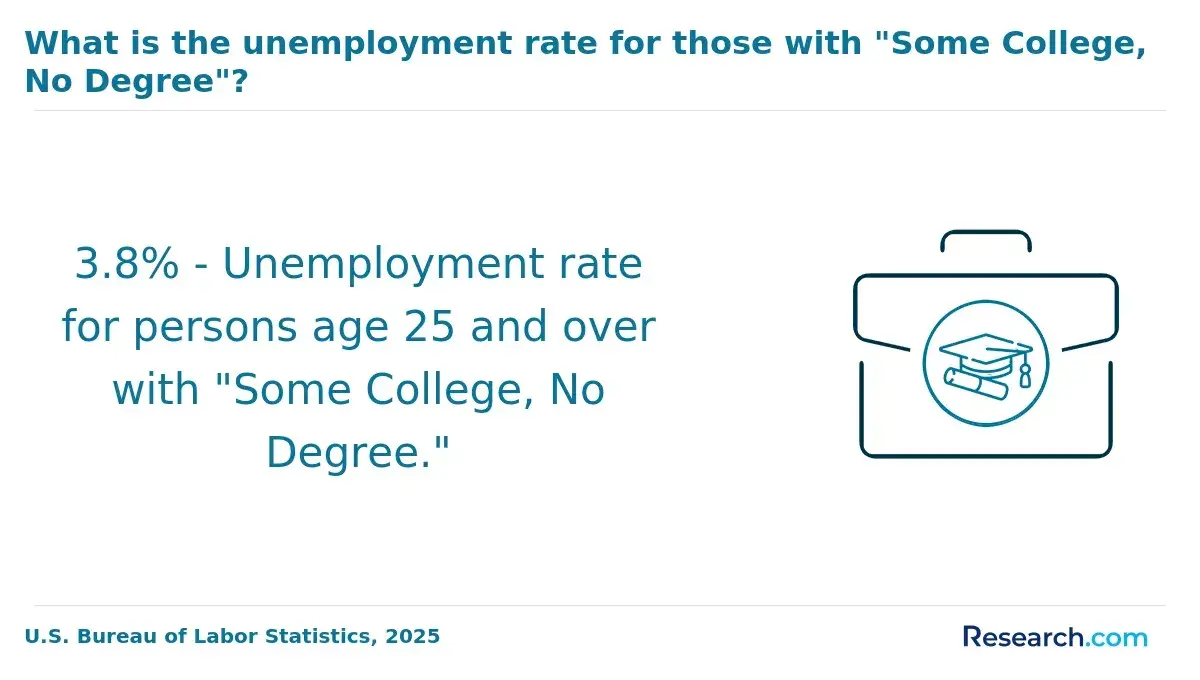
Enrollment growth in gender & sexuality studies degree programs is closely tied to specific demographic shifts that shape workforce demand on a state-by-state basis. For example, states with younger, more diverse populations typically require more professionals trained in identity-affirming services, while regions with aging populations might see a plateau or decline in demand. This means that students decide not only where to study but also where their qualifications will remain relevant in the job market over time.
- Population Aging: Younger states often show stronger enrollment growth as their education and social service sectors expand to meet the needs of diverse youth cohorts. In contrast, states experiencing rapid aging tend toward workforce prioritization in healthcare fields less related to gender and sexuality topics, dampening growth in these academic programs.
- Immigration Patterns: States attracting immigrants from culturally diverse backgrounds stimulate interest in gender & sexuality studies, as these communities increase demand for culturally competent professionals. This drives enrollment growth tied to public institutions adapting to demographic diversification.
- Urbanization: Metropolitan areas with robust nonprofit, healthcare, and education infrastructures focused on gender identity issues create pockets of concentrated enrollment increases. Such clusters reflect both academic and employment opportunities rarely mirrored in rural or less urbanized states.
- K-12 Enrollment Growth: States investing in public education expansion often incorporate inclusive curricula that depend on trained gender & sexuality studies specialists, linking K-12 growth with higher academic program demand in these fields.
- Mental Health Diagnosis Rates: Higher rates of identified mental health conditions related to gender identity and sexual orientation among youth compel states to enhance specialist workforce capacity. Public health initiatives correspondingly raise enrollment as institutions respond to increased service demand.
Because these demographic factors vary widely by region, prospective students should analyze state-specific data rather than rely on national trends when evaluating enrollment growth in gender & sexuality studies degree programs. States aligned with durable demographic drivers generally offer more sustainable career prospects in this specialty, reducing the risk of entering saturated or shrinking local labor markets.
Professionals considering a return to school or career changers in this field may also benefit from reviewing broader program outcomes and local licensure landscapes, including comparisons with related fields—such as how demand might contrast with a "Is project management a good degree?" inquiry—before committing to a particular path.
How Do State Funding Levels for Gender & Sexuality Studies Services Influence Degree Program Growth?
States that allocate consistent and meaningful public funding to gender & sexuality studies services directly influence the expansion and vitality of related degree programs. Robust investment in Medicaid reimbursements, block grants, school-based mental health, and community health centers creates a dependable foundation for employment opportunities, which universities leverage to justify growing their academic offerings.
In contrast, states with insufficient or erratic funding face program stagnation or contraction as graduates often migrate to better-resourced jurisdictions, draining local talent and discouraging institutional investment. This funding dynamic shapes not only enrollment but also curriculum development linked to evolving workforce demands.
- Funding Stability: States with reliable or increasing public support foster program confidence by signaling steady professional demand across healthcare, education, and advocacy sectors.
- Employment Pipeline: Adequate funding sustains a viable job market that attracts students and incentivizes institutions to innovate and expand degree options.
- Graduate Retention: Regions with limited resources commonly experience "brain drain" as alumni seek careers in states with stronger service infrastructures.
- Legislative Trends: Monitoring recent legislative appropriations provides insight into the future resilience of gender & sexuality studies ecosystems and graduate employability.
- Program Transparency: Prospective students should request data on graduate employment rates within the state five years post-graduation to assess practical program outcomes.
A recent graduate recounted the challenge of navigating program applications amid fluctuating state funding landscapes. Uncertainty about when financial commitments would stabilize led to delayed admissions decisions from several schools, causing the graduate to hesitate before submitting materials.
The drawn-out process heightened anxiety about future job prospects and program viability, making the eventual acceptance a relief but underscoring the real impact of funding fluctuations on student confidence and timing in pursuing advanced study.
Which States Are Emerging as Unexpected Leaders in Gender & Sexuality Studies Degree Interest?
States historically peripheral in graduate gender and sexuality studies degree enrollment are now seeing notable growth, driven by policy shifts and targeted funding rather than traditional academic prestige. This introduces practical tradeoffs: lower competition and tuition may attract students, but volatile political climates and emerging program reputations can affect long-term career returns.
For example, a graduate student choosing Utah's new interdisciplinary programs gains access to innovative curricula through interstate consortiums but faces uncertainty as conservative state policies may limit future program resources, impacting both experiential learning opportunities and employer networks.
- Utah: Enrollment gains stem from newly accredited interdisciplinary programs at public universities combined with participation in interstate educational compacts that extend curricular reach. Growth sustainability depends on advocacy amid a conservative political environment potentially limiting support beyond short-term federal funds.
- Kentucky: Workforce development grants targeting social equity have accelerated funding for graduate programs focused on gender and sexuality studies. Despite opportunities in healthcare and social services fields emphasizing cultural competency, programs remain young, with limited academic infrastructure that could constrain immediate graduate employability.
- Arizona: Growth links to expanded offerings at public research universities and increased enrollment by veteran and Hispanic populations, spurred by state diversity initiatives. However, political shifts risk program continuity if funding priorities change, affecting graduate placement consistency.
- North Carolina: Strategic collaborations with advocacy and public health organizations have stabilized program growth by addressing local workforce demands in mental health and outreach, supporting career changers through adaptable admissions. Competitive entry reflects rising visibility but also stronger employer recognition within specialized niches.
These fastest-growing gender and sexuality studies programs in US states demonstrate that emerging regions offer tangible benefits like less competitive admissions and often reduced tuition costs. Yet, these advantages must be carefully weighed against the developing nature of academic resources and local employer networks.
Students seeking practical, career-oriented graduate study should thoroughly evaluate whether the immediate enrollment growth in these states aligns with durable professional opportunities, especially given the variability introduced by evolving state policies and funding mechanisms. The timing of admissions cycles and the availability of specialized internship placements also differ from coastal programs, influencing employability outcomes.
For those navigating degree options, exploring MBA programs easy to get into reveals parallels in how less competitive markets may boost access but require strategic consideration of long-term value.
How Does State Population Size Affect the Interpretation of Gender & Sexuality Studies Degree Growth Data?
Interpreting growth in gender & sexuality studies degrees demands careful consideration of each state's population size rather than relying solely on raw enrollment numbers. For example, a large state adding 2,000 new graduates annually may appear to lead in absolute terms, but a smaller state adding 300 graduates represents a stronger per-capita increase. This per-capita growth better reflects genuine market expansion and unmet demand, signaling where educational programs and workforce pipelines are developing rapidly relative to population.
State population impact on gender and sexuality studies growth is crucial because absolute numbers alone can obscure local saturation and employment opportunities. A high enrollment figure in a populous state might coincide with workforce saturation, where many licensed professionals already serve the community, limiting early-career job openings.
Conversely, smaller states with lower professional-to-population ratios often indicate greener hiring prospects, as supply has not yet caught up with increasing student interest or local needs.
Regional enrollment trends in gender and sexuality studies degrees highlight the importance of workforce saturation metrics to gauge where demand genuinely outpaces supply.
When choosing a program or location, evaluate states where the ratio of licensed gender & sexuality studies professionals to population is below the national average, as these underserved markets tend to offer stronger early-career opportunities. Also consider the regulatory environment; states with stringent licensure requirements may restrict professional entry despite rapid enrollment growth.
- Population Bias: Large states' high graduation counts may mask slower per-capita growth rates.
- Early-Career Opportunity: Underserved states with fewer licensed professionals offer stronger entry-level job potential.
- Workforce Saturation: A low professional-to-population ratio often correlates with unmet demand and faster market growth.
- Regulatory Environment: States with complex acceptance or licensure criteria can restrict professional entry despite high enrollment growth.
For those considering accelerated options within this field or related disciplines, programs like the quickest online project management degree can offer complementary skills attractive to employers seeking interdisciplinary strengths alongside gender & sexuality studies expertise.
What Role Do State Licensing Requirements Play in Driving or Suppressing Gender & Sexuality Studies Enrollment?
State licensing requirements exert a decisive influence on enrollment trends in gender & sexuality studies graduate programs by shaping real-world career viability rather than the academic content alone. In states where licensure processes are transparent, stable, and accessible, students can better anticipate the post-graduation trajectory, making these programs more attractive—particularly when employers demonstrate a preference for candidates meeting state-established professional standards.
For example, a prospective student weighing graduate options in two states may favor the one where licensing exams and application procedures are straightforward, knowing that completion increases employability in social services or counseling roles related to gender and sexuality, potentially affecting salary outcomes by up to 10-15% compared to unlicensed peers, according to recent workforce analyses.
Conversely, opaque or frequently changing regulations introduce uncertainty and limit students' willingness to commit, especially those considering interstate mobility or flexible career paths.
Licensing boards indirectly drive enrollment by setting employer expectations that favor accredited qualifications aligned with licensure. This dynamic creates a reinforcing cycle: strong licensure frameworks boost program demand and size, generating advocates who influence regulatory improvements, further enhancing the state's appeal to incoming students.
However, enrollment growth tied to licensure must be weighed against localized licensure burdens; graduates planning to work across state lines face the critical tradeoff of navigating multiple licensure systems or limiting their practice geographically.
Before committing to a graduate program, students should rigorously evaluate the full licensure landscape in their target state, considering not only entry standards but also the post-degree licensing hurdles' complexity, stability, and relevance to their prospective roles.
- Transparency: Clear and consistent licensing criteria reduce uncertainty, encouraging enrollment by helping students make informed, realistic career decisions.
- Accessibility: Reasonable exam formats and procedure ease influence perceived state viability for both study and eventual employment.
- Employer Expectations: Well-defined licensing frameworks drive demand for accredited graduates, impacting program popularity.
- Regulatory Feedback Loop: Established licensure systems support program expansion, which in turn aids regulatory advocacy and refinement.
- Comparative Decision-Making: Geographically mobile students must appraise licensure challenges across states to align academic choice with practical career flexibility.
References
- Women’s and Gender Studies Under Attack - Women’s Media Center https://womensmediacenter.com/news-features/womens-and-gender-studies-under-attack
- University Leaders Must Act: An Open Letter on the Threats Facing Critical Interdisciplinary Programs Like Women's and Gender Studies https://msmagazine.com/2025/09/10/college-university-women-gender-studies-higher-education-interdisciplinary-programs/
- Current and Future Status of Women’s Studies in Higher Education https://etcjournal.com/2026/02/02/current-and-future-status-of-womens-studies-in-higher-education/
- Gender Studies Programs: Providing Healthy Perspective and a Path to an Empowered Career - UNCF https://uncf.org/the-latest/a-major-in-gender-studies-provides-healthy-perspective-and-a-path-to-an-empowered-career
- How Online Learning Has Changed Education | ACE Blog https://ace.edu/blog/how-online-learning-has-changed-education/
- Federal Funding and Gender Equity | AAUP https://www.aaup.org/academe/issues/105-0/federal-funding-and-gender-equity
- Overview of data resources on gender equality across the world - Focus 2030 https://focus2030.org/en/overview-of-data-resources-on-gender-equality-across-the-world/
- Gender and Women's Studies Career Opportunities https://hss.mnsu.edu/academic-programs/gender-and-womens-studies/careers/
- Equality Illinois and the National Center for Transgender Equality Applaud Modernized Illinois Policy for Gender Marker Corrections on Driver’s Licenses and State ID Cards https://www.equalityillinois.us/equality-illinois-and-the-national-center-for-transgender-equality-applaud-modernized-illinois-policy-for-gender-marker-corrections-on-drivers-licenses-and-state-id-cards/
- Collecting Data About LGBTQI+ and Other Sexual and Gender-Diverse Communities - Center for American Progress https://www.americanprogress.org/article/collecting-data-about-lgbtqi-and-other-sexual-and-gender-diverse-communities/
Other Things You Should Know About Gender & Sexuality Studies
Employers in states with rising interest in gender & sexuality studies degrees are increasingly seeking graduates who combine cultural competency with practical skills such as policy analysis, community outreach, and advocacy. This trend reflects a demand for professionals able to navigate complex social environments and design inclusive programs within public, nonprofit, and educational sectors. Consequently, graduates without experience in applied settings or interdisciplinary training may struggle to meet employer expectations, which often prioritize tangible impact over theoretical knowledge.
States with lower tuition and affordable living costs tend to attract more students into gender & sexuality studies master's programs, amplifying enrollment growth even when job markets for graduates are modest. This financial advantage makes it viable for students to take longer-degree tracks or engage in unpaid internships that enhance employability. Conversely, in high-cost states, prospective students must weigh whether the premium paid translates into better local job placement or career advancement, often narrowing their options to programs with strong employer connections.
Rising enrollment in a given state signals growing interest but does not guarantee improved job prospects or program quality. Students should consider whether growth reflects genuine workforce demand or simply expanding academic offerings without parallel support for internships and career services. Prioritizing programs in states where growth aligns with employer engagement and equitable funding may yield better long-term outcomes than chasing enrollment spikes alone.
Several rural and underserved states are responding to workforce shortages by expanding gender & sexuality studies programs, often through hybrid or online models aimed at increasing accessibility. While this strategy broadens educational access, graduates may face challenges entering local job markets due to limited institutional resources and fewer specialized positions. Students targeting these regions should assess program partnerships with community organizations and state agencies to ensure practical training aligns with local workforce realities.