2027 The Chicago School Transfer Credit Policy: How Many Credits Can You Bring?

Co-Founder and Chief Data Scientist
Deciding how many previously earned credits apply toward a degree at The Chicago School can feel uncertain when enrolling in an online program. Transfer policies vary by discipline and course type, and students must navigate limits on transferable credits while meeting program standards. With over 60% of online degree seekers leveraging credit transfers nationally to reduce time and cost, understanding The Chicago School's specific thresholds is vital for both academic and financial planning.
This article breaks down The Chicago School's transfer credit policies, highlighting credit maximums, evaluation criteria, and effective strategies to maximize course equivalency. It will help prospective students make informed decisions that align with educational goals and workforce readiness.
Key Points About Transferring Credits at The Chicago School
- The Chicago School accepts transfer credits up to 50% of degree requirements, limited to courses from accredited institutions that align with the declared program, ensuring relevance to the student's academic trajectory and professional objectives.
- Transfer eligibility requires coursework with grades of C or higher, excluding practical or life experience credits, which enforces academic rigor and consistency across the curriculum and minimizes credit inflation risks.
- The transfer evaluation involves detailed transcript and course-by-course analysis, making early academic advising critical to maximize credit acceptance and avoid redundant classes that extend time to graduation.
Does The Chicago School allow students to transfer credits from a different school?
The Chicago School accepts transfer credits but applies a selective admission process with a 33% acceptance rate, indicating moderate difficulty for transfer students. The transfer credit policy at The Chicago School requires students to carefully assess credit eligibility, as not all external coursework automatically counts toward their degree.
Credits from regionally accredited institutions receive priority recognition, while those from nationally accredited schools often carry less weight. This accreditation difference impacts how many credits are granted, affecting both degree progress and aligned career timelines. Realistically, many students experience credit loss, which can delay graduation and professional advancement.
Nationally, data shows about 40% of transfer students lose credits during transitions due to curriculum mismatches or accreditation disparities. The Chicago School's lack of guaranteed full credit acceptance reflects this broader trend in transfer student enrollment behavior. Prospective students should explore articulation agreements if available, as these formal partnerships can reduce credit loss but tend to be limited in scope.
Students evaluating credit transfer eligibility for online students at The Chicago School must weigh these tradeoffs carefully. Selecting prior courses from regionally accredited schools maximizes credit. Those seeking the easiest PhD to get should also consider the implications of credit loss on overall program duration and employability.
What is the maximum number of transfer credits allowed at The Chicago School?
The Chicago School caps transfer credits at a maximum of 75% of the required credits for online degree programs. This ceiling means students must complete at least 25% of their coursework within the institution to meet residency requirements and maintain program integrity. For example, a student transferring 60 credits into a 80-credit program would need to complete the remaining 20 credits at The Chicago School to graduate.
Transfer credit limits depend on multiple factors including the accreditation status of the previous institution, the level of courses, and their relevance to The Chicago School's curriculum. Lower-division credits may face stricter scrutiny or be denied transfer, while upper-division credits are evaluated for content alignment and grade thresholds.
This reflects the transfer credit limit policy at The Chicago School in Chicago, balancing flexibility with academic standards vital for applied professional fields.
A 2024 national study showed that a 75% credit mobility cap correlates with better degree completion rates. This occurs because limiting transfer credits reduces credit loss and encourages meaningful educational progression, which is critical for timely graduation and workforce readiness. Students aiming to maximize transfers should focus on accredited courses aligned with The Chicago School and consult transfer advisors early.
Understanding the maximum transfer credits for online programs at The Chicago School helps students plan effectively to avoid unexpected delays or additional costs. Those who strategically prioritize relevant accredited coursework can better navigate transfer policies and graduate with credentials valued by employers in high-demand fields such as those listed among top paying degrees.
Are there different transfer credit caps for online vs on-campus programs at The Chicago School?
The Chicago School applies uniform transfer credit caps for both online and on-campus programs, treating course content and accreditation as the primary factors rather than delivery method. This strict equivalency ensures no special advantage or disadvantage for students based solely on program modality.
Despite this parity, self-paced, competency-based online credits face more scrutiny and limited acceptance compared to traditional semester-hour credits. Students with such digital learning experiences may find they need additional coursework to meet degree requirements, reflecting a gap between innovative online curricula and standard credit policies.
Remote learners often encounter greater challenges during transfer evaluations because the institution prioritizes semester-based courses aligned with The Chicago School's standards. Meanwhile, traditional students benefit from a more straightforward, familiar credit transfer path, reinforcing the complexity online learners must navigate to maximize credit recognition.
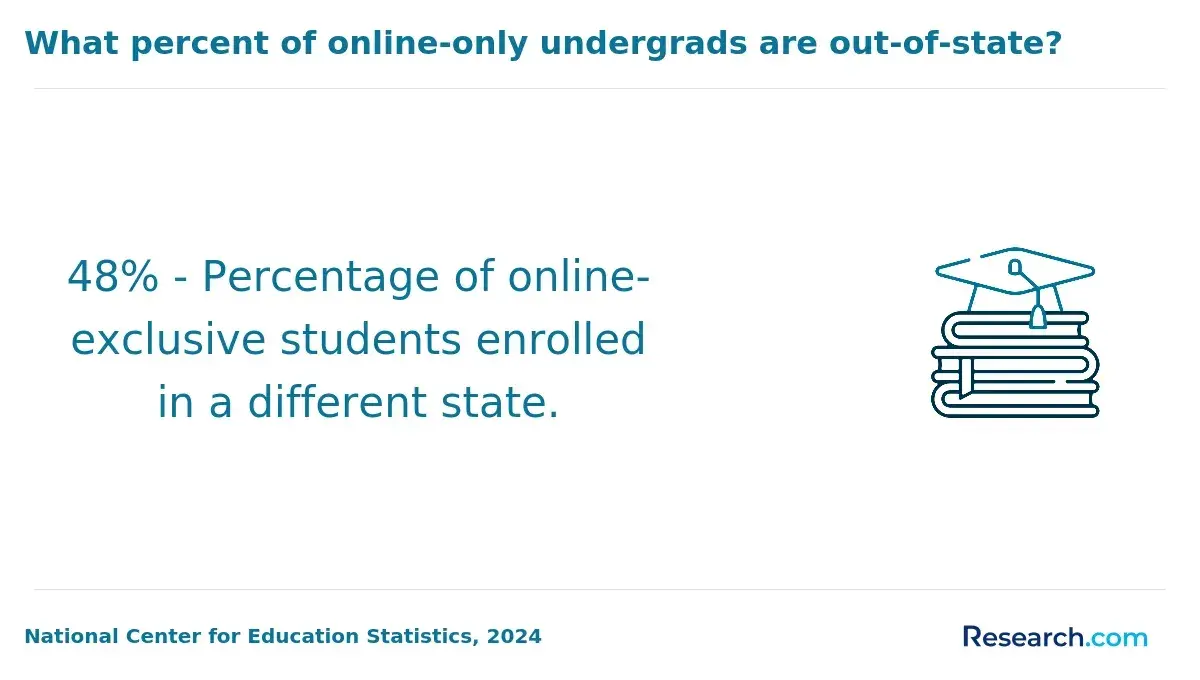
Recent data from the National Student Clearinghouse shows a 12% increase in remote program enrollment, highlighting growing reliance on online education. This trend intensifies the importance of understanding transfer policies at The Chicago School, where strategic prior course selection can reduce degree time and enhance employment prospects post-graduation.
How does The Chicago School evaluate international transcripts and foreign course credits?
Foreign academic credits become eligible for transfer at The Chicago School when they meet strict equivalency and authenticity standards. The evaluation aims to preserve academic rigor while acknowledging relevant prior learning.
For example, a student transferring from a European university must have coursework reviewed for content similarity and credit value before acceptance. The Chicago School focuses on these critical criteria when reviewing international transcripts and foreign course credits:
- Accreditation and Institutional Standing:The school verifies that the foreign institution is formally recognized and accredited in its country. This establishes a baseline of academic quality and legitimacy beyond mere document submission.
- Course Content and Equivalency:Each course is analyzed for its alignment with U.S. academic standards and the school's degree requirements. This includes evaluating syllabi, learning outcomes, and scope to ensure proper credit matches.
- Credit Hours and Workload:The number of credit hours is converted and compared to U.S. standards to reflect actual student workload, avoiding inflated or insufficient credit awards.
- Grade Conversion Accuracy:Grades from foreign transcripts are translated into the U.S. GPA scale using established conversion tables, prioritizing academic equivalency rather than direct numeric translation.
- Credential Evaluation by Third Parties:The Chicago School mandates credential evaluation from NACES- or AICE-accredited services to confirm transcript authenticity and equivalency before credit is awarded.
With over 25% of U.S. institutions tightening transfer credit acceptance, The Chicago School's detailed review process helps students strategically navigate credit transfer, affecting time to degree and employability.
Are there alternative theoretical or practical credentials that The Chicago School accepts as credit?
The Chicago School does accept certain alternative theoretical and practical credentials as credit, but the process is selective and outcome-focused. Students aiming to apply such credits should be prepared for rigorous evaluation aligned with program requirements, rather than expecting straightforward transfers. Below is a summary of the primary alternative credentials recognized by The Chicago School administrators and how they assess each for credit eligibility.
- Prior Learning Assessment (PLA): PLA credits come from portfolio reviews demonstrating documented competencies. This method is highly valuable because adult learners using PLA have a 30% higher degree completion rate nationally, illustrating its impact. However, portfolios require detailed preparation and must align with specific academic outcomes to be considered.
- Military Training (Joint Services Transcript - JST): Credits based on military training are evaluated through official JST documentation. These are generally accepted more readily, especially when the military education parallels The Chicago School's curriculum expectations, though applicability varies by program.
- American Council on Education (ACE) Credit Recommendations: ACE evaluates various training programs and issues credit recommendations. The Chicago School commonly accepts these credits under formal review, but they must correspond with the academic level and learning objectives of the target degree.
- Professional Certifications: Unlike PLA or military credits, professional licenses and certifications are not typically accepted as direct credit. These credentials may support experiential learning but require extensive supplementary assessment for possible credit consideration.
- Nontraditional Tests and Corporate Training: Standardized nontraditional tests and corporate training programs are generally excluded from credit transfer eligibility unless subjected to comprehensive review demonstrating equivalency to coursework.
Transfer policies for practical experience credits at The Chicago School emphasize strategic documentation and academic alignment over mere accumulation of credentials. Applicants should evaluate whether their previous learning fits within these frameworks before proceeding. Additionally, students interested in accelerated online degrees through alternative credits often combine this approach with accelerated study paths.
How do you request an official transfer credit evaluation from The Chicago School?
Requesting an official transfer credit evaluation from The Chicago School involves a structured process that directly affects how many credits a student can apply toward their degree. For example, a student enrolling in an online graduate program should understand that the evaluation requires strict transcript verification and course equivalency checks, which influences the timeline for starting classes.
In practice, a student transferring from a regionally accredited institution with comparable coursework will likely receive a smoother transfer experience than one with less conventional backgrounds. Below are key phases students should prepare for when submitting transfer credit requests to The Chicago School online programs.
- Transcript Submission: Students must send official transcripts directly to The Chicago School's Office of the Registrar. The use of secure digital transcript services has become standard, boosting verification speed by 37% across U.S. colleges and allowing quicker processing.
- Credential Evaluation: Evaluators compare courses based on content, grade minimums, and accreditation. This generally takes four to six weeks but can be shorter with digital submission. Students should be ready to provide detailed course descriptions to support equivalency.
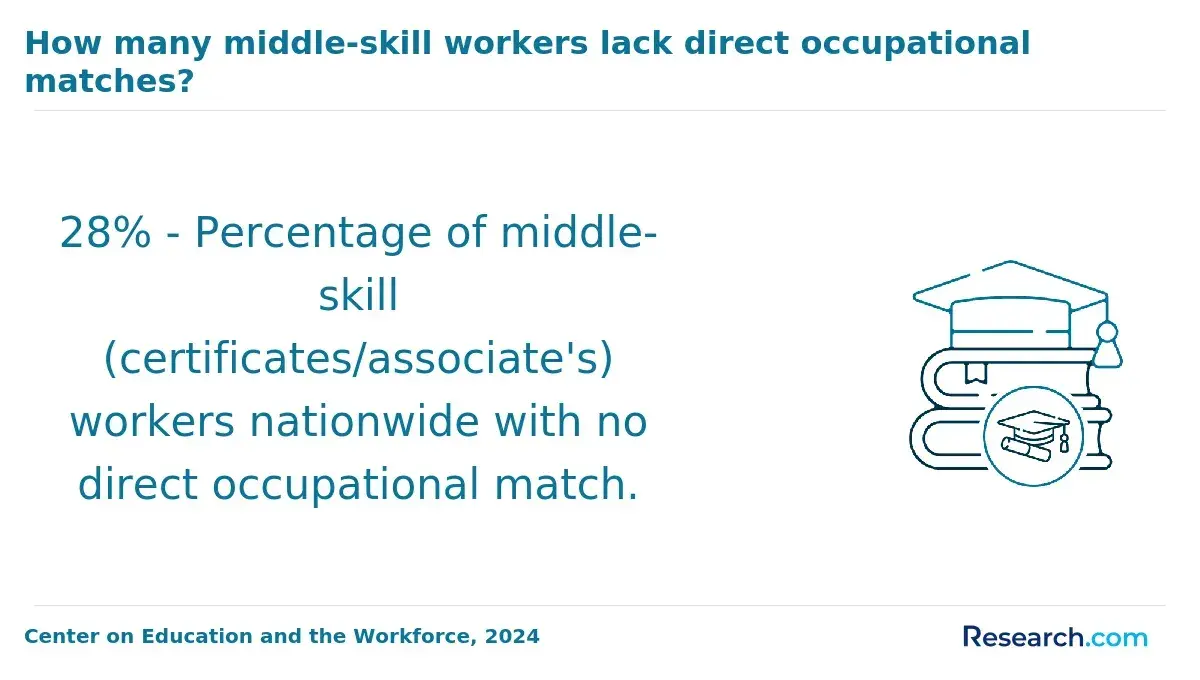
- Program Alignment: Transfer credits must match the academic level and requirements of the specific online program. Specialized degrees require relevant coursework due to employer and accreditation standards, limiting transferable credits in some cases.
- Consideration of Prior Learning: The Chicago School rarely credits life experience or non-traditional learning, emphasizing formal coursework alignment. Prospective students should plan their transfers accordingly to avoid redundant classes.
Understanding how to request an official transfer credit evaluation at The Chicago School and knowing the steps involved is crucial for maximizing transferable units and reducing time-to-degree. For students seeking efficient enrollment processes, exploring options at online colleges with free applications might offer additional pathways.
What are the deadlines for submitting your transfer transcripts to The Chicago School?
Submission deadlines for transfer transcripts at The Chicago School align tightly with its quarter-term system. For priority admission, applicants must submit transcripts at least four weeks before term start. Regular decision candidates have a two-week cutoff. Meeting these timelines is crucial to ensure accurate and timely credit evaluation.
Deadlines vary by term and application type. Fall, spring, and summer terms each require adherence to these preset weeks before classes begin. Rolling admissions provide some leeway, but late transcript delivery risks delayed credit assessment, which can affect course placement and prolong degree completion. This is especially pertinent for online programs where synchronous enrollment cycles tighten processing windows.
Compared to many institutions, The Chicago School's deadlines are relatively strict, reflecting the need for precise scheduling of credit transfers and course registration. Administrative processing and transcript delivery often add delays, creating practical challenges. As 38% of U.S. college students transfer credits, these rigid schedules necessitate proactive transcript submission to optimize credit acceptance and degree progress.
Students evaluating their options should consider how these deadlines impact transfer strategy, especially when determining what is the best degree for a convicted felon or balancing other enrollment constraints. Early submission maximizes chances of seamless credit transfer and adherence to employer expectations for timely degree completion.
What is the impact of transferring credits on graduation timelines at The Chicago School?
Transferring credits at The Chicago School can either shorten or complicate graduation timelines depending on multiple factors. For instance, a student transferring 30 credits in core psychology courses may finish much faster than one whose credits cover mostly electives with limited major relevance.
A recent study found transfer students nationally face an average delay of 9 months to graduation due to credit misalignment, illustrating that the number of credits alone does not guarantee a faster degree. Below are key variables shaping how transferred credits impact time-to-degree at The Chicago School.
- Major-specific credit applicability: Credits directly matching required major classes reduce the need for extra coursework, accelerating completion, especially for programs with fixed curriculum sequences.
- Prerequisite and sequence restrictions: Even accepted credits can't always be applied early if they are prerequisites or if the curriculum demands strict course order, potentially extending time despite high credit transfer.
- Credit evaluation consistency: Variability in how advisors assess and apply transferred credits can affect course planning efficiency, causing delays in registration and progression.
- Elective versus core credit balance: Elective credits may transfer but rarely shorten degree length significantly because core requirements govern progression and accumulation of key skills.
A The Chicago School graduate recalled hesitating to transfer some credits from a certificate program that didn't clearly align with her clinical psychology major. After thorough advising, she prioritized transferring only those credits that met core requirements. This strategy saved her roughly a semester, alleviating the financial strain she feared from additional semesters.
Her experience underscores that understanding specific credit applicability can make the difference between accelerated graduation and prolonged enrollment.
How much tuition can you save by maximizing your transfer credits at The Chicago School?
Maximizing transfer credits at The Chicago School directly lowers the overall tuition cost by reducing the required number of credits. Since the total tuition is roughly $47,948, every credit transferred translates into substantial savings, particularly by bypassing lower-division courses typically charged at the same per-credit rate as advanced ones.
These savings vary based on the volume of accepted credits. A student transferring 20 credits could cut tuition significantly more than one transferring 5 credits, with each additional credit decreasing both tuition and associated fees. Reducing on-campus semesters also lowers exposure to mandatory student and technology fees that are often non-refundable.
Compared to a median graduate debt of around $20,000, optimized credit transfer minimizes borrowing needs and long-term financial burdens. Recent studies note that private institutions, including The Chicago School, show a more pronounced net price improvement when transfer credits are maximized, enhancing the return on investment by speeding entry into the workforce.
For example, a student transferring a full 30 credits could potentially avoid up to a third of tuition costs and related fees, dramatically cutting debt and interest accrued over time. This approach is increasingly important as borrower averages rise and student loan debt impacts career choices and financial stability.
How can you appeal a denied transfer credit decision at The Chicago School?
Appealing a denied transfer credit decision at The Chicago School requires strategic navigation of institutional procedures and clear evidence submission. Students must present a compelling case beyond basic course duplication, focusing on alignment with program rigor and learning outcomes valued by employers and accreditation bodies.
For example, a psychology student denied credit for a research methods course needed to gather extensive syllabi, demonstrate equivalent assignments, and highlight practicum relevance to persuade the academic dean. Effective appeal strategies revolve around organized documentation and timely action.
The following are practical steps The Chicago School students can take to contest credit denials:
- Formal Written Appeal: Submit a detailed, written request to the registrar or academic dean. This appeal must include syllabi, course descriptions, and proof of equivalent competencies. It is crucial for establishing the basis of your claim within university protocols.
- Curriculum Comparison Documentation: Prepare comprehensive course comparisons that emphasize content depth, credit hours, and specific learning outcomes. The Chicago School prioritizes curricular alignment to ensure transferred credits match their academic standards.
- Expedited Review Requests: Use this option when deadlines are near. Promptly requesting expedited consideration helps avoid the forfeiture of appeal rights due to the strict 30-day submission timeline.
- Alternative Credit Pathways Exploration: If the appeal falters, consider experiential learning credits or retaking courses to maintain degree progression. This approach balances credit transfer challenges with practical program completion.
Nearly 45.3% of transfer credit appeals nationwide result in partial credit acceptance or uphold the denial, underscoring that appeals at The Chicago School require precise evidence and realistic expectations regarding credit recovery.
One graduate from The Chicago School's online clinical mental health counseling program recounted facing a credit denial for a foundational counseling techniques course despite similar prior coursework. "I gathered my course outlines, spoke directly with the academic advisor, and submitted a thorough appeal-timing was critical because I had just 30 days," they recalled.
"Though I ultimately recovered only partial credit, the process made me reevaluate the importance of syllabus details and liaising closely with faculty. It was stressful but necessary to avoid unnecessary course repeats and delay." This experience highlights the real urgency and documentation rigor essential in successfully navigating appeal pathways at The Chicago School.
What Graduates Say About Their Admissions Experience at The Chicago School
- Isabella: "Choosing to pursue my online degree at The Chicago School was a calculated decision shaped largely by their clear credit transfer policies. I spent a considerable amount of time obtaining official transcripts from my previous institutions and coordinating with both their registrar office and my prior schools to ensure course equivalencies were properly evaluated. While the generous credit cap relieved some pressure, I realized that maximizing transfer credits didn't drastically shorten my program length, but it did allow me to focus sooner on major-specific coursework that aligned with my career goals."
- Ethan: "My experience studying online at The Chicago School highlighted the complexity behind transferring credits from diverse prior learning experiences. There was a bit of friction in determining which credits truly counted, and some back-and-forth with admins to verify details. Still, their approach helped me avoid redundant classes and ultimately reduced tuition costs. Entering the workforce, I felt confident that the practical knowledge I built directly translated into my job responsibilities, especially since I didn't waste time on unnecessary prerequisites."
- Morgan: "Completing my online degree through The Chicago School required navigating a somewhat bureaucratic credit transfer process, involving multiple transcript submissions and clarifications on course content. Although I appreciated the flexibility offered by their credit transfer limits, in practice the time savings were modest due to extra validation steps. Nonetheless, this thoroughness ensured my academic progress was genuine and positioned me well in the workforce, where employers valued the rigor and relevance of my degree path."
Other Things You Should Know About The Chicago School Degrees
Yes, credits typically must have been earned within the last five to seven years to be eligible for transfer to The Chicago School in 2027. Each program might have specific rules, so it’s crucial to check individual department guidelines.
Standardized test scores, even at graduate level, generally do not substitute for specific course requirements within The Chicago School's online degree programs. Transfer credit evaluations prioritize completed coursework aligned with program learning outcomes instead of exam results. Students aiming to reduce their coursework should focus on transferring previously completed courses rather than relying on test scores, which hold limited value in credit substitutions.
Transfer credits are evaluated course by course against the receiving program’s curriculum. The Chicago School reviews official transcripts, course descriptions, syllabi, and contact hours to determine whether prior graduate work matches content, level, and credit value before approval.
References
- The Chicago School Transfer Courses from Sophia | Sophia Learning https://thechicagoschool.sophia.org/
- ILLINOIS INSTITUTE OF TECHNOLOGY https://tes.collegesource.com/publicview/TES_publicview03_group_report.aspx
- Member Support https://membersupport.commonapp.org/s/article/international-student-transcript-evaluation-reports-hgxqksif
- International High School Transcript Evaluation Guide https://iee.com/blog/international-high-school-transcript-evaluation-guide/
- Transfer Admissions https://www.chicagoacademyhs.org/apps/pages/index.jsp
- What Do Colleges Look for in International Transcripts | ECE https://www.ece.org/Blogs/What-Colleges-Look-For.htm
- Foreign Transcript Evaluation - City Colleges of Chicago https://www.ccc.edu/services/foreign-transcript-evaluation/
- Institutions Can Actively Court Students with Alternative Credit Options https://kaplan.com/about/trends-insights/institutions-can-actively-court-students-with-alternative-credit
- Partner Colleges & Universities https://www.straighterline.com/colleges/