2027 Is Walden University's Online BSN to DNP - Pediatric Nurse Practitioner (PNP) Primary Care Worth It? What Students Should Know

Co-Founder and Chief Data Scientist
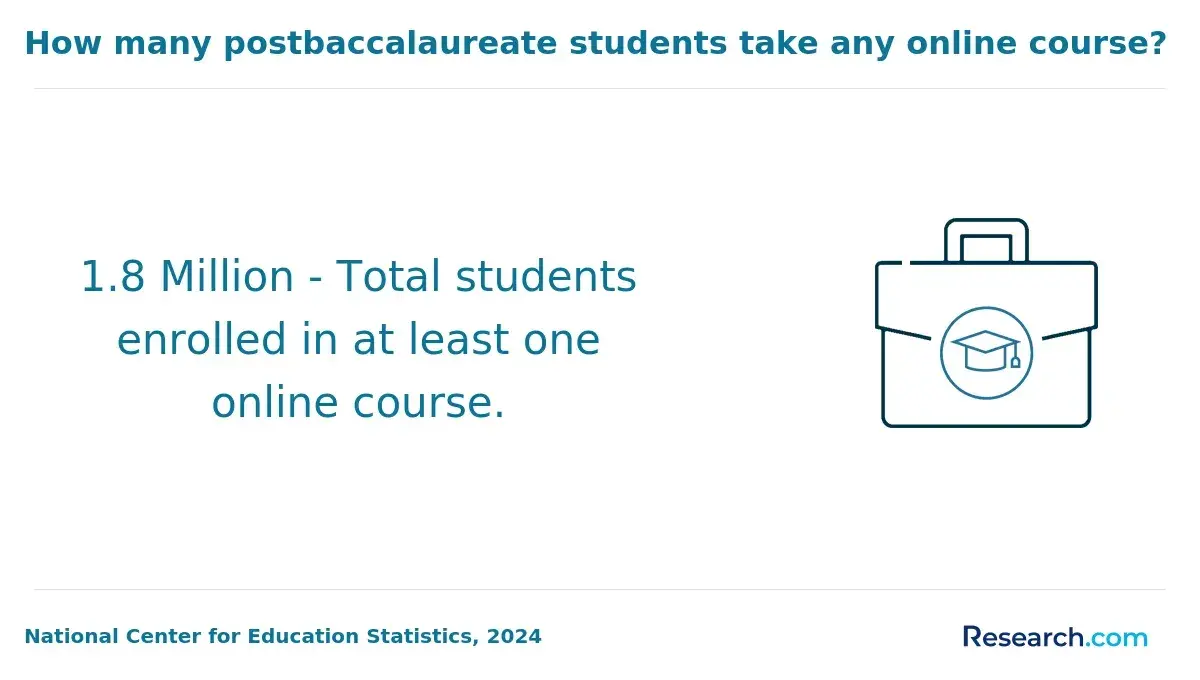
Professional nurses seeking to advance into pediatric primary care often face a complex choice when selecting an online BSN to DNP - Pediatric Nurse Practitioner (PNP) Primary Care program. With the National Center for Education Statistics reporting a surge in online nursing enrollments, understanding how flexibility, curriculum rigor, and clinical placement opportunities align with career goals is critical. Walden University's program claims to cater to working professionals, but prospective students must weigh whether its structure supports timely graduation and employer expectations in highly regulated pediatric care settings. This article examines these factors to help prospective students determine if this program meets their academic ambitions and practical needs.
Key Points About Walden University's Online BSN to DNP - Pediatric Nurse Practitioner (PNP) Primary Care Program
- Walden University's open admission policy allows broad access to the online BSN to DNP - Pediatric Nurse Practitioner (PNP) Primary Care program, but may limit candidate vetting compared to more selective programs, potentially affecting cohort cohesion.
- The program's revenue-to-debt ratio of 2.05x indicates graduates earn roughly double their educational debt over time, reflecting a viable return on investment despite the $34,458 tuition cost.
- Employers recognize Walden graduates for a median salary of $42,810, suggesting industry acceptance and a solid foothold in pediatric nursing employment markets post-graduation.
What makes Walden University's online BSN to DNP - Pediatric Nurse Practitioner (PNP) Primary Care program stand out?
Choosing Walden University's online BSN to DNP - Pediatric Nurse Practitioner (PNP) Primary Care program means weighing the balance between a large institutional scale and personalized learning. With 44,223 students and 3,423 faculty members, split between 1,117 full-time and 2,306 part-time students, gain access to a wide network of expertise, but should consider how class size and faculty availability might impact mentorship quality in practice-focused fields.
This program's fully online, asynchronous format caters well to practicing nurses managing clinical hours alongside school, offering flexibility that some traditional programs lack. However, this model requires strong self-discipline and time management, which can affect outcomes for those needing more structure. The integration of virtual libraries, simulation tools, and interactive modules offers tangible benefits by simulating clinical scenarios, preparing students for certification and real-world pediatric care challenges more effectively than programs relying heavily on in-person attendance or less diverse digital resources.
Is it difficult to get admitted to Walden University's online BSN to DNP - Pediatric Nurse Practitioner (PNP) Primary Care program?
Admission to most BSN to DNP - Pediatric Nurse Practitioner (PNP) Primary Care programs tends to be competitive due to limited spots and rigorous prerequisites, reflecting employers' demand for clinically prepared pediatric specialists. Many programs require strong academic records, entrance exams, and standardized test scores, which can create substantial barriers for working nurses managing multiple commitments.
In contrast, Walden University's online BSN to DNP - Pediatric Nurse Practitioner (PNP) Primary Care program employs an open admission policy, eliminating the need for SAT or ACT scores and similar standardized tests. This policy effectively lowers entry barriers by focusing more on qualifying candidates without imposing the same level of selectivity. Although exact acceptance rates are not publicly disclosed, the open admission label suggests higher accessibility and a commitment to expanding workforce capacity rather than restricting enrollment based on competitive screening.
This approach can benefit nurses balancing clinical work and personal responsibilities who require a flexible yet credible path to a doctoral credential. However, the tradeoff may include a larger cohort size and diverse academic preparedness levels, which can affect individual attention and peer competition compared to more selective programs structured around limited enrollment.
A graduate recalled applying to Walden's program amid uncertainty about completion timelines and juggling clinical hours. "I wasn't sure I'd make it through the admission steps quickly, but the lack of standardized test requirements meant I could focus on practical documents and proof of nursing experience. It was a relief, especially since I had been hesitating if I could even fit more testing into my schedule. The process was straightforward but required timely submission of transcripts and a plan for my clinical hours, which took some strategic planning."
How does the curriculum of Walden University's online BSN to DNP - Pediatric Nurse Practitioner (PNP) Primary Care program stay aligned with current industry trends?
Alignment with pediatric healthcare employer expectations isn't merely about curricular content but hinges on how effectively a program readies graduates for a practice environment that demands clinical rigor and leadership agility. Walden University's online BSN to DNP - Pediatric Nurse Practitioner (PNP) Primary Care curriculum reflects current industry standards by prioritizing evidence-based practice and clinical decision-making suited for underserved or complex pediatric populations.
Choosing a program with robust clinical practicum requirements can be a decisive factor for employers looking for candidates with proven hands-on experience rather than solely academic knowledge. Below are key factors that demonstrate how Walden's program integrates these industry-driven criteria:
- Clinical Integration: The scheduled practicum hours immerse students in real-world pediatric primary care settings, ensuring they develop practical skills aligned with employer needs and can manage chronic pediatric conditions effectively.
- Evidence-Based Focus: Through emphasis on advanced pharmacology, pediatric pathophysiology, and critically analyzing research, the curriculum fosters competencies in applying current scientific findings to patient care, a requirement many healthcare organizations mandate.
- Leadership and Systems Training: Including courses on health policy and healthcare systems, equips graduates to navigate and influence complex healthcare delivery, addressing systemic challenges that pediatric nurse practitioners frequently encounter.
Integrating these elements into the online BSN to DNP - Pediatric Nurse Practitioner (PNP) Primary Care curriculum allows Walden University's pediatric nurse practitioner curriculum to align with evolving professional expectations rather than static academic milestones. For prospective students weighing this program against other majors in college, understanding the balance between clinical readiness and theoretical depth-embedded in program design, can illuminate tradeoffs between immediate employability and long-term leadership potential in pediatric primary care settings.
How much does Walden University's online BSN to DNP - Pediatric Nurse Practitioner (PNP) Primary Care program cost?
Tuition for Walden University's online BSN to DNP - Pediatric Nurse Practitioner (PNP) Primary Care program stands at $12,498 annually when considering base tuition and fees alone. However, the full annual cost including books, room, board, and other expenses rises to $34,458. Prospective students should carefully factor in additional mandatory costs like approximately $900 per year for books and supplies, which are essential for program completion and can influence overall financial planning.
About 90% of Walden University undergraduates receive financial aid, averaging $3,353 in awards, which may help mitigate out-of-pocket expenses though aid is not guaranteed. Notably, Walden's flat-rate tuition policy for online learners eliminates state residency as a pricing variable, making costs more predictable for remote students. The absence of separate online-specific technology fees further reduces ancillary charges compared to some other programs.
When evaluating the cost of Walden University BSN to DNP pediatric nurse practitioner tuition cost against other institutions, Walden's pricing is competitive relative to programs focused on Pediatric Nurse Practitioner specialization. Many traditional on-campus programs tend to have higher tuition or additional fees for clinical placements and technology, which can escalate total expenses. For working nurses, the flexibility and predictable pricing of Walden's online model offer a practical balance of affordability and accessibility within the broader market.
Students weighing the cost of Walden University online BSN to DNP pediatric nurse practitioner program should also consider available employer tuition reimbursement programs and grants, which Walden's partnerships help facilitate. For those seeking alternative credentialing paths that balance cost and market value, reviewing options like online certificates may provide supplementary career-enhancing skills without the full financial commitment of a doctoral degree.
What are the admission requirements for Walden University's online BSN to DNP - Pediatric Nurse Practitioner (PNP) Primary Care program?
Admission to Walden University's online BSN to DNP - Pediatric Nurse Practitioner (PNP) Primary Care program emphasizes relevant academic and professional background over standardized testing, reflecting a growing trend in advanced nursing education that values practical experience. This approach may benefit applicants with strong clinical histories who find standardized exams do not fully capture their qualifications.
However, prospective students should consider how this selective emphasis might affect their preparedness compared to peers from programs requiring entrance exams or practical portfolio reviews. Understanding the specific admission components is critical for assessing fit and readiness before applying.
Key admission requirements include:
- Open Admission Policy: The program does not mandate SAT, ACT, or other standardized test scores, reducing barriers for experienced nurses but potentially increasing reliance on academic transcripts and professional documentation.
- Professional Resume or CV: Applicants must submit a detailed record of their clinical and academic experience to demonstrate readiness for doctoral-level study in pediatric primary care.
- Letters of Recommendation: These provide insight into the candidate's clinical competence and commitment from supervisors or faculty, offering a qualitative assessment beyond grades.
- Personal Statement: This narrative element assesses motivation and understanding of the advanced nursing role, which can significantly influence admission decisions in lieu of exam scores.
- Transfer Credit Policies: While transfer credits may be accepted, they require prior coursework to meet grade standards, typically at or above a "C," which impacts how quickly a student can progress through the program.

What is the ROI of attending Walden University's online BSN to DNP - Pediatric Nurse Practitioner (PNP) Primary Care program?
The financial return on investment (ROI) for Walden University's online BSN to DNP - Pediatric Nurse Practitioner (PNP) Primary Care program hinges on balancing its $34,458 annual cost against starting salaries that typically hover around $42,810. This narrow margin means that while initial earnings moderately surpass the total annual expenses, the long-term financial advantage depends heavily on sustained employment in well-paying pediatric care roles and managing student debt effectively.
Graduates face an average debt burden of approximately $20,834, yielding a graduate earnings-to-debt ratio near 2.05x. This suggests a reasonable but not exceptional ROI; those unable to secure scholarships or grants may find the debt impact more burdensome. For instance, a clinician entering a government health agency with median pay might experience slower wealth accumulation compared to those in high-demand healthcare systems offering advancement opportunities and incremental salary growth.
Securing positions in pediatric clinics or specialized healthcare systems can enhance earning potential and improve ROI by leveraging steady salary increases reflected across the industry. However, the degree's value is more contingent on regional job markets, employer preferences for clinical experience, and the ability to navigate administrative roles that typically command higher pay beyond base practitioner salaries.
Is there a high student satisfaction for Walden University's online BSN to DNP - Pediatric Nurse Practitioner (PNP) Primary Care program?
Student satisfaction in Walden University's online BSN to DNP - Pediatric Nurse Practitioner (PNP) Primary Care program is closely tied to its support structures and the flexible nature of its delivery. While the program's rigor demands strong self-discipline, students benefit from an extensive online community and structured mentoring that help counteract the isolation often associated with distance learning. This network facilitates meaningful peer connections and access to faculty, which can be decisive factors for those balancing demanding clinical workloads alongside academics.
The program's design reflects a tradeoff common in asynchronous education: flexibility versus workload intensity. Many students appreciate being able to adjust study time around professional and personal commitments, but some find managing the program's demands challenging without traditional in-person accountability. The presence of numerous student-led organizations and responsive faculty contributes to an environment where students feel supported, which correlates with retention and graduation outcomes that are on par with established online nursing programs.
A BSN to DNP PNP graduate shared that early hesitation gave way to relief after joining a peer mentorship group that proved invaluable during clinical practicums and coursework peaks. They noted, "The feeling of belonging didn't come immediately, but once I engaged more with classmates and faculty online, the program felt less like a solo climb." This balance of academic challenge and community support shapes how students experience satisfaction in the program's demanding yet accessible framework.
How does Walden University help online BSN to DNP - Pediatric Nurse Practitioner (PNP) Primary Care graduates secure employment?
Employment outcomes in advanced practice nursing increasingly hinge on institutional support beyond academic credentials. Many healthcare employers, approximately 65%, weigh the reputation and network of a graduate's educational institution when assessing candidates. This underscores how schools influence a student's ability to secure employment, especially in competitive specialties such as pediatric primary care. Institutions with targeted career services and strong alumni ties offer practical advantages that can shorten the job search or lead to opportunities before graduation.
The tradeoff for prospective students is to evaluate how well a program's support infrastructure aligns with their professional goals and local job market dynamics. Below are key ways Walden University facilitates employment for online BSN to DNP - Pediatric Nurse Practitioner (PNP) Primary Care graduates:
- Virtual Job Fairs: Walden schedules regular virtual events that connect students with healthcare employers actively recruiting pediatric nurse practitioners. This direct access can lead to interviews and job offers during final coursework.
- Resume Workshops: Through online workshops, students refine their application materials to better match employer expectations, improving their visibility in a crowded and competitive field.
- Dedicated Career Portal: The university's platform aggregates job listings focused specifically on nursing roles suitable for recent graduates, streamlining targeted job searches.
- Alumni Network and Mentorship: Walden leverages a nationwide alumni community to mentor new graduates, offering guidance on interview processes, workplace realities, and strategic networking-a critical element in clinical hiring decisions.
For students comparing this pathway, integrating such support services should factor into weighing program value alongside curriculum and cost. More broadly, this approach aligns with a growing preference for programs that do not only confer credentials but actively prepare candidates to navigate the complex healthcare employment landscape. Prospective applicants may also benefit from exploring affordable online master's programs to assess how various institutions manage these essential career transitions.
What are the career outcomes for recent graduates of Walden University's online BSN to DNP - Pediatric Nurse Practitioner (PNP) Primary Care?
The career outcomes for graduates of Walden University's online BSN to DNP - Pediatric Nurse Practitioner (PNP) Primary Care program reflect the program's alignment with specialized pediatric healthcare roles that require both clinical expertise and leadership capabilities. Employment in this area hinges on a growing need for providers skilled in pediatric primary care, which shapes practical decisions for prospective students weighing the program's value.
Understanding how job placement rates for Walden University pediatric nurse practitioner graduates correlate with evolving healthcare demands offers insight into realistic career trajectories and compensation potential. Below are key positions recent graduates often pursue, illustrating the scope and financial expectations of these roles.
- Pediatric Nurse Practitioner: Graduates often become Pediatric Nurse Practitioners responsible for diagnosing and treating a wide range of childhood illnesses. This role demands advanced clinical assessment skills and offers compensation typically at or above the average salary for specialized nursing professionals.
- Clinical Director of Pediatric Services: Some graduates advance into managerial positions overseeing pediatric healthcare programs. These roles combine clinical expertise with administrative duties and generally command salaries reflecting higher responsibility within healthcare organizations.
- Advanced Practice Registered Nurse in Primary Care: This position involves comprehensive care delivery in community or hospital settings, managing complex cases that require integration of pediatric knowledge and broader clinical skills, usually with competitive compensation aligned with advanced nursing roles.
When considering career advancement opportunities with a BSN to DNP - Pediatric Nurse Practitioner degree from Walden university, the salary figures often exceed those found in general registered nursing or health services sectors, reflecting the program's focus on pediatric specialty practice. Additionally, those interested in programs with no barrier entry may explore options among free application online colleges, which can be a strategic consideration in balancing cost and career objectives.
How do I know if Walden University's online BSN to DNP - Pediatric Nurse Practitioner (PNP) Primary Care program is the right fit for my goals?
The decision to pursue Walden University's online BSN to DNP - Pediatric Nurse Practitioner (PNP) Primary Care program hinges on aligning its offerings with your academic and career objectives rather than simply its brand or delivery mode. Many factors determine whether a program is truly worth it, and this depends heavily on your specific professional goals and the kind of pediatric practice you envision. For example, if your aim is to work in underserved communities requiring flexible clinical placements, program adaptability matters significantly. Below are critical evaluative points to consider when deciding if Walden University's BSN to DNP - Pediatric Nurse Practitioner (PNP) Primary Care online program fits your career goals:
- Clinical Focus and Curriculum: Assess whether the curriculum emphasizes primary care pediatrics alongside comprehensive clinical training. This focus is essential to develop expertise relevant to your targeted pediatric population and practice environment.
- Program Flexibility and Format: Evaluate the online program's asynchronous structure, clinical placement support, and whether these align with your work-life balance needs. Practical flexibility can be a decisive factor for students managing employment and family.
- Accreditation and State Authorization: Confirm the program's accreditation status and that it meets licensure requirements in your intended state of practice. This ensures your degree holds professional credibility and facilitates certification.
- Faculty Expertise and Accessibility: Investigate the qualifications of instructors specializing in pediatric nurse practitioner education. Faculty with relevant clinical experience bolster mentorship and learning quality in an online setting.
- Post-Graduation Outcomes: Look into employment rates, graduate satisfaction, and networking opportunities offered by the program. These metrics indicate the program's effectiveness in supporting real-world employability within pediatric primary care.
Those considering this path should also weigh nursing program options alongside alternative routes for work from home degrees that pay good money and practical licensure pathways to maximize career flexibility and long-term viability.
What Graduates Say About Walden University's Online BSN to DNP - Pediatric Nurse Practitioner (PNP) Primary Care Program
- David: "Studying at Walden University's BSN to DNP - Pediatric Nurse Practitioner (PNP) Primary Care program definitely sharpened my clinical reasoning and evidence-based practice skills, which helped me stand out when applying for jobs. However, I quickly realized that in many pediatric primary care settings, employers valued hands-on experience and specialized certifications over just having the degree. The program's flexibility allowed me to complete coursework around my shifts, but gaining the practical internship experience was a crucial piece to actually securing a role in a competitive market."
- Anika: "I found the BSN to DNP - Pediatric Nurse Practitioner (PNP) Primary Care program at Walden University to be a solid foundation for a career pivot I was planning. Though the coursework was rigorous, it offered me the chance to explore telehealth and remote pediatric care opportunities, which grew more relevant in today's healthcare landscape. While salary growth isn't always immediate without state licensure upgrades or additional certifications, the degree opened doors for leadership roles and gave me confidence to negotiate positions more aligned with my goals."
- Adam: "Completing the BSN to DNP - Pediatric Nurse Practitioner (PNP) Primary Care program online through Walden University was a practical decision given my full-time job and family responsibilities. The curriculum was well-designed but entering the pediatric workforce made me realize that licensure alone wasn't enough for advancement; employers often prioritized candidates with robust portfolios or specialty clinical hours. That said, the program clearly accelerated my entry into a pediatric focus and helped me secure opportunities in outpatient clinics and community health, balancing clinical work with ongoing professional development."
Other Things You Should Know About Degrees
In 2027, balancing online coursework with necessary hands-on experience poses challenges, particularly in finding local clinical placements that align with program requirements. Time management and self-motivation are essential for effectively navigating the asynchronous structure of distance learning.
The program is rigorous, combining advanced coursework with clinical rotations, which can be overwhelming for working professionals. Those maintaining full-time employment should anticipate substantial evening and weekend study, reducing time for other personal activities. Prospective students should realistically evaluate their current work-life balance and possibly reduce work hours to avoid burnout and ensure academic success.
While didactic content is delivered online, hands-on clinical skills depend heavily on local preceptors and clinical sites. This variability can impact the quality and consistency of practical training. Therefore, students who value standardized, high-intensity clinical experiences may find the decentralized approach challenging, and it's prudent to assess the availability of suitable clinical sites in their area before committing.
The BSN to DNP - Pediatric Nurse Practitioner Primary Care track typically takes 3 to 4 years part-time, which is longer than some alternative pathways. Students should weigh the benefit of a doctoral credential against delayed entry into higher-paying advanced practice roles. For those prioritizing swift career transition, shorter programs might be preferable, but for others aiming for comprehensive preparation and eventual leadership roles, the longer duration can be justified.
References
- Most Affordable Online Pediatric NP Programs (2026) https://www.healthcaredegree.com/blog/most-affordable-pnp-programs
- Are You Considering a Career as a Pediatric Nurse Practitioner? https://www.aanp.org/news-feed/are-you-considering-a-career-as-a-pediatric-nurse-practitioner
- BSN to DNP-PNP Online Program | Maryville University https://nursing.maryville.edu/pathways/bsn-to-dnp-pnp
- New Jersey PNP Programs | Online MSN & DNP Options https://www.pnpprograms.com/pnp-programs/new-jersey/
- How To Become a Pediatric Nurse Practitioner | Betternurse.org https://betternurse.org/pediatric-nurse-practitioner/
- Reflections on my 6-Year Journey as a Walden Graduate AssistantWalden University Career Planning and Development Blog https://waldencareerservices.com/2024/01/19/reflections-on-my-6-year-journey-as-a-walden-graduate-assistant/
- Walden University Reviews https://www.gradreports.com/colleges/walden-university
- Top Online Pediatric NP Programs (2026 PNP Rankings) https://www.npschools.com/rankings/all-online-pnp-programs
- How to Become a Pediatric Nurse Practitioner (PNP) https://nursinglicensemap.com/advanced-practice-nursing/nurse-practitioner/pediatric-nurse-practitioner-pnp/
- Pediatric Primary Care Nurse Practitioner https://www.uthsc.edu/nursing/dnp/pediatric-primary-np.php