2027 Is The University of North Carolina at Chapel Hill's Online Master of Business Administration - MBA in Strategy and Consulting Worth It? Salary, Outcomes, and ROI

Co-Founder and Chief Data Scientist
Choosing an online Master of Business Administration - MBA in Strategy and Consulting program demands more than weighing costs and convenience. With U. S. Department of Education data showing a 9% rise in online MBA enrollment amid shifting workforce demands, candidates must assess if the program's curriculum aligns with their career trajectory in strategy roles. For professionals balancing current jobs and skill advancement, the program's flexibility and direct applicability to consulting challenges are critical.
This article analyzes how well the University of North Carolina at Chapel Hill's offering meets those criteria, balancing academic rigor, career impact, and practical student needs to aid your decision.
Key Points About The University of North Carolina at Chapel Hill's Online Master of Business Administration - MBA in Strategy and Consulting Program
- The University of North Carolina at Chapel Hill's online Master of Business Administration - MBA in Strategy and Consulting has a selective 19% acceptance rate, increasing competition and lowering admission accessibility.
- Graduates often secure consulting and strategic roles, benefiting from faculty expertise and the program's strong recognition among employers in relevant industries.
- With total tuition at $27,633 and a 5.16x earnings to debt ratio, the program balances cost with solid median alumni salaries of $72,200, indicating meaningful financial returns.
What makes The University of North Carolina at Chapel Hill's online Master of Business Administration - MBA in Strategy and Consulting program stand out?
Choosing an online MBA in Strategy and Consulting from the University of North Carolina at Chapel Hill presents distinct tradeoffs depending on one's career stage and learning preferences. The program's flexible online format suits working professionals who need to balance studies with employment, yet it demands disciplined self-management to fully leverage the interactive course elements and live sessions.
Unlike more generalized MBA tracks, this program's targeted curriculum focuses deeply on strategic decision-making and consulting skills, which aligns better with roles in management consulting firms or strategic planning functions within corporations rather than broad leadership pathways.
The program stands out by integrating academic rigor with practical consulting experience, which matters for students aiming to apply theories directly to complex business problems. Access to UNC Chapel Hill's network of faculty with industry expertise and its extensive digital libraries enhances this connection between theory and practice.
For students prioritizing broad brand recognition over specialized skills, a traditional MBA might offer a larger alumni network, but the deliberate focus here delivers relevant expertise and professional opportunities in strategy and consulting disciplines backed by a 92% graduation rate and a sizeable institutional infrastructure supporting 32,234 students.
Is it difficult to get admitted to The University of North Carolina at Chapel Hill's online Master of Business Administration - MBA in Strategy and Consulting program?
Admission to online MBA programs in strategy and consulting generally reflects the competitive nature of these fields, where a select few candidates with proven leadership and analytical skills gain entry. Many programs accept a broad range of applicants, but achieving admission to a top-tier offering requires surpassing rigorous benchmarks that test both academic and professional readiness.
The University of North Carolina at Chapel Hill's online MBA in strategy and consulting is notably selective, with an acceptance rate around 19%. This compares unfavorably with many graduate business programs where acceptance rates can be significantly higher, underscoring the heightened competition.
Out of nearly 58,000 applications annually, the university admits only about 10,850, compelling candidates to demonstrate exceptional qualifications beyond transcripts, including strong leadership potential and a clear alignment with the program's strategic focus.
The program's admission standards extend into standardized testing where accepted students typically achieve SAT verbal scores between 680 and 750, math scores from 690 to 780, or ACT scores of 30 to 34. These scores reflect the quantitative and verbal aptitude expected to navigate the program's demanding curriculum effectively, particularly in a field that prizes data-driven decision-making and strategic problem-solving.
A recent graduate recalled the challenge of timing applications amid professional obligations: "I delayed submitting my materials because I was unsure if my leadership experience was robust enough. The uncertainty was stressful, especially knowing the acceptance rate hovered below 20%. When I finally gathered my references and polished my essays, I realized every detail mattered-I wasn't just applying, I was competing against thousands. Receiving the acceptance felt like relief after months of strategic planning and waiting."
How does the curriculum of The University of North Carolina at Chapel Hill's online Master of Business Administration - MBA in Strategy and Consulting program stay aligned with current industry trends?
The curriculum of The University of North Carolina at Chapel Hill's online Master of Business Administration - MBA in Strategy and Consulting reflects a deliberate alignment with evolving employer demands, particularly around strategic thinking, analytics, and consulting competencies.
This alignment is crucial because graduates enter a competitive management consulting landscape that strongly favors candidates who not only understand theory but can also apply data-driven insights and lead organizational change.
Below are key factors demonstrating this alignment with real-world consulting requirements.
- Industry-Relevant Content: Core courses cover strategic management, competitive analysis, and organizational behavior, mirroring the complex challenges consultants face. These foundational subjects prepare students for tasks like market positioning and client organizational assessments, which are staples in strategic consulting engagements.
- Practical Application: The program integrates immersive case studies and consulting projects with actual companies, enabling students to translate classroom insights into actionable recommendations. This hands-on experience is pivotal for developing client advisory skills that employers expect from new hires.
- Data-Driven Decision-Making: Modules emphasizing business analytics and the role of technology in strategy signal a response to industry shifts toward digital transformation. Consultants increasingly rely on data analytics to support recommendations, making this element crucial for maintaining relevance.
Given these curriculum features, UNC Chapel Hill's online MBA strategy curriculum effectively positions graduates to meet the strategic and analytical demands expected in consulting roles. However, prospective students should weigh this program's practical focus against their career ambitions and consider how it compares to other options available in the broader market for those seeking a specialized MBA strategy consulting industry trends. For those exploring related degrees, assessing multiple factors through a program in college can also be instructive.
How much does The University of North Carolina at Chapel Hill's online Master of Business Administration - MBA in Strategy and Consulting program cost?
Tuition for the University of North Carolina at Chapel Hill's online Master of Business Administration - MBA in Strategy and Consulting program stands at $8,989 annually when isolating base costs. However, the total annual cost rises to $27,633 once books, room, board, fees, and other expenses are included. This disparity highlights a critical decision point for prospective students: the opportunity costs and financial planning around additional supplies and living arrangements, which vary significantly by individual circumstances.
While the program does not levy a separate online technology fee, the absence of a flat-rate in-state tuition structure means fees may fluctuate based on residency and course choices. This variability can affect budgeting and may prompt students to evaluate whether the program's format aligns with their financial and geographical situations.
The cost estimation should be balanced against available financial aid, where UNC Chapel Hill's institutional grants and corporate tuition reimbursement partnerships could alleviate some expenses, though the actual impact depends heavily on personal eligibility and employer involvement in education benefits.
In the context of University of North Carolina at Chapel Hill MBA strategy and consulting tuition relative to peer institutions, this program tends to offer a more cost-effective alternative to many private schools where MBA tuition often exceeds $30,000 annually. This cost differential is particularly relevant for students comparing total investment against expected outcomes, especially those weighing return on investment for degrees in high-earning fields prioritized within degrees that make the most money.
Considering the actual cost of UNC Chapel Hill online mba in strategy and consulting versus broader national averages can clarify realistic tradeoffs. Faculty expertise, program flexibility, and financial support need to be factored alongside pure cost figures to understand where this program situates itself in the competitive MBA market landscape-information vital for candidates seeking both quality and affordability in strategic business education.
What are the admission requirements for The University of North Carolina at Chapel Hill's online Master of Business Administration - MBA in Strategy and Consulting program?
Admission to the University of North Carolina at Chapel Hill's online Master of Business Administration - MBA in Strategy and Consulting requires careful preparation to meet selective academic standards, reflecting employer expectations for graduate business education rigor. Understanding these requirements is crucial since the process emphasizes not only academic achievement but also professional readiness and standardized testing as indicators of candidate potential.
Below is an overview of key admission criteria that applicants should consider when preparing their submissions.
- Academic Credentials: Applicants must have completed high school with a traditional diploma; GEDs are not accepted. Undergraduate records and prior academic performance underpin evaluations, especially since transfer credits may be considered with passing marks and ACE or CLEP endorsements.
- Standardized Testing: English proficiency demonstrated via TOEFL is mandatory for non-native speakers. While GRE or GMAT scores are not specified, additional recommended tests like Wonderlic or WISC-III can enhance an application but are not required.
- Application Materials: Letters of recommendation and a professional resume or personal statement hold significant weight, helping to distinguish candidates in a competitive selection where no open admission policy exists.
- Technical Requirements: Reliable computer access is essential for participation, with options to purchase or lease equipment through the university if needed, ensuring all students can engage fully with the program's online delivery.
- Transfer Policies: Transfer students face higher entrance difficulties and are mainly admitted in the fall. The program evaluates incoming credits carefully but does not broadly limit transfer amounts.
What is the ROI of attending The University of North Carolina at Chapel Hill's online Master of Business Administration - MBA in Strategy and Consulting program?
Evaluating the ROI of attending the University of North Carolina at Chapel Hill's online Master of Business Administration - MBA in Strategy and Consulting requires balancing upfront costs against stable, long-term earning potential within competitive industries. The total annual cost exceeds $27,600, outpacing the average federal cost for in-state students living on campus.
However, graduates report a median starting salary of $72,200-a figure that remains steady even a decade later, indicating consistent income relative to program expenses and debt.
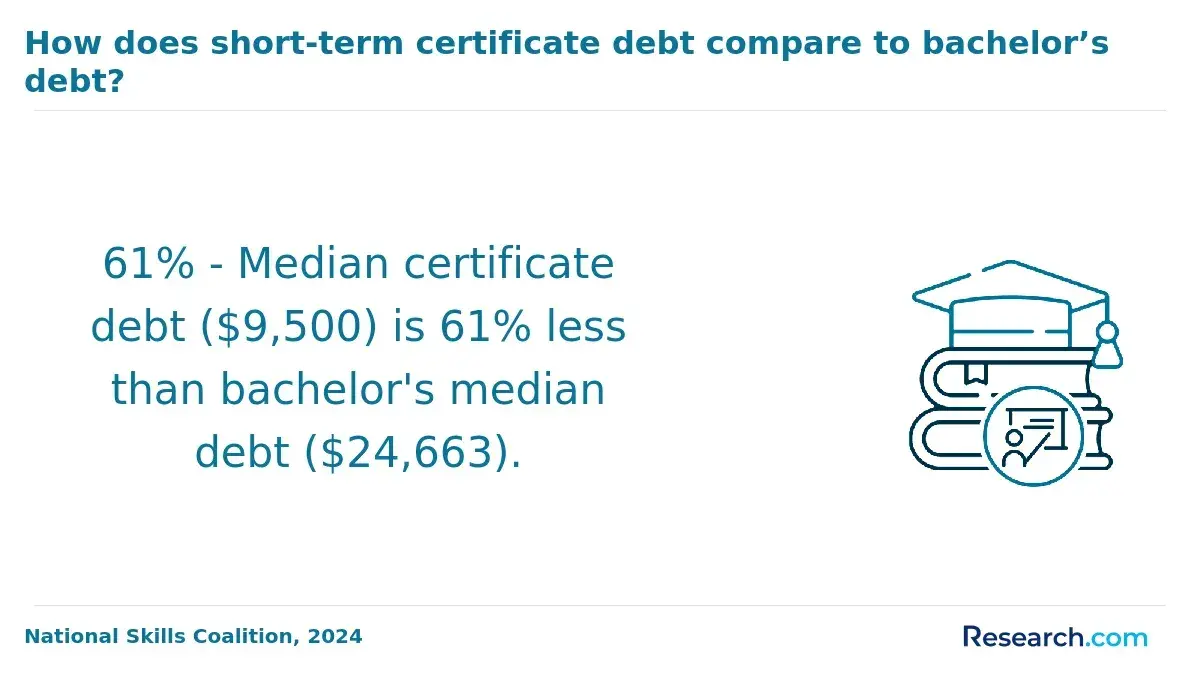
This stable earning pattern offers important context for students weighing debt levels against future income. With median student debt around $14,000, the earnings-to-debt ratio sits at 5.16x, suggesting manageable post-graduation repayment burdens compared to national averages for business programs.
Yet, individual ROI outcomes hinge significantly on securing scholarships or grants that lower total cost and on successful placement in higher-paying consulting or corporate strategy roles, where UNC Chapel Hill alumni are frequently employed.
For candidates considering this degree, understanding employer expectations in consulting sectors and recognizing the importance of networking through established industry ties can materially affect career trajectories and financial outcomes.
Compared to broader market data, the program's alumni salary stability reflects well on its ability to prepare graduates for sustained roles in leadership and strategy, but prospective students should consider how personal financing and job placement risks might adjust this ROI assessment.
Is there a high student satisfaction for The University of North Carolina at Chapel Hill's online Master of Business Administration - MBA in Strategy and Consulting program?
High student satisfaction in the University of North Carolina at Chapel Hill's online MBA in Strategy and Consulting is closely linked to its strong completion rate, which indicates that learners generally find the program manageable and worth the investment. For working professionals balancing careers and studies, the flexibility in scheduling coupled with accessible faculty support creates a learning environment that can sustain motivation and progression.
However, this ease comes with the tradeoff of self-discipline and time management demands inherent in remote learning, which not all students navigate successfully. Employers value candidates from programs demonstrating not just knowledge but also resilience and effective remote collaboration capabilities.
The student culture integrates robust support networks through dedicated mentoring and a broad array of student-led groups, which can alleviate the isolation often felt in online education. This infrastructure contributes positively to learner engagement by fostering connections that mirror in-person experiences.
Despite the program's rigor, students frequently cite the ability to maintain job responsibilities alongside coursework as a critical satisfaction driver, suggesting that operational flexibility outweighs potential challenges posed by academic intensity or virtual format.
Such factors combine to shape a student experience that extends beyond academics to encompass career networking and peer collaboration, essential for strategic and consulting roles where interpersonal skills matter as much as intellectual grasp.
One recent graduate shared that while initially hesitant about managing a high-demand work schedule and an online program simultaneously, the structured mentoring and proactive communication from faculty proved invaluable.
"There were moments I questioned if I could juggle both, especially during project deadlines, but having consistent access to advisors and a community of peers kept things realistic and relatable," she noted. This ongoing support was pivotal in not only completing the degree but feeling genuinely satisfied with the educational journey.
How does The University of North Carolina at Chapel Hill help online Master of Business Administration - MBA in Strategy and Consulting graduates secure employment?
The ability of online MBA graduates in Strategy and Consulting from The University of North Carolina at Chapel Hill to secure employment often hinges on structured, digitally accessible career resources and an active, industry-aware alumni network. Empirical evidence highlights that graduates leveraging robust alumni mentorships and targeted job search platforms see roughly a 22% higher likelihood of securing roles within three months, compared to peers lacking these forms of support.
This reflects a broader workforce reality where employer recruitment increasingly values concrete connections and tailored guidance over generalized credentials. The University of North Carolina at Chapel Hill online MBA career support includes specific mechanisms designed to bridge this gap.
Below are key employment resources that illustrate these advantages:
- Virtual Career Fairs: These events connect students directly with employers nationwide, providing real-time networking opportunities that can facilitate job offers prior to or immediately following graduation.
- Workshops and Skill Development: Online workshops in resume building, interview preparation, and personal branding equip students with competitive, practical skills recruiters expect during the hiring process.
- Dedicated Job Portal: A specialized platform for online MBA students tailors job listings toward strategy and consulting roles, simplifying the search and aligning candidates with relevant employers.
- Alumni Mentorship: A large network of over 190,000 engaged alumni offers mentorship that helps students navigate industry hiring norms and gain referrals, a decisive factor that employers often prioritize.
Deciding on an online MBA program involves weighing not only curricular content but also access to these employment-centric resources, which The University of North Carolina at Chapel Hill integrates as part of its support structure.
For individuals evaluating program timelines, skill outcomes, or pathways in strategy and consulting fields, comparing such career services is as crucial as academic rigor. Institutions that provide this level of online career support can materially influence employment outcomes. In parallel, some prospective students may consider faster credentialing alternatives, like an associate degree in 6 months online, when timely workforce entry is a priority.
What are the career outcomes for recent graduates of The University of North Carolina at Chapel Hill's online Master of Business Administration - MBA in Strategy and Consulting?
Career outcomes provide a critical lens when evaluating the value of an online Master of Business Administration - MBA in Strategy and Consulting from The University of North Carolina at Chapel Hill, as they reveal the tangible impact on employability and salary potential. Graduates entering fields such as management consulting often face high expectations for problem-solving and client engagement, where hands-on experience and strategic insight outweigh credentials alone.
The decision to pursue this concentration hinges on understanding these workforce realities and how well the program's focus aligns with targeted roles and industries.
For those weighing this program, consider fundamental career trajectories like the following:
- Management Consultant: Professionals in this role advise organizations on operational improvements, strategic initiatives, and efficiency gains. Alumni typically leverage analytical skills to guide complex business decisions, with average salaries reflecting the premium placed on these capabilities.
- Strategic Analyst: These specialists focus on market and data analysis to identify growth opportunities, often working closely with leadership to formulate actionable strategies. Their earnings potential surpasses many other fields with comparable academic backgrounds.
- Business Development Manager: This role demands strong relationship-building and negotiation skills to drive revenue and expansion efforts. UNC graduates in this position benefit from practical training in business strategy, positioning them for competitive compensation.
Given the accelerated degrees landscape, graduates holding this specialization generally command salaries around $74,938, which outpaces related fields such as information science or economics. This comparative advantage reflects employer demand for consultants with both strategic acumen and leadership abilities, underscoring why career outcomes remain a pivotal factor in assessing whether the UNC online MBA in strategy is a worthwhile investment.
How do I know if The University of North Carolina at Chapel Hill's online Master of Business Administration - MBA in Strategy and Consulting program is the right fit for my goals?
No single factor determines if the University of North Carolina at Chapel Hill online Master of Business Administration - MBA in Strategy and Consulting is the right fit for your career goals. Instead, the decision hinges on aligning the program's offerings with your specific objectives and understanding the tradeoffs involved, such as balancing rigorous coursework with work or personal commitments.
For professionals in the South evaluating the value of the University of North Carolina at Chapel Hill online master of business administration in strategy and consulting for professionals in the south, analyzing several key elements can clarify fit. Consider these factors:
- Curriculum Relevance: Focus on whether course topics emphasize strategic thinking and consulting methods applicable to your target industries or roles. Practical components like case studies or projects are crucial to developing skills that employers expect from strategy consultants.
- Reputation and Network: The business school's standing can influence access to consulting networks and recruitment opportunities. Examine alumni outcomes to assess if graduates secure positions aligned with your ambitions, especially in competitive consulting markets.
- Learning Format and Style: Online delivery demands self-motivation and comfort with digital collaboration tools. Verify if the program uses synchronous sessions or asynchronous modules and decide if this fits your preferred learning pace and engagement level.
- Flexibility and Support Services: Assess how the program accommodates professional and personal schedules. Availability of mentoring and career services can be critical for transitioning into strategic roles and should weigh into your choice.
- Competency-Based Structure: For those considering alternative credentials, exploring competency based masters can provide insights into skill validation without traditional credit-hour constraints.
What Graduates Say About The University of North Carolina at Chapel Hill's Online Master of Business Administration - MBA in Strategy and Consulting Program
- Amelia: "Studying at The University of North Carolina at Chapel Hill in the Master of Business Administration - MBA in Strategy and Consulting program provided me with a detailed, analytical approach to problem-solving that directly translated to my consulting work. Navigating the hiring process, I noticed employers valued my strategic portfolio and the real-world projects I completed during the program more than traditional certifications, which gave me an edge. While salary growth has been steady, advancing further often requires additional licensure or niche expertise, so I'm planning to supplement my degree with targeted certifications next."
- Yuna: "The flexibility of The University of North Carolina at Chapel Hill's Master of Business Administration - MBA in Strategy and Consulting program was crucial as I balanced remote work and family. The program's emphasis on strategy and consulting frameworks empowered me to pivot my career from marketing into consulting roles smoothly, even though competing against candidates with more traditional backgrounds was challenging at times. Ultimately, the program accelerated my entry into a strategic consulting role that supports remote collaboration, which fits my current lifestyle perfectly."
- Faith: "Reflecting on my experience with The University of North Carolina at Chapel Hill's Master of Business Administration - MBA in Strategy and Consulting, I appreciated how the coursework mirrored real workplace challenges, especially around client management and organizational change. However, I found that practical hiring realities meant that internships and demonstrated experience carried more weight than just the degree alone. The program's rigor prepared me well, but I've realized that ongoing networking and practical certifications remain essential for upward mobility in consulting."
Other Things You Should Know About Degrees
While the program offers virtual networking events and access to faculty, the absence of in-person interactions can constrain spontaneous connections and mentorship opportunities that typically arise on campus. Students heavily reliant on face-to-face networking may find it harder to build a deep professional network solely through the online platform. Prospective applicants should weigh how comfortable they are engaging in virtual communities and leveraging digital networking tools, as success in building relationships remotely requires proactive effort beyond the classroom.
The program is structured to accommodate working professionals, but it remains rigorous, requiring consistent time management and discipline. Weekly assignments, group projects, and synchronous sessions can create scheduling challenges, especially for those with significant family responsibilities. Students should realistically assess their current workload and support systems before enrolling, prioritizing whether they can commit to sustained academic rigor without compromising personal obligations.
This program is well-suited for those committed specifically to strategy and consulting careers due to its targeted content and faculty expertise. However, if a student desires greater flexibility in business disciplines or anticipates shifting career paths, a more generalized MBA might offer better versatility. Prioritizing this program makes sense for candidates with clear strategy-oriented goals, while others might benefit from programs with broader curricula to maximize future options.
References
- Master of Business Administration opleiding | Master https://www.thuas.com/programmes/masters/master-business-administration
- MBA in Strategy & Consulting for Working Professionals | BITS Pilani WILP https://bits-pilani-wilp.ac.in/mba/consultancy-management.php
- MiM Degrees: Should MBA Candidates Apply to Them Instead? https://www.bschools.org/blog/mim-vs-mba-degrees
- UNC Kenan-Flagler's MBA online https://www.edx.org/masters/online-mba/unc-master-of-business-administration
- MBA Master of Business Administration - University of South Wales https://www.southwales.ac.uk/courses/mba-master-of-business-administration/
- MBA Fees in the USA: Financial Guide for Students - MBA & Beyond https://www.mbaandbeyond.com/blog/mba-fees-in-the-usa
- Online Tuition-Free Master's Degree in Business Administration (MBA) https://www.uopeople.edu/programs/online-masters/business-administration/
- Masters of Business Administration (MBA) Programme in Malta https://gbs.edu.mt/courses/masters-of-business-administration/
- University of North Carolina at Chapel Hill | The Collective https://www.careerleadershipcollective.com/unc