2027 Walden University Online MSEd in Science: Grades K-8: Cost, Curriculum, Admissions, and Career Outcomes

Co-Founder and Chief Data Scientist
Educators seeking advancement often encounter the challenge of selecting a graduate program that aligns with professional goals and the demands of a busy schedule. The rise of online education is undeniable, with the National Center for Education Statistics reporting a 12% increase in online graduate enrollment in recent years, highlighting a shift toward flexible learning formats.
For teachers considering the MSEd in Science: Grades K-8 at Walden University, understanding how this program integrates curriculum rigor, admission criteria, and career impact is essential. This article examines these components to help prospective students assess the program's fit for their academic ambitions and career trajectory.
Key Points About Walden University's MSEd in Science: Grades K-8 Program
- Walden University's open admission policy for the MSEd in Science: Grades K-8 program eases entry barriers but raises questions about student readiness and support needs in advanced science education.
- Employers recognize Walden graduates' blend of practical skills and research-informed knowledge, indicating that the program aligns with workforce expectations despite limited public graduation data.
- The $34,458 tuition reflects a high financial commitment, requiring prospective students to weigh cost against flexible online delivery and potential career advancement.
What can students expect from Walden University's online MSEd in Science: Grades K-8 curriculum?
The online MSEd in Science: Grades K-8 curriculum at Walden University prepares educators to navigate the practical challenges of teaching science within early and middle childhood settings. Graduates are expected not only to grasp core scientific concepts but also to apply instructional methods that foster engagement and critical thinking in diverse classrooms.
For example, a teacher trained here would be equipped to design lessons on earth sciences that integrate inquiry-based learning with classroom technology, meeting the demands of today's science standards. The structure of Walden's curriculum generally aligns with typical U.S. graduate standards for science education, emphasizing pedagogical approaches tailored to young learners while developing scientific literacy across multiple content areas.
Below are key areas of coursework that characterize this program:
- Instructional Strategies: Coursework focuses on integrating inquiry-based learning and technology in science education. Students learn to craft lessons that promote active engagement and deepen understanding, which is critical for sustaining student interest in STEM fields at the K-8 level.
- Curriculum Design and Assessment: This area covers how to develop age-appropriate science curricula and implement assessment strategies that accurately measure student understanding. Such skills enable teachers to adapt instruction to diverse learning needs, a frequent classroom reality.
- Research Methods and Practicum: Students engage with evidence-based teaching practices and apply them in clinical or practicum settings. This hands-on experience bridges the gap between theory and practice, preparing educators to respond effectively to classroom dynamics.
The inclusion of research components ensures that graduates from Walden's program can critically evaluate and refine their teaching approaches. However, students should weigh the program's focus on theory and practicum integration against practical constraints like time and existing school responsibilities. For those balancing work and study, this curriculum demands reflective effort but also offers valuable skills aligned with workforce needs.
Prospective candidates looking to enter this or similar programs might also explore online schools that accept FAFSA to manage funding options effectively.
What are Walden University's admission requirements for online MSEd in Science: Grades K-8 program?
The open admission policy for Walden University's online MSEd in Science: Grades K-8 reduces reliance on standardized test scores but does not eliminate the need for verifying academic readiness through other key credentials. Many applicants might expect testing requirements like SAT, ACT, or GMAT scores to be mandatory, but Walden shifts focus toward previous academic achievement and a well-rounded application.
For instance, a working professional with several years of teaching experience but without recent standardized test results can still apply successfully, provided they meet the foundational degree and documentation expectations. Below are typical admission elements applicants should anticipate:
- Undergraduate degree: A completed bachelor's degree from an accredited institution is essential to confirm eligibility for graduate-level coursework. This serves as the primary academic foundation that supports success in the program.
- Official transcripts: Transcripts document prior academic performance and are critical for assessing readiness and verifying completion of the undergraduate degree. They help admissions evaluate the applicant's academic background in relevant subject areas.
- Supporting documents: While not explicitly required, supplemental materials such as letters of recommendation, a resume or CV, and a statement of purpose can provide context about professional experience and motivation, strengthening the application against the absence of standardized test data.
- Transfer credits: Transfer applicants are reviewed on an individual basis, where previous graduate or undergraduate coursework may be considered for credit. This flexibility caters to students moving from other institutions but necessitates direct consultation with admissions for clarity.
Is it difficult to get admitted to Walden University's online MSEd in Science: Grades K-8 program?
Admission to most MSEd in Science: Grades K-8 programs can be moderately competitive, often filtering candidates through GPA thresholds, test scores, and relevant experience, reflecting employer expectations for foundational teaching skills. Programs with selective entry may limit cohort sizes, affecting how quickly candidates can advance in their education and careers.
Walden University's online MSEd in Science: Grades K-8 program operates with an open admission policy, accepting most applicants without requiring SAT or ACT scores. This approach reduces barriers for educators seeking flexible advancement but may result in a less curated peer group compared to more selective programs. The less competitive admission process can benefit candidates prioritizing expediency and access over exclusivity.
This inclusivity, however, does not guarantee uniform employer recognition of the credential, so prospective students should weigh program accessibility against industry standards and local hiring preferences for science education roles.
One graduate shared how the open admissions policy eased their timely return to school amid a demanding teaching schedule. "I hesitated at first, worried about test prep and application hoops, but Walden's straightforward process meant I could apply quickly and start coursework almost immediately. It felt like a relief during a hectic year, even though I knew I'd have to work hard to keep pace academically."
The tuition for Walden University's online MSEd in Science: Grades K-8 program stands at $12,498 annually, excluding ancillary costs such as books and living expenses. These additional expenses, which include about $900 yearly for supplies, can influence a student's total financial commitment and should be factored into budgeting decisions. Unlike many online programs, Walden charges a flat tuition rate regardless of the student's state of residence, reducing unpredictability in costs for out-of-state learners.
Considering the cost breakdown for Walden University MSEd in Science Grades K-8, no extra technology fees are typically assessed for online learners, which differs from some institutions that add such charges. This structure contrasts with other MSEd programs nationwide where hidden fees and on-campus living costs substantially increase the overall expense, often surpassing Walden's total annual cost near $34,458 when including room and board.
Prospective students evaluating Walden University online MSEd Science program tuition fees must assess how these figures align with their career goals and financial capacities. For example, educators seeking certification or advancement in K-8 science may find Walden's transparent pricing advantageous compared to variable costs elsewhere. However, the fixed tuition rate may restrict opportunities for financial aid variations that depend on residency status.
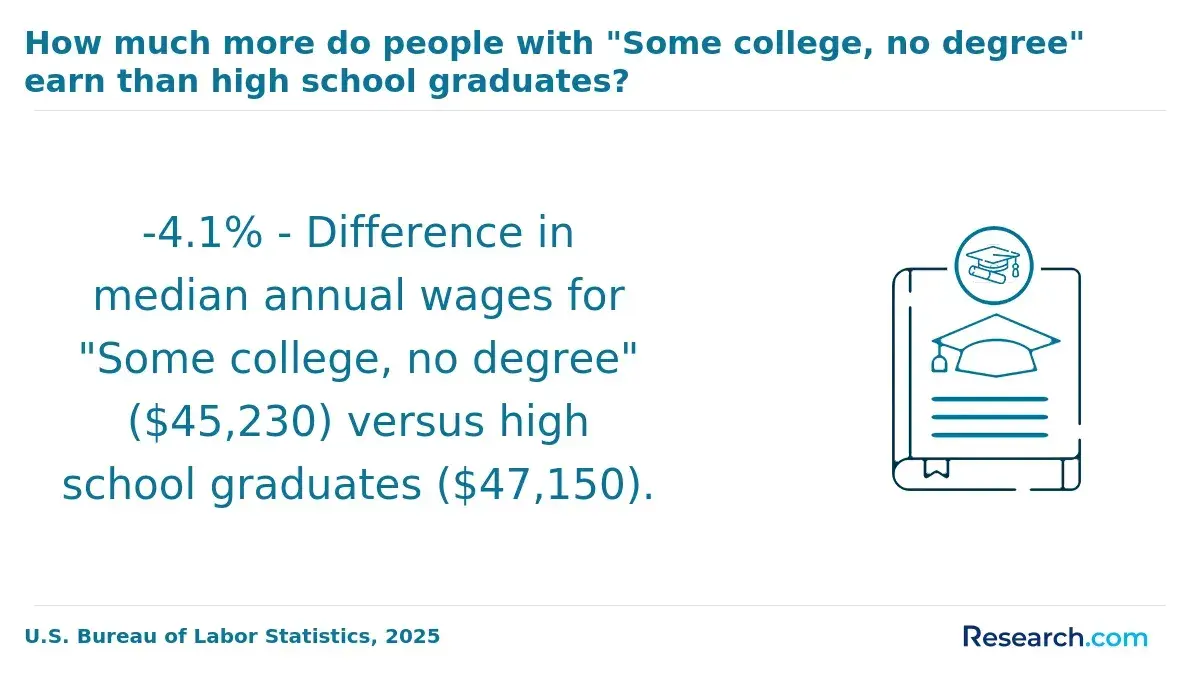
When examining long-term value and workforce implications, the investment in an online MSEd often reflects one's professional trajectory more than immediate salary uplift. For students weighing alternatives, it's important to review labor market data related to best bachelor's degrees and understand how these credentials translate into employability and advancement in the education sector.
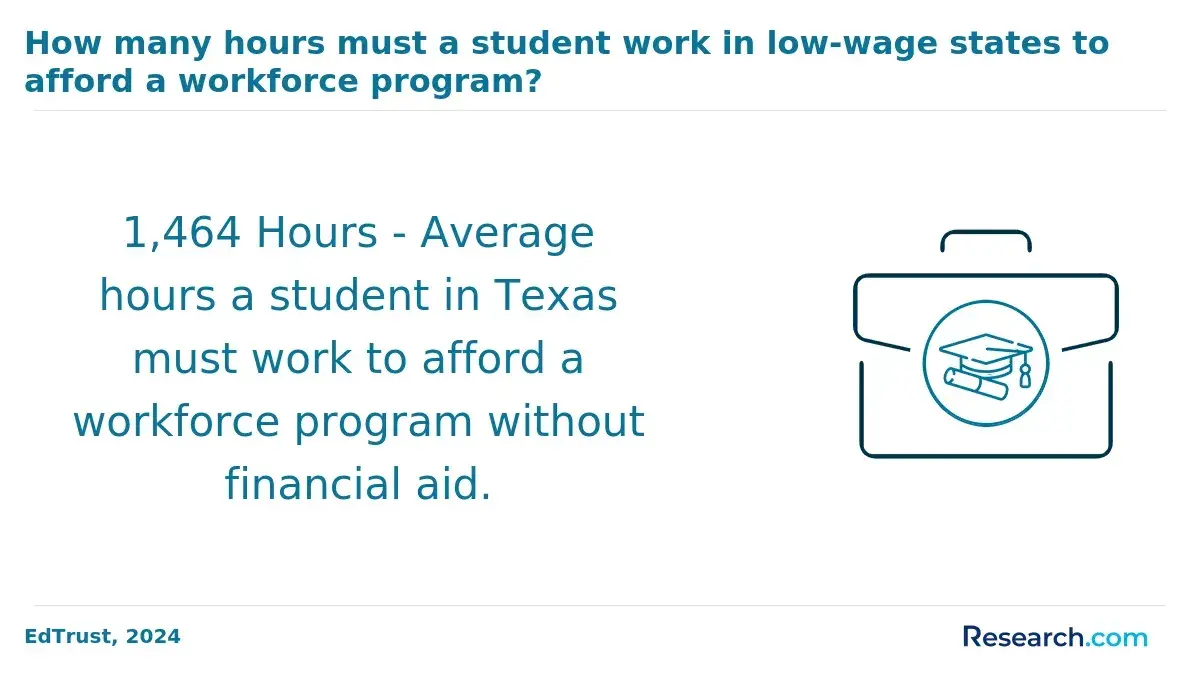
Access to financial aid for the online MSEd in Science: Grades K-8 program at Walden University significantly shapes student decisions by alleviating upfront costs, yet it requires navigating diverse funding sources and eligibility criteria. For educators balancing employment and study, understanding these options can determine whether pursuing advanced credentials is financially viable or imposes burdensome debt.
Below is an overview of key aid types commonly utilized by students in this program.
- Institutional Scholarships: Awarded based on academic merit and professional background, these scholarships offer partial tuition reductions. Eligibility often includes demonstrated leadership potential in education and enrollment in the MSEd in Science: Grades K-8 program specifically.
- Federal Aid: Students who complete the FAFSA may access grants, work-study, or loans. Grant amounts vary with financial need, while loans carry repayment obligations that necessitate careful long-term planning.
- Veteran Benefits: Active duty or former military personnel can apply these benefits to reduce tuition costs. These typically cover education-related expenses and may include housing stipends, providing important support for military-affiliated students.
- Employer Tuition Reimbursement: Some students utilize corporate programs that reimburse part or all tuition costs. Approval often depends on the employer's policies and may require maintaining certain grades or continuing employment for a defined period.
- Institutional Aid: Walden offers internal financial assistance, including targeted tuition discounts for qualifying educators. Application processes vary, and such aid often prioritizes candidates demonstrating a commitment to educational advancement.
Access to effective learning resources is a critical factor influencing student success in an online MSEd in Science: Grades K-8 program, where the self-directed nature of study demands robust institutional support. Educators working within this pathway must develop both strong content knowledge and practical pedagogical skills to meet employer expectations in diverse K-8 classroom settings.
The availability and quality of support tools directly affect a student's ability to master scientific concepts and translate that mastery into effective teaching strategies. For instance, a candidate relying solely on reactive technical support may struggle more than peers who have proactive academic coaching specifically tailored to science education.
Below is an overview of the resources typical students can leverage to optimize their outcomes.
- Technical Support: 24/7 access to technical assistance ensures continuity in course participation, minimizing disruptions related to platform issues and allowing students to focus on learning rather than troubleshooting.
- Learning Management System: A user-friendly interface organizes course materials, assignments, and discussions, fostering engagement and helping students track their progress effectively in a virtual environment.
- Digital Libraries: Curated collections of scientific literature and multimedia resources enable deeper exploration of content, supporting research assignments and enriching students' grasp of subject matter beyond basic texts.
- Academic Coaching: Personalized coaching offers targeted feedback on coursework and study strategies, addressing individual challenges that often arise in teaching-focused graduate programs.
- Career Services: Practical assistance such as resume reviews and interview preparation simulates real-world hiring processes, which is essential given the competitive nature of education roles and the need for polished professional presentation.
In-person practicum and clinical requirements remain a cornerstone in educator preparation programs, reflecting employers' emphasis on direct classroom experience to validate teaching readiness. While many traditional programs mandate on-campus or institution-arranged clinicals, Walden University's online MSEd in Science: Grades K-8 presents a notable operational tradeoff by allowing students to fulfill these requirements locally.
This flexibility addresses logistical challenges for working professionals and those outside of commuting distance, but it places greater responsibility on candidates to independently coordinate their supervised practicum environments.
Specifically, Walden University's online MSEd in Science: Grades K-8 program incorporates a student teaching practicum that must occur in a K-8 classroom. Unlike conventional models requiring travel to a university site for clinical hours, this program enables students to complete their in-person practicum in their own communities. Although Walden provides guidance in securing a qualified mentor and school placement, the practical experience depends heavily on the student's initiative to arrange these critical components.
Candidates should weigh this decentralized approach against their capacity to manage on-the-ground logistics while meeting state licensure standards.
This format reflects a common theme in clinical experiences for Walden University MSEd in Science: Grades K-8 students, in which geographic flexibility coexists with practical fieldwork demands. For prospective educators balancing professional commitments or limited mobility, local practicum completion can be an enabling factor, yet it requires proactive engagement to secure meaningful teaching opportunities.
For those seeking roles that qualify under considerations similar to jobs that only require a certificate, understanding Walden's practicum structure clarifies what practical experience looks like within this online degree framework.
The true professional value of an online MSEd in Science: Grades K-8 from Walden University hinges on how well it translates to sustainable career opportunities. Graduates often enter roles that demand both pedagogical skill and content expertise in the sciences, yet balancing certification requirements and practical experience remains a critical factor employers weigh.
This degree primarily serves as a lever into specialized teaching or leadership positions within the K-8 education spectrum, particularly in districts prioritizing STEM integration. Practical decisions such as targeting public versus private schools or supplementing education with informal science roles influence long-term career trajectories and earning potential.
Below are key career options reflecting market realities for those holding this credential:
- Science Educator in Grades K-8: Graduates can work as classroom teachers focusing on science, delivering inquiry-based lessons that build foundational skills in biology, chemistry, physics, and earth sciences. Salaries vary widely but often align with general elementary teaching pay scales adjusted for science specialization.
- STEM Coordinator Roles in Primary and Middle Schools: These positions entail overseeing science curriculum development and supporting faculty, requiring a blend of administrative and content knowledge with compensation typically above average educator salaries in the district.
- Curriculum Coordinator or Instructional Coach: Professionals may advance to roles supporting multiple grade levels by integrating science standards and innovative teaching methods, often commanding higher wages but also greater responsibility and non-classroom duties.
- Informal Science Education Facilitator: Some use their expertise outside traditional classrooms-in settings like science museums or community education programs-where salaries can be lower and roles less stable but provide diverse professional experiences.
Graduates aiming to maximize career outcomes should consider how the program's K-8 focus aligns with state certification rules and local employment demand, which can vary substantially. For those researching best fit academic options within the nonprofit online university sector, resources on non profit online colleges offer additional comparative context.
Overall, the degree's value is tightly coupled to strategic job placement and ongoing skill development in an evolving science education landscape.
The salary outlook for graduates holding an online MSEd in Science: Grades K-8 degree typically reflects education sector norms, where salary growth is moderate compared to more specialized or administrative roles. Median annual salaries for Walden University alumni stand around $42,810, which suggests the degree's earning potential aligns with general teaching positions rather than high-paying educational leadership or STEM fields.
Average teacher salaries with an online MSEd in Science: Grades K-8 degree tend to fall below disciplines like Registered Nursing Administration or Computer and Information Sciences, where earnings can exceed $54,000 annually. This difference highlights a key workforce implication: those seeking stronger financial returns should consider augmenting their degree with certifications or career moves toward curriculum development, instructional design, or educational technology-areas where salaries near or exceed $60,000 may be attainable.
For prospective students evaluating online degree programs for working adults, understanding this salary range is crucial for setting realistic expectations about financial outcomes. The MSEd in Science: Grades K-8 at Walden offers aligned employment value for those committed to elementary or middle school teaching careers, but tradeoffs exist when comparing salary progression potential across broader professional education pathways.
Deciding if Walden University's online MSEd in science: Grades K-8 matches your needs requires aligning the program's design with your specific professional goals and learning preferences. This means carefully weighing how its scheduling flexibility, curriculum focus, and support mechanisms complement your current teaching role and future ambitions. Consider these key criteria to guide your evaluation:
- Program Flexibility And Schedule: Assess how the asynchronous course format allows you to maintain work-life balance, especially if you juggle teaching, family, or other responsibilities. Confirm that the program's pacing supports your preferred timing without compromising depth of learning or personal well-being.
- Curriculum Relevance To Career Goals: Evaluate if the courses deepen your science content knowledge and instructional skills for grades K-8, and whether they align with state licensure needs or continuing education requirements in your region. This ensures tangible value toward your classroom effectiveness and certification.
- Faculty Expertise And Mentorship: Investigate the program's access to active faculty support and mentorship, as strong guidance can influence how effectively theoretical concepts translate into practical teaching strategies.
- Student Community And Networking: Consider whether the diverse and collaborative online student environment suits your professional networking goals, offering peer interaction that extends beyond coursework to real-world teaching challenges.
Reflecting on my own experience, I was hesitant to commit to an online MSED given the workload in my school district and the fast pace of modern classrooms. What tipped the balance was how Walden's flexible scheduling allowed me to complete assignments on my own time while still engaging with instructors who understood in-service teachers' pressures.
The program's targeted science curriculum was immediately applicable in lesson planning, which helped me feel the degree was more than just credential inflation. It wasn't without stress, but the sense that my classmates were balancing similar demands made the experience more manageable and relevant to my unique path.
What Graduates Say About Walden University's MSEd in Science: Grades K-8 Program
- Skylar: "Studying at Walden University gave me the flexibility to balance work and coursework, which was critical since I was already working in a school district. The MSEd in Science: Grades K-8 program emphasized building a solid teaching portfolio and hands-on lesson planning rather than just focusing on licensure, which I found invaluable when applying for instructional coach roles. While some positions still prioritize traditional certification, the skills and practical projects I completed made me a strong candidate for curriculum development work."
- Dominique: "Walden University's MSEd in Science: Grades K-8 program was a challenging but rewarding experience-especially the science curriculum design courses, which deepened my understanding of inquiry-based learning. After graduation, I quickly discovered that many employers preferred candidates with classroom experience or certification; however, the program's focus on real-world application allowed me to successfully pivot into a STEM curriculum specialist role at a nonprofit. It wasn't an immediate salary boost, but the position offered growth potential and flexibility that aligned well with my long-term goals."
- Latoya: "Completing the MSEd in Science: Grades K-8 through Walden University felt like a practical choice as it allowed me to pursue education while working remotely. The program's emphasis on evidence-based strategies and reflective teaching practice prepared me to meet the realities of today's classroom, especially dealing with diverse student needs. I noticed that despite my degree, some employers valued certifications or classroom hours over graduate studies alone, which meant I had to be strategic about internships and portfolio building to secure a teaching position in a competitive market."
Other Things You Should Know About Degrees
Yes. Walden’s online MSEd in Science: Grades K–8 includes a capstone-style culminating experience tied to applied K–8 science instruction. Students typically complete graduate coursework first, then use a school-based setting to demonstrate mastery of curriculum design, assessment, and classroom application across the program’s 30-semester-hour structure.
While the curriculum covers broad science education principles, its fully online nature means fewer hands-on classroom experiences compared to programs with in-person practicum components. Graduates may need to seek additional local fieldwork or mentoring for practical exposure in varied school settings. If direct classroom interaction is a priority, pairing this degree with local teaching internships is advisable to strengthen job readiness.
The MSEd in Science: Grades K-8 credential from Walden can enhance teaching credentials and open doors to leadership roles like curriculum coordinator or instructional coach. However, some districts may weigh degrees from traditional, in-person programs more heavily in promotions. Students aiming for significant career advancement should weigh this factor alongside the program's flexibility, possibly supplementing their degree with local professional development.
- Walden University ACNP Programs - Nurse Practitioner https://www.acnpprograms.com/acnp-programs/walden-university-acnp-programs/
- Labor Market | ELA https://ela.nauka.gov.pl/en/labor-market/who_earns_more_after_studies
- Education - Science (Grades K-8) | Walden University | USA https://www.studyabroadcourses.org/programmes/walden-university-education--science-grades-k-8
- Education - Mathematics (Grades 5-8) https://mastersavenue.com/courses/education-mathematics-grades-5-8/usa/walden-university
- Walden University Admissions Information https://collegeiq.com/colleges/walden-university/admissions
- Walden University Reviews https://www.gradreports.com/colleges/walden-university
- K-8 Math-Science https://www.sru.edu/programs/grad-k8-math-science
- School of Nursing Practicum Manual - OnlineNursingPapers https://onlinenursingpapers.com/school-nursing-practicum-manual/