2027 Grand Canyon University Online MS in Psychology - Health Psychology: Cost, Curriculum, Admissions, and Career Outcomes

Co-Founder and Chief Data Scientist
Choosing to pursue an MS in Psychology - Health Psychology online at Grand Canyon University raises critical questions about balancing a rigorous curriculum with flexible learning formats.
With online graduate enrollment increasing by over 7% in 2024 according to the National Center for Education Statistics, many adult learners seek programs that accommodate work and life demands while offering relevant training in behavioral health. Yet not all programs align well with career mobility or practical skill development needed in health psychology fields.
This article examines Grand Canyon University's program cost, curriculum, admissions, and career outcomes to help prospective students assess its fit with their goals and constraints.
Key Points About Grand Canyon University's MS in Psychology - Health Psychology Program
- The MS in Psychology - Health Psychology at Grand Canyon University has a 60% acceptance rate, reflecting moderate selectivity that balances accessibility with some admissions competitiveness, affecting who can feasibly enroll.
- Graduates typically secure roles in healthcare and counseling where the program's applied focus aligns with employer expectations, supporting practical skill development relevant to these fields.
- At a total tuition cost of $37,212, the program represents a significant financial investment, requiring prospective students to weigh affordability against expected career gains and debt considerations.
What can students expect from Grand Canyon University's online MS in Psychology - Health Psychology curriculum?
The curriculum of Grand Canyon University's online MS in Health Psychology reflects established educational standards across the United States but leans toward practical application over theoretical abstraction. For example, a working healthcare professional pursuing this degree while managing clinical responsibilities will find the program's structure accommodates paced learning through case-based assignments and virtual collaborations.
This aligns with common expectations in health psychology programs nationally, where balancing research, clinical application, and behavioral health perspectives is critical.
Below are key course elements illustrating the curriculum's focus on workforce readiness:
- Behavioral Health Theories: Students examine foundational models explaining health-related behaviors and develop the ability to apply these frameworks to real-world clinical or community scenarios, enhancing skills needed for interventions targeting lifestyle modifications.
- Research Methods and Ethics: Coursework emphasizes quantitative and qualitative research practices tailored to health psychology, along with ethics considerations vital for patient confidentiality and professional integrity, preparing students for evidence-based decision-making.
- Chronic Illness Management: This component teaches students strategies for addressing psychological factors in chronic disease contexts, including fostering patient adherence and designing behavioral interventions that reduce health disparities and improve quality of life.
Overall, the program integrates core psychological principles with health-specific challenges, making it suitable for roles in healthcare settings or further doctoral study. Those evaluating masters degrees online will note that this curriculum balances theoretical understanding with the operational demands typical in health psychology careers, though students should consider the online format's self-directed nature when weighing fit for their learning preferences and professional timelines.
What are Grand Canyon University's admission requirements for online MS in Psychology - Health Psychology program?
Applicants to Grand Canyon University's online MS in Health Psychology program face a selective admission process that prioritizes a baseline of academic preparedness and evidence of relevant competencies. Unlike open enrollment models, this program emphasizes secondary education completion and English proficiency, reflecting the program's need for foundational skills essential to graduate-level coursework and professional psychology settings.
For example, a prospective student with strong college-preparatory coursework but limited standardized test data might still succeed in admissions by effectively demonstrating academic readiness through transcripts and language proficiency documentation.
Below are the core admission expectations that shape candidate evaluations.
- Secondary Education: Completion of a high school diploma or GED is mandatory, serving as a minimum educational threshold, with transcripts including high school GPA required for assessment. This ensures candidates have fundamental academic skills and a record of scholastic achievement.
- Standardized Testing: No explicit SAT, ACT, or GMAT scores are mandated, indicating flexibility or holistic review of quantitative test data. However, TOEFL scores are required for non-native English speakers to confirm language proficiency, crucial to navigating graduate-level reading and communication demands.
- Supporting Documentation: While not compulsory, letters of recommendation and formal competency demonstrations are encouraged to provide qualitative insights into applicant readiness and suitability for graduate study in psychology.
- Credit and Experience Recognition: AP credits and life experience may be considered for credit, which benefits non-traditional students looking to leverage prior learning. Portfolios or resumes, though optional, can strengthen applications by evidencing relevant skills or work history.
Is it difficult to get admitted to Grand Canyon University's online MS in Psychology - Health Psychology program?
Admission to most MS in health psychology programs is moderately competitive, reflecting the field's growing relevance yet balanced applicant pools. Candidates face selective criteria but not the rigor found in highly specialized or clinical psychology tracks. This dynamic shapes workforce entry by filtering candidates who demonstrate foundational academic readiness without placing excessive barriers on admission.
Grand Canyon University's online MS in Health Psychology aligns with this middle ground, admitting about 60% of applicants from a substantial annual pool near 48,000. The acceptance rate implies moderate competition, requiring applicants to meet SAT verbal scores between 540 and 620, math between 518 and 555, or ACT ranges of 19 to 44. These criteria indicate the program favors applicants with solid, though not exceptional, standardized test performance.
This balance creates a manageable admissions challenge but demands strategic preparation to meet thresholds that influence selection, especially as many peer programs may expect similar or higher academic benchmarks.
A recent graduate recalled applying while managing a full-time job, noting the weight placed on standardized test scores alongside professional experience. "I hesitated at first since my ACT scores were near the lower end, but focusing on how my work background aligned with health psychology helped build a stronger application," they said.
The acceptance felt like validation of meeting a threshold that wasn't simply about test results but demonstrating relevant intent and readiness.
What is the cost of attending an online MS in Psychology - Health Psychology program at Grand Canyon University?
Tuition and fees for the online MS in Health Psychology program at Grand Canyon University total approximately $17,450 annually, excluding living expenses. Including books and supplies, which add around $1,100 per year, the overall cost rises but remains transparent due to the university's flat-rate online tuition. This removes common uncertainties like residency-based rates or technology fees, making budgeting simpler for remote students pursuing this specialization.
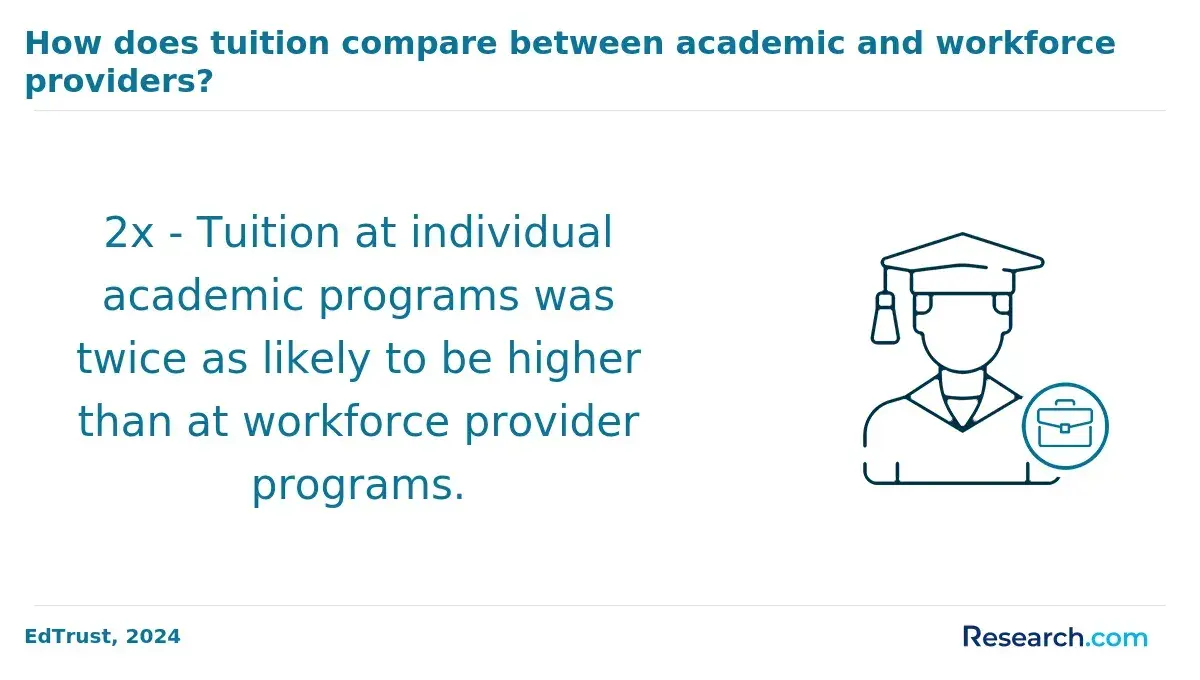
For students weighing the cost of an online MS in Health Psychology at Grand Canyon University against other institutions, it's important to note many comparable programs can exceed $20,000 annually in just tuition and fees. Some traditional campuses also factor in room and board, which can bring the total cost well above GCU's base figures. In-state costs for on-campus attendance at GCU are slightly lower, but these do not apply to online learners, who avoid additional housing expenses.
The Grand Canyon University online MS in Health Psychology tuition cost reflects a competitive positioning, particularly for students focused on the health psychology niche. Since employer demand increasingly favors candidates with practical expertise in behavioral health integrated with clinical training, the financial tradeoff involves assessing how tuition aligns with career pathways in healthcare settings or wellness programs where this degree applies.
Prospective students should consider their return on investment carefully, especially comparing the cost efficiency to other graduate degrees or even the easiest degree to get that may offer faster but less specialized routes. Exploring financing and job market alignment remains crucial alongside tuition figures, as hiring practices in psychology-related roles often prioritize credentials that combine affordability and robust clinical competencies.
Are there financial aid options for online MS in Psychology - Health Psychology students at Grand Canyon University?
Securing financial aid for an online MS in Health Psychology at Grand Canyon University involves navigating multiple options, each affecting the overall affordability and potential debt load differently.
For many working professionals balancing employment and study, leveraging a combination of scholarships, employer tuition assistance, and federal aid can substantially reduce out-of-pocket expenses. Such a strategy is critical since relying solely on loans often increases long-term financial pressure post-graduation.
Below are key financial aid possibilities that prospective students should evaluate within their personal circumstances.
- Merit-Based Scholarships: Awarded to students demonstrating strong academic records, these scholarships typically reduce tuition expenses without requiring repayment. Eligibility often depends on undergraduate GPA or prior graduate coursework, with awards varying in size based on criteria and institutional funding.
- Need-Based Institutional Aid: Designed to support students with demonstrated financial need, this aid requires a detailed financial profile through the university's application process. It can help bridge gaps between tuition and other funding but may require ongoing documentation of need.
- Employer Tuition Reimbursement: Many students employed in healthcare or related sectors use this option to have tuition partially or fully covered by their employer. Eligibility hinges on employer policies, and students must often provide proof of enrollment and maintain certain job performance standards.
- Federal Student Aid: Graduate students qualifying via FAFSA may access subsidized and unsubsidized loans alongside limited federal grants or work-study programs. This aid is contingent on financial need and credit eligibility, influencing borrowing capacity and repayment obligations.
- Veteran Benefits: Military service members and eligible dependents can utilize veteran education benefits through the institution's military-friendly program. These benefits supplement tuition coverage and may include housing allowances, decreasing the net cost for qualifying applicants.
What learning resources are available to online MS in Psychology - Health Psychology students at Grand Canyon University?
Effective learning resources critically shape outcomes for students pursuing an online MS in Health Psychology, especially given the challenges of remote study and the profession's applied nature. Access to targeted academic and professional tools can mitigate common barriers such as isolation, limited immediate feedback, and navigating the practical demands for future roles in healthcare or research settings.
For instance, students who leverage tailored tutoring and real-time technical support are better positioned to integrate complex psychological theories with case-based applications sought after by employers. These supports also impact retention and timely degree completion, both pivotal in workforce entry.
The following outlines key resources available to students and their operational roles within the program.
- Digital Infrastructure: A robust online platform ensures consistent access to course materials, interactive modules, and collaboration tools. This seamless environment reduces downtime and allows students to balance study with professional or personal commitments effectively.
- Technical Support: Dedicated assistance addresses software or connectivity issues promptly, minimizing disruption to learning schedules, which is crucial when students are managing multiple responsibilities or asynchronous coursework.
- Academic Tutoring: Personalized tutoring services enhance comprehension of specialized topics like health psychology research methods, enabling students to better meet the analytical demands required in clinical or organizational roles.
- Writing Assistance: Support with academic writing ensures clear communication of research findings and theory application, a skill highly valued in both academic publishing and practical health psychology reports.
- Professional Placement Support: Guidance for internships and networking opportunities connects students with industry professionals and mentors, bridging the gap between theoretical knowledge and workforce expectations.
Does Grand Canyon University's online MS in Psychology - Health Psychology program have in-person clinicals or practicums?
In-person clinical experience remains a critical component for many health psychology master's programs, especially where licensure or clinical practice is a goal. Typically, these programs require supervised onsite practicums or clinical hours to develop hands-on skills essential for therapeutic and assessment competencies. However, Grand Canyon University's clinical practicum requirements diverge from this standard by omitting mandatory in-person clinicals.
The program substitutes traditional practicum hours with virtual assignments, case studies, and applied projects designed to cultivate critical thinking and reinforce health psychology principles. This format suits individuals balancing work and geographic limitations, offering flexible access to theoretical knowledge without the impracticalities of face-to-face clinical placements.
Yet, this approach presents a tradeoff: students aiming for licensure or clinical certification typically need hands-on supervised experience elsewhere, as the program itself does not provide direct clinical placements.
For applicants prioritizing a trajectory involving clinical practice, the lack of in-person clinical experience in Grand Canyon University's health psychology program may require additional external planning to fulfill licensing prerequisites.
Evaluating this aspect alongside other program features and comparing options within the most affordable online masters category can help prospective students select paths aligned with their professional goals and regulatory requirements.
What careers can graduates of online MS in Psychology - Health Psychology at Grand Canyon University secure?
The marketability of graduates from the online MS in Health Psychology at Grand Canyon University hinges on their readiness to fill support roles within clinical and healthcare settings rather than independent practitioner positions. This degree's value largely depends on how well it equips students for auxiliary functions in health psychology, especially given that it does not confer clinical licensure.
Those evaluating this path should consider the tradeoff between obtaining a broadly applicable master's foundation versus the need for further credentials to access higher-level clinical roles.
Below is a snapshot of relevant occupations for graduates navigating health psychology careers for Grand Canyon University graduates.
- Health Psychology Assistant: Works alongside licensed psychologists to help patients manage chronic illnesses and stress, applying psychological principles to health behavior. Salaries typically range from entry-level to moderate, reflecting support-level responsibilities.
- Behavioral Health Technician: Provides behavioral health services under supervision, assisting in treatment plans and patient monitoring primarily within clinical or rehabilitation settings. Compensation is generally modest, correlating with technical but non-clinical duties.
- Wellness Coordinator: Designs and promotes preventive health programs in community or organizational contexts, focusing on behavior change and health education. Pay varies depending on employer size and location but offers growth potential in expanding public health initiatives.
- Research Assistant in Health Psychology: Supports scientific studies that explore mind-body connections and health behaviors, often employed by universities or healthcare institutions. This role offers experience applicable to doctoral-level study but typically features lower remuneration.
Graduates involved in these roles gain practical exposure to interdisciplinary healthcare teams, which can serve as a foundation for advanced certifications or doctoral programs targeting long-term career mobility. Those interested in faster academic pathways might explore 1 year degree programs, which could potentially alter timing and career trajectory decisions in this competitive sector.
What is the salary outlook for online MS in Psychology - Health Psychology graduates?
The salary outlook for graduates of the online MS in Health Psychology at Grand Canyon University reveals a tradeoff between specialized knowledge and earning potential within allied health fields. While median alumni salaries hover around $42,186 across various degrees, health psychology graduates face a more modest starting point comparable to related disciplines like mental and social health services, which report median earnings near $34,191. This indicates that while graduates enter a stable field, they should anticipate salaries below those in highly paid healthcare sectors such as registered nursing or clinical laboratory science.
Professionals holding this degree often find roles in healthcare systems, wellness initiatives, or community programs focusing on chronic illness and behavioral health management. The practical implications of these career paths include steady demand but moderate compensation relative to other healthcare specialties.
For students evaluating the financial return on an MS in health psychology, it is important to weigh the balance between applied expertise in health psychology and the comparatively lower salary ceiling.
Individuals seeking pathways to higher immediate earnings might consider alternative programs; for example, exploring what's the easiest bachelor's degree to get could offer different entry points with varied salary outcomes. Overall, the career prospects and earning potential for Grand Canyon University health psychology graduates suit those prioritizing specialized interdisciplinary roles over top-tier clinical salaries.
How do you know if Grand Canyon University's online MS in Psychology - Health Psychology program is the right choice for you?
Choosing an MS in Health Psychology program requires aligning the curriculum, delivery method, and community environment with your specific career objectives and learning preferences. This alignment affects not only how you balance your studies with life commitments but also how effectively you develop skills sought by employers in healthcare and research roles.
Below are key factors to assess when considering whether Grand Canyon University's online program matches your needs.
- Program Flexibility and Format: Evaluate how the blend of asynchronous coursework and scheduled live sessions fits your daily schedule and learning style. Flexibility is crucial if you juggle work, family, or other responsibilities, so prioritize programs that accommodate these constraints without sacrificing engagement.
- Applied Curriculum Relevance: Scrutinize the practical components of the curriculum such as behavioral interventions and research methods. Programs that offer applied skills increase employability by better preparing you for health psychology roles in various settings rather than focusing solely on theory.
- Community and Support Systems: Consider if the program's cultural and ethical environment aligns with your values and if dedicated academic advising and career services are readily accessible. Support structures significantly impact persistence and successful transitions into the workforce.
- Outcome Transparency: Look for clear data or testimonials regarding graduate employment trajectories. Understanding typical timelines for credentialing, licensure, or entry-level position acquisition helps set realistic expectations.
Reflecting on a former student's experience can clarify these points: one graduate recalled weighing options between several online programs and ultimately chose Grand Canyon University because the platform's mix of live interaction and self-paced study fit her unpredictable schedule caring for elderly parents. She valued the program's focus on practical health psychology skills, which she believed would boost her competitiveness for counseling roles.
However, she found that active use of career services was essential to navigate the credentialing process and professional networking. Her hesitancy about online learning diminished as she engaged more with faculty and peers, confirming that the right program choice hinges on both personal circumstances and commitment to leveraging available resources.
What Graduates Say About Grand Canyon University's MS in Psychology - Health Psychology Program
- Gabriel: "Studying at Grand Canyon University gave me a practical foundation I could immediately apply to my work in healthcare settings. The blend of psychological theory and health-specific modules helped me understand patient behavior from a clinical and community perspective. While I didn't pursue licensure, the emphasis on internships and case studies made it easier to demonstrate real experience to employers, even when competing against candidates with more traditional credentials."
- Colby: "The flexibility that Grand Canyon University offered was crucial for balancing work and study, especially since I was transitioning careers. The ms in psychology - health psychology program's focus on remote learning and real-world application helped me gain relevant certifications alongside my degree. I've found employers value the combination of my academic background and practical certifications, though I've noticed salary growth is somewhat limited without clinical licensure in this field."
- Brody: "Reflecting on my time at Grand Canyon University, the program's comprehensive approach to health psychology prepared me well for the realities of the workplace. I appreciated the depth of coursework in behavioral health, but I also learned that breaking into certain advanced roles requires additional credentialing beyond the degree. Still, the program improved my understanding of interdisciplinary collaboration and helped me pivot into a role focused on wellness coaching and program development."
Other Things You Should Know About Degrees
The MS in Psychology - Health Psychology program at Grand Canyon University offers asynchronous online courses, which provide flexibility for working adults. However, students should expect a steady workload each semester, typically involving multiple assignments and discussions weekly. While the program allows some self-pacing within terms, the consistent deadlines require strong time-management skills, making it less suitable for those seeking a completely self-paced model. Prioritizing the program alongside full-time employment is feasible but demands disciplined scheduling to avoid burnout.
Although the program is online, faculty members are available for guidance via email and scheduled virtual meetings, offering personalized feedback on assignments and research. The interaction is not as spontaneous as in traditional onsite programs, which may impact students who benefit from real-time discussions or hands-on mentorship. Prospective students should weigh if the primarily text-based communication model matches their learning preferences before enrolling, as higher engagement correlates with successful outcomes in this program.
The MS in Psychology - Health Psychology at Grand Canyon University provides foundational knowledge but does not include licensure-qualifying clinical hours, limiting its direct applicability to clinical practice. Students aiming for licensure or doctoral programs should view this degree as a stepping stone rather than a terminal credential. Those considering advanced study should prioritize supplementing this degree with additional supervised experience or research training to meet prerequisites for clinical licenses or competitive PhD/ PsyD admissions.
References
- What is the Masters In Health Psychology Salary Outlook? https://mastersinpsychologyguide.com/articles/what-masters-health-psychology-salary-outlook/
- Health Psychology Degree and Career Guide https://www.psychologydegree411.com/degrees/health-psychology/
- Careers with a Master’s in Psychology: Graduate Outlook | Meridian University https://meridianuniversity.edu/content/careers-with-a-masters-in-psychology-graduate-outlook
- Master of Science in Health Psychology, MS https://catalog.ncu.edu/preview_program.php
- Best Value Online Master's in Psychology Programs - BestMedicalDegrees.com https://www.bestmedicaldegrees.com/rankings/best-online-masters-in-psychology-programs/
- What is the future job outlook for careers in psychology? https://www.bestmastersinpsychology.com/faq/what-is-the-future-job-outlook-for-careers-in-psychology/
- GCU K12 Resources | Canyon PD https://www.canyonpd.com/gcu-k12-education-resources/
- Best Online Clinical Psychology Master’s Programs Of 2025 https://www.psychology.org/rankings/best-masters-programs-in-clinical-psychology/
- Higher Education Services https://www.gce.com/
- Grand Canyon University https://www.onlinepsychologydegree.info/colleges/grand-canyon-university/