2027 Southern New Hampshire University Online MS in Healthcare Administration: Cost, Curriculum, Admissions, and Career Outcomes

Co-Founder and Chief Data Scientist
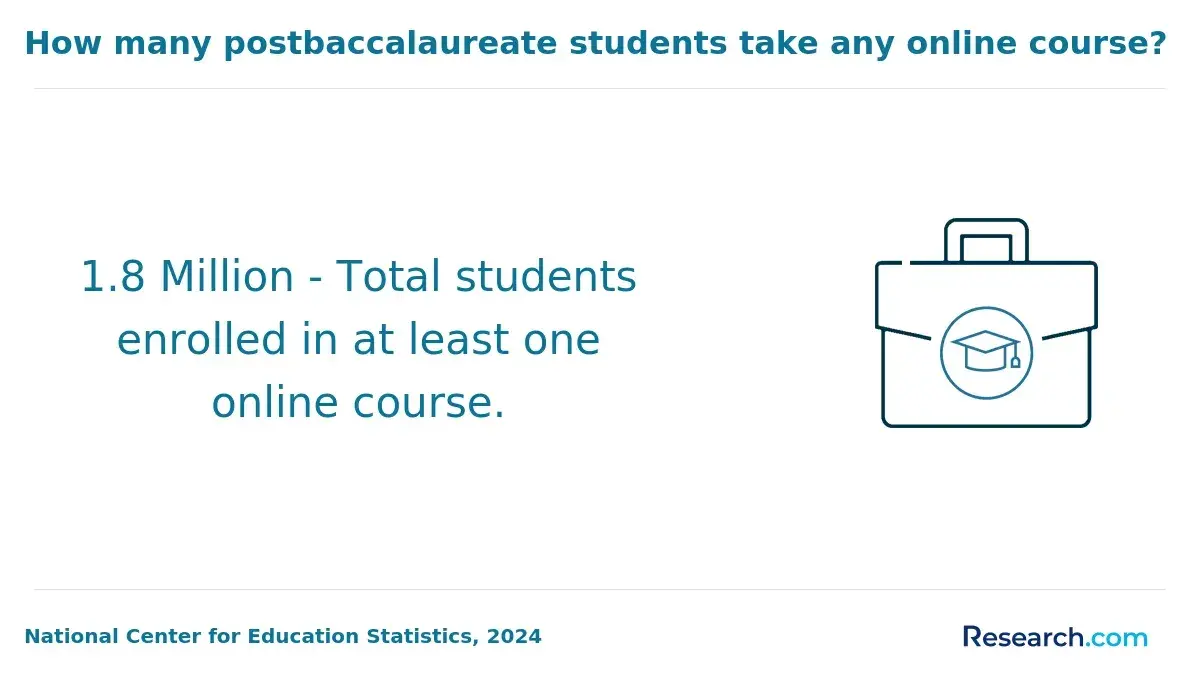
Professionals seeking to advance in healthcare management often face uncertainty about whether an online MS in Healthcare Administration from Southern New Hampshire University aligns with their career goals and learning preferences. As of 2024, online enrollment in graduate programs has increased by over 12%, according to the National Center for Education Statistics, reflecting a rising demand for flexible education that accommodates working adults. This trend underscores the importance of evaluating program structure, admissions flexibility, and curriculum relevance when choosing a path forward. This article examines the cost, curriculum, admissions criteria, and career outcomes of Southern New Hampshire University's online MS in Healthcare Administration to aid informed decision-making.
Key Points About Southern New Hampshire University's MS in Healthcare Administration Program
- Admission to Southern New Hampshire University's online MS in Healthcare Administration is accessible with a 96% acceptance rate, but students should assess if the program's rigor meets their skill development needs.
- The program's curriculum emphasizes practical healthcare leadership, aligning with employer expectations and aiding many graduates in advancing their management careers in real-world settings.
- The total tuition cost of $51,392 requires careful financial planning, as this investment must be weighed against expected career progression and salary growth opportunities post-graduation.
What can students expect from Southern New Hampshire University's online MS in Healthcare Administration curriculum?
The curriculum of Southern New Hampshire University's online MS in Healthcare Administration is designed around practical leadership demands that health systems currently face, rather than solely theoretical frameworks. For example, a student might navigate the challenge of reallocating resources during a sudden healthcare crisis-a scenario requiring skills in finance, policy comprehension, and ethical decision-making. This program's structure mirrors standard MS in Healthcare Administration programs in the U.S., integrating both core business competencies and healthcare-specific knowledge. Below are key focus areas students will encounter in online healthcare administration courses in New Hampshire.
- Healthcare Policy and Law: Students analyze regulatory environments, compliance issues, and healthcare laws, emphasizing how policy influences operational decisions and patient care standards. Mastery here equips learners to manage risk and maintain ethical governance in complex healthcare settings.
- Strategic Planning and Finance: Coursework demands understanding budgeting, financial reporting, and strategic resource deployment. These skills prepare students to optimize operations and make data-driven decisions essential for sustainability in healthcare organizations.
- Healthcare Informatics and Analytics: This area introduces data management and technology's growing role in improving care quality and operational efficiency. Proficiency in informatics is increasingly prioritized by employers seeking administrators skilled at leveraging technological tools.
Overall, Southern New Hampshire University's curriculum balances rigorous theoretical foundations with applied learning to prepare graduates for the complexities of healthcare administration roles. This blend supports readiness for diverse workplaces including hospitals and government agencies. Prospective students should weigh this curriculum's breadth against specific career goals, particularly as employer expectations increasingly favor candidates with practical experience in navigating healthcare's regulatory and technological landscapes. Furthermore, for students concerned about cost-effective education pathways, exploring online colleges that pay you to attend can provide strategic options when considering an online MS in Healthcare Administration curriculum in Southern New Hampshire University.
What are Southern New Hampshire University's admission requirements for online MS in Healthcare Administration program?
Admission to Southern New Hampshire University's online MS in Healthcare Administration requires demonstrating both academic capability and relevant preparation. Because employers value candidates who have foundational knowledge as well as the discipline to succeed in an online learning environment, the university's admission standards reflect these expectations. For example, a working professional seeking career growth must verify prior academic achievement and English proficiency to ensure readiness for graduate-level coursework. Below are key admission requirements applicants should be prepared to meet.
- Academic Credentials: Applicants need to have completed high school or an equivalent credential, such as a GED. This baseline confirms basic educational attainment necessary to handle graduate studies and is a standard prerequisite across many similar programs.
- Secondary School Record: Submission of a secondary school transcript is required, showing completion of a college-preparatory curriculum. This record helps the admissions team assess readiness and prior academic rigor. Although secondary school rank and formal competency demonstrations are recommended, they remain optional elements.
- Standardized Tests: While SAT or ACT scores are suggested, they are not mandatory. This flexible stance acknowledges diverse applicant backgrounds, especially adult learners who may have been away from testing environments for some time.
- English Proficiency: Non-native English speakers must submit TOEFL scores to verify language competence. This ensures candidates can effectively engage with intensive reading, writing, and communication demands of the program.
- Additional Assessments and Recommendations: Letters of recommendation support the application by providing insight into the applicant's character and potential for success. Optional tests like the Wonderlic or WISC-III may be submitted but are not compulsory. Transfer of credits for prior learning and experience is possible, though dual credit options are not offered.
Is it difficult to get admitted to Southern New Hampshire University's online MS in Healthcare Administration program?
Competitiveness in MS in Healthcare Administration programs typically arises from a mix of limited slots and a growing pool of applicants aiming for leadership roles in healthcare settings. Many programs require demonstrable experience or strong academic records, making admission moderately selective in the context of rising industry demand. This dynamic often forces candidates to weigh application effort against potential career mobility and salary gains within health systems that increasingly value administrative expertise.
Southern New Hampshire University's program, by contrast, maintains a notably high acceptance rate of 96%, admitting 43,377 out of 45,127 applicants annually. This accessibility indicates a more inclusive approach, likely designed to accommodate the surge in demand for flexible, online graduate education fitting working professionals. Although the overall admission difficulty is categorized as moderately difficult, the absence of standardized test requirements reduces upfront barriers, making it less restrictive than many peers.
The practical implication is that prospective students with varied academic and professional backgrounds can realistically pursue this degree without facing intense admissions gatekeeping. This approach supports workforce entry at scale but may require students to differentiate themselves post-admission to stand out in competitive job markets.
One graduate recalled hesitating before applying, unsure if her nontraditional undergraduate path would suffice. "I was relieved to find the process straightforward," she said, "especially since juggling a full-time job and family left little room for lengthy test prep. It felt like they valued my experience more than formal exam scores." Her story underscores how the admissions model aligns with the realities of many adult learners seeking career shifts within healthcare administration.
What is the cost of attending an online MS in Healthcare Administration program at Southern New Hampshire University?
Tuition for the online MS in Healthcare Administration at Southern New Hampshire University is set at an annual $16,450, excluding ancillary costs such as books and living expenses. This flat-rate tuition applies uniformly to online learners regardless of location, eliminating geographic cost disparities typical in graduate education. However, beyond tuition, students should budget around $1,800 annually for books and supplies, a consideration often overlooked but influential when planning total educational expenses. This clarity in tuition pricing allows prospective students to anticipate their financial commitments without facing hidden fees or unexpected surcharges, which can affect long-term budgeting.
When compared to the tuition fees for Southern New Hampshire University healthcare administration online program with other institutions, SNHU's base tuition presents a competitive advantage. Typical tuition for comparable MS in Healthcare Administration programs nationwide falls within a broad range of $20,000 to $30,000 annually, often influenced by residency status and institutional prestige. The absence of an online technology fee at SNHU further distinguishes it from many programs that tack on additional costs to access digital platforms and resources, a factor that can add several hundred dollars each term for learners.
For students weighing program costs against career returns in healthcare management roles, such pricing nuances are crucial. Employers increasingly demand graduate education but also value cost-efficient credentials that signal both capability and fiscal prudence. The decision to invest in an online MS in Healthcare Administration at SNHU should factor in these realistic cost structures alongside potential salary growth and job market responsiveness, especially as healthcare systems adapt to evolving administrative models and fiscal constraints.
Additionally, those considering accelerated or alternative educational paths may find value in exploring 1 year associate degree programs online to strategically move through prerequisite or foundational coursework. Integrating such options can affect overall timing and expense, influencing the total cost-benefit equation of pursuing advanced healthcare administration education at SNHU.
Are there financial aid options for online MS in Healthcare Administration students at Southern New Hampshire University?
Access to financial aid for students enrolled in the online MS in Healthcare Administration at Southern New Hampshire University can substantially affect affordability, especially for working professionals balancing tuition with living expenses. Deciding whether to rely on institutional aid, federal loans, or employer reimbursement involves tradeoffs around eligibility, repayment obligations, and timing. Awareness of all funding channels is critical to optimizing out-of-pocket costs without jeopardizing future financial stability. Below is an overview of the primary financial aid options commonly available to these students.
- Institutional Scholarships: Targeted scholarships at Southern New Hampshire University often reward merit or need, with eligibility varying by academic performance and program requirements. These awards typically reduce tuition by a partial amount and do not require repayment.
- Federal Aid: Students who complete the FAFSA may qualify for grants and loans, including subsidized and unsubsidized options. Federal aid demands meeting enrollment and academic progress standards, with borrowing caps that influence the total amount accessible.
- Veteran Benefits: Military service members and veterans may utilize education benefits that cover tuition and fees, often providing a significant funding source without debt. Eligibility depends on service history and benefit utilization limits.
- Employer Tuition Reimbursement: Many healthcare professionals leverage employer-sponsored programs to offset costs. These plans can cover part or all tuition but frequently require students to maintain employment and may mandate grade thresholds.
- Graduate Institutional Aid: Southern New Hampshire University may provide merit-based or need-based graduate assistance tailored to graduate healthcare administration students, though availability fluctuates by term and program demand.
What learning resources are available to online MS in Healthcare Administration students at Southern New Hampshire University?
Effective learning resources are critical for students pursuing an online MS in Healthcare Administration, particularly given the challenges of balancing intensive coursework with professional and personal responsibilities. The availability and quality of these resources can directly influence students' ability to master complex healthcare management topics, engage with faculty expertise, and adapt to evolving industry demands. For instance, a working professional managing a full-time job may rely heavily on timely technical support and academic advising to maintain steady progress without compromising work commitments. The following outlines the core learning resources that support students in this program.
- Technical Support: Southern New Hampshire University provides 24/7 technical assistance to address software issues and connectivity problems, crucial for uninterrupted access to course materials and interactive platforms. Reliable IT support minimizes downtime that can derail tight study schedules.
- Academic Advising: Personalized advising helps students navigate course selections, align their studies with career objectives, and overcome academic challenges. This targeted guidance is important for tailoring the curriculum to specific professional goals within healthcare administration.
- Tutoring Services: Dedicated tutoring offers one-on-one assistance with coursework and research projects, helping students deepen their understanding of complex healthcare systems and management principles. This resource can be especially valuable for those transitioning from unrelated fields.
- Writing Assistance: Access to specialized writing support ensures students can effectively communicate ideas and produce professional-quality reports, a skill highly valued by healthcare employers focused on clear documentation and regulatory compliance.
- Career Services and Networking: Through partnerships with healthcare organizations, the program enables access to resume development, interview preparation, and virtual career fairs. Networking opportunities facilitate connections with industry professionals, enhancing job prospects in a competitive healthcare administration labor market.
Does Southern New Hampshire University's online MS in Healthcare Administration program have in-person clinicals or practicums?
Healthcare administration programs often include in-person clinicals or practicums to expose students to real-world healthcare environments, which is valued by many employers seeking candidates with hands-on experience. However, this requirement can pose logistical challenges for working professionals or those unable to relocate. Southern New Hampshire University's online MS in Healthcare Administration addresses this by eliminating in-person clinicals, focusing instead on applied learning through virtual case studies and simulations. This tradeoff prioritizes accessibility and flexibility but may require students to proactively seek additional real-world exposure if their career goals depend on demonstrated facility-based experience.
Unlike many traditional MS in Healthcare Administration clinical requirements, Southern New Hampshire University's curriculum does not mandate internships or onsite practicums. This structure suits students balancing professional and personal commitments by providing advanced healthcare management education without the need for in-person attendance. The program substitutes practical experience with immersive projects designed to develop leadership, finance, and policy skills relevant to healthcare settings.
For those evaluating Southern New Hampshire University MS in Healthcare Administration practicum and clinicals policy, it is important to recognize workforce expectations vary by employer and role. Some healthcare organizations may prioritize candidates with tangible facility experience, while others may value online-trained graduates who demonstrate strong conceptual and strategic competencies. Prospective students should weigh how this program's absence of in-person clinicals aligns with their intended career path and consider supplementing their education accordingly. Resources from prestigious online universities may aid in comparing program delivery models and outcomes.
What careers can graduates of online MS in Healthcare Administration at Southern New Hampshire University secure?
The marketability of graduates from Southern New Hampshire University's online MS in Healthcare Administration depends largely on how well the program prepares them for leadership roles that involve both strategic oversight and operational management. Success in healthcare administration hinges on the ability to navigate regulatory complexity, manage diverse teams, and adapt to evolving health policies. For many alumni, securing roles that balance administrative duties with financial accountability proves essential in achieving upward mobility. This dynamic is especially evident in New Hampshire's healthcare landscape, where employers seek candidates familiar with local regulations and integrated care models. Below are some typical career paths graduates often pursue, reflecting the diverse opportunities available within healthcare administration jobs for Southern New Hampshire University graduates.
- Healthcare Manager: These professionals coordinate hospital or clinic operations, handling budgeting, staffing, and strategic planning. Earnings vary but typically reflect the high responsibility of ensuring departmental efficiency and compliance.
- Health Information Manager: Focused on patient data accuracy and electronic health records implementation, this role demands technical proficiency and is crucial for safeguarding patient privacy and improving care quality.
- Practice Administrator: Overseeing outpatient or physician offices, practice administrators balance business functions with patient-facing services, requiring strong organizational and interpersonal skills.
- Healthcare Consultant: Consultants analyze organizational workflows and recommend operational improvements, combining analytical skills with sector-specific knowledge to boost effectiveness.
Choosing this program involves weighing its practical relevance against evolving healthcare demands. Prospective students should assess how the curriculum aligns with real-world scenarios, such as dealing with compliance challenges or managing constrained resources. For those seeking certification options that enhance employability, information on certifications that pay well may also complement the MS in Healthcare Administration to strengthen job prospects.
What is the salary outlook for online MS in Healthcare Administration graduates?
Graduates of an online MS in Healthcare Administration from Southern New Hampshire University generally enter a labor market where salaries reflect the complexity and leadership demands of healthcare management roles. While those specializing in health and medical administrative services report median earnings around $45,661, stepping into broader roles within health services or allied health can raise this median closer to $57,436. This spread highlights a practical tradeoff: graduates must weigh initial salary prospects against the strategic value of positioning themselves within specific healthcare sectors that may offer higher compensation over time.
When evaluating healthcare administration graduate earnings in Southern New Hampshire University region, the median alumni salary for this degree surpasses the overall median alumni salary of approximately $50,318 across all disciplines. This suggests that healthcare administration professionals typically earn above-average wages, though they remain below specialized areas such as registered nursing and nursing administration, which report median salaries exceeding $70,000. For those targeting healthcare leadership or operational management, this places the degree in a competitive bracket but underscores the importance of targeted experience alongside academic credentials for optimizing salary outcomes.
The ongoing growth of healthcare systems sustains demand for administrators who can navigate both clinical and business complexities. Prospective students might also consider alternative doctoral pathways focused on research or policy, such as a PhD without dissertation, which can open different career avenues but often with distinct employer expectations and longer time horizons. This strategic consideration is crucial for candidates balancing immediate salary potential against long-term career flexibility.
How do you know if Southern New Hampshire University's online MS in Healthcare Administration program is the right choice for you?
Choosing whether Southern New Hampshire university's online MS in healthcare administration fits your needs requires assessing how its structure and offerings align with your professional goals and personal situation. This decision impacts not only your ability to complete the program but also how effectively it prepares you for healthcare leadership roles amid evolving industry demands. Below are key criteria to evaluate before committing to this or any similar program.
- Flexible Learning Options: Consider if the program's fully online, self-paced format matches your work schedule and learning preferences. Flexibility is critical for students balancing employment or family, but it also demands strong self-discipline to stay on track without in-person accountability.
- Curriculum Relevance and Depth: Assess how well the coursework integrates current healthcare policies, management principles, and leadership development. The program should equip you with practical skills applicable to varied healthcare settings rather than abstract theory alone.
- Student Support and Community: Investigate the availability and quality of advising, technology platforms, and peer interactions. A supportive, engaged student culture can offset the isolation frequently experienced in remote learning environments and help build valuable professional networks.
- Career Alignment: Reflect on whether the program's learning outcomes align with your targeted administrative roles and the expectations of employers in your region or sector. Different healthcare markets have distinct demands, making localized employment data and alumni success useful for validation.
One graduate recounted, "I hesitated because I wasn't sure an online program could provide the engagement I needed, especially managing a full-time job and kids. What convinced me was the detailed curriculum that directly addressed current healthcare challenges and the flexible pacing. Midway, I found myself relying heavily on academic advisors and virtual study groups, which made me feel connected despite the distance. This balance allowed me to apply what I learned immediately at work, which was a relief and validated my choice."
What Graduates Say About Southern New Hampshire University's MS in Healthcare Administration Program
- David: "Studying at Southern New Hampshire University offered me a flexible learning environment that fit around my full-time job, which was crucial. The MS in Healthcare Administration program emphasized real-world case studies and operational management, which helped me develop a strong portfolio that impressed employers. While I found that licensure wasn't always a requirement, having concrete experience and a solid portfolio was essential for moving into leadership roles in healthcare systems."
- Anika: "The program at Southern New Hampshire University gave me valuable insight into healthcare policy and analytics, which opened doors for me to pivot from clinical work to administration. I appreciated the practical approach, especially assignments focused on workflow optimization and budgeting. Although salary growth in my region feels somewhat capped without additional licensure, the flexibility of remote work opportunities that came post-graduation allowed me to balance family and career aspirations effectively."
- Adam: "Southern New Hampshire University's MS in Healthcare Administration was rigorous, but it accurately reflected the challenges of the healthcare industry. I learned that competitive hiring often favors candidates with internships and certifications alongside their degree, which the program encouraged through its robust career resources. While I faced some obstacles breaking into higher-level positions immediately, the education definitely helped me secure roles focused on policy compliance and operational support."
Other Things You Should Know About Degrees
The program is designed to accommodate working professionals by offering asynchronous courses, but students should be prepared for a significant time commitment per course. Each class typically requires extensive reading, assignments, and case studies that demand disciplined time management. Prospective students who cannot consistently dedicate 15-20 hours per week may struggle to meet deadlines and fully engage with the material, so prioritizing scheduling flexibility is key before enrollment.
Southern New Hampshire University’s online MS in Healthcare Administration program is designed with asynchronous courses to offer flexibility. However, this format can limit traditional networking opportunities typically found in on-campus programs. Students may need to proactively engage in virtual networking events and leverage online platforms to connect with peers and industry professionals.
Southern New Hampshire University offers a broad healthcare management curriculum without deep specialization in areas like informatics or policy leadership. For students certain about focusing narrowly on such subfields, this program may not provide the tailored competencies required by some employers. However, for those prioritizing versatility across healthcare settings and roles, SNHU's broad approach can offer practical management skills applicable in multiple contexts. Prioritizing program specialization or flexibility depends largely on long-term career goals.
Southern New Hampshire University has regional accreditation, which meets baseline employer expectations, but it lacks niche accreditation from bodies like CAHME specifically for healthcare administration. Some employers in competitive markets may prefer candidates from programs with these specialized endorsements. Graduates should be prepared to demonstrate practical experience or certifications to complement the degree, especially when targeting senior leadership roles at large healthcare organizations.
References
- SNHU Transfer Courses from Sophia | Sophia Learning https://snhu.sophia.org/
- Salary for Masters in Healthcare Administration – Jobs & Career Outlook https://mhadegree.org/health-administration-salary/
- 3 Degrees of Healthcare Management: MSHCM vs. MBA vs. MHA https://www.michiganstateuniversityonline.com/resources/healthcare-management/degrees-in-healthcare-management-mba-vs-mha-mshcm/
- SNHU Online Master of Science in Healthcare Administration (MSHA) https://www.onlineeducation.com/healthcare/schools/snhu-online-ms-healthcare-administration
- What are the Application Requirements of a Graduate Level Healthcare Administration Program? - Healthcare Administration Degree Programs https://www.healthcare-administration-degree.net/what-are-the-application-requirements-of-a-graduate-level-healthcare-administration-program/
- Healthcare Administration Salary in New Hampshire | Hospital and Medical Office Administrator Salary in NH https://www.healthcareadministrationedu.org/new-hampshire/new-hampshire-salary/
- Is a Master's in Healthcare Administration Worth It? http://www.scientistafoundation.com/plan-your-education/is-a-masters-in-healthcare-administration-worth-it
- Southern New Hampshire University - Model Teaching https://www.modelteaching.com/university-partners/southern-new-hampshire-university
- Master’s in Healthcare Management Degrees in New Hampshire - R-U - Healthcare Management Degree Guide https://www.healthcare-management-degree.net/in/new-hampshire-r-u/
- Low Cost College Programs - Graduate Debt-Free w/ Financial Aid Support https://www.degreeforward.org/cost-aid