2027 Is Purdue Global's Online Master of Public Health (MPH) Worth It? What Students Should Know

Co-Founder and Chief Data Scientist
Choosing an online Master of Public Health (MPH) program involves balancing flexibility, accreditation, and career outcomes amid a rapidly evolving public health landscape. With the U. S. Bureau of Labor Statistics projecting a 13% growth in public health jobs fueled by increased community health initiatives, prospective students must weigh program rigor against real-world applicability. Accessibility through online formats addresses the time constraints many face, yet not all programs deliver equitable employer recognition or practical skills alignment. For candidates evaluating Purdue Global's MPH, understanding how its curriculum and format intersect with workforce demands is crucial. This article explores these factors to clarify if Purdue Global's online MPH supports your professional and educational goals effectively.
Key Points About Purdue Global's Online Master of Public Health (MPH) Program
- Purdue Global's online Master of Public Health (MPH) program offers open admission and a total tuition cost of $19,560, providing accessible entry but requiring careful financial planning for value assessment.
- Graduates earn a median salary of $36,596 with an earnings to debt ratio of 1.40x, reflecting moderate financial returns relative to program investment.
- The program's mixed employer recognition signals potential challenges in workforce acceptance, necessitating that students align their career goals with the program's market positioning.
What makes Purdue Global's online Master of Public Health (MPH) program stand out?
The primary advantage of Purdue Global's online master of public health (MPH) program lies in its flexibility, which suits working professionals managing complex schedules. For example, a public health worker employed full-time in a local health department can start courses at multiple points during the year and progress asynchronously, reducing conflicts between professional demands and academic work. However, the tradeoff is a noted average graduation rate of 48%, suggesting that self-motivation and time management skills are critical to success in this format.
Another distinct feature is the program's sizeable faculty base of 2,670 employees, including 711 full-time and 1,959 part-time faculty, providing a robust support structure. This ratio can benefit students who need personalized advisement or deeper academic engagement, a contrast to some fully online programs with fewer faculty resources. Additionally, Purdue Global's emphasis on practical, evidence-based coursework prepares students for the varied realities of public health roles, making it a viable option for those aiming to apply skills directly in community health settings or policy environments.
Is it difficult to get admitted to Purdue Global's online Master of Public Health (MPH) program?
Graduate public health programs commonly exhibit competitive admission standards, reflecting strong demand for specialized skills in a workforce increasingly focused on population health challenges. Many MPH programs require applicants to submit standardized test scores and maintain competitive undergraduate GPAs, which can introduce significant barriers to entry and delay enrollment for those without traditional academic credentials or who juggle professional and personal commitments.
Purdue Global's online Master of Public Health (MPH) program diverges from this norm by eliminating the need for standardized tests and maintaining an open admission policy. This approach results in a markedly lower admission difficulty, making the program accessible to a broader range of applicants including career changers and working adults. While this can expedite enrollment and reduce stress, it may also suggest a tradeoff in terms of selective peer cohorts, which some employers consider when evaluating program rigor and graduate readiness.
Unlike more selective programs with low acceptance rates, Purdue Global effectively removes common admission gatekeepers. This can be advantageous for candidates prioritizing flexibility and timely credential completion, but it requires applicants to self-assess whether less traditional vetting aligns with their long-term career goals and employer expectations in public health sectors where hiring managers may scrutinize rigor and institutional reputation.
One graduate shared, "I hesitated for weeks between submitting my application and waiting to improve my test scores elsewhere, but Purdue Global's no-test policy removed that hurdle. The admission process was straightforward and quick, which was a relief given my full-time job and family needs. Still, I wondered if this ease might affect how seriously potential employers viewed my degree, so I focused heavily on gaining practical experience alongside the coursework."
How does the curriculum of Purdue Global's online Master of Public Health (MPH) program stay aligned with current industry trends?
Aligning public health education with evolving industry demands requires not only coverage of fundamental topics but also practical skill development tailored to employer expectations. Purdue Global's online master of public health (MPH) curriculum attempts to bridge this gap by focusing on areas that reflect current workforce needs. In practice, graduates who can integrate data analysis with cultural competency tend to navigate job environments more effectively, particularly in roles addressing chronic disease management or health policy implementation. The following factors illustrate how Purdue Global's master of public health (MPH) curriculum updates reflecting public health industry standards align with these realities:
- Data Analysis Integration: The program emphasizes biostatistics and epidemiology, enabling students to handle complex datasets and interpret findings relevant to public health crises. This analytical focus meets employer demands for professionals who can translate large volumes of data into actionable strategies.
- Applied Learning through Capstone: The culminating project offers a practical scenario for students to demonstrate problem-solving skills by designing programs or policies, reflecting real-world challenges public health agencies face. This hands-on experience is crucial for transitioning theoretical knowledge into workplace competence.
- Cultural Competency and Ethics: Recognizing the diversity of populations served, the curriculum incorporates training on ethical considerations and cultural awareness, preparing graduates to work effectively across varied communities and address health disparities.
The practical emphasis of Purdue Global's online MPH program, geared toward competencies sought in healthcare and government organizations, signals a conscious effort to mesh traditional public health education with emerging trends. This balance is important because graduates face tradeoffs when entering a competitive job market increasingly influenced by technological proficiency and data-driven decision-making. Prospective students evaluating pathways should consider these curriculum features alongside broader issues like program reputation, cost, and modality. For those curious about alternative accelerated options in public health or related fields, exploring the easiest doctorate to get may also be relevant in planning long-term academic trajectories.
How much does Purdue Global's online Master of Public Health (MPH) program cost?
Purdue Global's online master of public health (MPH) program charges $10,110 for tuition and mandatory fees, while the total annual cost including books, room, board, and supplies rises to approximately $19,560. This distinction is critical for prospective students evaluating their real financial commitment, as ancillary expenses often push budgets beyond tuition alone. Unlike many institutions, Purdue Global does not impose additional online technology fees, and its flat-rate tuition regardless of residency presents a tangible advantage for out-of-state learners who frequently face higher costs elsewhere.
Financial aid significantly shifts the net cost picture. While the specific average aid figure of $5,277 pertains to undergraduates, graduate students at Purdue Global can access institutional grants and corporate tuition reimbursement programs that mitigate expenses. For individuals balancing professional responsibilities and education, understanding these financial avenues is essential to assessing whether this particular MPH program aligns with personal ROI thresholds and career path financial realities.
Relative to other online MPH programs nationwide, Purdue Global's tuition sits in the lower to mid-range spectrum. This cost positioning matters when considering the broader ecosystem of public health education, where expenses vary widely by institution and geographic location. Candidates aiming to minimize debt and maximize return on investment should weigh Purdue Global's transparent pricing and lack of hidden fees against programs with higher tuition but possibly broader networking or employer recognition advantages.
For students contemplating similar degrees or alternative credentials, exploring related options like an online accelerated bachelor's degree may provide a different timeline or financial structure to meet career goals. The choice to enroll in Purdue Global's online master of public health hinges on detailed cost-benefit assessments that factor in direct costs, potential aid, and how these financial elements interact with personal career trajectories in the public health workforce.
What are the admission requirements for Purdue Global's online Master of Public Health (MPH) program?
Admission to Purdue Global's online master of public health (MPH) program reflects a flexible yet strategically evaluative approach, prioritizing candidates' relevant experience and motivation over standardized testing metrics. This can be advantageous for transfer students or professionals returning to academia, as it removes barriers like SAT or ACT scores commonly required by other programs. However, applicants must understand that absence of strict testing requirements shifts the emphasis onto qualitative materials, which admissions committees use to gauge a candidate's fit and readiness for graduate-level public health work. Below is an overview to clarify what prospective students should prepare when applying.
- Standardized Test Policy: Purdue Global does not require SAT or ACT scores, allowing broader access for students without recent testing; this lowers entry hurdles but potentially intensifies competition on other application aspects.
- Supporting Documents: Applicants may need to submit personal statements, professional resumes, or recommendation letters, which provide essential context on their background, goals, and relevant experiences.
- Transfer Credits: The university permits transfer of previously earned credits subject to maximum limits and minimum grade thresholds, but students must work with advisors to ensure alignment with MPH curriculum requirements.
- Portfolio/Exams: There are no requirements for portfolios or entrance exams, simplifying admission for those with practical knowledge or academic qualifications in public health or related fields.
- Advisory Consultation: Prospective students benefit from direct dialogue with admissions counselors to clarify individualized credit transfers and optimize application completeness.
What is the ROI of attending Purdue Global's online Master of Public Health (MPH) program?
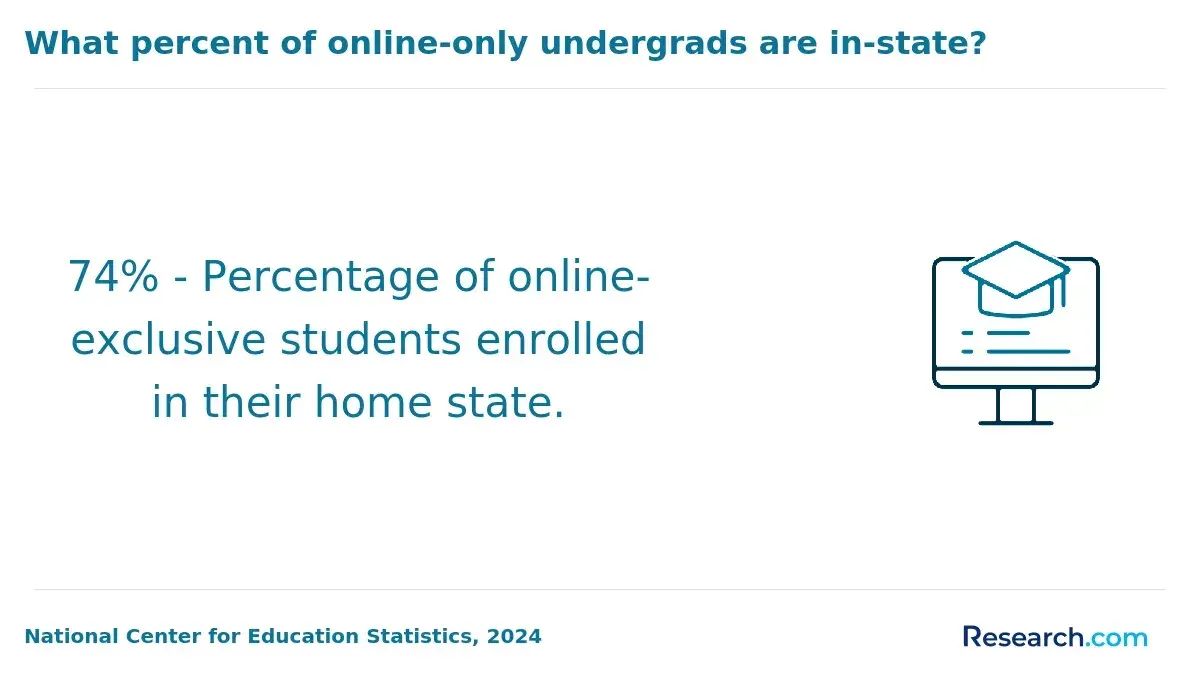
The return on investment for Purdue Global's online Master of Public Health (MPH) program reflects a balance between moderate educational costs and limited immediate salary gains typical in public health careers. With a total annual cost close to $19,560 and median graduate debt around $26,078, the program's financial burden is significant relative to starting salaries reported near $36,596. This creates a graduate earnings-to-debt ratio of approximately 1.4, indicating a cautious but stable financial outcome rather than a rapid payback scenario.
In practical terms, students facing this investment should weigh how their ability to obtain scholarships or grants could meaningfully reduce debt load, improving ROI. Moreover, graduates entering sectors such as government or nonprofits may expect steady but modest salary growth aligned with the broader public health field, often requiring years to reach leadership roles with higher compensation. Comparatively, this situation contrasts with MPH graduates who specialize or secure roles in consulting, healthcare administration, or private industry, where earnings can escalate faster and enhance ROI.
Prospective students must consider whether their career goals justify a program suited for stable, long-term public health engagement rather than immediate financial return. The decision involves tradeoffs between manageable upfront costs and delayed, incremental salary increases across diverse employment settings without strong concentration in high-paying employers. This nuanced ROI profile suits those prioritizing practical public health service over short-term economic gain.
Is there a high student satisfaction for Purdue Global's online Master of Public Health (MPH) program?
Student satisfaction in Purdue Global's online Master of Public Health program reflects a complex balance of flexibility and academic challenge that shapes real-world outcomes. While the program's sizable online community offers practical advantages for those juggling work, family, and school, the graduation rate under 50% signals that many students face hurdles that may dampen overall satisfaction. Employers often value candidates' ability to complete rigorous curricula remotely, but the variability in student experience could influence how alumni are perceived in competitive public health roles.
Purdue Global supports its MPH students through online organizations and formal mentoring designed to build connections and provide guidance tailored to remote learning's demands. These efforts can improve engagement, yet some students find the asynchronous structure isolating, which affects motivation and peer interaction. The demanding nature of balancing graduate coursework with external responsibilities also means that individual perseverance significantly impacts the perceived value and satisfaction of the degree.
One graduate shared their experience of hesitating before enrolling due to concerns about the online format's impact on networking and instruction quality. They ultimately found relief in the program's adaptable schedule and accessible faculty, which helped them manage full-time work and family care alongside studies. While they noted occasional frustrations with limited live interaction, the mentoring support offered enough anchor points to stay on track and feel supported-a nuance that prospective students should weigh when considering if this pathway fits their specific learning style and career objectives.
How does Purdue Global help online Master of Public Health (MPH) graduates secure employment?
Pursuing an online Master of Public Health (MPH) degree without strong institutional career support can limit a graduate's ability to secure relevant employment quickly. For public health fields where 70% of jobs come through networking and referrals rather than standard applications, the role of targeted career services becomes critical. Purdue Global's public health graduate career support services illustrate how schools influence employment by fostering connections and providing tailored tools that address these hiring realities. Below are key employment resources for online Master of Public Health (MPH) students at Purdue Global that help translate academic achievement into job market readiness.
- Virtual Job Fairs: These events connect students with employers specifically seeking public health expertise, enabling candidates to engage in conversations and learn about openings before formal application processes.
- Resume Workshops: Focused sessions tailor resumes to highlight public health skills and experiences, increasing the chances that automated systems and hiring managers will identify candidates as relevant.
- Job Placement Portals: Curated listings link students to opportunities designed for MPH graduates, streamlining the search and emphasizing roles compatible with their skill sets and career goals.
- Alumni Mentorship: The active Purdue Global alumni network offers mentorship programs that create pathways to employment through professional advice, insider guidance, and sometimes direct job referrals.
These components address a known workforce dynamic where institutional support influences long-term employability and networking outcomes. Students balancing study with other commitments may also consider complementing these opportunities with specialized certificate programs to further enhance marketable skills and focus areas within public health.
What are the career outcomes for recent graduates of Purdue Global's online Master of Public Health (MPH)?
Assessing career outcomes reveals that Purdue Global's online master of public health (MPH) graduates typically enter roles with modest starting salaries compared to more technical fields. This reality affects decisions about program value, especially for those weighing opportunity costs or seeking rapid economic returns. While the program equips students for public health roles across government and nonprofit sectors, salary data suggests compensation often ranges in the mid-$30,000 to low-$40,000 levels, which may influence job placement rates after Purdue Global online MPH program completion. The tradeoff involves stable employment and the chance to develop impactful community health initiatives versus higher-pay options in other science or technical disciplines. Below are examples illustrating typical career trajectories and salary expectations for recent graduates:
- Health Services Coordinator: Graduates often work as health program coordinators who manage and implement health initiatives in various settings. Median salaries hover around $36,000, reflecting entry-level to mid-tier administration work within public health systems.
- Medical Administrative Professional: Positions in health and medical administrative services involve organizational tasks supporting healthcare delivery, with average earnings about $40,800, indicating moderate financial stability but less technical specialization.
- Public Health Analyst: This role requires analyzing health data to guide policy or community interventions. Though essential to informed decision-making, salaries tend to align with the broader public health sector's modest compensation.
- Community Health Director: Overseeing local health programs, these professionals combine leadership with advocacy but face salary ranges that generally do not exceed $45,000 early in their careers, emphasizing mission-driven work over lucrative pay.
Considering these outcomes is crucial when evaluating the cost-benefit of pursuing this degree online, particularly alongside alternatives in related fields that may promise greater financial returns. For students prioritizing duration and flexibility, comparing this MPH to other accelerated options like those detailed in fastest online masters programs can be instructive.
How do I know if Purdue Global's online Master of Public Health (MPH) program is the right fit for my goals?
- Curriculum Relevance: Assess whether the program offers coursework in areas crucial to your target roles such as epidemiology, health policy, or global health. A curriculum aligned with your career focus equips you with the practical competencies employers expect.
- Accreditation Status: Verify if the program's accreditation meets licensure or certification requirements in your intended job market. Accreditation not only affects credibility but also impacts eligibility for certain positions or grants.
- Flexibility and Format: Examine the balance between asynchronous and synchronous course components to ensure the schedule fits your professional and personal commitments. Flexibility is essential for working students seeking to maintain steady employment.
- Support Services Availability: Consider the accessibility of career advising, faculty interaction, and practicum opportunities. Strong support networks enhance experiential learning and expand professional connections important for long-term employability.
- Outcomes and Employability: Investigate graduation rates, job placement data, and alumni achievements to gauge how effectively the program prepares students for the public health workforce and evolving sector demands.
Purdue Global's MPH program is one among many options available, so weighing these criteria in context of your individual priorities is essential. Evaluating how the program compares to other degrees, such as those highlighted in college degrees for seniors rankings, can further clarify its practical value for your career path.
What Graduates Say About Purdue Global's Online Master of Public Health (MPH) Program
- Zachary: "Studying the master of public health (MPH) program at Purdue Global gave me the flexibility to balance work and school since it was fully online. Navigating the job market afterward, I realized employers in public health often favor practical experience and certifications over just having a degree. The program's internship opportunities allowed me to build a portfolio that made me competitive for remote roles, even though some of the higher-level positions still require licensure or specialized credentials."
- Tanner: "My experience with Purdue Global's master of public health (MPH) was more challenging than I anticipated, but it shaped how I approached my career pivot. After graduating, I quickly understood that while the degree helped me get my foot in the door, advancing to leadership roles without additional certifications was tough. This reality pushed me to pursue certifications and focus on building experience in community health organizations where the program's emphasis on practical applications translated well."
- Vincent: "Purdue Global's master of public health (MPH) program delivered exactly what I needed to step into the workforce faster than traditional routes. I appreciated the curriculum's focus on data analysis and epidemiology, which directly supported my transition into a research analyst role. In my experience, even though salary growth is somewhat limited initially, the degree opened doors to diverse roles and the option to work remotely, which wouldn't have been possible without the program's flexible format."
Other Things You Should Know About Degrees
The program's asynchronous online format offers flexibility but the coursework is designed to be rigorous and time-intensive, often requiring consistent weekly hours. Balancing this with a full-time job demands strong time management skills and realistic scheduling. Prospective students should prioritize evaluating their current commitments, as underestimating the workload can delay graduation or impact learning quality.
The mph program offers a general public health focus with limited options for deep specialization or additional certifications during the degree. Students aiming for niche areas like epidemiology or health policy might find this restrictive and should weigh whether to pursue specialized certificates separately post-graduation. Prioritizing a program with embedded specializations is recommended for those certain about a specific career path.
While the program is designed to meet core competencies, it may not align perfectly with prerequisites for all state licensure or certifications such as the Certified in Public Health (CPH) exam in some cases. Students needing specific licensure should verify that coursework satisfies relevant board requirements before enrolling. Prioritizing programs with clear pathways to desired certifications can avoid costly delays in credentialing.
References
- Purdue Global Law School Career Services https://www.purduegloballawschool.edu/student-life/career-services
- What is a MPH (Masters in Public Health)? https://www.careersinpublichealth.net/resources/what-a-mph-public-health/
- Your Guide to a Masters in Public Health: Shaping a Healthier World https://www.mastershelp.in/blogs/masters-in-public-health
- Making a Global Impact with an MPH | University of Bridgeport https://www.bridgeport.edu/news/make-a-global-impact-with-mph/
- Program Fees And Payment Options - PublicHealthU.org https://phu.nextgenu.org/program-fees/
- MPH https://www.publichealthdegrees.org/program/masters/mph/
- Choosing the Right MPH Program: A Guide for Aspiring Public Health Leaders https://blog.jmir.org/choosing-the-right-mph-program
- 2025 Most Affordable Online MPH Programs https://www.onlineu.com/most-affordable-colleges/public-health-masters-degrees
- Global Student Satisfaction Report shows rising career support but declining diversity and quality of life - Studyportals https://studyportals.com/press-releases/global-student-satisfaction-report-shows-rising-career-support-but-declining-diversity-and-quality-of-life/
- Master of Public Health (MPH) https://ovc.uoguelph.ca/mph/master-public-health