2027 Is Arizona State University's Online BA in Interdisciplinary Studies Worth It? What Students Should Know

Co-Founder and Chief Data Scientist
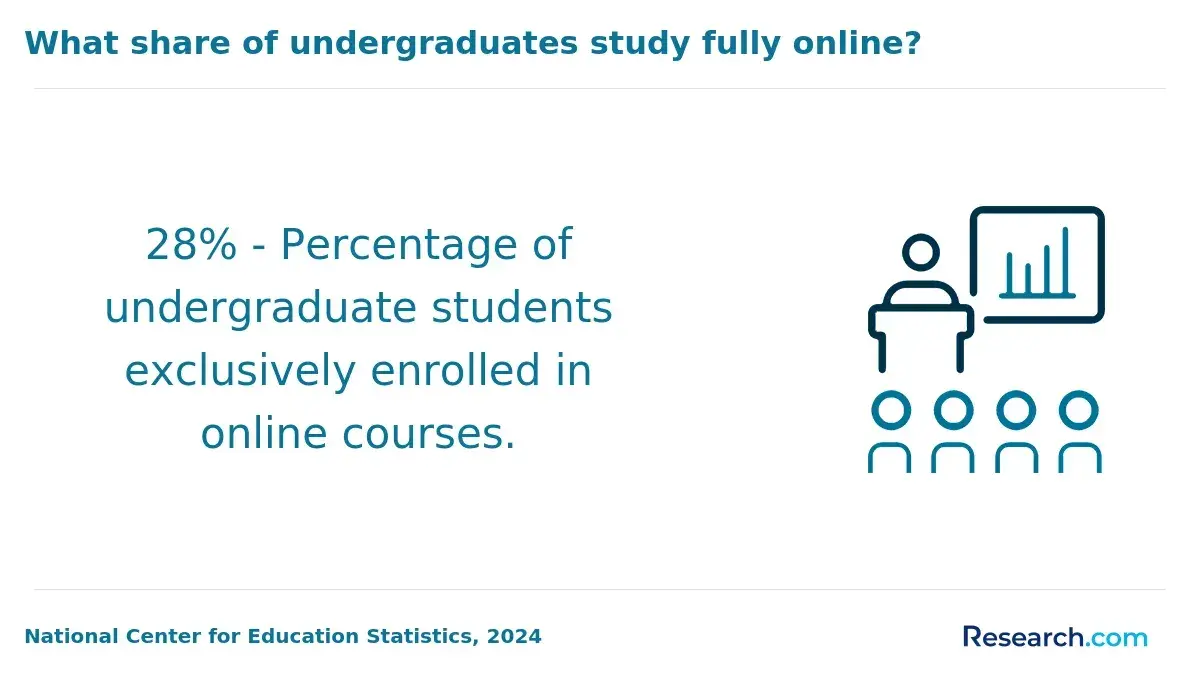
Choosing an online BA in Interdisciplinary Studies program requires balancing academic flexibility with clear career pathways. Many students grapple with whether such a broad curriculum aligns with evolving job market demands and employer expectations. The National Center for Education Statistics reports a steady 12% increase in online bachelor's degree enrollment, reflecting a shift toward remote learning that emphasizes self-motivation and time management.
However, students must weigh if Arizona State University's approach offers enough specialized skills to distinguish graduates in competitive fields. This article analyzes key factors shaping the value of ASU's program to help clarify its fit with your educational and professional objectives.
Key Points About Arizona State University's Online BA in Interdisciplinary Studies Program
- Arizona State University's online BA in Interdisciplinary Studies has a 90% acceptance rate, offering broad access but potentially less selectivity compared to more competitive programs.
- The total tuition cost of $34,845 with a median alumni salary of $62,668 yields a 3.21x earnings-to-debt ratio, indicating a financially reasonable investment relative to career earnings.
- Graduates benefit from strong faculty and employer connections, enhancing career prospects across diverse industries and reflecting the program's workforce relevance and applied value.
What makes Arizona State University's online BA in Interdisciplinary Studies program stand out?
Arizona State University's online BA in Interdisciplinary Studies offers flexibility that directly addresses a common challenge for working adults or students with evolving career goals: the ability to customize coursework across multiple disciplines without being locked into a rigid degree path. For example, someone balancing a job in technology while exploring interests in communication can tailor their studies to gain skills relevant to both fields, enhancing employability in dynamic labor markets. This adaptability contrasts with more narrowly focused programs that may limit options if career goals shift.
The program's scale and infrastructure support a rich online learning environment, with 79,593 students enrolled and 14,448 staff, helping ensure resources such as tutoring and career advising are readily available. This level of support is essential for remote learners who might otherwise struggle to access campus services. The blend of asynchronous and synchronous formats also accommodates diverse schedules, providing interactive experiences that help mitigate common pitfalls of online education, like isolation and lack of real-time feedback.
Graduation rates averaging 68% reflect a reasonable outcome in remote learning contexts, suggesting that while the program is challenging, its structure supports persistence. For individuals weighing tradeoffs between specialization and breadth, ASU's online BA in Interdisciplinary Studies stands out by enabling students to build interdisciplinary competencies suited to complex career trajectories in fields requiring adaptable problem-solving skills and cross-sector knowledge.
Is it difficult to get admitted to Arizona State University's online BA in Interdisciplinary Studies program?
Admission to most Bachelor of Arts in Interdisciplinary Studies programs typically involves moderate competition, reflecting the degree's appeal to students seeking flexible, individualized academic paths. Such programs often attract a variety of applicants with diverse interests, which can limit intense competition for slots but requires candidates to demonstrate thoughtful educational goals aligned with the hybrid nature of the degree.
Arizona State University's online BA in Interdisciplinary Studies notably diverges from many institutions by offering a high acceptance rate of 90%, admitting 62,084 students out of 68,840 applicants annually. This level of accessibility, coupled with a lack of SAT or ACT requirements, lowers traditional admissions barriers and broadens entry opportunities.
For applicants, this means fewer obstacles related to standardized testing but also implies that acceptance alone may carry minimal signaling power regarding candidate selectivity. This accessibility reflects a strategic emphasis on inclusion and serves students who prioritize program flexibility over selective admissions prestige.
While less competitive admissions can ease entry, applicants should consider that this may influence employer perceptions in sectors where brand selectivity matters. However, the lower threshold can benefit nontraditional students or those rebuilding credentials where academic openness is crucial. Admissions ease does not replace the need for self-driven focus during the program, given the interdisciplinary design requires proactive engagement.
One graduate shared that their admission felt straightforward but was marked by personal uncertainty: "I applied late in the cycle after hesitating because I wasn't sure if an interdisciplinary track would fit my career goals. Getting accepted quickly was a relief, but I spent the following months clarifying my focus areas and building a plan to use the program's flexibility effectively. The lack of testing requirements made applying less stressful, which helped me commit to finishing the degree amidst work and family demands."

How does the curriculum of Arizona State University's online BA in Interdisciplinary Studies program stay aligned with current industry trends?
Aligning an online BA in Interdisciplinary Studies curriculum with shifting industry demands requires more than generalist knowledge—it demands targeted development of skills employers prioritize and application of interdisciplinary thinking in practical settings. Arizona State University's approach reflects this by blending foundational competencies with flexible, real-world learning opportunities designed to meet evolving workforce needs.
Below are key factors that explain how ASU's program stays relevant within the context of Arizona's job market and broader industry expectations.
- Customizable Curriculum: ASU students can tailor their studies by integrating courses from multiple disciplines, allowing them to focus on career-specific skills and adapt their education to particular labor market niches. This flexibility supports alignment with diverse employer requirements and lets students preemptively adjust to emerging roles.
- Experiential Learning: Inclusion of capstone projects and applied assignments ensures that graduates engage in practical problem-solving, a critical component for hiring managers who increasingly value demonstrated ability over theoretical knowledge alone. This integration mirrors real-world scenarios where interdisciplinary collaboration drives innovation.
- Focus on In-Demand Skills: The curriculum centers on critical thinking, effective communication, project management, and technological literacy—competencies consistently highlighted as essential across industries, including growing sectors in Arizona. This focus equips graduates to navigate complex environments and adds measurable value to their resumes.
Arizona State University's online interdisciplinary studies curriculum shows clear industry relevance, balancing theoretical foundations with applied skill-building designed to meet specific employer expectations. As students weigh options, understanding these operational details can clarify whether this degree suits their career intentions and marketplace realities.
For those seeking educational pathways that respond directly to workforce shifts, particularly within regional contexts like Arizona, this program's structure allows them to position themselves thoughtfully for future roles. Students interested in exploring equivalent options may also want to consider easy degrees to get online that pay well, depending on their professional goals.
How much does Arizona State University's online BA in Interdisciplinary Studies program cost?
The tuition for arizona state university online BA in Interdisciplinary Studies is set at a flat rate of $12,051 annually, which can simplify budgeting compared to schools charging per credit or additional online fees. However, the full cost of attendance, including books, room, board, and other expenses, pushes the total to around $34,845 yearly. This cost structure means students should carefully weigh non-tuition expenses and consider their living arrangements when evaluating the true financial commitment of this program.
Many students find the availability of financial aid crucial in offsetting the sticker price. At Arizona State University, 93% of undergraduates receive aid averaging over $12,000, which substantially reduces net costs. Institutional grants and partnerships with corporate tuition reimbursements further aid online students, making the program financially accessible despite the initial outlay. These factors are particularly important for working adults balancing education with employment obligations.
Compared to the national landscape for the cost of earning a BA in Interdisciplinary Studies from Arizona State University online, tuition rates here align closely with other institutions offering similar programs. The absence of additional technology fees that some online programs levy creates a clearer and potentially more affordable financial profile. Still, prospective students should assess their total cost, including required supplies and housing, against these figures for practical decision-making.
For those evaluating returns on investment, reviewing what majors make the most money can clarify how the interdisciplinary focus might impact career earnings and job market competitiveness relative to more narrowly defined degrees. Understanding the financial dimensions alongside workforce demands is essential to gauge whether this BA fits both budget and long-term professional goals.
What are the admission requirements for Arizona State University's online BA in Interdisciplinary Studies program?
Navigating admission requirements for Arizona State University's online BA in Interdisciplinary Studies demands strategic consideration, as the process reflects deeper priorities relevant to career-oriented learners. For example, applicants who rely on formal testing may find the absence of mandatory SAT or ACT scores limits conventional avenues to showcase readiness, making alternative evaluations more critical for demonstrating potential.
Recognizing these specifics is essential for applicants aiming to align admission criteria with their academic background and workforce goals. Below are key admission factors to consider before applying:
- Educational Background: Completion of a high school diploma or GED is required, accompanied by submission of secondary school transcripts to establish foundational qualifications.
- Language Proficiency: Applicants whose first language is not English must provide TOEFL scores, ensuring adequate communication skills expected in academic and professional contexts.
- Testing Flexibility: While formal SAT or ACT scores are not mandatory, assessments such as Wonderlic or WISC-III tests are recommended to supplement academic evaluation.
- Credit Transfer Policies: The program accepts advanced placement credits but excludes dual credit and life experience credits, which affects transfer students' ability to apply diverse prior learning towards degree progress.
- Application Enhancers: Recommendations and demonstrations of competency are encouraged but optional, positioning these elements as strategic supplements rather than essentials.
What is the ROI of attending Arizona State University's online BA in Interdisciplinary Studies program?
The return on investment (ROI) of attending Arizona State University's online BA in Interdisciplinary Studies program hinges on balancing the relatively high total cost of attendance with post-graduation earning potential. With annual expenses approaching $34,845, students face a significant upfront financial commitment compared to the Federal Scorecard's reported $28,047 for in-state residents living on campus. Graduates earn a median starting salary of about $62,668, which aligns with or surpasses many interdisciplinary studies bachelor's degree holders nationwide, reflecting moderate income stability over time.
For students able to secure scholarships or grants, the effective cost decreases substantially, improving ROI by lessening reliance on loans. Given the median student debt after graduation sits near $19,500, a graduate earnings-to-debt ratio of 3.21x indicates a reasonable capacity to manage repayment without severe financial strain. However, those without financial aid support face a tradeoff: balancing appreciable debt levels with earnings that, while steady, are not in the top tier of undergraduate degree outcomes.
Employment realities also influence ROI. Graduates finding roles in technology firms, government agencies, or education can leverage the program's flexible skill set in diverse sectors, but wage growth tends to plateau after five to ten years. This emphasizes the importance of early-career job placement and the strategic pursuit of higher-paying positions to maximize long-term returns on this degree investment.
Is there a high student satisfaction for Arizona State University's online BA in Interdisciplinary Studies program?
Student satisfaction in ASU's online BA in Interdisciplinary Studies hinges on how well the program balances academic demands with practical support, a key factor many working adults weigh when choosing this path. While the flexibility of scheduling and availability of digital resources suit students managing jobs or family obligations, some find the remote format can weaken a sense of campus connection, which influences their overall satisfaction and engagement.
ASU addresses these challenges by offering virtual advising, peer mentoring, and online student organizations designed to foster community despite physical distance. These resources help mitigate feelings of isolation and provide critical academic guidance, contributing to a graduation rate that suggests the program's retention efforts are moderately effective.
However, the program's rigor and breadth require students to be self-motivated and proactive in utilizing these supports, as the absence of face-to-face interaction can amplify the difficulty of staying engaged and navigating coursework.
One graduate recalled initially hesitating to enroll online out of concern about missing "the college experience" yet found relief in the tailored advising and access to mentors who understood her specific challenges balancing full-time work and coursework. She highlighted that while the social aspect was limited compared to in-person programs, the structured support and flexible format made completing her degree feasible without sacrificing personal responsibilities.
How does Arizona State University help online BA in Interdisciplinary Studies graduates secure employment?
Employers increasingly prioritize candidates who can navigate multiple disciplines and demonstrate practical connections across fields, making the job search for online BA in interdisciplinary studies graduates complex. Arizona State University's employment resources improve these graduates' odds by integrating institutional support with real-world applicability.
Research shows graduates from universities with active career services and alumni networks are about 25% more likely to secure employment within six months after graduation. This advantage is particularly relevant given that interdisciplinary degree holders often face diverse but less predictable career trajectories.
The following illustrates key employment resources that underscore how Arizona State University helps graduates transition into the workforce:
- Virtual Job Fairs: ASU hosts nationwide online job fairs connecting students directly with recruiters, allowing timely exposure to employers actively hiring in interdisciplinary fields even before graduation.
- Resume Workshops: These online sessions refine application documents tailored to varied sectors, addressing one of the top barriers graduates encounter—presenting diverse skills cohesively to hiring managers.
- Targeted Job Portal: A dedicated platform offers listings specifically curated for interdisciplinary roles, enabling students to identify opportunities aligned with their hybrid skills rather than generic postings.
- Alumni Mentorship Program: Thousands of engaged alumni provide mentoring and professional networking, which research links to higher placement rates through referrals and insider guidance.
For those evaluating how an interdisciplinary degree stacks up among affordable online bachelor degree programs, ASU's integrated career support system creates tangible pathways into employment. This mitigates the ambiguity typical of interdisciplinary career paths and aligns academic experience with employer expectations.
What are the career outcomes for recent graduates of Arizona State University's online BA in Interdisciplinary Studies?
Choosing the online BA in interdisciplinary studies at Arizona State University requires weighing career prospects within diverse sectors, where salaries often reflect the program's generalist nature. Graduates face a tradeoff between flexibility and specialization, which impacts earning potential and job roles. Career outcomes are especially relevant here, as this degree tends to open doors to entry- or mid-level positions in fields that prize adaptability but may offer modest compensation compared to more specialized degrees.
For students evaluating employment prospects for Arizona State University's interdisciplinary studies graduates, understanding typical roles and their financial implications helps clarify the program's practical value.
Below are examples of career trajectories and their realities:
- Educational Support Roles: Graduates often work as educational assistants or program coordinators in special education or teaching settings, where salaries average around $41,151. These positions demand interpersonal skills and patience but provide limited upward mobility without further credentials.
- Communication Positions: Roles such as public relations specialists or advertising coordinators are accessible, with earnings near $31,608. These jobs capitalize on communication skills but often require building additional experience to progress.
- Administrative Management: Some graduates enter business administration or management, where salaries increase to about $51,542. This track may require combining the degree with practical experience or certifications to advance.
- Marketing and Program Development: Paths in marketing or program development leverage interdisciplinary problem-solving skills, with pay near $44,936, presenting moderate growth opportunities in dynamic fields.
Students seeking a degree that enables employment across multiple sectors should consider how these outcomes align with their career ambitions and salary expectations. For those identifying as military-affiliated learners or needing flexible online options, exploring good online colleges for military might also inform comparative decisions.
How do I know if Arizona State University's online BA in Interdisciplinary Studies program is the right fit for my goals?
Determining if Arizona State University's online BA in Interdisciplinary Studies aligns with your goals requires more than a surface-level look at the curriculum. The program's value depends heavily on your specific academic and professional objectives and how well its flexible structure supports those aims.
For example, a student aiming for a career in education might prioritize concentrations that align with teaching certifications, while someone targeting nonprofit leadership might seek courses blending social sciences and communication.
Weighing multiple factors is essential to decide if this program meets your needs. Consider these key criteria:
- Curriculum Alignment: Examine whether the program's interdisciplinary options genuinely mesh with your targeted career path or graduate studies. Because the degree allows course combinations across disciplines, assess if those combinations provide coherent skills valued by employers or pertinent to your field.
- Career Outcomes and Support: Look beyond degree titles to the actual employment trajectories of graduates. Check if the program offers career services, networking, or internship opportunities that translate into real job placement relevant to your goals.
- Study Format Suitability: Online learning demands strong self-motivation and time management. Reflect on your ability to engage with fully remote coursework and whether faculty interaction and support meet your expectations in a virtual setting.
- Cost vs. ROI: Analyze tuition relative to financial aid availability and projected earnings in your chosen field. A flexible online degree isn't inherently less costly or more valuable unless it fits your budget and post-graduation salary prospects.
- Institutional Reputation and Accreditation: The value of the degree also hinges on Arizona State University's standing and proper accreditation, which affect employer recognition and eligibility for further credentialing or education.
Students focused on determining if Arizona State University's Interdisciplinary Studies program fits career goals benefit from a multidimensional evaluation process rather than isolated factors. This approach aligns with trends seen at competency based universities, where practical outcomes and adaptable learning models increasingly define program worth.
What Graduates Say About Arizona State University's Online BA in Interdisciplinary Studies Program
- Elizabeth: "Completing my ba in interdisciplinary studies at Arizona State University gave me the flexibility to tailor my coursework toward both communication and data analysis, which proved essential when I entered the marketing field. While some employers initially prioritized candidates with more traditional degrees, I found that building a strong portfolio of projects and internships opened doors. The program's online format also allowed me to work part-time, which made transitioning into a full-time role smoother and more strategic."
- Tessa: "Studying in the ba in interdisciplinary studies program at Arizona State University was a meaningful experience, especially because it encouraged me to think across sectors and develop a broad skill set. However, entering the nonprofit sector revealed some challenges, particularly around licensure and advanced certifications that some positions demanded. I realized that while the degree gave me a versatile foundation, continuing education and specific certifications were necessary for higher-level career advancement."
- Vanessa: "My ba in interdisciplinary studies at Arizona State University was instrumental in allowing me to pivot into education technology. I appreciated how the program's structure supported remote learning and helped me gain relevant experience by integrating practical projects. In the competitive hiring landscape, I've noticed many employers value experience and portfolio work over the degree alone, so I focused on internships and freelance projects before landing my current role. The degree provided a solid start, but continuing to build skills outside the classroom was key."
Other Things You Should Know About Degrees
The BA in Interdisciplinary Studies at Arizona State University allows significant flexibility in course selection, but this can be a double-edged sword. While students can tailor their studies across multiple disciplines, this requires proactive planning to avoid a shallow educational experience. For those seeking a well-rounded yet focused degree, it's critical to carefully choose complementary fields that reinforce one another; otherwise, the result may appear unfocused to employers. Students who struggle with self-guided academic planning might find the program's openness challenging rather than advantageous.
The broad nature of an interdisciplinary degree can dilute traditional networking pathways that are more tightly aligned with specific fields. At Arizona State University, students may find fewer targeted alumni groups or industry-specific advising compared to specialized programs. Therefore, those prioritizing strong, career-focused networks should proactively engage with relevant professional organizations and seek internships in aligned sectors themselves. The program's flexibility benefits independent self-starters but could leave others with weaker built-in support for career networking.
Employers often value specialization for roles requiring deep technical skills, so the interdisciplinary degree may face skepticism in highly specialized fields. However, the program's emphasis on critical thinking and adaptability is appreciated in sectors valuing versatility and problem-solving. As a recommendation, students should supplement the degree with concrete skills or certifications relevant to their target industry to enhance employability. In short, this degree works best for those who can clearly articulate and demonstrate how their interdisciplinary background translates into practical contributions.
References
- 2023 Most Popular Other Interdisciplinary Studies Bachelor's Degree Schools in Arizona - Course Advisor https://courseadvisor.com/majors/multi-interdisciplinary-studies/other-interdisciplinary-studies/rankings/most-popular/bachelors-degrees/southwest/arizona/
- Interdisciplinary Studies, B.S. https://www.park.edu/academics/explore-programs/interdisciplinary-studies-b-s/
- AB Interdisciplinary Studies | Academics | Interdisciplinary Studies | Ateneo de Manila University http://www.ateneo.edu/soh/is/academics/ab-is
- Arizona State University Placements : Salaries, Top Recruiters & Job Opportunities https://www.gyandhan.com/study-abroad/usa/universities/arizona-state-university/placements
- Interdisciplinary Studies https://www.alasu.edu/academics/programs-majors/programs/BS-InterdisciplinaryStudies.php
- Bachelor of Arts in Interdisciplinary Studies | Royal Roads University https://www.royalroads.ca/programs/bachelor-arts-interdisciplinary-studies
- Arizona State University Campus Immersion | EDsmart College Rankings 2026 https://www.edsmart.org/schools/arizona-state-university-campus-immersion/
- Bachelor's Degree in Interdisciplinary Studies | Naropa University https://www.naropa.edu/programs/undergraduate-academics/bachelors-degree-in-interdisciplinary-studies/
- Interdisciplinary Studies, BA Arizona State University - Kaplan International https://www.hotcoursesabroad.com/study/course/us-usa/interdisciplinary-studies-ba/56290612/program.html
- Bachelor of Arts with a Major in Interdisciplinary Studies - Capilano University https://www.capilanou.ca/programs--courses/program-profiles/bachelor-of-arts-with-a-major-in-interdisciplinary-studies/