2027 Is Walden University's Online MS Dual Degree in Clinical Mental Health Counseling & School Counseling - Addiction Counseling Worth It? What Students Should Know

Co-Founder and Chief Data Scientist
Choosing an online MS Dual Degree in Clinical Mental Health Counseling & School Counseling - Addiction Counseling program demands balancing academic rigor with flexible scheduling. Prospective students must consider whether the blended curriculum prepares them for licensure across multiple counseling disciplines and meets state-specific clinical requirements.
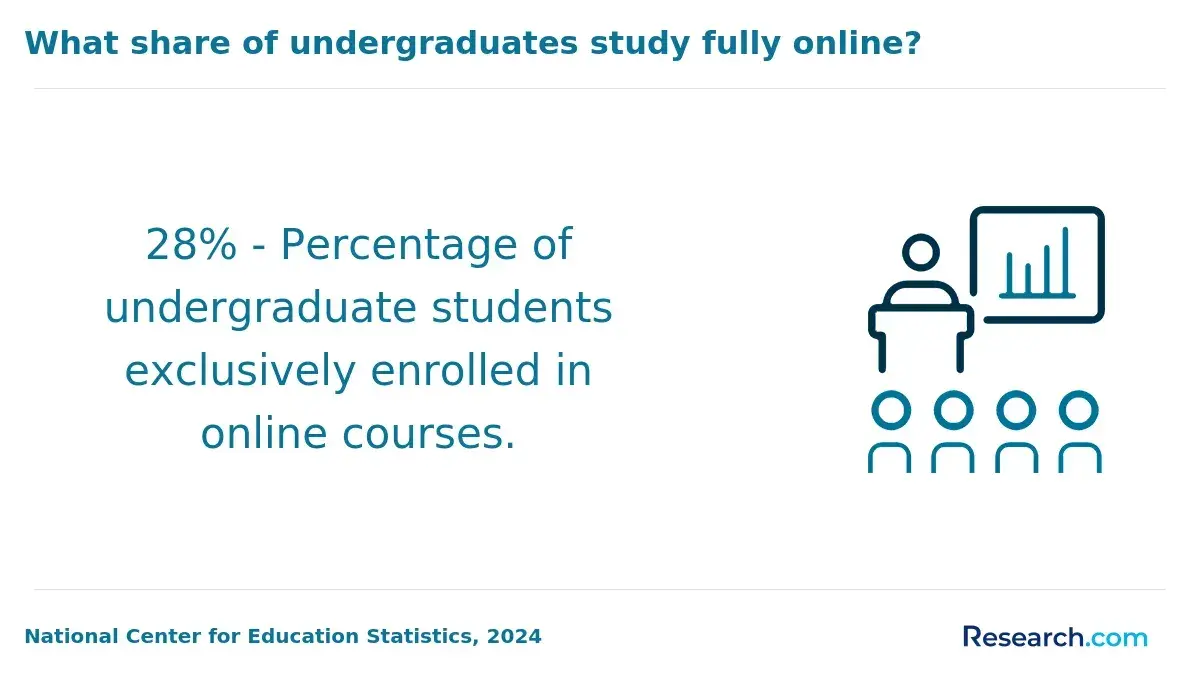
With online graduate enrollment rising by over 20% according to the National Center for Education Statistics, accessibility drives many decisions, yet not all programs offer the same career mobility or accreditation recognition.
Understanding these nuances affects long-term employability and skill applicability in evolving mental health and educational environments. This article analyzes how well the Walden University program aligns with such critical factors to inform prospective students' choices.
Key Points About Walden University's Online MS Dual Degree in Clinical Mental Health Counseling & School Counseling - Addiction Counseling Program
- Walden University's online MS Dual Degree in Clinical Mental Health Counseling & School Counseling - Addiction Counseling offers open admission, increasing access but potentially attracting a diverse range of preparedness among applicants.
- The total tuition cost is $34,458, with an earnings to debt ratio of 2.05x and a median alumni salary of $42,810, reflecting moderate financial investment balanced against realistic income outcomes.
- Experienced faculty and program design contribute to strong employer recognition, with many alumni successfully entering counseling roles, impacting workforce readiness and professional integration.
What makes Walden University's online MS Dual Degree in Clinical Mental Health Counseling & School Counseling - Addiction Counseling program stand out?
Choosing a dual degree program that combines clinical mental health counseling, school counseling, and addiction counseling reflects a strategic response to growing workforce demands for versatile professionals capable of handling complex client needs across multiple settings. For students balancing work and education, Walden University's online format offers flexibility through asynchronous coursework, enabling completion on individual schedules without sacrificing rigor.
This flexibility is particularly important for those already employed in counseling or education roles who need practical advancement without pausing their careers.
The program's integration of three related but distinct counseling disciplines provides a distinct advantage by preparing graduates for a broader range of licensure and employment opportunities. With a student body of 44,223 and a faculty of 3,423, Walden supports diverse peer interaction and mentorship, which enriches the learning environment despite the online format.
The inclusion of practicum and internship experiences ensures alignment with real-world licensure requirements, making it a pragmatic choice for individuals aiming to blend theoretical knowledge with hands-on skill development.
Is it difficult to get admitted to Walden University's online MS Dual Degree in Clinical Mental Health Counseling & School Counseling - Addiction Counseling program?
MS dual degree programs in clinical mental health counseling and school counseling-especially those incorporating addiction counseling-often carry moderate to high admission competitiveness. Many universities impose strict GPA thresholds, require letters of recommendation, and demand relevant experience or standardized test scores, limiting access for some applicants.
This exclusivity can delay entry for individuals lacking traditional qualifications, affecting workforce supply amid rising demand for specialized counselors.
In contrast, Walden University's online MS Dual Degree in Clinical Mental Health Counseling & School Counseling - Addiction Counseling program adopts an open admission approach that notably eases entry barriers. It does not require SAT or ACT scores or maintain competitive cutoffs, resulting in a higher acceptance rate than most comparable programs with selective criteria.
This accessibility widens opportunities for applicants who might otherwise face rejection elsewhere, though it may also mean the program accommodates a broader range of academic preparedness levels, which some employers might consider during hiring decisions.
A graduate who recently completed the program shared that navigating the application process at Walden was "initially a relief" compared to other schools but involved its own strategic timing challenges. They recalled submitting materials quickly to avoid delays, noting uncertainty about when enrollment deadlines might close due to the open policy.
"The less restrictive admission definitely reduced stress, but I still had to stay proactive to secure my spot," they said, emphasizing how admission ease didn't eliminate the need for careful planning amid personal work and family commitments.
How does the curriculum of Walden University's online MS Dual Degree in Clinical Mental Health Counseling & School Counseling - Addiction Counseling program stay aligned with current industry trends?
Aligning academic curricula with evolving professional expectations often determines graduate employability in specialized counseling fields. Walden University's online MS Dual Degree in Clinical Mental Health Counseling & School Counseling - Addiction Counseling addresses this by offering a curriculum informed by current industry standards and integrated workforce demands.
Students benefit from a program structure that balances theoretical foundations with applied clinical experience, critical in contexts where counselors must navigate dual roles addressing both school-based and clinical addiction challenges. The practical implications of this approach affect how graduates meet licensure criteria and respond to complex client needs.
Below are key factors that illustrate how the curriculum stays relevant to professional trends.
- Evidence-Based Training: The program emphasizes competencies in assessment techniques, individualized treatment planning, and use of evidence-based interventions that employers increasingly require in managing co-occurring mental health and substance use disorders. This focus enhances job readiness in environments demanding proven therapeutic strategies.
- Trauma-Informed Frameworks: By incorporating trauma-sensitive models and crisis intervention training, the curriculum aligns with growing expectations for culturally competent and trauma-aware care, an area of rising importance in school and community addiction counseling roles.
- Supervised Clinical Practicum: Practical field experiences embedded within the curriculum provide exposure to real-world scenarios, enabling students to apply ethical, cultural, and legal standards directly. This requirement supports meeting licensure prerequisites while preparing graduates for the operational complexities of dual clinical and educational counseling roles.
From an analytical perspective, Walden University's MS Dual Degree curriculum aligns well with industry requirements for clinical mental health and school counseling programs focused on addiction. While the integrated dual-degree structure may demand greater time and workload commitments, it offers broader employability across settings compared to single-focus programs.
Prospective students should consider how this versatility-and the added responsibility of mastering dual competencies-fits their career goals and local licensure standards. For those evaluating educational investment against workforce outcomes, reviewing the highest paying online degrees may also provide useful context in determining the relative market value of this program's qualification in a competitive health service marketplace.
The cost of Walden University's online MS Dual Degree in Clinical Mental Health Counseling & School Counseling - Addiction Counseling program reflects a balance between comprehensive services and geographic flexibility. Tuition and fees amount to $12,498 annually, but when adding books, supplies, room, board, and other expenses, the total climbs to approximately $34,458.
This figure underscores that prospective students need to budget beyond just tuition to cover the full cost of attendance, which may impact decisions, especially for those managing personal or family financial responsibilities.
Financial aid availability is a critical factor in offsetting these costs. Although 90% of Walden undergraduates receive aid with an average award of $3,353, graduate program applicants should verify specific funding for their cohort.
Walden also offers institutional grants and corporate tuition reimbursement options, which can be pivotal for employed students leveraging employer support. The lack of separate online technology fees helps control costs, an important detail for those comparing online programs where hidden fees often increase overall expenses.
Comparatively, the tuition rates for this MS Dual Degree in Clinical Mental Health Counseling & School Counseling - Addiction Counseling align with national averages, which range between $10,000 and $15,000 per year at similar institutions.
However, total cost of attendance may vary widely, and additional factors like program length, local living expenses, and credentialing requirements influence the final financial commitment. This reality highlights the need for candidates to look beyond sticker price and evaluate long-term budget implications relative to earning potential in counseling roles.
Students examining their options should also consider how program costs intersect with career outcomes, especially given the nuanced job outlook in counseling fields. For those weighing mental health roles against other pathways, analyzing data on employment trends, such as those found in research on the bachelor's degrees job outlook, can sharpen decision-making.
Upon deeper review, the Walden University online dual degree tuition cost may represent a competitive investment when weighed against practical access and targeted graduate training in addiction and school counseling.
Admissions requirements for Walden University's online MS Dual Degree in Clinical Mental Health Counseling & School Counseling - Addiction Counseling reflect a balance between accessibility and academic rigor. The program removes the common barrier of mandatory standardized test scores, but this flexibility means applicants must demonstrate readiness through alternative materials.
Without standardized test scores, competitiveness may be affected, especially in a field where employers often weigh practical experience alongside credentials. Understanding these nuances is essential for applicants gauging their fit and framing their professional narrative.
Applicants must hold a bachelor's degree from an accredited institution. A minimum GPA of 2.75 is required for the last 60 semester hours of undergraduate coursework. Applicants must submit a statement of academic purpose, a professional vita or resume, and official transcripts. A criminal background check and a drug screening are also required. Applicants may be asked to provide letters of recommendation and proof of licensure, if applicable.
- Standard Application Materials: Candidates must submit basic documents such as transcripts and identification forms, establishing foundational eligibility but with minimal complexity.
- Standardized Tests Waived: No SAT or ACT scores are required, easing entry hurdles for non-traditional students or those returning to education after a gap.
- Supporting Documents: Depending on the applicant's background, walden may request letters of recommendation, personal statements, or professional resumes to assess motivation and relevant experience, which can differentiate applicants in the selection process.
- Transfer Credit Policy: Applicants may transfer qualifying graduate-level credits but should note transfer limits and grade minimums, typically at least a "C," which can affect program length and cost.
- No Entrance Exams or Portfolios: The absence of mandatory entrance exams or portfolio submissions reduces additional preparatory demands often seen in related counseling programs.
The return on investment (ROI) for Walden University's online MS Dual Degree in Clinical Mental Health Counseling & School Counseling - Addiction Counseling program hinges on a critical cost-to-earnings balance that prospective students must carefully evaluate. With an annual total cost around $34,458, graduates face a substantial upfront financial commitment against median starting salaries near $42,810.
This income level remains relatively flat even a decade post-graduation, illustrating a modest earning trajectory that may limit debt repayment speed and long-term financial flexibility for many.
Graduates typically carry average student debt of $20,834, producing an earnings-to-debt ratio of roughly 2.05x. While this indicates that median earnings are just over double the debt load, actual ROI varies significantly depending on individual circumstances. Factors such as securing scholarships or grants can materially improve affordability, while the ability to access higher-paying roles-often influenced by geographic location, licensure, and employer type-also heavily affects outcomes.
In practice, many alumni find employment in public sector mental health agencies or educational institutions where salaries tend to be more stable but may plateau early. For students aiming for faster income growth or private sector positions, the program's ROI might appear less advantageous. Evaluating these tradeoffs within the current counseling labor market is essential before committing to the financial and time investment required for this dual degree.
Student satisfaction with Walden University's online MS Dual Degree in Clinical Mental Health Counseling & School Counseling - Addiction Counseling program is nuanced, often shaped by practical challenges typical of remote study in demanding fields. The flexibility of an online format allows many students to juggle work, family, and academics, a critical factor given the rigorous coursework involved.
However, this balance carries tradeoffs: some students struggle with the isolation inherent in virtual learning and occasional obstacles in accessing or navigating course materials efficiently.
Walden's sizable online community and institutional support mechanisms, such as student-led groups and mentoring programs, aim to offset these challenges by fostering connection and engagement. Yet, satisfaction levels vary considerably based on individual circumstances, including students' personal discipline and external responsibilities.
The program's complexity and scope require sustained effort, and some learners may feel underprepared for the self-directed aspects online programs demand, which can influence their overall experience.
The mixed feedback often reflects the inherent tension between the program's demanding content and the scalability of virtual engagement. For prospective students, evaluating whether the university's support networks align with their needs for academic interaction and community-building is key. Unlike traditional campuses, the remote setting may amplify feelings of disconnection, which can impact retention and motivation for some individuals.
One graduate recalls, "I hesitated at first because working full-time and attending an intensive online program felt overwhelming. The mentoring offered really helped during tougher weeks, but there were moments I doubted if the online setup could replace in-person feedback. Still, being able to study after hours without commuting was invaluable."
"By the end, I appreciated how the program pushed me to develop both academically and time-management-wise, even if I wished for more real-time discussions with peers."
Institutions like Walden University materially influence graduates' success in counseling employment through structured career support and active professional networks. Data indicates that approximately 72% of counseling graduates secure jobs via school-affiliated connections, underscoring the tangible benefit of integrated placement services.
This institutional backing often accelerates transition into roles within mental health or addiction counseling sectors, where employer preferences favor candidates who demonstrate both applied skills and navigable licensing pathways. Graduates face competitive hiring landscapes, making early employer engagement an essential strategic advantage. Below are key employment resources Walden provides that align with these practical workforce demands.
- Virtual Job Fairs: Online events connect students directly with employers actively hiring in mental health and school counseling, fostering early exposure to job openings and organizational expectations before program completion.
- Resume Workshops: Focused sessions offer individualized critique and optimization of professional documents tailored to counseling career standards, improving candidates' visibility and interview potential.
- Job Placement Portal: A dedicated online platform lists opportunities targeted specifically to graduates in dual counseling fields, streamlining job searches by filtering relevant roles that match acquired competencies.
- Alumni Mentorship: Access to a global network facilitates mentorship relationships, allowing guidance on licensure nuances, workplace culture, and strategic introductions that can enhance hiring likelihood.
These targeted services reflect Walden University career support for mental health counseling graduates as more than ancillary-they address critical employment-entry barriers typical in counseling professions. For students balancing cost concerns and career ambitions, exploring cheapest online degrees options alongside specialized career assistance can shape more informed education-to-employment decisions.
Graduates of Walden University's online MS Dual Degree in Clinical Mental Health Counseling & School Counseling - Addiction Counseling face practical tradeoffs reflecting the counseling field's entry-level wage structure and diverse work settings.
While the overlapping skills provide flexibility across mental health, school, and addiction counseling roles, the starting salaries often lag behind comparable health and education professions, which is an important consideration for those weighing the program's value for career return on investment.
Understanding these outcomes helps prospective students calibrate expectations in relation to workforce realities and individual financial goals. Below are some career pathways and their typical compensation scenarios for graduates of the addiction counseling dual degree program.
- Clinical Mental Health Counselor: These professionals deliver therapeutic and crisis intervention services in varied clinical environments, earning around $32,400 on average annually. Their role centers on managing mental health challenges while adapting treatments to diverse populations.
- School Counselor: Positioned within educational settings, school counselors address academic and socioemotional barriers for students. Salary ranges broadly, aligning with human development and family services averages near $31,000, reflecting the varied funding and district-specific pay scales.
- Addiction Counselor: Specialists in this field focus on substance abuse recovery programs, often intersecting with healthcare services. Earnings average closer to $47,500 but can fluctuate significantly based on employer type and geographic location.
Career outcomes like these underscore the program's dual degree appeal but also the need to consider how salary trajectories compare to fields like registered nursing or curriculum instruction, which typically offer higher compensation.
For those targeting roles in counseling, the practical gains must be balanced with realistic financial prospects and evolving employer expectations. Prospective students interested in cost and value might also explore options among the most affordable online colleges to optimize educational investment.
Determining whether Walden University's online MS Dual Degree in Clinical Mental Health Counseling & School Counseling - Addiction Counseling program aligns with your professional and academic goals requires nuanced consideration.
For someone focused on licensure in addiction counseling within diverse school settings, this program's comprehensive dual approach may hold value. However, its curriculum and practical exposures must match those aims precisely.
Prospective students weighing if Walden University MS dual degree is right for mental health counseling goals should factor in how the program's rigor, support systems, and career outcomes interact with their unique aspirations and learning styles. Consider these elements carefully to refine your decision.
- Curriculum Relevance: Assess whether the coursework genuinely integrates clinical mental health and school counseling fundamentals with specialized addiction counseling content that satisfies state licensure requirements. This ensures your training covers the professional competencies sought by employers and licensing boards.
- Accreditation and Licensure Support: Verify that the program's accreditation is recognized and that it adequately prepares you for certification exams while meeting varied state licensure standards, crucial for employment flexibility across regions.
- Learning Format Fit: Reflect on your readiness for a fully online program demanding strong self-regulation. Confirm the availability of interactive resources, responsive faculty, and peer engagement opportunities aligned with your preferred learning modality.
- Practical Experience Opportunities: Gauge how effectively the program facilitates internships or practicum placements relevant to addiction counseling in school environments, as hands-on experience greatly influences employability and skill mastery.
- Financial Investment vs. Return: Weigh tuition costs and financial aid options against expected salary gains or job placement prospects in your target labor market to evaluate long-term value.
For those exploring accelerated paths in related disciplines, examining options like 1-year PhD programs online no dissertation can provide additional context on program duration and intensity tradeoffs. Overall, the suitability of Walden University's online counseling dual degree program fit hinges on a clear-eyed analysis of how it meshes with your career trajectory rather than broad assumptions about credential prestige.
What Graduates Say About Walden University's Online MS Dual Degree in Clinical Mental Health Counseling & School Counseling - Addiction Counseling Program
- Paisley: "Completing the MS Dual Degree in Clinical Mental Health Counseling & School Counseling - Addiction Counseling at Walden University offered me the flexibility to balance my studies with a full-time job, which was critical at that stage in my life. I found that while the program prepared me well theoretically, in my job search, employers emphasized hands-on internship experiences and developing a solid portfolio more than just the degree itself. That reality pushed me to seek additional certifications and practical learning opportunities to become a competitive candidate in addiction counseling roles."
- Maribel: "Studying at Walden University opened doors for me into remote and school-based counseling roles that I hadn't previously considered. The MS Dual Degree in Clinical Mental Health Counseling & School Counseling - Addiction Counseling gave me the credentials to enter the field relatively quickly, but I had to be realistic about salary growth limitations without full licensure. Over time, I've had to strategically pivot toward supervisory and education-focused positions where my dual expertise and Walden's curriculum truly set me apart."
- Liliana: "The experience I had at Walden University was academically rigorous, and the MS Dual Degree in Clinical Mental Health Counseling & School Counseling - Addiction Counseling challenged me to integrate clinical and school-based frameworks effectively. However, the job market's preference for candidates with extensive field experience meant I encountered some hiring challenges early on, especially when competing for clinical roles. Navigating that landscape taught me that while my degree was vital, supplementing it with real-world practicum hours and targeted internships was essential to advancing my counseling career."
Other Things You Should Know About Degrees
The program requires supervised fieldwork that includes practicum and internship placements, with exact hour totals set by the counseling curriculum and state licensure rules. Students must complete site-based experiences under approved supervision, and state boards may require additional post-degree clinical hours before LPC, LMHC, or school counseling licensure.
While the dual degree covers comprehensive counseling domains, licensure requirements vary significantly between states and may not fully accept dual credentials without additional post-graduate hours or exams. Candidates should review state licensure boards carefully since the program prepares for multiple credentials but does not guarantee dual licensure everywhere.
Prioritizing states with reciprocal agreements or those recognizing Walden's curriculum maximizes licensure portability after graduation.
Although the program is fully online, it incorporates required practicum and internship components that provide hands-on experience under supervision, which are essential for skill development.
However, opportunities for spontaneous peer interaction or informal networking are more limited compared to on-campus programs. Students who value strong in-person mentoring and professional community building may need to supplement their experience by seeking local counseling groups or events outside the university.
- Master’s Degree in Counseling Guide https://www.counselingdegreeguide.org/degrees/masters/
- MS Dual Degree in Clinical Mental Health Counseling and School Counseling Online https://www.wguni.org/shop/ms-dual-degree-in-clinical-mental-health-counseling-and-school-counseling-online-92
- Reflections on my 6-Year Journey as a Walden Graduate AssistantWalden University Career Planning and Development Blog https://waldencareerservices.com/2024/01/19/reflections-on-my-6-year-journey-as-a-walden-graduate-assistant/
- MS & MA In Counseling: Comparing Curriculums, & Salaries https://www.psychology.org/degrees/ms-vs-ma-in-counseling/
- Dual Master's Degree in Mental Health & School Counseling https://www.ccu.edu/ccu/counseling/dual-degree-counseling/
- 2025 Most Affordable Online Master's Degrees in Counseling https://www.onlineu.com/most-affordable-colleges/counseling-masters-degrees
- Choosing a Mental Health Counselor Education Path | What do you want | MentalHealthCounselorLicense.com https://www.mentalhealthcounselorlicense.com/articles/mental-health-counselor-education/
- Walden University Reviews https://www.gradreports.com/colleges/walden-university
- 25+ Affordable Online Masters in School Counseling Programs https://schoolcounselingmasters.org/cheapest-school-counseling-programs/